Is HIIT Good for Fat Burning? Benefits, Workouts, and What the Evidence Says
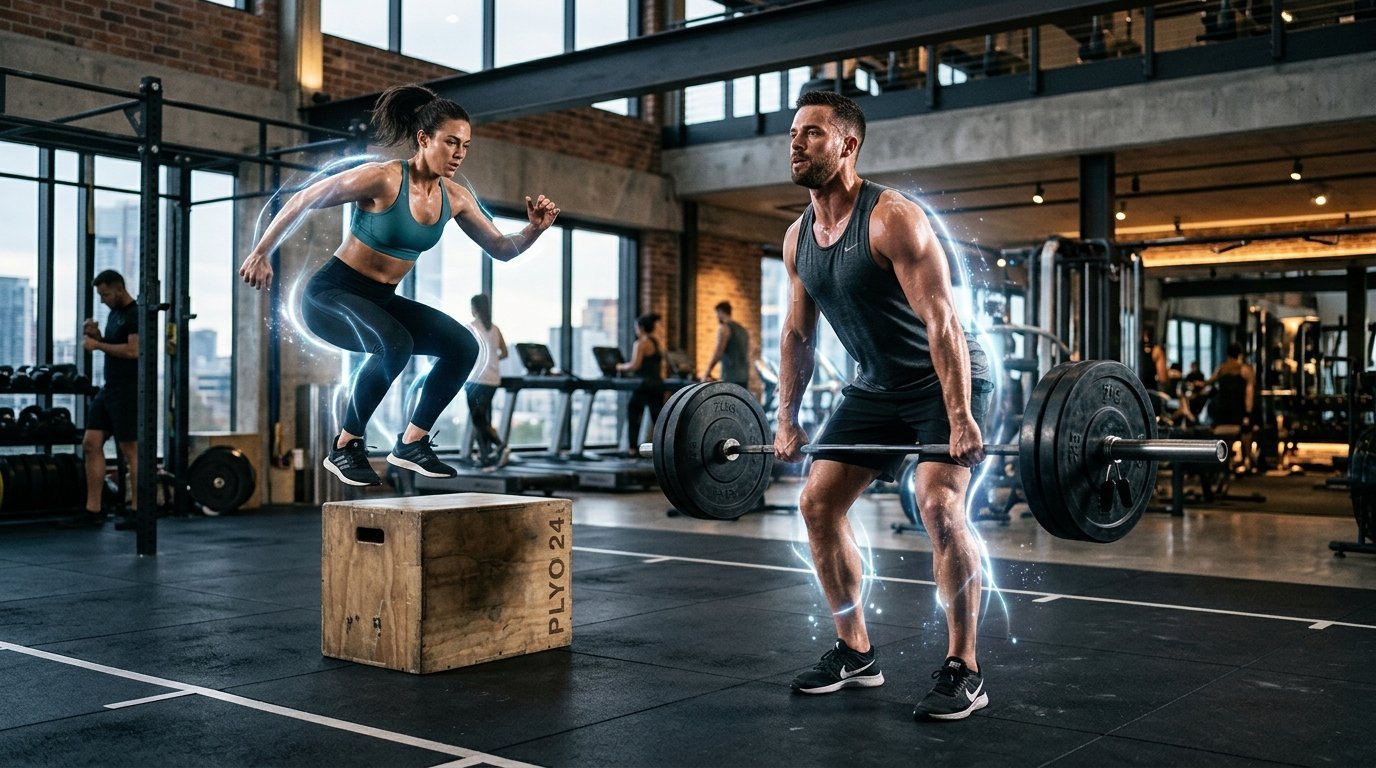
High-Intensity Interval Training has become one of the most talked-about workout styles for people trying to lose body fat. Short sessions, intense effort, and promises of continued calorie burning after exercise have made HIIT a popular choice among beginners and experienced exercisers alike.
But is HIIT for Fat Burning really as effective as many people claim?
The answer is more balanced than the headlines suggest. Research shows that HIIT can be an effective tool for improving fat oxidation, increasing energy expenditure, and reducing body fat when combined with consistent healthy habits. However, it is not a magic solution, nor is it automatically the best choice for everyone.
Understanding how HIIT affects the body helps separate evidence from marketing. Instead of focusing only on calories burned during a workout, scientists also study how the body responds in the hours after exercise, including changes in metabolism, recovery, and fat oxidation.
In this article, you’ll explore what current research says about HIIT for fat burning, why the afterburn effect matters, who benefits most from this training style, and how to use it effectively without falling for common misconceptions.
Quick Answer
HIIT for Fat Burning can be effective because it increases calorie expenditure during exercise while also producing an afterburn effect known as Excess Post-Exercise Oxygen Consumption (EPOC). Although HIIT can support fat loss, long-term results still depend on maintaining a calorie deficit, recovering properly, and following a consistent exercise routine.
Is HIIT Effective for Fat Burning?
The short answer is yes.
HIIT can support fat burning, but not because it somehow unlocks a special fat-burning mode.
Instead, it challenges the body to work at very high intensities for short periods, followed by brief recovery intervals. This demanding pattern increases energy expenditure and creates physiological changes that continue after the workout has ended.
Research consistently shows that HIIT can reduce body fat when performed regularly as part of an overall healthy lifestyle.
HIIT Challenges Multiple Energy Systems
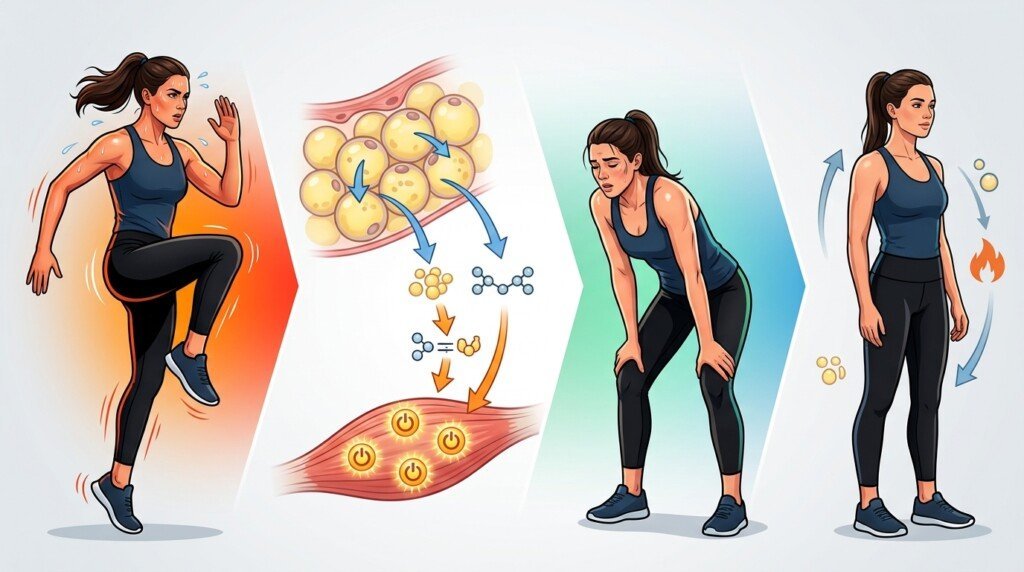
Unlike steady continuous exercise, HIIT repeatedly shifts your body between very intense effort and recovery.
During these intense intervals, your muscles require energy immediately.
The body responds by drawing from several energy systems, including stored carbohydrates and, later, increased fat oxidation during recovery.
This constant demand places significant stress on the cardiovascular and muscular systems, leading to adaptations that improve overall fitness.
Fat Burning Continues Beyond the Workout
One reason HIIT receives so much attention is that calorie expenditure does not stop when the workout ends.
Following intense exercise, the body requires additional energy to restore itself.
This recovery process contributes to increased energy expenditure for several hours after training.
Although the additional calories burned vary between individuals, the effect has been consistently observed in exercise research.
Readers wanting a broader understanding of how stored fat becomes fuel may also find Fat Burning helpful.
Why Does HIIT Increase Calorie Burn After Exercise?
One of the defining features of HIIT is the afterburn effect, scientifically known as Excess Post-Exercise Oxygen Consumption (EPOC).
Understanding EPOC explains why HIIT often burns more total calories than people expect.
What Is EPOC?
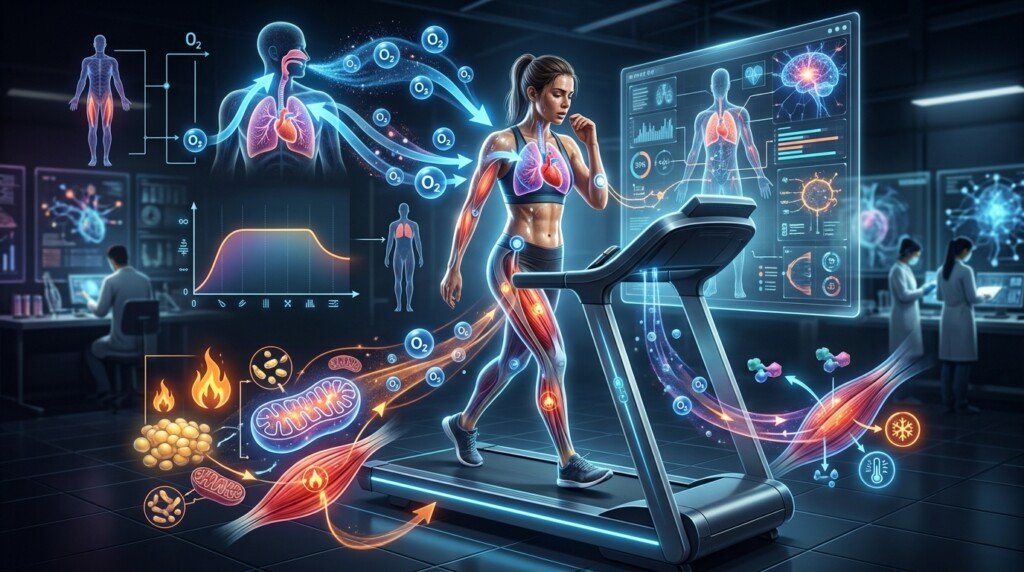
After an intense workout, your body does not immediately return to its resting state.
Instead, it continues using additional oxygen while restoring normal physiological conditions.
During this recovery period, your body works to:
- Restore oxygen levels.
- Repair muscle tissue.
- Replace energy stores.
- Normalize hormone levels.
- Regulate body temperature.
- Remove metabolic by-products.
All of these processes require energy.
This elevated oxygen consumption is called Excess Post-Exercise Oxygen Consumption, or EPOC.
Why EPOC Matters for Fat Burning
The afterburn effect contributes additional calorie expenditure after exercise has ended.
While EPOC alone will not produce dramatic fat loss, it adds to the total energy your body uses throughout the day.
Over weeks and months of consistent training, these small increases in energy expenditure may contribute to meaningful improvements in body composition.
This is one reason HIIT is often discussed alongside Metabolism, although the two concepts are not identical.
Metabolism describes the body’s overall energy use, while EPOC refers specifically to increased post-exercise oxygen consumption.
EPOC Is Influenced by Workout Intensity
The size of the afterburn effect depends largely on workout intensity.
Generally speaking:
- Higher intensity creates greater EPOC.
- Longer recovery periods allow higher effort during intervals.
- Individual fitness levels influence recovery demands.
Importantly, more intensity is not always better.
An excessively difficult workout may require longer recovery without providing proportionally greater long-term benefits.
Consistency remains more valuable than occasional extreme sessions.
Is HIIT Better Than Steady-State Cardio?
This question appears frequently, but it often creates a false choice.
Current evidence suggests that both approaches can support fat loss.
Rather than asking which one is universally better, it is more helpful to understand where HIIT offers unique advantages.
HIIT Is Time Efficient
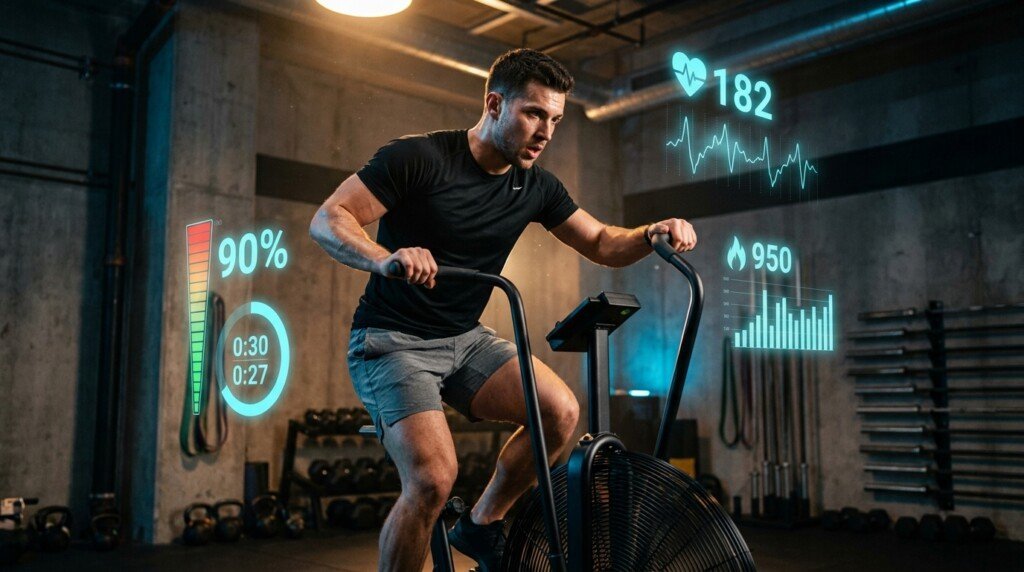
One of HIIT’s greatest strengths is efficiency.
Many sessions last between 15 and 30 minutes while still providing significant cardiovascular and metabolic benefits.
This makes HIIT attractive for people with limited time.
HIIT Produces Greater Training Intensity
The repeated high-intensity intervals create larger physiological demands than moderate continuous exercise.
This contributes to:
- Increased calorie expenditure.
- Improved cardiovascular fitness.
- Enhanced exercise capacity.
- Larger EPOC responses.
However, these benefits come with greater recovery demands.
Recovery Matters Just As Much
Because HIIT is demanding, recovery becomes essential.
Training intensely every day increases the risk of fatigue, declining performance, and reduced exercise quality.
Balancing challenging sessions with adequate recovery allows the body to adapt more effectively.
For readers exploring broader exercise strategies, Cardio vs Strength Training explains how different training styles contribute to overall fitness and body composition.
How Often Should You Do HIIT?
One of the most common mistakes is assuming that more HIIT automatically produces better fat loss.
In reality, recovery determines how frequently most people should perform high-intensity training.

Most People Benefit From Two to Four Sessions Per Week
Research generally supports performing HIIT several times each week rather than every day.
This schedule allows the body enough time to recover while still providing regular training stimulus.
The ideal frequency depends on factors such as:
- Age
- Training experience
- Recovery capacity
- Overall fitness level
- Other weekly exercise
Someone performing additional resistance training or endurance exercise may require fewer HIIT sessions than someone using HIIT as their primary workout.
Beginners Should Progress Gradually
People new to interval training often benefit from starting conservatively.
Learning proper movement patterns, building cardiovascular fitness, and allowing adequate recovery reduce the likelihood of injury or excessive fatigue.
As fitness improves, interval duration, intensity, and training frequency can gradually increase.
Readers looking for structured workout examples can also explore HIIT Workouts for Weight Loss, which focuses specifically on building HIIT routines rather than explaining the science behind fat burning.
Who Benefits Most From HIIT?
HIIT is an effective training method, but it is not the ideal choice for every person or every fitness goal. Understanding who benefits the most helps set realistic expectations and encourages safer, more sustainable progress.
People With Limited Time
One of HIIT’s greatest advantages is efficiency.
Many sessions can be completed in 20 to 30 minutes while still providing substantial cardiovascular and metabolic benefits. For people with demanding schedules, this makes it easier to maintain regular exercise without spending long periods in the gym.
Consistency is often more important than workout duration, and HIIT can help busy individuals stay active.
People Looking to Improve Fitness Alongside Fat Loss
HIIT offers more than fat-burning potential.
Regular participation may improve:
- Cardiovascular fitness
- Aerobic capacity
- Anaerobic performance
- Exercise endurance
- Insulin sensitivity
These improvements support overall health while contributing to better long-term weight management.
Individuals Who Already Have an Exercise Routine
People who already exercise consistently often find it easier to incorporate HIIT because they have developed a foundation of movement quality and recovery capacity.
Adding one or two HIIT sessions each week can complement an existing fitness program without replacing other forms of exercise.
Beginners Can Still Benefit
HIIT is not reserved for advanced athletes.
Beginners can perform interval training by adjusting:
- Exercise intensity
- Work duration
- Recovery time
- Exercise selection
The goal is to challenge yourself appropriately, not to imitate elite athletes.
Starting gradually allows the body to adapt while reducing the risk of excessive fatigue.
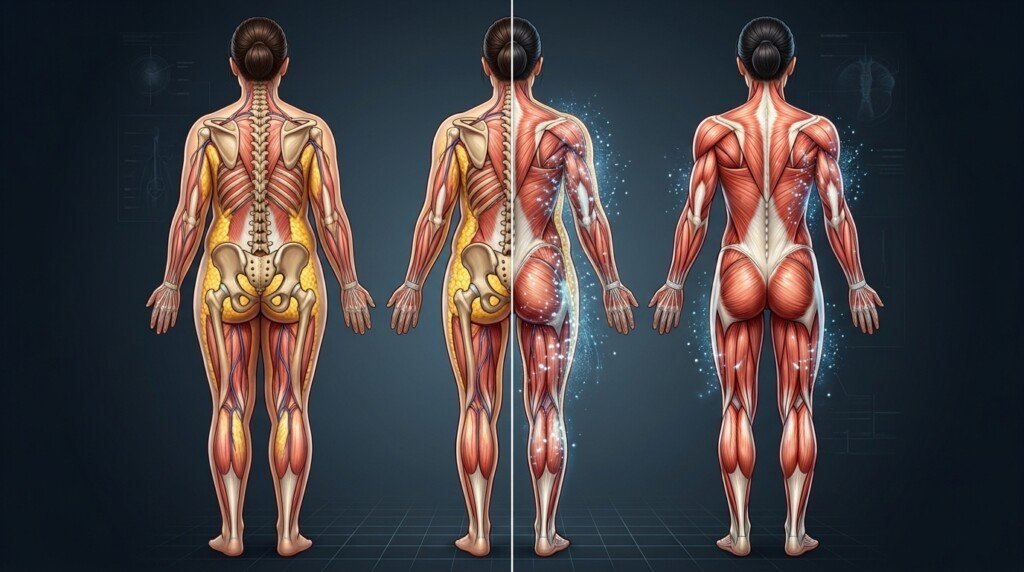
Can HIIT Help Reduce Body Fat?
Research suggests that HIIT can contribute to reductions in body fat, but it is important to understand how these results occur.
HIIT does not directly target fat cells.
Instead, it increases total energy expenditure, improves cardiovascular fitness, and supports physiological adaptations that help create favorable conditions for fat loss.
Fat Loss Depends on Overall Energy Balance
Even though HIIT increases calorie expenditure, long-term fat loss still depends on maintaining an appropriate calorie deficit.
Exercise alone rarely determines fat loss outcomes.
Nutrition, recovery, daily movement, and consistency all work together to influence body composition.
This is why HIIT should be viewed as one valuable tool within a broader healthy lifestyle rather than a standalone solution.
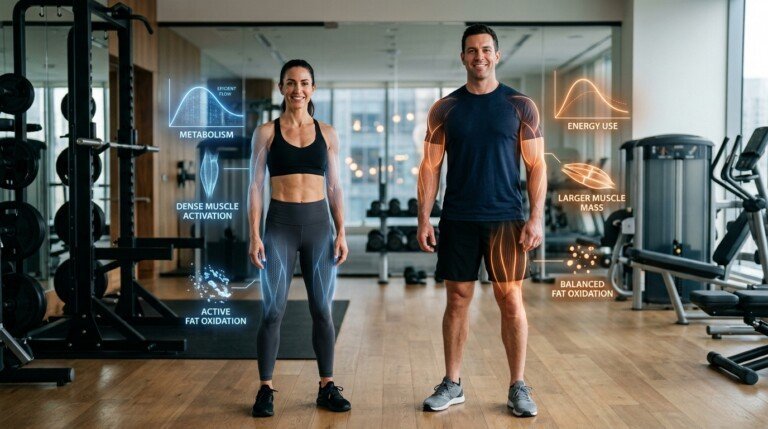
HIIT Supports Fat Oxidation
Studies show that regular HIIT can improve the body’s ability to oxidize fat during recovery and at rest.
These adaptations develop gradually through repeated training rather than after a single workout.
The improvements appear to result from:
- Better mitochondrial function
- Improved cardiovascular efficiency
- Increased metabolic flexibility
- Enhanced exercise capacity
Together, these adaptations make the body more efficient at producing energy from stored fat over time.
Results Differ Between Individuals
No two people respond to HIIT in exactly the same way.
Several factors influence outcomes, including:
- Age
- Genetics
- Starting fitness level
- Body composition
- Recovery quality
- Training consistency
- Overall lifestyle
Comparing your progress with someone else’s rarely provides a meaningful picture of your own success.
Instead, focus on steady improvements in fitness, energy, and body composition over time.
Which HIIT Mistakes Should You Avoid?
HIIT can be highly effective when used correctly.
However, several common mistakes reduce its benefits or increase the likelihood of fatigue and injury.
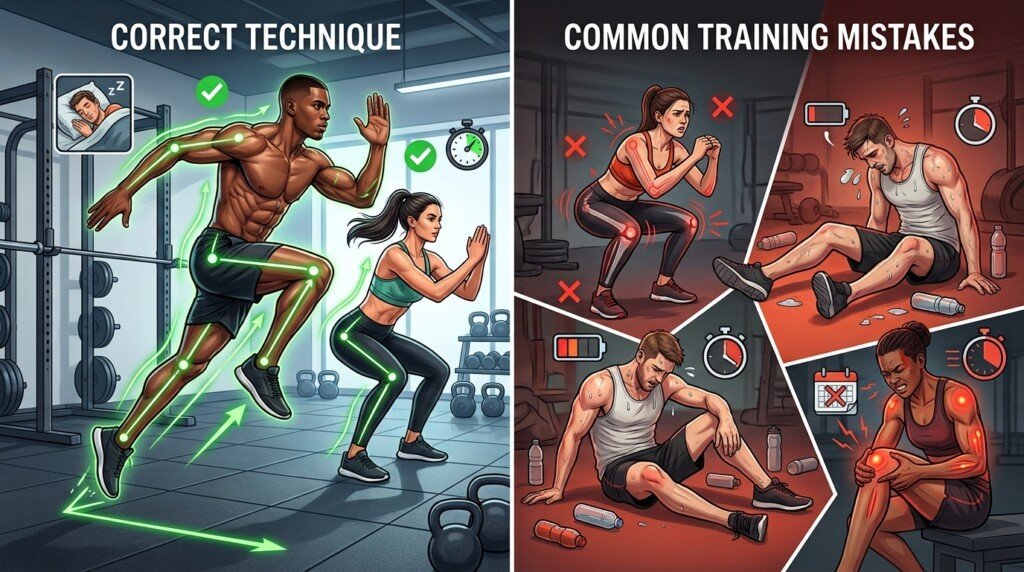
Doing HIIT Every Day
More is not always better.
Because HIIT places significant demands on the body, daily high-intensity sessions often reduce recovery quality and overall performance.
Most people benefit from balancing intense workouts with lower-intensity activity and adequate rest.
Ignoring Recovery
Recovery is where adaptation happens.
Without enough recovery, your body has less opportunity to repair muscles, restore energy stores, and improve fitness.
Signs that recovery may be insufficient include:
- Persistent fatigue
- Declining workout performance
- Increased soreness
- Poor motivation
- Difficulty sleeping
Giving your body time to recover is part of effective training, not a break from it.
Prioritizing Speed Over Technique
Performing exercises as quickly as possible often leads to poor movement quality.
Proper technique should always come before intensity.
Maintaining good form reduces injury risk while allowing you to continue training consistently.
Expecting Instant Fat Loss
Many people begin HIIT expecting dramatic body changes within a few weeks.
Although improvements in fitness may appear relatively quickly, visible fat loss usually develops gradually through consistent habits.
Patience remains one of the most valuable qualities during any weight management journey.
Forgetting the Bigger Picture
HIIT is only one part of a healthy lifestyle.
Long-term progress depends on combining exercise with:
- Balanced nutrition
- Quality sleep
- Stress management
- Daily movement
- Recovery
- Sustainable habits
Focusing exclusively on workouts while neglecting these factors often limits results.
What Does the Research Say About HIIT for Fat Burning?
When reviewing current evidence, researchers consistently reach several important conclusions.
| Research Finding | Overall Evidence |
|---|---|
| HIIT increases calorie expenditure | Strong |
| HIIT produces an afterburn effect (EPOC) | Strong |
| HIIT supports reductions in body fat | Strong |
| HIIT improves cardiovascular fitness | Strong |
| HIIT increases fat oxidation over time | Moderate to Strong |
| Recovery is essential for continued progress | Strong |
| HIIT works best alongside healthy lifestyle habits | Strong |
Perhaps the most important finding is that HIIT is effective because it contributes to overall energy expenditure and long-term fitness improvements rather than because it possesses unique fat-burning powers.
The greatest benefits appear when HIIT is performed consistently as one part of a balanced exercise routine.
Future discussions about Best Time to Exercise for Fat Burning and How to Speed Up Fat Burning can build on these principles by exploring how workout timing and overall lifestyle influence fat oxidation.

Frequently Asked Questions
1. Is HIIT for Fat Burning effective?
Yes. HIIT for Fat Burning can increase calorie expenditure, improve cardiovascular fitness, and support fat oxidation when combined with a consistent healthy lifestyle.
2. Is HIIT better than traditional cardio?
Neither is universally better. HIIT offers time efficiency and a larger afterburn effect, while steady-state cardio provides different benefits. Both can support fat loss.
3. Does HIIT burn belly fat?
HIIT cannot specifically target belly fat. Fat loss occurs throughout the body based on genetics, hormones, and overall energy balance.
4. How long should a HIIT workout last?
Most HIIT sessions last between 15 and 30 minutes, depending on fitness level, exercise selection, and workout intensity.
5. How many HIIT sessions should you do each week?
Many healthy adults benefit from two to four HIIT sessions per week, allowing adequate time for recovery.
6. Can beginners do HIIT?
Yes. Beginners can perform modified interval training by reducing exercise intensity, shortening work intervals, and increasing recovery periods.
7. What is EPOC?
Excess Post-Exercise Oxygen Consumption (EPOC) is the increased oxygen use that occurs after intense exercise while the body recovers and restores normal function.
8. Does HIIT continue burning calories after exercise?
Yes. The afterburn effect means the body continues using additional energy during recovery, although the size of the effect varies between individuals.
9. Can HIIT replace every other workout?
No. HIIT works best as part of a balanced exercise program that includes recovery and other forms of physical activity.
10. What is the biggest benefit of HIIT?
Its ability to improve cardiovascular fitness, increase calorie expenditure, and support fat loss in relatively short workout sessions makes HIIT an efficient training option for many people.
Conclusion
HIIT for Fat Burning has earned its popularity because it combines efficiency with measurable physiological benefits. By alternating short bursts of high-intensity exercise with recovery periods, HIIT increases calorie expenditure during workouts and creates an afterburn effect through Excess Post-Exercise Oxygen Consumption (EPOC). Over time, these adaptations can improve cardiovascular fitness, enhance fat oxidation, and contribute to reductions in body fat when paired with consistent healthy habits.
At the same time, HIIT is not a shortcut to rapid fat loss. Lasting results still depend on maintaining an appropriate calorie deficit, recovering adequately, sleeping well, and following a sustainable exercise routine. When viewed as one component of a balanced lifestyle rather than a standalone solution, HIIT becomes a practical and effective strategy for supporting long-term fat loss and overall fitness.
Disclaimer:
This post may contain affiliate links. If you purchase through them, we may earn a small commission at no extra cost to you. Also, this content is for informational purposes only and does not substitute professional medical advice.
Train Smarter, Not Harder
Use our free Fitness Toolkit to find your heart rate zones and calories burned in minutes.
Open Free Tools →