L-Carnitine in Food vs Supplements: Which Is Better for Weight Loss?
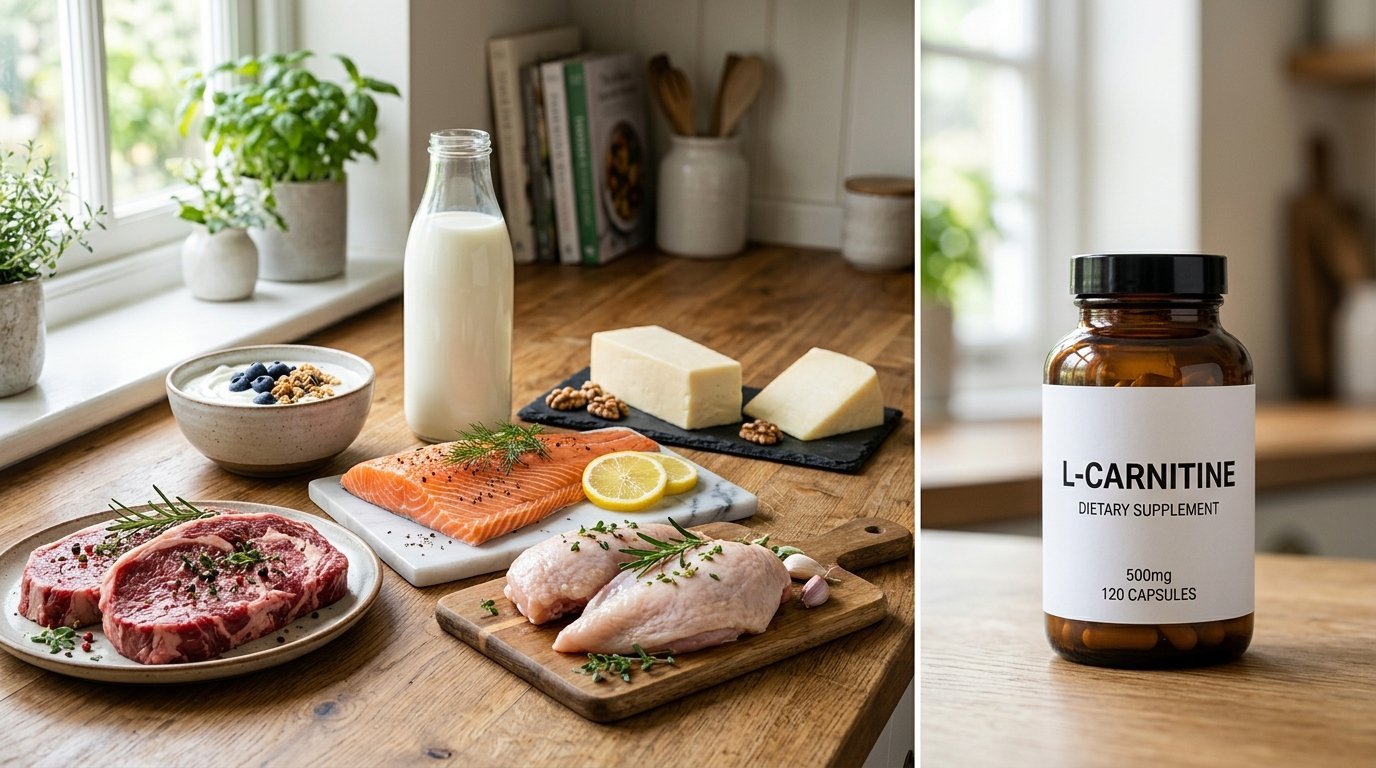
Walk into any nutrition store, and you’ll find shelves filled with L-carnitine supplements promising support for fat loss, exercise performance, and metabolic health. At the same time, many everyday foods naturally provide L-carnitine, leading to an important question.
Do you actually need a supplement, or can your diet provide everything your body requires?
The answer is more nuanced than many people expect. While supplements offer convenience, whole foods provide far more than a single nutrient. Your eating habits, lifestyle, dietary preferences, and weight-loss goals all influence which approach makes the most sense.
Understanding L-Carnitine Food vs Supplements is about choosing the option that fits your overall nutrition plan rather than assuming one is automatically better than the other.
This article compares natural food sources with supplements, explains who may benefit from each approach, and helps you decide which option best supports sustainable weight loss.
Quick Answer
When comparing L-Carnitine Food vs Supplements, neither option is universally better. Most healthy adults can obtain L-carnitine from foods such as beef, lamb, pork, fish, chicken, and dairy products as part of a balanced diet. Supplements may be considered in certain situations, such as for people following vegetarian or vegan diets or those with specific nutritional needs. For long-term weight management, healthy eating and consistent lifestyle habits remain more important than the source of L-carnitine itself.
Which Foods Naturally Contain L-Carnitine?
Before looking at supplements, it helps to understand where L-carnitine naturally comes from.
Many people are surprised to learn that they already consume it through everyday foods.
Red Meat Is the Richest Natural Source
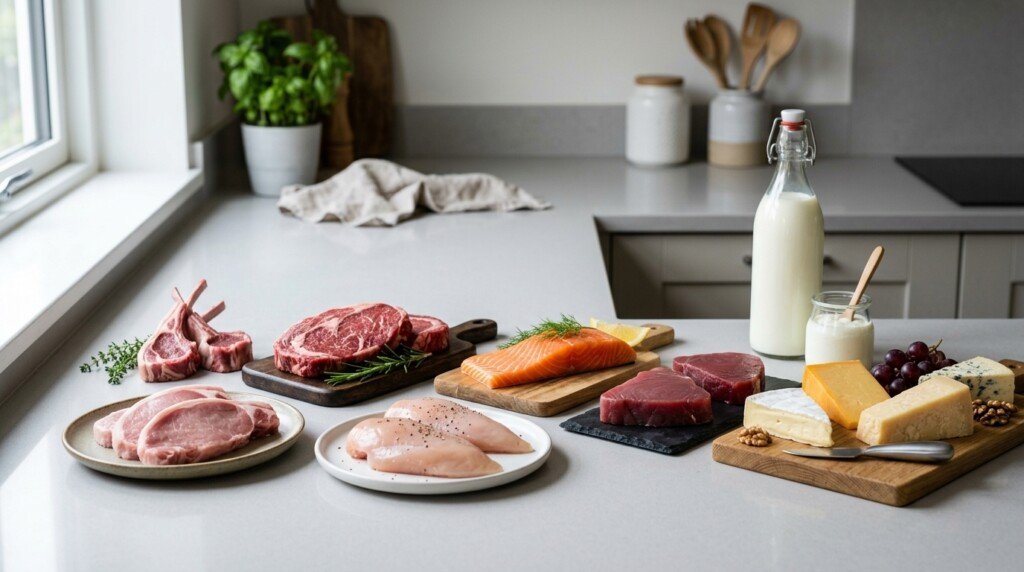
Among commonly eaten foods, red meat contains the highest concentrations of naturally occurring L-carnitine.
Examples include:
- Beef
- Lamb
- Pork
These foods have long been recognized as important dietary sources because muscle tissue naturally stores higher amounts of carnitine.
This is one reason why people who regularly consume meat often obtain more dietary L-carnitine than those following plant-based eating patterns.
Poultry and Fish Also Provide L-Carnitine
Although they contain less than red meat, poultry and seafood still contribute to overall dietary intake.
Common options include:
- Chicken
- Turkey
- Salmon
- Cod
- Tuna
Including a variety of protein sources supports balanced nutrition while naturally supplying L-carnitine.
Dairy Foods Contribute Smaller Amounts
Milk and dairy products also contain naturally occurring L-carnitine.
Examples include:
- Milk
- Cheese
- Yogurt
While dairy is not the richest source, it can still contribute to total intake within a varied eating pattern.
Whole Foods Offer More Than One Nutrient
One important advantage of food is that it delivers far more than L-carnitine alone.
Whole foods also provide:
- High-quality protein
- Essential vitamins
- Minerals
- Healthy fats
- Other beneficial nutrients
For many people, these additional nutrients make food a valuable foundation for overall health.
Can You Get Enough L-Carnitine From Food Alone?
For many healthy adults, the answer is yes.
Your body is designed to obtain carnitine through both diet and natural production.
Your Body Can Produce L-Carnitine
L-carnitine is unique because it is not entirely dependent on food intake.
The body can synthesize it from the amino acids lysine and methionine, provided adequate nutrition supports this process.
This built-in production system helps explain why supplementation is not automatically necessary for everyone.
Diet and Natural Production Work Together
Think of dietary intake and natural production as partners rather than competitors.
Food provides direct sources of L-carnitine while your body contributes additional amounts when nutritional needs are met.
This combination supports normal physiological functions in most healthy individuals.
Healthy Diets Usually Meet Everyday Needs
People who regularly eat balanced meals containing quality protein often obtain sufficient L-carnitine through everyday nutrition.
Rather than focusing on a single nutrient, building meals around High-Protein Foods That Burn Fat helps support overall nutrition while naturally contributing dietary carnitine.
Are Supplements Really Better Than Natural Food Sources?
This is where many marketing messages create confusion.
Supplements are often presented as being more powerful simply because they contain concentrated amounts of a single ingredient.
In reality, the comparison is more balanced.
Supplements Offer Convenience
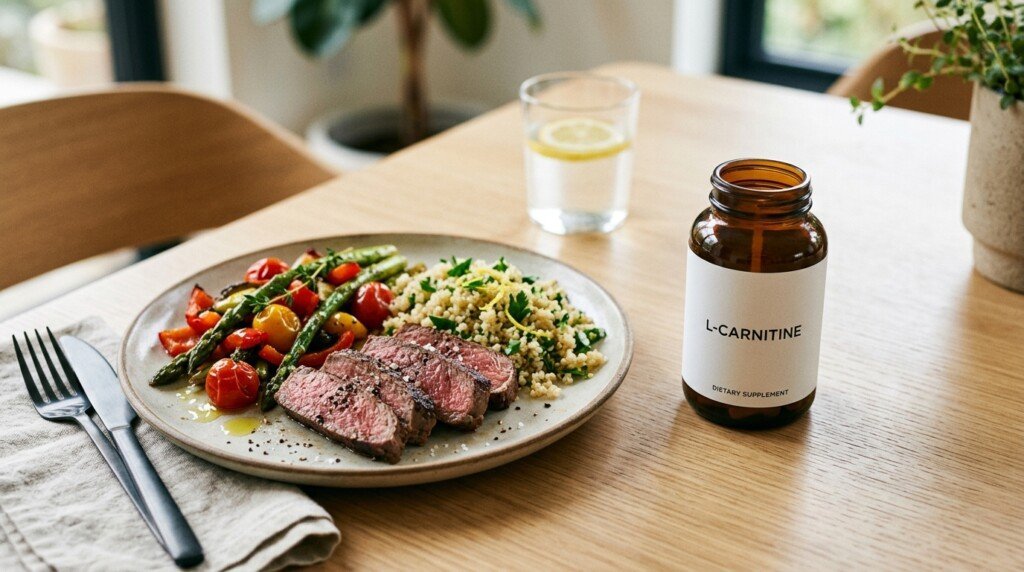
One advantage of supplementation is consistency.
People who choose supplements know exactly what product they are taking without depending on daily food choices.
This convenience appeals to individuals with busy schedules or dietary restrictions.
Whole Foods Deliver Complete Nutrition
Food offers benefits that supplements cannot fully replicate.
A serving of lean beef, for example, provides:
- Complete protein
- Iron
- Zinc
- Vitamin B12
- Other essential nutrients
- Naturally occurring L-carnitine
This nutritional package supports health in multiple ways instead of focusing on one ingredient.
Supplements Should Support, Not Replace, Healthy Eating
Even when supplements are appropriate, they work best alongside nutritious meals rather than instead of them.
People who build their eating habits around a Best Diet for Fat Burning create a much stronger foundation for long-term weight management than those relying primarily on supplements.
Similarly, individuals comparing different products often evaluate Best L-Carnitine for Weight Loss after deciding whether supplementation fits their lifestyle in the first place.
Do Vegetarians and Vegans Need L-Carnitine Supplements?
Plant-based diets naturally contain much less dietary L-carnitine because the richest sources come from animal foods.
However, that does not automatically mean supplementation is necessary.

Plant-Based Diets Naturally Provide Less Carnitine
Vegetarian and vegan diets contain little or no direct dietary L-carnitine.
This explains why these groups are frequently included in research examining carnitine status.
Lower dietary intake, however, does not necessarily indicate deficiency.
The Body Can Often Adapt
One remarkable feature of human metabolism is its ability to adapt.
People following long-term vegetarian diets often continue producing L-carnitine internally through normal metabolic pathways when overall nutrition remains adequate.
This is one reason supplementation decisions should be individualized rather than based solely on dietary labels.
Overall Nutrition Matters More Than One Nutrient
Whether someone eats meat or follows a vegan lifestyle, the overall quality of the diet remains far more important than focusing on a single compound.
A varied eating pattern that supports protein intake, vitamins, minerals, and healthy eating habits contributes more to successful weight management than simply increasing L-carnitine intake.
Which Option Is Better for Weight Loss?
If your only goal is to lose weight, you may be hoping for a clear winner between food and supplements.
The reality is that successful weight loss depends far more on your overall lifestyle than on where your L-carnitine comes from.
Whole Foods Support Long-Term Eating Habits
Foods naturally rich in L-carnitine also contribute to overall nutrition.
A balanced meal built around lean protein provides:
- High-quality protein
- Essential vitamins
- Important minerals
- Greater satisfaction after eating
These qualities can make healthy eating easier to maintain over time, which is one of the biggest predictors of long-term weight management success.
Supplements Can Complement an Existing Plan
Supplements may have a place for some individuals, but they work best when they support an already healthy routine.
They should never replace:
- Nutritious meals
- Regular physical activity
- Consistent eating habits
- Sustainable lifestyle changes
People who first establish these fundamentals are generally in a better position to decide whether supplementation adds value.
Weight Loss Is About the Bigger Picture
Whether L-carnitine comes from food or a supplement, lasting results still depend on:
- Maintaining a calorie deficit
- Eating balanced meals
- Staying physically active
- Building consistent habits
These factors have a much greater influence on body weight than the source of L-carnitine alone.
Does It Make Sense to Combine Food and Supplements?
Some people wonder whether using both dietary sources and supplements provides additional benefits.
The answer depends on individual needs rather than a universal recommendation.
Food Should Remain the Foundation
Even for people who choose supplementation, whole foods should continue to supply the majority of daily nutrition.
Foods provide hundreds of nutrients that work together in ways supplements cannot fully replicate.
A healthy eating pattern should always come first.
Supplements Can Fill Specific Gaps
Certain individuals may choose supplements because of:
- Dietary restrictions
- Personal preferences
- Lifestyle convenience
- Individual nutritional considerations
In these situations, supplements act as an addition to healthy eating rather than a replacement.
Balance Is More Important Than Perfection
There is no requirement to choose one approach exclusively.
Many healthy adults naturally consume dietary L-carnitine while also using supplements based on personal goals and professional guidance.
The key is ensuring supplementation supports, rather than replaces, good nutrition.
Who Benefits Most From Each Approach?
Instead of asking which option is better for everyone, it helps to ask which option fits different lifestyles.

People Who May Prefer Food Sources
Natural dietary sources often suit people who:
- Enjoy cooking balanced meals
- Eat animal-based protein regularly
- Prefer obtaining nutrients from whole foods
- Focus on overall nutrition rather than individual supplements
For these individuals, dietary intake may provide everything needed as part of a healthy eating pattern.
People Who May Consider Supplements
Supplementation may be more appealing for people who:
- Follow vegetarian or vegan diets
- Have limited access to dietary sources
- Prefer the convenience of supplementation
- Have discussed supplementation with their healthcare professional
The decision should always reflect individual circumstances rather than trends.
There Is No Universal Best Choice
One person’s ideal approach may not suit someone else.
Age, activity level, eating habits, fitness goals, medical history, and overall nutrition all influence whether food, supplements, or a combination of both makes the most sense.
People interested in understanding where supplementation fits within a broader wellness strategy often compare L-Carnitine for Weight Loss with other Supplements for Weight Loss before making a decision.
Choosing the Right Source Starts With Your Lifestyle
When comparing L-Carnitine Food vs Supplements, it becomes clear that the real question is not which option is superior, but which one best supports your lifestyle.
For many healthy adults, eating a balanced diet that naturally includes L-carnitine provides an excellent nutritional foundation. Others, particularly those following plant-based diets or with specific nutritional considerations, may decide that supplementation better aligns with their needs.
The most successful approach focuses on long-term eating habits rather than searching for a single solution. Whether L-carnitine comes from food, supplements, or a combination of both, healthy nutrition, regular exercise, and sustainable lifestyle choices remain the driving forces behind successful weight management.
Key Takeaways
| Topic | Key Point |
|---|---|
| Natural food sources | Beef, lamb, pork, chicken, fish, and dairy are the primary dietary sources of L-carnitine. |
| Natural production | The body can also produce L-carnitine from the amino acids lysine and methionine. |
| Food vs supplements | Whole foods provide many additional nutrients, while supplements offer convenience for some individuals. |
| Vegetarians and vegans | Plant-based diets contain less dietary L-carnitine, but supplementation should be based on individual needs rather than diet alone. |
| Weight loss | Sustainable nutrition and lifestyle habits have a much greater impact on weight loss than the source of L-carnitine. |
| Best approach | The ideal choice depends on personal health, dietary preferences, and overall nutrition goals. |
Frequently Asked Questions
1. Which foods contain L-Carnitine?
The richest dietary sources include beef, lamb, pork, chicken, fish, milk, cheese, and other dairy products.
2. Is red meat the best natural source?
Yes. Red meat generally contains the highest concentration of naturally occurring dietary L-carnitine among commonly consumed foods.
3. Are supplements more effective than food?
Not necessarily. L-Carnitine Food vs Supplements depends on individual needs. Whole foods provide additional nutrients, while supplements mainly offer convenience.
4. Do vegetarians need L-Carnitine supplements?
Not always. Although vegetarian and vegan diets naturally contain less L-carnitine, many people maintain healthy levels through the body’s own production and a balanced diet. Individual needs can vary.
5. Can I combine food and L-Carnitine supplements?
Yes. Some people choose to obtain L-carnitine from both dietary sources and supplements, provided supplementation fits their personal health goals and overall nutrition plan.
Conclusion
Comparing L-Carnitine Food vs Supplements shows that there is no single answer that works for everyone. Whole foods provide naturally occurring L-carnitine alongside protein, vitamins, minerals, and countless other nutrients that contribute to overall health. Supplements, on the other hand, may offer a practical option for people with specific dietary preferences or nutritional considerations.
Rather than choosing between food and supplements based on marketing claims, focus on building a balanced lifestyle that supports your long-term goals. A nutritious diet, regular physical activity, and consistent healthy habits will always have a greater influence on weight management than the source of L-carnitine alone.
Disclaimer:
This post may contain affiliate links. If you purchase through them, we may earn a small commission at no extra cost to you. Also, this content is for informational purposes only and does not substitute professional medical advice.