Why Do I Crave Sugar So Much?
Have you ever eaten a satisfying meal, only to find yourself searching for something sweet just minutes later? Or perhaps you’ve noticed that stressful afternoons almost always end with chocolate, cookies, or ice cream. If you’ve asked yourself, “why do I crave sugar so much?”, you’re certainly not alone.
Sugar cravings are among the most common food cravings people experience. They affect children and adults, people trying to lose weight, and even those who generally eat a balanced diet. While it is easy to assume these cravings happen because you simply enjoy sweets, the reality is far more complex.
Your body and brain constantly communicate through hormones, blood sugar signals, appetite regulators, emotions, and learned habits. Together, these systems influence whether you feel satisfied after a meal or continue searching for dessert.
That does not mean every craving signals a problem.
Sometimes craving sugar is a completely normal response to a busy day, a missed meal, poor sleep, or emotional stress. In other situations, persistent or unusually intense cravings may deserve closer attention.
This article explores why do I crave sugar so much by examining the biological, hormonal, and psychological factors involved. It also explains why sugar cravings often appear after meals and when they are considered part of normal eating patterns.
Quick Answer
If you’ve been wondering why do I crave sugar so much, the answer usually involves several factors working together. Blood sugar regulation, hormones such as insulin and leptin, stress, emotions, eating habits, meal composition, and sleep quality can all influence sugar cravings. Most cravings are normal, but persistent or unusually intense cravings may occasionally reflect an underlying health issue that deserves further evaluation.
What Are the Biological and Hormonal Reasons for Sugar Cravings?
Sugar cravings rarely happen for only one reason.
Instead, they develop from a combination of biological signals that influence appetite, energy balance, and food preferences throughout the day.
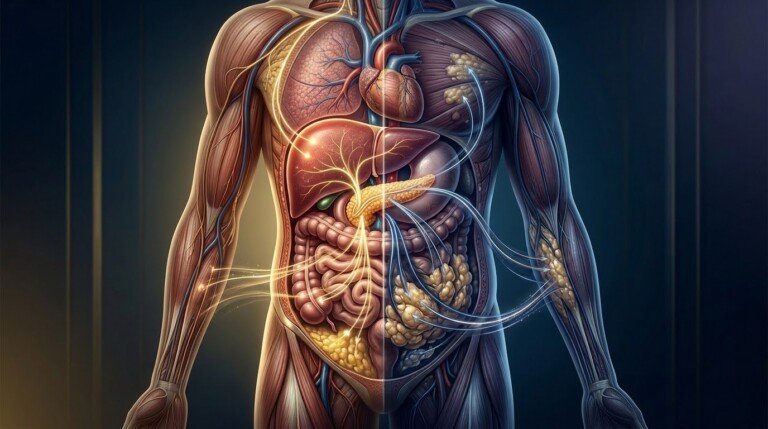
The brain constantly receives information from hormones, the digestive system, body fat, and circulating nutrients. These signals help determine whether you feel satisfied or continue searching for specific foods.
When these systems shift, sugar often becomes one of the foods the brain finds especially appealing.
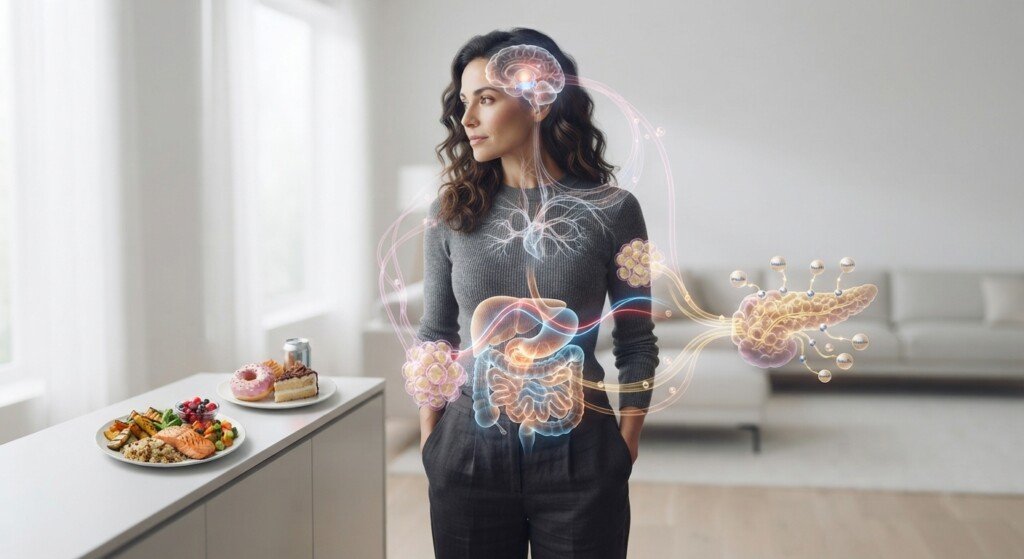
How Do Hormones Like Insulin and Leptin Influence Sugar Cravings?
Hormones play an important role in regulating appetite.
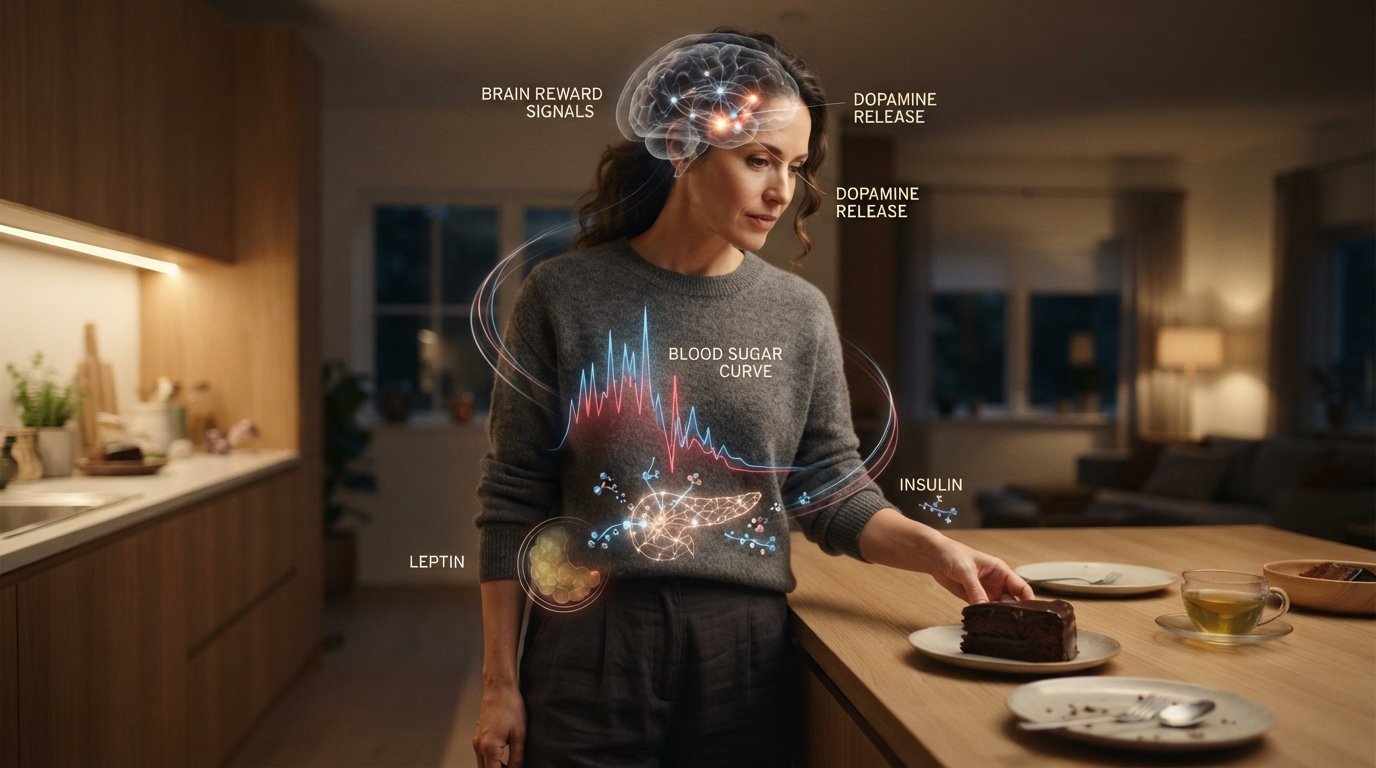
Two of the most important hormones involved are insulin and leptin.
Although neither hormone directly “causes” sugar cravings, both influence the brain’s perception of hunger and satisfaction.
Insulin Helps Regulate Blood Sugar
After eating carbohydrates, blood glucose naturally rises.
The pancreas responds by releasing insulin, which helps move glucose from the bloodstream into cells where it can be used or stored.
Normally, this process keeps blood sugar within a healthy range.
However, large fluctuations in blood sugar may leave some people feeling hungry again sooner than expected.
Highly refined meals that digest quickly can sometimes produce faster rises and falls in blood glucose compared with meals containing more fiber, protein, and healthy fats.
As blood sugar declines, the brain may begin seeking another readily available source of energy, making sweet foods appear especially attractive.
Leptin Helps Signal Fullness
Leptin is produced primarily by fat tissue.
Its main role is helping the brain estimate long-term energy stores.
When leptin signaling functions normally, it contributes to feelings of satisfaction after eating.
However, appetite regulation is extremely complex.
Many factors influence leptin signaling, including:
- Sleep quality
- Body composition
- Overall energy balance
- Long-term eating habits
- Hormonal interactions
Researchers continue studying how changes in leptin responsiveness may affect food preferences, including cravings for highly palatable foods.
Hormones Work Together
Insulin and leptin never work alone.
Other hormones involved in appetite regulation include:
- Ghrelin
- GLP-1
- Peptide YY
- Cortisol
Together, these hormones create a constantly changing picture of hunger, fullness, and food reward.
This is one reason cravings often vary from one day to the next.
What Are the Common Biological Reasons for Sugar Cravings?
Beyond hormones, several everyday biological situations may increase the likelihood of craving sweets.
Long Gaps Between Meals
Going many hours without eating allows hunger to gradually increase.
By the time food finally becomes available, quick sources of carbohydrate may appear particularly appealing.
This does not necessarily mean your body specifically “needs sugar.”
Rather, it reflects the brain’s natural preference for foods that provide rapidly available energy.
Poor Sleep
Sleep affects numerous appetite-regulating hormones.
After inadequate sleep, many people notice:
- Increased appetite
- Stronger cravings
- Greater interest in calorie-dense foods
- Reduced satisfaction after eating
Although sleep loss affects many aspects of eating behavior, increased sugar cravings are among the most commonly reported experiences.
High Physical or Mental Demands
Periods of intense physical activity or prolonged mental effort may also influence food preferences.
Many people notice stronger cravings after:
- Long workdays
- Intense study sessions
- Endurance exercise
- Busy travel
- Physically demanding jobs
Again, these cravings usually reflect multiple physiological signals rather than one isolated mechanism.
Habit Reinforcement
Biology and habits often work together.
If you routinely eat dessert after dinner, your brain gradually learns to expect something sweet after every evening meal.
Eventually, simply finishing dinner may trigger a craving regardless of physical hunger.
Are There Dietary Deficiencies That Can Lead to Sugar Cravings?
Few nutrition myths spread faster than the idea that every craving points toward a specific nutrient deficiency.
For example:
- Chocolate equals magnesium deficiency.
- Sugar equals chromium deficiency.
- Candy equals low blood sugar.
Current evidence does not support these simple one-to-one relationships.
That does not mean nutrition plays no role.
An overall eating pattern that lacks adequate protein, fiber, or satisfying meals may leave people feeling hungry more often, indirectly increasing cravings for highly palatable foods.
Similarly, poor dietary quality can influence appetite regulation over time.
However, most sugar cravings are better explained by combinations of:
- Meal timing
- Blood sugar regulation
- Hormonal signals
- Stress
- Habits
- Sleep
- Food environment
Rather than one isolated nutrient deficiency.
The broader picture behind different types of cravings is explored in Food Cravings: Causes, Types & How to Manage Them, where sugar cravings are discussed alongside other common food cravings.
What Psychological Factors Contribute to Sugar Cravings?
Not every craving begins in the stomach.
Many begin in the brain.
Food is closely connected to memory, emotion, celebration, comfort, and routine.
Over time, these associations become remarkably powerful.

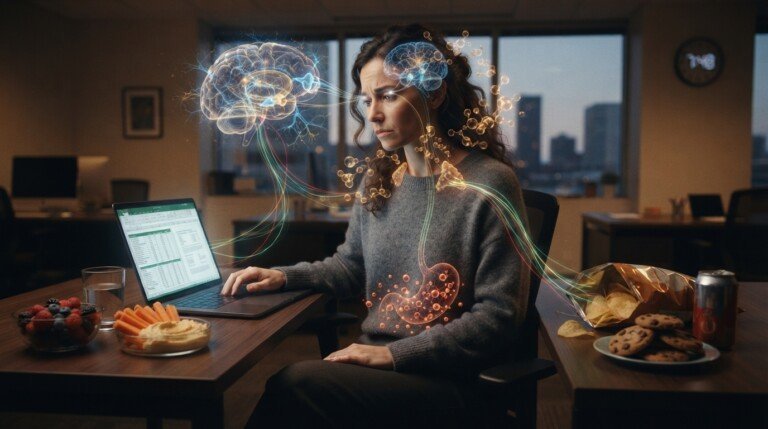
How Does Stress and Mood Influence Sugar Cravings?
Stress changes far more than emotional well-being.
It also affects appetite.
Some people lose interest in food during stressful periods.
Others notice stronger cravings for foods that feel comforting or familiar.
Common examples include:
- Chocolate
- Cookies
- Ice cream
- Sweet coffee drinks
- Pastries
Importantly, these cravings are real psychological experiences.
They are not signs of poor self-control.
The brain naturally learns associations between certain foods and emotional relief.
If sweets repeatedly accompany moments of comfort or relaxation, those foods gradually become linked to emotional recovery.
What Is the Link Between Stress and Sugar Cravings?
Stress activates several biological systems, including changes in cortisol and other stress-related hormones.
Researchers believe these hormonal shifts may influence appetite while also changing how rewarding certain foods appear.
At the same time, stressful situations often reduce decision-making capacity.
After a mentally exhausting day, convenience becomes more appealing.
Preparing a balanced meal may feel less attractive than eating readily available sweets.
Stress therefore influences cravings through multiple pathways:
- Hormonal changes
- Emotional coping
- Learned habits
- Convenience
- Reduced mental energy
Because emotional eating deserves a dedicated discussion, this article intentionally keeps the psychological overview brief.
The emotional side of cravings is explored separately in What Are Emotional Cravings?, while practical reduction strategies are reserved for How to Stop Sugar Cravings.
Why Do I Crave Sugar After Meals?
Many people assume that finishing a meal should completely eliminate cravings.
Yet one of the most common questions nutrition professionals hear is, “Why do I still want dessert after I’ve already eaten?”
Post-meal sugar cravings are surprisingly common.
For some people, they happen occasionally after celebrations or restaurant meals.
For others, they occur almost every day, even after balanced meals.
The explanation is rarely as simple as “your body needs sugar.”
Instead, post-meal cravings usually result from a combination of physiology, meal composition, habits, and learned expectations.
Understanding these influences helps explain why dessert can seem appealing even when your stomach already feels full.

What Are the Physiological Reasons for Sugar Cravings After Eating?
After eating, digestion begins immediately.
Carbohydrates, proteins, and fats are broken down and absorbed at different rates, while hormones coordinate digestion, blood sugar regulation, and feelings of fullness.
During this process, several factors may influence whether you continue craving something sweet.
Habit Can Be Stronger Than Hunger
One of the most overlooked reasons for post-meal sugar cravings is routine.
Imagine someone who has eaten dessert after dinner every evening for years.
Eventually, the brain begins expecting sweetness whenever dinner ends.
The craving becomes linked to the routine rather than physical hunger.
This explains why many people say:
- “Dinner doesn’t feel finished without dessert.”
- “I always need something sweet after eating.”
In these situations, the craving often reflects learned behavior more than biological need.
Meal Satisfaction Matters
Not every meal provides the same level of satisfaction.
Meals that feel incomplete for personal, cultural, or sensory reasons may leave someone wanting another flavor experience.
For some people, sweetness provides psychological closure to a meal.
That does not necessarily indicate nutritional deficiency.
Instead, it reflects how eating experiences become associated with satisfaction.
Appetite Signals Continue Evolving After Meals
Fullness is not always immediate.
Hormones involved in satiety continue changing during digestion.
For some individuals, appetite regulation becomes stronger several minutes after eating rather than immediately.
During this transition, a brief craving may appear before fullness fully develops.
How Does Blood Sugar Regulation Influence Post-Meal Cravings?
Blood sugar naturally changes after eating.
This is a normal part of digestion.
Meals containing rapidly digested carbohydrates may produce quicker increases in blood glucose compared with meals containing higher amounts of fiber, protein, and healthy fats.
As blood glucose begins returning toward normal levels, some individuals become more aware of appetite signals.
Researchers continue investigating why some people experience stronger post-meal cravings than others.
Current evidence suggests individual responses vary considerably depending on factors such as:
- Meal composition
- Physical activity
- Sleep quality
- Overall dietary pattern
- Insulin sensitivity
- Genetics
Rather than focusing on one isolated mechanism, researchers increasingly view post-meal cravings as the result of multiple interacting biological systems.
Can Specific Food Combinations After Meals Trigger Sugar Cravings?
Meal composition influences satisfaction.
Although no single food guarantees cravings, certain eating patterns may leave some people less satisfied than others.
Meals that digest very quickly may not provide lasting fullness for everyone.
Likewise, meals lacking adequate protein or fiber may feel less satisfying depending on the individual’s overall dietary pattern.
In contrast, meals containing a balance of:
- Protein
- Fiber-rich carbohydrates
- Healthy fats
often promote longer-lasting satisfaction for many people.
It is important, however, not to assume every craving reflects a poorly designed meal.
Sometimes dessert cravings simply reflect tradition, habit, celebration, or personal preference.
The practical strategies for reducing sugar cravings are discussed separately in How to Stop Sugar Cravings, while nighttime-specific patterns are covered in Sugar Cravings at Night.
When Is It Normal to Crave Sugar and When Should I Be Concerned?
Sugar cravings are part of normal human eating behavior.
Almost everyone experiences them occasionally.
The important question is not whether cravings exist.
It is whether they fit within expected patterns or begin interfering with daily life.

What Are Common Triggers for Sugar Cravings?
Many everyday situations can increase the likelihood of craving sweets.
Common examples include:
- Poor sleep
- Emotional stress
- Skipping meals
- Long periods without eating
- Celebrations
- Holidays
- Habitual dessert routines
- Certain phases of the menstrual cycle
- Highly demanding workdays
- Exposure to tempting foods
Experiencing cravings during these situations is generally considered normal.
The intensity and frequency simply vary from person to person.
Occasional Cravings Are Usually Not a Problem
Most healthy individuals experience cravings from time to time.
Examples include:
- Wanting chocolate after a stressful meeting.
- Looking forward to dessert during celebrations.
- Craving ice cream on a hot day.
- Enjoying sweets during family gatherings.
These experiences are a normal part of eating.
They do not automatically indicate poor health.
When Might Sugar Cravings Indicate an Underlying Health Issue?
Although most cravings are harmless, persistent changes deserve attention.
You may benefit from discussing sugar cravings with a healthcare professional if they are accompanied by symptoms such as:
- Unexplained weight changes.
- Persistent excessive thirst.
- Frequent urination.
- Ongoing fatigue.
- Recurrent dizziness.
- Significant changes in appetite.
- Symptoms that interfere with daily life.
Certain medical conditions, medications, or hormonal disorders may influence appetite.
Because these situations require individualized evaluation, persistent or unusual cravings should never be diagnosed based on internet information alone.
The goal is not to become worried about every craving.
Instead, pay attention to changes that seem unusual for your normal eating pattern.
Key Takeaways
| Topic | Main Insight |
|---|---|
| Sugar cravings | Usually arise from multiple biological and psychological factors working together. |
| Hormones | Insulin, leptin, and other appetite-regulating hormones influence satisfaction and food preferences. |
| Stress | Emotional stress can increase the appeal of sweet foods through several interacting pathways. |
| Post-meal cravings | Often relate to habits, meal satisfaction, and normal appetite regulation rather than a need for sugar. |
| When to seek advice | Persistent cravings accompanied by other concerning symptoms should be discussed with a healthcare professional. |
Frequently Asked Questions
1. Why do I crave sugar so much?
Sugar cravings commonly result from a combination of hormones, blood sugar regulation, stress, habits, sleep quality, meal composition, and learned eating behaviors rather than a single cause.
2. Why do I crave sugar after meals?
Post-meal sugar cravings are often influenced by established habits, meal satisfaction, blood sugar regulation, and the brain’s expectation of dessert rather than ongoing physical hunger.
3. Is craving sugar every day normal?
Occasional daily cravings can occur, especially if they are linked to routine or lifestyle factors. However, persistent cravings that are unusually intense or accompanied by other symptoms may warrant medical evaluation.
4. Do nutrient deficiencies always cause sugar cravings?
No. While nutrition influences appetite, current evidence does not support the idea that most sugar cravings directly indicate a specific nutrient deficiency.
5. Can stress make sugar cravings worse?
Yes. Stress can influence hormones, mood, and eating behaviors, making sweet foods more appealing for many individuals.
Conclusion
If you’ve ever wondered why do I crave sugar so much, the answer is rarely simple. Sugar cravings develop through a combination of biological signals, hormonal changes, emotions, habits, meal composition, and personal experiences. Rather than pointing to a single problem, they usually reflect several factors interacting at the same time.
For most people, occasional sugar cravings are a normal part of eating and do not indicate poor health. They often become stronger during stressful periods, after inadequate sleep, or because of long-established routines such as eating dessert after dinner.
The key is recognizing patterns instead of judging individual cravings. Understanding what influences your desire for sweet foods provides valuable context and makes it easier to distinguish between normal appetite, learned habits, and situations that may deserve further attention.
Disclaimer:
This post may contain affiliate links. If you purchase through them, we may earn a small commission at no extra cost to you. Also, this content is for informational purposes only and does not substitute professional medical advice.
Ready to Start Your Journey?
Use our free 7-in-1 Weight Loss Toolkit to calculate your numbers and build your plan in minutes.
Open Free Tools →