Why Do I Crave Sugar at Night? Causes and Science-Backed Solutions
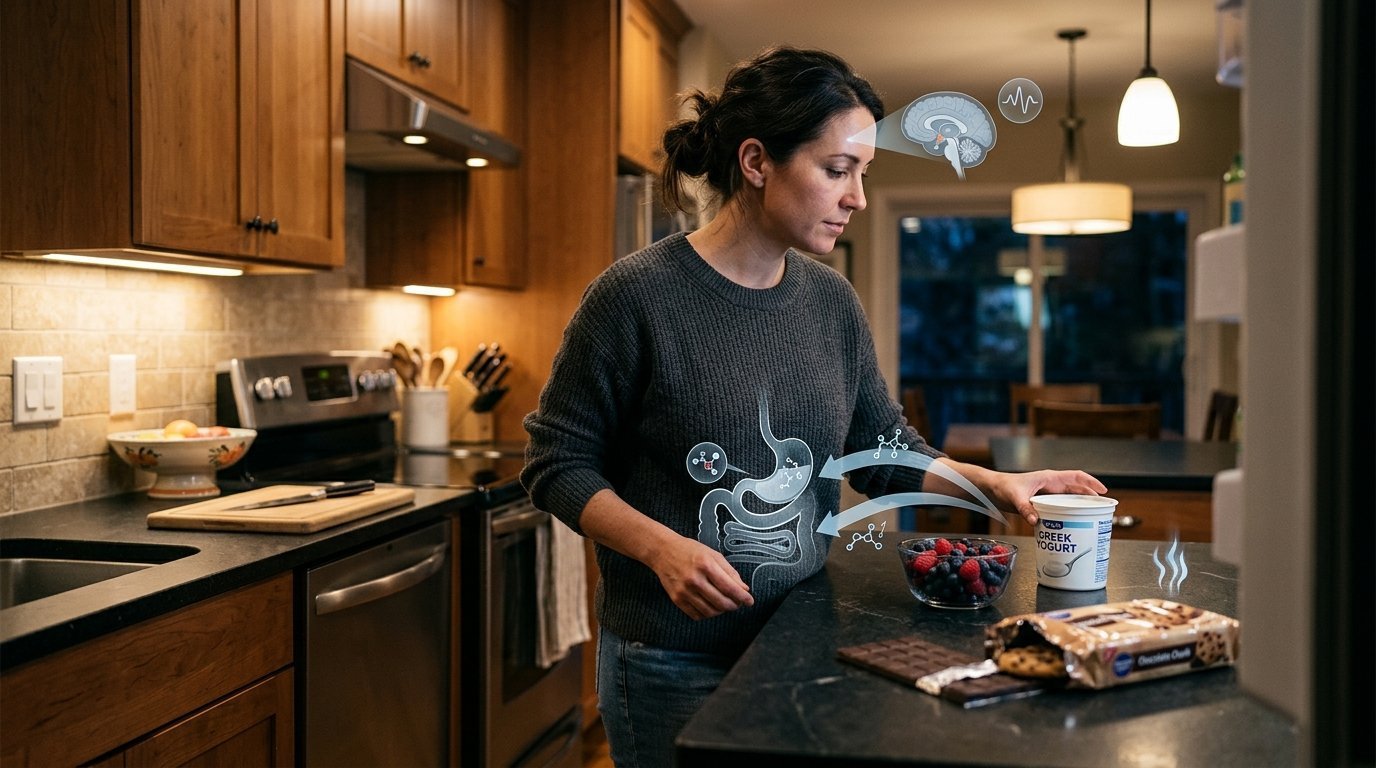
Have you ever gone through an entire day eating balanced meals, only to find yourself standing in front of the pantry at 9 p.m. looking for cookies, chocolate, or ice cream? If so, you’re far from alone. Sugar Cravings at Night are one of the most common eating challenges people experience, and they often seem much stronger than cravings earlier in the day.
These evening cravings can feel confusing. You may have eaten dinner recently, yet the desire for something sweet becomes difficult to ignore. Many people assume this happens because they lack willpower, but the reality is much more complex. Nighttime cravings are influenced by a combination of biology, daily habits, emotions, and lifestyle factors.
Your body’s internal clock, known as the circadian rhythm, changes how hormones behave throughout the day. Hunger hormones, sleep patterns, stress levels, blood sugar fluctuations, meal timing, and even evening routines all influence whether you crave sugary foods before bed. After a long day of work, decision-making also becomes more difficult, making comfort foods especially appealing.
The encouraging news is that nighttime sugar cravings are not something you simply have to accept. Small changes in your eating habits, sleep routine, stress management, and evening environment can significantly reduce the frequency and intensity of these cravings over time.
It is also important to understand that occasional evening cravings are completely normal. The goal is not to eliminate every craving but to understand why they happen and learn healthier ways to respond.
In this article, you’ll learn why Sugar Cravings at Night become stronger, how hunger hormones influence nighttime appetite, whether poor sleep and stress contribute to cravings, which evening snacks help reduce the desire for sweets, practical habits that support healthier evenings, and when persistent nighttime cravings should be evaluated by a healthcare professional.
Why Are Sugar Cravings Often Stronger in the Evening?
Many people notice that resisting sweets feels relatively easy during the morning but becomes much harder after dinner.
This pattern is not simply a matter of willpower. Several biological and behavioral factors naturally make evening hours more challenging.
Understanding these influences helps explain why nighttime cravings are so common.
Decision Fatigue Builds Throughout the Day
Every day, you make hundreds of decisions.
You decide:
- What to wear
- How to respond to emails
- What tasks to complete
- When to eat
- How to manage stress
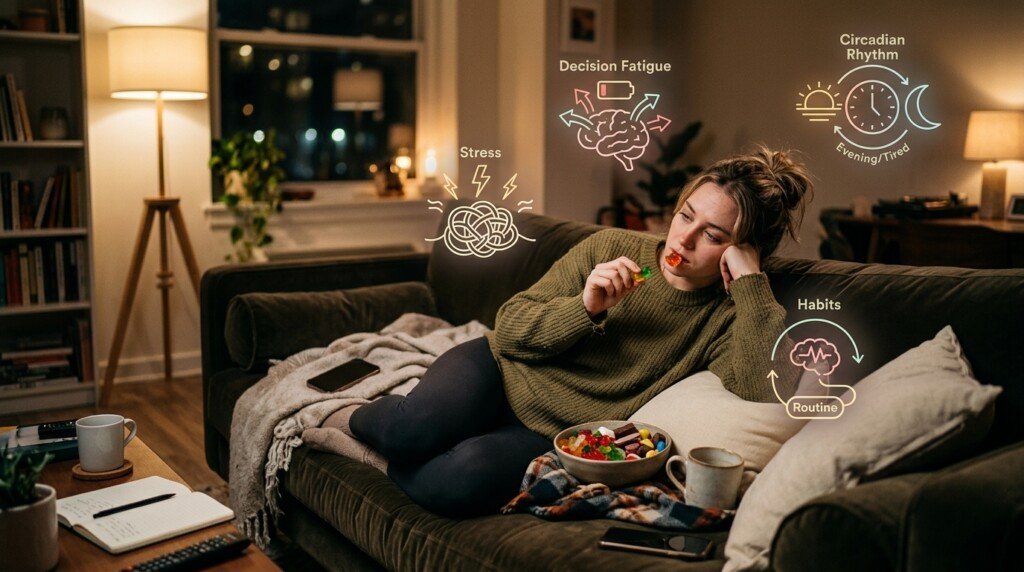
By evening, mental energy becomes depleted.
This phenomenon, often called decision fatigue, can make highly rewarding foods much harder to resist.
Evening Becomes Associated With Comfort
For many people, nighttime represents relaxation.
Common evening habits include:
- Watching television
- Reading
- Spending time with family
- Scrolling through social media
If sweets regularly accompany these activities, your brain gradually begins linking them together.
Eventually, simply sitting on the couch may trigger a craving for dessert.
Hunger Can Accumulate Throughout the Day
Many people unintentionally eat too little during the daytime.
Skipping breakfast, eating small lunches, or relying on low-protein meals often causes hunger to build gradually.
By evening, the body naturally seeks foods that provide quick energy.
Balanced meals discussed in Best Breakfast for Weight Loss help establish steadier appetite throughout the day, making evening cravings less intense.
Your Internal Body Clock Matters
Your circadian rhythm influences many biological processes, including appetite.
Researchers believe the body may naturally become more responsive to rewarding foods later in the day.
Although scientists continue studying this relationship, many people report stronger cravings during evening hours than during the morning.
Habits Often Become Stronger Than Hunger
Sometimes your body is not asking for food at all.
Instead, your brain expects dessert because that routine has been repeated consistently.
Changing these habits takes time, but recognizing them is the first step toward creating healthier evening routines.
Can Hunger Hormones Affect Nighttime Cravings?
Appetite is regulated by several hormones working together throughout the day.
These hormones respond to eating patterns, sleep, stress, physical activity, and overall energy needs.
Changes in these signals can influence why sugar cravings often seem strongest at night.
Ghrelin Encourages Hunger
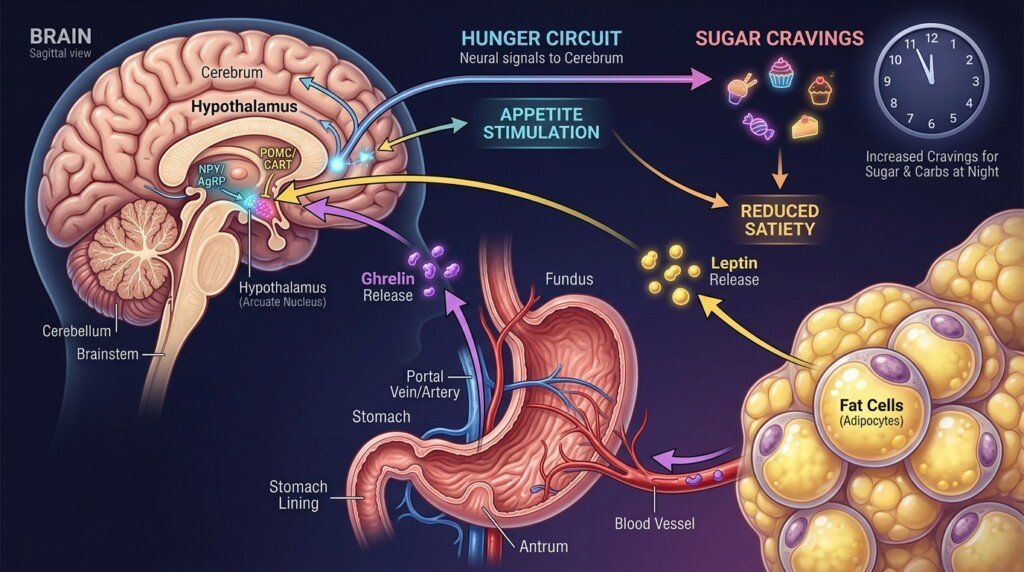
Ghrelin is commonly called the hunger hormone.
Its levels naturally rise before meals and fall after eating.
However, several lifestyle factors may increase ghrelin more than expected, including:
- Skipping meals
- Restrictive dieting
- Poor sleep
- Long gaps between eating
Higher ghrelin levels may increase the desire for calorie-dense foods, including sweets.
The role of this hormone is discussed in greater detail throughout Ghrelin, where its influence on appetite is explained more comprehensively.
Leptin Supports Fullness
While ghrelin encourages eating, leptin helps the brain recognize when enough energy has been consumed.
Healthy leptin signaling supports feelings of satisfaction after meals.
If this communication becomes less effective, regulating appetite may become more challenging.
Hunger Hormones Work Together
Appetite is never controlled by one hormone alone.
Instead, multiple hormones communicate continuously with the brain.
These signals respond to:
- Meal timing
- Sleep
- Physical activity
- Stress
- Body fat
- Overall energy balance
This complex interaction explains why appetite changes from one day to another.
The broader relationship between these hormones is explored throughout Hunger Hormones, where appetite regulation is discussed in greater depth.
Balanced Eating Supports Healthier Hormone Patterns
Although hormones operate automatically, lifestyle habits influence how effectively they function.
Consistently eating balanced meals throughout the day supports healthier appetite regulation while reducing the likelihood of intense evening hunger.
Does Poor Sleep Increase Sugar Cravings?
Sleep plays an important role in appetite regulation.
People often focus on nutrition and exercise while overlooking the effect that inadequate sleep has on food choices.
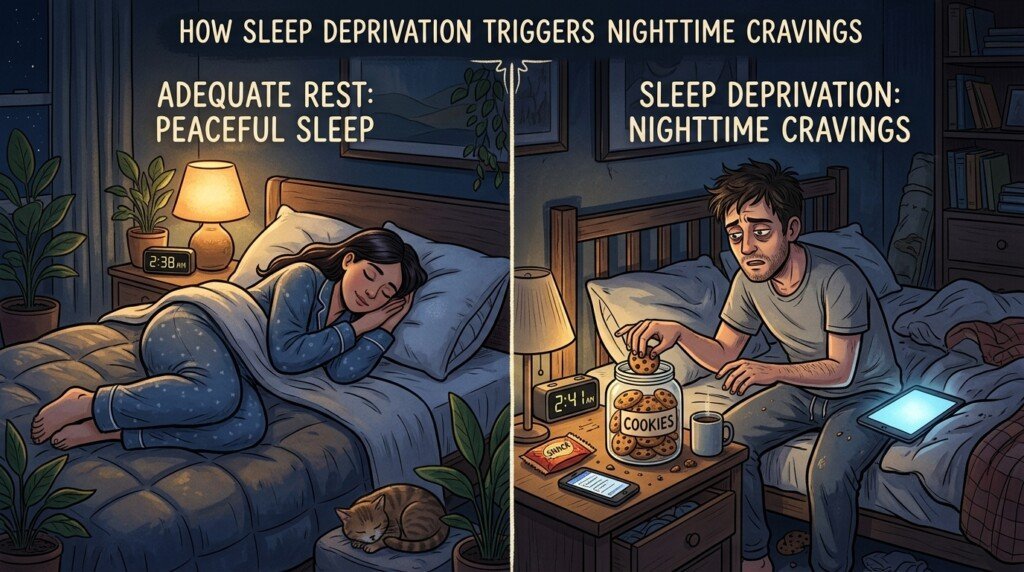
Research consistently shows that poor sleep may increase both hunger and cravings for highly palatable foods.
Less Sleep Often Means More Cravings
After inadequate sleep, many people notice:
- Increased appetite
- More evening snacking
- Stronger sugar cravings
- Larger portions
- Reduced feelings of fullness
These changes make healthy eating significantly more difficult.
Fatigue Encourages Quick Energy
When your brain feels tired, it naturally seeks foods that provide rapid energy.
Common cravings after poor sleep include:
- Chocolate
- Ice cream
- Cookies
- Candy
- Sweet coffee drinks
- Sugary cereals
These foods may briefly improve alertness but rarely provide lasting satisfaction.
Better Sleep Supports Better Food Choices
Healthy sleep habits include:
- Maintaining a consistent bedtime
- Reducing screen time before bed
- Sleeping in a cool, dark room
- Following a regular sleep schedule
These routines support healthier hormone regulation while making balanced eating feel easier.
The connection between sleep quality and metabolism is discussed further in Sleep and Metabolic Health, where circadian rhythms and hormone regulation are explored more thoroughly.
Can Stress Cause Evening Cravings?
Stress is another common reason people crave sugar after dinner.
During busy days, many people suppress emotions while focusing on work and responsibilities.
Once the day slows down, those emotions often become more noticeable.
Food may then become a source of comfort rather than nourishment.

Evening Is Often When Stress Catches Up
Many people remain occupied throughout the day.
Once they finally relax in the evening, accumulated stress becomes more apparent.
This is often when cravings begin.
The desire for sweets may reflect emotional needs rather than physical hunger.
Comfort Foods Become Emotional Rewards
Sugary foods are frequently associated with:
- Celebration
- Relaxation
- Reward
- Childhood memories
- Stress relief
Over time, the brain learns to associate difficult emotions with sweet foods.
This creates automatic craving patterns during stressful evenings.
Emotional Eating Is Common
Eating in response to emotions happens occasionally to almost everyone.
Problems develop only when food becomes the primary way of coping with stress on a regular basis.
The relationship between emotions and eating behavior is explored further in Psychology of Weight Loss, where practical strategies for recognizing emotional eating are discussed.
Stress Management Helps Reduce Evening Cravings
Healthy alternatives include:
- Evening walks
- Stretching
- Reading
- Journaling
- Meditation
- Talking with family
- Listening to calming music
These habits provide emotional relief without relying on food.
Which Evening Snacks Help Reduce Sugar Cravings?
If you regularly experience Sugar Cravings at Night, the solution is not always avoiding food completely. Sometimes your body is genuinely hungry, especially if dinner was several hours earlier or did not provide enough protein or fiber.
The key is choosing snacks that satisfy hunger while supporting steady energy instead of causing another cycle of cravings.
An ideal evening snack should combine protein, fiber, or healthy fats to help you feel satisfied before bedtime.

Greek Yogurt With Berries
Plain Greek yogurt is rich in protein, while berries provide fiber and natural sweetness.
This combination satisfies the desire for something sweet without relying on foods high in added sugar.
It is also easy to prepare and works well as a light evening snack.
Apple Slices With Nut Butter
Apples contain fiber and water, while almond or peanut butter provides healthy fats and protein.
Together, they create a balanced snack that keeps you satisfied longer than sugary desserts alone.
Cottage Cheese With Fresh Fruit
Cottage cheese contains slow-digesting protein that supports fullness throughout the evening.
Pairing it with sliced strawberries, peaches, or blueberries adds natural sweetness and extra fiber.
A Small Handful of Nuts
Almonds, walnuts, pistachios, and cashews contain healthy fats, protein, and fiber.
A moderate portion makes a satisfying snack that can help reduce hunger before bed.
Hummus With Vegetables
Vegetables such as carrots, cucumber, celery, and bell peppers paired with hummus provide fiber together with plant protein.
This combination helps satisfy hunger while adding valuable nutrients.
Oatmeal
A small serving of oatmeal prepared with milk and topped with cinnamon or berries provides slow-digesting carbohydrates and fiber.
Unlike many sugary desserts, oatmeal supports more stable energy.
Plan Snacks Instead of Reacting to Cravings
One helpful strategy is deciding on your evening snack before cravings appear.
Planning reduces impulsive decisions and makes it easier to choose nutritious options.
Many additional ideas are available in Healthy Snacks for Weight Loss, where balanced snacks are designed to promote fullness without excessive calories.
Which Habits Reduce Nighttime Cravings?
While healthy snacks can help, long-term success comes from improving daily routines rather than relying on one specific food.
Several simple habits make a significant difference in reducing evening sugar cravings.

Eat Enough During the Day
One of the biggest causes of nighttime cravings is undereating earlier in the day.
Skipping breakfast or eating very light lunches often leads to accumulated hunger by evening.
Balanced meals throughout the day help prevent this pattern.
Include Protein at Every Meal
Protein supports fullness while helping regulate appetite throughout the day.
Try to include protein sources such as:
- Eggs
- Fish
- Chicken
- Greek yogurt
- Cottage cheese
- Lentils
- Beans
- Tofu
Consistent protein intake often reduces the intensity of evening cravings.
Don’t Wait Until You’re Extremely Hungry
Waiting too long between meals may increase the desire for sugary foods.
Eating regular, balanced meals helps maintain steadier appetite throughout the day.
This approach is also discussed throughout Hungry All the Time, where consistent eating patterns are emphasized.
Build a Relaxing Evening Routine
Many nighttime cravings occur because eating becomes part of an evening routine rather than a response to genuine hunger.
Consider replacing dessert with relaxing habits such as:
- Reading
- Gentle stretching
- Herbal tea
- Meditation
- Listening to music
- Spending time with family
These activities gradually create new evening associations that do not revolve around food.
Limit Easy Access to Sweets
The environment strongly influences eating behavior.
Helpful strategies include:
- Keeping fruit visible
- Storing desserts out of sight
- Buying smaller portions of treats
- Preparing healthy snacks in advance
Making healthier choices more convenient often reduces impulsive eating.
Improve Sleep Consistency
A regular sleep schedule supports healthy appetite regulation while reducing late-night wakefulness, when unnecessary snacking commonly occurs.
Going to bed and waking up at similar times each day benefits both sleep quality and eating habits.
When Should Nighttime Cravings Be a Concern?
Occasional evening cravings are completely normal.
However, persistent cravings that interfere with daily life or occur alongside other symptoms deserve professional evaluation.
Cravings Become Daily
If intense sugar cravings occur almost every night despite eating balanced meals and maintaining healthy habits, discussing them with a healthcare professional may be worthwhile.
They can review your eating patterns, sleep habits, medications, and overall health.
Cravings Are Accompanied by Other Symptoms
Seek medical advice if nighttime cravings occur together with symptoms such as:
- Unexplained weight changes
- Persistent fatigue
- Frequent thirst
- Increased urination
- Ongoing weakness
- Significant appetite changes
These symptoms may indicate an underlying health condition that requires further assessment.
Nighttime Eating Affects Sleep
Frequent late-night eating may interfere with sleep quality, especially if meals are large or eaten immediately before bedtime.
If this pattern becomes regular, discussing it with a healthcare provider is a sensible step.
Emotional Eating Feels Difficult to Control
If food consistently becomes your primary coping strategy for stress, anxiety, boredom, or loneliness, professional guidance can help you develop healthier coping skills.
Addressing emotional eating early often prevents it from becoming a long-term habit.

Frequently Asked Questions
1. Why are sugar cravings stronger at night?
Evening sugar cravings are influenced by several factors, including your circadian rhythm, accumulated hunger, stress, fatigue, daily habits, and hunger hormones. Decision fatigue after a long day may also make sugary foods more appealing.
2. Can poor sleep cause nighttime sugar cravings?
Yes. Research suggests that inadequate sleep may increase appetite and make high-sugar foods more attractive the following day and evening by affecting hunger-regulating hormones.
3. Which snacks help reduce sugar cravings at night?
Balanced snacks such as Greek yogurt with berries, apple slices with nut butter, cottage cheese with fruit, mixed nuts, hummus with vegetables, and oatmeal provide protein, fiber, or healthy fats that support fullness.
4. Does stress increase evening sugar cravings?
Yes. Chronic stress and emotional fatigue may increase the desire for comfort foods, particularly during the evening when daily responsibilities begin to slow down.
5. When should I see a doctor about nighttime sugar cravings?
Consider speaking with a healthcare professional if cravings occur every night despite healthy habits, interfere with sleep, or are accompanied by symptoms such as unexplained weight changes, excessive thirst, frequent urination, or persistent fatigue.
Final Thoughts
Experiencing Sugar Cravings at Night does not mean you lack discipline or healthy habits. In most cases, these cravings reflect a combination of biology, lifestyle, emotions, and routines that develop over time. Hunger hormones, circadian rhythm, meal timing, sleep quality, stress, and evening habits all influence how strongly you crave sweet foods after dinner.
Rather than trying to eliminate every craving, focus on creating an environment that makes healthier choices easier. Eating balanced meals throughout the day, including enough protein and fiber, improving sleep, managing stress, planning satisfying evening snacks, and building relaxing nighttime routines all help reduce cravings naturally.
Remember that occasional cravings are a normal part of life. The goal is not perfection but consistency. Small changes practiced every day often lead to lasting improvements in appetite regulation, healthier eating habits, and a more balanced relationship with food.
Disclaimer:
This post may contain affiliate links. If you purchase through them, we may earn a small commission at no extra cost to you. Also, this content is for informational purposes only and does not substitute professional medical advice.
Ready to Start Your Journey?
Use our free 7-in-1 Weight Loss Toolkit to calculate your numbers and build your plan in minutes.
Open Free Tools →