
Does Blue Light Affect Weight Loss? Sleep, Screens, and Metabolism Explained
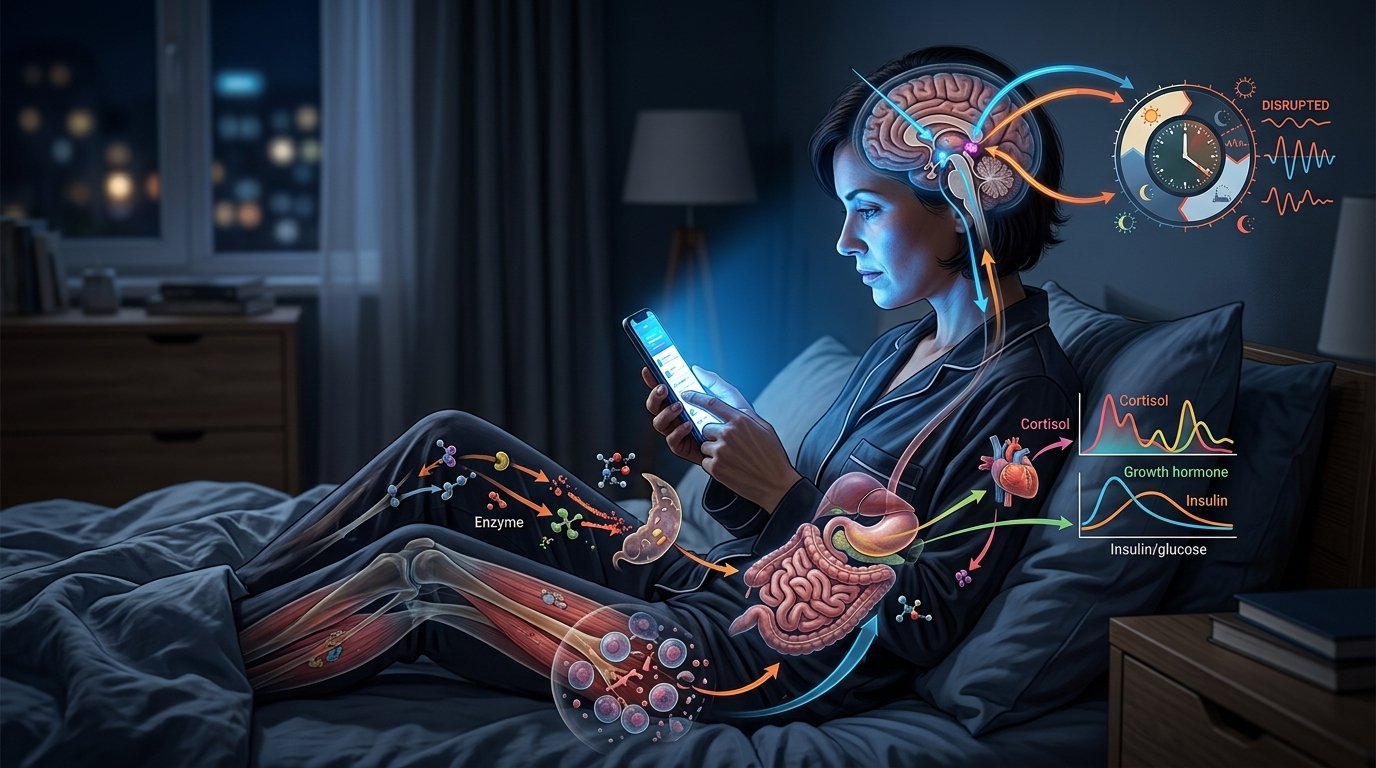
Blue Light and Weight Loss are more closely connected than many people realize. Most people know that spending too much time on a smartphone before bed can make it harder to fall asleep. What many people do not realize is that this nightly habit may also influence some of the same biological systems involved in maintaining a healthy weight.
The screen itself is not the problem. Instead, researchers are interested in the blue light emitted by phones, tablets, computers, televisions, and other digital devices. Blue light is not harmful during the day. In fact, natural blue light from sunlight helps regulate your body’s internal clock, supports alertness, and keeps your sleep schedule aligned with the day-night cycle.
The challenge begins when your brain continues receiving large amounts of blue light late in the evening.
Exposure to bright screens before bedtime may delay your body’s natural release of melatonin, the hormone that signals it is time to sleep. As sleep becomes shorter or lower in quality, other processes involving appetite, recovery, metabolism, and hormone regulation may also be affected. Over weeks or months, these changes can make healthy lifestyle habits more difficult to maintain.
This does not mean that using your phone before bed automatically causes weight gain. Weight management depends on many factors including nutrition, physical activity, genetics, stress, and overall sleep quality. However, growing research suggests that reducing unnecessary evening blue light exposure may support healthier sleep, which indirectly benefits long-term weight management.
Understanding the relationship between Blue Light and Weight Loss helps separate myths from evidence. Instead of fearing technology, the goal is to use it in ways that support your body’s natural rhythms.
In this article, you’ll learn whether blue light affects weight loss, how it influences sleep, whether screen time can increase hunger, how blue light relates to metabolism, and which practical habits help reduce unnecessary evening light exposure.
Quick Answer
Blue light does not directly cause weight gain or prevent fat loss. However, excessive blue light exposure before bedtime may delay melatonin production, reduce sleep quality, disrupt circadian rhythm, and indirectly influence appetite, recovery, metabolism, and healthy daily habits. Limiting unnecessary screen exposure during the evening can support better sleep and long-term weight management.
Does Blue Light Affect Weight Loss?
Many headlines claim that blue light causes weight gain.
The science is more nuanced.
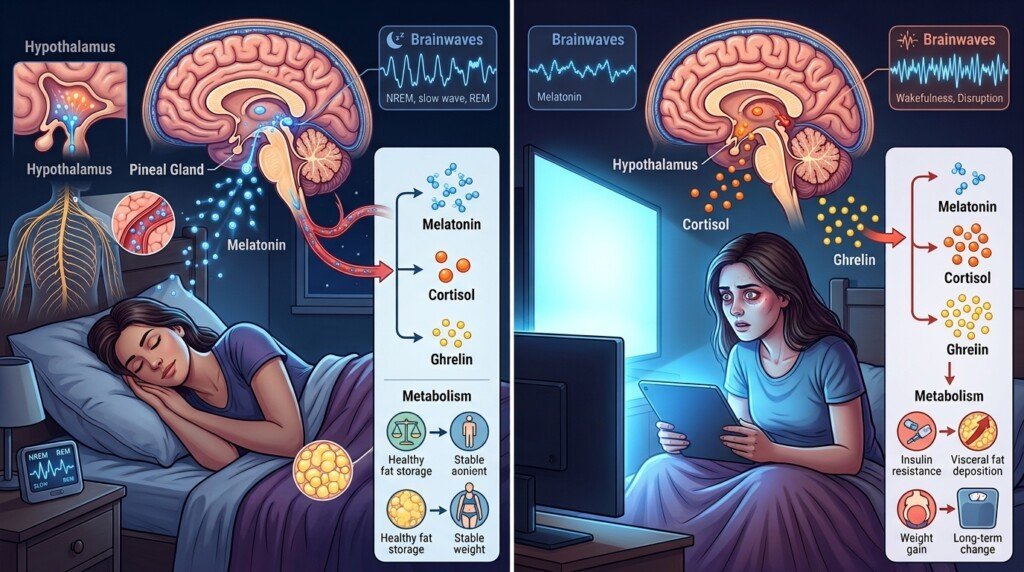
Blue light does not directly change how your body stores fat or burns calories. Instead, its primary influence comes through its effects on sleep and the body’s internal clock.
Blue Light Affects Sleep First
The strongest evidence links blue light to changes in sleep timing and sleep quality.
When sleep becomes shorter or less restorative, maintaining healthy habits often becomes more challenging.
Weight Management Depends on Many Factors
Body weight is influenced by:
- Nutrition
- Physical activity
- Genetics
- Hormones
- Stress
- Sleep quality
Blue light is only one small piece of this larger picture.
Healthy Sleep Supports Healthy Choices
People who consistently sleep well often find it easier to:
- Stay active
- Prepare balanced meals
- Control portions
- Manage stress
- Maintain exercise routines
These behaviors have a much greater impact on body weight than blue light itself.
Evening Light Exposure Is the Main Concern
Blue light during the morning and afternoon helps regulate your natural body clock.
Problems are more likely to occur when bright screens continue stimulating the brain close to bedtime.
Focus on Long-Term Habits
Reducing evening blue light should be viewed as one strategy for improving sleep rather than a direct weight-loss technique.
Healthy sleep remains one of the foundations discussed throughout Sleep and Weight Loss.
How Does Blue Light Affect Sleep?
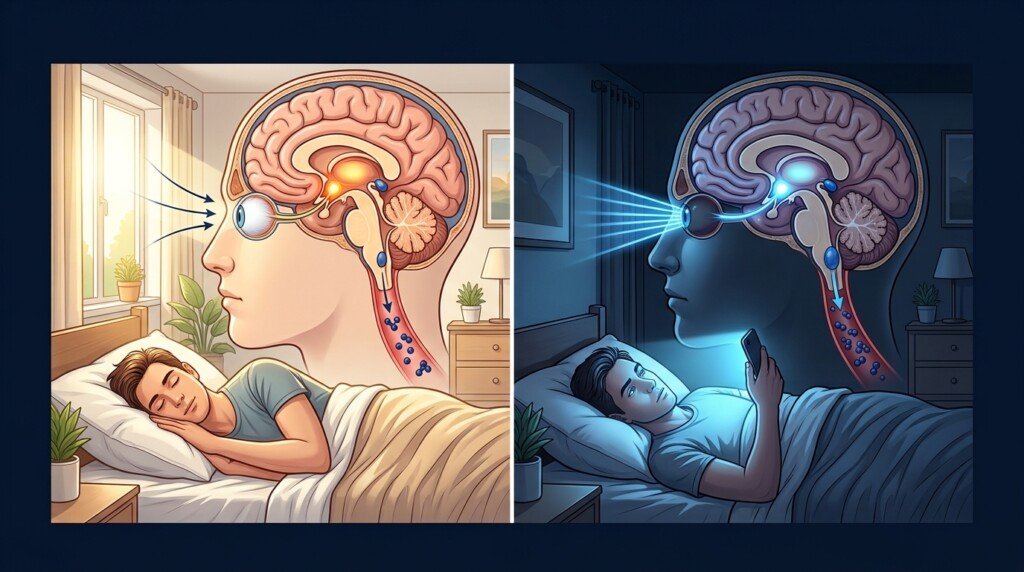
Your brain relies on light to determine when it should feel awake and when it should prepare for sleep.
This natural timing system is called the circadian rhythm.
Light Helps Regulate Your Body Clock
Throughout the day, exposure to natural daylight helps your brain stay alert.
As evening approaches and light levels decrease, your body gradually prepares for sleep.
This transition is an important part of maintaining healthy sleep patterns.
Melatonin Responds to Darkness
Melatonin is often called the sleep hormone.
Its production naturally increases during the evening as light levels fall.
Bright screen exposure before bedtime may delay this normal rise in melatonin for some people.
Delayed Sleep Can Affect Recovery
If bedtime becomes later because of prolonged screen use, overall sleep duration may decrease.
Less sleep may influence:
- Recovery
- Daily energy
- Exercise performance
- Appetite regulation
These effects often accumulate gradually rather than appearing after one night.
Quality Matters as Much as Quantity
Even if you spend enough hours in bed, interrupted or delayed sleep may reduce overall sleep quality.
Healthy sleep depends on both sufficient duration and restorative sleep cycles.
Build a Predictable Evening Routine
Creating a consistent bedtime routine helps your body recognize when it is time to rest.
Many of these habits are discussed in greater detail throughout Bedtime Routine for Weight Loss.
Can Screen Time Increase Hunger?
Screen time itself does not create hunger.
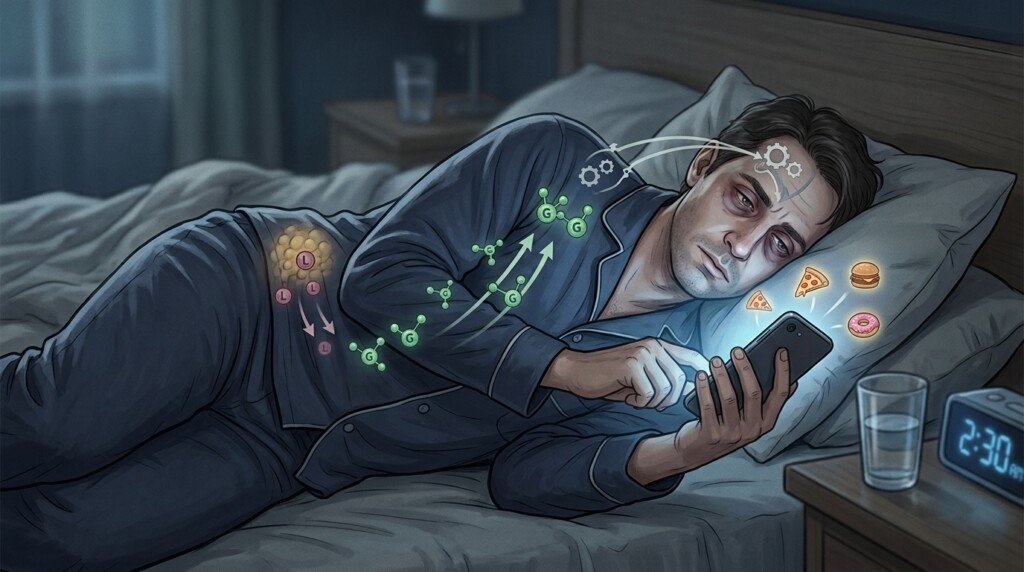
However, poor sleep associated with excessive evening screen use may influence several hormones involved in appetite regulation.
Hunger Hormones Respond to Sleep
Research suggests that inadequate sleep may influence hormones associated with hunger and fullness.
These include:
Healthy sleep helps support their normal regulation.
Fatigue Changes Food Choices
People who feel tired often prefer foods that are:
- Sweet
- Salty
- High in fat
- Highly processed
These choices usually provide quick energy but may be less satisfying over time.
Mindless Evening Eating Is Common
Many people combine television or smartphone use with unnecessary snacking.
Often this behavior results from habit rather than true hunger.
Reducing evening screen use may also reduce distracted eating.
Energy Levels Influence Decisions
Feeling well rested makes it easier to:
- Plan balanced meals
- Resist unnecessary snacks
- Exercise consistently
- Maintain healthy routines
Sleep quality often affects behavior more than people realize.
The relationship between appetite hormones is explored further throughout Hunger Hormones.
Does Blue Light Affect Metabolism?
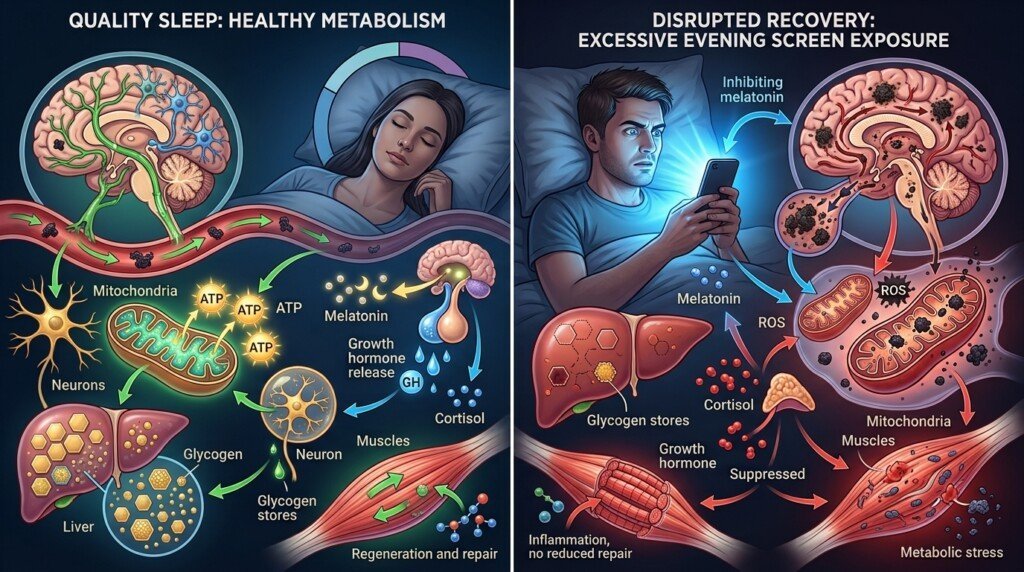
Current research suggests that blue light does not directly slow metabolism.
Instead, it may influence metabolic health indirectly through its effects on sleep.
Sleep Supports Metabolic Function
Healthy sleep contributes to:
- Recovery
- Hormone regulation
- Appetite balance
- Daily energy
These systems work together to support normal metabolic function.
Circadian Rhythm Influences Many Processes
Your body’s internal clock regulates numerous biological functions throughout the day.
Consistent sleep schedules help these processes remain synchronized.
Sleep Loss May Influence Daily Activity
People who consistently sleep poorly often report:
- Lower energy
- Less motivation
- Reduced physical activity
- More fatigue
These changes may indirectly affect long-term energy expenditure.
Recovery Supports Healthy Performance
Quality sleep allows your body to recover from physical and mental activity.
Better recovery supports greater consistency with healthy habits.
Blue Light Is Only One Factor
While reducing unnecessary evening blue light exposure can improve sleep for many people, healthy metabolism also depends on balanced nutrition, regular exercise, stress management, and overall Metabolic Health.
Should You Avoid Screens Before Bed?
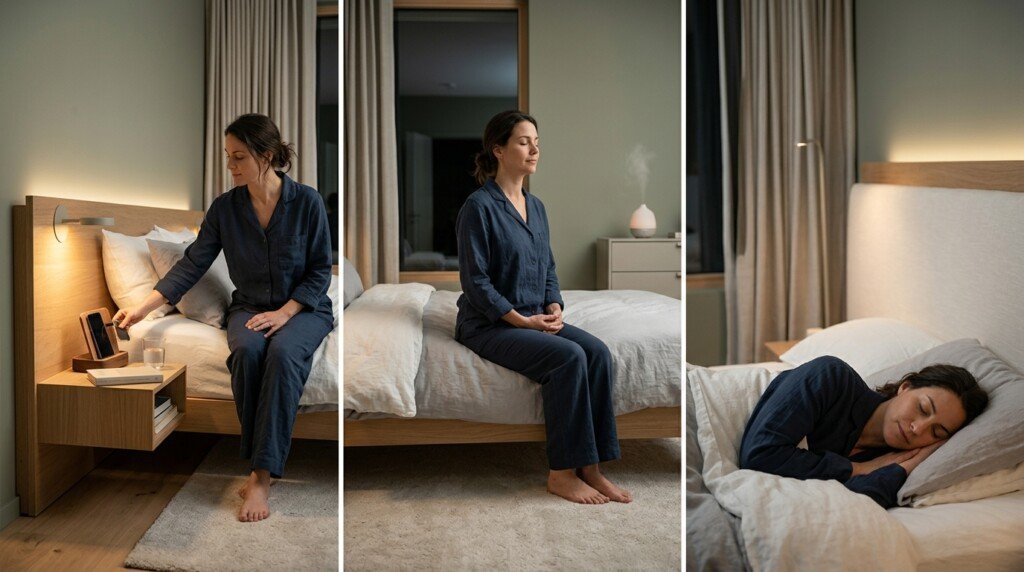
You do not have to eliminate technology from your evening completely to support healthy sleep. Smartphones, tablets, computers, and televisions are part of modern life, and avoiding them entirely is unrealistic for many people.
Instead, the goal is to manage screen use in a way that minimizes unnecessary exposure to bright blue light during the hours leading up to bedtime.
Reduce Screen Time Gradually
If you currently use your phone until the moment you fall asleep, changing that habit overnight may feel difficult.
A gradual approach often works better.
Try reducing screen use a little earlier each week until you create a comfortable screen-free period before bed.
Replace Screens With Relaxing Activities
Your evening routine becomes easier to maintain when you replace screen time instead of simply removing it.
Consider activities such as:
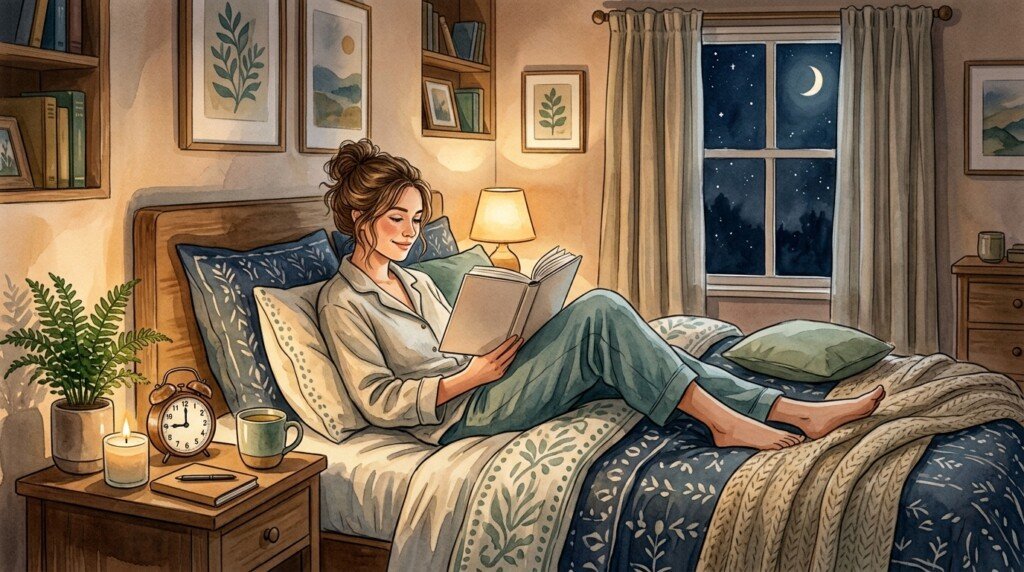
- Reading a printed book
- Journaling
- Gentle stretching
- Meditation
- Deep breathing
- Listening to calming music
These activities encourage relaxation without increasing mental stimulation.
Avoid Emotionally Stimulating Content
The type of content you consume also matters.
Watching stressful news, intense videos, competitive games, or work emails shortly before bed may keep your brain active even after the screen is turned off.
Choosing calmer activities allows your mind to transition more naturally toward sleep.
Make Your Bedroom a Restful Space
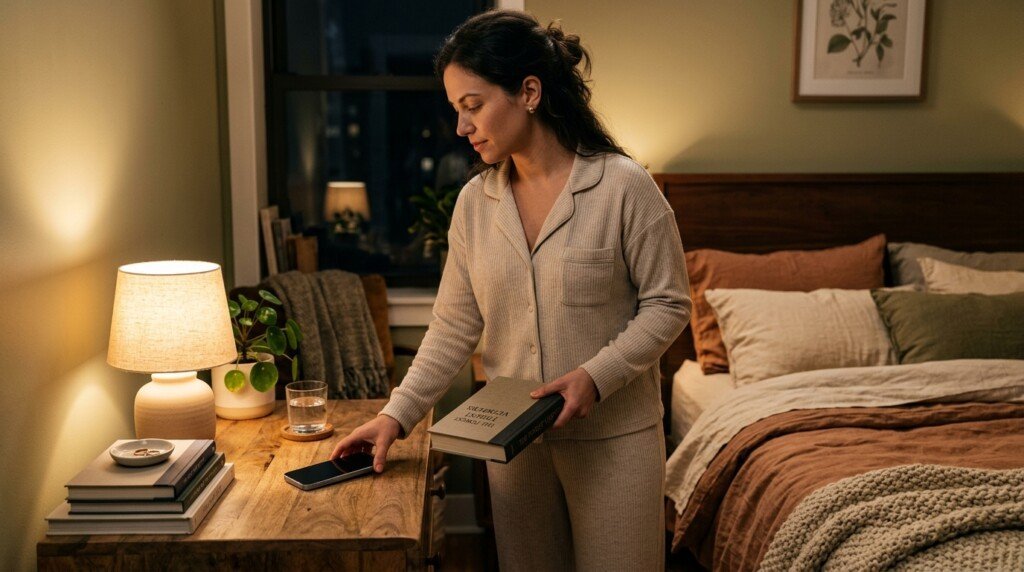
Many people benefit from keeping phones and tablets away from the bed whenever possible.
This reduces the temptation to continue scrolling after bedtime.
It also helps strengthen the mental connection between the bedroom and sleep.
Consistency Is More Important Than Perfection
Occasionally using your phone before bed will not ruin your health.
What matters most is developing a consistent evening routine that supports high-quality sleep over the long term.
Which Habits Reduce Blue Light Exposure?
Reducing evening blue light exposure does not require expensive equipment or complicated routines.
Simple lifestyle changes often provide meaningful improvements.
Spend More Time Outdoors During the Day
Natural daylight helps reinforce your body’s circadian rhythm.
Getting regular daylight exposure during the morning and afternoon helps your brain distinguish daytime from nighttime more effectively.
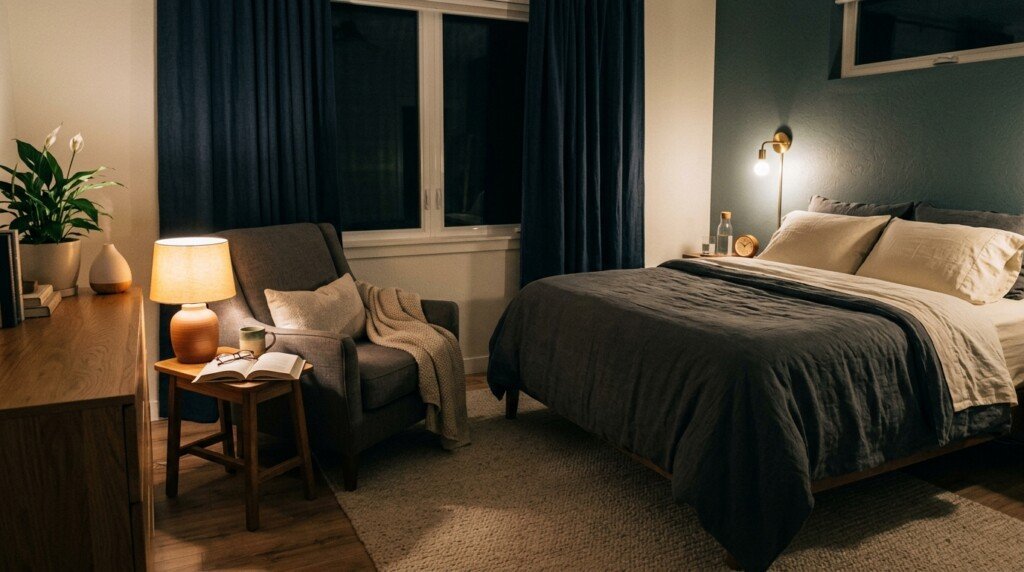
Dim Indoor Lighting During the Evening
Bright household lighting keeps your environment feeling like daytime.
Gradually lowering indoor lighting during the evening encourages your body to prepare for sleep.
Create a Screen-Free Wind-Down Routine
Choose one consistent period before bedtime when screens are no longer part of your routine.
Instead, use that time for relaxing activities that support healthy sleep.
Keep a Consistent Bedtime
One of the most effective ways to support your body clock is going to bed at approximately the same time every night.
Regular sleep schedules help strengthen circadian rhythm.
Manage Evening Stress
Stress often keeps people reaching for phones as a distraction.
Replacing evening scrolling with relaxation techniques may support both mental well-being and sleep quality.
Many of these approaches also strengthen the healthy routines discussed throughout Stress and Weight Loss.
Prioritize Overall Sleep Hygiene
Blue light is only one part of healthy sleep.
Other important habits include:
- Comfortable bedroom temperature
- Quiet surroundings
- Consistent sleep schedule
- Balanced evening meals
- Daily physical activity
Together, these habits create an environment that supports restorative sleep.
Are Blue Light Glasses Helpful?
Blue light glasses have become increasingly popular, but many people wonder whether they are truly necessary.
Current research continues to explore their effectiveness.
The Evidence Is Still Developing
Some studies suggest blue light filtering glasses may help certain people reduce evening light exposure.
However, research findings remain mixed, and scientists continue investigating their long-term benefits.
Healthy Habits Matter More
Regardless of whether someone chooses to use blue light glasses, the strongest evidence still supports basic healthy sleep habits such as:
- Limiting unnecessary evening screen time
- Maintaining a consistent bedtime
- Creating a relaxing nighttime routine
- Getting enough sleep overall
These habits generally have a greater impact on sleep quality.
Glasses Cannot Replace Good Sleep Habits
Wearing blue light glasses while continuing to stay awake for several additional hours on a smartphone is unlikely to provide the same benefit as reducing screen exposure altogether.
Healthy routines remain the foundation.
Focus on Your Entire Evening Routine
Rather than relying on one solution, think about your evening as a complete routine.
Sleep quality is influenced by:
- Stress
- Light exposure
- Bedtime consistency
- Daily activity
- Nutrition
- Recovery
Improving multiple habits usually produces better results than focusing on only one.
Build Sustainable Habits
The best strategy is the one you can maintain consistently.
Simple evening routines practiced every day often provide greater long-term benefits than complicated approaches that are difficult to follow.
Evening Screen-Free Checklist
If you want to reduce unnecessary evening blue light exposure, follow these practical steps:
- Spend time outdoors during daylight hours.
- Dim household lights as bedtime approaches.
- Finish work-related screen use earlier in the evening.
- Avoid scrolling social media in bed.
- Replace screen time with reading or relaxation.
- Keep electronic devices away from your pillow.
- Maintain a consistent bedtime.
- Aim for 7 to 9 hours of quality sleep.
- Repeat the same evening routine most nights.
These simple habits support better sleep without requiring major lifestyle changes.
Frequently Asked Questions
1. Does blue light directly cause weight gain?
No. Blue light does not directly cause weight gain. Its main influence is through sleep quality, circadian rhythm, and the healthy habits that support long-term weight management.
2. Why is blue light worse before bedtime?
Blue light during the evening may delay melatonin production, making it more difficult for some people to fall asleep and maintain healthy sleep patterns.
3. Can screen time increase hunger?
Screen time itself does not increase hunger, but poor sleep associated with excessive evening screen use may influence appetite-regulating hormones and make healthy eating decisions more difficult.
4. Should I completely avoid screens before bed?
Complete avoidance is not necessary for everyone. Reducing unnecessary screen exposure during the hour before bedtime is often a practical approach that supports better sleep quality.
5. Are blue light glasses necessary?
Current evidence is still developing. Healthy sleep habits, consistent bedtimes, and limiting evening screen exposure remain more strongly supported than relying on any single product.
Final Thoughts
The connection between Blue Light and Weight Loss is less about the light itself and more about how it influences your body’s natural sleep rhythm. Blue light does not directly increase body fat or slow metabolism, but excessive evening exposure may delay sleep, reduce sleep quality, and affect the daily habits that support long-term weight management. Over time, these small disruptions can influence energy, recovery, appetite, and overall consistency with healthy lifestyle behaviors.
Fortunately, improving your evening routine does not require eliminating technology from your life. Small changes such as reducing unnecessary screen time before bed, dimming lights during the evening, following a consistent bedtime, and replacing late-night scrolling with relaxing activities can help support healthier sleep. Combined with the principles discussed in Sleep and Metabolism, Bedtime Routine for Weight Loss, and Sleep and Weight Loss, these habits create an environment that supports better recovery, healthier metabolic function, and sustainable weight management for the long term.
Disclaimer:
This post may contain affiliate links. If you purchase through them, we may earn a small commission at no extra cost to you. Also, this content is for informational purposes only and does not substitute professional medical advice.
Ready to Start Your Journey?
Use our free 7-in-1 Weight Loss Toolkit to calculate your numbers and build your plan in minutes.
Open Free Tools →