Collagen-Rich Foods vs Collagen Supplements: Which Is Better for Weight Loss?
When people start looking into collagen for better health or weight management, one question usually comes up before anything else.
Should you get collagen from food, or is a supplement the better option?
At first glance, it seems like there should be a clear winner. After all, whole foods are often considered the healthiest choice, while supplements promise convenience and concentrated nutrition. But when it comes to Collagen Foods vs Collagen Supplements, the answer isn’t quite that simple.
Each approach has unique advantages, and the better choice often depends on your eating habits, lifestyle, nutritional goals, and how practical each option is for you. Some people naturally consume collagen-rich foods several times a week without realizing it. Others struggle to prepare those foods consistently and prefer the simplicity of adding collagen to their daily routine.
Rather than asking which option is universally better, it’s more useful to ask which one fits your lifestyle.
In this guide, we’ll compare natural collagen foods and collagen supplements, explain how they contribute to overall nutrition, and help you decide which approach makes the most sense if weight management is one of your goals.
Quick Answer
When comparing Collagen Foods vs Collagen Supplements, neither option is automatically better. Collagen-rich foods provide additional nutrients alongside collagen, while supplements offer convenience and consistency. For weight loss, both can support a healthy eating pattern when combined with balanced nutrition, regular physical activity, and an overall calorie deficit.
Which Foods Naturally Contain Collagen?
Collagen is found almost exclusively in the connective tissues of animals.
Unlike many vitamins or minerals, collagen doesn’t naturally occur in fruits, vegetables, grains, or legumes.
Instead, it is concentrated in parts of animals that many people eat less frequently today.
Bone Broth
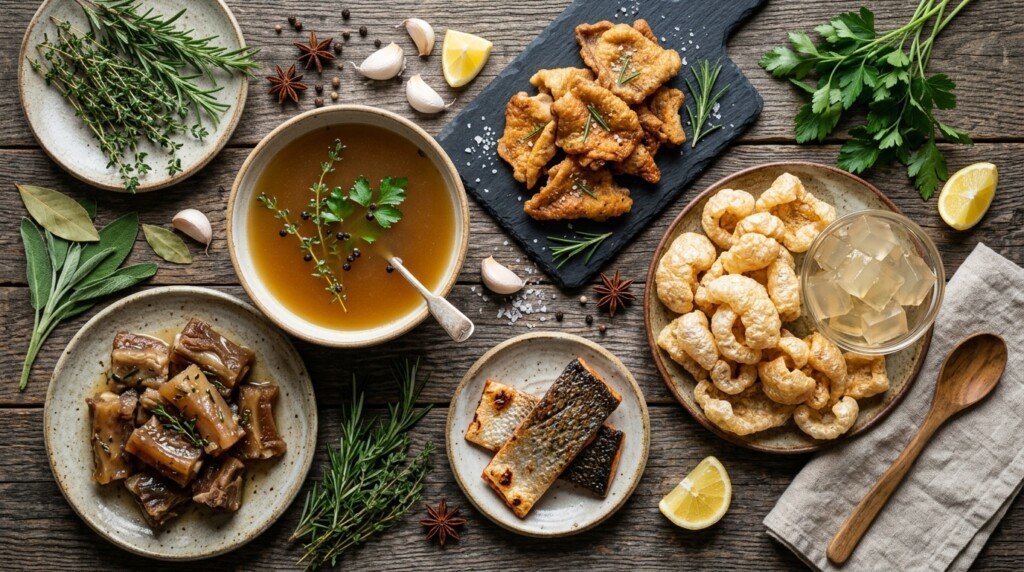
Bone broth is one of the best-known natural sources of collagen.
It is prepared by slowly simmering animal bones and connective tissues over an extended period.
Besides collagen, bone broth also contains water, minerals, and naturally occurring amino acids released during cooking.
Chicken Skin and Connective Tissue
Chicken skin contains collagen because it forms part of the bird’s connective tissue.
While many people remove the skin before eating chicken, keeping it provides a natural source of collagen.
The joints, cartilage, and connective tissues found in slow-cooked chicken dishes also contribute collagen.
Fish Skin
Marine collagen comes from fish skin and connective tissue.
Many cultures traditionally consume fish with the skin intact, making it a regular dietary source of collagen.
Fish skin is also commonly used to produce marine collagen supplements.
Gelatin
Gelatin is produced by partially breaking down collagen.
Although technically different from collagen peptides, gelatin still originates from collagen-rich animal tissues.
It is commonly found in:
- Homemade broths
- Certain desserts
- Gummies
- Some cooking recipes
Less Common Sources
Other foods containing collagen include:
- Beef tendons
- Pork skin
- Oxtail
- Slow-cooked connective tissues
Although these foods aren’t eaten daily in many households, they remain traditional collagen-rich ingredients in cuisines around the world.
Can Food Provide Enough Collagen for Most People?
One common misconception is that collagen supplements are the only effective way to consume collagen.
In reality, many traditional diets naturally include collagen-rich foods.
Whole Foods Offer More Than Collagen
One advantage of eating collagen-containing foods is that they contribute much more than a single nutrient.
Depending on the food, they may also provide:
- Protein
- Vitamins
- Minerals
- Healthy fats
- Additional amino acids
This makes them valuable parts of an overall balanced diet.
Dietary Variety Matters
Rather than relying on one “superfood,” healthy nutrition focuses on eating a variety of foods.
Collagen-rich foods work best when combined with:
- Lean protein
- Fruits
- Vegetables
- Whole grains
- Healthy fats
This broader dietary pattern supports overall wellness more effectively than focusing on collagen alone.
Practicality Is Often the Biggest Challenge
Preparing bone broth or slow-cooked collagen-rich meals takes time.
Busy schedules may make these foods difficult to prepare regularly.
This is one reason collagen supplements have become increasingly popular.
Convenience often determines whether someone consistently follows healthy eating habits.
Are Collagen Supplements Better Than Natural Foods?
This is where the conversation becomes more interesting.
Rather than viewing supplements and food as competitors, it helps to think of them as serving different purposes.

Supplements Prioritize Convenience
One reason collagen supplements are so popular is their simplicity.
Many people can mix collagen into coffee, smoothies, yogurt, or oatmeal within seconds.
That level of convenience makes it easier to maintain consistency.
Whole Foods Provide Broader Nutrition
Foods naturally containing collagen contribute a wider range of nutrients than isolated collagen alone.
For example, a balanced meal containing collagen-rich ingredients also provides energy, vitamins, minerals, and other dietary components that supplements cannot fully replace.
This is one reason nutrition experts generally encourage building meals around whole foods whenever possible.
Consistency Often Matters More Than Perfection
Some people enjoy homemade bone broth every week.
Others rarely have time to prepare it.
Choosing an approach you can realistically maintain is usually more valuable than trying to follow an ideal eating plan that doesn’t fit your lifestyle.
This practical mindset also applies to Collagen for Weight Loss, where long-term habits generally have a greater impact than occasional healthy choices.
Does the Quality of Protein Matter?
Collagen is a form of dietary protein, but not all proteins contribute to nutrition in exactly the same way.
Understanding this distinction helps explain why many people include both collagen and other protein-rich foods in their diets.
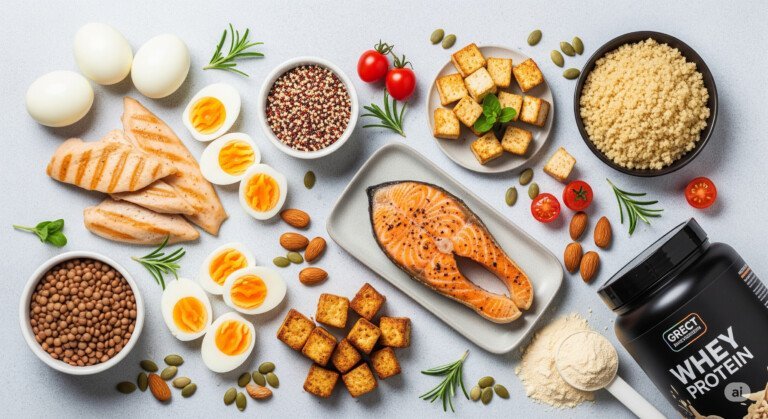
Different Proteins Offer Different Strengths
Protein-rich foods each contain unique combinations of amino acids.
Collagen is especially rich in:
- Glycine
- Proline
- Hydroxyproline
These amino acids are characteristic of collagen-rich connective tissues.
Other protein foods contribute different amino acid profiles that support overall dietary balance.
Variety Creates a More Balanced Diet
Instead of depending on one protein source, many healthy eating patterns include a variety of proteins throughout the week.
Examples include:
- Fish
- Eggs
- Dairy
- Poultry
- Beans
- Lean meats
- Collagen-rich foods
This variety helps build a balanced approach to nutrition rather than focusing on any single ingredient.
If you’re also planning meals for fat loss, incorporating High-Protein Foods That Burn Fat into your routine alongside collagen-rich foods creates a more complete nutritional strategy than relying on supplements alone.
Does Vitamin C Really Help Your Body Produce Collagen?
When people focus on collagen, they often overlook one nutrient that plays an equally important role: vitamin C.
Your body cannot efficiently produce collagen without it.
This means that whether you choose collagen-rich foods or collagen supplements, maintaining adequate vitamin C intake supports your body’s normal collagen synthesis.
Why Vitamin C Matters
Vitamin C is involved in the natural process that helps stabilize and build collagen within the body.
Without enough vitamin C, collagen production becomes less efficient.
This is one reason balanced nutrition is always more important than relying on a single supplement.
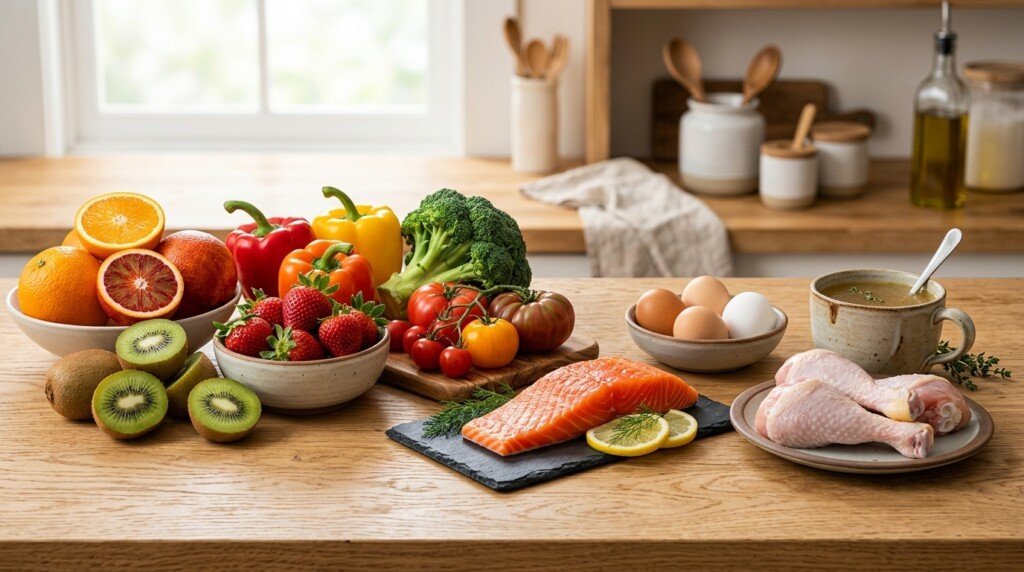
Foods Rich in Vitamin C
Many everyday foods provide vitamin C, including:
- Oranges
- Strawberries
- Kiwi
- Bell peppers
- Broccoli
- Tomatoes
- Brussels sprouts
Adding these foods to meals creates a more balanced dietary pattern while supporting overall nutrition.
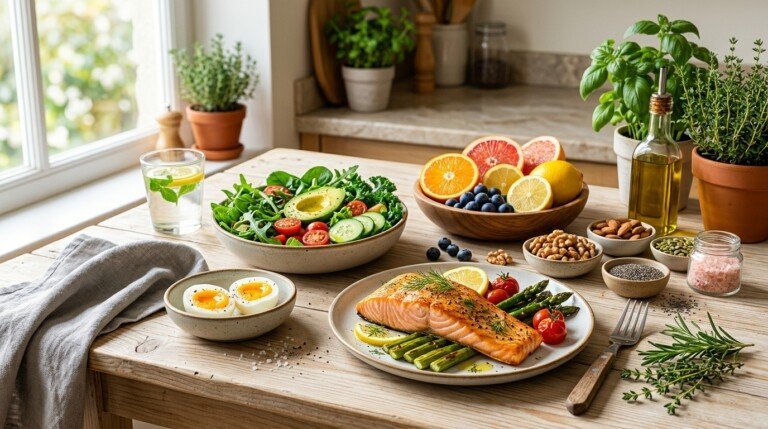
A Balanced Plate Supports Better Nutrition
Instead of viewing collagen and vitamin C separately, think of them as parts of the same nutritional picture.
Meals that combine protein-rich foods with colorful fruits and vegetables naturally provide a wider range of nutrients than focusing on one ingredient alone.
Which Option Fits Better Into a Weight Loss Plan?
There is no universal winner in the Collagen Foods vs Collagen Supplements debate.
The better option depends on what you can realistically maintain over the long term.
Choose Whole Foods If You Enjoy Cooking
People who regularly prepare meals at home may naturally consume collagen-rich foods such as:
- Bone broth
- Slow-cooked meats
- Fish with skin
- Homemade soups
These foods contribute collagen while also becoming part of an overall balanced eating pattern.
Supplements May Suit Busy Lifestyles
For people balancing work, family, travel, and exercise, preparing collagen-rich meals every week isn’t always practical.
Collagen supplements offer consistency with minimal preparation.
That convenience may help some people maintain healthy nutrition habits more consistently.
Weight Loss Still Depends on Overall Lifestyle
Whether collagen comes from food or supplements, lasting weight management continues to depend on:
- Balanced nutrition
- Physical activity
- Consistent eating habits
- Adequate protein intake
- A sustainable calorie deficit
Neither option replaces these fundamentals.
Many people combine collagen with eating patterns similar to the Best Diet for Fat Burning, where whole foods remain the foundation of daily nutrition.
Can You Use Both Collagen Foods and Supplements Together?
Absolutely.
Many people assume they have to choose one approach or the other.
In reality, combining both is often the most practical solution.
Food Builds the Foundation
Whole foods should generally remain the primary source of nutrition.
They contribute:
- Protein
- Fiber
- Vitamins
- Minerals
- Healthy fats
- Numerous naturally occurring nutrients
These benefits extend far beyond collagen alone.
Supplements Fill Practical Gaps
Some weeks are busier than others.
Travel, work schedules, or family commitments can make meal preparation difficult.
In those situations, collagen supplements may simply help maintain consistency without replacing healthy meals.
Flexibility Supports Long-Term Success
Nutrition isn’t about being perfect every day.
The people who maintain healthy habits over many years usually build flexible routines rather than rigid rules.
Combining collagen-rich foods with supplements when appropriate often fits that realistic approach.
Who Benefits Most From Each Approach?
Instead of asking which option is better, it’s more helpful to ask which one fits your lifestyle.

Collagen-Rich Foods May Be Best For
People who:
- Enjoy cooking
- Eat home-prepared meals regularly
- Prefer obtaining nutrients from whole foods
- Follow balanced dietary patterns
- Like traditional foods such as soups and bone broth
Collagen Supplements May Be Best For
People who:
- Have busy schedules
- Want a convenient protein option
- Prefer simple daily routines
- Travel frequently
- Struggle to prepare collagen-rich meals consistently
Many People Benefit From Both
For many healthy adults, the answer isn’t choosing one over the other.
Instead, it’s allowing whole foods to remain the foundation while using supplements when they add convenience.
That balanced perspective helps remove unnecessary pressure from everyday nutrition decisions.
The Best Choice Is the One You Can Sustain
The discussion around Collagen Foods vs Collagen Supplements often becomes unnecessarily competitive.
One side argues that only whole foods matter.
The other suggests supplements are the easiest solution.
In reality, sustainable nutrition rarely works in extremes.
A healthy eating pattern built around whole foods remains the strongest foundation for long-term wellness. Supplements can provide convenience when life becomes busy, but they work best when they complement, rather than replace, nutritious meals.
Whether you choose bone broth, collagen-rich foods, supplements, or a combination of both, consistency matters far more than perfection. Building habits you can realistically maintain is usually the smartest long-term strategy.
Key Takeaways
| Topic | Key Point |
|---|---|
| Natural collagen foods | Bone broth, fish skin, chicken skin, gelatin, and connective tissues naturally contain collagen. |
| Whole-food nutrition | Collagen-rich foods also provide additional nutrients that contribute to a balanced diet. |
| Supplements | Collagen supplements offer convenience and consistency for busy lifestyles. |
| Vitamin C | Vitamin C supports the body’s natural collagen synthesis and pairs well with a balanced diet. |
| Weight loss | Neither foods nor supplements directly cause weight loss. Both fit into healthy eating patterns that support long-term goals. |
| Best approach | Many people benefit from combining collagen-rich foods with supplements when needed for convenience. |
Frequently Asked Questions
1. Which foods naturally contain collagen?
Natural sources of collagen include bone broth, chicken skin, fish skin, gelatin, beef tendons, pork skin, and other connective tissues from animal foods.
2. Is bone broth enough for collagen?
Bone broth can contribute collagen as part of a balanced diet, but the amount may vary depending on how it is prepared. It works best alongside a variety of protein-rich foods rather than as the only source of collagen.
3. Are collagen supplements better than food?
Not necessarily. In the Collagen Foods vs Collagen Supplements comparison, whole foods provide broader nutrition, while supplements offer greater convenience. The better option depends on your lifestyle and eating habits.
4. Do you need vitamin C with collagen?
Vitamin C supports your body’s natural collagen production. Eating vitamin C-rich fruits and vegetables as part of a balanced diet helps support normal collagen synthesis.
5. Can I eat collagen-rich foods and take collagen supplements?
Yes. Many people use whole foods as the foundation of their diet while using collagen supplements as a convenient addition when preparing collagen-rich meals isn’t practical.
Conclusion
Choosing between Collagen Foods vs Collagen Supplements is less about finding a single winner and more about creating a nutrition plan that fits your lifestyle. Whole foods remain the cornerstone of a balanced diet because they provide collagen along with vitamins, minerals, healthy fats, and a wide range of nutrients that support overall health. At the same time, collagen supplements offer unmatched convenience for people who struggle to prepare collagen-rich meals consistently.
For weight management, neither option is a shortcut. Long-term success still comes from balanced eating, regular physical activity, and sustainable habits that you can maintain over time. Whether you prefer collagen-rich foods, supplements, or a combination of both, choosing an approach that supports your daily routine is far more valuable than chasing the perfect solution.
Disclaimer:
This post may contain affiliate links. If you purchase through them, we may earn a small commission at no extra cost to you. Also, this content is for informational purposes only and does not substitute professional medical advice.