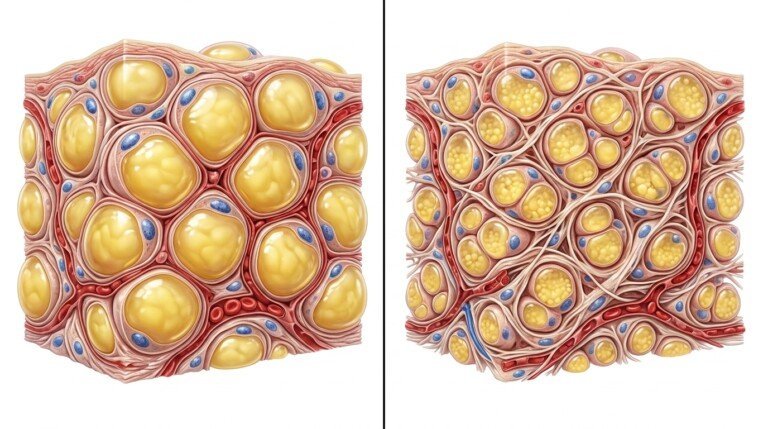
Should You Take a Diet Break During a Weight Loss Plateau? Benefits and Risks Explained
You’ve been eating in a calorie deficit for months. At first, the results came steadily, but now the scale has stopped moving. You’re feeling hungrier than usual, workouts seem harder, and staying motivated is becoming more difficult. Naturally, you begin asking whether taking a break from dieting might actually help.
This is where the idea of a Diet Break for Weight Loss often comes into the conversation.
A diet break is not about giving up on your goals or spending a week eating anything you want. Instead, it is a planned period where you temporarily increase your calorie intake from a calorie deficit to approximately maintenance calories while continuing to eat balanced, nutritious foods. The goal is to provide both your body and mind with a short recovery period before returning to your fat loss plan.
Over the last decade, researchers have become increasingly interested in whether structured diet breaks can improve long-term adherence, reduce diet fatigue, and make sustainable weight management easier. While diet breaks are not magic solutions that instantly restart fat loss, they may help some people remain consistent during lengthy weight loss journeys.
However, they are not appropriate for everyone. Taking a break without a clear plan can easily turn into weeks of overeating, making it harder to return to healthy habits. Understanding when a diet break may help and when it may not is essential before deciding whether to include one in your strategy.
In this article, you’ll learn what a Diet Break for Weight Loss actually is, whether it can help during a weight loss plateau, how it differs from a cheat day, why it may improve long-term consistency, how long it should last, who should avoid one, and how to successfully return to a calorie deficit afterward.
What Is a Diet Break?
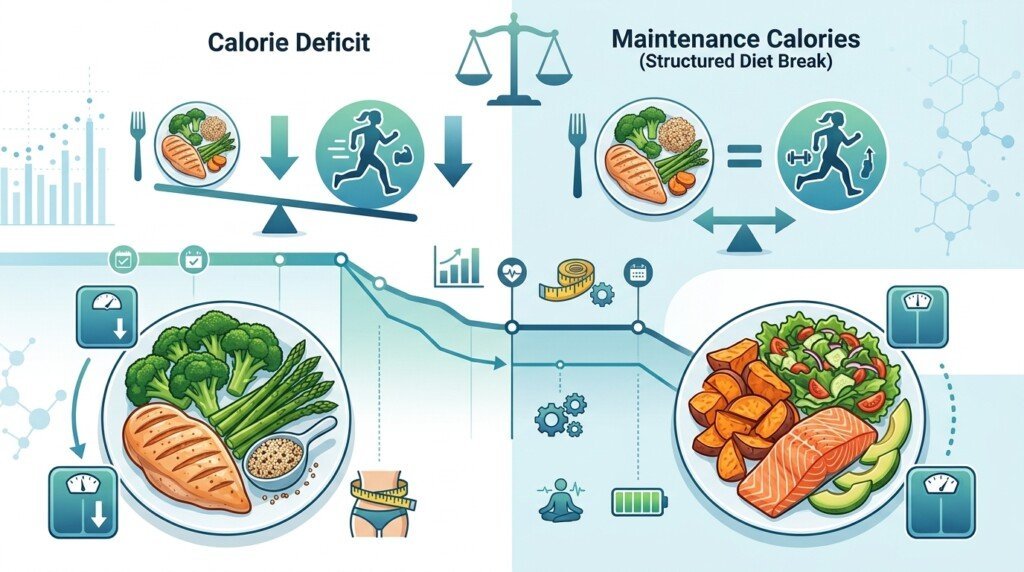
A diet break is a planned pause from a calorie deficit.
Rather than continuing to eat fewer calories than your body needs, you temporarily increase your intake to approximately your maintenance calorie level while continuing to eat nutritious foods.
The purpose is not to lose weight during the break.
Instead, the goal is to improve recovery, reduce mental fatigue, and support long-term consistency.

A Diet Break Is Still Structured
Many people assume a diet break means eating without limits.
That is not what researchers or nutrition professionals mean by the term.
A proper diet break still includes:
- Balanced meals
- Regular meal timing
- Lean protein
- Fruits and vegetables
- Whole grains
- Healthy fats
The only major difference is that calories increase enough to meet your estimated maintenance needs instead of remaining in a deficit.
Maintenance Calories Replace the Deficit
Maintenance calories represent the amount of energy your body needs to maintain its current weight.
During a diet break, you are no longer actively trying to lose fat.
Instead, you allow your body to maintain its weight temporarily before returning to your fat loss plan.
This approach differs greatly from abandoning healthy habits altogether.
Diet Breaks Are Planned in Advance
One important feature of a successful diet break is planning.
Before beginning, decide:
- When it will start
- How long it will last
- Approximately how many calories you will eat
- When you will return to your calorie deficit
Having a clear plan reduces the likelihood of the break becoming an unplanned period of overeating.
They Are Designed for Long-Term Success
Diet breaks are most often discussed in the context of longer weight loss journeys rather than short-term dieting.
People following a calorie deficit for several months may experience increasing hunger, declining motivation, and mental fatigue.
A structured break may help make the overall journey feel more manageable.
This idea aligns closely with the long-term approach discussed throughout Sustainable Weight Loss, where consistency is prioritized over rapid results.
Should You Take a Diet Break During a Plateau?
The answer depends on why your progress has slowed.
A diet break is not designed to “shock” your metabolism or instantly restart fat loss.
Instead, it may help address some of the behavioral and psychological challenges that develop after months of dieting.

A Plateau Does Not Always Require a Diet Break
Many plateaus resolve naturally.
Temporary water retention, exercise recovery, and normal weight fluctuations may keep the scale unchanged for several weeks.
In these situations, continuing your existing routine may be the best option.
Before considering a diet break, first determine whether you are experiencing a true Weight Loss Plateau or simply normal fluctuations.
Diet Fatigue Is Real
Long periods of calorie restriction often become mentally exhausting.
You may notice:
- Constant thoughts about food
- Declining motivation
- Increased cravings
- Reduced enjoyment of meals
- Difficulty following your routine
A structured maintenance period may help reduce some of this mental fatigue.
Consistency Is Often the Bigger Goal
The purpose of a diet break is not immediate fat loss.
Its value comes from helping you continue your weight loss journey over the coming months.
Someone who remains consistent for an entire year usually achieves better results than someone who repeatedly alternates between extreme restriction and overeating.
It May Support Recovery
When calorie intake has been low for an extended period, some people notice:
- Lower workout performance
- Increased fatigue
- Slower recovery
- Reduced enthusiasm for exercise
Returning temporarily to maintenance calories may provide additional energy that supports training quality.
It Is Not a Requirement
Many successful weight loss journeys never include a diet break.
Others benefit from one or more structured maintenance periods.
There is no universal rule.
Your decision should depend on your individual progress, consistency, and ability to maintain healthy habits.
If your plateau has continued despite consistent nutrition and activity, the practical strategies discussed in How to Break a Weight Loss Plateau may help you determine whether a diet break is appropriate.
How Is a Diet Break Different From a Cheat Day?
These two concepts are often confused, but they are very different.
Understanding the distinction helps prevent unrealistic expectations.
A Diet Break Is Planned
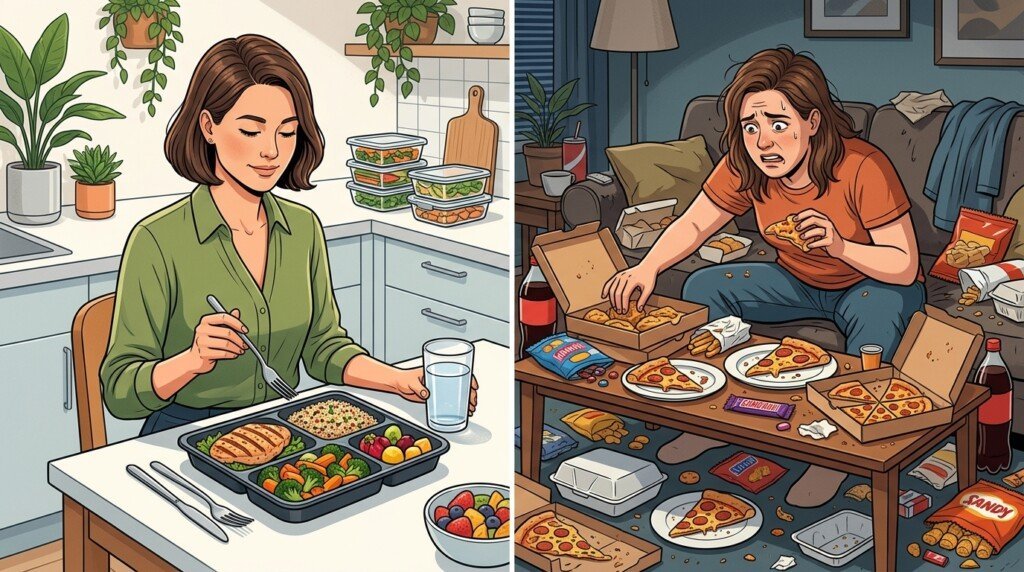
A proper diet break follows a structured nutrition plan.
You continue eating nutritious foods while increasing calories toward maintenance.
The emphasis remains on healthy eating habits.
A Cheat Day Has No Clear Definition
The term “cheat day” means different things to different people.
For some, it means enjoying one favorite meal.
For others, it means eating without limits for an entire day.
Because there is no consistent definition, cheat days often become unpredictable.
Diet Breaks Focus on Nutrition Quality
Even during maintenance calories, food quality remains important.
Meals should continue emphasizing:
- Lean protein
- Vegetables
- Fruit
- Whole grains
- Healthy fats
This supports both physical health and easier transition back into a calorie deficit.
Refeed Days Are Different Too
Another term people often hear is refeed day.
Unlike a diet break, which usually lasts several days or longer, a refeed is typically a shorter planned increase in calories, often emphasizing carbohydrates.
Although both approaches temporarily increase calorie intake, they serve different purposes and should not be confused.
Can a Diet Break Help You Stay Consistent?
For many people, consistency is the biggest challenge during weight loss.
A plan that feels manageable for several weeks may become increasingly difficult after several months.
This is where a structured diet break may provide practical benefits.

It Can Reduce Mental Fatigue
Constant calorie restriction requires ongoing decision-making.
Planning meals, resisting cravings, and maintaining a calorie deficit every day can become mentally demanding.
A temporary maintenance period may provide a psychological break without abandoning healthy habits.
Hunger May Feel Easier to Manage
Many people notice that eating at maintenance calories temporarily reduces feelings of restriction.
Although hunger hormones are influenced by many factors, increasing calorie intake for a planned period may make returning to a moderate deficit feel more manageable afterward.
The relationship between appetite and hormones is explored further throughout Hunger Hormones, where appetite regulation is discussed in greater detail.
Flexible Plans Often Last Longer
One reason highly restrictive diets frequently fail is that they leave little room for normal life.
Structured flexibility often improves adherence because people feel less deprived.
Developing this balanced mindset is also one of the key ideas discussed throughout Psychology of Weight Loss, where long-term behavior change is emphasized over short-term perfection.
A Diet Break Is Not an Excuse to Quit
Perhaps the most important point is remembering that a diet break is only a temporary pause.
Its purpose is to help you continue your journey, not end it.
Having a clear return date before your break begins greatly increases the likelihood of resuming your calorie deficit successfully.
How Long Should a Diet Break Last?
One of the most common questions about a Diet Break for Weight Loss is how long it should continue. There is no single answer that works for everyone because the ideal length depends on your goals, your progress, and how long you have been dieting.
The purpose of a diet break is not to delay fat loss indefinitely. Instead, it provides a temporary period at maintenance calories before returning to a structured calorie deficit.

Most Diet Breaks Last One to Two Weeks
Many research studies and nutrition professionals use diet breaks lasting approximately one or two weeks.
This time frame often allows people to:
- Reduce diet fatigue
- Practice maintaining weight
- Improve workout performance
- Recharge mentally
- Return to their calorie deficit with renewed motivation
Longer breaks are not necessarily better. Extending a diet break without a plan may increase the risk of losing momentum.
Longer Diets May Benefit More
Someone who has been dieting consistently for several months may benefit more from a planned maintenance period than someone who has been in a calorie deficit for only a few weeks.
Signs that a structured break may be worth considering include:
- Constant hunger
- Declining workout performance
- Mental exhaustion
- Difficulty following your eating plan
- Frequent thoughts about food
These signs do not automatically mean you need a break, but they may indicate that reviewing your approach is worthwhile.
Stay at Maintenance Calories
During a diet break, the goal is to eat around your estimated maintenance calories.
This means:
- Not intentionally creating a calorie deficit
- Not intentionally overeating
- Continuing balanced meals
- Keeping regular eating habits
Maintenance calories help create structure while avoiding the “all or nothing” mindset.
Continue Healthy Habits
A diet break should never mean abandoning your routine.
Continue with habits such as:
- Walking regularly
- Strength training
- Drinking enough water
- Eating vegetables
- Prioritizing protein
- Sleeping well
Maintaining these behaviors makes returning to fat loss much easier.
Who Should Avoid a Diet Break?
Although diet breaks can be helpful for some people, they are not appropriate for everyone.
Understanding when they may be unnecessary helps avoid slowing progress without a clear benefit.

People Early in Their Weight Loss Journey
If you have only recently started eating in a calorie deficit, a diet break is usually unnecessary.
Early plateaus are often caused by:
- Normal water retention
- Daily weight fluctuations
- Exercise recovery
Patience is often more helpful than changing your nutrition plan.
People With Inconsistent Habits
A diet break works best when it is part of a structured plan.
If you are still struggling with:
- Meal planning
- Portion control
- Regular exercise
- Consistent calorie intake
building these habits first is usually a better investment.
Strong routines are one of the foundations discussed throughout Weight Loss Habits, where consistency is treated as the key driver of long-term success.
People Looking for a Shortcut
A diet break is not designed to:
- Boost metabolism overnight
- Melt body fat faster
- Reset your body
- Replace healthy habits
Anyone expecting immediate fat loss after a maintenance period may be disappointed.
Its greatest value lies in supporting long-term adherence rather than producing rapid changes.
People Without a Return Plan
Starting a diet break without deciding when it will end often creates unnecessary problems.
Before beginning, know:
- Your start date
- Your end date
- Your maintenance calorie target
- Your return strategy
Planning ahead greatly improves long-term success.
How Can You Return to a Calorie Deficit?
Returning to your calorie deficit is just as important as the diet break itself.
A structured transition helps prevent maintenance calories from gradually becoming overeating.
Resume Gradually
You do not need to make dramatic changes overnight.
Instead:
- Return to your previous meal structure
- Resume your planned calorie deficit
- Continue balanced food choices
- Maintain regular meal timing
Because your healthy habits remained consistent during the break, the transition often feels much easier.
Keep Protein High
Protein remains important after your diet break because it supports:
- Lean muscle
- Recovery
- Fullness
- Exercise performance
Building meals around protein often helps reduce hunger while returning to a calorie deficit.
If you previously struggled with overly aggressive calorie restriction, understanding the principles discussed in Eating Too Little and Weight Loss can help you create a more balanced approach.
Continue Exercising
Do not stop exercising simply because the diet break has ended.
Continue:
- Strength training
- Walking
- Daily movement
- Recovery routines
Maintaining physical activity supports both overall health and long-term weight management.
Expect Temporary Weight Changes
Some people notice a small increase on the scale after beginning a diet break.
This is often caused by:
- Increased glycogen storage
- Additional water retention
- More food in the digestive system
These temporary changes do not necessarily represent body fat gain.
Avoid reacting emotionally to short-term fluctuations.
Focus on Long-Term Trends
The success of a diet break should not be judged by one weigh-in.
Instead, evaluate:
- Overall consistency
- Workout performance
- Energy levels
- Hunger management
- Ability to maintain your calorie deficit afterward
If your progress had previously stalled, combining a structured diet break with the evidence-based strategies discussed in How to Break a Weight Loss Plateau may help you continue moving forward.

Frequently Asked Questions
1. What is a diet break for weight loss?
A diet break is a planned period of eating at approximately maintenance calories instead of a calorie deficit while continuing to follow balanced, healthy eating habits.
2. Can a diet break help break a weight loss plateau?
A diet break does not directly restart fat loss, but it may improve adherence, reduce diet fatigue, support recovery, and make it easier to continue a long-term weight loss plan.
3. How is a diet break different from a cheat day?
A diet break is structured and planned around maintenance calories and balanced nutrition. A cheat day generally has no standard definition and may involve unplanned overeating.
4. How long should a diet break last?
Many structured diet breaks last about one to two weeks, although the ideal length depends on individual goals, dieting history, and overall progress.
5. Should everyone take a diet break?
No. People who have only recently started dieting or who have not yet established consistent eating and exercise habits may not benefit from taking a diet break.
Final Thoughts
A Diet Break for Weight Loss is not a shortcut or a magic solution for breaking a plateau. Instead, it is a structured strategy that may help some people maintain motivation, improve recovery, and continue following healthy habits during a long weight loss journey. When used thoughtfully, a temporary period at maintenance calories can reduce diet fatigue without abandoning long-term goals.
The key is having a clear plan. A successful diet break emphasizes balanced nutrition, regular physical activity, and a defined return to a calorie deficit. It should support consistency rather than replace it.
Ultimately, lasting weight management depends on sustainable habits, not constant restriction. Whether you decide to include a diet break or continue your calorie deficit without one, focusing on realistic nutrition, regular movement, quality sleep, and patience will provide the strongest foundation for long-term success.
Disclaimer:
This post may contain affiliate links. If you purchase through them, we may earn a small commission at no extra cost to you. Also, this content is for informational purposes only and does not substitute professional medical advice.
Ready to Start Your Journey?
Use our free 7-in-1 Weight Loss Toolkit to calculate your numbers and build your plan in minutes.
Open Free Tools →