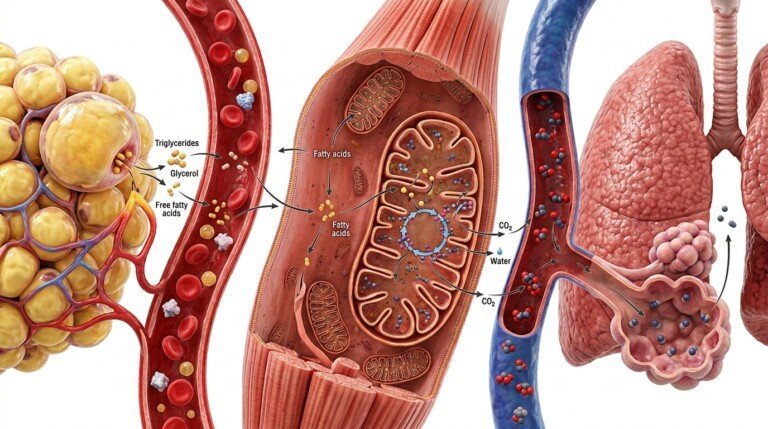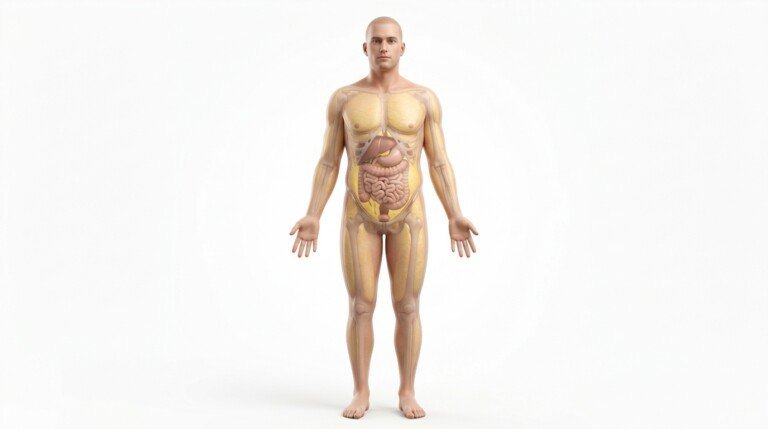


Does Green Tea Boost Metabolism? Benefits, Evidence, and Limitations
Green tea has been enjoyed for centuries, but in recent decades it has gained a different kind of popularity. From weight-loss advertisements to social media wellness trends, it is often promoted as a natural drink that can speed up metabolism, increase calorie burning, and help melt away body fat.
The reality is more balanced.
The relationship between Green Tea and Metabolism has been studied extensively, and researchers have identified several naturally occurring compounds that may influence energy expenditure. The two most important are caffeine and catechins, particularly a catechin called epigallocatechin gallate, better known as EGCG. Together, these compounds may slightly increase thermogenesis and fat oxidation in some people.
However, the effects are generally modest and should not be mistaken for dramatic fat-burning powers. Drinking green tea alone will not create significant weight loss without healthy eating habits, regular physical activity, and consistent lifestyle choices.
In this article, you’ll learn what the research says about green tea, how EGCG works inside the body, whether it can support fat loss, and where its limitations begin.
Quick Answer
Green Tea and Metabolism are connected because green tea contains caffeine and catechins, particularly EGCG, which may slightly increase calorie burning and fat oxidation. Research suggests these effects are relatively small and vary between individuals. Green tea can support a healthy lifestyle, but it is not a standalone solution for weight loss or a dramatically faster metabolism.
Does Green Tea and Metabolism Really Have a Meaningful Connection?
Walk through almost any nutrition aisle and you’ll find products claiming that green tea “boosts metabolism.”
The science is more interesting than the marketing.

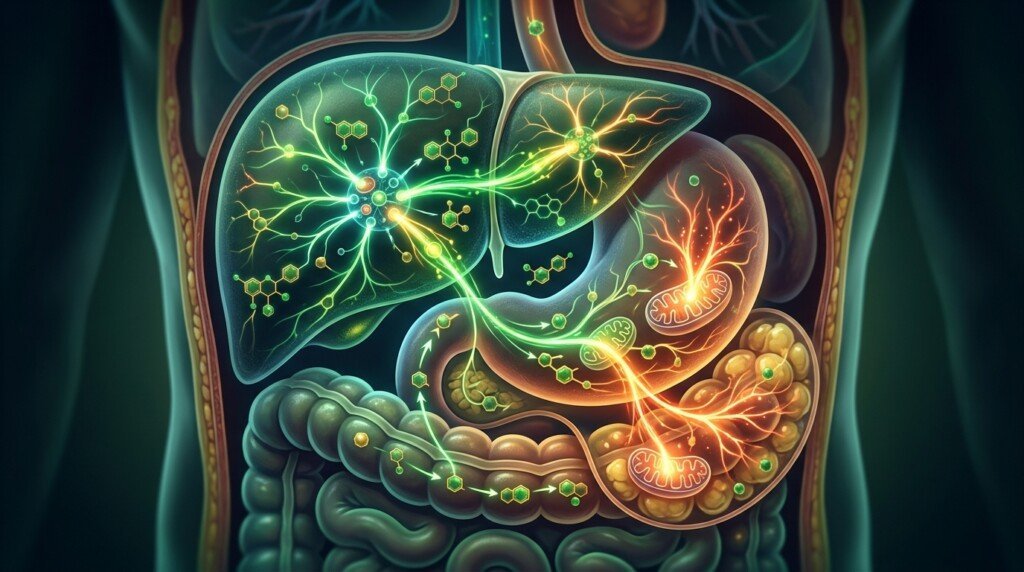
Expectation vs Reality
Expectation: Drinking green tea dramatically speeds up metabolism.
Reality: Green tea may produce a small increase in energy expenditure, but the effect is modest and depends on several factors.
Researchers continue studying green tea because it contains naturally occurring plant compounds that appear to influence the body’s use of energy.
Rather than transforming metabolism overnight, these compounds seem to provide a relatively small physiological advantage when combined with healthy lifestyle habits.
Why Researchers Continue Studying Green Tea
Unlike many trendy ingredients, green tea has been investigated in numerous clinical studies.
Scientists are particularly interested in its potential effects on:
- Thermogenesis
- Fat oxidation
- Energy expenditure
- Weight management
- Metabolic health
Although the findings are encouraging, researchers generally agree that the benefits are moderate rather than dramatic.
Green Tea Works Through Multiple Compounds
Green tea contains hundreds of naturally occurring substances.
Among them, two receive the greatest scientific attention:
- Caffeine
- Catechins
These compounds appear to work together rather than independently.
Readers interested in understanding the body’s overall energy system may also enjoy Metabolism, which explains how multiple physiological processes determine daily calorie expenditure.
How Does EGCG Affect Calorie Burning?
One reason green tea attracts so much scientific attention is a naturally occurring antioxidant called epigallocatechin gallate, or EGCG.
Although the name sounds complex, its role becomes easier to understand when viewed as part of green tea’s overall chemical profile.
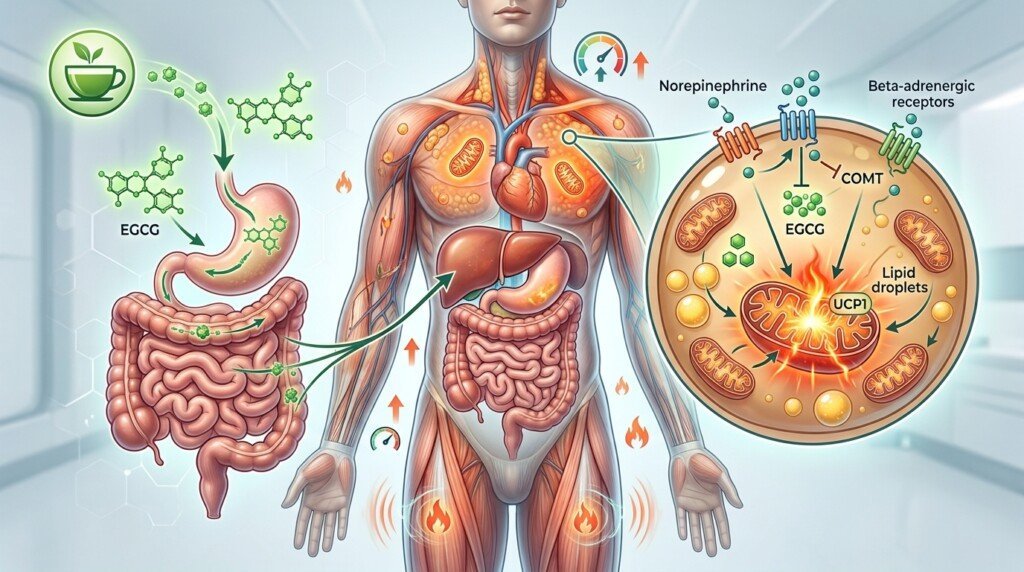
What Is EGCG?
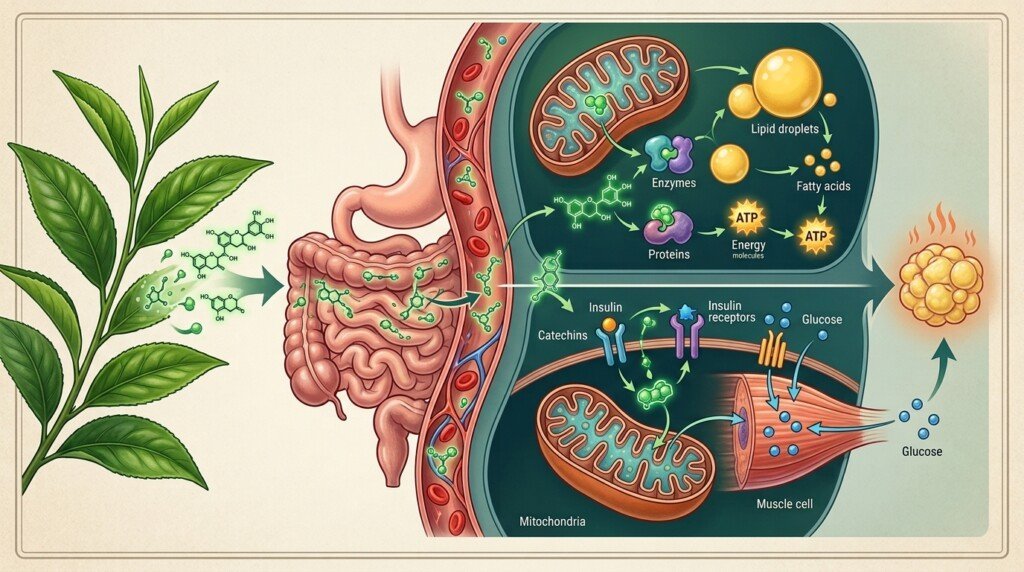
EGCG belongs to a family of plant compounds known as catechins.
Catechins are natural antioxidants found in tea leaves.
Among them, EGCG is considered the most biologically active and has become the focus of numerous metabolism studies.
How EGCG May Influence Energy Expenditure
Current evidence suggests EGCG may help support calorie burning by influencing several metabolic pathways.
Researchers believe it may contribute to:
- Slightly increased thermogenesis
- Greater fat oxidation during certain activities
- Improved interaction with caffeine
These effects remain relatively modest and vary between individuals.
EGCG Does Not Work Alone
One common misconception is that EGCG acts like a powerful fat-burning ingredient.
In reality, researchers believe much of its effect occurs because it interacts with caffeine already present in green tea.
Together, these compounds appear to support a small increase in energy expenditure.
Future readers interested in this process will find additional detail in Thermogenesis, where heat production and calorie burning are explained more thoroughly.
What Are Catechins and Why Do They Matter?
Catechins are natural polyphenols found in tea leaves.
They help protect the plant and also contribute to many of green tea’s researched health effects.
Antioxidants With Metabolic Interest
Researchers study catechins because they may influence:
- Oxidative stress
- Fat oxidation
- Cellular signaling
- Energy metabolism
While these mechanisms are scientifically interesting, they should not be interpreted as proof of dramatic fat loss.
Small Effects Can Add Up
The metabolic influence of catechins is generally small.
However, when combined with:
- Regular exercise
- Healthy eating habits
- Adequate sleep
- Consistent physical activity
they may contribute to an overall healthy lifestyle.
The key word is support, not replace.
Can Green Tea Help With Fat Loss?
This is perhaps the most frequently asked question about green tea.
The answer is yes, but only to a limited extent.
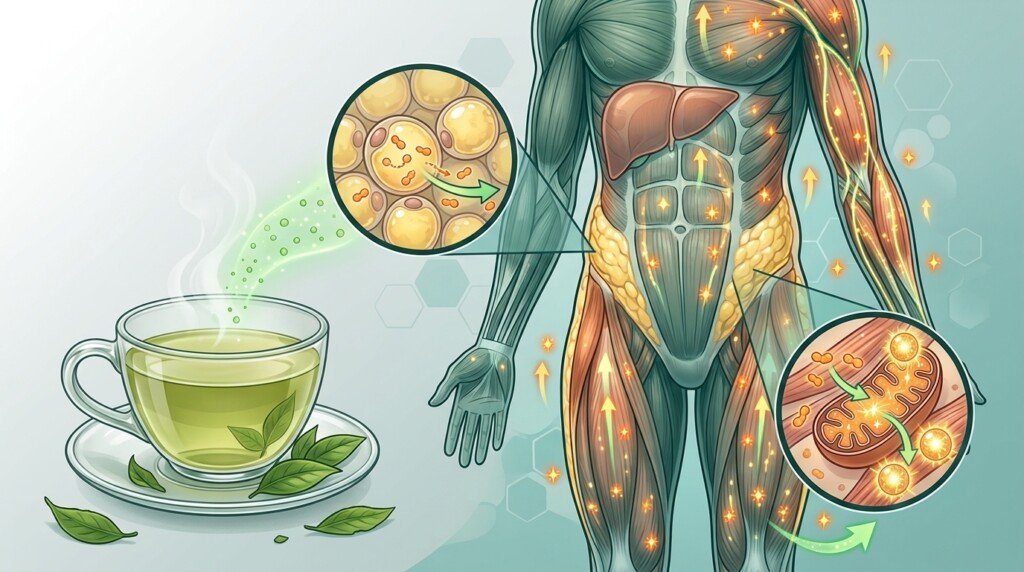
Expectation vs Reality
Expectation: Drinking green tea melts body fat.
Reality: Green tea may slightly support fat loss by increasing energy expenditure and fat oxidation, but the effect is relatively small.
Fat Oxidation Is Not the Same as Weight Loss
Research often measures fat oxidation, meaning the body is using stored fat as an energy source.
This is different from long-term fat loss.
Losing body fat still depends on maintaining an appropriate overall energy balance over time.
Lifestyle Still Matters Most
Studies consistently show that green tea works best alongside healthy habits rather than instead of them.
Its potential benefits become more meaningful when combined with:
- Regular physical activity
- Balanced nutrition
- Consistent movement
- Long-term healthy habits
Readers exploring additional beverage options may also enjoy Drinks That Boost Metabolism, which discusses several drinks supported by varying levels of scientific evidence.
Research at a Glance
| Research Question | Current Evidence |
|---|---|
| Does green tea affect metabolism? | Yes, modestly. |
| Does EGCG influence calorie burning? | Yes, slightly. |
| Does green tea increase thermogenesis? | Yes. |
| Can green tea alone produce major fat loss? | No. |
| Does green tea support healthy habits? | Yes. |
Is Green Tea Better Than Coffee for Metabolism?
This question comes up often because both beverages are widely promoted as natural metabolism boosters.
The answer depends on what you expect them to do.
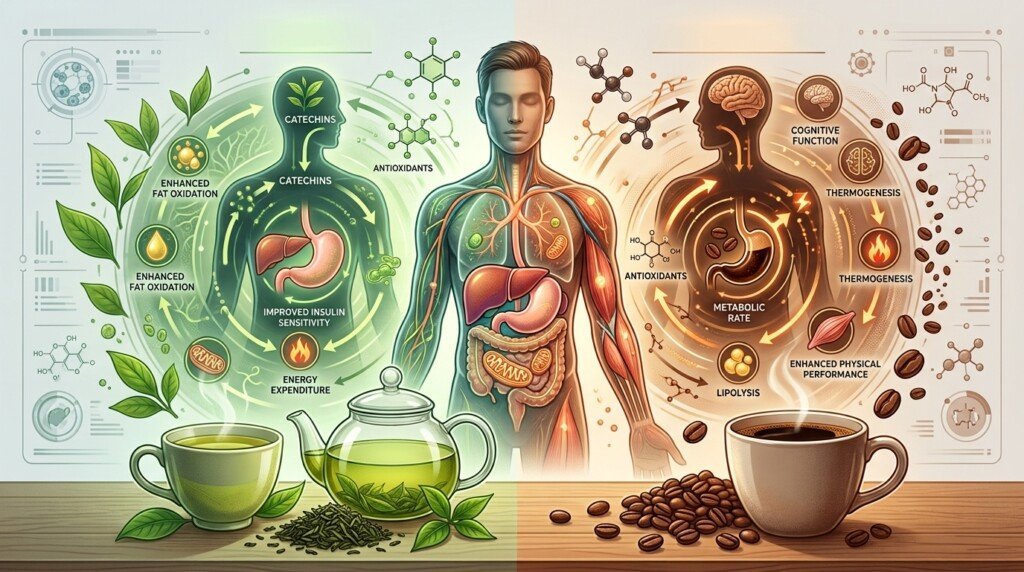
Both Can Support Metabolism, but in Different Ways
Green tea and coffee both contain caffeine, which can temporarily increase energy expenditure. However, green tea also contains catechins such as EGCG, while coffee generally contains more caffeine but lacks these compounds.
Researchers believe the combination of caffeine and catechins may contribute to green tea’s metabolic effects.
The Difference Is Smaller Than Many People Think
Some people assume one beverage is clearly superior.
Current evidence suggests the difference is relatively modest.
Both drinks may:
- Slightly increase calorie burning.
- Support thermogenesis.
- Encourage fat oxidation.
- Improve alertness before physical activity.
Neither drink dramatically changes metabolism on its own.
Rather than focusing on which beverage is “better,” it is often more useful to choose the one that fits your preferences, health needs, and tolerance.
Readers interested specifically in caffeine can continue with Coffee and Metabolism, where the effects of coffee are discussed in greater detail.
How Much Green Tea Should You Drink?
There is no universal recommendation that guarantees metabolic benefits.
The amount that works best depends on individual tolerance, caffeine intake, and overall dietary habits.

More Is Not Always Better
A common misconception is that drinking large amounts of green tea produces proportionally greater metabolic effects.
Research does not support this idea.
Beyond a certain point, increasing intake mainly increases caffeine exposure rather than dramatically increasing calorie burning.
Consistency Matters More Than Quantity
Green tea works best when it becomes part of a consistent healthy lifestyle rather than a temporary strategy for rapid weight loss.
Many people choose to enjoy one or several cups throughout the day because it fits naturally into their daily routine.
Consider Total Caffeine Intake
If you already consume coffee, energy drinks, or other caffeinated beverages, remember that green tea also contributes to your daily caffeine intake.
Paying attention to total caffeine consumption is more important than focusing on one beverage alone.
Are Green Tea Supplements Effective?
Green tea supplements have become increasingly popular because they often contain concentrated amounts of EGCG and other catechins.
However, concentrated extracts should not automatically be considered better than drinking green tea.
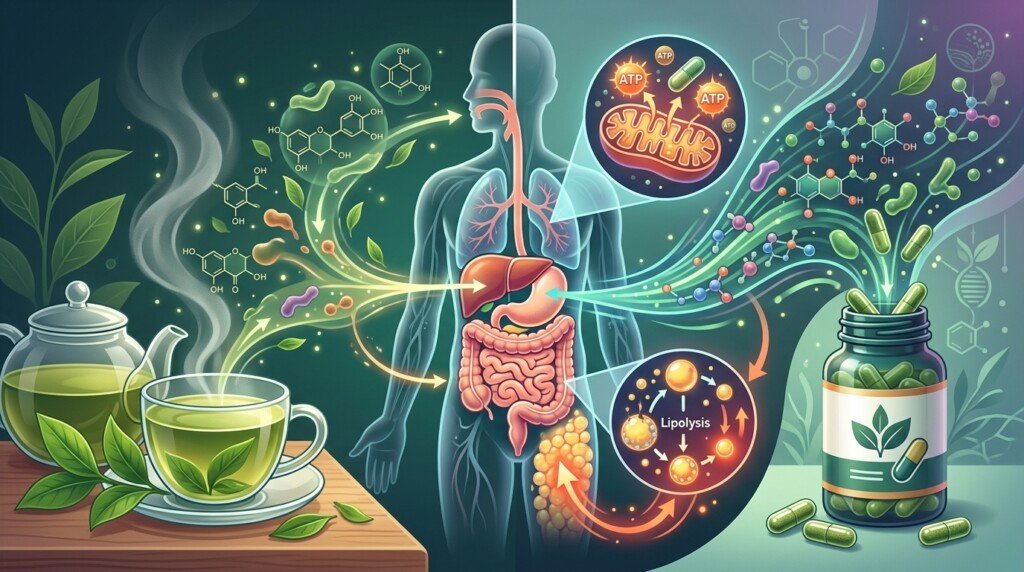
Supplements Are Different From Tea
Green tea contains a naturally balanced mixture of compounds.
Supplements often provide these compounds in much higher concentrations.
This makes direct comparisons difficult.
More Is Not Always Safer
Some people assume concentrated extracts produce greater benefits.
Research suggests higher doses do not necessarily translate into better metabolic outcomes.
In some situations, excessive intake of concentrated green tea extracts has been associated with safety concerns.
For this reason, supplements should never be viewed as a shortcut to faster metabolism.
Whole Lifestyle Matters More
Whether someone drinks green tea or takes an extract, the overall impact on metabolism remains relatively modest.
Healthy eating, regular physical activity, adequate sleep, and long-term consistency remain far more important for metabolic health.
Who Should Avoid Green Tea?
Green tea is considered safe for many healthy adults when consumed in moderation.
However, it may not be appropriate for everyone.
People Sensitive to Caffeine
Although green tea contains less caffeine than coffee, some individuals remain highly sensitive to its effects.
Possible reactions include:
- Nervousness.
- Difficulty sleeping.
- Rapid heartbeat.
- Anxiety.
- Restlessness.
Certain Health Conditions Require Caution
Some people may be advised by healthcare professionals to limit caffeine intake because of specific medical conditions or medications.
Recommendations should always be individualized.
Pregnancy and Medical Advice
Pregnant individuals or anyone managing chronic medical conditions should follow guidance provided by their healthcare professional regarding caffeine intake.
Pay Attention to Your Own Response
The healthiest amount of green tea is the amount your body tolerates well.
If green tea consistently causes unpleasant symptoms, reducing intake or discussing it with a healthcare professional may be appropriate.
Green Tea and Metabolism at a Glance
| Question | Answer |
|---|---|
| Does green tea affect metabolism? | Yes, modestly. |
| Does EGCG contribute to calorie burning? | Yes. |
| Does green tea dramatically increase metabolism? | No. |
| Can green tea support fat oxidation? | Yes. |
| Is green tea alone enough for weight loss? | No. |
| Should everyone drink green tea? | No. Individual tolerance varies. |
The easiest way to remember this topic is:
Green tea may gently support metabolism, but lasting metabolic health is built through consistent daily habits rather than one beverage.

Frequently Asked Questions
1. Does green tea burn belly fat?
No. Green tea does not specifically target belly fat. Fat loss occurs throughout the body based on overall energy balance.
2. Is matcha the same as green tea?
Matcha comes from the same plant as green tea but is processed differently. Its unique characteristics deserve a separate discussion.
3. Can you drink green tea every day?
Many healthy adults can enjoy green tea daily as part of a balanced lifestyle, provided it fits within their overall caffeine intake.
4. Is green tea extract better?
Not necessarily. Concentrated extracts do not automatically produce better results than drinking green tea.
5. Does green tea permanently increase metabolism?
No. Any metabolic effects are generally modest and temporary.
6. How does EGCG support metabolism?
Research suggests EGCG may contribute to thermogenesis and fat oxidation, particularly when combined with caffeine.
7. Does green tea work without exercise?
Green tea may have small metabolic effects on its own, but healthy lifestyle habits remain far more important for meaningful long-term results.
8. Is green tea safe for everyone?
No. Some individuals are sensitive to caffeine or have medical conditions requiring limited caffeine intake.
9. Does green tea contain caffeine?
Yes. Although usually less than coffee, green tea naturally contains caffeine.
10. Is green tea a replacement for healthy habits?
No. Green tea can complement a healthy lifestyle but cannot replace balanced nutrition, physical activity, and other long-term habits.
Final Thoughts
The relationship between Green Tea and Metabolism is supported by scientific research, but it is often overstated in popular health marketing. Green tea contains naturally occurring compounds such as EGCG, catechins, and caffeine that may slightly increase thermogenesis, support fat oxidation, and modestly raise energy expenditure. These effects are real, but they are relatively small and should be viewed as one piece of a much larger picture. Drinking green tea alone will not produce meaningful fat loss without consistent healthy eating habits, regular physical activity, and long-term lifestyle changes.
Perhaps the greatest value of green tea is not that it dramatically speeds up metabolism, but that it can become part of a sustainable routine that supports overall health. When combined with balanced nutrition, regular movement, and realistic expectations, green tea may provide a modest metabolic advantage while offering other wellness benefits. As this metabolism series continues, future articles on Capsaicin and Metabolism and Thermogenesis will explore additional natural mechanisms involved in calorie burning and energy expenditure.
Disclaimer:
This post may contain affiliate links. If you purchase through them, we may earn a small commission at no extra cost to you. Also, this content is for informational purposes only and does not substitute professional medical advice.
Fuel Your Body Right
Use our free Nutrition Toolkit to find your protein target, fasting window, and net carbs in minutes.
Open Free Tools →