How Can You Test Your Metabolism In Home? Methods, Accuracy, and What Results Mean
Many people assume they have a “fast” or “slow” metabolism based on how easily they gain or lose weight. Naturally, this leads to another question: Can you actually measure your metabolism at home?
Today, there are countless online calculators, smart scales, wearable fitness trackers, and home health devices claiming to estimate how many calories your body burns each day. Some are surprisingly useful as starting points, while others can create unrealistic expectations if their limitations are not understood.
If you’re searching for a Home Metabolism Test, the first thing to know is that no home method directly measures your metabolism with perfect accuracy. Instead, most tools estimate your resting calorie needs using information such as age, height, weight, sex, and body composition. Professional testing methods can provide more precise measurements, but even those have practical limitations.
The good news is that you do not always need expensive equipment to gain useful insights. Understanding what each testing method measures, how accurate it is, and when it is worth using can help you make better decisions for your health and weight management goals.
In this article, we’ll compare the most common metabolism testing methods, explain what your results actually mean, and help you decide whether professional testing is necessary for your situation.
Quick Answer
A Home Metabolism Test can estimate your metabolism, but it cannot measure it as accurately as professional laboratory equipment. Online calculators, smart scales, and wearable devices provide useful estimates based on personal information, while indirect calorimetry performed in a clinical setting remains the most accurate way to measure resting energy expenditure.
Can a Home Metabolism Test Really Measure Your Metabolism?
One of the biggest misconceptions is believing there is a simple device that can tell you exactly how fast your metabolism works.
In reality, most home methods estimate metabolism rather than directly measuring it.
Understanding that difference helps set realistic expectations.

Most Home Tests Use Mathematical Estimates
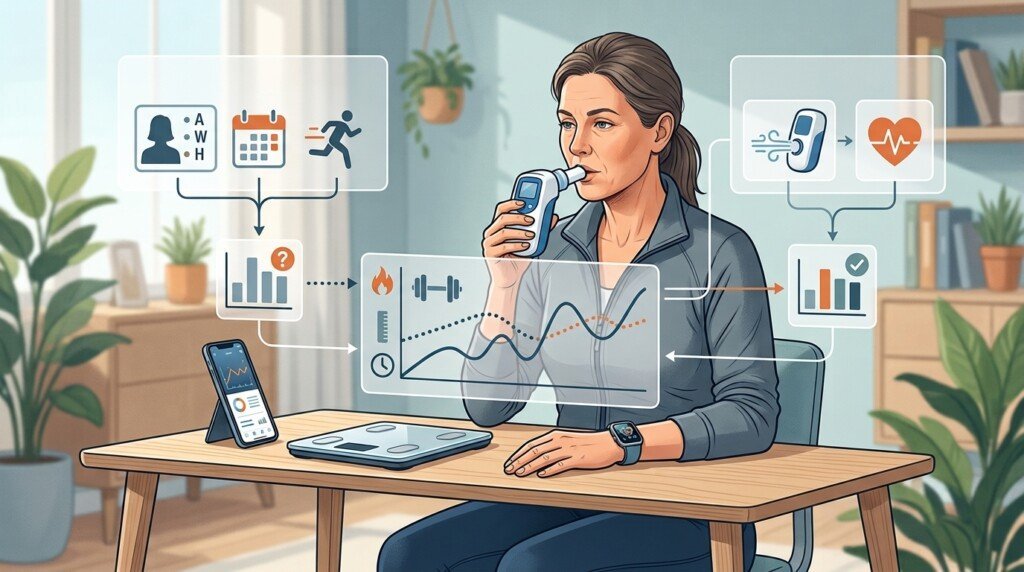
Many home tools calculate calorie needs using information such as:
- Age
- Sex
- Height
- Weight
- Estimated activity level
These values are entered into prediction equations that estimate your resting calorie expenditure.
The result is helpful, but it should not be viewed as an exact measurement.
Your Metabolism Is More Complex Than One Number
Metabolism changes continually in response to many factors, including:
- Body composition
- Lean muscle mass
- Daily activity
- Hormonal regulation
- Overall health
Because these factors constantly change, no home device can perfectly capture every aspect of your metabolism.
Home Estimates Can Still Be Useful
Although home methods are imperfect, they provide practical starting points for:
- Weight management
- Fitness planning
- Calorie estimation
- Understanding energy needs
For many healthy adults, this level of information is entirely sufficient.
Focus on Trends Instead of Precision
Rather than worrying whether your estimate is exactly correct, use home testing to understand general patterns.
Healthy habits remain far more important than chasing perfect numbers.
Which Home Metabolism Test Options Are Available?
Today, there are more ways than ever to estimate metabolism without visiting a clinic.
Each method offers different levels of convenience, cost, and accuracy.
Online Metabolism Calculators
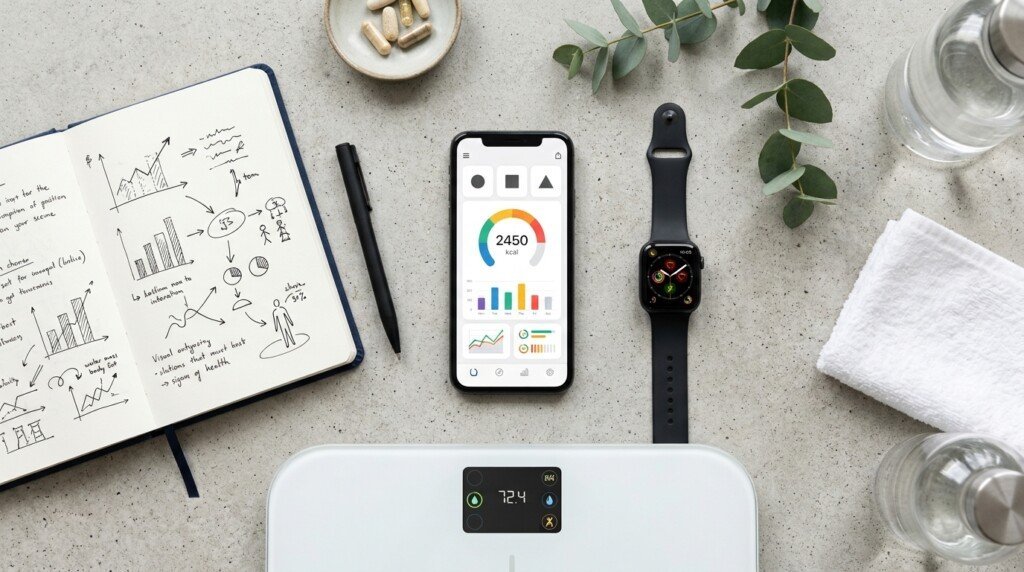
These are among the most common options.
Most calculators estimate your resting calorie needs using established mathematical formulas.
Typically, they require:
- Age
- Height
- Weight
- Sex
Some also include estimated activity levels.
Although they cannot directly measure metabolism, they provide reasonable starting estimates for many people.
Fitness Apps
Many fitness applications automatically estimate calorie needs after you enter basic health information.
Some apps adjust estimates over time based on changes in body weight or activity.
Their usefulness depends largely on the quality of the information entered.
Wearable Fitness Devices
Smart watches and activity trackers estimate daily calorie expenditure using sensors that monitor:
- Heart rate
- Movement
- Activity duration
These devices estimate total daily calorie burn rather than directly measuring resting metabolism.
Smart Scales
Some smart scales estimate body composition using bioelectrical impedance.
They may also provide estimated resting calorie requirements.
However, these values remain predictions rather than direct measurements.
Their strengths and limitations are discussed later in this article.
Professional Estimation Tools
Healthcare professionals sometimes use more advanced software and validated equations to estimate calorie needs.
Although still based on prediction models, these estimates often consider additional clinical information.
How Accurate Are Online Metabolism Calculators?
Online calculators are extremely popular because they are free, simple, and available within seconds.
The important question is whether they are accurate.

They Provide Estimates, Not Measurements
Most calculators predict resting calorie needs using equations developed from large population studies.
They estimate metabolism based on average characteristics rather than measuring your individual physiology.
Accuracy Depends on Your Personal Characteristics
Prediction equations generally perform well for many healthy adults.
However, accuracy may decrease when someone has:
- Very high muscle mass
- Very low muscle mass
- Certain medical conditions
- Unusual body composition
The farther someone differs from the population used to develop the equation, the less accurate estimates may become.
Activity Level Can Affect Results
Many calculators ask users to select an activity category.
Choosing an inaccurate activity level often creates larger errors than the prediction equation itself.
Being realistic produces more useful estimates.
Use Calculators as Planning Tools
Rather than treating calculator results as exact calorie prescriptions, use them as reasonable starting points.
Adjustments can always be made based on real-world progress.
Future discussions throughout Resting Metabolic Rate explain how these estimates relate to your body’s actual resting energy needs.
What Is Indirect Calorimetry and Why Is It Considered the Gold Standard?
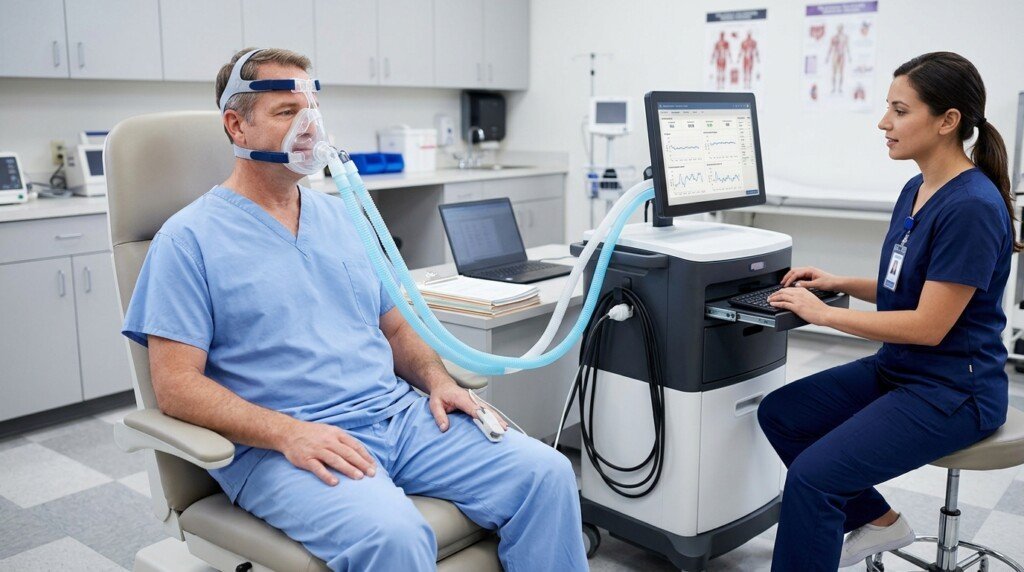
When people talk about professionally measuring metabolism, they are usually referring to indirect calorimetry.
This method provides one of the most accurate ways to estimate resting energy expenditure.
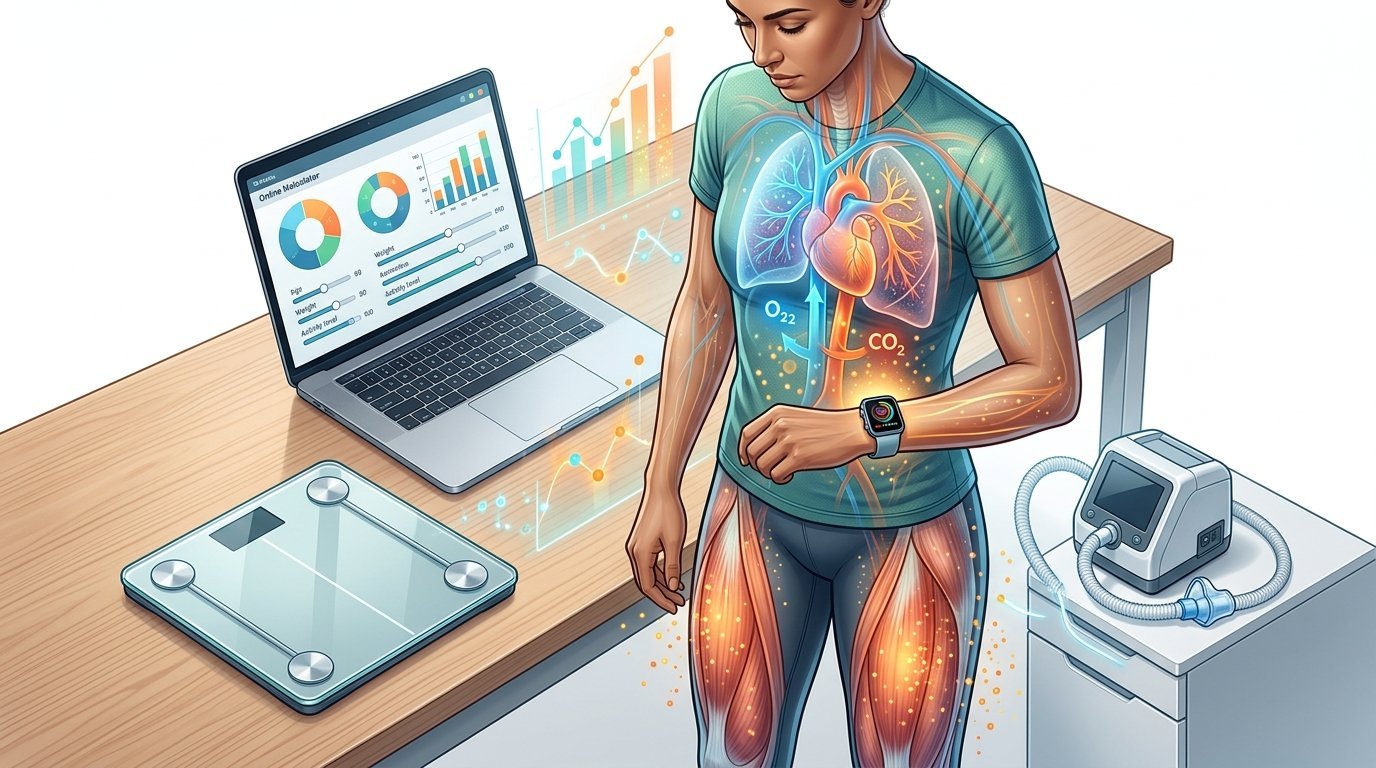
It Measures Oxygen Consumption
Your body continuously consumes oxygen while producing energy.
Indirect calorimetry estimates calorie expenditure by measuring:
- Oxygen consumption
- Carbon dioxide production
These measurements provide valuable information about how much energy your body uses while resting.
Specialized Equipment Is Required
Testing is typically performed using a metabolic cart in:
- Hospitals
- Sports performance centers
- Nutrition clinics
- Research facilities
The equipment is significantly more sophisticated than home devices.
Testing Conditions Are Carefully Controlled
To improve accuracy, participants usually complete the test under standardized conditions such as:
- Physical rest
- Comfortable room temperature
- Limited recent activity
- Specific preparation instructions
These controlled conditions help reduce outside influences on metabolism.
Accuracy Comes With Practical Limitations
Although indirect calorimetry is highly accurate, it is not necessary for everyone.
Testing requires specialized equipment, trained professionals, and additional time.
For many healthy adults, estimated calorie needs remain sufficient for everyday weight management.
The broader relationship between resting calorie expenditure and metabolism is explored further throughout Resting Metabolic Rate.
Can Smart Scales Really Measure Your Metabolism?
Smart scales have become increasingly popular because they promise far more than measuring body weight. Many models estimate body fat percentage, muscle mass, water percentage, bone mass, and even resting calorie needs.
The question is whether they actually measure metabolism.
The short answer is no.
Smart scales estimate certain values using prediction algorithms rather than directly measuring metabolic activity.
How Smart Scales Work
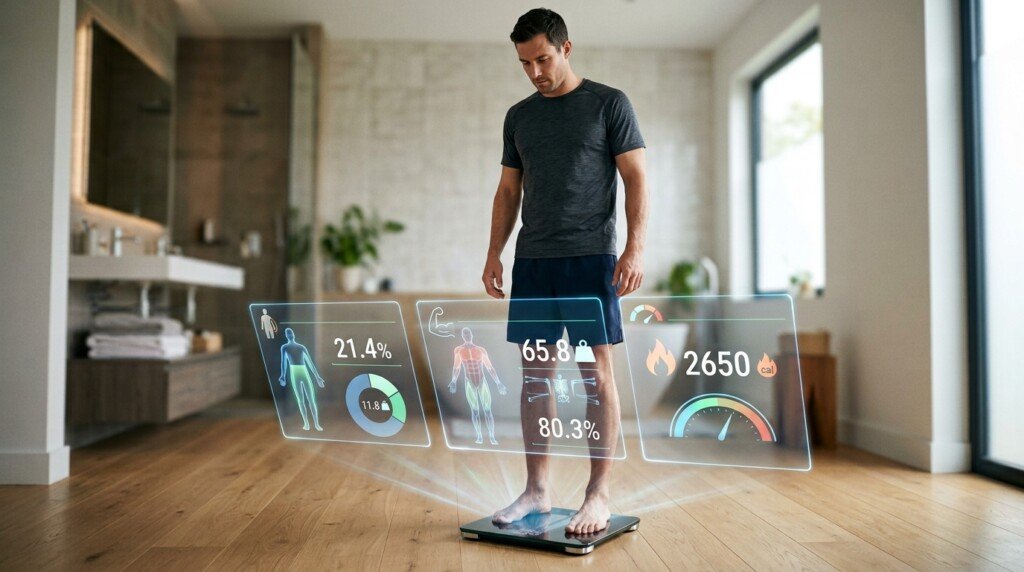
Most smart scales use a method called bioelectrical impedance analysis (BIA).
A very small electrical current passes through your body, and the device estimates body composition based on how different tissues conduct electricity.
From these estimates, the scale predicts values such as:
- Body fat percentage
- Lean muscle mass
- Estimated resting calorie burn
The metabolism value displayed is calculated rather than directly measured.
Body Composition Estimates Can Vary
Hydration status, recent exercise, meals, and even the time of day can influence BIA measurements.
For example, weighing yourself immediately after exercise or first thing in the morning may produce different results than weighing yourself in the evening.
Because of these variations, individual readings should not be interpreted as precise measurements.
Smart Scales Are Best for Tracking Trends
Although individual measurements may fluctuate, smart scales can still be useful when used consistently.
If you measure yourself under similar conditions each time, long-term trends often become more meaningful than single readings.
They Should Not Replace Professional Assessment
If accurate metabolic measurements are required for medical or performance reasons, smart scales are not a substitute for professional evaluation.
For most healthy adults, however, they remain useful tools for monitoring overall progress.
Should You Get a Professional Metabolism Test?
Not everyone needs professional metabolic testing.
For many people, estimated calorie needs and healthy lifestyle habits provide enough information to manage body weight successfully.
However, there are situations where professional testing may be valuable.
When Greater Accuracy Is Helpful
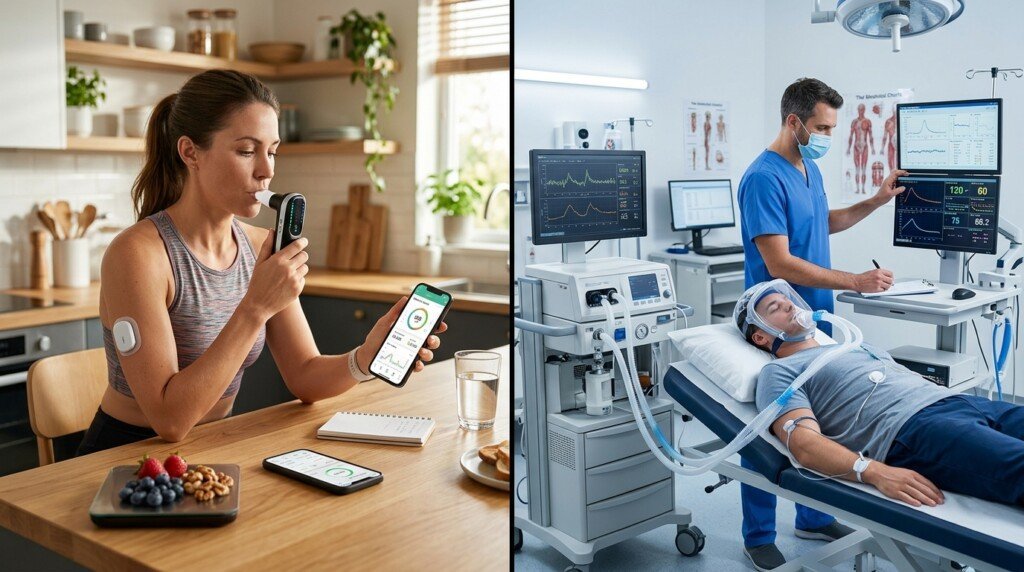
Professional assessment may benefit individuals who:
- Have complex weight management challenges
- Work with sports performance professionals
- Receive medical nutrition therapy
- Participate in competitive athletics
These situations often require more individualized information than online calculators can provide.
Professional Results May Improve Nutrition Planning
Healthcare professionals sometimes use metabolic assessments to help personalize calorie recommendations.
These estimates become one part of a broader health assessment rather than the sole basis for treatment decisions.
Testing Does Not Solve Weight Loss
One common misconception is that simply knowing your metabolism automatically leads to better results.
The measurement itself changes nothing.
Healthy outcomes still depend on consistent lifestyle habits.
Professional Guidance Adds Context
Qualified healthcare professionals can interpret results alongside factors such as:
- Medical history
- Body composition
- Physical activity
- Overall health
- Weight goals
This broader perspective is often more valuable than the number itself.
Who Benefits Most From Metabolism Testing?
Although anyone can be curious about metabolism, some individuals are more likely to benefit from formal assessment than others.

People With Weight Management Challenges
Someone who has followed consistent healthy habits but continues struggling with weight management may benefit from a more detailed evaluation.
Professional assessment can provide additional information to support individualized planning.
Athletes
Competitive athletes often require highly personalized nutrition plans.
Accurate estimates of resting energy expenditure may help optimize performance and recovery.
Individuals Receiving Medical Nutrition Care
Registered dietitians and healthcare professionals sometimes use metabolic information when developing nutrition plans for certain medical conditions.
People Who Simply Want Better Understanding
Some individuals pursue testing out of curiosity.
Although professional measurements can provide interesting information, they should always be interpreted within the context of overall health rather than viewed as a diagnosis.
Most Healthy Adults Do Not Need Testing
For many people, consistent healthy habits combined with reasonable calorie estimates provide everything necessary for long-term progress.
What Should You Do After Getting Your Results?
Receiving metabolism results is only the beginning.
The information becomes valuable when it helps guide realistic decisions rather than creating unnecessary anxiety.
View Results as Estimates
Even highly accurate testing represents your metabolism under specific conditions at a particular moment.
Metabolism naturally changes over time.
Avoid treating one number as a permanent label.
Avoid Comparing Yourself With Others
Two healthy individuals may have very different metabolic rates.
Differences in:
- Height
- Weight
- Lean muscle
- Genetics
- Body composition
all influence energy expenditure.
Comparisons rarely provide useful guidance.
Focus on Sustainable Habits
Regardless of your estimated metabolism, long-term success depends on consistent behaviors.
Examples include:
- Regular physical activity
- Maintaining lean muscle
- Sustainable nutrition
- Healthy body composition
- Consistent routines
These factors generally have a greater influence on long-term health than any single metabolism measurement.
Reassess When Appropriate
As body composition, activity levels, or health change over time, calorie needs may also change.
Periodic reassessment can help keep expectations realistic.
Choosing the Right Metabolism Test
The best testing method depends on your goals.
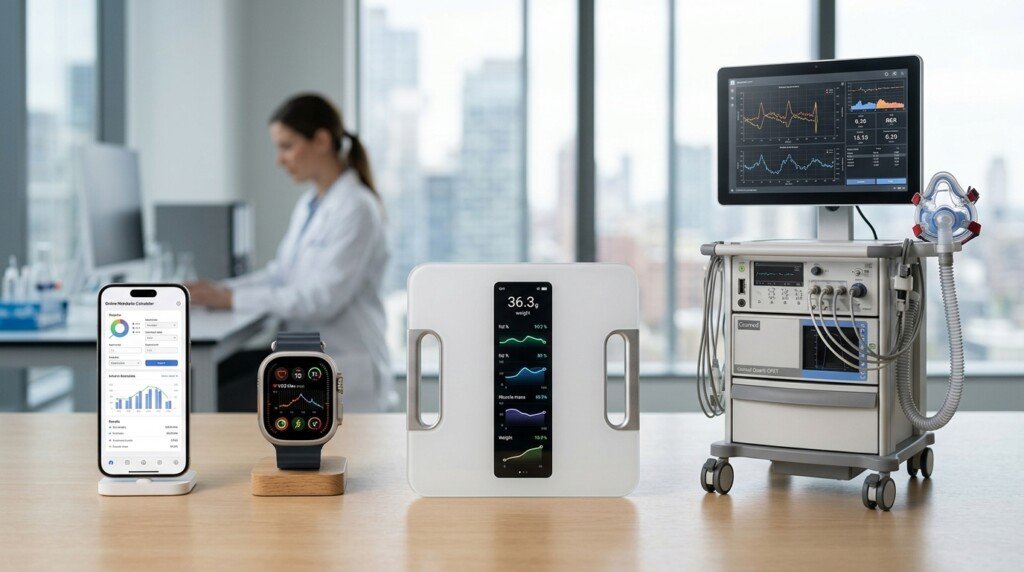
Online Calculator
Best for:
- General calorie estimates
- Weight management planning
- Quick starting point
Smart Scale
Best for:
- Tracking long-term body composition trends
- Monitoring progress consistently
Wearable Device
Best for:
- Estimating daily activity
- Monitoring movement patterns
Professional Indirect Calorimetry
Best for:
- Clinical nutrition planning
- Athletic performance
- Greater measurement accuracy
No single method is perfect.
Choosing the right option depends on how much precision you need and how you plan to use the information.
Frequently Asked Questions
1. Can you perform a Home Metabolism Test?
Yes. Home methods can estimate metabolism using calculators, smart scales, and wearable devices, but they cannot directly measure metabolism as accurately as professional testing.
2. Are online metabolism calculators accurate?
They provide useful estimates for many healthy adults, although individual accuracy varies depending on body composition and personal characteristics.
3. What is the most accurate metabolism test?
Indirect calorimetry is generally considered the most accurate practical method for measuring resting energy expenditure.
4. Can smart scales measure metabolism?
No. Smart scales estimate metabolism using body composition data rather than directly measuring calorie expenditure.
5. Should everyone have professional metabolism testing?
No. Most healthy adults can successfully manage weight using estimated calorie needs and sustainable lifestyle habits.
6. What affects metabolism test results?
Body composition, age, sex, height, weight, activity level, and testing conditions all influence estimated results.
7. Can wearable fitness trackers measure metabolism?
Wearable devices estimate calorie expenditure based on movement and heart rate but do not directly measure metabolism.
8. Is one metabolism test enough?
Not necessarily. Metabolism changes over time, so results should be viewed as a snapshot rather than a permanent measurement.
9. Can metabolism testing diagnose health problems?
No. Metabolism testing provides information about energy expenditure but should not be used alone to diagnose medical conditions.
10. What should I do after receiving my results?
Use the information to support realistic nutrition and activity planning while focusing on sustainable habits rather than one number.

Final Thoughts
A Home Metabolism Test can be a helpful starting point for understanding how your body uses energy, but it is important to recognize what these tools can and cannot do. Online calculators, smart scales, and wearable devices estimate metabolism using prediction models rather than measuring it directly. While these estimates are useful for many healthy adults, they should be viewed as guides instead of exact measurements. Professional methods such as indirect calorimetry offer greater accuracy but are usually only necessary in specific clinical or athletic settings.
Ultimately, the value of metabolism testing lies in how you use the information. Whether you rely on a simple online calculator or a professional assessment, your results are most useful when combined with sustainable lifestyle habits, realistic expectations, and long-term consistency. As you continue through this metabolism series, you’ll also explore Resting Metabolic Rate, Metabolism, Signs of a Slow Metabolism, and How to Reset Your Metabolism, giving you a broader understanding of metabolic health and how to support it over time.
Disclaimer:
This post may contain affiliate links. If you purchase through them, we may earn a small commission at no extra cost to you. Also, this content is for informational purposes only and does not substitute professional medical advice.
Ready to Start Your Journey?
Use our free 7-in-1 Weight Loss Toolkit to calculate your numbers and build your plan in minutes.
Open Free Tools →