

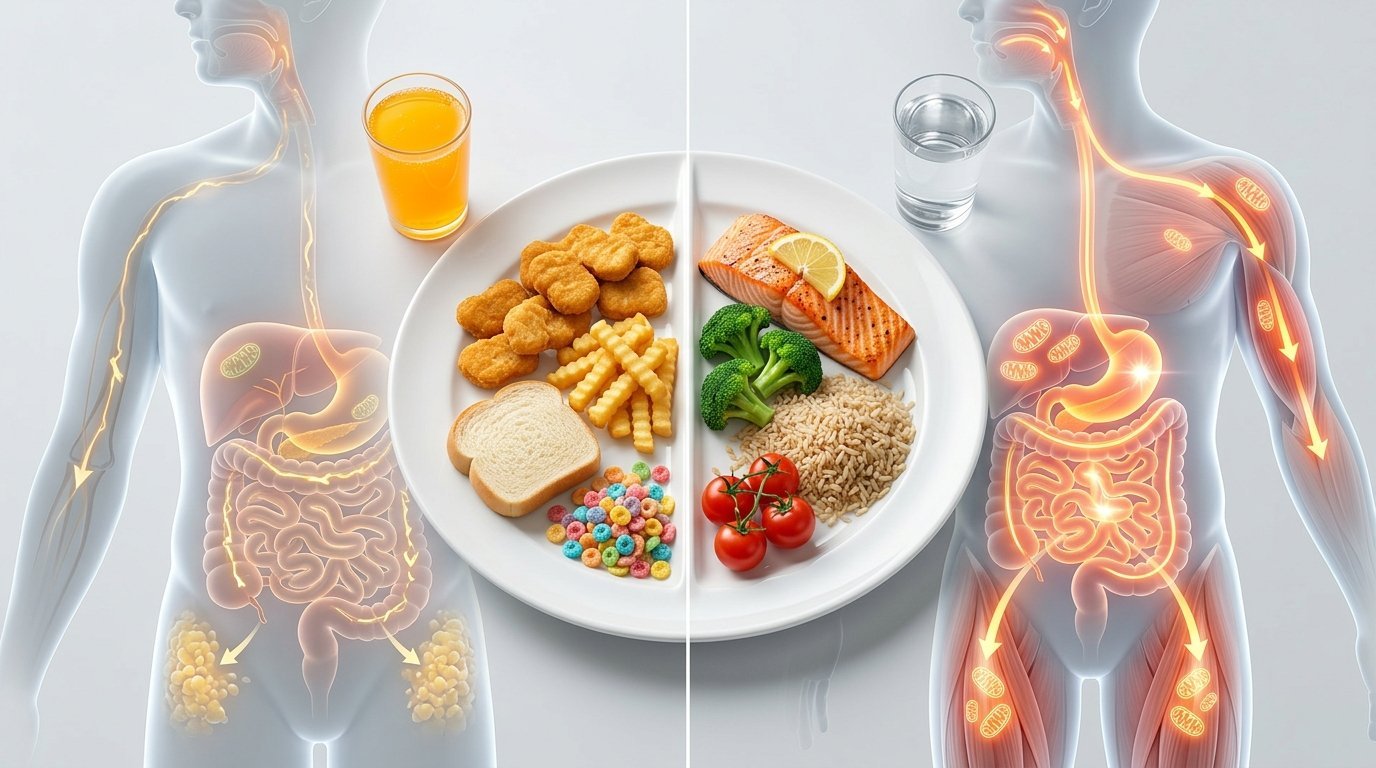
Which Foods Slow Down Your Metabolism? 15 Habits That May Reduce Calorie Burning
Many people searching for Foods That Slow Metabolism expect to find a list of ingredients that instantly switch their metabolism into “slow mode.” Social media often blames specific foods such as bread, sugar, or carbohydrates for reducing calorie burning.
The truth is more nuanced.
Your metabolism does not suddenly slow down because you eat one particular food. Instead, your overall eating pattern, food quality, calorie intake, and lifestyle habits have a much greater influence on how efficiently your body uses energy over time.
Certain dietary habits may contribute to muscle loss, poor blood sugar regulation, chronic inflammation, or inadequate nutrition. Together, these factors can gradually influence metabolic health and reduce the number of calories your body burns each day.
That does not mean you need a perfect diet. It means understanding which habits consistently support your metabolism and which ones may work against it.
In this article, we’ll separate myths from evidence, explain why some eating patterns can affect calorie burning, and explore healthier alternatives that support long-term metabolic health.
Quick Answer
Foods That Slow Metabolism are not usually individual foods but rather unhealthy eating patterns. Frequently consuming ultra-processed foods, eating too little for long periods, consuming too little protein, and relying on nutrient-poor diets may contribute to lower calorie burning over time by affecting muscle mass, energy balance, and overall metabolic health.
Can Foods That Slow Metabolism Really Change How Many Calories You Burn?
This is one of the most misunderstood topics in nutrition.
No single meal permanently slows your metabolism.
Likewise, no individual food instantly speeds it up.
Instead, your metabolism responds to long-term dietary patterns.

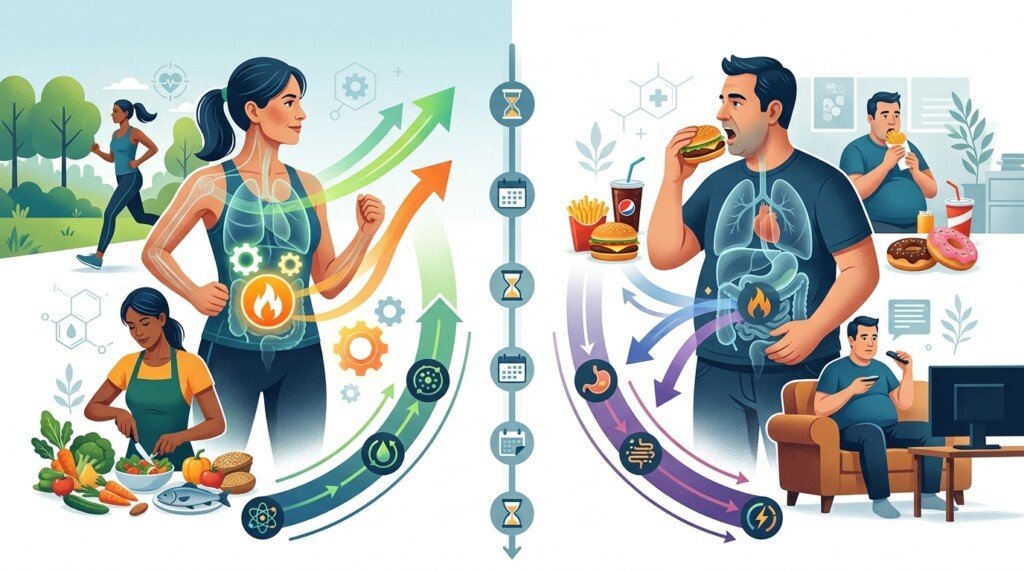
Your Body Responds to Overall Nutrition
The body constantly adjusts to the nutrients and energy it receives.
A diet that consistently lacks important nutrients may gradually influence:
- Lean muscle maintenance
- Hormonal regulation
- Energy expenditure
- Body composition
These changes occur over weeks or months rather than overnight.
Metabolism Is About More Than Calories
Calories matter, but food quality also influences how your body functions.
For example, diets dominated by highly processed foods often provide:
- Less fiber
- Lower nutrient density
- Poorer protein quality
- More added sugars
Over time, these dietary patterns may indirectly affect metabolic health.
Healthy Eating Patterns Matter More Than Individual Foods
Rather than labeling foods as “good” or “bad,” it is more helpful to examine your overall dietary habits.
Occasional treats rarely determine metabolic health.
Consistent eating habits do.
Focus on Long-Term Choices
Healthy metabolism is supported through balanced nutrition practiced consistently.
One unhealthy meal will not damage your metabolism.
Likewise, one healthy meal will not dramatically improve it.
Daily patterns always matter more than isolated choices.
Do Ultra-Processed Foods Affect Metabolism?
Ultra-processed foods have become a regular part of modern diets.
Although they are convenient and often highly appealing, eating them frequently may influence metabolic health in several indirect ways.

What Are Ultra-Processed Foods?
These foods are typically manufactured using multiple industrial ingredients.
Examples include:
- Packaged snack foods
- Sugary breakfast cereals
- Candy
- Sweet baked goods
- Fast food
- Many frozen convenience meals
Not every packaged food is ultra-processed, but these products usually contain long ingredient lists and minimal whole-food content.
They Often Contain Less Fiber
Fiber plays an important role in healthy digestion and appetite regulation.
Ultra-processed foods generally contain much less fiber than minimally processed foods.
Lower fiber intake may influence:
- Hunger
- Blood sugar regulation
- Overall dietary quality
They Can Encourage Overeating
Many ultra-processed foods are designed to be extremely palatable.
Their combination of refined carbohydrates, added fats, and salt may make it easier to consume large portions without feeling satisfied.
Over time, excessive calorie intake may contribute to changes in body composition that affect metabolic health.
Nutrient Density Often Declines
When highly processed foods replace more nutritious options, the overall quality of the diet may decrease.
Lower intakes of vitamins, minerals, fiber, and protein can influence many systems involved in normal metabolism.
Moderation Is More Realistic Than Elimination
Completely avoiding ultra-processed foods is unrealistic for many people.
Instead, gradually increasing the proportion of whole and minimally processed foods often creates more sustainable improvements.
Does Eating Too Little Slow Metabolism?
One of the most common mistakes people make while trying to lose weight is assuming that eating far fewer calories will always produce faster results.
Initially, reducing calorie intake often leads to weight loss.
However, maintaining extremely low calorie intake for long periods may trigger several adaptive changes.

The Body Adapts to Energy Shortages
Your body is designed to conserve energy during prolonged periods of low calorie intake.
This adaptation helps preserve essential functions when energy becomes scarce.
Although helpful for survival, it can make continued weight loss more challenging.
Muscle Loss Can Become a Problem
Severe calorie restriction often increases the risk of losing lean muscle alongside body fat.
Because muscle contributes to resting energy expenditure, preserving it remains important during weight loss.
This is one reason sustainable approaches generally outperform crash diets over time.
Daily Activity Often Declines
People eating very little frequently notice lower energy levels.
Without realizing it, they may:
- Walk less
- Move less
- Exercise less
- Spend more time sitting
Reduced daily movement also decreases total calorie expenditure.
Sustainable Weight Loss Is More Effective
Gradual, realistic calorie reduction usually supports healthier long-term results than aggressive dieting.
Healthy habits discussed throughout Sustainable Weight Loss emphasize consistency over extreme restriction.
Can Low Protein Intake Reduce Calorie Burning?
Protein supports far more than muscle growth.
It also plays an important role in maintaining healthy metabolism throughout adulthood.
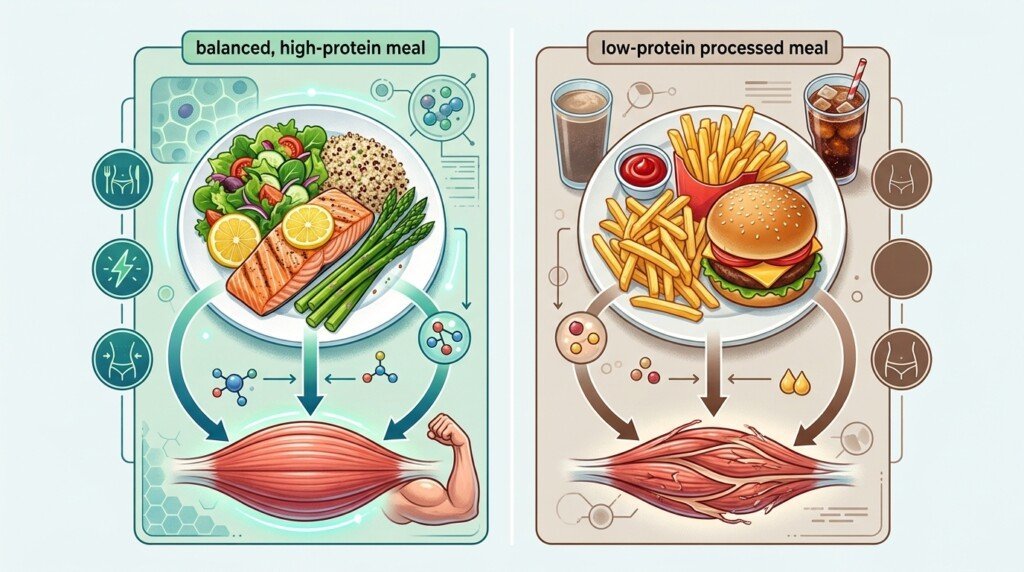
Protein Helps Preserve Lean Muscle
During weight loss, adequate protein helps reduce muscle loss.
Maintaining muscle supports healthier resting calorie expenditure over time.
Digestion Uses Energy
Protein requires more energy to digest than carbohydrates or fats.
Although this effect alone will not dramatically increase metabolism, it contributes modestly to daily energy expenditure.
Protein Supports Recovery
Healthy muscles require regular repair and maintenance.
Adequate protein intake supports these ongoing biological processes.
Low Protein Intake May Affect Body Composition
When protein intake remains consistently low, maintaining lean muscle becomes more difficult.
Over time, reduced muscle mass may contribute to lower resting calorie expenditure.
Balance Is More Important Than Extremes
There is no need to consume excessive amounts of protein.
Instead, aiming for adequate intake as part of a balanced eating pattern generally supports better metabolic health.
For readers interested in choosing higher-quality protein sources, High-Protein Foods That Burn Fat explores practical options without relying on restrictive dieting.
Does Skipping Meals Affect Metabolism?
Skipping meals is often surrounded by conflicting advice.
Some people believe missing breakfast or lunch immediately slows metabolism, while others assume meal timing has no effect at all.
The reality sits somewhere between these two extremes.
Occasionally delaying or missing a meal is unlikely to significantly reduce your metabolic rate. However, repeatedly skipping meals in a way that leads to inadequate nutrition or excessive calorie restriction may indirectly influence metabolic health over time.

Meal Timing Is Only One Piece of the Puzzle
Your metabolism responds more strongly to your overall dietary pattern than to the timing of one meal.
A healthy eating pattern considers:
- Total calorie intake
- Protein intake
- Food quality
- Daily activity
- Long-term consistency
These factors have a much greater influence than whether breakfast happens at 7:00 a.m. or 9:00 a.m.
Skipping Meals Can Increase Hunger Later
Many people notice they become much hungrier after skipping meals.
This may lead to:
- Larger portion sizes
- Frequent snacking
- Less mindful eating
- Choosing convenient ultra-processed foods
Over time, this pattern can make maintaining a balanced diet more difficult.
Healthy portion awareness is discussed further throughout Portion Control for Weight Loss.
Meal Skipping May Reduce Protein Distribution
Eating enough protein throughout the day supports muscle maintenance.
Frequently missing meals may reduce opportunities to consume adequate protein, particularly if the remaining meals are not well balanced.
Consistency Usually Works Better
Most people find that eating regular, balanced meals is easier to maintain over months and years than constantly alternating between restriction and overeating.
Which Eating Habits Support a Healthy Metabolism?
Instead of worrying about one food, focus on the overall habits that consistently support metabolic health.
Healthy metabolism develops through repeated daily choices rather than occasional perfect meals.

Choose Mostly Whole Foods
Whole and minimally processed foods generally provide:
- More fiber
- Better nutrient density
- Higher satiety
- Better overall diet quality
This does not require perfection.
Replacing highly processed foods more often than not is a realistic goal.
Include Protein Regularly
Protein supports lean muscle maintenance while helping create satisfying meals.
Consistently including quality protein sources throughout the day contributes to healthier body composition over time.
Eat Enough to Support Your Body
Chronically eating too little may increase the risk of muscle loss and lower overall energy levels.
Balanced nutrition usually produces more sustainable progress than repeated restrictive dieting.
Pay Attention to Portions
Healthy eating is not only about food choices.
Portion size also influences overall calorie intake.
Developing awareness of serving sizes often supports long-term success without eliminating favorite foods.
Build Habits You Can Maintain
The healthiest eating pattern is one you can realistically continue for years.
Small improvements repeated consistently usually outperform dramatic short-term changes.
What Should You Eat Instead?
After reading about unhealthy dietary habits, many people immediately ask what they should replace them with.
Rather than searching for “miracle metabolism foods,” focus on building balanced meals using nutrient-dense ingredients.
Build Meals Around Whole Foods
Aim to include foods that provide:
- Fiber
- Lean protein
- Healthy fats
- Complex carbohydrates
This combination generally supports better appetite control and overall metabolic health.
Choose Higher-Quality Snacks
Replacing highly processed snacks with more nutritious alternatives can improve overall dietary quality without making eating feel restrictive.
Practical ideas can be found throughout Healthy Snacks for Weight Loss.
Start the Day With Balanced Nutrition
Many people find it easier to make healthier choices throughout the day after eating a balanced breakfast.
Ideas for creating satisfying morning meals are discussed throughout Best Breakfast for Weight Loss.
Think About Your Entire Eating Pattern
Instead of asking whether one food slows metabolism, ask:
- Am I eating enough protein?
- Am I getting enough fiber?
- Do I rely heavily on processed foods?
- Are my eating habits sustainable?
Those questions usually provide more useful answers.
Future articles exploring Drinks That Boost Metabolism, Does Drinking Water Boost Metabolism, Can You Speed Up Your Metabolism Naturally, Metabolism and Hydration, and Morning Metabolism examine additional lifestyle factors without overlapping with the nutrition principles discussed here.
15 Habits That May Reduce Calorie Burning
Rather than blaming individual foods, these eating patterns are more likely to influence long-term metabolic health.
- Frequently eating ultra-processed foods
- Consuming very little protein
- Following repeated crash diets
- Maintaining extremely low calorie intake
- Replacing whole foods with refined carbohydrates
- Regularly overeating highly processed snacks
- Eating very little fiber
- Ignoring overall diet quality
- Frequently skipping balanced meals
- Relying heavily on sugary desserts
- Choosing convenience foods for most meals
- Neglecting lean muscle through poor nutrition
- Eating inconsistent portion sizes
- Following unsustainable restrictive diets
- Repeating unhealthy eating patterns for months or years
These habits influence metabolism gradually through their effects on body composition, energy balance, and overall health rather than instantly reducing calorie burning.
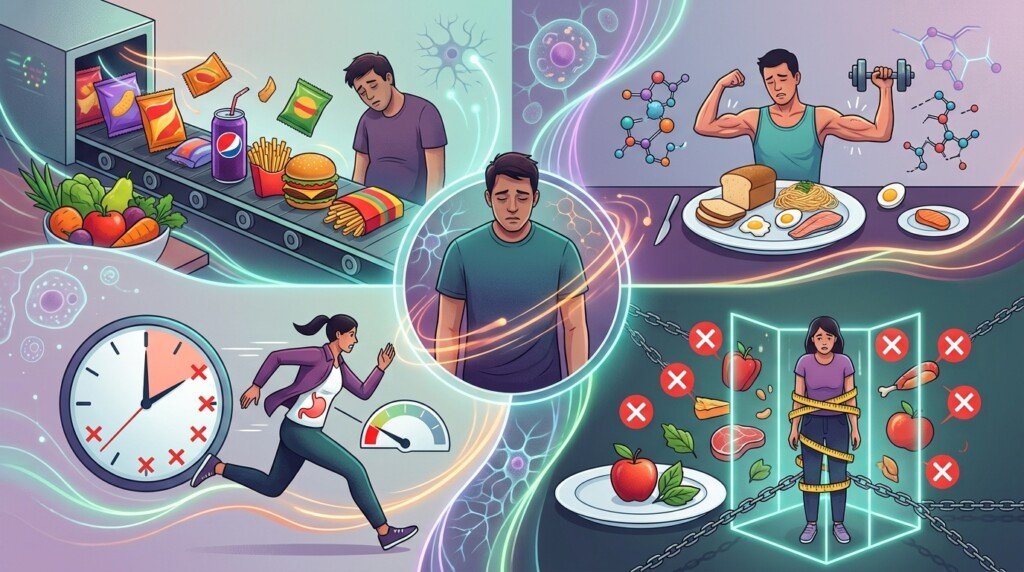
Frequently Asked Questions
1. Can certain foods really slow metabolism?
Not usually. Individual foods rarely slow metabolism by themselves. Long-term eating habits have a much greater influence on metabolic health.
2. Do ultra-processed foods affect metabolism?
Frequently eating ultra-processed foods may indirectly influence metabolism by reducing diet quality, increasing calorie intake, and making it harder to maintain lean muscle.
3. Does eating too little reduce calorie burning?
Prolonged severe calorie restriction may contribute to lower energy expenditure, reduced activity, and muscle loss over time.
4. Can low protein intake affect metabolism?
Yes. Consistently consuming too little protein may make it harder to preserve lean muscle, which contributes to resting calorie expenditure.
5. Does skipping meals slow metabolism?
Occasionally skipping a meal is unlikely to significantly affect metabolism. However, repeated meal skipping that results in poor nutrition may indirectly influence metabolic health.
6. Are carbohydrates bad for metabolism?
No. Whole-food carbohydrate sources can be part of a healthy dietary pattern. The overall quality of your diet matters more than one nutrient.
7. Should I completely avoid processed foods?
No. Moderate amounts can fit within a balanced diet. The goal is to make whole and minimally processed foods the foundation of your eating pattern.
8. Does fiber support metabolic health?
Yes. Fiber contributes to healthy digestion, appetite regulation, and overall diet quality.
9. Is one unhealthy meal enough to slow metabolism?
No. Metabolism responds to long-term dietary patterns rather than isolated meals.
10. What is the best approach for supporting metabolism?
A balanced eating pattern that includes adequate protein, fiber, whole foods, realistic portions, and sustainable habits generally provides the strongest support for long-term metabolic health.
Final Thoughts
Searching for Foods That Slow Metabolism often leads to long lists of foods labeled as “bad,” but the evidence tells a different story. No single food is responsible for dramatically reducing calorie burning. Instead, metabolism responds to the overall quality of your diet, your protein intake, long-term calorie balance, and the habits you repeat every day. Frequent reliance on ultra-processed foods, severe calorie restriction, poor protein intake, and inconsistent eating patterns are far more likely to influence metabolic health than enjoying an occasional treat.
The encouraging news is that supporting your metabolism does not require perfection or eliminating entire food groups. Building meals around whole foods, eating enough to maintain lean muscle, paying attention to portions, and choosing sustainable habits create a stronger foundation for long-term health and weight management. As you continue through this metabolism series, you’ll also explore Drinks That Boost Metabolism, Does Drinking Water Boost Metabolism, Can You Speed Up Your Metabolism Naturally, Metabolism and Hydration, and Morning Metabolism, giving you a more complete understanding of how everyday nutrition and lifestyle choices work together to support a healthy metabolism.
Disclaimer:
This post may contain affiliate links. If you purchase through them, we may earn a small commission at no extra cost to you. Also, this content is for informational purposes only and does not substitute professional medical advice.
Fuel Your Body Right
Use our free Nutrition Toolkit to find your protein target, fasting window, and net carbs in minutes.
Open Free Tools →