

Natural GLP-1 Boosters for Weight Loss and Appetite Control
Natural GLP-1 boosters have become one of the most searched topics in weight loss and appetite control.
Many people want to understand whether it’s possible to support the body’s hunger-regulating hormones through food, supplements, and lifestyle habits rather than relying solely on medications.
Have you ever finished a meal and felt completely satisfied for hours?
Then on another day, you eat what seems like the same amount of food and find yourself hungry again an hour later?
Most people assume this is a willpower problem.
In reality, hormones often play a bigger role than motivation.

What Exactly Is GLP-1 and Why Have So Many People Started Talking About It?
GLP-1 stands for glucagon-like peptide-1.
The name sounds complicated.
Fortunately, the concept is much simpler.
GLP-1 is a hormone produced primarily in the digestive tract after eating.
Its job is to help the body respond appropriately to food.
Among other functions, GLP-1 helps:
- Influence feelings of fullness
- Support appetite regulation
- Participate in blood sugar control
- Affect digestive processes after meals
Think of GLP-1 as one of the body’s internal messengers.
After you eat, it helps communicate information between your digestive system, pancreas, and brain.
Those messages influence how satisfied you feel and how your body handles nutrients.
This is one reason researchers have become so interested in GLP-1.
It sits at the intersection of appetite, metabolism, and eating behavior.

Why Does GLP-1 Matter So Much for Weight Management?
Many weight-loss discussions focus almost entirely on calories.
Calories matter.
But anyone who has tried losing weight knows that hunger matters too.
A calorie deficit becomes much harder to maintain when you’re constantly thinking about food.
This is where GLP-1 enters the conversation.
The Difference Between Being Full and Feeling Satisfied
These two experiences are not always the same.
Someone can physically fill their stomach yet still crave more food.
On the other hand, a person may eat a moderate meal and feel satisfied for hours.
GLP-1 helps influence that feeling of satisfaction.
When appetite-regulating systems function well, healthy eating often becomes easier to maintain.
Why Hunger Feels Different on Different Days
Have you ever noticed that some days seem effortless?
You eat normally.
Cravings stay manageable.
Food isn’t constantly on your mind.
Then another day feels completely different.
Several factors may influence these experiences, including:
- Sleep quality
- Meal composition
- Stress levels
- Physical activity
- Hormonal responses
GLP-1 is one piece of that larger picture.
Weight Management Isn’t Just About Eating Less
One reason long-term weight management can be challenging is that the body actively responds to dietary changes.
When hunger increases, maintaining healthy habits often becomes more difficult.
Strategies that support satiety may help make those habits easier to sustain over time.
Can Food Actually Influence GLP-1 Levels?
This is where things become practical.
Most people cannot directly measure their GLP-1 levels at home.
However, researchers have identified dietary patterns and foods that may influence GLP-1 activity.
The important point is that no single food acts like a switch.
There is no magical GLP-1 food.
Instead, certain dietary habits appear more supportive than others.
Let’s look at the most important ones.
Why Protein Keeps Appearing in Every Appetite Conversation
Protein has earned its reputation for a reason.
Again and again, research shows that protein-rich meals tend to be more satisfying than many highly processed alternatives.

Protein and Fullness
Meals containing adequate protein often help people:
- Stay full longer
- Reduce unnecessary snacking
- Maintain more stable eating patterns
This is one reason protein consistently appears in successful weight-management strategies.
Protein Sources Worth Prioritizing
Examples include:
- Eggs
- Fish
- Greek yogurt
- Cottage cheese
- Poultry
- Lean meats
- Tofu
- Legumes
The goal isn’t perfection.
The goal is ensuring protein remains a regular part of meals.
Why Protein Matters Beyond Muscle Building
Many people associate protein exclusively with athletes.
But protein influences much more than muscle growth.
It also plays a meaningful role in appetite regulation and meal satisfaction.
That’s one reason it remains one of the most practical nutritional tools available.
Could Fiber Be the Missing Piece?
Imagine two meals containing the same number of calories.
One consists mostly of refined carbohydrates.
The other contains vegetables, legumes, oats, and other fiber-rich foods.
Many people notice significant differences in fullness.
Fiber contributes to this experience.

What Makes Fiber So Valuable?
Fiber slows digestion and influences the way food moves through the digestive system.
This often promotes longer-lasting satisfaction after meals.
Foods Naturally Rich in Fiber
Some of the best sources include:
- Beans
- Lentils
- Oats
- Chia seeds
- Flaxseeds
- Vegetables
- Fruits
These foods frequently appear in dietary patterns associated with healthy weight management.
Why Fiber and Protein Work Well Together
Protein and fiber are often more powerful together than either one alone.
Meals combining both nutrients frequently provide stronger satiety than meals lacking one or both.
This is one reason many nutrition professionals encourage building meals around these two foundations.
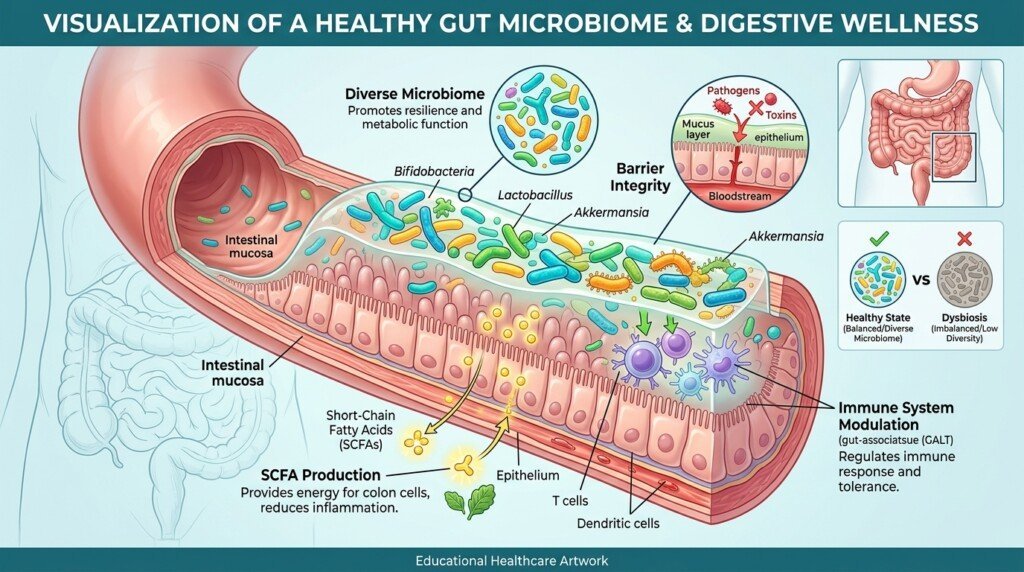
What Does Your Gut Have to Do With Appetite?
This may be one of the most fascinating areas of current research.
Scientists now understand that the digestive tract is far more than a simple food-processing system.
The gut actively participates in communication throughout the body.
That communication includes signals related to hunger and fullness.
Researchers continue studying how gut bacteria may influence:
- Appetite regulation
- Food preferences
- Digestive health
- Hormonal activity
The science is still evolving.
But one thing is becoming increasingly clear:
A healthy gut environment may play a larger role in appetite regulation than many people realize.
So What Foods Are Most Likely to Support GLP-1 Naturally?
At this point, you may be wondering:
Which foods should I actually put on my plate?
The answer is less exciting than most marketing claims.
There is no single “GLP-1 food.”
Instead, certain categories of foods consistently appear in research related to satiety, digestion, and appetite regulation.

High-Protein Foods
Protein remains one of the strongest nutritional tools for appetite management.
Examples include:
- Eggs
- Fish
- Chicken
- Turkey
- Greek yogurt
- Cottage cheese
- Tofu
- Tempeh
Meals built around protein often leave people feeling satisfied longer than meals dominated by refined carbohydrates.
Fiber-Rich Foods
Fiber works alongside protein to support fullness.
Excellent choices include:
- Lentils
- Beans
- Oats
- Vegetables
- Fruits
- Chia seeds
- Flaxseeds
Many of these foods also support gut health, which may indirectly influence appetite regulation.
Healthy Fats
Healthy fats help improve meal satisfaction and may contribute to a more balanced eating experience.
Examples include:
- Avocados
- Nuts
- Seeds
- Olive oil
The goal isn’t consuming excessive amounts.
Instead, healthy fats should complement protein and fiber-rich meals.
Minimally Processed Foods
One pattern appears repeatedly in nutrition research.
Diets centered around whole foods tend to support healthier eating behaviors than diets dominated by ultra-processed foods.
This doesn’t mean perfection is required.
It simply means that food quality often influences hunger in ways people don’t immediately recognize.
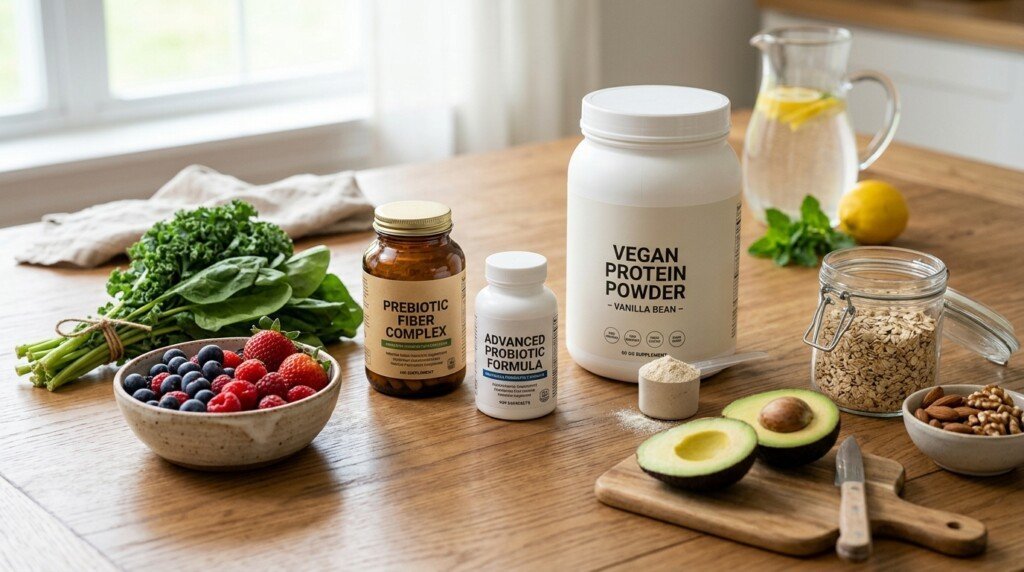
Could Supplements Help Support GLP-1 Activity?
Supplements cannot force the body to produce unlimited GLP-1.
Anyone claiming otherwise is oversimplifying the science.
However, certain supplements are frequently discussed because of their relationship to satiety, digestion, gut health, and metabolic function.
Fiber Supplements
When dietary fiber intake is low, fiber supplements may help fill the gap.
Examples include:
- Psyllium husk
- Glucomannan
These supplements are often used to support fullness and digestive health.
Probiotics
Researchers continue investigating how gut bacteria influence appetite-related hormones.
While much remains unknown, probiotics remain one of the most discussed categories in this area.
The goal is not direct weight loss.
The goal is supporting a healthier digestive environment.
Berberine
Berberine frequently appears in conversations involving metabolic health and blood sugar regulation.
Although it is not a GLP-1 supplement, some people interested in appetite regulation and metabolic support choose to learn more about it.
Protein Powders
Protein supplements can be useful when dietary protein intake falls short.
Again, food should remain the foundation whenever possible.
However, protein powders can provide convenience for busy individuals.
The key takeaway is simple:
Supplements may support healthy habits.
They do not replace them.
What Everyday Habits Might Be Working Against Your GLP-1?
Many people focus heavily on supplements while ignoring daily habits.
That approach often misses the bigger picture.
Several lifestyle factors may influence appetite regulation more than any capsule ever will.

Sleep
Poor sleep changes the way many people experience hunger.
After a bad night’s sleep, cravings often increase.
Food becomes more tempting.
Portion control becomes harder.
This is one reason sleep consistently appears in discussions involving appetite management.
Stress
Chronic stress can influence eating behavior in surprising ways.
Some individuals lose their appetite.
Others experience intense cravings.
Many people fluctuate between the two.
Stress management may not seem directly related to weight loss, but it often affects the choices people make around food.
Physical Activity
Exercise does more than burn calories.
Regular movement may support:
- Metabolic health
- Appetite regulation
- Energy levels
- Overall well-being
People often focus on intense workouts while overlooking simple consistency.
A daily walk can sometimes contribute more to long-term success than sporadic extreme exercise sessions.
Meal Timing and Eating Patterns
Researchers continue studying how eating patterns affect appetite-related hormones.
Although individual responses vary, many people find that consistent meal habits help reduce chaotic eating behaviors.
The goal isn’t finding a perfect schedule.
The goal is creating sustainable routines.
Why Most People Overcomplicate GLP-1 Support
Health information online often creates the impression that success depends on discovering a hidden secret.
A rare supplement.
An unusual food.
A complicated protocol.
In reality, the strongest natural GLP-1-supporting habits are surprisingly ordinary.
They include:
- Eating enough protein
- Consuming adequate fiber
- Supporting gut health
- Managing stress
- Sleeping well
- Staying physically active
None of these habits are glamorous.
Yet they repeatedly appear in successful long-term weight-management strategies.
That’s not a coincidence.
The fundamentals remain powerful.
Where Do Natural GLP-1 Boosters Fit Into a Weight-Loss Plan?
Natural GLP-1 boosters should be viewed as supportive tools rather than miracle solutions.
Their purpose is not to force rapid weight loss.
Their purpose is to create conditions that make healthy eating easier.
When appetite feels more manageable, consistency becomes easier.
When consistency improves, long-term results become more likely.
This is also why many readers exploring natural alternatives to Ozempic eventually discover that lifestyle habits often matter more than individual supplements.
Similarly, individuals primarily focused on hunger management may find value in learning about natural appetite suppressants that support satiety and portion control.
The common theme is not quick fixes.
The common theme is making healthy habits easier to maintain.

Frequently Asked Questions
1. What are natural GLP-1 boosters?
Natural GLP-1 boosters are foods, supplements, and lifestyle habits that may support the body’s natural appetite-regulation processes and satiety signals.
2. Can you increase GLP-1 naturally?
Certain dietary and lifestyle habits may support natural GLP-1 activity, including eating more protein, increasing fiber intake, maintaining gut health, exercising regularly, and getting adequate sleep.
3. What foods increase GLP-1?
Protein-rich foods, fiber-rich foods, legumes, vegetables, oats, seeds, and minimally processed foods are commonly discussed in relation to appetite regulation and satiety.
4. Do supplements increase GLP-1?
Some supplements may support processes related to appetite control and digestive health, but no supplement can fully replicate prescription GLP-1 medications.
5. Is protein a natural GLP-1 booster?
Protein is often associated with improved satiety and appetite control, which is why it frequently appears in discussions about natural GLP-1 support.
6. Does gut health affect GLP-1?
Researchers continue studying the relationship between the gut microbiome and appetite-related hormones. Evidence suggests gut health may influence appetite regulation and overall metabolic health.
7. Are natural GLP-1 boosters enough for weight loss?
Natural GLP-1 boosters may support weight-loss efforts, but long-term results still depend on overall nutrition, physical activity, sleep, and sustainable lifestyle habits.
Final Thoughts
The growing interest in GLP-1 reflects an important shift in how people think about weight management.
Instead of focusing solely on willpower, more attention is being given to the biological systems that influence hunger, fullness, and eating behavior.
That’s a positive change.
Understanding appetite regulation helps explain why some habits feel easier to maintain than others.
While there is no magic food or supplement that instantly boosts GLP-1, several evidence-based strategies may support the body’s natural processes.
Protein.
Fiber.
Gut-friendly foods.
Quality sleep.
Stress management.
Regular movement.
These habits may not sound revolutionary.
But they continue to appear at the center of successful long-term weight-management plans.
And often, the habits that seem simple are the ones that matter most.
Disclaimer:
This post may contain affiliate links. If you purchase through them, we may earn a small commission at no extra cost to you. Also, this content is for informational purposes only and does not substitute professional medical advice.