
Probiotic Side Effects: What to Expect and Who Should Avoid Them
Probiotics are often promoted as one of the safest supplements for digestive health. They’re found in fermented foods, recommended by healthcare professionals in certain situations, and used by millions of people every day.
That reputation is largely well deserved.
For most healthy adults, probiotics have an excellent safety profile when used according to the manufacturer’s instructions. However, “safe” does not necessarily mean “completely free of side effects.”
Like many supplements, probiotics can cause temporary digestive changes as the gut microbiome adapts. Some people notice mild bloating or increased gas during the first few days, while others experience no noticeable effects at all. There are also certain medical conditions where probiotic supplements may not be appropriate without medical supervision.
Understanding Probiotic Side Effects is important because it helps set realistic expectations. Knowing which reactions are common, which people should be more cautious, and when it’s appropriate to seek medical advice allows you to make informed decisions instead of relying on internet myths or alarming headlines.
This article explains the current scientific understanding of probiotic safety, the most common digestive effects, who may need to avoid probiotics, and the warning signs that deserve professional attention.
Quick Answer
Probiotic Side Effects are usually mild and temporary in healthy adults. Some people experience short-term bloating, gas, changes in bowel habits, or mild digestive discomfort as the gut microbiome adjusts. Serious complications are rare but may occur in individuals with severely weakened immune systems or certain underlying medical conditions. Anyone with significant health concerns should consult a healthcare professional before using probiotic supplements.
Are Probiotics Safe for Most People?
The first question many people ask is whether probiotics are actually safe.
According to current clinical evidence, the answer is yes for the majority of healthy adults.
Researchers have evaluated probiotic supplements across numerous clinical trials involving a wide range of populations. Overall, probiotics are considered well tolerated when used appropriately.
Healthy Adults Usually Tolerate Probiotics Well
Most healthy individuals take probiotics without experiencing significant problems.
When side effects occur, they are typically mild, temporary, and limited to the digestive system.
These effects often improve as the body becomes accustomed to changes within the gut microbiome.
Safety Depends on Individual Health
Although probiotics are generally considered safe, no supplement is appropriate for everyone.
Your overall health, immune function, existing medical conditions, and current medications all influence whether probiotics are suitable for you.
This is one reason healthcare professionals recommend considering your individual health status rather than assuming every supplement fits every person.
What Are the Most Common Probiotic Side Effects?
The majority of reported probiotic side effects involve digestion.
These changes are usually temporary and often occur during the early stages of probiotic use.

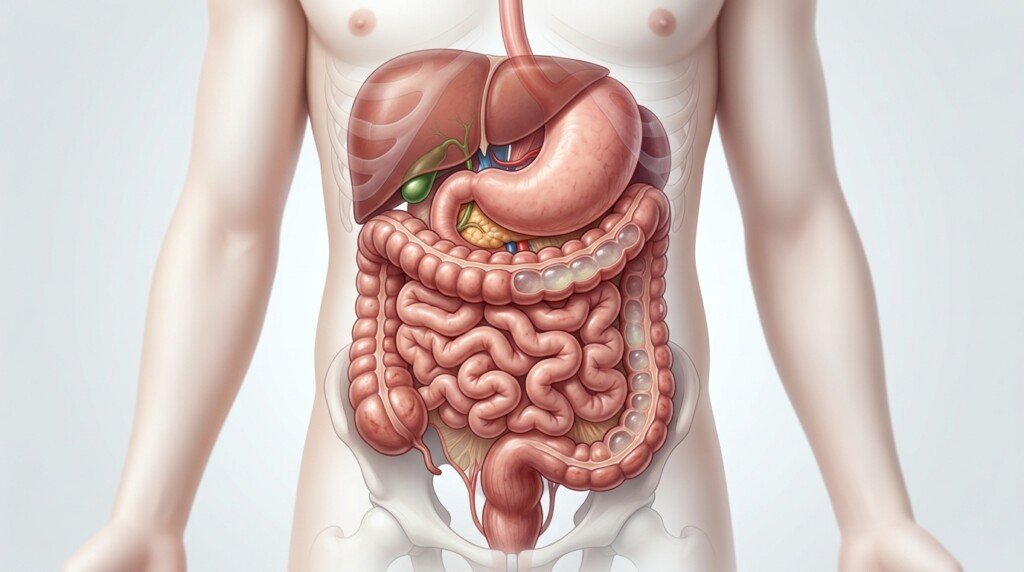
Mild Bloating
Some people notice a feeling of fullness or abdominal bloating shortly after beginning probiotics.
Researchers believe this may occur because beneficial bacteria temporarily change fermentation patterns inside the digestive tract while the gut microbiome adapts.
For many individuals, this sensation gradually improves.
Increased Gas
Gas is another commonly reported digestive effect.
As beneficial bacteria interact with undigested carbohydrates and dietary fiber, temporary increases in intestinal gas production may occur.
This does not necessarily indicate that the probiotic is causing harm.
Changes in Bowel Habits
Some people notice temporary changes in bowel regularity, including:
- Softer stools
- Firmer stools
- More frequent bowel movements
- Less frequent bowel movements
These changes are often short lived while the digestive system adjusts.
Mild Digestive Discomfort
Occasional abdominal discomfort may also occur during the adjustment period.
When symptoms remain mild and improve over time, they are generally not considered unusual.
However, persistent or severe symptoms deserve medical evaluation.
Why Can Probiotics Cause Gas and Bloating?
Many people assume gas and bloating mean the probiotic is “not working.”
In reality, temporary digestive changes may reflect normal adaptation.
The Gut Microbiome Is Changing
The digestive tract already contains trillions of microorganisms.
Introducing additional beneficial bacteria changes the balance within that existing ecosystem.
Researchers believe these microbial adjustments may temporarily alter fermentation and gas production.
Dietary Habits Also Play a Role
Digestive symptoms are not always caused by probiotics alone.
Several lifestyle factors influence how the digestive system responds, including:
- Fiber intake
- Hydration
- Meal size
- Overall dietary pattern
- Existing digestive conditions
This is why two people taking the same probiotic may have completely different experiences.
Healthy digestive habits discussed in Gut Health and Weight Loss also contribute to maintaining a balanced gut microbiome.
Who Should Avoid Probiotic Supplements?
Although probiotics are safe for most healthy adults, there are situations where extra caution is appropriate.
These individuals should not automatically begin probiotic supplementation without medical advice.

People With Severely Weakened Immune Systems
Individuals with significant immune suppression may have a higher risk of complications from live microorganisms.
Examples include people receiving certain medical treatments or living with serious immune disorders.
In these situations, probiotic use should always be discussed with a healthcare professional.
Critically Ill Hospitalized Patients
Certain hospitalized patients may require individualized medical decisions regarding probiotic use.
Clinical circumstances vary considerably, making professional medical guidance essential.
People With Serious Underlying Medical Conditions
Anyone with complex medical conditions involving the digestive system or immune function should speak with their healthcare provider before starting probiotics.
Personalized medical advice is always safer than relying on general recommendations.
Can Probiotics Interact With Medications?
Medication interactions are another common concern.
Fortunately, probiotics do not appear to interact with most medications in the same way many prescription drugs do.
However, there are still situations where caution is appropriate.
Antibiotics May Influence Gut Bacteria
Because antibiotics affect bacteria throughout the digestive tract, they may also influence probiotic microorganisms.
Healthcare professionals sometimes provide individualized guidance regarding the use of probiotics alongside antibiotic treatment.
Following medical advice is always the best approach.
Always Tell Your Healthcare Provider About Supplements
Many people forget to mention dietary supplements during medical appointments.
Whether you use probiotics, vitamins, or herbal products, keeping your healthcare provider informed helps ensure safe and coordinated care.
Basic guidance on routine probiotic use is covered in How to Take Probiotics for Weight Loss, including storage and consistent daily use.
When Should You Stop Taking Probiotics?
Not every digestive symptom means you should stop taking a probiotic.
In many cases, mild digestive changes improve as your gut microbiome adapts. However, there are situations where stopping the supplement and seeking medical advice is the safest course of action.
Understanding the difference between expected adjustment symptoms and warning signs can help you respond appropriately.
Mild Symptoms Often Improve Naturally
Temporary digestive effects such as mild bloating or gas may settle as the digestive system adjusts to the probiotic.
Many healthy adults find that these symptoms gradually become less noticeable over time.
If symptoms remain mild and continue improving, they are generally not considered unusual.
Persistent Symptoms Deserve Attention
If digestive discomfort continues without improvement or becomes progressively worse, stop taking the probiotic and consult a healthcare professional.
Persistent symptoms should never be ignored simply because a product is marketed as “natural.”
Severe Reactions Require Immediate Medical Care
Although serious probiotic-related complications are rare, seek immediate medical attention if you experience symptoms such as:
- Difficulty breathing
- Swelling of the face, lips, tongue, or throat
- Severe abdominal pain
- High fever
- Persistent vomiting
- Bloody stools
These symptoms require prompt medical evaluation regardless of whether they are directly related to the probiotic.
When Should You Contact a Healthcare Professional?
Most healthy adults can use probiotics without major concerns.
However, some situations call for individualized medical advice.

Before Starting Probiotics With Certain Medical Conditions
Speak with your healthcare provider before taking probiotics if you:
- Have a weakened immune system
- Have recently undergone major surgery
- Have a serious digestive disorder
- Are receiving treatment that affects immune function
- Have complex chronic medical conditions
Your healthcare provider can help determine whether probiotics are appropriate for your situation.
If Symptoms Continue or Become Worse
Do not continue taking a supplement that causes ongoing discomfort simply because you expect the symptoms to disappear.
Medical advice is appropriate whenever symptoms:
- Persist for an extended period
- Become more severe
- Interfere with normal daily activities
- Cause concern
Professional evaluation helps rule out other possible causes.
What Does Research Say About Long-Term Probiotic Safety?
One of the most reassuring aspects of probiotics is the amount of research evaluating their safety.
Although scientists continue studying specific probiotic formulations, the overall safety profile remains encouraging for healthy adults.
Clinical Studies Support Good Overall Safety
Numerous clinical trials have evaluated probiotic use in healthy individuals.
Across these studies, probiotics have generally demonstrated a favorable safety profile, with most reported side effects being mild, temporary, and digestive in nature.
Serious adverse events remain uncommon in healthy populations.
Long-Term Use Depends on Individual Circumstances
There is no single recommendation that applies to everyone regarding long-term probiotic use.
Factors such as personal health status, dietary habits, medical history, and healthcare guidance all influence individual decisions.
Rather than focusing only on supplements, maintaining healthy lifestyle habits also supports long-term digestive wellness.
For people exploring broader approaches to overall health, Best Weight Loss Supplements discusses where probiotics fit among other evidence-based wellness strategies.
How Can You Reduce the Risk of Digestive Discomfort?
While mild digestive symptoms cannot always be avoided, a few practical habits may help support a smoother experience.
Follow the Product Instructions
Every probiotic formulation is different.
Using the supplement exactly as directed by the manufacturer helps ensure it is taken under the conditions for which it was designed.
Store the Product Properly
Incorrect storage may reduce probiotic quality.
Always follow the manufacturer’s storage recommendations and pay attention to the expiration date.
Maintain Healthy Digestive Habits
Supporting your digestive system involves more than taking one supplement.
Daily habits such as:
- Eating a balanced diet
- Drinking enough water
- Staying physically active
- Managing stress
- Getting adequate sleep
all contribute to overall digestive wellness alongside probiotic use.
Key Takeaways
| Topic | Key Point |
|---|---|
| Safety | Probiotics are generally safe for most healthy adults when used appropriately. |
| Common side effects | Mild bloating, gas, and temporary digestive changes are the most commonly reported effects. |
| High-risk groups | People with severely weakened immune systems or serious medical conditions should seek medical advice before using probiotics. |
| Medication considerations | Inform your healthcare provider about all supplements, especially if you are taking prescription medications or antibiotics. |
| Warning signs | Persistent symptoms or severe reactions require prompt medical evaluation. |
| Long-term use | Current research supports a favorable safety profile for healthy adults, but individual circumstances should always be considered. |

Frequently Asked Questions
1. Are probiotics dangerous?
For most healthy adults, probiotics are considered safe and well tolerated. Serious complications are uncommon and are mainly associated with certain high-risk medical conditions.
2. Why do probiotics cause bloating?
Temporary bloating may occur as the gut microbiome adjusts to the introduction of beneficial bacteria. For many people, this improves over time.
3. Can probiotics make you sick?
Most healthy people do not become ill from probiotics. However, individuals with severely weakened immune systems or certain serious medical conditions should consult a healthcare professional before using them.
4. Can you take probiotics long term?
Many healthy adults use probiotics over extended periods without significant problems. Long-term use should still be guided by individual health needs and, when appropriate, advice from a healthcare professional.
Conclusion
Understanding Probiotic Side Effects helps replace unnecessary fear with realistic expectations. For most healthy adults, probiotics have a strong safety profile, and any side effects are usually mild, temporary, and limited to the digestive system. Occasional bloating, gas, or changes in bowel habits often reflect the gut microbiome adjusting rather than a harmful reaction. At the same time, it is important to recognize that probiotics are not suitable for everyone, particularly individuals with severely weakened immune systems or certain serious medical conditions.
The safest approach is to use probiotics responsibly, follow the manufacturer’s instructions, store the product correctly, and pay attention to how your body responds. If symptoms are severe, persistent, or accompanied by warning signs such as difficulty breathing, high fever, or severe abdominal pain, seek medical attention promptly. By understanding both the benefits and the limitations of probiotic safety, you can make informed decisions that support your long-term digestive health with greater confidence.
Disclaimer:
This post may contain affiliate links. If you purchase through them, we may earn a small commission at no extra cost to you. Also, this content is for informational purposes only and does not substitute professional medical advice.