What Is a Safe Calorie Deficit? How to Lose Weight Without Going Too Low
When people decide to lose weight, one of the first questions they ask is how many calories they should cut. Some believe eating as little as possible will produce the fastest results, while others worry that reducing calories too much could harm their health or make weight loss harder to maintain.
The answer lies somewhere in the middle.
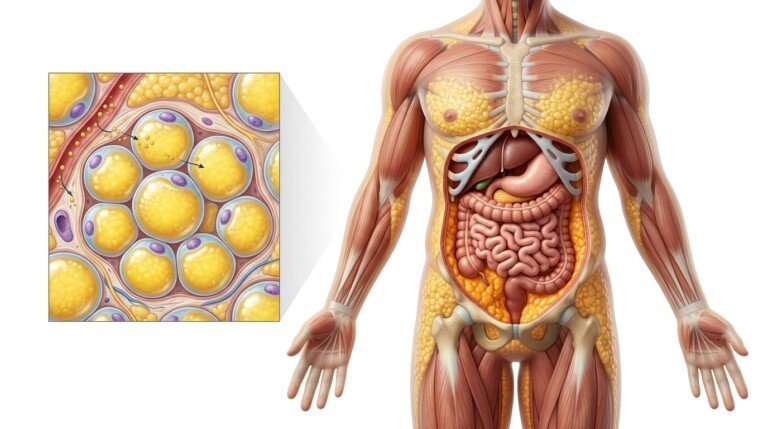
A Safe Calorie Deficit is one that allows your body to use stored fat for energy while still providing enough calories and nutrients to support normal daily functions, physical activity, recovery, and lean muscle. Rather than focusing on the biggest calorie reduction possible, successful long-term weight loss comes from choosing a calorie deficit that is realistic, sustainable, and appropriate for your individual needs.
This is why nutrition professionals rarely recommend extreme calorie restriction for healthy adults. A moderate approach is generally easier to maintain and supports healthier body composition over time.
In this article, you’ll learn what experts consider a safe calorie deficit, why bigger is not always better, how your goals influence calorie needs, and why nutrition quality and muscle preservation matter just as much as calorie intake.
Quick Answer
A Safe Calorie Deficit is a moderate reduction in calorie intake that allows gradual fat loss while supporting adequate nutrition, muscle preservation, physical performance, and overall health. The ideal calorie deficit varies from person to person based on maintenance calories, activity level, body composition, and individual goals.
What Is Considered a Safe Calorie Deficit?
Many people assume there is one perfect number that works for everyone.
In reality, a safe calorie deficit depends on your body, lifestyle, activity level, and nutritional needs.
Rather than focusing on a fixed number of calories, health professionals generally recommend creating a moderate energy deficit that supports long-term consistency.

A Safe Deficit Maintains Essential Nutrition
Reducing calories should never mean reducing nutrition.
Even while eating fewer calories, your body still requires adequate amounts of:
- Protein
- Healthy fats
- Vitamins
- Minerals
- Fiber
- Fluids
These nutrients help support normal body functions, recovery, immune health, and muscle maintenance during weight loss.
The Goal Is Sustainable Fat Loss
One of the biggest advantages of a moderate calorie deficit is that it is usually easier to maintain.
People are more likely to continue healthy eating habits when they can enjoy balanced meals without feeling that every meal is highly restrictive.
This approach often supports better long-term success than aggressive dieting.
Readers interested in maintaining healthy habits over time may also find Sustainable Weight Loss helpful.
Individual Needs Are Different
Two people of the same age may require very different calorie intakes depending on factors such as:
- Body size
- Lean muscle mass
- Daily movement
- Exercise routine
- Occupation
- Health status
This is why calorie recommendations should always be individualized rather than copied from someone else.
How Much of a Calorie Deficit Is Too Much?
It is natural to think that cutting more calories should produce faster fat loss.
However, there comes a point where reducing calories further provides diminishing benefits while making healthy eating much more difficult.

Bigger Is Not Always Better
Very large calorie reductions often make it harder to:
- Meet nutrient needs
- Support exercise performance
- Maintain lean muscle
- Recover from workouts
- Sustain healthy eating habits
Rather than helping long-term progress, extreme restriction frequently becomes difficult to maintain.
Restrictive Diets Often Reduce Consistency
Many highly restrictive diets work well for a short period.
The challenge usually appears weeks later.
People often struggle because the eating plan becomes:
- Too difficult socially
- Too restrictive psychologically
- Too limiting nutritionally
- Difficult to maintain alongside work and family life
A sustainable calorie deficit should fit into everyday living instead of constantly disrupting it.
Balance Produces Better Results
Healthy weight management is not about eating as little as possible.
It is about creating an eating pattern you can realistically maintain while supporting overall health.
Future discussions about Signs Your Calorie Deficit Is Too Extreme will explore how excessive restriction may affect overall well-being without relying on guesswork.
How Do Your Goals Affect Your Calorie Deficit?
Not everyone pursuing a calorie deficit has the same objective.
Some people want to improve overall health.
Others hope to reduce body fat while maintaining athletic performance or preserving muscle.
Your goals influence how aggressively calories should be reduced.
Fat Loss Is Only One Goal
Weight loss is not always the primary objective.
Some individuals focus on:
- Improving fitness
- Supporting metabolic health
- Preserving muscle
- Improving body composition
- Developing healthier eating habits
A calorie deficit should support these broader goals rather than work against them.
Body Composition Matters
Two people may lose the same amount of body weight while experiencing very different changes in body composition.
Maintaining lean muscle during fat loss contributes to healthier long-term results.
Readers interested in improving muscle-to-fat ratio may also enjoy Body Recomposition, which explains how muscle preservation contributes to healthier body composition.
Long-Term Success Requires Flexibility
Life changes constantly.
Vacations, holidays, work schedules, illness, and family commitments all influence eating habits.
Flexible approaches are often easier to maintain than rigid dietary rules.
Can a Safe Calorie Deficit Preserve Muscle?
One concern during weight loss is losing lean muscle along with body fat.
Fortunately, healthy nutrition and regular exercise help reduce this risk.

Protein Supports Lean Muscle
Adequate protein intake provides amino acids needed for muscle maintenance and recovery.
Including protein throughout the day also supports satiety and overall dietary quality.
Readers looking for nutritious protein sources may also benefit from High-Protein Foods That Burn Fat.
Resistance Exercise Helps Protect Muscle
Strength training encourages your muscles to continue adapting during a calorie deficit.
Combined with adequate protein intake, resistance exercise helps preserve lean tissue while body fat gradually decreases.
Recovery Remains Important
Muscle maintenance depends on more than exercise alone.
Recovery is supported by:
- Balanced nutrition
- Adequate sleep
- Hydration
- Consistent physical activity
These healthy habits work together to support better body composition over time.
Does Exercise Change the Size of Your Calorie Deficit?
Exercise is often viewed as a way to “earn” extra calories or create a larger calorie deficit. While physical activity certainly increases energy expenditure, its role goes far beyond simply burning calories.
Regular exercise helps improve body composition, supports muscle preservation, and contributes to better long-term health. When combined with balanced nutrition, it becomes one of the most effective tools for sustainable fat loss.

Exercise Increases Daily Energy Expenditure
Every form of movement requires energy.
Whether you choose:
- Walking
- Cycling
- Swimming
- Resistance training
- Recreational sports
your body burns additional calories to support that activity.
This increased energy expenditure can contribute to a calorie deficit when calorie intake remains appropriate.
Exercise Provides Benefits Beyond Calories
Many people focus only on the calories burned during a workout.
However, regular exercise also supports:
- Cardiovascular health
- Muscle maintenance
- Bone health
- Physical function
- Overall fitness
These benefits make exercise valuable even beyond its contribution to weight management.
Nutrition and Exercise Work Best Together
Trying to rely entirely on exercise while ignoring nutrition is rarely the most effective approach.
Likewise, reducing calories without staying physically active may make preserving lean muscle more difficult.
Combining balanced nutrition with regular movement creates a more sustainable strategy for long-term fat loss.
Who Should Avoid Aggressive Calorie Restriction?
Although moderate calorie deficits are appropriate for many healthy adults seeking weight loss, aggressive calorie restriction is not suitable for everyone.
Certain individuals have nutritional or medical needs that require a more individualized approach.
Growing Children and Teenagers
Children and adolescents require sufficient energy to support normal growth and development.
Weight management in younger individuals should always be guided by qualified healthcare professionals rather than aggressive calorie restriction.
Pregnant and Breastfeeding Women
Pregnancy and breastfeeding increase nutritional demands.
Reducing calorie intake without professional guidance may affect both maternal and infant nutritional needs.
People With Certain Medical Conditions
Individuals managing chronic health conditions or recovering from illness may have specialized nutritional requirements.
Healthcare providers can help determine an appropriate dietary approach based on individual circumstances.
Athletes With High Training Demands
People participating in intense training programs often require higher calorie intake to support recovery, performance, and muscle maintenance.
Large calorie reductions may interfere with these goals.
How Can You Maintain a Safe Calorie Deficit Long Term?
Creating a calorie deficit is one step.
Maintaining it comfortably over months is what leads to lasting results.
Long-term success rarely comes from perfection. It comes from building habits that fit naturally into everyday life.
Prioritize Food Quality
Choosing nutrient-dense foods makes it easier to meet nutritional needs while consuming fewer calories.
A balanced eating pattern often includes:
- Lean protein
- Fruits
- Vegetables
- Whole grains
- Healthy fats
These foods provide nutrients that support overall health while contributing to satiety and muscle maintenance.
Practice Portion Awareness
Many people naturally reduce calorie intake without strict tracking simply by becoming more aware of portion sizes.
Simple adjustments during meals can support a calorie deficit without making eating feel overly restrictive.
Readers interested in practical eating strategies may also find Portion Control for Weight Loss useful.
Build Habits You Can Repeat
Healthy weight management depends more on repeatable behaviors than short bursts of motivation.
Helpful habits include:
- Planning meals ahead of time
- Staying physically active
- Eating balanced meals
- Preparing healthy snacks
- Maintaining regular exercise
Small habits repeated consistently usually produce greater long-term success than dramatic lifestyle changes.
Readers wanting to strengthen these routines may also benefit from Weight Loss Habits.
Think Beyond the Scale
Body weight is only one measure of progress.
Other meaningful improvements include:
- Better energy levels
- Improved fitness
- Increased strength
- Healthier body composition
- Greater confidence with healthy eating
These changes often appear alongside gradual fat loss and contribute to lasting success.
Future articles such as Calorie Deficit and How to Calculate a Calorie Deficit will build on these principles by explaining energy balance and estimating individual calorie needs in greater detail.
Key Takeaways
| Topic | What You Should Know |
|---|---|
| Safe calorie deficit | A moderate calorie reduction that supports health, nutrition, and sustainable fat loss. |
| Extreme restriction | Often makes healthy eating harder to maintain and may reduce diet quality. |
| Protein | Supports muscle preservation during weight loss. |
| Exercise | Increases energy expenditure while helping maintain lean muscle and overall health. |
| Nutrition quality | Matters just as much as reducing calories. |
| Sustainability | Consistent healthy habits outperform short-term restrictive dieting. |
| Individual needs | Calorie requirements vary based on body size, activity level, and personal goals. |

Frequently Asked Questions
1. What is a Safe Calorie Deficit?
A Safe Calorie Deficit is a moderate reduction in calorie intake that supports gradual fat loss while providing enough energy and nutrients for normal body functions, physical activity, and overall health.
2. Is a 500-calorie deficit safe?
For many healthy adults, a moderate calorie reduction may be appropriate. However, the ideal calorie deficit depends on individual calorie needs, body size, activity level, and personal goals.
3. Can a calorie deficit be too large?
Yes. Excessively restricting calories can make it more difficult to meet nutritional needs, maintain muscle, recover from exercise, and sustain healthy eating habits.
4. Is a bigger calorie deficit better?
Not necessarily. Larger calorie deficits may produce faster short-term weight loss, but moderate, sustainable approaches are generally easier to maintain over the long term.
5. Can you build muscle in a safe calorie deficit?
Some individuals, particularly beginners or those returning to exercise, may improve muscle while reducing body fat. Resistance training and adequate protein intake help support muscle preservation.
6. Does exercise increase a calorie deficit?
Yes. Physical activity increases daily energy expenditure, making it easier to create or maintain a calorie deficit while also supporting overall health.
7. Is nutrition quality important during a calorie deficit?
Absolutely. Choosing nutrient-dense foods helps provide protein, vitamins, minerals, and fiber while supporting overall health during weight loss.
8. Should everyone use the same calorie deficit?
No. A safe calorie deficit should be individualized based on maintenance calories, activity level, body composition, and personal health goals.
9. Can you lose weight without exercising?
Yes. Weight loss can occur through a calorie deficit alone, although exercise provides important benefits for muscle preservation, fitness, and long-term health.
10. What is the best way to maintain a safe calorie deficit?
Focus on balanced nutrition, portion awareness, regular physical activity, adequate protein intake, and healthy habits that you can comfortably maintain over time.
Conclusion
A Safe Calorie Deficit is not about eating as little as possible or following an extreme diet. It is about creating a realistic reduction in calorie intake that allows your body to gradually use stored fat for energy while continuing to receive the nutrients it needs to support everyday health, physical activity, and lean muscle. Choosing a moderate, sustainable approach makes it easier to maintain healthy habits and reduces the likelihood of abandoning your weight-loss efforts because the plan feels overly restrictive.
The most successful long-term results come from combining balanced nutrition, regular exercise, adequate protein, and practical lifestyle habits that fit into your daily routine. Rather than chasing rapid results through aggressive calorie restriction, focus on building an eating pattern you can maintain for months and years. That consistent approach not only supports healthier body composition but also creates a stronger foundation for lasting weight management and overall well-being.
Disclaimer:
This post may contain affiliate links. If you purchase through them, we may earn a small commission at no extra cost to you. Also, this content is for informational purposes only and does not substitute professional medical advice.
Ready to Start Your Journey?
Use our free 7-in-1 Weight Loss Toolkit to calculate your numbers and build your plan in minutes.
Open Free Tools →