

What Are the Signs of a Healthy Metabolism? 12 Positive Signs Your Body Is Working Well
A healthy metabolism is often misunderstood. Many people think it simply means burning calories quickly or being able to eat anything without gaining weight. In reality, metabolism is much more than the speed at which your body burns energy.
A healthy metabolism reflects how efficiently your body converts nutrients into energy, supports normal hormone function, maintains body temperature, repairs tissues, and keeps countless biological processes working together. It is not defined by one number on a scale or one measurement in a fitness app.
Your body provides subtle clues when metabolism is functioning well. These positive signs often appear in your everyday life through stable energy, balanced appetite, good recovery, healthy body composition, and consistent physical performance. Rather than chasing the idea of having a “fast metabolism,” it is far more beneficial to recognize what healthy metabolic function actually looks like.
This article explores the Signs of a Healthy Metabolism, explains why they matter, and helps you understand how your body naturally supports long-term health when its metabolic systems are working efficiently.
Quick Answer
The most common signs of a healthy metabolism include steady energy throughout the day, maintaining a healthy body weight, balanced appetite, good digestion, quality sleep, healthy muscle maintenance, normal body temperature, efficient recovery after activity, and overall vitality. These indicators reflect healthy metabolic function rather than simply burning calories quickly.
What Are the Signs of a Healthy Metabolism?
Unlike many health conditions, a healthy metabolism is often recognized through positive daily experiences rather than dramatic symptoms.
No single sign confirms excellent metabolic health. Instead, several healthy indicators tend to appear together over time.
Here are twelve positive signs that often suggest your metabolism is functioning normally.

1. Steady Energy Throughout the Day
One of the clearest indicators of healthy metabolism is consistent energy.
Everyone experiences occasional tiredness, but people with healthy metabolic function often maintain relatively stable energy between meals without frequent energy crashes.
Their bodies efficiently produce and use energy throughout the day.
2. Maintaining a Healthy Body Weight
Healthy metabolism helps support stable body weight over time.
This does not mean body weight never changes.
Instead, normal metabolic function allows the body to regulate energy efficiently alongside healthy lifestyle habits.
Weight naturally fluctuates, but maintaining a healthy weight becomes easier when multiple metabolic systems work together effectively.
3. Balanced Appetite
Healthy metabolism helps regulate hunger and fullness.
Most people with normal metabolic function experience appetite that responds appropriately to their body’s energy needs.
They feel hungry when fuel is needed and satisfied after balanced meals.
Appetite naturally varies from day to day, but extreme or persistent changes deserve attention.
4. Good Digestion
Efficient digestion reflects many healthy biological processes.
Although digestion depends on numerous factors, people with healthy metabolism often experience:
- Comfortable digestion
- Regular bowel movements
- Normal nutrient absorption
- Consistent digestive function
Digestive health is closely connected with overall well-being.
5. Healthy Body Temperature
Your metabolism continuously produces heat while creating energy.
As a result, healthy metabolic function helps support stable internal body temperature despite changes in the surrounding environment.
Feeling comfortable under normal conditions is one positive sign among many.
6. Healthy Muscle Maintenance
Muscle tissue depends on ongoing repair and maintenance.
Healthy metabolism supports these processes by supplying energy for:
- Cellular repair
- Protein turnover
- Tissue maintenance
- Daily movement
Maintaining lean muscle contributes to long-term metabolic health.
7. Good Recovery
Recovery after physical activity is another encouraging indicator.
People with healthy metabolism often recover efficiently because energy production supports tissue repair and restoration.
Recovery varies according to activity level, age, and overall health.
8. Consistent Physical Performance
Walking, climbing stairs, exercising, and completing everyday activities should feel reasonably manageable for your current fitness level.
Healthy metabolism supports the energy needed for these daily demands.
9. Stable Daily Focus
The brain requires enormous amounts of energy.
Healthy metabolism continuously supplies that energy, helping support concentration and mental performance throughout the day.
10. Healthy Hormonal Regulation
Metabolism and hormones constantly interact.
Balanced metabolic function supports many hormone-controlled processes involved in energy production and overall health.
11. Normal Exercise Tolerance
People with healthy metabolism often tolerate regular physical activity without excessive fatigue relative to their fitness level.
Their bodies efficiently produce energy during movement and recovery afterward.
12. Overall Vitality
Perhaps the simplest sign is an overall sense of well-being.
People frequently describe healthy metabolism as feeling energetic, physically capable, mentally alert, and ready for everyday life.
No single symptom defines healthy metabolism.
Instead, the combination of several positive indicators provides the clearest picture.
Does Having Steady Energy Indicate a Healthy Metabolism?
Steady energy is one of the strongest everyday signs that your body’s metabolic systems are working efficiently.
Energy production occurs continuously, not only during exercise.
Every heartbeat, every breath, every thought, and every movement depends on metabolism supplying your cells with usable energy.

Energy Production Happens Every Second
Inside your cells, nutrients are converted into ATP, the body’s primary energy source.
This process never stops.
Healthy metabolism allows this energy production to remain consistent throughout the day.
Stable Energy Supports Daily Life
People with healthy metabolic function often find it easier to:
- Stay productive
- Complete daily activities
- Exercise consistently
- Recover after physical effort
- Maintain concentration
Their energy naturally rises and falls during the day without dramatic fluctuations.
Energy Is About More Than Calories
Many people believe energy simply comes from eating more food.
In reality, healthy metabolism depends on how efficiently your body converts nutrients into usable energy.
Producing energy efficiently matters just as much as consuming calories.
Lifestyle Supports Consistent Energy
Steady energy is often associated with healthy daily routines.
Habits discussed throughout Weight Loss Habits contribute to maintaining consistent physical and mental performance over time.
Look at Long-Term Patterns
Everyone experiences occasional tiredness.
Healthy metabolism is better reflected by consistent long-term energy rather than how energetic you feel on one particular day.
Can a Healthy Appetite Be a Good Sign?
Yes.
Appetite regulation is one of the body’s most impressive biological balancing systems.
Healthy metabolism helps coordinate the signals that tell you when to eat and when you have eaten enough.

Hunger Has an Important Purpose
Feeling hungry is not a sign that something is wrong.
It is your body’s natural way of communicating its energy needs.
Healthy metabolism allows these signals to remain reasonably balanced.
Fullness Signals Also Matter
Equally important is recognizing fullness after eating.
Balanced appetite includes both healthy hunger and healthy satisfaction.
These signals help maintain long-term energy balance.
Appetite Naturally Changes
Appetite is influenced by many factors, including:
- Physical activity
- Sleep
- Stress
- Hormones
- Daily routine
Temporary fluctuations are completely normal.
Healthy Appetite Supports Healthy Weight
Balanced appetite regulation often makes maintaining a healthy body weight easier over time.
This relationship supports many of the principles discussed throughout Sustainable Weight Loss.
Avoid Comparing Yourself to Others
Appetite differs between individuals.
Healthy metabolism does not require eating exactly the same amount as someone else.
Your body’s needs are unique.
Does Good Sleep Support Healthy Metabolism?
Sleep is one of the most important recovery periods for the human body.
Although metabolism remains active throughout the night, sleep allows many metabolic processes to operate efficiently.

Recovery Continues During Sleep
While sleeping, your body continues:
- Repairing tissues
- Producing hormones
- Supporting immune function
- Restoring energy balance
These activities depend on healthy metabolic function.
Sleep Supports Hormonal Balance
Several hormones involved in metabolism are influenced by healthy sleep patterns.
Balanced hormone regulation contributes to efficient energy production and overall metabolic health.
Future discussions in Metabolism and Sleep explore these interactions in greater detail.
Better Sleep Supports Better Daily Performance
People who sleep well often experience:
- Better concentration
- More consistent energy
- Improved recovery
- Greater physical readiness
These benefits reflect many interconnected biological systems working together.
One Poor Night Is Not a Concern
Healthy metabolism is not determined by one night of sleep.
Instead, consistent sleep quality over weeks and months provides a stronger foundation for long-term metabolic health.
Healthy Sleep Is Part of Overall Wellness
Sleep represents one important component of metabolic health alongside physical activity, recovery, muscle maintenance, and balanced daily habits.
Can Healthy Digestion Reflect Metabolic Health?
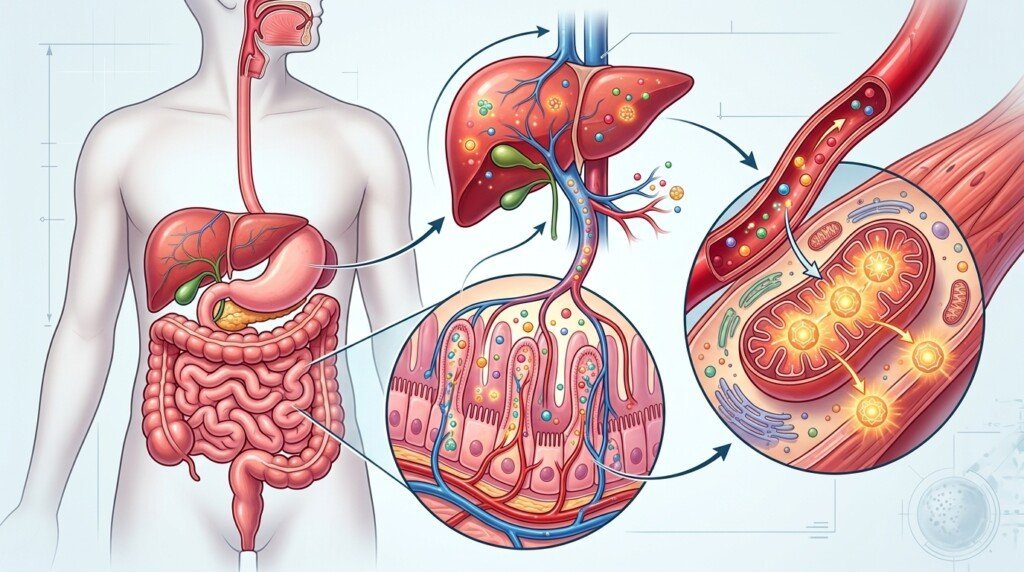
Your digestive system and your metabolism work together every day. Although they have different roles, both depend on healthy communication between the body’s organs, hormones, muscles, and nervous system.
A healthy metabolism does not guarantee perfect digestion, but consistent digestive function is often one of the positive indicators that your body is processing and using energy efficiently.
Digestion Depends on Continuous Energy
Every stage of digestion requires energy.
From moving food through the digestive tract to absorbing nutrients into the bloodstream, your body relies on metabolic processes to keep everything functioning normally.
When these processes work efficiently, digestion often feels comfortable and predictable.
Regular Digestion Is a Positive Sign
People with healthy metabolic function commonly experience:
- Comfortable digestion
- Predictable bowel habits
- Efficient nutrient absorption
- Minimal digestive discomfort during normal daily life
Digestive patterns naturally vary between individuals, so perfection is never the goal.
Healthy Digestion Supports Overall Wellness
Efficient digestion helps provide the nutrients needed for:
- Energy production
- Tissue repair
- Hormone production
- Muscle maintenance
- Immune function
Because metabolism depends on these nutrients, digestion and metabolism remain closely connected.
The relationship between digestive health and body weight is explored further throughout Gut Health and Weight Loss.
Digestion Changes Naturally
Travel, stress, illness, and routine changes can temporarily affect digestion.
Healthy metabolism is better reflected by long-term consistency than by occasional digestive fluctuations.
The Whole Picture Matters
Healthy digestion becomes more meaningful when it appears alongside other positive metabolic indicators such as stable energy, healthy body weight, quality sleep, and good recovery.
How Does Muscle Mass Relate to Metabolism?
Muscle plays an important role in metabolic health because it remains active throughout your life.
Rather than viewing muscle simply as something that improves appearance or athletic performance, it is helpful to recognize its ongoing contribution to healthy metabolic function.

Muscle Requires Continuous Maintenance
Even while resting, muscle tissue undergoes constant repair and renewal.
These processes require energy every day.
Healthy metabolism helps provide the resources needed for this ongoing maintenance.
Muscle Supports Daily Movement
Healthy muscles make everyday activities easier.
Whether carrying groceries, climbing stairs, or participating in recreational activities, muscle allows your body to move efficiently.
This contributes to healthy overall energy expenditure.
Maintaining Muscle Supports Healthy Aging
Preserving lean muscle becomes increasingly valuable throughout adulthood.
Healthy muscle contributes to:
- Strength
- Balance
- Mobility
- Independence
- Physical confidence
These benefits extend well beyond metabolism itself.
Recovery Reflects Healthy Function
People who maintain healthy muscle often recover more comfortably after regular physical activity.
Recovery is supported by efficient energy production and normal tissue repair.
Movement Helps Preserve Muscle
Consistent physical activity encourages muscles to remain active throughout life.
This is one reason regular movement remains an important part of Morning Exercise for Weight Loss, where daily activity supports long-term health rather than temporary results.
Which Habits Help Maintain a Healthy Metabolism?
Healthy metabolism develops through consistent habits rather than quick solutions.
There is no single routine that guarantees perfect metabolic health.
Instead, several everyday behaviors work together to support your body’s natural energy systems.
Stay Consistently Active
Regular movement remains one of the strongest habits supporting healthy metabolism.
Daily activity includes far more than structured workouts.
Walking, standing, household tasks, and recreational activities all contribute to healthy energy expenditure.
Protect Lean Muscle
Healthy muscle supports many aspects of metabolic function.
Maintaining muscle throughout adulthood contributes to long-term physical health and overall metabolic efficiency.
Prioritize Quality Sleep
Good sleep supports:
- Recovery
- Hormonal regulation
- Physical performance
- Daily energy
Consistent sleep patterns allow many metabolic processes to function normally.
Future discussions in Metabolism and Sleep explore these biological connections in greater detail.
Manage Everyday Stress
Completely eliminating stress is impossible.
However, managing daily stress supports overall well-being and allows many metabolic systems to function more efficiently.
The relationship between emotional well-being and body weight is discussed further throughout Stress and Weight Loss.
Support Healthy Daily Routines
Healthy metabolism benefits from consistency.
Regular routines involving movement, recovery, and balanced daily habits help maintain normal metabolic function over time.
Additional discussions throughout Morning Metabolism and Metabolism and Hydration explain how daily routines support overall metabolic health.
Focus on Long-Term Wellness
Healthy metabolism is not measured by how quickly calories are burned.
Instead, it reflects how efficiently your body performs thousands of essential functions every day.
Small healthy habits practiced consistently often provide the greatest long-term benefits.
12 Positive Signs of a Healthy Metabolism at a Glance
Although everyone is different, these positive indicators often suggest healthy metabolic function.
- Steady energy throughout the day
- Maintaining a healthy body weight
- Balanced appetite
- Comfortable digestion
- Normal body temperature
- Healthy muscle maintenance
- Efficient recovery after activity
- Consistent physical performance
- Stable mental focus
- Healthy hormonal regulation
- Good exercise tolerance
- Overall vitality and well-being
No single sign defines a healthy metabolism.
The combination of these positive indicators provides a much clearer picture of overall metabolic health.

Frequently Asked Questions
1. What are the signs of a healthy metabolism?
Common signs include steady energy, balanced appetite, healthy body weight, good digestion, normal body temperature, quality sleep, healthy muscle maintenance, and efficient recovery.
2. Does having consistent energy mean your metabolism is healthy?
Steady energy is one positive indicator of healthy metabolic function, especially when it occurs alongside other healthy signs.
3. Can a healthy appetite reflect good metabolism?
Yes. Balanced hunger and fullness signals often indicate that your body’s energy regulation systems are functioning normally.
4. Does good sleep support metabolism?
Yes. Healthy sleep supports recovery, hormone regulation, and many metabolic processes that occur throughout the body.
5. Is healthy digestion connected to metabolism?
Digestion and metabolism work closely together. Comfortable digestion and efficient nutrient absorption often accompany healthy metabolic function.
6. Why is muscle important for metabolism?
Muscle requires ongoing maintenance and supports daily movement, making it an important contributor to healthy metabolic function.
7. Does everyone with a healthy metabolism stay thin?
No. Healthy metabolism is not determined by body size alone. It reflects how efficiently your body produces and uses energy while supporting normal biological functions.
8. Can stress affect a healthy metabolism?
Long-term stress may influence metabolic health through its effects on recovery, sleep, and hormone regulation. Supporting emotional well-being is part of maintaining overall metabolic health.
9. How do healthy habits support metabolism?
Consistent movement, quality sleep, muscle maintenance, stress management, and sustainable daily routines help support healthy metabolic function over time.
10. Can metabolism stay healthy as you age?
Yes. Although metabolism naturally changes throughout life, healthy habits can help support efficient metabolic function and overall well-being at every stage of adulthood.
Final Thoughts
The Signs of a Healthy Metabolism are not defined by how quickly your body burns calories or how easily you maintain a certain weight. Instead, they reflect the smooth coordination of countless biological processes that keep your body functioning efficiently every day. Steady energy, balanced appetite, comfortable digestion, healthy muscle maintenance, quality sleep, normal body temperature, and good recovery all point toward a metabolism that is supporting your overall health rather than simply influencing the number on a scale.
Perhaps the most important takeaway is that healthy metabolism is built through consistency, not perfection. Everyday habits such as staying physically active, managing stress, maintaining regular sleep patterns, and supporting overall wellness create an environment where your metabolism can function at its best. As you continue through this metabolism series, you’ll also explore Metabolism, Morning Metabolism, Metabolism and Hydration, Metabolism and Sleep, and Can You Speed Up Your Metabolism Naturally, building a complete understanding of metabolic health that goes far beyond the common myths surrounding calorie burning.
Disclaimer:
This post may contain affiliate links. If you purchase through them, we may earn a small commission at no extra cost to you. Also, this content is for informational purposes only and does not substitute professional medical advice.
Ready to Start Your Journey?
Use our free 7-in-1 Weight Loss Toolkit to calculate your numbers and build your plan in minutes.
Open Free Tools →