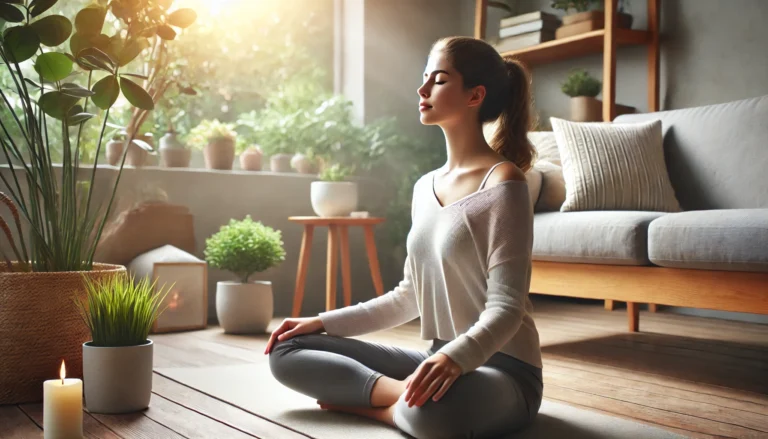
Method of Relaxation with Breathing: Powerful Stress Relief Tips

Sometimes the best way to slow down is simply to breathe.
In our fast-paced world, stress builds up quickly. But with the right approach, you can train your body and mind to calm down naturally. One of the most effective techniques is the method of relaxation with breathing.

Let’s dive into the science and simplicity behind it, and how you can make it a natural part of your wellness routine.


What is the Method of Relaxation with Breathing?

The method of relaxation with breathing refers to the conscious control of your breath to influence your emotional, mental, and physical state. By slowing and deepening your breath, you activate the parasympathetic nervous system also called the rest and digest mode. This reduces heart rate, lowers blood pressure, and calms your stress response.

Breath is one of the few automatic functions in the body that you can consciously control. That means it’s also one of the most powerful tools for self-regulation. Understanding how breath connects with movement and mindfulness is a core principle in yoga, which is explained in detail in a complete yoga guide for beginners.


Best BreatTop Breathing Techniques to Reduce Stresshing Techniques for Relaxation

1. Diaphragmatic (Belly) Breathing

This technique focuses on expanding the belly as you breathe in, helping you take deeper breaths and get more oxygen. Many people also practice structured breathwork for stress relief to calm the nervous system and improve emotional balance.

  • How to do it:
    Place one hand on your chest and one on your belly. Breathe in through your nose for 4 seconds, letting your belly rise. Exhale through your mouth slowly. Do 5–10 rounds.

2. Box Breathing (Used by Navy SEALs)

  • How to do it:
    Inhale 4 sec → Hold 4 sec → Exhale 4 sec → Hold 4 sec.
    Repeat for 2–4 minutes to feel grounded and calm.

3. 4-7-8 Breathing (Great for Sleep)

How to do it:
Inhale 4 sec → Hold 7 sec → Exhale 8 sec.
Repeat 4–6 times to reduce anxiety or fall asleep faster.


How to Make Breathing Part of Your Daily Routine

You don’t need 30-minute sessions. In just a few minutes per day, you can see massive benefits.

  • Morning: Start your day with 2 minutes of belly breathing before your coffee.
  • Midday: Use box breathing before calls or meetings.
  • Evening: Wind down with 4-7-8 breathing before bed, and pair it with gentle bedtime yoga poses to relax the body and prepare for deeper sleep.

Set a reminder or link it with an existing habit (like brushing teeth) to make it automatic.


Tools to Enhance Your Breathing Practice

Boost your practice with wellness tools that support calm:

  • TheraBox Subscription Box – Self-care items like candles, journals, oils
  • Mindful Breathing for Stress Relief – A practical book with guided routines
  • The Relaxation Response by Dr. Benson – The science behind how breathing calms the body
  • Diffusers with calming oils like lavender or eucalyptus during breathwork

These tools create an inviting space and encourage consistency.


Why This Works: Real Science, Real Results

Studies show that regular breathwork can:

  • Reduce cortisol levels
  • Improve heart rate variability (a sign of nervous system health)
  • Lower symptoms of depression and anxiety
  • Help you sleep better and feel more energized

Unlike supplements or medications, breathwork has no side effects just benefits.


Final Thoughts on the Method of Relaxation with Breathing

You already have the most powerful relaxation tool you just need to use it.
The method of relaxation with breathing is free, easy, and incredibly effective. Whether you’re feeling anxious, unfocused, or simply drained, just pause… and breathe. Studies show that deep breathing reduces cortisol and enhances parasympathetic activity

This simple habit can change the way you manage your stress, your emotions, and your life.


FAQ

1. What is the method of relaxation with breathing?

The method of relaxation with breathing refers to consciously controlling your breath to improve your mental, emotional, and physical state. By taking slower, deeper breaths, you activate the parasympathetic nervous system, often called the “rest and digest” mode. This helps lower your heart rate, reduce blood pressure, and calm your stress response. It’s a simple yet powerful tool that you can use anytime to manage stress and promote relaxation.

2. How does deep breathing reduce stress?

When you practice deep breathing, it helps shift your body from the sympathetic nervous system (the fight-or-flight mode) to the parasympathetic nervous system (rest and digest mode). This transition slows your heart rate, reduces the release of cortisol (the stress hormone), and helps your body relax. The deep breathing process calms both your mind and body, reducing the physical symptoms of stress like tense muscles, shallow breathing, and rapid heartbeat.

3. What are the best breathing techniques for relaxation?

Here are a few powerful breathing techniques to help reduce stress and promote relaxation:
Diaphragmatic (Belly) Breathing: Focus on expanding your belly as you breathe deeply. This technique allows you to take in more oxygen and helps to calm your mind.
Box Breathing: A technique often used by Navy SEALs, involving equal time for inhaling, holding, exhaling, and holding (4 seconds each).
4-7-8 Breathing: Inhale for 4 seconds, hold for 7 seconds, and exhale for 8 seconds. This is excellent for easing anxiety or preparing for sleep.

4. How can I incorporate relaxation breathing into my daily routine?

Making relaxation breathing a part of your daily routine doesn’t require long sessions just a few minutes can make a difference. Here are some simple ideas:
Morning: Start with 2 minutes of belly breathing before your coffee to set a calm tone for the day.
Midday: Use box breathing before meetings or calls to stay focused and relaxed.
Evening: Wind down with 4-7-8 breathing before bed to help you relax and sleep better. Try linking it to a regular habit like brushing your teeth to make it automatic.

5. What are the benefits of using relaxation breathing for stress relief?

Regular practice of relaxation breathing has been shown to provide multiple benefits, including:
Reduced cortisol levels (the stress hormone)
Improved heart rate variability, indicating a healthy nervous system
Better sleep quality and feeling more rested
Reduced symptoms of anxiety and depression
Unlike medications or supplements, breathwork has no negative side effects just positive benefits for your overall well-being.


Disclaimer:

This post may contain affiliate links. If you purchase through them, we may earn a small commission at no extra cost to you. Also, this content is for informational purposes only and does not substitute professional medical advice.

Breathwork for Stress Relief

In today’s fast-paced world, stress has become an almost inevitable part of life. While there are many ways to manage it, breathwork for stress relief stands out as one of the simplest and most effective. By practicing intentional breathing, you can access deep calm, enhance clarity, and reconnect with your inner peace naturally.


1. What is Breathwork for Stress Relief

Breathwork is the intentional practice of controlled breathing techniques to enhance physical, emotional, and mental well-being. If you’re exploring breathing techniques as part of a broader wellness routine, learning the fundamentals in a complete yoga guide can help you understand how breath, movement, and mindfulness work together. Rooted in ancient traditions like yoga, meditation, and Ayurveda, breathwork has been used for centuries to promote relaxation, improve focus, and balance the nervous system.

In today’s fast-paced world, breathwork is gaining popularity as a simple yet powerful tool for managing stress, boosting energy, and enhancing overall health. By practicing specific breathing patterns, you can activate the body’s natural relaxation response, helping to reduce anxiety, improve lung capacity, and increase mindfulness.

One of the greatest benefits of breathwork is its accessibility no special equipment or training is required. Whether you’re looking to calm your mind, increase oxygen flow, or improve your emotional state, incorporating breathwork into your daily routine can have lasting positive effects on your well-being.

References:

  • “Enhance your breathwork practice with a guided meditation app like Insight Timer, which offers free breathwork sessions.”

Supplement suggestions:

  • “Support relaxation with a calming herbal tea like Traditional Medicinals Organic Chamomile Tea.”

Recommended Course:

  • “Start your breathwork journey with the Breathwork for Beginners Course on Udemy.”

2. How Breathwork Reduces Stress: The Science Behind It

Breathwork is more than just deep breathing it’s a scientifically backed practice that helps regulate the nervous system and reduce stress effectively. By focusing on slow, controlled breathing, you activate the parasympathetic nervous system (PNS), which promotes the body’s natural “rest and digest” response.

The Science Behind Breathwork and Stress Reduction

  • Activates the Parasympathetic Nervous System – Slow, deep breathing sends signals to the brain that it’s safe to relax, reducing cortisol (the stress hormone) and promoting calmness.
  • Lowers Heart Rate and Blood Pressure – When you inhale deeply and exhale slowly, your heart rate decreases, and blood pressure stabilizes, helping to counteract the effects of chronic stress.
  • Reduces Muscle Tension – Controlled breathing releases physical tension stored in the body, easing headaches, tight shoulders, and overall fatigue.
  • Balances Oxygen and Carbon Dioxide Levels – Proper breathing optimizes oxygen flow to the brain, enhancing mental clarity and reducing feelings of panic or overwhelm.

If you’ve ever wondered how to calm your mind quickly and naturally, breathwork offers an effective, drug-free solution that you can practice anytime, anywhere. Meta‑analysis shows breathwork significantly reduces stress, anxiety, and depressive symptoms by enhancing parasympathetic activity and HRV
Scientific reviews highlight slow-paced breathing’s effects on cortisol reduction, heart rate stabilization, and brain calming.

References:

  • “Try the Breathwrk App for guided breathwork sessions tailored to stress relief and relaxation.”

Supplement suggestions:

  • “Promote relaxation with a magnesium supplement like Natural Vitality Calm.”

Recommended Course:

  • “Explore the Science of Breathwork Course on Mindbodygreen to understand the physiological benefits of breathwork.”

3. Simple Breathwork Techniques for Stress Relief

Breathwork is a powerful yet simple way to reduce stress, calm the mind, and restore balance. Many practitioners use breath control as a method of relaxation with breathing, allowing the nervous system to slow down and the body to return to a calm state. The best part? You can practice these techniques anytime, anywhere, with no special equipment needed. Whether you’re dealing with daily stress, anxiety, or simply want to feel more grounded, these breathing exercises can help.

Easy Breathwork Techniques to Try

  • Box Breathing – Also known as square breathing, this technique helps calm the nervous system and improve focus.
    How to do it: Inhale for 4 counts, hold for 4 counts, exhale for 4 counts, and hold for 4 counts. Repeat for 5-10 minutes for best results.

  • 4-7-8 Breathing – This technique slows the heart rate and activates the relaxation response, making it great for reducing anxiety and improving sleep.
    How to do it: Inhale for 4 counts, hold for 7 counts, and exhale slowly for 8 counts. Repeat for 4-8 cycles to feel its calming effects.

  • Alternate Nostril Breathing (Nadi Shodhana) – A traditional yogic practice that helps balance energy, clear the mind, and relieve stress.
    How to do it: Close your right nostril and inhale deeply through the left. Then, switch nostrils, closing the left and exhaling through the right. Repeat for 5-10 minutes for a sense of balance and relaxation.

By integrating these breathwork techniques into your daily routine, you can naturally lower stress, improve focus, and enhance overall well-being. Whether before bed, during work breaks, or in moments of anxiety, these simple exercises offer a quick and effective way to reset your mind and body.

References:

  • “Use a meditation cushion like the Zafu Meditation Cushion for comfortable breathwork practice.”

Supplement suggestions:

  • “Support relaxation with a stress-relief supplement like Olly Goodbye Stress Gummies.”

Recommended Course:

  • “Learn step-by-step techniques with the Breathwork for Stress Relief Course on Udemy.”

4. Benefits of Breathwork for Stress Relief & Beyond

Breathwork is more than just a stress-relief tool it’s a holistic practice that supports mental, emotional, and physical well-being. By incorporating controlled breathing techniques into your daily routine, you can experience a wide range of benefits that go beyond relaxation.

Key Benefits of Breathwork

  • Stress Reduction – Slow, intentional breathing helps calm the nervous system, lower cortisol levels, and ease anxiety, making it an excellent tool for stress management.
  • Improved Focus – Deep breathing increases oxygen flow to the brain, sharpening mental clarity, boosting concentration, and enhancing productivity.
  • Better Sleep – Practicing breathwork before bed activates the body’s relaxation response, and pairing it with gentle bedtime yoga poses can further calm the nervous system and improve sleep quality.
  • Emotional Release – Breathwork can help process and release trapped emotions, providing a natural way to manage grief, trauma, or suppressed feelings.
  • Increased Energy Levels – Oxygen-rich breathing techniques enhance circulation and boost vitality, helping to fight fatigue and restore balance.
  • Stronger Mind-Body Connection – Regular breathwork practice increases self-awareness and mindfulness, making it easier to stay present and in tune with your emotions.

Whether you’re looking to reduce stress, improve focus, or enhance emotional well-being, breathwork is a simple, natural, and effective practice that can be done anywhere. With consistent practice, it can transform the way you feel physically, mentally, and emotionally.

References:

  • “Create a calming space for breathwork with an essential oil diffuser like the URPOWER Essential Oil Diffuser.”

Supplement suggestions:

  • “Promote relaxation with a calming tea like Yogi Tea Stress Relief.”

Recommended Course:

  • “Explore the Breathwork for Emotional Wellness Course on Gaia to learn techniques for emotional release.”

5. Combining Breathwork with Other Wellness Practices

Breathwork is a powerful practice on its own, but when combined with other wellness techniques, it can amplify its benefits and create a deeper sense of balance and well-being. Whether you’re looking to enhance relaxation, improve focus, or promote emotional healing, integrating breathwork with complementary practices can take your wellness routine to the next level.

How to Combine Breathwork with Other Wellness Practices

  • Yoga – Synchronizing breath with movement in yoga deepens relaxation, improves flexibility, and enhances mindfulness. Try inhaling deeply in upward poses and exhaling fully in downward movements to create a flow of energy.
  • Meditation – Breathwork serves as a foundation for meditation, helping to quiet the mind and enhance focus. Practicing deep breathing before or during meditation improves concentration and fosters a sense of inner peace.
  • Aromatherapy – Using essential oils like lavender, eucalyptus, or frankincense during breathwork sessions can amplify relaxation, clear the mind, and promote deeper breathing. Try diffusing oils or applying a diluted blend to your pulse points before practicing.
  • Acupressure – Stimulating key acupressure points while practicing controlled breathing can help relieve tension, reduce anxiety, and enhance energy flow throughout the body.
  • Journaling – Combining breathwork with journaling can enhance self-reflection and emotional processing. Try a few minutes of deep breathing before writing to clear your mind and encourage deeper insights.

By integrating breathwork into your wellness routine, you can create a holistic approach to stress relief, mindfulness, and overall well-being. Whether you choose to pair it with yoga, meditation, or aromatherapy, this synergy can help you cultivate a more balanced and fulfilling lifestyle.

references:

  • “Try the Gaiam Yoga Mat for a comfortable surface to practice breathwork and yoga.”

Supplement suggestions:

  • “Support your energy levels with a plant-based protein powder like Garden of Life Sport Organic Plant-Based Protein.”

Recommended Course:

  • “Join the Holistic Wellness Practices Course on Mindbodygreen to learn how to integrate breathwork with other modalities.”

6. Real-Life Stories: How Breathwork Relieves Stress

Many people have discovered that breathwork is more than just a relaxation technique it’s a life-changing practice that helps manage stress, anxiety, and emotional overwhelm. By incorporating simple breathing exercises into their daily routines, individuals from all walks of life have experienced profound improvements in their mental and physical well-being.

Sarah’s Story: Overcoming Burnout with Breathwork

Sarah, a busy professional, found herself constantly overwhelmed by chronic stress and burnout. Long work hours, tight deadlines, and lack of work-life balance took a toll on her mental and physical health. She struggled with poor sleep, anxiety, and lack of focus, making it difficult to stay productive and present in her daily life.

Desperate for a natural solution, she attended a breathwork workshop, where she learned simple yet powerful techniques like Box Breathing and 4-7-8 Breathing. By practicing these techniques daily, Sarah noticed remarkable changes:

  • Reduced stress and anxiety – she felt calmer and more in control of her emotions.
  • Improved focus and energy – she could concentrate better at work without feeling drained.
  • Better sleep quality – her nights became more restful, allowing her to wake up refreshed.

Today, Sarah feels more balanced, resilient, and empowered to handle life’s challenges. Breathwork has become an essential part of her self-care routine, helping her navigate stress with greater ease and clarity.

Sarah’s story is just one example of how breathwork can transform lives. Whether you’re dealing with work-related stress, anxiety, or emotional exhaustion, this simple yet effective practice can help you regain control and improve your overall well-being.

References:

  • “Read inspiring stories in the book The Power of Breathwork by Jennifer Patterson).”

Supplement suggestions:

  • “Promote emotional resilience with a stress-relief supplement like Gaia Herbs Calm A.S.A.P.”

Recommended Course:

  • “Join the Breathwork Testimonials and Stories Webinar on the Breathwork Alliance to hear more success stories.”

Breathwork for Stress Relief: Final Thoughts

Breathwork is a simple yet powerful tool for stress relief and overall well-being. By incorporating intentional breathing techniques into your daily routine, you can calm your mind, reduce anxiety, and restore balance to your body. Whether you’re new to breathwork or looking to deepen your practice, this natural approach offers a path to peace and clarity in the midst of life’s challenges.


Call to Action:

“Ready to experience the transformative power of breathwork? Explore our top-rated apps, courses, and tools and start your journey to stress relief today!”


FAQ

1. Is breathwork safe for everyone?

Yes, breathwork is generally safe. However, if you have respiratory or cardiovascular conditions, consult a healthcare provider before starting.

2. How long does it take to feel the effects of breathwork?

Many people feel immediate relaxation, while others may notice gradual improvements with regular practice.

3. Can I practice breathwork on my own?

Absolutely! Breathwork is easy to practice independently, though guided sessions can be helpful for beginners.

4. How often should I practice breathwork?

Aim for 5-10 minutes daily, or whenever you feel stressed or overwhelmed.

5. Can breathwork help with anxiety?

Yes, breathwork is highly effective for reducing anxiety by calming the nervous system.


Disclaimer

This article is for informational purposes only and is not intended to replace professional medical advice, diagnosis, or treatment. Always consult with a healthcare provider before starting any new wellness practice, especially if you have pre-existing health conditions. Some links in this article are affiliate links, which means we may earn a small commission if you purchase through them at no extra cost to you. This helps support our work and allows us to continue providing valuable content. Thank you for your support!

Exit mobile version