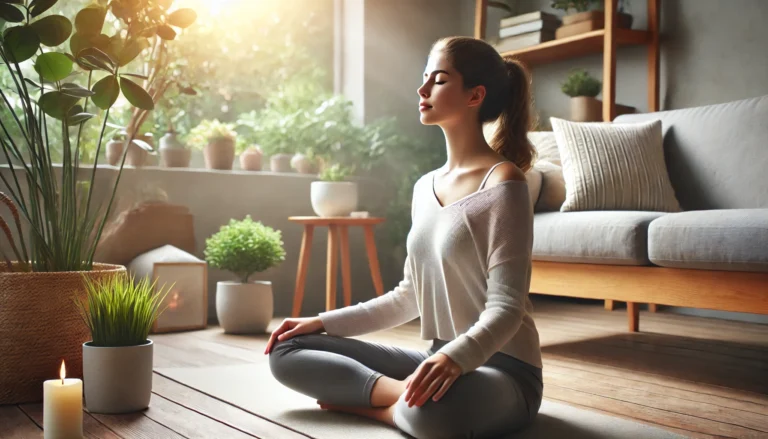
Yoga Guide for Beginners: 9 Essential Truths & Powerful Poses

Yoga is often misunderstood.

Some people think it is just stretching. Others believe it is a spiritual ritual. Many assume yoga is only for flexible people.

None of those assumptions explain what yoga actually is.

Yoga is a system. It is a discipline that combines body movement, breath control, and mental awareness into a structured practice designed to improve physical health and mental stability.

Millions of people around the world practice yoga every day because it solves problems that modern lifestyles create. Long sitting hours, poor posture, chronic stress, sleep problems, digestive issues, and lack of movement are common today. Yoga addresses many of these issues in a simple and accessible way.

If you are completely new to yoga, the number of styles, poses, and opinions can feel overwhelming. Some classes focus on strength. Others emphasize flexibility. Some teach breathing and meditation more than physical exercise.

This complete yoga guide for beginners explains how yoga works, why people practice it, and how you can start safely without confusion.

You will learn the essential principles behind yoga, common mistakes beginners make, the most useful poses, breathing techniques, and practical habits that help you build a sustainable yoga routine.


What Yoga Actually Means

The word “yoga” comes from the Sanskrit root “yuj”, which means to unite or join.

In practical terms, yoga refers to the union between:

• body
• breath
• mind

Traditional yoga philosophy views these three elements as deeply connected. When breathing is chaotic, the mind becomes restless. When the body is tense, concentration becomes difficult. Yoga aims to restore balance between them.

This is why yoga combines three core elements:

Movement (Asana)
These are the physical postures people usually associate with yoga. Different poses stretch muscles, strengthen the body, and improve joint mobility.

If you want to explore common foundational poses, studying the best yoga poses is usually the first step beginners take.

Breathing (Pranayama)
Breath control techniques regulate the nervous system and improve oxygen flow.

For example, many beginners start with breathwork for stress relief because slow breathing patterns calm the body quickly.

Mental Awareness (Meditation)
Yoga encourages focus and mindfulness during movement and breathing. Over time this improves emotional regulation and concentration.

Unlike typical workouts, yoga does not aim to exhaust the body. Instead, it aims to create controlled effort combined with awareness.


The History of Yoga

Yoga is not a modern fitness trend.

Its roots go back thousands of years in ancient India. Early references to yoga appear in ancient texts known as the Vedas and later in the Upanishads.

One of the most influential texts is the Yoga Sutras of Patanjali, written around 200 BCE. This text described yoga as an eight-step path designed to train both the body and the mind.

These eight limbs include:

  1. Ethical discipline
  2. Personal discipline
  3. Physical postures
  4. Breath control
  5. Sensory withdrawal
  6. Concentration
  7. Meditation
  8. Enlightenment

Modern yoga practice mainly focuses on the physical and breathing components, but the deeper philosophical roots still influence many traditions today.

Yoga gradually spread worldwide during the 20th century. Teachers introduced yoga in Europe and the United States, where it evolved into many different styles. Today yoga classes exist in gyms, studios, hospitals, schools, and even workplaces.

Global recognition became so significant that international yoga day is now celebrated every year on June 21 to promote awareness of the practice worldwide.


Why Yoga Became Popular Worldwide

Several factors explain why yoga gained global popularity.

Modern Lifestyle Problems

Many people spend most of their day sitting in front of computers or smartphones. This leads to stiff muscles, weak posture, and reduced mobility.

Yoga helps counter these problems by encouraging gentle movement and stretching.

Stress and Mental Health

Chronic stress is one of the biggest health challenges today. High stress levels affect sleep, digestion, mood, and concentration.

Practices like controlled breathing and meditation provide powerful tools for managing stress.

Many beginners start with techniques such as the method of relaxation with breathing, which focuses on slow rhythmic breathing patterns to calm the nervous system.

Accessibility

Yoga does not require expensive equipment. Most people only need a mat and a small open space.

Because yoga can be adapted for different ages and physical abilities, it is accessible to beginners, seniors, and even people recovering from injuries.

For example, people with limited mobility often start with chair yoga for seniors, which modifies traditional poses to be performed safely while seated.


The Core Benefits of Yoga

Yoga offers both physical and mental benefits when practiced consistently.

Improved Flexibility

Flexibility is one of the most noticeable changes beginners experience. Many poses gently stretch muscles and connective tissues that become tight from long hours of sitting.

Poses such as the butterfly yoga pose help open the hips and inner thighs, which are commonly tight in people who sit for long periods.

Stronger Muscles

Although yoga is often associated with flexibility, many poses also build strength. Holding poses requires muscle engagement and stability.

For example, the boat pose in yoga strengthens the core muscles, which support the spine and improve posture.

Better Posture

Poor posture contributes to neck pain, back pain, and headaches. Yoga strengthens postural muscles and increases awareness of body alignment.

Improved Digestion

Gentle twisting poses stimulate digestive organs and encourage healthy gut function.

Practices designed specifically for digestive health often appear in routines like yoga for digestion, which focuses on poses that massage abdominal organs.

Hormonal Balance

Certain poses and relaxation techniques may support hormonal balance. Many women practice specific sequences such as yoga for period cramps to reduce discomfort and tension during menstruation.

Weight Management

Yoga can also support weight management when practiced consistently alongside healthy nutrition.

Dynamic styles such as power yoga for beginners increase heart rate and burn more calories than slower yoga sessions.

Beginners interested in fitness goals often explore routines focused on yoga for weight loss, which combine strength building poses with continuous movement.

Mental Calmness

Yoga’s breathing and mindfulness elements help regulate the nervous system.

Slow breathing activates the parasympathetic nervous system, which helps the body relax and recover.

This is why breathing practices such as breathwork for stress relief are often included in yoga routines designed for mental health.


Beginner Mistakes That Slow Progress

Many people quit yoga within the first few weeks. Not because yoga is ineffective, but because beginners approach it with unrealistic expectations or incorrect habits.

Understanding these mistakes early can save months of frustration.

Trying Advanced Poses Too Soon

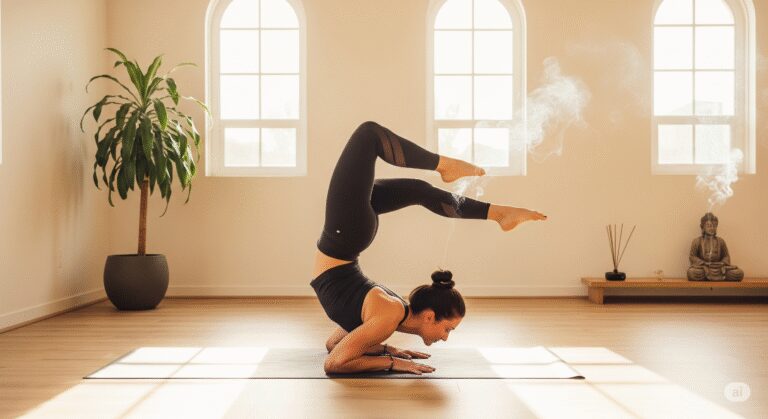
Social media often shows complex poses that require years of practice. Beginners sometimes try to copy these positions immediately, which leads to strain or injury.

Yoga should progress gradually. Simple foundational poses build the strength and flexibility needed for more advanced movements.

Before attempting complex sequences, beginners should first understand the fundamentals covered in best yoga poses that emphasize proper alignment and body awareness.

Ignoring Breathing

Breathing is not a side element in yoga. It is central to the practice.

Many beginners focus only on movement and forget to coordinate breath with posture changes. This reduces the calming effect yoga is supposed to create.

Learning basic breathing techniques such as the method of relaxation with breathing helps develop control over breath rhythm during movement.

Treating Yoga Like a Competition

Yoga is not about pushing harder than others or achieving perfect poses quickly. The goal is steady progress and body awareness.

When people force their body beyond its limits, muscles tighten instead of relaxing.

Yoga requires patience and consistency rather than intensity.

Practicing Without Discipline

Consistency matters more than intensity. Practicing for ten minutes every day produces better results than one long session once a week.

Developing yoga and discipline is what turns yoga from a temporary activity into a long term habit that improves health.


Understanding Different Types of Yoga

Yoga has evolved into many different styles. Each style emphasizes different aspects of the practice.

Knowing these differences helps beginners choose a style that matches their goals.

Hatha Yoga

Hatha yoga is one of the most beginner friendly styles. It focuses on slow movements and basic poses with attention to breathing.

Most introductory classes fall under this category.

Power Yoga

Power yoga is more dynamic and physically demanding than traditional yoga styles. Movements flow continuously and require more strength and endurance.

Beginners interested in more active workouts often explore power yoga for beginners, which adapts the intensity for people who are just starting.

Bikram Yoga

Bikram yoga is practiced in heated rooms and follows a specific sequence of 26 poses.

The heat increases sweating and muscle flexibility, but it can also be physically demanding.

Many beginners learn the fundamentals of this style through guides explaining bikram yoga poses and their sequence.

Acro Yoga

Acro yoga combines yoga with partner acrobatics. It involves balance, trust, and coordination between two people.

Although advanced variations exist, beginners can start with simple acro yoga poses that introduce partner balance safely.

Partner Yoga

Yoga does not always need to be a solo practice. Some poses are designed for two people working together.

These routines improve communication, coordination, and balance. Beginners often experiment with yoga poses for 2 people because they add a playful dimension to practice.


Foundational Yoga Poses Every Beginner Should Learn

Yoga poses, known as “asanas,” form the physical component of yoga practice. Learning foundational poses builds strength, flexibility, and balance.

Below are several beginner friendly poses that appear in many yoga routines.

Butterfly Pose

The butterfly yoga pose is commonly used to stretch the hips and inner thighs.

It is especially helpful for people who spend long hours sitting, as it loosens tight hip joints and improves lower body mobility.

This pose is often used during warm ups or cooling sequences.

Eagle Pose

Balance poses improve coordination and concentration.

The eagle pose yoga strengthens the legs while stretching the shoulders and upper back. It also challenges balance, forcing practitioners to focus fully on body alignment.

Boat Pose

Core strength plays an important role in maintaining good posture.

The boat pose in yoga activates abdominal muscles and strengthens the spine stabilizers. Beginners may find this pose challenging at first, but consistent practice improves core endurance.

Bedtime Yoga Poses

Yoga is not only for daytime workouts. Many people use yoga as part of their evening routine to improve sleep.

Sequences of gentle stretches known as bedtime yoga poses relax the body and slow the mind before sleep.

These poses usually involve forward folds, gentle twists, and deep breathing.

Detox Yoga Flows

Certain yoga sequences focus on stimulating internal organs and circulation.

Practices such as detox yoga poses cleansing flows combine twisting poses and controlled breathing to encourage circulation and digestive movement.

Although the term detox is often misunderstood, these routines mainly support the body’s natural cleansing processes through movement and breathing.


Yoga for Health and Wellness

Yoga is often used as a supportive practice for improving overall wellness.

Although yoga should not replace medical treatment, many people use it to manage common health concerns.

Digestive Health

Gentle twisting poses stimulate digestive organs and encourage better gut movement.

Specialized routines like yoga for digestion include poses that compress and release abdominal muscles, which can help relieve bloating and sluggish digestion.

Menstrual Comfort

Certain stretches help reduce tension in the lower abdomen and back.

Many women practice sequences such as yoga for period cramps, which focus on relaxing hip and pelvic muscles during menstruation.

Stress Management

Breathing techniques are especially powerful for calming the nervous system.

Many beginners learn simple exercises in breathwork for stress relief to reduce anxiety and improve focus.

Regular breathing practice trains the body to shift from stress response to relaxation response more efficiently.


Yoga Is Not Always Serious

Many beginners imagine yoga as a quiet room where everyone sits silently and moves slowly. While that image exists, yoga culture is far more diverse than most people realize.

Over the years, yoga has developed playful, creative, and sometimes unusual variations. These variations help remove the intimidation beginners often feel when starting a new practice.

Yoga does not have to feel rigid or overly spiritual. In many communities, humor and experimentation are part of the learning process.

For example, social media often highlights funny yoga poses that exaggerate body positions or show people losing balance during practice. While these moments are humorous, they also remind beginners that mistakes are normal.

Even experienced practitioners occasionally wobble, fall, or struggle with balance. Progress in yoga is rarely perfect.

Another topic that surprises beginners is the reality of the yoga fart phenomenon. Certain twisting or compression poses can release trapped air in the digestive system. This is a completely normal biological response, although it can feel embarrassing in group classes.

Experienced instructors usually treat it lightly because digestive movement is actually a sign that the body is relaxing and releasing tension.

Understanding these realities helps beginners approach yoga with less pressure and more patience.


Yoga as a Lifestyle

Yoga eventually becomes more than a physical exercise routine. Many people discover that it influences daily habits, mindset, and personal discipline.

Yoga philosophy encourages awareness in everyday actions such as eating, sleeping, breathing, and interacting with others.

For this reason, yoga practitioners often talk about yoga as a lifestyle rather than just a workout.

Clothing and Comfort

Comfortable clothing makes a significant difference in yoga practice.

Tight clothing can restrict breathing or movement, while overly loose clothing may interfere with poses.

Beginners often ask what they should wear during practice. A detailed guide on what to wear to yoga usually recommends breathable fabrics that allow free movement while maintaining modest coverage during stretches and inversions.

Different yoga styles may require different clothing considerations.

For example, heated yoga classes create intense sweating, so understanding what to wear to hot yoga becomes important. Moisture wicking fabrics and lightweight clothing help maintain comfort in heated environments.

Essential Yoga Gear

One of the advantages of yoga is that it requires very little equipment. However, a few simple items can improve the experience.

Common yoga essentials include:

• a non slip yoga mat
• a reusable water bottle
• a towel for sweat
• yoga blocks or straps for support

Many practitioners keep these items ready in a small kit often described as yoga in a bag essentials, which makes it easier to maintain a consistent routine whether practicing at home, outdoors, or in a studio.


Yoga for Different Age Groups

One reason yoga continues growing worldwide is its adaptability. Unlike many intense workout programs, yoga can be modified for different ages and physical conditions.

Yoga for Seniors

Older adults often struggle with joint stiffness, reduced balance, and limited mobility. Traditional yoga poses may feel difficult or unsafe for beginners in this age group.

To address this, instructors developed modified routines like chair yoga for seniors. These sessions allow participants to perform stretching and breathing exercises while seated or using a chair for balance support.

Chair based yoga provides many of the same benefits as traditional yoga while reducing the risk of falls.

Yoga for Families and Partners

Yoga can also become a shared activity between friends, couples, or family members.

Partner routines encourage cooperation and communication. Some poses require one person to support another, creating balance and trust between partners.

Beginners often explore yoga poses for 2 people because these routines feel more interactive and engaging than solo practice.

Partner yoga is also common in wellness retreats and recreational workshops.


Breathing and Relaxation Techniques

Breathing is one of the most powerful yet overlooked components of yoga.

Many beginners initially focus on the physical movements of yoga poses, but experienced practitioners know that breath control determines the overall effect of the practice.

Slow breathing activates the parasympathetic nervous system, which reduces heart rate and lowers stress hormones.

This is why breathing techniques such as breathwork for stress relief are widely used to calm anxiety and improve emotional stability.

Relaxation Through Breath

Certain breathing exercises emphasize long, steady inhalations and exhalations that relax the body.

Practices like the method of relaxation with breathing train the mind to remain calm even when the body experiences tension or discomfort.

These techniques are especially useful before sleep, during stressful workdays, or after intense physical activity.

Over time, breath awareness becomes automatic. Practitioners begin to notice how breathing patterns change with emotions, fatigue, and concentration.

Learning to control these patterns can significantly improve mental resilience.


Controversies and Cultural Questions Around Yoga

Because yoga originated in ancient India and later spread globally, it has sometimes been misunderstood or debated in different cultural contexts.

Some discussions focus on whether yoga is purely a physical practice or a spiritual tradition.

Religious Questions

In some communities, people ask whether yoga conflicts with their religious beliefs.

This question is often explored in discussions about is yoga a sin religious views, where different perspectives examine whether yoga should be treated as exercise, meditation, or spiritual practice.

Many modern instructors present yoga primarily as a wellness practice focused on movement and breathing rather than religious rituals.

Kundalini Yoga Debate

Another topic that occasionally generates debate is the intensity of certain advanced yoga systems.

For example, some discussions examine why is kundalini yoga dangerous in situations where practitioners attempt powerful breathing or meditation techniques without proper guidance.

Kundalini yoga traditionally involves advanced breathing patterns and long meditation sessions designed to influence energy flow within the body.

While many practitioners report positive experiences, beginners should approach advanced practices carefully and ideally under experienced instruction.


Yoga Culture in the Modern World

Yoga today exists in many different environments.

Some people practice yoga in quiet studios with traditional instruction. Others follow online classes, mobile apps, or short guided sessions on social media.

Even large public events celebrate yoga globally.

Every year millions of people participate in events related to international yoga day, which encourages global awareness of yoga’s physical and mental health benefits.

This widespread participation reflects how yoga has evolved from an ancient practice into a global wellness movement.

Despite these changes, the core purpose of yoga remains the same. It is a system designed to bring balance to the body and mind through movement, breathing, and awareness.


How to Build a Simple Daily Yoga Routine

Many beginners believe they need long sessions or complex sequences to benefit from yoga. In reality, consistency matters far more than session length.

A short, structured daily routine can produce noticeable improvements in flexibility, strength, and mental clarity within a few weeks.

The goal is to create a routine that is simple enough to maintain every day.

Step 1: Start With Gentle Warm Up

Before moving into deeper stretches or balance poses, the body needs preparation.

A warm up usually includes light movements that gradually increase circulation and loosen stiff muscles. Neck rolls, shoulder rotations, and gentle spinal twists prepare the body for more demanding positions.

Beginners who skip this step often experience unnecessary muscle strain.

Step 2: Practice Foundational Poses

The core of your session should focus on fundamental poses that develop balance, strength, and flexibility.

Many beginner programs begin with movements described in guides about best yoga poses, since these postures build the foundation required for more advanced yoga practice.

At this stage, focus on correct alignment rather than depth of stretch. Small improvements in posture can significantly reduce the risk of injury.

Step 3: Include Breathing Exercises

Breathing exercises should not be treated as optional.

Controlled breathing regulates heart rate and helps the body transition into a calm, focused state. Even two or three minutes of breathing exercises can improve the effectiveness of a yoga session.

Many beginners use techniques found in breathwork for stress relief because they are simple and produce noticeable relaxation quickly.

Step 4: End With Relaxation

Every yoga session should end with a brief relaxation period.

This phase allows the body to absorb the benefits of stretching and breathing. Many practitioners lie quietly in a resting position while focusing on slow breathing.

Some people also incorporate the method of relaxation with breathing during this stage to deepen mental calmness.


A Simple Weekly Yoga Plan for Beginners

A structured weekly plan helps beginners develop consistency without overwhelming their schedule.

Below is an example of how someone might structure their first week of yoga practice.

Day 1: Foundation

Focus on learning posture and breathing basics. Practice simple stretches and balance poses while paying attention to alignment.

Day 2: Flexibility

Introduce hip opening and lower body stretches such as the butterfly yoga pose, which helps release tension from long periods of sitting.

Day 3: Core Strength

Incorporate strengthening poses like the boat pose in yoga to activate abdominal muscles and improve spinal support.

Day 4: Balance and Stability

Practice balance oriented poses such as the eagle pose yoga, which improves coordination and focus.

Day 5: Digestive Support

Use gentle twisting poses often included in routines like yoga for digestion to stimulate abdominal circulation.

Day 6: Recovery and Relaxation

Choose calming movements such as sequences from bedtime yoga poses that help relax the body and prepare for restful sleep.

Day 7: Active Flow

Combine several poses into a continuous sequence. Beginners interested in more dynamic movement may explore introductory routines like power yoga for beginners.

This type of weekly structure provides variety while reinforcing foundational skills.


Safety Guidelines for Beginners

Yoga is generally safe when practiced carefully, but certain precautions help prevent injuries.

Avoid Forcing Flexibility

Flexibility develops gradually. Pushing too far into a stretch can strain muscles or ligaments.

Yoga should create mild tension but never sharp pain.

Maintain Steady Breathing

Holding your breath during poses increases physical tension and reduces oxygen flow.

Steady breathing maintains relaxation and prevents dizziness.

Modify When Necessary

Every body is different. Beginners should feel comfortable modifying poses when necessary.

For example, older adults or individuals with mobility limitations often benefit from approaches such as chair yoga for seniors, which provide similar benefits with greater stability.

Listen to Your Body

Fatigue, discomfort, or pain are signals that the body needs rest.

Ignoring these signals can turn a beneficial practice into a harmful one.


Long Term Benefits of Consistent Yoga Practice

People who maintain a consistent yoga routine often experience improvements that extend beyond physical fitness.

Improved Mental Clarity

Regular breathing exercises and mindful movement improve concentration and emotional regulation.

Many practitioners report feeling calmer and more focused throughout the day.

Better Sleep

Evening sessions that include slow stretching and breathing can improve sleep quality.

Sequences based on bedtime yoga poses are especially helpful for people who struggle with restlessness before sleep.

Stronger Mind Body Connection

Yoga trains practitioners to observe subtle signals from their body. Over time, this awareness improves posture, movement patterns, and stress management.

Sustainable Fitness

Unlike extreme workout programs, yoga is designed for long term sustainability. Many people continue practicing yoga for decades because it adapts to changing physical abilities.


Final Thoughts: Yoga Guide for Beginners

Yoga remains one of the most adaptable and accessible wellness practices in the world.

Its combination of physical movement, controlled breathing, and mental awareness creates benefits that extend far beyond simple exercise.

Beginners often start yoga seeking improved flexibility or stress relief. Over time they discover that yoga influences many aspects of daily life including posture, discipline, sleep quality, and emotional balance.

The key to success is consistency.

Short sessions practiced regularly produce far greater results than occasional intense workouts.

Start slowly, focus on foundational movements, and gradually explore different styles and routines. As your confidence grows, yoga becomes less about performing poses and more about maintaining balance between body and mind.


Frequently Asked Questions

1. How often should beginners practice yoga?

Most beginners benefit from practicing three to five times per week. Even short sessions of fifteen minutes can provide noticeable improvements when practiced consistently.

2. Can yoga help with weight loss?

Yoga can support weight management by improving metabolism, reducing stress eating, and increasing physical activity. Dynamic routines such as yoga for weight loss combine movement and strength building poses.

3. Do I need to be flexible to start yoga?

No. Flexibility develops through practice. Many beginners start yoga because they want to improve stiffness and mobility.

4. Is yoga only for young people?

No. Yoga can be adapted for almost any age group. Modified routines such as chair yoga for seniors allow older adults to practice safely.

5. Can yoga improve digestion?

Gentle twisting and stretching movements stimulate digestive organs. Programs focused on yoga for digestion often help relieve bloating and discomfort.

6. Is yoga connected to religion?

Yoga originated in ancient spiritual traditions, but modern yoga is often practiced as a health and wellness activity. Discussions about is yoga a sin religious views show that perspectives vary depending on cultural and religious beliefs.


Disclaimer:

This post may contain affiliate links. If you purchase through them, we may earn a small commission at no extra cost to you. Also, this content is for informational purposes only and does not substitute professional medical advice.

International Yoga Day: 9 Inspiring Ways to Celebrate Mindfully

Every June 21st, as the sun reaches its longest day in the Northern Hemisphere, millions around the globe unroll their mats, take a deep breath, and unite in a shared rhythm of stillness and movement. It’s not just another date on the calendar it’s International Yoga Day, a celebration of mindfulness, strength, and the timeless practice that connects us across cultures.

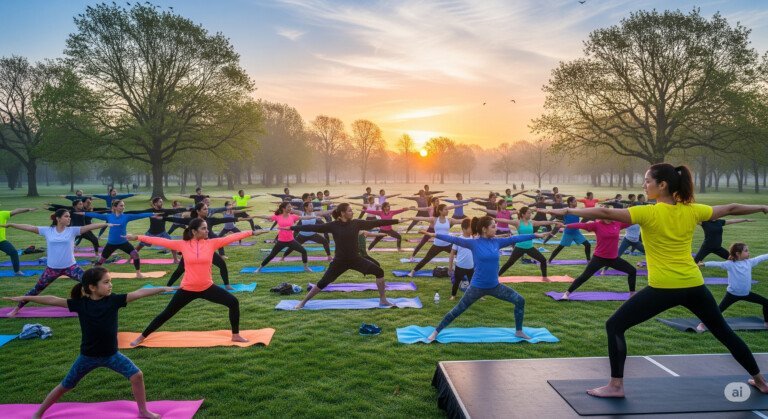
I still remember my first International Yoga Day. It wasn’t in an ashram or on some exotic retreat it was right in my local park. The grass was damp from morning dew, the air alive with chatter and birdsong, and dozens of strangers had gathered with their mats. As we moved together through sun salutations, I realized I wasn’t just stretching or exercising. I was part of something bigger a yoga community that transcended age, background, or experience level.

For many of us, life moves so fast that we rarely stop to breathe, to connect, to just “be.” That’s why this yoga holiday is more than symbolic. It’s a reminder: we’re stronger, calmer, and kinder when we take time for mindful movement and collective awareness.

In this post, we’ll explore the story of International Yoga Day, why it matters, and 9 inspiring ways you can celebrate it mindfully this year whether you’re a long-time practitioner or just starting your journey.


The History of International Yoga Day

International Yoga Day didn’t emerge by accident it’s a modern recognition of an ancient practice that’s been transforming lives for thousands of years.

In December 2014, the United Nations officially declared June 21st as International Day of Yoga, following a proposal by India’s Prime Minister, Narendra Modi. He described yoga as “an invaluable gift of India’s ancient tradition” and highlighted its role in promoting harmony between body and mind, man and nature.

Why June 21st?

June 21st is the summer solstice the longest day of the year in the Northern Hemisphere. Symbolically, it represents light, vitality, and energy. Ancient yogic traditions often link solstices to spiritual significance, making it the perfect date for a global yoga awareness celebration.

Global Adoption

The first official International Yoga Day was celebrated in 2015, with massive gatherings across the world:

  • Over 35,000 people in Delhi, India, practiced together on Rajpath.
  • Cities like New York, Paris, and Beijing hosted yoga flash mobs.
  • Local studios, parks, and even schools joined in, bringing yoga to new audiences.

💡 Personal Reflection: I was amazed watching the coverage that year seeing school kids in Japan, elders in Europe, and entire families in the US all moving in unison. It was proof that yoga isn’t confined to one culture it belongs to humanity.


Why International Yoga Day Matters

For some, yoga may look like just another workout trend. If you’re new to the practice and want to understand its foundations, exploring a complete yoga guide can help you learn the basics of breathing, movement, and mindfulness. But the essence of this yoga holiday runs deeper. It’s about unity, peace, and awareness values that feel more urgent than ever in today’s world.

1. A Global Reminder of Wellness

In an era where stress, anxiety, and chronic illness affect millions, yoga offers a path to physical health, emotional balance, and inner calm. Celebrating it globally reminds us to prioritize well-being.

2. Breaking Barriers

Yoga connects people across race, religion, gender, and age. On International Yoga Day, CEOs might roll out mats beside college students, and grandparents stretch alongside children. It levels us all.

3. Renewed Awareness

Events, workshops, and public sessions on this day create yoga awareness, introducing newcomers to its benefits. Many people attend a free session on June 21st and discover a lifelong practice.

4. Collective Energy

There’s something powerful about practicing in a group. Sharing breath and movement with thousands or even just a dozen creates a sense of belonging and collective strength.

Tip: If you’re celebrating at home, a comfortable eco-friendly yoga mat makes all the difference. Mine has been my best investment it cushions my knees and doesn’t slip, even in long flows.


The Deeper Meaning Behind the Day

It’s easy to think of yoga as just stretching or poses, but International Yoga Day is about much more. At its heart, the practice teaches yoga and discipline, encouraging consistency, mindfulness, and a deeper connection between body and mind.

  • Mindfulness: Learning to be present in each breath.
  • Discipline: Showing up for yourself consistently.
  • Compassion: Extending kindness to yourself and others.
  • Community: Realizing you’re part of a greater whole.

I once heard a teacher describe yoga as “a practice of remembering.” Remembering who you are, what matters, and how connected you are to everything around you. That, to me, is what International Yoga Day is truly about.


9 Inspiring Ways to Celebrate International Yoga Day Mindfully

International Yoga Day isn’t about doing the most complicated poses or posting the “perfect” yoga picture on social media. At its core, it’s about celebrating yoga awareness finding ways to connect with yourself, your breath, and the community around you. Here are nine deeply meaningful ideas you can try this June 21st.

1. Begin the Day with a Sunrise Flow

There’s something deeply moving about practicing yoga as the sun rises. The early morning is quiet birds are singing softly, the air feels fresh, and the world hasn’t yet rushed into its daily chaos. On June yoga mornings, especially on International Yoga Day, sunrise feels symbolic: a new beginning, a reminder that each day offers fresh energy.

Steps to Try:

  1. Set your alarm 30 minutes earlier than usual.
  2. Unroll your mat by a window, balcony, or backyard anywhere you can see the sky change colors.
  3. Start with gentle stretches like Cat-Cow to awaken the spine.
  4. Flow into Sun Salutations (Surya Namaskar) even 4–6 rounds can generate warmth and clarity.
  5. Close your eyes in Mountain Pose, feeling the sunlight on your skin.

💡 Personal Story: Last year, I joined a sunrise yoga session in the park. We were only about 15 people, but the shared silence as the first rays hit our faces was unforgettable. I wasn’t just “doing yoga”; I was part of something much bigger a collective moment of gratitude for the day ahead.


2. Join a Community Yoga Event

International Yoga Day is also about yoga community. Across the U.S., local parks, yoga studios, and wellness groups often organize free or donation-based classes. Some events attract hundreds of participants, mats lined up as far as the eye can see.

Why Join?

  • The energy is contagious breathing in unison with dozens of others is uplifting.
  • You feel supported, even if you’re a beginner.
  • It creates a sense of belonging, especially if you usually practice alone.

Tips for Attending:

  • Wear light, breathable clothing (June heat can sneak up on you).
  • Bring a foldable travel yoga mat easy to carry and clean after grass or sand practice.
  • Arrive early; popular events fill up quickly.

💡 Real Example: In Chicago, Millennium Park hosts a mass yoga event each June. Seeing hundreds of people moving through Warrior poses in front of the skyline is goosebump-worthy.


3. Practice Yoga Nidra for Deep Rest

Not every celebration has to be active. Sometimes, the best way to honor International Yoga Day is by slowing down. Yoga Nidra also known as yogic sleep is a guided meditation where you lie down, close your eyes, and follow verbal cues to drift into deep relaxation.

Benefits of Yoga Nidra:

  • Calms the nervous system (great for stress relief).
  • Improves sleep quality, making it a natural sleep aid yoga technique.
  • Works for all ages and physical abilities perfect for seniors or those who can’t do intense flows.

How to Practice:

  • Find a quiet, dimly lit space.
  • Lie in Savasana (Corpse Pose) with a blanket over you.
  • Use a Yoga Nidra recording or app for a 20–40 minute session.

💡 Personal Note: The first time I tried Yoga Nidra on International Yoga Day, I was skeptical could lying still really be “yoga”? But when I woke up, I felt as though I had taken the deepest nap of my life. It’s now a yearly ritual.


4. Explore Yoga Philosophy Beyond the Mat

Yoga in the U.S. is often seen as purely physical, but at its root, it’s a way of life. International Yoga Day is the perfect moment to dive deeper into yoga philosophy.

Ideas to Explore:

  • Read The Yoga Sutras of Patanjali short, practical wisdom about the mind and inner peace.
  • Journal about the yamas and niyamas (yoga’s ethical principles) and how they might fit into daily modern life.
  • Watch an online talk about yoga history to understand its rich traditions.

Suggestion: If you enjoy guided reflection, try a yoga philosophy journal that combines prompts with ancient wisdom.

Emotional Trigger: Many people discover yoga through exercise but stay because of the mental clarity and emotional strength it builds. International Yoga Day is a chance to honor that side of yoga too.


5. Host a Family Yoga Session

Yoga becomes even more special when shared. You don’t need to be a teacher just gather your family, roll out some mats, and lead simple, playful stretches.

Why Family Yoga Works:

  • Encourages kids to see movement as fun, not a chore.
  • Helps seniors or grandparents feel included in a gentle way.
  • Creates shared memories (and plenty of laughter).

💡 Personal Story: Last year, my niece insisted on inventing a “Giraffe Pose.” It looked more like us reaching awkwardly toward the ceiling while giggling uncontrollably but that joy was the whole point.

Tip: If you have elderly parents, seated poses or chair yoga for seniors make the practice safe and enjoyable.


6. Try Seva (Selfless Service)

Yoga isn’t only about self-care it’s about caring for others. In Sanskrit, Seva means selfless service, and what better day to practice it than a global yoga holiday?

Ways to Practice Seva on International Yoga Day:

  • Volunteer at a local food bank or shelter.
  • Offer to lead a free gentle yoga class for seniors in your neighborhood.
  • Donate old mats or blocks to a community center.
  • Support a friend by simply listening with presence and compassion.

💡 Reflection: The last time I volunteered to guide a short chair yoga class at a senior home, I realized yoga’s real gift: it isn’t about perfect alignment; it’s about connection. The smiles from the participants stayed with me for days.


7. Create a Yoga & Journaling Ritual

Pairing movement with reflection deepens the practice. After your yoga session, take 10–15 minutes to write in a journal.

Journal Prompts for International Yoga Day:

  • “What part of my yoga practice brings me the most peace?”
  • “How can I carry mindfulness into the rest of my daily routine?”
  • “What does community mean to me in the context of yoga?”

Tip: A simple guided wellness journal with prompts makes writing less intimidating and more intentional.

Sensory Layer: Imagine sitting cross-legged after your practice, sipping herbal tea, pen gliding across paper as the scent of lavender candles fills the air. That’s mindfulness in action.


8. Celebrate with Food that Nourishes

On International Yoga Day, let food become part of the mindfulness ritual. This isn’t about dieting it’s about noticing flavors, textures, and the way food makes you feel.

Mindful Meal Ideas:

  • A Buddha Bowl with quinoa, roasted vegetables, chickpeas, and tahini dressing.
  • A green smoothie with spinach, pineapple, and almond milk for refreshing energy.
  • Herbal teas like peppermint or chamomile to wind down.

💡 Personal Memory: A few years ago, I hosted a “Yoga Potluck.” Everyone brought a vegetarian dish, and we ate together on blankets in the backyard. The laughter, clinking of plates, and smell of spices made it unforgettable.


9. End the Day with Gratitude Meditation

Finally, close the day as intentionally as you began it. A gratitude meditation transforms your practice into a lived experience.

How to Practice:

  1. Sit comfortably or lie down.
  2. Take three deep breaths, releasing tension.
  3. Think of three things you’re grateful for today big or small.
  4. Send kind thoughts to yourself, your loved ones, and even strangers.

💡 Emotional Note: I often do this with a candle lit beside me. The flame becomes a symbol of presence reminding me that no matter what the day brought, gratitude is always possible.


Conclusion: A Celebration That Lasts Beyond One Day

International Yoga Day is more than just a date on the calendar it’s a reminder that yoga awareness is a lifelong journey. Whether you spent June 21st flowing with a crowd in a city park, meditating quietly at home, or sharing playful stretches with family, each moment of presence matters.

What makes this day beautiful is its collective energy. On the same day, millions of people around the globe pause to breathe, stretch, and reflect. You don’t have to be flexible, experienced, or “fit” in the Instagram sense. If you’re just beginning your journey, exploring the best yoga poses for beginners can help you build confidence and develop a balanced practice. Yoga meets you where you are.

Here’s the takeaway: Yoga is not just movement. It’s mindfulness, compassion, and connection. International Yoga Day simply gives us the chance to celebrate those truths in a more intentional, mindful way.

So the real celebration begins when you carry that awareness into June yoga mornings, July afternoons, and every season that follows. Need to know more about best yoga poses!


FAQ

1. Why is International Yoga Day celebrated on June 21st?

International Yoga Day falls on June 21st because it’s the summer solstice the longest day of the year in the Northern Hemisphere. Symbolically, it represents light, energy, and new beginnings, aligning perfectly with yoga’s philosophy of balance and renewal.

2. Do I need experience to join a community yoga event?

Not at all! Most community yoga events are beginner-friendly and designed to welcome everyone. Teachers often provide modifications, so you can take it at your own pace. It’s about connection, not perfection.

3. What if I can’t do traditional yoga poses?

That’s okay! Yoga is adaptable. You can try gentle yoga or chair yoga for seniors [Internal Link Placeholder], which focus on accessible, seated poses. Even breathwork and meditation count as celebrating International Yoga Day.

4. How can I celebrate International Yoga Day if I’m really busy?

Even if you have just 5–10 minutes, you can still join in. Try a short guided meditation, a couple of deep stretches, or a mindful gratitude practice before bed. Small, consistent steps matter more than one big event.

5. Is yoga considered exercise or spirituality?

Both and more. Yoga is often seen as fitness yoga in the West, but its roots combine physical postures, breathing, mindfulness, and philosophy. On International Yoga Day, you can choose the side that resonates most: movement for strength, meditation for peace, or philosophy for growth.


Disclaimer:

This post may contain affiliate links. If you purchase through them, we may earn a small commission at no extra cost to you. Also, this content is for informational purposes only and does not substitute professional medical advice.

Yoga and Discipline: 6 Essential Facts You Need to Know

Yoga and discipline are deeply interconnected, creating a practice that strengthens both the body and mind. While many see yoga as just poses, it’s the discipline that helps you unlock its full potential. In this post, we’ll explore 10 essential facts about how yoga and discipline work together to elevate your practice.


1. Yoga Is More Than Poses

When most people think of yoga, they imagine a series of graceful, yet challenging poses Warrior, Downward Dog, and Child’s Pose. But there’s so much more to yoga than just stretching and balancing your body. If you’re new to yoga and want to understand the foundations beyond poses, exploring a complete yoga guide for beginners can help you build a strong base for your practice. In fact, yoga is much deeper than the physical postures it’s often associated with.

At its core, yoga and discipline are inextricably linked. The practice of yoga isn’t just about your body; it’s about the discipline of your mind, emotions, and soul. It’s about creating harmony within yourself, your body, and the universe around you. Yet, many new practitioners often miss out on the deeper, more transformative aspects of yoga. They focus solely on the physical side, overlooking the true power that yoga offers in cultivating mental clarity, emotional balance, and spiritual growth.

This blog will take you through 10 must-know facts about the discipline of yoga, shedding light on why yoga and discipline are fundamental to the practice, and how embracing discipline can enhance every aspect of your life.


2. The Role of Discipline in Yoga Traditions

Yoga is often celebrated for its benefits to the body flexibility, strength, and overall wellness. However, the yoga discipline goes beyond the physical. In traditional yogic philosophy, discipline (known as tapas in Sanskrit) plays a significant role in shaping the path of a yogi.

Discipline in yoga is not about harshness or rigid rules, but rather about developing a consistent and mindful approach to your practice. For example, structured routines like power yoga for beginners require consistent effort, controlled breathing, and physical commitment, making discipline an essential part of the practice. Whether it’s committing to a daily practice, adhering to the ethical guidelines, or simply showing up on the mat, discipline is about maintaining focus and dedication on your journey.

Yoga teaches the importance of inner discipline, focusing not only on posture but also on cultivating a disciplined mind. In doing so, yoga encourages us to maintain a balance between effort and surrender, allowing us to stay grounded while pursuing personal growth.

Key aspects of yoga discipline include:

  • Regularity: Practicing yoga regularly, even when it feels challenging, builds mental and physical resilience.
  • Awareness: Cultivating mindfulness during every practice, allowing us to connect with our breath, body, and inner thoughts.
  • Commitment: Sticking with your practice, no matter how difficult, and understanding that progress comes with consistent effort.

By embracing this type of discipline, yoga becomes not just a physical practice, but a way of life a way of approaching each day with intention, patience, and a deep sense of inner peace.


3. The Origin of “Yoga” in Sanskrit

One of the key elements that make yoga and discipline so interconnected is the origin of yoga itself, as defined in Sanskrit. The word “yoga” comes from the Sanskrit root yuj, which means to join or yoke. This reflects the essence of yoga: the union of the mind, body, and spirit.

The physical postures we associate with yoga today are only one small part of the overall practice. In the ancient tradition, yoga was a way to connect with higher consciousness and integrate every aspect of oneself mind, body, and spirit into a unified whole. The discipline of yoga in its truest sense involves mental clarity, emotional balance, and spiritual growth.

  • Yoga as a Path: In Sanskrit, yoga is referred to as a path whether it’s the path of knowledge (Jnana Yoga), the path of devotion (Bhakti Yoga), or the path of action (Karma Yoga). Each of these paths requires deep discipline, whether it’s the study of sacred texts, the devotion to a higher power, or the commitment to selfless action.
  • Yoga and Self-Realization: The ultimate goal of yoga, as taught in the ancient texts, is self-realization understanding the true nature of the self and achieving union with the divine. This is where yoga and discipline meet at the highest level discipline is required to stay focused and dedicated to the spiritual practice that leads to self-discovery.

Understanding the deep-rooted history of yoga and its discipline is crucial for anyone looking to deepen their practice. It’s not just about poses it’s about becoming whole, with discipline as the foundation for every step of the journey.


4. Practices that Strengthen Internal Discipline

While yoga asanas (the physical postures) are an important part of yoga, the true power of yoga and discipline lies in developing a deep sense of internal discipline. Many of us know how hard it is to stay consistent with our goals, whether in yoga or in life. Internal discipline, which yoga teaches, is about strengthening the mind to stay focused and committed to our practice especially during challenging times.

Some practices that strengthen internal discipline in yoga include:

1. Breathwork (Pranayama)

Breathing techniques are a powerful way to bring discipline into your practice. Controlled breathing, or pranayama, allows you to direct your energy, calm your mind, and deepen your practice. Regular practice of pranayama improves focus, encourages emotional balance, and enhances your overall well-being. Many practitioners also explore simple breathing techniques like the method of relaxation with breathing to calm the mind and strengthen mental discipline.

2. Meditation

Meditation is one of the most effective practices to cultivate mental discipline. By sitting in stillness and allowing your thoughts to settle, you train your mind to be focused, centered, and at ease. This mental discipline transfers to all aspects of life, from your yoga practice to daily activities.

3. Self-reflection (Svadhyaya)

Svadhyaya, the practice of self-study, encourages practitioners to reflect on their actions, thoughts, and behaviors. It’s a key discipline in yoga that helps deepen awareness, leading to personal growth and self-improvement. Through this practice, you become more mindful of your habits, helping you develop a disciplined approach to life.

  • Example: After a difficult practice, take a moment to reflect on your performance and your feelings during the session. Acknowledge areas of strength and areas of growth, and use that reflection to improve your next practice.

These practices work together to build mental fortitude, helping you push through obstacles and stay focused on your path of personal and spiritual development.


5. Finding the Soul of Yoga – Mind + Spirit

Yoga isn’t just about physical flexibility; it’s about finding balance and unity within yourself connecting mind, body, and spirit. The soul of yoga lies in this integration, and discipline is the tool that allows you to nurture all three aspects harmoniously.

The practice of yoga creates space to explore the deeper parts of yourself. When you’re on the mat, you’re not only stretching your body, but you’re also creating an opportunity to center your mind and nurture your spirit. Without this mindful approach, yoga becomes just another workout, missing its true potential.

1. Mental Discipline: Focusing the Mind

The mind has a tendency to wander, especially in the fast-paced world we live in. Yoga helps teach mental discipline by encouraging us to focus our attention, be present in the moment, and cultivate mindfulness. This is where yoga becomes a form of meditation. Each posture is a chance to clear the mind and bring your thoughts back to the present.

The more consistent you are with your practice, the more you’re able to quiet the mental chatter and stay mentally disciplined, ultimately leading to a deeper connection with your inner self. In fact, mindfulness is a key principle in many yoga styles, from Vinyasa to Ashtanga, encouraging practitioners to stay focused on breath and movement as a means to calm the mind.

2. Spiritual Discipline: Deepening Connection

Yoga also serves as a spiritual practice, connecting you to something larger than yourself whether that’s the universe, nature, or a higher power. This connection is often experienced in moments of stillness, where you can feel the unity of mind, body, and soul.

Spiritual discipline in yoga is about showing up with intention and remaining present in each practice, rather than just going through the motions. It’s about being open to the transformative experience that yoga offers.

Through this connection, yoga nurtures the spirit and encourages self-awareness and personal growth. As you deepen your practice, you begin to realize that yoga isn’t just about improving physical postures but about cultivating a peaceful, grounded spirit.


6. Funny Contrast: Puppies and Yoga Trend

Yoga is no longer just about self-discipline and spirituality; it’s also about fun and laughter. In recent years, a quirky trend has emerged that highlights the joy and playful side of yoga: puppies and yoga. Yes, you heard that right puppies in yoga classes!

Puppy yoga is a fun twist on traditional yoga, where adorable puppies join the class to roam around and interact with the participants. It’s a humorous and lighthearted way to bring a bit of joy into your practice, while still maintaining discipline and mindfulness.

Why Puppies and Yoga Work So Well

While puppy yoga may sound like a distraction, it actually highlights an important aspect of yoga discipline: letting go of expectations. In life and in yoga things don’t always go according to plan. The presence of playful puppies in your class reminds you that it’s okay to embrace spontaneity, laugh at yourself, and be okay with not always being in control.

In fact, the spontaneity of puppies running around during your practice can help you loosen up and remind you that yoga, like life, is not always about perfect execution it’s about presence and enjoyment.

So, whether you’re stretching with a puppy on your mat or enjoying the humor of the moment, puppy yoga brings a dose of joy to the discipline of yoga, showing that you can still have fun and find peace.


Closing

Yoga is often perceived as a way to improve physical health, but it’s also a profound discipline that nurtures mental, emotional, and spiritual well-being. As we’ve explored, yoga and discipline go hand in hand. Whether you’re focusing on your breathwork, cultivating mental clarity, or finding the soul of yoga in every movement, yoga encourages us to live with intention, mindfulness, and balance.

By embracing yoga as a disciplined practice, you’re not just improving your physical strength; you’re cultivating a deeper connection with yourself, your mind, and your spirit. As we mentioned in the beginning, yoga is much more than just poses it’s a path to self-discovery and personal transformation.

So, whether you’re practicing yoga to find inner peace, improve flexibility, or have fun with playful puppies, remember that discipline is what keeps you grounded in the practice. It’s about showing up every day with intention, dedication, and a heart open to growth.


FAQ

1. What does “yoga and discipline” mean in practice?

“Yoga and discipline” means committing to your practice with consistency, mindfulness, and focus. It’s about embracing both the physical and mental aspects of yoga to cultivate a balanced, peaceful lifestyle.

2. What is the significance of “tapas” in yoga?

In yoga, tapas refers to the inner fire or discipline that drives the practice. It encourages consistency, dedication, and commitment, especially when things get tough, helping you stay focused on your growth.

3. How does yoga promote spiritual discipline?

Yoga promotes spiritual discipline by encouraging mindfulness, reflection, and connection with the divine. It’s about aligning body, mind, and spirit to reach a state of harmony and inner peace.

4. What is the “soul of yoga”?

The “soul of yoga” refers to the holistic experience of yoga uniting the body, mind, and spirit to reach a deeper level of consciousness. It’s about finding balance, peace, and connection to oneself and the universe.

5. Is puppy yoga beneficial?

While puppy yoga may not focus on the traditional discipline of yoga, it offers a fun and light-hearted approach to mindfulness, helping practitioners release stress, laugh, and enjoy the moment.

Disclaimer:

This post may contain affiliate links. If you purchase through them, we may earn a small commission at no extra cost to you. Also, this content is for informational purposes only and does not substitute professional medical advice.

Is Yoga a Sin? 5 Religious Views You Should Know About

Is yoga a sin? This is a question many people wrestle with, especially when the practice intersects with their religious beliefs. For some, yoga is seen as a peaceful way to connect with the body and mind, while others worry about its spiritual roots and potential conflicts with their faith. In this blog, we’ll explore the various religious perspectives on yoga and provide clarity on whether it’s truly a sin or just a practice for health and well-being.


1. Why This Debate Exists

Yoga has become a global phenomenon, offering countless physical, emotional, and spiritual benefits. If you’re new to the practice and want to understand the foundations beyond the controversy, it helps to explore a complete yoga guide for beginners that explains the physical and mental aspects of yoga. Yet, for many, a burning question remains: Is yoga a sin? This debate has persisted for centuries, with differing views from various religious traditions around the world. For some, yoga is seen as a path to enlightenment, while for others, it may raise concerns about its origins, practices, and spiritual associations.

If you’re someone who’s struggling with whether yoga aligns with your faith or if it feels uncomfortable due to its spiritual roots, you’re not alone. This is an emotionally charged topic, and we’re here to explore the different perspectives to help you understand both the concerns and the deeper soul of yoga.

In this post, we’ll address religious views from Christianity, Islam, Hinduism, and more. We’ll also dive into specific concerns about yoga’s spiritual elements, including the demonic and dangerous aspects that often come up in debates. Let’s begin by examining what various scriptures have to say.


2. What the Bible, Quran, and Other Scriptures Say

When it comes to is yoga a sin, many Christians and Muslims may turn to their sacred texts for guidance. While yoga itself is not explicitly mentioned in the Bible or Quran, religious leaders often interpret scripture to create boundaries around spiritual practices.

What Does the Bible Say?

In Christianity, some believe yoga’s roots in Hinduism and its potential spiritual practices contradict Christian teachings. The Bible doesn’t directly address yoga, but there are scriptures that emphasize the importance of worshipping God alone. Passages like 1 Corinthians 10:20 caution against engaging in practices connected to idols or foreign gods, which some interpret as a warning against yoga’s spiritual history.

However, many Christians believe yoga can be a beneficial physical exercise as long as it’s stripped of spiritual practices like mantras or meditation, making it purely a form of exercise.

What Does the Quran Say?

Similarly, Islam doesn’t directly mention yoga. Yet, there’s concern among some Muslim scholars about the practice’s origins and whether certain yoga postures may lead to idolatry or distractions from Islamic prayer. The practice of mindfulness and spiritual meditation can be perceived as conflicting with Islamic monotheism, though this view is not universally accepted.

However, the majority of Islamic scholars agree that physical exercise, including certain stretches or practices that are free from religious overtones, does not conflict with Islamic values.


3. The “Is Yoga Demonic?” Question Explained

One of the most provocative questions surrounding yoga is whether it’s demonic. The idea of yoga being linked to demons often arises from misconceptions about its Hindu roots, which are deeply spiritual and tied to deities and higher beings.

Understanding the Spiritual Roots of Yoga

Yoga, at its core, is about unity uniting the mind, body, and soul. While its origins trace back to ancient Hinduism, it has transcended religious boundaries in the modern world. What was once a spiritual practice is now embraced worldwide as a holistic form of exercise and wellness.

The Fear of the “Demonic”

The term “demonic” stems from concerns about yoga’s spiritual practices, such as kundalini awakening, that some fear may open channels to negative energies. However, yoga as practiced today, especially in the West, is generally about physical wellness rather than invoking spiritual entities.

While some individuals may feel uncomfortable with yoga’s spiritual history, it’s important to recognize that most people practice yoga for the mental and physical health benefits it provides, without invoking any religious or spiritual forces.

Separating Myth from Reality

The fear that yoga is demonic often arises from misunderstandings about its spiritual components. It’s essential to differentiate between yoga as a physical discipline and the more spiritual aspects that some may choose to explore (such as meditation or chakra work). Many people enjoy yoga for its health benefits, such as increased flexibility and reduced stress, without engaging in any spiritual practices.


4. Deep Dive: Why Kundalini Yoga Is Called Dangerous

One of the most controversial aspects of yoga, especially among skeptics, is Kundalini yoga. Many people specifically ask why is kundalini yoga dangerous because of the intense spiritual and energetic experiences associated with the practice. Kundalini refers to a dormant energy believed to reside at the base of the spine. When awakened, it’s thought to bring profound spiritual insights and enlightenment but some believe it can be dangerous if not practiced properly.

The Power of Kundalini

Kundalini yoga is often seen as an intense spiritual practice, focusing on awakening this energy through meditation, breathing exercises, and specific postures. For some, the intense physical and mental experience can feel overwhelming, leading to feelings of anxiety or emotional release that might be misinterpreted as dangerous.

Addressing the Fear

The fear surrounding why Kundalini yoga is dangerous stems largely from misconceptions. When practiced with proper guidance and intention, Kundalini yoga can be a safe and transformative practice. It’s crucial to approach this practice with respect and, ideally, under the supervision of an experienced instructor. If you’re considering Kundalini yoga, make sure you’re mentally and emotionally prepared, and understand the potential for intense experiences.


5. Understanding the True Soul of Yoga (Spiritual, not Religious)

At the heart of yoga is the quest for balance and peace, which transcends any one religion. For many practitioners, yoga is not about religion but about developing inner awareness, consistency, and yoga and discipline through regular practice. Understanding the true soul of yoga involves seeing it as a spiritual practice rather than a religious one.

Yoga as a Universal Practice

Yoga is not inherently tied to any one religion. It is a practice that helps people connect with their inner selves, reduce stress, and cultivate mindfulness. While its origins may be rooted in Hinduism, yoga has evolved into a global practice open to people of all backgrounds.

Yoga’s Emotional and Physical Healing

Whether it’s used as a form of relaxation, stress relief, or spiritual connection, yoga offers incredible emotional healing benefits. It’s a holistic practice that fosters well-being, self-awareness, and inner peace traits that are universally valuable, regardless of religious background.

Yoga Without Spiritual Attachments

Many individuals practice yoga purely for the physical benefits, such as increased flexibility, strength, and improved posture. These practices do not conflict with religious beliefs and can be approached as exercises for health rather than spiritual practices.


Final Thoughts – Yoga as a Practice, Not a Faith

So, is yoga a sin? The answer depends largely on your personal beliefs and how you approach yoga. For many, yoga is a peaceful, healing practice that fosters emotional and physical well-being. For others, the religious or spiritual origins of yoga may cause discomfort.

Ultimately, yoga should be seen for what it is a powerful practice for improving one’s health, mind, and spirit. It is possible to practice yoga without compromising your religious beliefs or spiritual values. The key is to focus on the aspects of yoga that align with your personal intentions, whether it’s for fitness, relaxation, or mindfulness.

If you’re looking to enhance your yoga practice with poses that support both physical and emotional healing, consider exploring the best yoga poses for stress relief and flexibility. These foundational poses can complement your spiritual journey and bring balance to your body and mind. Check out our guide on the best yoga poses to discover the most effective poses that will help you align your practice with your personal goals.


FAQ

1. Is yoga a sin in Christianity?

Yoga is not directly mentioned in the Bible, but some Christian denominations caution against its spiritual roots. However, many Christians practice yoga purely for the physical benefits.

2. Can yoga be harmful to my faith?

Yoga is not directly mentioned in the Bible, but some Christian denominations caution against its spiritual roots. However, many Christians practice yoga purely for the physical benefits.

3. What is Kundalini yoga and why is it dangerous?

Kundalini yoga involves awakening dormant spiritual energy, and while it can offer powerful emotional benefits, it can also be overwhelming if practiced incorrectly. Seek professional guidance if you wish to explore this practice.

4. Is yoga demonic?

Yoga itself is not demonic. The association with demons often comes from misconceptions about its spiritual roots. Most yoga practitioners focus on its physical and mental health benefits.

5. Can yoga help with emotional healing?

Yes, yoga is known to promote emotional healing by reducing stress, anxiety, and fostering mindfulness. Many people find yoga to be a valuable tool for emotional balance and self-care.

Conclusion

Yoga can be a deeply healing practice that nourishes the body, mind, and soul. The debate around whether yoga is a sin is rooted in misunderstandings and differing perspectives. Whether you view yoga as a religious practice or a form of exercise, it’s essential to focus on its healing benefits and align the practice with your personal values.


Disclaimer:

This post may contain affiliate links. If you purchase through them, we may earn a small commission at no extra cost to you. Also, this content is for informational purposes only and does not substitute professional medical advice.

Method of Relaxation with Breathing: Powerful Stress Relief Tips

Sometimes the best way to slow down is simply to breathe.
In our fast-paced world, stress builds up quickly. But with the right approach, you can train your body and mind to calm down naturally. One of the most effective techniques is the method of relaxation with breathing.

Let’s dive into the science and simplicity behind it, and how you can make it a natural part of your wellness routine.


What is the Method of Relaxation with Breathing?

The method of relaxation with breathing refers to the conscious control of your breath to influence your emotional, mental, and physical state. By slowing and deepening your breath, you activate the parasympathetic nervous system also called the rest and digest mode. This reduces heart rate, lowers blood pressure, and calms your stress response.

Breath is one of the few automatic functions in the body that you can consciously control. That means it’s also one of the most powerful tools for self-regulation. Understanding how breath connects with movement and mindfulness is a core principle in yoga, which is explained in detail in a complete yoga guide for beginners.


Best BreatTop Breathing Techniques to Reduce Stresshing Techniques for Relaxation

1. Diaphragmatic (Belly) Breathing

This technique focuses on expanding the belly as you breathe in, helping you take deeper breaths and get more oxygen. Many people also practice structured breathwork for stress relief to calm the nervous system and improve emotional balance.

  • How to do it:
    Place one hand on your chest and one on your belly. Breathe in through your nose for 4 seconds, letting your belly rise. Exhale through your mouth slowly. Do 5–10 rounds.

2. Box Breathing (Used by Navy SEALs)

  • How to do it:
    Inhale 4 sec → Hold 4 sec → Exhale 4 sec → Hold 4 sec.
    Repeat for 2–4 minutes to feel grounded and calm.

3. 4-7-8 Breathing (Great for Sleep)

How to do it:
Inhale 4 sec → Hold 7 sec → Exhale 8 sec.
Repeat 4–6 times to reduce anxiety or fall asleep faster.


How to Make Breathing Part of Your Daily Routine

You don’t need 30-minute sessions. In just a few minutes per day, you can see massive benefits.

  • Morning: Start your day with 2 minutes of belly breathing before your coffee.
  • Midday: Use box breathing before calls or meetings.
  • Evening: Wind down with 4-7-8 breathing before bed, and pair it with gentle bedtime yoga poses to relax the body and prepare for deeper sleep.

Set a reminder or link it with an existing habit (like brushing teeth) to make it automatic.


Tools to Enhance Your Breathing Practice

Boost your practice with wellness tools that support calm:

  • TheraBox Subscription Box – Self-care items like candles, journals, oils
  • Mindful Breathing for Stress Relief – A practical book with guided routines
  • The Relaxation Response by Dr. Benson – The science behind how breathing calms the body
  • Diffusers with calming oils like lavender or eucalyptus during breathwork

These tools create an inviting space and encourage consistency.


Why This Works: Real Science, Real Results

Studies show that regular breathwork can:

  • Reduce cortisol levels
  • Improve heart rate variability (a sign of nervous system health)
  • Lower symptoms of depression and anxiety
  • Help you sleep better and feel more energized

Unlike supplements or medications, breathwork has no side effects just benefits.


Final Thoughts on the Method of Relaxation with Breathing

You already have the most powerful relaxation tool you just need to use it.
The method of relaxation with breathing is free, easy, and incredibly effective. Whether you’re feeling anxious, unfocused, or simply drained, just pause… and breathe. Studies show that deep breathing reduces cortisol and enhances parasympathetic activity

This simple habit can change the way you manage your stress, your emotions, and your life.


FAQ

1. What is the method of relaxation with breathing?

The method of relaxation with breathing refers to consciously controlling your breath to improve your mental, emotional, and physical state. By taking slower, deeper breaths, you activate the parasympathetic nervous system, often called the “rest and digest” mode. This helps lower your heart rate, reduce blood pressure, and calm your stress response. It’s a simple yet powerful tool that you can use anytime to manage stress and promote relaxation.

2. How does deep breathing reduce stress?

When you practice deep breathing, it helps shift your body from the sympathetic nervous system (the fight-or-flight mode) to the parasympathetic nervous system (rest and digest mode). This transition slows your heart rate, reduces the release of cortisol (the stress hormone), and helps your body relax. The deep breathing process calms both your mind and body, reducing the physical symptoms of stress like tense muscles, shallow breathing, and rapid heartbeat.

3. What are the best breathing techniques for relaxation?

Here are a few powerful breathing techniques to help reduce stress and promote relaxation:
Diaphragmatic (Belly) Breathing: Focus on expanding your belly as you breathe deeply. This technique allows you to take in more oxygen and helps to calm your mind.
Box Breathing: A technique often used by Navy SEALs, involving equal time for inhaling, holding, exhaling, and holding (4 seconds each).
4-7-8 Breathing: Inhale for 4 seconds, hold for 7 seconds, and exhale for 8 seconds. This is excellent for easing anxiety or preparing for sleep.

4. How can I incorporate relaxation breathing into my daily routine?

Making relaxation breathing a part of your daily routine doesn’t require long sessions just a few minutes can make a difference. Here are some simple ideas:
Morning: Start with 2 minutes of belly breathing before your coffee to set a calm tone for the day.
Midday: Use box breathing before meetings or calls to stay focused and relaxed.
Evening: Wind down with 4-7-8 breathing before bed to help you relax and sleep better. Try linking it to a regular habit like brushing your teeth to make it automatic.

5. What are the benefits of using relaxation breathing for stress relief?

Regular practice of relaxation breathing has been shown to provide multiple benefits, including:
Reduced cortisol levels (the stress hormone)
Improved heart rate variability, indicating a healthy nervous system
Better sleep quality and feeling more rested
Reduced symptoms of anxiety and depression
Unlike medications or supplements, breathwork has no negative side effects just positive benefits for your overall well-being.


Disclaimer:

This post may contain affiliate links. If you purchase through them, we may earn a small commission at no extra cost to you. Also, this content is for informational purposes only and does not substitute professional medical advice.

Holistic Health

Embarking on a wellness journey is essential for individuals seeking to enhance their overall holistic health. This journey encompasses a commitment to improving one’s physical, mental, and emotional well-being, creating a more balanced lifestyle.


The Importance of a Wellness Journey

Embarking on a wellness journey is essential for individuals seeking to enhance their overall holistic health. This journey encompasses a commitment to improving one’s physical, mental, and emotional well-being, creating a more balanced lifestyle. Holistic health recognizes the interconnectedness of these aspects, advocating for an integrated approach that fosters lasting wellness.

One of the primary benefits of focusing on holistic health is the enhancement of physical health. Engaging in regular physical activities, maintaining a nutritious diet, and ensuring adequate rest can lead to improved bodily functions, increased energy levels, and a lower risk of chronic diseases. Additionally, the physical aspect of wellness positively affects mental health, as regular exercise has been shown to elevate mood and reduce stress, anxiety, and depression.

Moreover, a wellness journey encourages individuals to prioritize mental well-being. Practices such as mindfulness, meditation, and yoga play a vital role in cultivating a resilient mind. These techniques help individuals develop coping mechanisms for life’s challenges, enhancing emotional intelligence and overall mental clarity. Furthermore, the emphasis on emotional health fosters stronger relationships, which are crucial for a fulfilling life.

Support from community and peers is another critical element during this journey. Being part of a wellness-focused community provides encouragement, motivation, and valuable resources. Sharing experiences and learning from others can lead to personal growth and inspire commitment to lifelong wellness practices. It underlines the essential idea that wellness is not simply a goal to achieve but a continuous journey that evolves over time.

In conclusion, embracing a wellness journey impacts every facet of life, fostering a holistic approach to health that emphasizes the significance of balance and integration. By viewing wellness as an ongoing process, individuals can cultivate a healthier, more fulfilling life.


Mindful Breathing and Its Benefits

Mindful breathing is an essential practice that focuses on the awareness of one’s breath, promoting a state of calmness and mental clarity. This technique can significantly reduce stress levels and enhance overall well-being. By paying attention to each inhale and exhale, individuals can foster a stronger connection between mind and body, which is pivotal in the pursuit of holistic health.

Engaging in mindful breathing exercises can be incredibly beneficial. One common technique is diaphragmatic breathing, where one breathes deeply into the lower lungs by engaging the diaphragm. This method not only improves lung capacity, but it also activates the body’s relaxation response. To practice, find a comfortable position, close your eyes, and inhale deeply through the nose for a count of four, holding the breath for another four counts, and then exhaling slowly through the mouth for six counts. Repeating this cycle can help alleviate anxiety and promote a serene mental state.

Another effective exercise is the 4-7-8 breathing technique. This method involves inhaling through the nose for four seconds, holding the breath for seven seconds, and exhaling for eight seconds. This practice not only calms the nervous system but also encourages better sleep and aids in stress management. Adding such exercises to a daily routine can seamlessly integrate the practice of mindful breathing into one’s lifestyle.

To gain the maximum benefits from breathing exercises, it is advisable to set aside a specific time each day, whether during morning meditation or a quiet dinner break. Engaging in mindful breathing for just a few minutes can create a momentary escape from the pressures of life. Ultimately, by nurturing the practice of mindful breathing, individuals can enhance their focus, improve respiratory health, and cultivate a more balanced and fulfilling life.


Exploring Aromatherapy and Its Healing Properties

Aromatherapy is a holistic healing practice that utilizes the natural properties of essential oils to enhance physical, emotional, and spiritual well-being. Each essential oil possesses unique therapeutic qualities, derived from the plant’s leaves, flowers, bark, or roots. For instance, lavender essential oil is well-known for its calming effects, often employed to relieve stress and promote better sleep. Similarly, uplifting scents like citrus oils, such as sweet orange or bergamot, are charged with invigorating properties that can elevate mood and reduce feelings of anxiety.

The power of scent to influence human emotions has been recognized for centuries. Research indicates that certain aromas can trigger specific brain responses, which evoke emotions and memories. Consequently, incorporating essential oils into daily routines can create a supportive environment for mental clarity and relaxation. Peppermint oil, for example, can enhance focus and concentration, making it an excellent choice for students or professionals engaged in mentally demanding tasks.

To embrace the benefits of aromatherapy, individuals can utilize various methods of application. One of the most popular ways is through the use of diffusers, which disperse essential oil particles into the air, allowing for inhalation. This practice not only fills the space with delightful scents but also harnesses the therapeutic effects of the oils. Topical application is another effective avenue; essential oils can be mixed with carrier oils such as coconut or jojoba oil and gently massaged onto the skin. This not only provides a fragrant experience but also enables deeper absorption of the oils’ healing attributes.

>Including aromatherapy in self-care routines can further enhance its positive influence. Whether through a calming bath infused with essential oils or a mindful meditation session accompanied by soothing scents, the integration of these natural fragrances can create a holistic wellness journey. From enhancing mood to supporting physical well-being, the use of therapeutic essential oils in everyday life presents a simple yet profound way to center oneself and embrace a healthier lifestyle.


Holistic Healing Techniques: From Crystals to Yoga

Holistic healing techniques encompass a variety of practices that aim to restore balance and well-being by addressing the mind, body, and spirit. Among these methods, crystal healing stands out due to its use of naturally occurring gemstones known for their energetic properties. Practitioners believe that different crystals can resonate with specific chakras or energy centers in the body, potentially aiding in emotional healing, pain relief, and overall wellness. Commonly utilized crystals include amethyst for stress reduction and rose quartz for promoting self-love.

Another significant aspect of holistic health is naturopathy, which focuses on using natural remedies and lifestyle changes to improve health. Naturopathy emphasizes treating the root cause of ailments rather than merely alleviating symptoms. Techniques may include dietary adjustments, herbal medicine, and physical therapies that support the body’s innate ability to heal itself. This approach encourages individuals to embrace a healthier lifestyle as part of their wellness journey.

Pranic healing is an energy-based practice that facilitates physical and emotional healing by manipulating the body’s energy field. Practitioners utilize specific techniques to cleanse and balance energy, promoting optimal health and well-being. Through breathwork and visualization, one is encouraged to harness positive energy while releasing stagnant or negative energy, facilitating a holistic approach to healing.

Acupressure, a traditional Chinese medicine technique, utilizes pressure on specific points along the body’s meridians to promote healing and relieve stress. This technique is believed to enhance the flow of chi, or vital energy, helping to address various health concerns and improve overall well-being.

Finally, yoga combines physical postures, breathing exercises, and meditation to harmonize the body and mind. Regular practice is associated with numerous benefits, including increased flexibility, stress reduction, and enhanced mental clarity. Together, these techniques offer a comprehensive approach to holistic health, encouraging individuals to explore the interconnectedness of their well-being and find the practices that resonate most with them.


FAQ

1. What are the core principles of holistic health?

Holistic health focuses on treating the whole person body, mind, and spirit rather than just symptoms. It emphasizes balance, natural remedies, and lifestyle practices that support long-term wellness.

2. How does mindful breathing reduce stress?

Mindful breathing activates your parasympathetic nervous system, helping to slow your heart rate, lower blood pressure, and reduce stress hormones like cortisol.

3. Can aromatherapy really improve mood and sleep?

Yes, studies show that essential oils like lavender and bergamot can support relaxation, improve mood, and promote deeper sleep when used consistently.

4. Are holistic healing techniques scientifically backed?

Many are. Practices like yoga, meditation, and breathwork have strong scientific backing, while others like crystal healing are more spiritual or anecdotal in nature.

5. How do I start a holistic wellness routine at home?

Begin with small habits like daily breathing exercises, diffusing essential oils, or practicing yoga. Over time, build a routine that includes emotional self-care, proper nutrition, and movement.

Disclaimer:

This post may contain affiliate links. If you purchase through them, we may earn a small commission at no extra cost to you. Also, this content is for informational purposes only and does not substitute professional medical advice.


Breathwork for Stress Relief

In today’s fast-paced world, stress has become an almost inevitable part of life. While there are many ways to manage it, breathwork for stress relief stands out as one of the simplest and most effective. By practicing intentional breathing, you can access deep calm, enhance clarity, and reconnect with your inner peace naturally.


1. What is Breathwork for Stress Relief

Breathwork is the intentional practice of controlled breathing techniques to enhance physical, emotional, and mental well-being. If you’re exploring breathing techniques as part of a broader wellness routine, learning the fundamentals in a complete yoga guide can help you understand how breath, movement, and mindfulness work together. Rooted in ancient traditions like yoga, meditation, and Ayurveda, breathwork has been used for centuries to promote relaxation, improve focus, and balance the nervous system.

In today’s fast-paced world, breathwork is gaining popularity as a simple yet powerful tool for managing stress, boosting energy, and enhancing overall health. By practicing specific breathing patterns, you can activate the body’s natural relaxation response, helping to reduce anxiety, improve lung capacity, and increase mindfulness.

One of the greatest benefits of breathwork is its accessibility no special equipment or training is required. Whether you’re looking to calm your mind, increase oxygen flow, or improve your emotional state, incorporating breathwork into your daily routine can have lasting positive effects on your well-being.

References:

  • “Enhance your breathwork practice with a guided meditation app like Insight Timer, which offers free breathwork sessions.”

Supplement suggestions:

  • “Support relaxation with a calming herbal tea like Traditional Medicinals Organic Chamomile Tea.”

Recommended Course:

  • “Start your breathwork journey with the Breathwork for Beginners Course on Udemy.”

2. How Breathwork Reduces Stress: The Science Behind It

Breathwork is more than just deep breathing it’s a scientifically backed practice that helps regulate the nervous system and reduce stress effectively. By focusing on slow, controlled breathing, you activate the parasympathetic nervous system (PNS), which promotes the body’s natural “rest and digest” response.

The Science Behind Breathwork and Stress Reduction

  • Activates the Parasympathetic Nervous System – Slow, deep breathing sends signals to the brain that it’s safe to relax, reducing cortisol (the stress hormone) and promoting calmness.
  • Lowers Heart Rate and Blood Pressure – When you inhale deeply and exhale slowly, your heart rate decreases, and blood pressure stabilizes, helping to counteract the effects of chronic stress.
  • Reduces Muscle Tension – Controlled breathing releases physical tension stored in the body, easing headaches, tight shoulders, and overall fatigue.
  • Balances Oxygen and Carbon Dioxide Levels – Proper breathing optimizes oxygen flow to the brain, enhancing mental clarity and reducing feelings of panic or overwhelm.

If you’ve ever wondered how to calm your mind quickly and naturally, breathwork offers an effective, drug-free solution that you can practice anytime, anywhere. Meta‑analysis shows breathwork significantly reduces stress, anxiety, and depressive symptoms by enhancing parasympathetic activity and HRV
Scientific reviews highlight slow-paced breathing’s effects on cortisol reduction, heart rate stabilization, and brain calming.

References:

  • “Try the Breathwrk App for guided breathwork sessions tailored to stress relief and relaxation.”

Supplement suggestions:

  • “Promote relaxation with a magnesium supplement like Natural Vitality Calm.”

Recommended Course:

  • “Explore the Science of Breathwork Course on Mindbodygreen to understand the physiological benefits of breathwork.”

3. Simple Breathwork Techniques for Stress Relief

Breathwork is a powerful yet simple way to reduce stress, calm the mind, and restore balance. Many practitioners use breath control as a method of relaxation with breathing, allowing the nervous system to slow down and the body to return to a calm state. The best part? You can practice these techniques anytime, anywhere, with no special equipment needed. Whether you’re dealing with daily stress, anxiety, or simply want to feel more grounded, these breathing exercises can help.

Easy Breathwork Techniques to Try

  • Box Breathing – Also known as square breathing, this technique helps calm the nervous system and improve focus.
    How to do it: Inhale for 4 counts, hold for 4 counts, exhale for 4 counts, and hold for 4 counts. Repeat for 5-10 minutes for best results.

  • 4-7-8 Breathing – This technique slows the heart rate and activates the relaxation response, making it great for reducing anxiety and improving sleep.
    How to do it: Inhale for 4 counts, hold for 7 counts, and exhale slowly for 8 counts. Repeat for 4-8 cycles to feel its calming effects.

  • Alternate Nostril Breathing (Nadi Shodhana) – A traditional yogic practice that helps balance energy, clear the mind, and relieve stress.
    How to do it: Close your right nostril and inhale deeply through the left. Then, switch nostrils, closing the left and exhaling through the right. Repeat for 5-10 minutes for a sense of balance and relaxation.

By integrating these breathwork techniques into your daily routine, you can naturally lower stress, improve focus, and enhance overall well-being. Whether before bed, during work breaks, or in moments of anxiety, these simple exercises offer a quick and effective way to reset your mind and body.

References:

  • “Use a meditation cushion like the Zafu Meditation Cushion for comfortable breathwork practice.”

Supplement suggestions:

  • “Support relaxation with a stress-relief supplement like Olly Goodbye Stress Gummies.”

Recommended Course:

  • “Learn step-by-step techniques with the Breathwork for Stress Relief Course on Udemy.”

4. Benefits of Breathwork for Stress Relief & Beyond

Breathwork is more than just a stress-relief tool it’s a holistic practice that supports mental, emotional, and physical well-being. By incorporating controlled breathing techniques into your daily routine, you can experience a wide range of benefits that go beyond relaxation.

Key Benefits of Breathwork

  • Stress Reduction – Slow, intentional breathing helps calm the nervous system, lower cortisol levels, and ease anxiety, making it an excellent tool for stress management.
  • Improved Focus – Deep breathing increases oxygen flow to the brain, sharpening mental clarity, boosting concentration, and enhancing productivity.
  • Better Sleep – Practicing breathwork before bed activates the body’s relaxation response, and pairing it with gentle bedtime yoga poses can further calm the nervous system and improve sleep quality.
  • Emotional Release – Breathwork can help process and release trapped emotions, providing a natural way to manage grief, trauma, or suppressed feelings.
  • Increased Energy Levels – Oxygen-rich breathing techniques enhance circulation and boost vitality, helping to fight fatigue and restore balance.
  • Stronger Mind-Body Connection – Regular breathwork practice increases self-awareness and mindfulness, making it easier to stay present and in tune with your emotions.

Whether you’re looking to reduce stress, improve focus, or enhance emotional well-being, breathwork is a simple, natural, and effective practice that can be done anywhere. With consistent practice, it can transform the way you feel physically, mentally, and emotionally.

References:

  • “Create a calming space for breathwork with an essential oil diffuser like the URPOWER Essential Oil Diffuser.”

Supplement suggestions:

  • “Promote relaxation with a calming tea like Yogi Tea Stress Relief.”

Recommended Course:

  • “Explore the Breathwork for Emotional Wellness Course on Gaia to learn techniques for emotional release.”

5. Combining Breathwork with Other Wellness Practices

Breathwork is a powerful practice on its own, but when combined with other wellness techniques, it can amplify its benefits and create a deeper sense of balance and well-being. Whether you’re looking to enhance relaxation, improve focus, or promote emotional healing, integrating breathwork with complementary practices can take your wellness routine to the next level.

How to Combine Breathwork with Other Wellness Practices

  • Yoga – Synchronizing breath with movement in yoga deepens relaxation, improves flexibility, and enhances mindfulness. Try inhaling deeply in upward poses and exhaling fully in downward movements to create a flow of energy.
  • Meditation – Breathwork serves as a foundation for meditation, helping to quiet the mind and enhance focus. Practicing deep breathing before or during meditation improves concentration and fosters a sense of inner peace.
  • Aromatherapy – Using essential oils like lavender, eucalyptus, or frankincense during breathwork sessions can amplify relaxation, clear the mind, and promote deeper breathing. Try diffusing oils or applying a diluted blend to your pulse points before practicing.
  • Acupressure – Stimulating key acupressure points while practicing controlled breathing can help relieve tension, reduce anxiety, and enhance energy flow throughout the body.
  • Journaling – Combining breathwork with journaling can enhance self-reflection and emotional processing. Try a few minutes of deep breathing before writing to clear your mind and encourage deeper insights.

By integrating breathwork into your wellness routine, you can create a holistic approach to stress relief, mindfulness, and overall well-being. Whether you choose to pair it with yoga, meditation, or aromatherapy, this synergy can help you cultivate a more balanced and fulfilling lifestyle.

references:

  • “Try the Gaiam Yoga Mat for a comfortable surface to practice breathwork and yoga.”

Supplement suggestions:

  • “Support your energy levels with a plant-based protein powder like Garden of Life Sport Organic Plant-Based Protein.”

Recommended Course:

  • “Join the Holistic Wellness Practices Course on Mindbodygreen to learn how to integrate breathwork with other modalities.”

6. Real-Life Stories: How Breathwork Relieves Stress

Many people have discovered that breathwork is more than just a relaxation technique it’s a life-changing practice that helps manage stress, anxiety, and emotional overwhelm. By incorporating simple breathing exercises into their daily routines, individuals from all walks of life have experienced profound improvements in their mental and physical well-being.

Sarah’s Story: Overcoming Burnout with Breathwork

Sarah, a busy professional, found herself constantly overwhelmed by chronic stress and burnout. Long work hours, tight deadlines, and lack of work-life balance took a toll on her mental and physical health. She struggled with poor sleep, anxiety, and lack of focus, making it difficult to stay productive and present in her daily life.

Desperate for a natural solution, she attended a breathwork workshop, where she learned simple yet powerful techniques like Box Breathing and 4-7-8 Breathing. By practicing these techniques daily, Sarah noticed remarkable changes:

  • Reduced stress and anxiety – she felt calmer and more in control of her emotions.
  • Improved focus and energy – she could concentrate better at work without feeling drained.
  • Better sleep quality – her nights became more restful, allowing her to wake up refreshed.

Today, Sarah feels more balanced, resilient, and empowered to handle life’s challenges. Breathwork has become an essential part of her self-care routine, helping her navigate stress with greater ease and clarity.

Sarah’s story is just one example of how breathwork can transform lives. Whether you’re dealing with work-related stress, anxiety, or emotional exhaustion, this simple yet effective practice can help you regain control and improve your overall well-being.

References:

  • “Read inspiring stories in the book The Power of Breathwork by Jennifer Patterson).”

Supplement suggestions:

  • “Promote emotional resilience with a stress-relief supplement like Gaia Herbs Calm A.S.A.P.”

Recommended Course:

  • “Join the Breathwork Testimonials and Stories Webinar on the Breathwork Alliance to hear more success stories.”

Breathwork for Stress Relief: Final Thoughts

Breathwork is a simple yet powerful tool for stress relief and overall well-being. By incorporating intentional breathing techniques into your daily routine, you can calm your mind, reduce anxiety, and restore balance to your body. Whether you’re new to breathwork or looking to deepen your practice, this natural approach offers a path to peace and clarity in the midst of life’s challenges.


Call to Action:

“Ready to experience the transformative power of breathwork? Explore our top-rated apps, courses, and tools and start your journey to stress relief today!”


FAQ

1. Is breathwork safe for everyone?

Yes, breathwork is generally safe. However, if you have respiratory or cardiovascular conditions, consult a healthcare provider before starting.

2. How long does it take to feel the effects of breathwork?

Many people feel immediate relaxation, while others may notice gradual improvements with regular practice.

3. Can I practice breathwork on my own?

Absolutely! Breathwork is easy to practice independently, though guided sessions can be helpful for beginners.

4. How often should I practice breathwork?

Aim for 5-10 minutes daily, or whenever you feel stressed or overwhelmed.

5. Can breathwork help with anxiety?

Yes, breathwork is highly effective for reducing anxiety by calming the nervous system.


Disclaimer

This article is for informational purposes only and is not intended to replace professional medical advice, diagnosis, or treatment. Always consult with a healthcare provider before starting any new wellness practice, especially if you have pre-existing health conditions. Some links in this article are affiliate links, which means we may earn a small commission if you purchase through them at no extra cost to you. This helps support our work and allows us to continue providing valuable content. Thank you for your support!

Exit mobile version