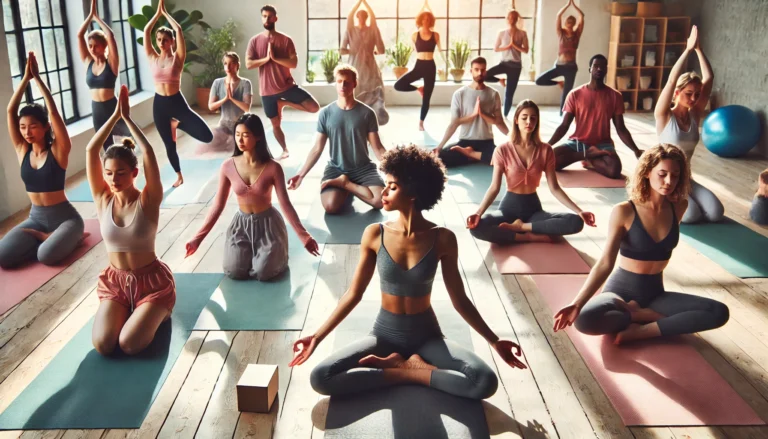
Yoga Guide for Beginners: 9 Essential Truths & Powerful Poses

Yoga is often misunderstood.

Some people think it is just stretching. Others believe it is a spiritual ritual. Many assume yoga is only for flexible people.

None of those assumptions explain what yoga actually is.

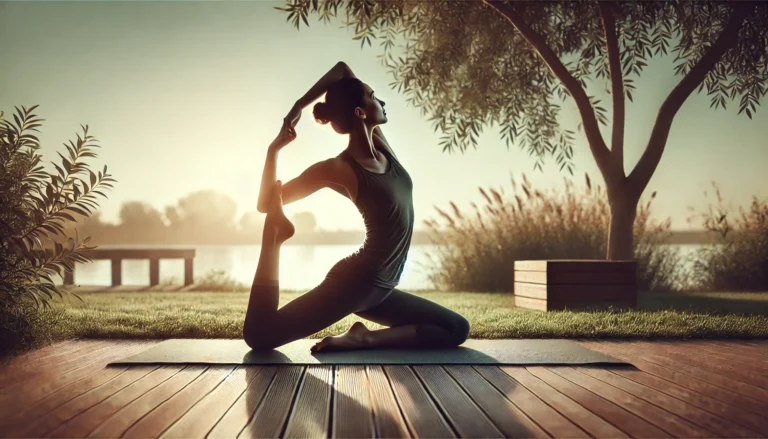
Yoga is a system. It is a discipline that combines body movement, breath control, and mental awareness into a structured practice designed to improve physical health and mental stability.

Millions of people around the world practice yoga every day because it solves problems that modern lifestyles create. Long sitting hours, poor posture, chronic stress, sleep problems, digestive issues, and lack of movement are common today. Yoga addresses many of these issues in a simple and accessible way.

If you are completely new to yoga, the number of styles, poses, and opinions can feel overwhelming. Some classes focus on strength. Others emphasize flexibility. Some teach breathing and meditation more than physical exercise.

This complete yoga guide for beginners explains how yoga works, why people practice it, and how you can start safely without confusion.

You will learn the essential principles behind yoga, common mistakes beginners make, the most useful poses, breathing techniques, and practical habits that help you build a sustainable yoga routine.


What Yoga Actually Means

The word “yoga” comes from the Sanskrit root “yuj”, which means to unite or join.

In practical terms, yoga refers to the union between:

• body
• breath
• mind

Traditional yoga philosophy views these three elements as deeply connected. When breathing is chaotic, the mind becomes restless. When the body is tense, concentration becomes difficult. Yoga aims to restore balance between them.

This is why yoga combines three core elements:

Movement (Asana)
These are the physical postures people usually associate with yoga. Different poses stretch muscles, strengthen the body, and improve joint mobility.

If you want to explore common foundational poses, studying the best yoga poses is usually the first step beginners take.

Breathing (Pranayama)
Breath control techniques regulate the nervous system and improve oxygen flow.

For example, many beginners start with breathwork for stress relief because slow breathing patterns calm the body quickly.

Mental Awareness (Meditation)
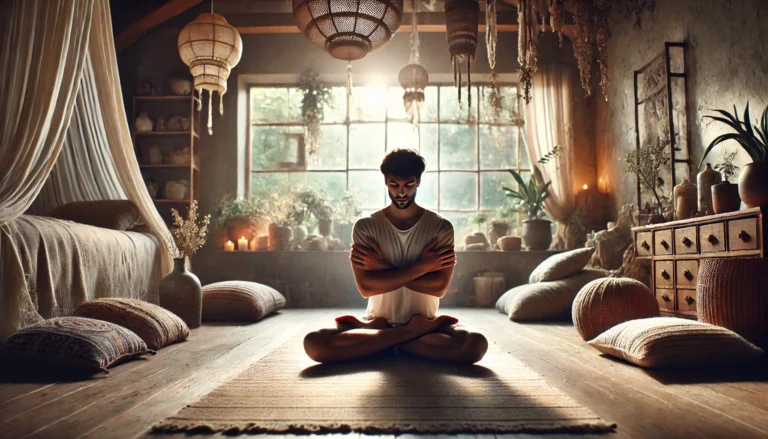
Yoga encourages focus and mindfulness during movement and breathing. Over time this improves emotional regulation and concentration.

Unlike typical workouts, yoga does not aim to exhaust the body. Instead, it aims to create controlled effort combined with awareness.


The History of Yoga

Yoga is not a modern fitness trend.

Its roots go back thousands of years in ancient India. Early references to yoga appear in ancient texts known as the Vedas and later in the Upanishads.

One of the most influential texts is the Yoga Sutras of Patanjali, written around 200 BCE. This text described yoga as an eight-step path designed to train both the body and the mind.

These eight limbs include:

  1. Ethical discipline
  2. Personal discipline
  3. Physical postures
  4. Breath control
  5. Sensory withdrawal
  6. Concentration
  7. Meditation
  8. Enlightenment

Modern yoga practice mainly focuses on the physical and breathing components, but the deeper philosophical roots still influence many traditions today.

Yoga gradually spread worldwide during the 20th century. Teachers introduced yoga in Europe and the United States, where it evolved into many different styles. Today yoga classes exist in gyms, studios, hospitals, schools, and even workplaces.

Global recognition became so significant that international yoga day is now celebrated every year on June 21 to promote awareness of the practice worldwide.


Why Yoga Became Popular Worldwide

Several factors explain why yoga gained global popularity.

Modern Lifestyle Problems

Many people spend most of their day sitting in front of computers or smartphones. This leads to stiff muscles, weak posture, and reduced mobility.

Yoga helps counter these problems by encouraging gentle movement and stretching.

Stress and Mental Health

Chronic stress is one of the biggest health challenges today. High stress levels affect sleep, digestion, mood, and concentration.

Practices like controlled breathing and meditation provide powerful tools for managing stress.

Many beginners start with techniques such as the method of relaxation with breathing, which focuses on slow rhythmic breathing patterns to calm the nervous system.

Accessibility

Yoga does not require expensive equipment. Most people only need a mat and a small open space.

Because yoga can be adapted for different ages and physical abilities, it is accessible to beginners, seniors, and even people recovering from injuries.

For example, people with limited mobility often start with chair yoga for seniors, which modifies traditional poses to be performed safely while seated.


The Core Benefits of Yoga

Yoga offers both physical and mental benefits when practiced consistently.

Improved Flexibility

Flexibility is one of the most noticeable changes beginners experience. Many poses gently stretch muscles and connective tissues that become tight from long hours of sitting.

Poses such as the butterfly yoga pose help open the hips and inner thighs, which are commonly tight in people who sit for long periods.

Stronger Muscles

Although yoga is often associated with flexibility, many poses also build strength. Holding poses requires muscle engagement and stability.

For example, the boat pose in yoga strengthens the core muscles, which support the spine and improve posture.

Better Posture

Poor posture contributes to neck pain, back pain, and headaches. Yoga strengthens postural muscles and increases awareness of body alignment.

Improved Digestion

Gentle twisting poses stimulate digestive organs and encourage healthy gut function.

Practices designed specifically for digestive health often appear in routines like yoga for digestion, which focuses on poses that massage abdominal organs.

Hormonal Balance

Certain poses and relaxation techniques may support hormonal balance. Many women practice specific sequences such as yoga for period cramps to reduce discomfort and tension during menstruation.

Weight Management

Yoga can also support weight management when practiced consistently alongside healthy nutrition.

Dynamic styles such as power yoga for beginners increase heart rate and burn more calories than slower yoga sessions.

Beginners interested in fitness goals often explore routines focused on yoga for weight loss, which combine strength building poses with continuous movement.

Mental Calmness

Yoga’s breathing and mindfulness elements help regulate the nervous system.

Slow breathing activates the parasympathetic nervous system, which helps the body relax and recover.

This is why breathing practices such as breathwork for stress relief are often included in yoga routines designed for mental health.


Beginner Mistakes That Slow Progress

Many people quit yoga within the first few weeks. Not because yoga is ineffective, but because beginners approach it with unrealistic expectations or incorrect habits.

Understanding these mistakes early can save months of frustration.

Trying Advanced Poses Too Soon

Social media often shows complex poses that require years of practice. Beginners sometimes try to copy these positions immediately, which leads to strain or injury.

Yoga should progress gradually. Simple foundational poses build the strength and flexibility needed for more advanced movements.

Before attempting complex sequences, beginners should first understand the fundamentals covered in best yoga poses that emphasize proper alignment and body awareness.

Ignoring Breathing

Breathing is not a side element in yoga. It is central to the practice.

Many beginners focus only on movement and forget to coordinate breath with posture changes. This reduces the calming effect yoga is supposed to create.

Learning basic breathing techniques such as the method of relaxation with breathing helps develop control over breath rhythm during movement.

Treating Yoga Like a Competition

Yoga is not about pushing harder than others or achieving perfect poses quickly. The goal is steady progress and body awareness.

When people force their body beyond its limits, muscles tighten instead of relaxing.

Yoga requires patience and consistency rather than intensity.

Practicing Without Discipline

Consistency matters more than intensity. Practicing for ten minutes every day produces better results than one long session once a week.

Developing yoga and discipline is what turns yoga from a temporary activity into a long term habit that improves health.


Understanding Different Types of Yoga

Yoga has evolved into many different styles. Each style emphasizes different aspects of the practice.

Knowing these differences helps beginners choose a style that matches their goals.

Hatha Yoga

Hatha yoga is one of the most beginner friendly styles. It focuses on slow movements and basic poses with attention to breathing.

Most introductory classes fall under this category.

Power Yoga

Power yoga is more dynamic and physically demanding than traditional yoga styles. Movements flow continuously and require more strength and endurance.

Beginners interested in more active workouts often explore power yoga for beginners, which adapts the intensity for people who are just starting.

Bikram Yoga

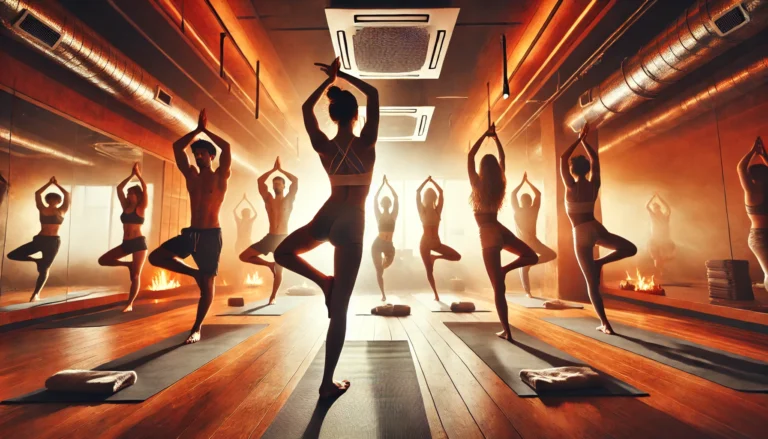
Bikram yoga is practiced in heated rooms and follows a specific sequence of 26 poses.

The heat increases sweating and muscle flexibility, but it can also be physically demanding.

Many beginners learn the fundamentals of this style through guides explaining bikram yoga poses and their sequence.

Acro Yoga

Acro yoga combines yoga with partner acrobatics. It involves balance, trust, and coordination between two people.

Although advanced variations exist, beginners can start with simple acro yoga poses that introduce partner balance safely.

Partner Yoga

Yoga does not always need to be a solo practice. Some poses are designed for two people working together.

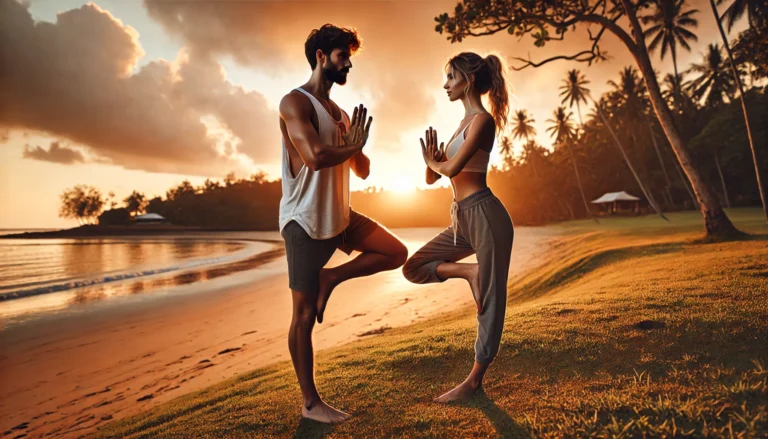
These routines improve communication, coordination, and balance. Beginners often experiment with yoga poses for 2 people because they add a playful dimension to practice.


Foundational Yoga Poses Every Beginner Should Learn

Yoga poses, known as “asanas,” form the physical component of yoga practice. Learning foundational poses builds strength, flexibility, and balance.

Below are several beginner friendly poses that appear in many yoga routines.

Butterfly Pose

The butterfly yoga pose is commonly used to stretch the hips and inner thighs.

It is especially helpful for people who spend long hours sitting, as it loosens tight hip joints and improves lower body mobility.

This pose is often used during warm ups or cooling sequences.

Eagle Pose

Balance poses improve coordination and concentration.

The eagle pose yoga strengthens the legs while stretching the shoulders and upper back. It also challenges balance, forcing practitioners to focus fully on body alignment.

Boat Pose

Core strength plays an important role in maintaining good posture.

The boat pose in yoga activates abdominal muscles and strengthens the spine stabilizers. Beginners may find this pose challenging at first, but consistent practice improves core endurance.

Bedtime Yoga Poses

Yoga is not only for daytime workouts. Many people use yoga as part of their evening routine to improve sleep.

Sequences of gentle stretches known as bedtime yoga poses relax the body and slow the mind before sleep.

These poses usually involve forward folds, gentle twists, and deep breathing.

Detox Yoga Flows

Certain yoga sequences focus on stimulating internal organs and circulation.

Practices such as detox yoga poses cleansing flows combine twisting poses and controlled breathing to encourage circulation and digestive movement.

Although the term detox is often misunderstood, these routines mainly support the body’s natural cleansing processes through movement and breathing.


Yoga for Health and Wellness

Yoga is often used as a supportive practice for improving overall wellness.

Although yoga should not replace medical treatment, many people use it to manage common health concerns.

Digestive Health

Gentle twisting poses stimulate digestive organs and encourage better gut movement.

Specialized routines like yoga for digestion include poses that compress and release abdominal muscles, which can help relieve bloating and sluggish digestion.

Menstrual Comfort

Certain stretches help reduce tension in the lower abdomen and back.

Many women practice sequences such as yoga for period cramps, which focus on relaxing hip and pelvic muscles during menstruation.

Stress Management

Breathing techniques are especially powerful for calming the nervous system.

Many beginners learn simple exercises in breathwork for stress relief to reduce anxiety and improve focus.

Regular breathing practice trains the body to shift from stress response to relaxation response more efficiently.


Yoga Is Not Always Serious

Many beginners imagine yoga as a quiet room where everyone sits silently and moves slowly. While that image exists, yoga culture is far more diverse than most people realize.

Over the years, yoga has developed playful, creative, and sometimes unusual variations. These variations help remove the intimidation beginners often feel when starting a new practice.

Yoga does not have to feel rigid or overly spiritual. In many communities, humor and experimentation are part of the learning process.

For example, social media often highlights funny yoga poses that exaggerate body positions or show people losing balance during practice. While these moments are humorous, they also remind beginners that mistakes are normal.

Even experienced practitioners occasionally wobble, fall, or struggle with balance. Progress in yoga is rarely perfect.

Another topic that surprises beginners is the reality of the yoga fart phenomenon. Certain twisting or compression poses can release trapped air in the digestive system. This is a completely normal biological response, although it can feel embarrassing in group classes.

Experienced instructors usually treat it lightly because digestive movement is actually a sign that the body is relaxing and releasing tension.

Understanding these realities helps beginners approach yoga with less pressure and more patience.


Yoga as a Lifestyle

Yoga eventually becomes more than a physical exercise routine. Many people discover that it influences daily habits, mindset, and personal discipline.

Yoga philosophy encourages awareness in everyday actions such as eating, sleeping, breathing, and interacting with others.

For this reason, yoga practitioners often talk about yoga as a lifestyle rather than just a workout.

Clothing and Comfort

Comfortable clothing makes a significant difference in yoga practice.

Tight clothing can restrict breathing or movement, while overly loose clothing may interfere with poses.

Beginners often ask what they should wear during practice. A detailed guide on what to wear to yoga usually recommends breathable fabrics that allow free movement while maintaining modest coverage during stretches and inversions.

Different yoga styles may require different clothing considerations.

For example, heated yoga classes create intense sweating, so understanding what to wear to hot yoga becomes important. Moisture wicking fabrics and lightweight clothing help maintain comfort in heated environments.

Essential Yoga Gear

One of the advantages of yoga is that it requires very little equipment. However, a few simple items can improve the experience.

Common yoga essentials include:

• a non slip yoga mat
• a reusable water bottle
• a towel for sweat
• yoga blocks or straps for support

Many practitioners keep these items ready in a small kit often described as yoga in a bag essentials, which makes it easier to maintain a consistent routine whether practicing at home, outdoors, or in a studio.


Yoga for Different Age Groups

One reason yoga continues growing worldwide is its adaptability. Unlike many intense workout programs, yoga can be modified for different ages and physical conditions.

Yoga for Seniors

Older adults often struggle with joint stiffness, reduced balance, and limited mobility. Traditional yoga poses may feel difficult or unsafe for beginners in this age group.

To address this, instructors developed modified routines like chair yoga for seniors. These sessions allow participants to perform stretching and breathing exercises while seated or using a chair for balance support.

Chair based yoga provides many of the same benefits as traditional yoga while reducing the risk of falls.

Yoga for Families and Partners

Yoga can also become a shared activity between friends, couples, or family members.

Partner routines encourage cooperation and communication. Some poses require one person to support another, creating balance and trust between partners.

Beginners often explore yoga poses for 2 people because these routines feel more interactive and engaging than solo practice.

Partner yoga is also common in wellness retreats and recreational workshops.


Breathing and Relaxation Techniques

Breathing is one of the most powerful yet overlooked components of yoga.

Many beginners initially focus on the physical movements of yoga poses, but experienced practitioners know that breath control determines the overall effect of the practice.

Slow breathing activates the parasympathetic nervous system, which reduces heart rate and lowers stress hormones.

This is why breathing techniques such as breathwork for stress relief are widely used to calm anxiety and improve emotional stability.

Relaxation Through Breath

Certain breathing exercises emphasize long, steady inhalations and exhalations that relax the body.

Practices like the method of relaxation with breathing train the mind to remain calm even when the body experiences tension or discomfort.

These techniques are especially useful before sleep, during stressful workdays, or after intense physical activity.

Over time, breath awareness becomes automatic. Practitioners begin to notice how breathing patterns change with emotions, fatigue, and concentration.

Learning to control these patterns can significantly improve mental resilience.


Controversies and Cultural Questions Around Yoga

Because yoga originated in ancient India and later spread globally, it has sometimes been misunderstood or debated in different cultural contexts.

Some discussions focus on whether yoga is purely a physical practice or a spiritual tradition.

Religious Questions

In some communities, people ask whether yoga conflicts with their religious beliefs.

This question is often explored in discussions about is yoga a sin religious views, where different perspectives examine whether yoga should be treated as exercise, meditation, or spiritual practice.

Many modern instructors present yoga primarily as a wellness practice focused on movement and breathing rather than religious rituals.

Kundalini Yoga Debate

Another topic that occasionally generates debate is the intensity of certain advanced yoga systems.

For example, some discussions examine why is kundalini yoga dangerous in situations where practitioners attempt powerful breathing or meditation techniques without proper guidance.

Kundalini yoga traditionally involves advanced breathing patterns and long meditation sessions designed to influence energy flow within the body.

While many practitioners report positive experiences, beginners should approach advanced practices carefully and ideally under experienced instruction.


Yoga Culture in the Modern World

Yoga today exists in many different environments.

Some people practice yoga in quiet studios with traditional instruction. Others follow online classes, mobile apps, or short guided sessions on social media.

Even large public events celebrate yoga globally.

Every year millions of people participate in events related to international yoga day, which encourages global awareness of yoga’s physical and mental health benefits.

This widespread participation reflects how yoga has evolved from an ancient practice into a global wellness movement.

Despite these changes, the core purpose of yoga remains the same. It is a system designed to bring balance to the body and mind through movement, breathing, and awareness.


How to Build a Simple Daily Yoga Routine

Many beginners believe they need long sessions or complex sequences to benefit from yoga. In reality, consistency matters far more than session length.

A short, structured daily routine can produce noticeable improvements in flexibility, strength, and mental clarity within a few weeks.

The goal is to create a routine that is simple enough to maintain every day.

Step 1: Start With Gentle Warm Up

Before moving into deeper stretches or balance poses, the body needs preparation.

A warm up usually includes light movements that gradually increase circulation and loosen stiff muscles. Neck rolls, shoulder rotations, and gentle spinal twists prepare the body for more demanding positions.

Beginners who skip this step often experience unnecessary muscle strain.

Step 2: Practice Foundational Poses

The core of your session should focus on fundamental poses that develop balance, strength, and flexibility.

Many beginner programs begin with movements described in guides about best yoga poses, since these postures build the foundation required for more advanced yoga practice.

At this stage, focus on correct alignment rather than depth of stretch. Small improvements in posture can significantly reduce the risk of injury.

Step 3: Include Breathing Exercises

Breathing exercises should not be treated as optional.

Controlled breathing regulates heart rate and helps the body transition into a calm, focused state. Even two or three minutes of breathing exercises can improve the effectiveness of a yoga session.

Many beginners use techniques found in breathwork for stress relief because they are simple and produce noticeable relaxation quickly.

Step 4: End With Relaxation

Every yoga session should end with a brief relaxation period.

This phase allows the body to absorb the benefits of stretching and breathing. Many practitioners lie quietly in a resting position while focusing on slow breathing.

Some people also incorporate the method of relaxation with breathing during this stage to deepen mental calmness.


A Simple Weekly Yoga Plan for Beginners

A structured weekly plan helps beginners develop consistency without overwhelming their schedule.

Below is an example of how someone might structure their first week of yoga practice.

Day 1: Foundation

Focus on learning posture and breathing basics. Practice simple stretches and balance poses while paying attention to alignment.

Day 2: Flexibility

Introduce hip opening and lower body stretches such as the butterfly yoga pose, which helps release tension from long periods of sitting.

Day 3: Core Strength

Incorporate strengthening poses like the boat pose in yoga to activate abdominal muscles and improve spinal support.

Day 4: Balance and Stability

Practice balance oriented poses such as the eagle pose yoga, which improves coordination and focus.

Day 5: Digestive Support

Use gentle twisting poses often included in routines like yoga for digestion to stimulate abdominal circulation.

Day 6: Recovery and Relaxation

Choose calming movements such as sequences from bedtime yoga poses that help relax the body and prepare for restful sleep.

Day 7: Active Flow

Combine several poses into a continuous sequence. Beginners interested in more dynamic movement may explore introductory routines like power yoga for beginners.

This type of weekly structure provides variety while reinforcing foundational skills.


Safety Guidelines for Beginners

Yoga is generally safe when practiced carefully, but certain precautions help prevent injuries.

Avoid Forcing Flexibility

Flexibility develops gradually. Pushing too far into a stretch can strain muscles or ligaments.

Yoga should create mild tension but never sharp pain.

Maintain Steady Breathing

Holding your breath during poses increases physical tension and reduces oxygen flow.

Steady breathing maintains relaxation and prevents dizziness.

Modify When Necessary

Every body is different. Beginners should feel comfortable modifying poses when necessary.

For example, older adults or individuals with mobility limitations often benefit from approaches such as chair yoga for seniors, which provide similar benefits with greater stability.

Listen to Your Body

Fatigue, discomfort, or pain are signals that the body needs rest.

Ignoring these signals can turn a beneficial practice into a harmful one.


Long Term Benefits of Consistent Yoga Practice

People who maintain a consistent yoga routine often experience improvements that extend beyond physical fitness.

Improved Mental Clarity

Regular breathing exercises and mindful movement improve concentration and emotional regulation.

Many practitioners report feeling calmer and more focused throughout the day.

Better Sleep

Evening sessions that include slow stretching and breathing can improve sleep quality.

Sequences based on bedtime yoga poses are especially helpful for people who struggle with restlessness before sleep.

Stronger Mind Body Connection

Yoga trains practitioners to observe subtle signals from their body. Over time, this awareness improves posture, movement patterns, and stress management.

Sustainable Fitness

Unlike extreme workout programs, yoga is designed for long term sustainability. Many people continue practicing yoga for decades because it adapts to changing physical abilities.


Final Thoughts: Yoga Guide for Beginners

Yoga remains one of the most adaptable and accessible wellness practices in the world.

Its combination of physical movement, controlled breathing, and mental awareness creates benefits that extend far beyond simple exercise.

Beginners often start yoga seeking improved flexibility or stress relief. Over time they discover that yoga influences many aspects of daily life including posture, discipline, sleep quality, and emotional balance.

The key to success is consistency.

Short sessions practiced regularly produce far greater results than occasional intense workouts.

Start slowly, focus on foundational movements, and gradually explore different styles and routines. As your confidence grows, yoga becomes less about performing poses and more about maintaining balance between body and mind.


Frequently Asked Questions

1. How often should beginners practice yoga?

Most beginners benefit from practicing three to five times per week. Even short sessions of fifteen minutes can provide noticeable improvements when practiced consistently.

2. Can yoga help with weight loss?

Yoga can support weight management by improving metabolism, reducing stress eating, and increasing physical activity. Dynamic routines such as yoga for weight loss combine movement and strength building poses.

3. Do I need to be flexible to start yoga?

No. Flexibility develops through practice. Many beginners start yoga because they want to improve stiffness and mobility.

4. Is yoga only for young people?

No. Yoga can be adapted for almost any age group. Modified routines such as chair yoga for seniors allow older adults to practice safely.

5. Can yoga improve digestion?

Gentle twisting and stretching movements stimulate digestive organs. Programs focused on yoga for digestion often help relieve bloating and discomfort.

6. Is yoga connected to religion?

Yoga originated in ancient spiritual traditions, but modern yoga is often practiced as a health and wellness activity. Discussions about is yoga a sin religious views show that perspectives vary depending on cultural and religious beliefs.


Disclaimer:

This post may contain affiliate links. If you purchase through them, we may earn a small commission at no extra cost to you. Also, this content is for informational purposes only and does not substitute professional medical advice.

10 Funny Yoga Poses That Will Make You Laugh Out Loud

The first time I ever tried yoga, I was expecting calm breathing, maybe a little stretching, and a sense of Zen. What I didn’t expect was to find myself stuck halfway in a funny yoga pose that looked more like a pretzel gone wrong than anything remotely spiritual. My best friend couldn’t stop laughing, and honestly, neither could I.

And that’s the thing about yoga it’s not always about balance, grace, and perfect form. Sometimes it’s about wobbling, slipping, and ending up in awkward poses that make you laugh so hard you forget you’re even working out.

In fact, some of the best bonding moments I’ve had with friends came from trying yoga together and discovering how hilariously human we all look when we topple out of a Downward Dog gone wrong or invent a “new” pose that probably belongs in a blooper reel.

That’s why today, I’m sharing 10 funny yoga poses that will make you laugh out loud. They’re not about being picture-perfect for Instagram they’re about celebrating the weird, wobbly, and wonderfully human side of yoga.


Why Funny Yoga Poses Deserve a Spot in Your Practice

It might sound silly to focus on yoga fails and bloopers, but laughter and movement go hand in hand. If you’re just starting out and want to understand the fundamentals of yoga beyond the funny moments, exploring a complete yoga guide can help you learn the basics of poses, breathing, and balance. Here’s why:

  • Stress relief: Laughter lowers cortisol, just like yoga does. Combine the two and you’ve got a natural mood booster.
  • Confidence builder: Laughing at yourself in a safe space takes away the pressure to be perfect.
  • Bonding experience: Group yoga classes are full of giggles when someone topples over in Tree Pose.
  • Viral yoga culture: Let’s be real some of the most shared yoga content online isn’t perfect poses, but weird yoga moments that feel relatable.

Personally, the best memories from my yoga journey aren’t the times I held a Warrior II perfectly. They’re the times I face-planted in Crow Pose and laughed until my stomach hurt.


Pose 1: The Wobbling Flamingo (Tree Pose Gone Wrong)

Tree Pose (Vrksasana) is supposed to be about balance and elegance. But if you’ve ever tried it on a slippery mat or after leg day, you know it quickly turns into what I call the Wobbling Flamingo.

What it looks like:

  • One leg frantically kicking as you try to plant your foot.
  • Arms flailing like you’re about to take flight.
  • A dramatic tumble back into Mountain Pose with a sheepish grin.

Why it’s funny:
Because no matter how experienced you are, everyone loses balance sometimes. Watching a whole yoga class tip over like dominoes? Comedy gold.

👉 Pro tip: Laugh it off. Balance improves with time, but the bloopers are the best part of the journey.

Top pick: I love using a grippy yoga mat when practicing balance poses it reduces those slip-and-slide moments (though it doesn’t save me from my own clumsiness).


Pose 2: The Pretzel Twist (Supine Spinal Twist Attempt)

Spinal twists are meant to feel restorative. But when you’re tangled in your own limbs and can’t quite figure out where to put your arms, it’s less “restful yogi” and more “confused pretzel.”

What it looks like:

  • Knees flopped to one side, arms at odd angles.
  • Head turning one way, eyes darting the other.
  • An awkward grunt as you realize you’ve basically tied yourself in a knot.

Why it’s funny:
Because it’s one of those poses where you think you look serene until someone snaps a photo and you realize you look like you’ve been dropped by a tornado.

👉 Pro tip: Don’t worry about looking graceful just focus on the stretch. Or better yet, embrace the pretzel vibes.


Pose 3: The Upside-Down Turtle (Happy Baby Pose Chaos)

Happy Baby Pose (Ananda Balasana) is supposed to be relaxing. You lie on your back, grab your feet, and sway gently. Sounds cute, right? Except sometimes it looks less like a peaceful baby and more like a turtle flipped onto its shell.

What it looks like:

  • Feet waving in the air like antennae.
  • Rocking side to side a little too much and almost rolling off the mat.
  • Giggles as you realize how silly you look.

Why it’s funny:
Because nothing says “yoga bloopers” like adults wiggling around on the floor holding their toes.

Top pick: This is one of those poses where yoga leggings that stretch matter. I once tried it in stiff joggers big mistake.


Pose 4: The Slippery Downward Dog

Downward Facing Dog is a staple of yoga. Strong arms, lengthened spine, heels pressing toward the floor it sounds so noble. But when your palms are sweaty or your mat isn’t grippy, it quickly turns into what I call the Slippery Downward Dog.

What it looks like:

  • Hands sliding forward while your feet shuffle to keep up.
  • Hips sagging until you’re basically in a weird half-plank, half-squat.
  • That moment of panic when you realize you might just face-plant.

Why it’s funny:
Because no matter how “serious” yoga feels, one slip in Downward Dog turns the whole thing into an instant yoga blooper.

Top pick: I once switched to a towel-style yoga mat cover, and it saved me from sliding disasters. Highly recommend if your studio classes get sweaty.


Pose 5: The Sideways Starfish (Fallen Side Plank)

Side Plank is meant to showcase strength and balance. But if your obliques are tired, it often ends in a dramatic flop I like to call the Sideways Starfish.

What it looks like:

  • One second you’re proudly holding Side Plank.
  • The next, you’ve collapsed onto the mat, arms and legs sprawled in every direction.
  • The sound of your own laughter as you just give up and enjoy the moment.

Why it’s funny:
Because it’s impossible to look graceful while starfished across the mat it’s peak awkward yoga pose energy.

👉 Pro tip: Laugh, reset, and try again. Sometimes falling is part of the fun.


Pose 6: The Drama Queen Camel

Camel Pose (Ustrasana) is a heart opener. But for beginners, it can feel intense cue the over-the-top dramatics.

What it looks like:

  • A deep lean backward that turns into flailing hands.
  • A gasp that sounds way more dramatic than the pose really is.
  • The inevitable collapse forward, looking like you just performed an opera solo.

Why it’s funny:
Because even in a serene yoga studio, there’s always one person who adds their own flair, turning Camel Pose into a viral yoga moment just waiting to happen.

Top pick: Supporting your knees with a cushioned yoga mat makes Camel Pose far less “tragic.”


Pose 7: The Penguin Walk (Crow Pose Fail)

Crow Pose is meant to be empowering, but for most of us starting out, it’s a series of near-faceplants. Enter: the Penguin Walk.

What it looks like:

  • Knees resting on arms, eyes focused, determination strong.
  • Feet refusing to lift, no matter how much you lean forward.
  • The eventual “waddle” off the mat, resembling a determined penguin.

Why it’s funny:
Because the contrast between the graceful goal (an elegant arm balance) and the reality (a squatty penguin shuffle) is pure comedy.

👉 Pro tip: Place a pillow in front of you to soften the falls you’ll thank me later.


Midway Reflection: Why Laughter Belongs on the Mat

Halfway through our list, it’s worth pausing to ask: why do these funny yoga poses matter?

Because yoga isn’t just about flexibility or perfect form. It’s about connection to your body, to your breath, and sometimes, to your sense of humor.

I’ve been in plenty of classes where someone wobbled, slipped, or toppled, and the whole room burst into laughter. Far from breaking the flow, it made the practice feel more human, more joyful. Those moments of shared laughter remind us that yoga is about being present, not perfect. Some classes even combine movement with playful energy through trends like puppies and yoga, where adorable dogs roam around while people practice poses.

So the next time you catch yourself in a weird pose or awkward tumble, don’t fight it. Lean into the laughter. That joy might just be the most healing part of your practice.


Pose 8: The Accidental Somersault (Forward Fold Mishap)

Forward Fold (Uttanasana) is supposed to be calming. You bend at the hips, relax your head, and breathe deeply. But if you rock too far forward or your balance gives out, it becomes the Accidental Somersault.

What it looks like:

  • You start peacefully folding forward.
  • Suddenly, your feet shift, and whoops! you roll right onto your back.
  • Cue laughter from anyone watching (and from yourself, once you recover).

Why it’s funny:
Because one second you’re Zen, the next you’re doing a clumsy roll across your mat. It’s like yoga meets slapstick comedy.

Top pick: If you practice at home, a thick yoga mat saves your back from these “oops” moments.


Pose 9: The Human Origami (Seated Forward Fold with Reach)

Seated Forward Fold (Paschimottanasana) can feel soothing for some, but for many of us, it turns into the Human Origami pose.

What it looks like:

  • Legs out straight, torso folding forward.
  • Arms stretching desperately for toes that feel a mile away.
  • A look of determination that ends in giggles when you realize you’re nowhere near touching your feet.

Why it’s funny:
Because we all imagine looking like a serene yogi and instead we resemble a crumpled piece of paper trying to fold itself.

👉 Pro tip: Use a strap or towel around your feet. Or just embrace your “short-arm syndrome” with pride.


Pose 10: The Yoga Bloopers Finale – Group Tangle Pose

Sometimes the funniest yoga poses aren’t plannedthey happen in group classes when mats are close together and someone topples sideways. Practicing yoga poses for 2 people can also create hilarious moments when partners try balancing together and end up laughing instead of holding the pose.

What it looks like:

  • One person tips out of Tree Pose.
  • Their neighbor wobbles in sympathy.
  • Suddenly, three people are tangled in an accidental yoga pile-up, laughing uncontrollably.

Why it’s funny:
Because these moments remind us yoga isn’t a performance it’s a community. And nothing bonds a group like a shared tumble.

Top pick: If you practice with friends, set up in a bigger space to avoid the domino effect but honestly, the pile-ups make the best memories.


Wrapping It All Together

At the end of the day, funny yoga poses aren’t mistakes they’re moments of joy. They remind us not to take ourselves too seriously.

Yoga has been life-changing for me, but not because I perfected every posture. It’s because I learned to laugh when I wobbled, smile when I fell, and celebrate the silly side of practice. Those giggles on the mat? They’re as healing as the stretches themselves.

So the next time you find yourself in a weird yoga pose, don’t hide it. Embrace it. Share it. Laugh about it. That laughter might just be the most powerful pose of all. Need to know more about best yoga poses!


FAQ

1. Are funny yoga poses just for beginners?

Not at all! Even experienced yogis end up in awkward poses or have their own yoga bloopers. It’s part of the journey.

2. Why do people share weird yoga photos online?

Because they’re relatable and human. Perfect poses inspire, but funny ones connect. That’s why viral yoga content often leans silly.

3. Can laughter really be part of yoga?

Yes! In fact, “laughter yoga” is an actual practice. Laughter reduces stress, boosts mood, and fits beautifully into a yoga session.

4. Do funny yoga poses still count as exercise?

Absolutely. Even if you topple or flop, you’re still moving your body, stretching muscles, and engaging your core while you laugh.

5. How can I avoid yoga bloopers?

You can’t completely everyone slips or wobbles. But using a non-slip mat, practicing in comfortable clothes, and giving yourself space can help. And honestly? Don’t avoid them. They’re the best part.


Disclaimer:

This post may contain affiliate links. If you purchase through them, we may earn a small commission at no extra cost to you. Also, this content is for informational purposes only and does not substitute professional medical advice.

Chair Yoga for Seniors: 6 Safe & Empowering Poses to Start Now

I still remember the first time I saw my grandmother practicing yoga. She was sitting in her favorite chair by the window, the morning sun streaming in, moving slowly but gracefully through stretches. At the time, I thought yoga meant difficult poses on the floor, requiring flexibility and balance I didn’t think she had. But what I didn’t realize was that she was practicing chair yoga for seniors a safe, empowering way to stay active, mobile, and strong at any age.

The truth is, aging often brings challenges: stiff joints, reduced flexibility, or balance issues. Maybe you’ve felt that ache when you stand up too quickly, or noticed it takes longer to recover from daily activities. It can be frustrating, even discouraging.

But that’s exactly why chair yoga has become such a life-changing practice for so many older adults. It meets you where you are providing all the benefits of yoga in a gentle, supportive format that uses a chair for stability.

If you’ve ever thought yoga was “too hard” or “not for you,” this post will prove otherwise. Together, we’ll explore six safe and empowering seated poses that anyone can try, no matter your age or fitness level.


Why Chair Yoga is Perfect for Seniors

Chair yoga has gained popularity in recent years because it removes the fear of falling or straining while still delivering the benefits of yoga. If you’re new to yoga and want to understand the fundamentals of breathing, posture, and movement first, exploring a complete yoga guide can help you build a safe and confident practice. It combines movement, breathwork, and mindfulness all adapted to a seated position.

Key Benefits of Senior Yoga in a Chair

  • Improves Flexibility – Gentle stretches help loosen stiff muscles and joints.
  • Enhances Circulation – Movement encourages better blood flow, important for overall health.
  • Boosts Strength – Even simple seated poses build muscle endurance.
  • Supports Mental Health – The combination of breath and movement eases stress and promotes calm.
  • Accessible Anywhere – All you need is a sturdy chair no fancy equipment required.

💡 Personal Tip: My grandmother kept a lightweight yoga strap nearby. A simple belt or scarf works too, making stretches more comfortable.


How to Get Started Safely

Before you dive into the poses, it’s important to set yourself up for success.

  1. Choose the Right Chair
    A sturdy, straight-backed chair (without wheels) is best. Ideally, it should let your feet touch the floor flat.
  2. Wear Comfortable Clothing
    Loose, breathable clothing makes it easier to move freely.
  3. Keep Props Nearby
    A cushion for extra support, a yoga strap, or even a folded blanket can be helpful.
  4. Move at Your Own Pace
    There’s no rush listen to your body. If a movement feels uncomfortable, ease back or modify it.
  5. Breathe Steadily
    Deep, slow breathing enhances relaxation and keeps your movements smooth.

6 Safe & Empowering Chair Yoga Poses for Seniors

These gentle yoga seated poses are beginner-friendly and can be practiced daily. Each one is designed to improve mobility, release tension, and build confidence.

1. Seated Mountain Pose (Tadasana in a Chair)

The foundation of all chair yoga movements.

Why it works: Helps improve posture, strengthens your core, and encourages mindful breathing.

How to do it:

  1. Sit tall with feet flat on the floor, hip-width apart.
  2. Rest your hands on your thighs.
  3. Engage your core slightly, lifting your chest and relaxing your shoulders.
  4. Breathe deeply, imagining a string gently pulling the crown of your head upward.

Duration: Hold for 5–8 breaths.

Tip: A supportive cushion can help if sitting upright for long periods feels tiring.


2. Seated Cat-Cow Stretch (Marjaryasana-Bitilasana)

A gentle flow for spine flexibility and relief from stiffness.

Why it works: Encourages mobility in the spine, reduces back pain, and improves posture.

How to do it:

  1. Sit tall with hands resting on your knees.
  2. Inhale, arch your back slightly, open your chest, and look upward (Cow).
  3. Exhale, round your spine, tuck your chin, and draw your belly inward (Cat).
  4. Continue for 5–8 slow breaths.

Sensory Tip: Imagine “breathing space” into your spine with each movement.


3. Seated Side Stretch

A simple stretch that lengthens the torso and eases tension.

Why it works: Opens the sides of the body, improves flexibility, and supports better breathing.

How to do it:

  1. Sit tall with feet grounded.
  2. Place your left hand on the chair seat.
  3. Inhale, reach your right arm overhead and gently lean to the left.
  4. Breathe into your side body, then switch sides.

Duration: Hold each side for 3–5 breaths.


4. Seated Forward Fold (Uttanasana in a Chair)

A calming pose that stretches the back and hamstrings.

Why it works: Releases lower back tension, improves circulation, and encourages relaxation.

How to do it:

  1. Sit with feet flat and legs slightly apart.
  2. Exhale and slowly fold forward from the hips.
  3. Let your arms dangle toward the floor.
  4. Relax your head and neck.

Safety Tip: Use a cushion or yoga block under your hands if reaching the floor is difficult.


5. Seated Spinal Twist (Ardha Matsyendrasana in a Chair)

A gentle rotation to aid digestion and release tension in the back.

Why it works: Twists are excellent for improving spinal mobility and stimulating internal organs. Twisting movements like this are often included in yoga for digestion routines because they gently massage the stomach and intestines.

How to do it:

  1. Sit tall with feet flat on the floor.
  2. Place your right hand on the backrest of the chair and your left hand on your thigh.
  3. Inhale to lengthen your spine, exhale to gently twist to the right.
  4. Hold for 3–5 breaths, then switch sides.

Tip: If you struggle with grip, a non-slip chair cushion can keep you more secure while twisting.


6. Seated Ankle-to-Knee Stretch (Figure Four Stretch in a Chair)

A hip opener that eases stiffness from sitting.

Why it works: Opens tight hips, reduces lower back tension, and helps with balance when standing.

How to do it:

  1. Sit tall and place your right ankle on top of your left thigh.
  2. Keep your right knee open to the side.
  3. Option: Lean forward slightly for a deeper stretch.
  4. Hold for 5–8 breaths, then switch sides.

Safety Tip: Keep your supporting foot grounded. If this pose feels too intense, simply rest your ankle lower along the shin.


Extra Tips for Practicing Chair Yoga as a Senior

  • Start small. Even 5–10 minutes a day makes a difference.
  • Practice mindfulness. Pair your movements with slow breathing for relaxation. Many seniors also enjoy practicing gentle bedtime yoga poses in the evening to relax the body and improve sleep quality.
  • Stay consistent. The real benefits come from repetition over time.
  • Listen to your body. If something hurts, skip or modify it.
  • Celebrate progress. Every stretch, every breath, every pose is a step forward in your wellness journey.

Why Chair Yoga is More Than Just Exercise

Beyond the physical benefits, gentle yoga offers seniors emotional and social support. Practicing in a group (whether in-person or online) creates connection, reduces loneliness, and fosters joy.

💡 Many senior centers and libraries now offer free or low-cost chair yoga classes. You can also follow along with YouTube videos from trusted instructors.


Conclusion: Stronger, Calmer, More Confident

When my grandmother first tried chair yoga, she didn’t expect much. But within weeks, she noticed she could stand up more easily, her posture improved, and she felt more confident moving through her day.

That’s the beauty of chair yoga for seniors it’s not about perfection or fancy poses. It’s about rediscovering strength, mobility, and peace of mind in a way that’s accessible to everyone.

So grab a chair, take a deep breath, and start where you are. Your journey to healthier, happier movement begins with one simple stretch. Need to know more about best yoga poses!


FAQ

1. Is chair yoga safe for seniors with arthritis?

Yes. In fact, gentle seated poses can help reduce stiffness and improve joint flexibility. Always consult your doctor before starting a new exercise.

2. How often should seniors practice chair yoga?

Even 10–15 minutes, 3–4 times per week, can lead to noticeable benefits in mobility and mood.

3. Do I need special equipment for chair yoga?

No just a sturdy chair without wheels. Optional props like straps, blocks, or cushions can provide extra comfort.

4. Can chair yoga help with balance issues?

Yes. Many seated poses strengthen the core and legs, which support balance in daily activities.

5. Is chair yoga only for seniors?

Not at all! While it’s popular for elderly fitness, chair yoga is great for anyone with limited mobility, injuries, or desk jobs.

Disclaimer:

This post may contain affiliate links. If you purchase through them, we may earn a small commission at no extra cost to you. Also, this content is for informational purposes only and does not substitute professional medical advice.

Power Yoga for Beginners: 10 Energizing Poses to Build Strength

It started with a simple promise to myself: move more, feel stronger, and boost my energy without spending hours in the gym. I had tried traditional yoga before and loved the calm it brought me, but I wanted something more something that got my heart pumping while still giving me the flexibility and focus yoga offers.

That’s when I stumbled into my first power yoga class. It was in a small studio on a sunny Saturday morning. The instructor’s playlist was upbeat, the pace was dynamic, and within minutes, I felt sweat dripping down my back. But it wasn’t just a workout it was a whole-body experience. By the end, I felt stronger, lighter, and surprisingly accomplished.

If you’ve ever wanted a form of yoga that combines strength building with the calorie-burning benefits of a workout, power yoga for beginners is the perfect place to start. Many people also use dynamic flows like these as part of a broader yoga for weight loss routine because the faster pace increases calorie burn while still improving flexibility and balance. It’s a fusion of traditional yoga postures with faster, more energetic transitions that engage your muscles, challenge your endurance, and leave you feeling empowered.

In this guide, I’ll walk you through 10 energizing poses that form the foundation of beginner-friendly power yoga. No need to be super flexible or have years of yoga experience just bring an open mind, a bit of determination, and a willingness to sweat.


Why Power Yoga is Perfect for Beginners

While the name might sound intimidating, fitness yoga in the form of power yoga is incredibly beginner-friendly if you start with the right poses and pacing. If you’re completely new to yoga and want to understand the foundations of poses, breathing, and alignment first, exploring a complete yoga guide can help you start your practice with confidence. Think of it as the bridge between traditional yoga and a cardio workout.

Here’s why power yoga works for beginners:

  • It builds strength fast – Dynamic flows work your core, arms, legs, and back.
  • It improves stamina – Faster sequences increase your heart rate like a cardio workout.
  • It boosts flexibility – The poses still stretch your muscles even at a quicker pace.
  • It relieves stress – Mindful breathing remains a big part of the practice.

Tip: I started with just 15 minutes a day. Over time, my balance, energy, and confidence grew without me feeling overwhelmed.


How to Prepare for Your First Power Yoga Session

Before we jump into the dynamic yoga poses, let’s set you up for success.

  1. Choose the right space
    Whether at home or in a studio, make sure you have enough room to stretch your arms and legs fully.
  2. Wear breathable, fitted clothing
    Power yoga involves plenty of movement, so choose outfits that won’t get in your way.
  3. Stay hydrated
    Keep a water bottle nearby and sip between sequences, not during poses.
  4. Use a grippy yoga mat
    With faster transitions, a slip-resistant mat keeps you stable.
    Tip: I swear by my PROlite Yoga Mat it’s supportive and never slips.

10 Energizing Power Yoga Poses for Beginners

These poses form the backbone of strength building in beginner power yoga. Move through them at a steady pace, linking breath with movement.


1. Mountain Pose (Tadasana)

The foundation for every strong flow.

Why it works: Improves posture, engages your core, and sets the tone for the session.

How to do it:

  1. Stand tall with feet hip-width apart.
  2. Press evenly into all four corners of your feet.
  3. Engage your thighs and lift your chest.
  4. Roll shoulders back and down, keeping chin parallel to the floor.

Duration: Hold for 3–5 breaths, feeling your body activate from toes to head.


2. Plank Pose (Phalakasana)

A full-body strength builder.

Why it works: Targets core, arms, and shoulders while improving endurance.

How to do it:

  1. Start on all fours, then extend your legs back.
  2. Keep your body in a straight line from head to heels.
  3. Engage your abs and press through your palms.

Tip: For wrist comfort, try using yoga wedges to reduce pressure.

Duration: Hold for 20–30 seconds, working up to 1 minute.


3. Downward Facing Dog (Adho Mukha Svanasana)

A power yoga essential for strength and flexibility.

Why it works: Strengthens arms and legs while stretching hamstrings and spine.

How to do it:

  1. From Plank Pose, lift your hips up and back.
  2. Press heels toward the floor (knees can be slightly bent).
  3. Spread fingers wide and press through your palms.

4. Chair Pose (Utkatasana)

A leg and core burner that builds endurance fast.

Why it works: This pose fires up your thighs, glutes, and abs, mimicking the effort of a squat while improving posture.

How to do it:

  1. From Mountain Pose, bend your knees as if sitting in an invisible chair.
  2. Keep weight in your heels and chest lifted.
  3. Extend arms overhead with palms facing in.

Duration: Hold for 5–8 breaths, then release back to Mountain Pose.


5. Warrior I (Virabhadrasana I)

A grounding pose that builds lower body and core strength.

Why it works: Engages legs, hips, and shoulders while improving focus and balance.

How to do it:

  1. Step your right foot forward into a lunge, left foot angled slightly out.
  2. Bend your right knee over the ankle.
  3. Lift arms overhead, palms facing each other.

Tip: If your hips feel tight, a yoga block under the back heel can help stabilize your stance.

Duration: Hold for 3–5 breaths per side.


6. Warrior II (Virabhadrasana II)

A strength and stability powerhouse.

Why it works: Builds endurance in the legs and arms while opening the hips.

How to do it:

  1. From Warrior I, open your hips and arms so they’re parallel to the floor.
  2. Keep gaze over your front hand.
  3. Engage your core and keep shoulders relaxed.

Duration: Hold for 5 breaths on each side.


7. Chaturanga Dandasana (Low Plank)

A key dynamic yoga move that boosts upper body strength.

Why it works: Strengthens arms, chest, shoulders, and core similar to a push-up but with a yoga flow twist.

How to do it:

  1. From Plank Pose, shift forward on your toes.
  2. Bend elbows to a 90-degree angle, keeping them close to your ribs.
  3. Keep body in one straight line.

Duration: Hold for 2–3 breaths, then move into Upward Facing Dog.


8. Upward Facing Dog (Urdhva Mukha Svanasana)

A heart-opening pose that counterbalances strength work.

Why it works: Strengthens arms and back while opening the chest and improving posture.

How to do it:

  1. From Chaturanga, press palms into the mat and straighten arms.
  2. Lift thighs off the floor, keeping only hands and tops of feet grounded.
  3. Roll shoulders back, gaze forward or slightly up.

9. Crescent Lunge (Anjaneyasana)

A balance challenge that strengthens legs and improves flexibility.

Why it works: Builds strength in quads, hamstrings, and glutes while stretching the hip flexors.

How to do it:

  1. From Downward Dog, step your right foot forward.
  2. Bend your right knee at 90 degrees, keep left leg extended back.
  3. Lift arms overhead, palms facing each other.

Duration: Hold for 5–8 breaths, then switch sides.


10. Boat Pose (Navasana)

The ultimate strength building core finisher.

Why it works: Engages abs, hip flexors, and back muscles for total core strength.

How to do it:

  1. Sit on the floor, knees bent, feet flat.
  2. Lean back slightly, lift feet off the floor, shins parallel to the ground.
  3. Extend arms forward, keeping chest lifted.

Tip: Use a yoga strap around your feet if you need extra support for balance.

Duration: Hold for 20–30 seconds, repeat 2–3 times.


Tips for Building Your Power Yoga Routine

  • Start with 10–15 minutes if you’re new, then increase to 30 minutes.
  • Link breath with movement for maximum energy.
  • Combine strength poses (Plank, Chair, Warriors) with balance-focused postures like Eagle Pose, along with stretching poses (Downward Dog, Crescent Lunge).
  • End with Savasana to allow your body to cool down and absorb the benefits.

When to Practice Power Yoga

  • Morning: Boosts energy for the day ahead.
  • Midday: Perfect for a lunch break workout.
  • Evening: Helps release stress while still being energizing.

💡 If you’re using power yoga as cardio yoga, 3–4 times a week is ideal for building strength and stamina.


Conclusion: Your Stronger Self Starts Here

When I first began my power yoga for beginners journey, I thought it was just going to be another workout. But with each session, I realized it was so much more it made me feel capable, focused, and ready to tackle my day.

Power yoga isn’t about perfection. It’s about progress. Whether you’re here to get stronger, build endurance, or find a workout that makes you actually look forward to moving, these 10 poses can be your foundation.

So roll out your mat, put on your favorite playlist, and give yourself the gift of 20 minutes. Your body and mind will thank you. Need to know more about best yoga poses!


FAQ

1. Is power yoga good for weight loss?

Yes, power yoga burns calories while building muscle, making it great for weight management.

2. How often should beginners do power yoga?

Start with 2–3 times a week, increasing frequency as your stamina improves.

3. Do I need equipment for power yoga?

A good yoga mat is essential. Props like blocks and straps can help but aren’t mandatory.

4. Is power yoga the same as cardio yoga?

They overlap power yoga can be considered a form of cardio yoga because of its fast pace.

5. Can beginners handle the intensity of power yoga?

Absolutely just start slow, focus on form, and build up gradually.


Disclaimer:

This post may contain affiliate links. If you purchase through them, we may earn a small commission at no extra cost to you. Also, this content is for informational purposes only and does not substitute professional medical advice.

Bikram Yoga Poses: 7 Powerful Things You Need to Know

Bikram yoga poses are more than a workout they’re a structured path to mental and physical transformation. Practiced in a heated room, this 26-pose sequence challenges every part of your body. If you’re new or curious, here are 7 powerful things you need to know before you roll out your mat.

1. Bikram Yoga – Intoduction

The first time I entered a Bikram yoga class, the heat was the first thing I noticed. It was suffocating yet strangely invigorating. My stomach fluttered with both excitement and anxiety as I set up my mat, unsure of what awaited me in that room, filled with both seasoned practitioners and other beginners. I had heard so much about Bikram yoga how it was intense, how it would push my body to new limits, and how I’d likely sweat more than I ever had in my life. Little did I know, I was about to undergo a life-changing experience.

As the class began and the instructor guided us through the sequence of 26 poses, I found myself captivated by the focus required. The heat worked its magic on my muscles, allowing me to stretch deeper than I thought was possible. The 90-minute session was grueling, but by the end of it, I felt like a new person calmer, stronger, and more centered. It was the beginning of a journey that would teach me not only about physical flexibility but mental resilience as well.

If you’re thinking about stepping into a Bikram yoga class, it’s crucial to know what you’re getting into. If you are completely new to yoga practice, it helps to first understand the basics of breathing, posture, and alignment explained in this complete yoga guide for beginners. While it may seem intimidating at first, the benefits of Bikram yoga are worth the effort. In this blog, we’ll explore everything you need to know before taking that first step into the heated room.


2. A Breakdown of the 26 Classic Bikram Yoga Poses

One of the most defining features of Bikram yoga is its consistent structure. The 26 classic Bikram yoga poses are always performed in the same sequence, regardless of the instructor. This predictability allows your body to adapt more quickly to the routine, while also helping your mind focus on mastering each pose. So, what are these 26 poses? Here’s a deeper dive into each of them:

1. Standing Deep Breathing (Pranayama Series)

Target Areas: Lungs, diaphragm, chest
Benefits:

  • Prepares the body and mind for the session
  • Increases lung capacity and oxygen flow
  • Improves breathing technique
    Description:
    This pose involves standing with your feet together while inhaling and exhaling deeply. It helps expand the chest, improve lung capacity, and prepare the body for the challenging poses that follow.

2. Half Moon Pose with Hands to Feet (Ardha Chandrasana with Padahastasana)

Target Areas: Spine, hips, thighs, and arms
Benefits:

  • Improves balance
  • Lengthens the spine and stretches the sides of the body
  • Increases flexibility in the hips and thighs
    Description:
    In this pose, you stretch your body to the side while balancing on one leg, with your hands placed flat on the floor beside your feet. It challenges your flexibility and balance while toning the body.

3. Awkward Pose (Utkatasana)

Target Areas: Thighs, calves, hips, and core
Benefits:

  • Builds strength in the legs
  • Tones the abdominal muscles
  • Stretches the hips and lower back
    Description:
    In this pose, you squat with your knees bent deeply, thighs parallel to the floor. Your arms are extended straight in front of you. The pose strengthens the legs and engages the core, building endurance.

4. Eagle Pose (Garudasana)

Target Areas: Thighs, hips, shoulders, arms
Benefits:

  • Improves balance and coordination
  • Stretches the outer hips, shoulders, and thighs
  • Enhances flexibility and mental focus
    Description:
    This pose involves wrapping your legs and arms together while standing. You balance on one leg, creating a figure-eight shape with your limbs. It challenges balance and coordination, stretching the body’s lower and upper extremities.

5. Standing Head to Knee Pose (Dandayamana-Janushirasana)

Target Areas: Hamstrings, core, spine
Benefits:

  • Improves flexibility in the legs and spine
  • Strengthens the abdominal muscles
  • Builds mental focus and concentration
    Description:
    In this pose, you balance on one leg while reaching your forehead toward your knee, pulling the leg you’re standing on straight. It requires balance and flexibility, stretching the hamstrings and building core strength.

6. Standing Bow Pulling Pose (Dandayamana-Dhanurasana)

Target Areas: Chest, back, thighs, hips, and shoulders
Benefits:

  • Opens the chest and shoulders
  • Increases balance and flexibility
  • Strengthens the legs and spine
    Description:
    In this pose, you balance on one leg while pulling your other leg behind you with one hand and reaching the opposite arm forward. It stretches the front of your body and strengthens the back and legs.

7. Balancing Stick Pose (Tuladandasana)

Target Areas: Core, legs, shoulders, spine
Benefits:

  • Improves balance and flexibility
  • Tones and strengthens the core and legs
  • Stretches the spine
    Description:
    In Balancing Stick Pose, you stretch your body forward, balancing on one leg while keeping your body parallel to the floor. The challenge here is to maintain a straight line from the fingertips to the toes.

8. Standing Separate Leg Head to Knee Pose (Dandayamana-Bibhaktapada-Janushirasana)

Target Areas: Hamstrings, lower back
Benefits:

  • Stretches the hamstrings and lower back
  • Improves flexibility in the legs
  • Strengthens the legs and core
    Description:
    This pose involves standing with your legs wide apart and bending down to touch your head to one knee. It is excellent for improving hamstring flexibility and creating a deep stretch in the back and legs.

9. Triangle Pose (Trikonasana)

Target Areas: Hips, spine, legs, shoulders
Benefits:

  • Stretches the spine, hips, and legs
  • Improves posture and balance
  • Strengthens the legs and opens the chest
    Description:
    In this pose, you stretch your legs wide and extend your arms, reaching toward your foot. You then bend to the side, aiming to touch the floor while keeping your body open and the chest lifted. This pose improves flexibility and strength in the legs and spine.

10. Standing Separate Leg Forward Bend Pose (Dandayamana-Bibhaktapada-Paschimottanasana)

Target Areas: Hamstrings, calves, lower back
Benefits:

  • Deep stretch for the hamstrings and lower back
  • Improves flexibility
  • Helps lengthen the spine
    Description:
    This standing forward bend focuses on stretching the hamstrings and lower back. Keeping your legs straight, bend forward, aiming to touch your forehead to the floor.

11. Tree Pose (Tadasana)

Target Areas: Balance, legs, hips
Benefits:

  • Improves balance and focus
  • Strengthens the legs
  • Opens the hips and promotes stability
    Description:
    A standing balance pose in which one foot is placed on the inner thigh or calf of the opposite leg, while the arms are raised above the head in a prayer position. This pose teaches balance, focus, and stability.

12. Toe Stand (Padangustasana)

Target Areas: Ankles, calves, thighs, core
Benefits:

  • Improves balance and concentration
  • Strengthens the ankles and calves
  • Enhances mental focus and stability
    Description:
    Toe Stand is a balance pose performed by standing on one leg while slowly lowering your body into a squat position with your opposite foot on the thigh of the standing leg. The pose requires focus and concentration to maintain balance, making it an excellent exercise for building mental clarity and ankle stability.

13. Savasana (Corpse Pose)

Target Areas: Full body relaxation
Benefits:

  • Promotes deep relaxation and stress relief
  • Helps lower blood pressure and calm the nervous system
  • Aids in mental clarity and mindfulness
    Description:
    Savasana is the final pose of a Bikram yoga class and is performed lying flat on your back with arms extended alongside your body. This restorative pose is designed to help the body absorb the benefits of the practice while promoting deep relaxation. It is often referred to as the most important pose because it allows the body and mind to integrate the energy and clarity gained during the session.

14. Wind-Removing Pose (Pavanamuktasana)

Target Areas: Lower abdomen, hips
Benefits:

  • Relieves tension in the lower back
  • Promotes digestion
  • Releases gas and bloating
    Description:
    Lying on your back, pull one or both knees into your chest while keeping your head and shoulders relaxed on the floor. This pose helps release trapped gas and tension in the abdominal area.

15. Sit-up (Paschimottanasana Variation)

Target Areas: Core, spine, hamstrings
Benefits:

  • Strengthens the abdominal muscles
  • Stretches the hamstrings and lower back
  • Improves spinal flexibility
    Description:
    The Sit-up is performed between the spine-strengthening postures and involves a dynamic movement that strengthens the core and stretches the back and hamstrings. It is typically done by lying on the floor, performing a controlled sit-up motion, and engaging the abdominal muscles to sit upright. This movement helps with spinal mobility and core activation.

16. Cobra Pose (Bhujangasana)

Target Areas: Spine, chest, shoulders
Benefits:

  • Opens the chest and stretches the spine
  • Strengthens the lower back
  • Increases flexibility in the upper back
    Description:
    This backbend stretches the chest and spine. Lying on your stomach, you lift your chest off the ground with the support of your arms, arching your back.

17. Locust Pose (Salabhasana)

Target Areas: Back, glutes, legs
Benefits:

  • Strengthens the back and glutes
  • Improves posture
  • Opens the chest and shoulders
    Description:
    Lying face down, you lift both your legs and upper body off the ground while keeping your arms stretched along the sides. This strengthens the lower back and glutes while improving flexibility in the chest and shoulders.

18. Full Locust Pose (Poorna Salabhasana)

Target Areas: Spine, glutes, arms
Benefits:

  • Strengthens the back and glutes
  • Improves posture
  • Stretches the chest and shoulders
    Description:
    A more advanced version of Locust Pose, you lift both your upper and lower body off the ground, engaging the entire back and legs. This challenges your balance and strengthens your core.

19. Bow Pose (Dhanurasana)

Target Areas: Chest, abdomen, hips, back
Benefits:

  • Stretches the chest, abdomen, and hip flexors
  • Strengthens the back and arms
  • Improves posture
    Description:
    In Bow Pose, you lie on your stomach and hold your ankles while lifting both your chest and legs off the ground. This deep backbend opens the chest, stretches the hip flexors, and strengthens the spine.

20. Fixed Firm Pose (Supta-Vajrasana)

Target Areas: Quads, knees, lower back
Benefits:

  • Deep stretch for the quadriceps and knees
  • Improves flexibility in the lower back
  • Relieves tension in the lower body
    Description:
    This seated pose involves sitting with your legs bent underneath you, with your arms reaching backward to support your back. It helps stretch the quadriceps and release tension in the lower back.

21. Half Tortoise Pose (Ardha-Kurmasana)

Target Areas: Spine, shoulders, arms
Benefits:

  • Stretches the spine and shoulders
  • Promotes deep relaxation
  • Improves circulation
    Description:
    In this pose, you sit on your knees and stretch your arms forward, lowering your chest toward the floor. It helps to lengthen the spine and promote deep breathing and relaxation.

22. Camel Pose (Ustrasana)

Target Areas: Chest, abdomen, hip flexors, spine
Benefits:

  • Opens the chest and stretches the hip flexors
  • Strengthens the lower back
  • Improves posture and spinal flexibility
    Description:
    In Camel Pose, you kneel and bend backward, reaching for your heels with your hands. This backbend opens the chest and abdomen while stretching the hip flexors and strengthening the spine.

23. Rabbit Pose (Sasangasana)

Target Areas: Neck, spine, back
Benefits:

  • Relieves tension in the spine and neck
  • Stretches the back and shoulders
  • Calms the nervous system
    Description:
    In Rabbit Pose, you kneel on the floor, then fold forward, placing your forehead on the ground and pulling your feet toward your head. This pose stretches the back and neck while calming the mind.

24. Head to Knee Pose (Janushirasana)

Target Areas: Hamstrings, calves, lower back
Benefits:

  • Stretches the hamstrings and lower back
  • Increases flexibility
  • Improves posture
    Description:
    This seated forward bend targets the hamstrings and lower back. With one leg extended and the other bent, you reach your forehead toward the knee of the extended leg.

25. Spine Twist Pose (Ardha-Matsyendrasana)

Target Areas: Spine, hips
Benefits:

  • Improves spinal mobility
  • Relieves tension in the back
  • Promotes detoxification and better digestion
    Description:
    In this seated twist, you rotate your spine to one side while keeping your legs straight and arms extended. It helps improve flexibility in the spine and aids in digestion.

26. Blowing in Firm Pose (Kapalbhati in Vajrasana)

Target Areas: Abdomen, lungs
Benefits:

  • Improves lung capacity
  • Stimulates abdominal muscles
  • Clears the respiratory system
    Description:
    This breathing exercise involves sitting in a kneeling position and forcefully exhaling while focusing on deep abdominal breathing. It helps to detoxify the body and calm the nervous system.

3. Physical & Mental Benefits

Bikram yoga isn’t just a physical workout; it’s a holistic approach to well-being. The intense heat helps to open your muscles, making them more flexible and allowing you to reach deeper stretches. But it’s the combination of physical effort, breath control, and mental discipline that makes Bikram yoga truly transformative.

Physical Benefits:

  • Increased Flexibility – The heat helps muscles become more pliable, making it easier to perform deep stretches and reach new levels of flexibility.
  • Strengthened Core – Many poses target the core muscles, promoting better posture and reducing the risk of injury in daily activities.
  • Improved Balance – Bikram yoga helps enhance coordination and balance through various standing and balancing postures.
  • Detoxification – Sweating is a major part of Bikram yoga, and it helps flush out toxins from the body, promoting overall health. Many practitioners also combine Bikram practice with detox yoga poses cleansing flows to support digestion and natural body cleansing.
  • Weight Loss – The high-intensity nature of the practice burns calories and helps with fat loss while improving muscle tone.

Mental Benefits:

  • Stress Relief – Bikram yoga’s focus on breathing and mindfulness helps reduce stress and anxiety, leaving you feeling centered and relaxed after class.
  • Increased Focus – As you hold challenging poses, the practice encourages mental focus, which translates into improved concentration in all aspects of life.
  • Resilience and Patience – The heat and intensity of the practice teach you how to embrace discomfort, building mental toughness that extends beyond the mat.

Bikram yoga helps you develop both physical and mental resilience. While the physical benefits are obvious, the mental clarity you gain is equally valuable. As your body becomes stronger and more flexible, your mind becomes clearer, and your stress levels decrease.


4. The Required Discipline and Routine

To succeed in Bikram yoga, consistency is key. It’s not just about showing up it’s about showing up with the right mindset and dedication. The structure of each class is designed to challenge your body and mind, and following this routine regularly will yield the best results.

The 26-posture sequence can be intense, and it requires a level of discipline to continue pushing through each pose. It can be easy to get frustrated when you don’t feel like you’re progressing, but the beauty of Bikram yoga lies in its repetitive nature. With every class, you get better, stronger, and more aware of your body’s capabilities.

Yoga and discipline go hand-in-hand in Bikram yoga. Each time you step into that heated room, you’re not just committing to improve your physical health, but also your mental discipline. Bikram yoga teaches you patience, humility, and resilience.


5. Exactly What to Wear to Hot Yoga

Many beginners wonder what to wear to hot yoga, especially when trying Bikram classes for the first time. In Bikram yoga, comfort and breathability are crucial. The hot, humid environment can make you sweat profusely, so wearing the right clothes is key to staying comfortable and focused.

For women, moisture-wicking tops and form-fitting shorts or leggings are the best choice. The clothing should stay in place as you move through the various poses. Many prefer wearing sports bras for comfort and support.

For men, lightweight, moisture-wicking shorts or tank tops work best. These allow for ease of movement and ensure you don’t get distracted by uncomfortable or restricting clothing during class.

It’s also important to bring a large towel for wiping off sweat and a water bottle to stay hydrated. The heat can quickly lead to dehydration, so drinking water before, during, and after class is vital.


6. Certifications & the Myth of certified-yoga.com Members

If you’ve been researching yoga certifications, you may have encountered programs offering “certified-yoga.com” membership. But what does that really mean? Are these certifications legitimate?

In the world of yoga, certification matters. Reputable certifications are offered by established organizations like Yoga Alliance, which ensures that the instructors have met rigorous standards for teaching and practice. While certified-yoga.com member status might sound appealing, it’s crucial to investigate the legitimacy of any yoga certification program before committing to it.

To become a certified Bikram yoga teacher, you should look for programs that offer Bikram Yoga certification through authorized schools. These programs ensure that instructors are trained to teach safely and effectively.


7. Final Advice for Beginners

If you’re new to Bikram yoga, my best advice is to approach it with patience. Your first few classes might be tough especially due to the heat and intensity. But remember that it’s a journey. Progress won’t happen overnight, but with regular practice, you’ll start seeing improvements in both your body and mind.

Begin with a commitment of two to three classes per week. Hydrate well, listen to your body, and don’t be afraid to take breaks when necessary. Most importantly, enjoy the process.


FAQ

1. What are Bikram yoga poses, and how do they differ from other yoga styles?

Bikram yoga poses are a series of 26 postures, each designed to work the entire body, and are practiced in a heated room (typically 105°F or 40°C). These poses include deep stretches, balance challenges, and strengthening exercises that promote flexibility, detoxification, and overall health. Unlike other yoga styles, Bikram follows a fixed sequence that is practiced consistently to build both physical strength and mental discipline. The heat in the room enhances muscle flexibility, allowing you to stretch deeper into each pose. This focus on consistency, structure, and intensity makes Bikram unique compared to more free-flowing yoga styles such as Vinyasa or Hatha.

2. What should I wear to hot yoga, and how does it affect my practice?

When practicing Bikram yoga, it’s essential to wear lightweight, breathable, moisture-wicking clothing that allows full range of motion. For women, form-fitting sports bras and tank tops with shorts or leggings work well, while men typically opt for moisture-wicking tanks and shorts. The intense heat in the room makes wearing appropriate clothing crucial, as it ensures comfort and helps manage the excessive sweat produced during class. The right attire also minimizes distractions, allowing you to focus on your Bikram yoga poses without feeling restricted. Avoid overly loose clothing that could hinder movement or interfere with posture alignment.

3. How does Bikram yoga promote discipline in my practice and daily life?

Bikram yoga is known for its emphasis on yoga and discipline. The structured format of 26 fixed postures performed in a 90-minute session teaches consistency, patience, and focus. The heat challenges your body both physically and mentally, requiring a disciplined approach to stay present and push through discomfort. Over time, this discipline cultivated on the mat extends into other areas of life helping you approach challenges with a calm, composed, and focused mindset. This mental resilience is not just a byproduct of the physical practice but an essential part of mastering Bikram yoga poses.

4. Can a certified-yoga.com member teach Bikram yoga, or are special certifications required?

While being a certified-yoga.com member can be an excellent way to deepen your yoga knowledge, teaching Bikram yoga requires specific training and certification. Bikram yoga instructors must complete an accredited Bikram Yoga Teacher Training program, which includes a comprehensive study of the 26 poses, the sequence, and the philosophy behind Bikram’s method. Simply being a certified-yoga.com member does not provide sufficient qualifications to teach Bikram yoga. If you’re interested in teaching, it’s best to pursue an official Bikram yoga certification program recognized by the community to ensure proper training and credibility.

5. How can Bikram yoga help me improve flexibility with regular practice of its poses?

One of the primary benefits of Bikram yoga is its ability to significantly improve flexibility. The combination of heat and carefully sequenced Bikram yoga poses allows muscles to stretch deeply and safely. The heat warms up your body, making it more pliable, which facilitates a greater range of motion and deeper stretches. Poses like Standing Head to Knee Pose and Triangle Pose target key muscle groups, helping you gradually increase flexibility in your hamstrings, back, and hips. With consistent practice, you’ll notice an improvement in your flexibility, as well as a reduction in muscle stiffness and tension.

6. Is it necessary to hydrate more before a Bikram yoga class due to the heat and intensity?

Yes, hydration is crucial before and after a Bikram yoga class due to the high heat and intense sweating. The Bikram yoga poses and the 105°F (40°C) heat can quickly lead to dehydration. It’s recommended to drink plenty of water before entering the studio and to continue hydrating throughout the day. You should also bring a water bottle to class, as staying hydrated helps maintain energy levels and prevents dizziness or fatigue during your practice. Additionally, post-class hydration helps replenish the fluids and electrolytes lost during the session.

7. Can Bikram yoga help me build discipline and improve focus for my daily life and other activities?

Absolutely! The mental discipline gained through Bikram yoga extends far beyond the mat. By consistently practicing Bikram yoga poses in a heated room, you cultivate resilience, patience, and concentration. These qualities are essential for navigating challenges in daily life. The structure and routine of Bikram yoga teach you to push through discomfort, stay focused on the task at hand, and remain disciplined in your practice. Whether you’re at work, in personal relationships, or pursuing other fitness goals, the mental strength gained from Bikram yoga will enhance your ability to stay present, focused, and calm under pressure.


Disclaimer:

This post may contain affiliate links. If you purchase through them, we may earn a small commission at no extra cost to you. Also, this content is for informational purposes only and does not substitute professional medical advice.

7 Powerful Detox Yoga Poses to Heal Your Digestion

Detox yoga poses are one of the simplest, most natural ways to support your body when you’re feeling sluggish, bloated, or weighed down. We all go through moments when digestion feels off whether it’s after a weekend of indulgence, travel, or simply the daily stress of life. But here’s the good news: detoxing doesn’t have to involve expensive juice cleanses or restrictive diets. Sometimes, all it takes is the right movement.

As someone who’s dealt with persistent digestive issues, I can genuinely say that adding detox yoga poses to my daily routine has been a game-changer. These poses not only boost digestion but also create a deep sense of internal clarity and renewal. Twisting postures and liver-supporting flows have helped me flush out toxins, reduce bloating, and feel more energized and connected to my body.

In this article, I’ll walk you through seven powerful detox yoga poses that can help cleanse your system and restore digestive balance. Whether you’re new to yoga or a long-time practitioner, these poses are simple, effective, and easy to add to your daily wellness routine. If you’re just starting out, it helps to understand the fundamentals of breathing, posture, and alignment explained in this complete yoga guide for beginners.

To enhance your practice, explore more yoga poses that support overall wellness and vitality. If you’re looking for additional poses to complement your detox routine, check out this guide on the best yoga poses. It provides a variety of effective yoga sequences to boost your health and rejuvenate your body.


Detox Yoga Poses to Revitalize Your Digestion

When it comes to boosting digestion, certain yoga poses can target the liver, kidneys, and digestive tract, helping to release built-up toxins and stimulate better absorption of nutrients. These detox yoga poses are designed to support your body’s natural detox pathways while promoting circulation, flexibility, and overall balance.

Let’s take a deeper look at seven cleansing flows that can help you feel refreshed and more energized.


1. Revolved Chair Pose (Parivrtta Utkatasana)

A powerful twist, this pose is an excellent choice for improving digestion and stimulating your internal organs. Revolved Chair Pose targets your liver and intestines, making it a great option for anyone looking for a liver cleanse yoga flow. The twist helps wring out toxins while toning your core muscles.

How to Do It:

  • Start in a standing position with your feet together.
  • Bend your knees and lower your hips into a squat (as if sitting in a chair).
  • Bring your palms together in front of your chest in a prayer position.
  • Twist your torso to the right and place your left elbow on the outside of your right knee.
  • Hold for 5-10 breaths, then repeat on the other side.

Key Tip: Keep your knees bent, and focus on engaging your core while twisting. This will help you get the most benefit from this digestion yoga pose.

If you’re ready to take your yoga practice further, check out this amazing yoga mat that offers both comfort and support for your practice. A sturdy mat can make a huge difference during twisting poses!


2. Seated Forward Fold (Paschimottanasana)

Seated Forward Fold may seem simple, but its benefits for digestion are incredible. By gently compressing the abdomen, this detox yoga pose helps to stimulate the digestive organs, encouraging the elimination of toxins and waste. It’s also known to ease bloating and improve circulation to the intestines.

How to Do It:

  • Sit on the floor with your legs extended straight in front of you.
  • Inhale and lengthen your spine, then exhale as you hinge at the hips and reach for your feet.
  • If you can’t reach your feet, grab your shins or place a yoga strap around the soles of your feet to maintain a gentle stretch.
  • Hold for 5-10 breaths.

Key Tip: Focus on lengthening the spine rather than rounding your back. This will ensure that you are using the pose to its full potential.


3. Supine Spinal Twist (Supta Matsyendrasana)

One of the most effective yoga poses for detoxing the body is the Supine Spinal Twist. This pose deeply massages the internal organs, especially the liver, helping with the natural detox process. It’s also a great way to release tension in the back and hips.

How to Do It:

  • Lie flat on your back with your arms extended out to the sides.
  • Draw your knees into your chest and drop them over to the right side while keeping your shoulders pressed into the mat.
  • Hold for 5-10 breaths, then repeat on the left side.

Key Tip: Keep your knees bent, and aim to keep both shoulders grounded while you twist.


4. Cat-Cow Pose (Marjaryasana-Bitilasana)

A classic flow that’s often part of warm-ups, Cat-Cow Pose is fantastic for stimulating digestion and improving spinal flexibility. The gentle movement of the spine helps release toxins and encourages the digestive system to work more efficiently.

How to Do It:

  • Start on your hands and knees with your wrists directly under your shoulders and knees under your hips.
  • Inhale as you drop your belly toward the mat, lifting your chest and tailbone (Cow).
  • Exhale as you round your back, tucking your chin toward your chest (Cat).
  • Repeat for 10 rounds, moving slowly and deliberately.

Key Tip: Focus on your breath and use the movement to open up your chest and abdomen. This will enhance the detox effect.


5. Bridge Pose (Setu Bandhasana)

Bridge Pose is an excellent choice for supporting digestion and stimulating the internal organs. By lifting the hips, it encourages circulation to the digestive system and helps to release tension in the back and legs.

How to Do It:

  • Lie on your back with your knees bent and feet flat on the floor.
  • Press your feet into the mat and lift your hips toward the ceiling, creating a bridge shape with your body.
  • Interlace your fingers under your back or keep your arms at your sides.
  • Hold for 5-10 breaths, then slowly lower your hips back to the mat.

Key Tip: Engage your glutes and core to support your lower back while lifting your hips.


6. Downward-Facing Dog (Adho Mukha Svanasana)

Downward-Facing Dog is a full-body pose that not only strengthens the body but also improves circulation, helping to eliminate toxins from the body. This pose is especially effective for stimulating the digestive system and providing relief from bloating and constipation.

How to Do It:

  • Start on your hands and knees, lifting your hips toward the ceiling.
  • Keep your feet hip-width apart and your hands shoulder-width apart.
  • Press your heels toward the mat and straighten your arms, allowing your chest to move toward your thighs.
  • Hold for 5-10 breaths.

Key Tip: Keep your knees slightly bent if you’re new to this pose, and focus on pressing the chest toward the thighs rather than straightening the legs.


7. Twisted Low Lunge (Parivrtta Anjaneyasana)

A deep twist combined with a lunge, the Twisted Low Lunge stretches and detoxifies the liver and kidneys. It’s a dynamic pose that helps open the hips, improves digestion, and supports the natural detox process.

How to Do It:

  • Start in a low lunge with your right foot forward and your left leg extended behind you.
  • Place your left hand on the mat and twist your torso to the right.
  • Reach your right arm up, opening your chest toward the sky.
  • Hold for 5-10 breaths, then switch sides.

Key Tip: Keep your legs active and avoid sinking into your lower back to get the most out of the twist.


FAQ

1.What are the best yoga poses for digestion?

Some of the best yoga poses for digestion include twist poses, forward folds, and backbends. Poses like Revolved Chair Pose and Supine Spinal Twist are particularly effective at stimulating the digestive organs and improving gut health. For a deeper routine focused entirely on gut health, explore our guide to yoga for digestion, which includes targeted poses designed to support healthy digestion and reduce bloating.

2. How often should I practice detox yoga?

For the best results, aim to practice detox yoga at least 3-4 times a week. Incorporating poses like Seated Forward Fold and Bridge Pose can create a noticeable difference in digestion and energy levels.

3. Can yoga help with bloating?

Yes, yoga can be incredibly effective for reducing bloating. Poses like Cat-Cow and Downward-Facing Dog help improve digestion, reduce gas buildup, and relieve bloating by massaging the internal organs.

4. Is detox yoga safe for beginners?

Absolutely! Many detox yoga poses, such as Bridge Pose and Seated Forward Fold, are accessible for beginners. Just be mindful of your body and avoid pushing yourself too hard.

5. How long should I hold detox yoga poses?

Aim to hold each detox yoga pose for 5-10 breaths, allowing your body time to engage and feel the stretch. You can gradually increase the duration as you become more comfortable with the poses.


Conclusion

Detoxifying your body doesn’t have to be a complicated or expensive process. By incorporating these seven detox yoga poses into your routine, you can support your digestion, cleanse your body, and feel more energized. Some practitioners also combine detox routines with bikram yoga poses, where the heated environment helps increase sweating and supports the body’s natural detox process. Remember, yoga is not just about the physical poses it’s about cultivating a sense of mindfulness and balance in your life.

If you’re new to yoga or looking to deepen your practice, I highly recommend adding liver cleanse yoga to your weekly schedule. And if you’re ready to upgrade your yoga tools, check out this incredible yoga mat that offers excellent support for twist poses and other dynamic movements.

Ready to get started on your detox journey? Try these poses today and experience the powerful benefits for yourself. If you’re craving more yoga tips, feel free to explore other articles on boosting your wellness through mindful movement.


Disclaimer

This article is for informational purposes only and is not intended to replace professional medical advice, diagnosis, or treatment. Always consult with a healthcare provider before starting any new wellness or healing practice, especially if you have pre-existing health conditions. Some links in this article are affiliate links, which means we may earn a small commission if you purchase through them at no extra cost to you. This helps support our work and allows us to continue providing valuable content. Thank you for your support!

7 Fun Yoga Poses for 2 People That Build Trust & Connection

Yoga poses for 2 people are more than just playful stretches they’re an opportunity to deepen trust, communication, and emotional connection. Whether you’re practicing with a partner, friend, or even a child, these partner yoga poses help you sync your breath, share your balance, and strengthen your bond both physically and spiritually. In this post, we’ll explore 7 fun, beginner-friendly yoga poses designed to create laughter, release tension, and bring two hearts closer, one breath at a time. Whether you’re looking for couples yoga to reignite intimacy or simply want to try acro yoga for fun, this guide will inspire connection on the mat and beyond.

The Magic of Yoga for Two

Yoga is often practiced solo a deeply personal ritual of breath, awareness, and movement. If you’re new to the practice and want to understand the fundamentals before trying partner movements, exploring a complete yoga guide can help you build a safe and mindful foundation. But there’s a lesser-known side to this ancient practice that can be just as powerful: yoga poses for 2 people.

Whether it’s with your partner, a close friend, or even your child, partner yoga opens up an entirely new layer of emotional and physical connection. It transforms yoga from a personal journey into a shared exploration of trust, communication, and presence.

Here’s why it matters:

  • Trust and Vulnerability: Partner poses often require one person to support the other, both physically and emotionally.
  • Deep Listening: You must listen not only to your own body, but also to your partner’s breath, energy, and comfort level.
  • Playfulness and Fun: Laughter is guaranteed. Some poses may be awkward at first but that shared discomfort often turns into connection.
  • Emotional Intimacy: Moving in sync fosters a subtle yet powerful emotional bonding, especially for couples or close friends.

Imagine starting your morning with a shared breathing ritual that grounds you both. Or ending the day with a supported backbend that melts away tension while your partner holds space for your release.

In this blog, we’ll walk you through 7 carefully chosen yoga poses for 2 people that are suitable for beginners and deeply rewarding for the soul. These aren’t acrobatic circus acts they’re accessible, beautiful, and designed to build real-life trust and emotional alignment.

Whether you’re a couple looking to rekindle connection, or two friends seeking a unique bonding activity, this guide is your blueprint.


What You’ll Discover:

  • Beginner-friendly partner poses (no experience needed)
  • Emotional and physical benefits of yoga for two
  • Safety tips and communication guidelines
  • Beautiful rituals for building trust and intimacy
  • Bonus: 5 FAQs about couples yoga and acro yoga

Let’s begin this journey of connection one mindful pose at a time.

Understanding Partner Yoga, Acro Yoga & Couples Yoga

Before jumping into the poses, it’s important to understand the different forms of yoga with two people. Many beginners wonder: What’s the difference between partner yoga, acro yoga, and couples yoga? Let’s break it down so you know exactly what you’re practicing.

What Is Partner Yoga?

Partner yoga is a style where two individuals work together to deepen stretches, improve balance, and support each other physically and emotionally.

It’s not about being perfectly flexible or acrobatic the focus is on:

  • Communication
  • Cooperation
  • Mindful touch
  • Mutual support

Some poses involve synchronized breathing while sitting back-to-back. Others involve one person assisting another into a deeper stretch.

🔹 Think of partner yoga as a gentle invitation to explore how two bodies can create harmony through movement.


What Is Acro Yoga?

Acro yoga combines:

  • Yoga
  • Acrobatics
  • Thai massage elements

It typically involves two roles:

  • The base (lying or standing)
  • The flyer (lifted off the ground)

If you’re curious about trying beginner-friendly lifts and balance techniques, exploring different acro yoga poses can help you safely progress into more dynamic partner practice. You might see poses where one partner balances the other on their feet or hands in the air.

While some acro poses require strength and skill, many beginner-friendly ones are surprisingly accessible with proper communication and safety. We’ll include one fun acro-inspired pose in this guide!

Benefits of Acro Yoga:

  • Builds deep trust and teamwork
  • Enhances body awareness and balance
  • Requires complete presence and communication

What Is Couples Yoga?

Couples yoga is essentially partner yoga with emotional intimacy at the forefront. While the poses can be similar to any partner yoga sequence, the intention shifts more toward:

  • Emotional bonding
  • Relationship healing
  • Non-verbal communication
  • Mindful touch and affection

You don’t need to be in a romantic relationship to enjoy this but when done with a partner or spouse, it can become a beautiful tool for:

  • Rebuilding connection
  • Deepening empathy
  • Creating sacred time together

Summary: Key Differences

TypeFocusSuitable ForTypical Poses
Partner YogaSupport, flexibility, balanceFriends, family, couplesBack-to-back poses, assisted folds
Acro YogaStrength, balance, trustConfident beginners upLifts, flying poses, dynamic holds
Couples YogaEmotional connection, bondingRomantic partnersHeart openers, eye-gazing, tandem breath

Who Can Try Yoga for Two?

Absolutely anyone. These practices are:

  • Gender-neutral
  • Age-inclusive
  • Perfect for beginners

All you need is a willing partner, a soft surface, and an open mind.

Tip: If you’re shy or nervous, start with simple back-to-back seated breathing (explained in Pose 1) to ease into the experience.

Before You Begin – Safety, Setup & Mindset

Now that you understand what partner yoga and acro yoga are, it’s time to prepare your space and your energy. While yoga poses for 2 people can be playful and lighthearted, they also require mutual respect, mindfulness, and communication.

Here’s how to create the perfect setup for a successful session.

1. Choose the Right Space

Find a calm, open area that allows you both to stretch without bumping into furniture or distractions.

Recommended:

  • Soft carpeted floors or yoga mats
  • Outdoor settings (parks, beach, terrace)
  • Quiet rooms with minimal noise

Turn off notifications your phone can wait.

Optional Upgrade: Add ambiance with aromatherapy oils, a salt lamp, or calming music.

2. Wear the Right Clothing

Comfort is key and so is flexibility.

What to wear:

  • Breathable yoga pants or leggings
  • Fitted tops (to avoid sliding during poses)
  • Avoid jewelry, belts, or zippers

Both partners should feel confident and able to move freely.

3. Warm Up Together

Don’t dive directly into deep poses warm up with individual stretches first, then sync up with light partner movements.

Suggested warm-up sequence:

  • Neck rolls
  • Shoulder circles
  • Cat-cow poses (do side-by-side or facing each other)
  • Seated twist
  • Wrist circles

Finish the warm-up by sitting back-to-back, taking 5 deep breaths in unison inhaling peace, exhaling tension.

4. Set a Shared Intention

Before you begin the poses, pause and ask each other:

“What do we want to feel or create in this session?”

Some intentions might include:

  • Connection
  • Playfulness
  • Healing
  • Mindfulness
  • Trust

Speaking your intention aloud creates shared awareness and emotional grounding.

5. Understand the Safety Rules

Even beginner-friendly partner poses involve shared weight and balance so safety is essential.

Golden Rules:

  • Communicate before, during, and after each pose
  • Check in often: “How does this feel?” / “Okay if I lean more?”
  • Never pull or yank a partner into a stretch
  • Stop immediately if there’s discomfort or instability
  • Support each other when coming in/out of poses

Never force a stretch. Every body has its own edge honor that.

6. Establish Physical Cues

Sometimes words aren’t enough physical cues help partners stay in sync.

  • A light squeeze of the hand = “Let’s pause here”
  • A gentle tap = “I’m ready to go deeper”
  • A soft pull = “Please help guide me back up”

These cues become especially important in balancing or inversion poses.

7. Let Go of Performance

This isn’t a competition. It’s not about doing the pose “perfectly.” It’s about:

  • Laughing when you fall
  • Feeling into the connection
  • Staying present together

The yoga happens not in the pose but in the moment shared between the pose.

Trust-building tools, partner yoga video course, or eco-friendly yoga props

Pose 1 to Pose 7 – Starting with Grounding & Connection

Now that you’re physically and mentally prepared, it’s time to dive into the actual poses. These first three are gentle, grounding, and perfect for beginners. They’re designed to help you tune into each other’s breath, posture, and energy while easing into physical support and trust.

1. Seated Back-to-Back Breathing

Best for: Emotional synchronization, calming nerves, beginner partner practice
Type: Grounded / Meditative / Breath Awareness

How to do it:

  1. Sit cross-legged, back-to-back with your partner.
  2. Feel each other’s spine. Try to align your posture evenly.
  3. Close your eyes. Rest your hands on your knees or thighs.
  4. Begin by simply observing your own breath.
  5. After a few rounds, try to sync your inhale and exhale with your partner’s.
  6. Breathe together for 2–5 minutes.

Emotional Benefits:

  • Creates a calm, shared rhythm
  • Fosters non-verbal trust
  • Begins the yoga bonding process in stillness

Tip: Use a calming mantra like “I trust. I support.” silently as you breathe.


2. Double Tree Pose

Best for: Balance, light challenge, playfulness
Type: Standing / Balancing / Teamwork

How to do it:

  1. Stand side by side, shoulders touching slightly.
  2. Each person lifts their inner leg and places the sole of the foot against their standing thigh or calf (not the knee).
  3. Bring your palms together in front of you or raise your outer arms overhead.
  4. Engage your core, look straight ahead, and balance for 5–10 breaths.

Emotional Benefits:

  • Develops mutual grounding
  • Enhances trust in physical and energetic alignment
  • Encourages shared focus and laughter

Challenge version: Try closing your eyes for a few seconds together. Expect giggles!


3. Seated Forward Fold Pull

Best for: Hamstring stretch, back release, shared flexibility
Type: Seated / Stretching / Trust & Resistance

How to do it:

  1. Sit facing each other, legs extended and wide in a V shape.
  2. Press your feet sole-to-sole (or rest gently against each other’s ankles).
  3. Hold hands firmly.
  4. One partner leans back slightly while gently pulling the other partner into a forward fold.
  5. Stay for 5 breaths, then switch roles.

Emotional Benefits:

  • Builds trust through physical resistance
  • Teaches active listening through body language
  • Deepens flexibility while being supported

Tip: Communicate your limits clearly say “stop” or “a bit deeper” based on how your body feels.

Strength, Lifts, and Playful Acro Trust Builders

The next two poses introduce light acro yoga elements and muscle engagement. Don’t worry you don’t need circus skills. These poses are fully beginner-friendly and designed to build trust, balance, and communication while adding a touch of playful challenge.


4. Double Downward Dog (Partner Pyramid)

Best for: Shoulder strength, trust, alignment
Type: Inversion / Stretch / Light Acro

How to do it:

  1. Partner A starts in traditional downward dog: hands and feet on the mat, hips lifted in an inverted V.
  2. Partner B stands behind and places their hands a few feet in front of Partner A’s.
  3. Partner B places their feet gently on Partner A’s lower back or hips (NOT spine).
  4. Adjust the balance and hold for 3–5 breaths.

Make sure:

  • Partner A feels strong and stable.
  • Partner B doesn’t dump too much weight.
  • Communicate: “Are you okay?” or “Need to come down?”

Emotional Benefits:

  • Requires complete verbal coordination
  • Builds body awareness and mutual trust
  • Fun & rewarding when executed together

Bonus variation: Partner B can gently sway their hips for a shared movement rhythm.


5. Partner Boat Pose (Navasana)

Best for: Core strength, balance, eye contact, fun
Type: Seated / Balance / Core

How to do it:

  1. Sit facing each other with knees bent and toes touching.
  2. Hold hands outside your legs.
  3. Press the soles of your feet together and lift both legs to form a “V” with your bodies.
  4. Engage your core to maintain balance.
  5. Hold for 5–10 breaths and smile at each other!

You can also rock gently back and forth or try singing the alphabet to make it more playful.

Emotional Benefits:

  • Activates playfulness and laughter
  • Engages deep eye contact and coordination
  • Strengthens core connection physically and emotionally

Challenge variation: Try letting go of one hand and reaching up with the other. Then switch.


Core yoga tools, partner strength accessories, resistance bands

The Heart-Opening Camel for Vulnerability & Love

As we move into deeper emotional territory, this next pose is perfect for releasing tension, opening your heart space, and encouraging emotional intimacy.

Whether you’re close friends or romantic partners, this is a gentle yet powerful way to feel emotionally supported.

6. Twin Camel Pose (Back-to-Back Heart Opener)

Best for: Heart opening, emotional vulnerability, posture support
Type: Kneeling / Backbend / Emotional Release

How to do it:

  1. Both partners kneel back-to-back, knees hip-width apart, toes flat or tucked under for support.
  2. Gently reach behind and interlock arms or hold each other’s wrists or forearms.
  3. Slowly arch your backs together leaning into the stretch while supporting each other’s weight.
  4. Let your heads gently tilt back, eyes closed.
  5. Breathe deeply into the chest and belly, holding for 4–6 breaths.

What to focus on:

  • Don’t force the backbend use your partner’s support as a guide, not a crutch.
  • If one partner is more flexible, they can help stabilize the other with gentler support.
  • Let go of tension especially in your jaw, shoulders, and neck.

Emotional Benefits:

  • Deepens trust by opening your most vulnerable physical area the heart.
  • Encourages emotional letting go while being held and supported.
  • Releases blocked emotions (tears are welcome and normal).
  • Fosters a sense of non-verbal intimacy and presence.

Optional Ritual:

After coming out of the pose, remain kneeling and place your hands on your heart. Take a breath and say aloud:

“Thank you for supporting me. I see you. I feel you. I’m here.”

This moment of spoken presence can be incredibly healing especially for couples or those healing emotional wounds.

Safety Tip:

If either of you has lower back pain, go slow and keep the arch minimal. Use folded blankets under your knees for comfort.

Energy Focus: Heart Chakra

This pose is deeply connected to Anahata (heart chakra) the center of compassion, love, and forgiveness. Practicing it with someone you trust can help dissolve walls and improve emotional clarity.

Optional Add-On Tools:

  • Rose quartz crystal between your palms
  • Heart chakra essential oils (e.g., rose, geranium, or jasmine)
  • Soft healing music (e.g., Tibetan bowls or heart mantras)

7. The Trust Fall Stretch (Assisted Standing Forward Fold)

This final pose is a symbolic and physical expression of surrender and support. Often called the “trust fall yoga pose,” it combines a deep forward fold with full reliance on your partner’s strength and care.

It’s a beautiful way to end your partner yoga session, anchoring you both in mutual respect, safety, and emotional release.

Assisted Standing Forward Fold (Trust Fall Stretch)

Best for: Releasing tension, building surrender, restoring trust
Type: Standing / Assisted / Therapeutic

How to do it:

  1. Partner A stands upright in Tadasana (Mountain Pose).
  2. Partner B stands in front, back facing Partner A.
  3. Partner B gently folds forward, relaxing their upper body down like a rag doll.
  4. Partner A reaches under B’s arms and holds their wrists, forearms, or upper arms securely.
  5. Once stable, Partner A lifts gently upward to allow Partner B’s upper body to hang freely.
  6. Stay here for 5–10 breaths, then gently guide B back up, and switch roles.

Key Tips for Safety:

  • The base (Partner A) should engage their core and avoid leaning backward.
  • Make sure Partner B relaxes fully but communicates if there’s discomfort or lightheadedness.
  • The lift should be gentle, not yanking the goal is support, not traction.

Emotional Benefits:

  • Encourages emotional surrender in a supported environment.
  • Builds non-verbal emotional trust especially for those healing from betrayal or anxiety.
  • Physically decompresses the spine, neck, and shoulders.
  • Serves as a symbolic letting go of past heaviness with someone literally “having your back.”

Ritual Add-On:

As Partner B relaxes into the stretch, Partner A can whisper a soft affirmation, like:

“You’re safe. I’ve got you.”
“You don’t have to carry it all alone.”
“Let go. I’m here.”

This turns the pose into a mini healing session for both people.

Final Tip:

This pose can be especially helpful for people who:

  • Struggle to ask for support
  • Feel uncomfortable being vulnerable
  • Are working on rebuilding relationship trust

If tears come up let them. That’s yoga doing its deeper work.

Guided yoga healing tracks, essential oils for relaxation, or trauma-informed yoga resources

Closing the Practice with Intention

After exploring these 7 fun yoga poses for 2 people, it’s essential to ground the energy and seal the experience.

Here’s a simple yet powerful closing ritual:


Seated Eye Gazing + Gratitude Sharing (2–3 minutes)

  1. Sit cross-legged, facing each other.
  2. Close your eyes. Take 3–5 deep breaths together.
  3. Open your eyes and gaze gently into each other’s (no need to force it).
  4. One by one, say one thing you appreciate about the other person in this session.

Examples:

  • “I felt really supported when you held my hips during the plank pose.”
  • “I love how safe I feel around you.”

This part turns your yoga into a soul-deep bonding practice not just physical alignment.


Bonus Tips for Maximum Connection

  1. Set the mood: Use calming music, dim lighting, and even aromatherapy oils.
  2. Turn off phones: This is sacred time be fully present.
  3. Breathe together intentionally: Sync your breath during each pose.
  4. Touch consciously: Every grip, press, or hold can be a form of silent care.
  5. Laugh freely: partner practice can sometimes turn into hilarious moments, especially when trying playful funny yoga poses together.

Call to Action (CTA)

Ready to build deeper bonds, more flexibility, and trust in your relationships all while having fun? To deepen your journey, don’t miss our complete guide on the best yoga poses for every body type and goal it’s packed with tips, visuals, and beginner-friendly routines to help you thrive.

Whether you’re in a romantic relationship, friendship, or parent-child duo, partner yoga brings play, presence, and healing into your connection.


FAQs

1. What are the best yoga poses for 2 people who are beginners?

Start with simple poses like Seated Spinal Twist, Partner Breathing, and Double Child’s Pose. These require minimal flexibility and focus on trust and balance.
Tip: Always communicate clearly and prioritize comfort.

2. Is couples yoga the same as acro yoga?

Not exactly. Couples yoga focuses more on emotional bonding and flexibility, while acro yoga involves acrobatics, strength, and balance with one partner often lifting the other.
Acro yoga is a sub-type of partner yoga but more physically demanding.

3. Can two people do yoga every day?

Absolutely! Daily partner yoga can:
Deepen your emotional connection
Build physical strength and flexibility
Help couples manage stress and arguments better
Start slow and adjust intensity based on energy levels.

4. What should I wear for partner yoga?

Wear breathable, stretchy yoga clothes. Avoid anything slippery or too loose. You’ll be in close contact comfort and modesty both matter.
Fitted tank tops and yoga leggings work great for both partners.

5. Is partner yoga only for romantic couples?

Not at all! Partner yoga can be practiced between:
Friends
Siblings
Parents and kids
Therapy partners
Any relationship can benefit from trust-based, mindful movement.


Final Thoughts

Partner yoga isn’t just about the poses it’s about the connection between the people in them. Whether you’re giggling through a balancing pose or releasing tears in a stretch, it’s all valid and valuable.


Disclaimer

This blog post is for informational purposes only and does not constitute medical advice. Always consult a qualified healthcare provider before starting any supplement or treatment. This article may contain affiliate links, which means we may earn a small commission (at no extra cost to you) if you make a purchase. We only recommend products we personally trust.

Butterfly Yoga Pose: 9 Surprising Benefits for Flexibility

Butterfly Yoga Pose

The butterfly yoga pose, also known in Sanskrit as baddha konasana, is a beginner-friendly yoga posture loved for its deep stretching benefits. Whether you’re aiming for better flexibility, inner peace, or just some much-needed release in the inner thighs and hips, this pose has got your back. If you are just starting your practice, it helps to understand the basics of posture, breathing, and alignment explained in this complete yoga guide for beginners.

This gentle hip opener yoga stretch mimics the fluttering of butterfly wings. It has become a go-to for yoga teachers across California from Venice Beach to Berkeley studios because it caters to all body types and age groups.

This post explores 9 surprising benefits of butterfly yoga pose, practical guidance, and how you can include it in your routine. We’ll also highlight the best times to practice it, its emotional benefits, and some tips from experienced yoga practitioners.


How to Do Butterfly Pose (Baddha Konasana) Step-by-Step

Doing butterfly pose properly ensures you receive its full benefit while avoiding unnecessary strain. Here’s a quick breakdown:

Step-by-Step Guide:

  1. Sit with your legs extended on the mat.
  2. Bend your knees and bring the soles of your feet together.
  3. Let your knees drop outward like butterfly wings.
  4. Hold your feet with your hands and gently press your knees toward the ground.
  5. Sit tall, keeping your spine elongated.

Pro Tip: Don’t force your knees down. Let gravity work gradually over time.

Many yoga practitioners in the U.S. use this pose as a warm-up for deeper hip opener yoga practices or cool-down stretches after intense workouts.

If you’re exploring yoga to improve flexibility, relieve stress, or simply feel more connected to your body, the butterfly yoga pose is just one of many powerful postures worth practicing. To deepen your journey, To deepen your yoga journey, explore our guide to the best yoga poses for flexibility, strength, and relaxation it’s packed with tips, visuals, and beginner-friendly routines to help you thrive.

9 Surprising Benefits of Butterfly Yoga Pose

While most people turn to the butterfly pose for improved flexibility, this seemingly simple posture delivers a wide range of physical, mental, and emotional benefits. Let’s explore the nine surprising advantages you may not expect:

1. Improves Inner Thigh Flexibility

This pose deeply stretches the inner thighs, groin, and hip flexors areas that often tighten from prolonged sitting or intense workouts. Practicing it regularly can enhance your range of motion and help prevent injuries.

2. Eases Lower Back Pain

By gently releasing tension in the lower body, especially the hips and spine, the butterfly pose may reduce lower back discomfort. It’s often recommended as part of therapeutic yoga routines for desk-bound professionals.

3. Supports Pelvic Health

This pose increases circulation to the pelvic region, which can be beneficial for reproductive health in both men and women. In fact, many prenatal yoga instructors recommend it to prepare the body for childbirth. This hip-opening posture is also commonly included in routines for yoga for period cramps, because it increases circulation in the pelvic area and gently releases tension in the lower abdomen.

4. Encourages Emotional Release

The hips are believed to store emotional tension. This hip opener yoga pose allows emotional blockages to surface and release, promoting mental clarity and calmness.

5. Boosts Circulation

By compressing and releasing muscles in the thighs and groin, butterfly pose encourages blood flow throughout the lower body an often overlooked but powerful effect of this seated stretch.

6. Enhances Posture Awareness

When done correctly, butterfly pose improves spinal alignment, which in turn helps with posture during your daily life. It teaches core engagement and upper body awareness.

7. Aids Digestion

The gentle abdominal compression caused by this posture may stimulate digestive organs and relieve bloating or mild constipation.

8. Prepares the Body for Meditation

Butterfly pose opens the hips while keeping the spine tall, making it an excellent preparatory pose for longer meditative sitting. It blends physical relaxation with mental alertness.

9. Reduces Stress and Anxiety

As with most grounding yoga postures, butterfly pose encourages deep breathing and nervous system relaxation. Just 5–10 minutes in this posture can significantly lower cortisol levels.

Common Mistakes to Avoid in Butterfly Pose

While butterfly pose is simple, some common mistakes can reduce its effectiveness or cause discomfort. Here’s what to watch out for:

1. Rounding the Spine

Hunching forward to reach your feet compromises your posture. Instead, sit tall and use a cushion or block under your hips if needed.

2. Forcing the Knees Down

This is a major cause of strain. Let gravity do the work gradually especially if your hips are tight.

3. Holding Your Breath

Always maintain a steady, calm breath. Breathwork enhances the stretch and releases tension from the body.

4. Practicing on a Hard Surface

Always use a yoga mat or padded surface. Sitting directly on a hard floor can irritate the tailbone and hips.

5. Neglecting Supportive Props

Yoga blocks, bolsters, or even folded blankets can help you adjust the pose for comfort and effectiveness especially for beginners or seniors.

According to Cleveland Clinic, hip-opening poses like Butterfly can relieve tension, improve flexibility, and even support emotional release.

Bonus Tip:

Pregnant women can also benefit from this pose with minor adjustments. Always consult a prenatal yoga instructor before starting.


How to Incorporate Butterfly Pose Into Your Routine

1. Daily Morning Routine

Start your day by sitting in butterfly pose for 2–3 minutes. Pair it with light breathwork to awaken the body and mind.

2. Pre or Post-Workout Stretch

Add it before strength workouts or after cardio to open the hips and cool the nervous system.

3. Bedtime Wind-Down

Perform the pose on your bed or a soft mat in the evening to unwind. Light music and dim lighting can enhance its calming effects.

4. Pairing with Other Poses

Pair with poses like seated forward fold, reclined pigeon, or legs-up-the-wall for a full hip-opening sequence.

5. Use in Guided Meditation or Journaling

Butterfly pose is ideal for grounding yourself during breathwork, journaling, or mindfulness practice.

Quick Tips:

  • Hold for 3–5 minutes in a restorative version with support
  • Add gentle forward folds for deeper release
  • Always follow up with a counter pose like child’s pose

Final Thoughts

The butterfly yoga pose is far more than a beginner stretch. It’s a therapeutic tool that can deeply benefit your flexibility, emotional balance, and overall wellness. Whether you’re using it for physical therapy, meditation, or menstrual comfort this pose belongs in your weekly yoga flow.


FAQ

1. Can beginners do butterfly pose safely?

Yes, beginners can absolutely do butterfly pose safely! It’s one of the best yoga poses for newcomers, as it doesn’t require complex alignment or balance. To make it more comfortable, especially if you’re just starting, try using props like yoga blocks or cushions under your knees for extra support. If you’re feeling a bit tight, go slow and ease into the pose, allowing your body to open up gradually. With consistent practice, you’ll notice increased flexibility and comfort.

2. How long should I hold butterfly pose to see benefits?

When practicing butterfly pose, it’s great to start holding for about 1-2 minutes. As you get more flexible and comfortable with the stretch, try building up to 5+ minutes. This duration gives your body enough time to release tension in your inner thighs, hips, and lower back. The longer you hold the pose, the more you’ll improve your flexibility over time, helping you achieve deeper stretches and a sense of relaxation.

3. Is butterfly pose safe during menstruation?

Yes, butterfly pose can be great for menstrual relief! It helps to open the hips and gently stretch the inner thighs, which can help relieve cramps. If you’re feeling sensitive, it’s best to keep your movements gentle and avoid going into deep forward bends. Instead, focus on a mild stretch to stay comfortable. The pose is excellent for promoting blood flow and reducing tension, especially during that time of the month.

4. Can men benefit from butterfly pose too?

Absolutely! Butterfly pose is often associated with flexibility, but it also offers incredible benefits for men. It promotes hip mobility, helps release tension in the lower back, and supports prostate health by gently stretching the pelvic area. It’s a fantastic pose for anyone looking to improve lower body flexibility, relieve stress, and work on posture. So whether you’re a man or woman, this pose is beneficial for increasing flexibility and releasing tightness in the hips and thighs.

5. What should I do if my knees are very high in butterfly pose?

If your knees are high in butterfly pose, don’t worry, you’re not alone! This is quite common, especially for beginners. To reduce strain on your knees and make the pose more comfortable, try sitting on a cushion or a folded blanket. Elevating your hips can bring your knees closer to the ground, creating a more accessible stretch. The goal is to gently ease into the pose without forcing it, so use props as needed to make the stretch feel more supportive and less intense.


Disclaimer

This blog post is for informational purposes only and does not constitute medical advice. Always consult a qualified healthcare provider before starting any supplement or treatment. This article may contain affiliate links, which means we may earn a small commission (at no extra cost to you) if you make a purchase. We only recommend products we personally trust.

25+ Best Yoga Poses for Every Mood, Body Type & Goal

Looking for the best yoga poses that truly match your mood, body type, or wellness goal? This guide covers 25+ handpicked postures perfect for stress relief, flexibility, weight loss, or inner peace. Whether you’re a beginner or experienced, find the ideal pose that fits your journey today.

Why One-Size Yoga Doesn’t Fit All

If you’ve ever rolled out your yoga mat hoping for instant peace or the perfect stretch but ended up bored, confused, or even discouraged you’re not alone. Yoga isn’t meant to be one-size-fits-all. Just like our moods, energy levels, and bodies change from day to day, so should our yoga practice. If you are new to the practice, it helps to understand the foundations of posture, breathing, and alignment explained in this complete yoga guide for beginners before exploring different yoga styles and poses. Whether you’re seeking deep healing, a laugh with friends, relief from pain, or a serious sweat session, the beauty of yoga lies in its diversity.

The modern yoga world is bursting with creative variations from goofy couple poses that spark joy, to soothing bedtime flows that melt away stress. You no longer need to force yourself into rigid routines or complicated asanas that feel disconnected from your real-life needs. In fact, finding the right type of yoga for your specific goal be it digestion, back pain, weight loss, or emotional balance can be a total game-changer.

This guide is your gateway to 25+ handpicked yoga poses and styles that serve every mood, body type, and lifestyle. We’ll explore everything from traditional solo poses like Eagle Pose and Boat Pose, to popular themes like Yoga with Adriene for Sleep, to community favorites like Acro Yoga for Beginners and Funny 2-Person Yoga Challenges. Each section includes image suggestions, emotional benefits, and clear internal links to explore each pose in more detail.

By the time you finish reading, you’ll have a personalized toolkit of yoga practices that truly meet you where you are physically, emotionally, and even socially. Whether you’re curled up with cramps, struggling with digestion, or just want a shared laugh with your best friend, there’s a pose here for you.

So, unroll your mat (or your favorite blanket), take a deep breath, and get ready to explore a vibrant mix of yoga that goes far beyond sun salutations and silent meditation. From the silly to the sacred, this is yoga for real life.

Ready to jump in? Start with our first category: Fun & Partner Yoga Poses You’ll Love Sharing.

Healing Yoga Poses for Digestion, Period Cramps & Deep Sleep

While yoga is often praised for improving flexibility or strengthening the core, some of its most powerful benefits are internal helping you regulate digestion, calm the nervous system, ease menstrual cramps, and gently detoxify the body. These healing poses may not go viral on social media, but they transform lives in quiet, lasting ways.

The best part? You don’t need fancy gear or deep knowledge of anatomy. Just a few mindful movements and intentional breathing can help your body return to balance. Below are four healing sequences tailored for common concerns most of us experience bloating, sleepless nights, monthly cramps, and sluggish digestion.


1. Yoga for Digestion: 6 Effective Poses to Ease Bloating Fast

Bloating and digestive discomfort often stem from poor posture, stress, or slow-moving guts. Yoga gently massages your internal organs, boosts circulation, and stimulates the parasympathetic nervous system (aka “rest and digest” mode).

This sequence includes:

  • Supine Twist for colon stimulation
  • Wind-Relieving Pose (Pawanmuktasana) the name says it all!
  • Cat-Cow to gently compress and release the abdomen
  • Seated Forward Fold for deep gut compression
  • Bridge Pose to open the hip flexors
  • Knees to Chest (Apanasana) to help expel trapped gas

Read full blog: Yoga for Digestion – 6 Poses to Ease Bloating Fast

Link calming herbal teas (peppermint, ginger) or acupressure mats for gut relief.


2. 8 Calming Bedtime Yoga Poses That Promote Deep Sleep

If your mind races the moment your head hits the pillow, you’re not alone. Insomnia and restlessness often stem from an overactive nervous system. Bedtime yoga offers a sanctuary from stimulation inviting your breath to slow, muscles to soften, and thoughts to release.

This gentle sequence includes:

  • Child’s Pose to soothe the brain and nervous system
  • Legs-Up-the-Wall Pose to reduce anxiety and fatigue
  • Reclined Butterfly to open the hips while lying down
  • Seated Forward Bend for grounding energy
  • Supine Spinal Twist to unlock the spine
  • Savasana with Body Scan Meditation

Read full blog: 8 Calming Bedtime Yoga Poses That Promote Deep Sleep


3. 8 Soothing Yoga Poses for Period Cramps You’ll Be Grateful For

Period cramps can feel debilitating. While heating pads and medication are common go-tos, yoga offers a surprisingly effective, natural alternative. The right poses reduce uterine tension, increase pelvic blood flow, and shift your body out of stress mode.

This nurturing flow features:

  • Supta Baddha Konasana (Reclining Butterfly Pose) for pelvic release
  • Supported Child’s Pose to rest the belly
  • Knees-to-Chest to relieve lower back pressure
  • Cat-Cow Flow to unlock spine + womb tension
  • Bridge Pose (with a pillow) to lift pressure off the pelvis
  • Savasana with gentle belly breath

Read full blog: 8 Soothing Yoga Poses for Period Cramps You’ll Be Grateful For

Organic menstrual heat patches or cozy period leggings can naturally fit in.


4. Detox Yoga Poses: 7 Cleansing Flows to Boost Digestion

Detox isn’t just a juice cleanse it’s your body’s way of clearing physical and emotional toxins. These poses aid in lymphatic drainage, twist out stored tension, and reset your digestive rhythm. The routine is especially helpful after overindulging, during PMS, or when recovering from fatigue.

Includes:

  • Revolved Triangle Pose for digestive stimulation
  • Twisting Lunge to detox the liver and gallbladder
  • Seated Spinal Twist to compress and release the abdomen
  • Camel Pose to open the chest and stimulate circulation
  • Bow Pose to activate the thyroid and digestive system
  • Supine Twist + Deep Breathing

Read full blog: Detox Yoga Poses – 7 Cleansing Flows


Emotional Wrap-Up

Healing yoga isn’t flashy. It won’t always make you sweat or stretch into crazy shapes. But in its gentle rhythm, it carries a kind of medicine one rooted in awareness, self-nourishment, and subtle transformation. Whether you’re curled up with cramps, fighting fatigue, or needing to quiet your anxious gut, these sequences remind you: you don’t have to fight your body. You can flow with it.

Let’s explore the Yoga With Adriene routines millions swear by for sleep, hips, and back pain.

Yoga With Adriene for Sleep, Back Pain & Hips (Fan Favorites)

If you’ve ever typed “yoga for pain relief” or “bedtime yoga routine” into YouTube, there’s a good chance you’ve come across Yoga With Adriene. With her calm voice, relatable energy, and free home practices, Adriene Mishler has become a global wellness icon especially for those new to yoga or struggling with stress, stiffness, and sleep.

Her videos aren’t just popular because they’re free or easy to follow. They’re powerful because they speak directly to what you’re feeling emotionally and physically. Whether it’s a sleepless night, a tight back after sitting too long, or pent-up tension in your hips from unexpressed emotions, Adriene’s yoga gently guides you home to yourself.

Let’s break down three of her most effective and beloved sequences and how they can shift your body, mind, and energy.


1. Yoga With Adriene for Sleep: 5 Relaxing Routines That Work

Sleep is the foundation of healing. And yet, so many of us carry our thoughts to bed like heavy luggage worrying, replaying, overthinking. Adriene’s bedtime flows are slow, grounded, and deeply somatic. They emphasize stillness, breath, and supported poses that down-regulate the nervous system.

This guide explores five top routines she offers:

  • Yoga for Bedtime – 20 Minutes
  • Wind Down Yoga
  • Yoga for Anxiety & Sleep
  • Yoga Nidra Practice
  • Gentle Stretch in Bed (No Mat Needed)

Each routine helps you transition from tension to tranquility using gentle spinal twists, long-held hip openers, and supported reclining poses.

Integrate calming sleep accessories like lavender eye pillows, dimmable salt lamps, or organic pillow sprays.


2. Yoga With Adriene for Back Pain: 6 Healing Poses That Work

Modern life is rough on the spine. Hours of slouching over screens, poor posture, and weak core support can leave us stiff, achy, and drained. Adriene’s back pain series is a sanctuary of relief offering both short sessions and deeper stretches for chronic issues.

Her top back-focused flows include:

  • Yoga for Lower Back Pain (20 mins)
  • Yoga for Upper Back and Neck Release
  • Yoga for Posture & Spine Alignment
  • Yoga for Sciatica Relief
  • Back Care Yoga – Daily Stretch Routine
  • Back Pain Yoga for Beginners

Each of these combines breath awareness with movements like Supine Twists, Bridge Pose, Sphinx, Cat-Cow, and Child’s Pose all safe and soothing.


3. Yoga With Adriene for Hips: 6 Gentle Openers to Release Tension

Tight hips aren’t just about sitting too much they can also store emotional stress and unresolved tension. Adriene’s hip-opening flows are deeply nurturing, helping you soften into postures that promote flexibility and emotional release.

Her top hip-targeting routines include:

  • Hip Opening Yoga – 20-Minute Flow
  • Yoga for Hips & Lower Back
  • Release & Let Go: Emotional Yoga Practice
  • Gentle Morning Hip Opener
  • Yoga for the Psoas & Hip Flexors
  • Deep Stretch for the Hips (All Levels)

Expect postures like Reclined Pigeon, Frog Pose, Low Lunge, and Happy Baby, held long enough to allow real release.

Optional Add-on: Essential oils like rose, ylang-ylang, or sandalwood to apply before this emotional release flow.


Real Talk Wrap-Up

What makes Yoga With Adriene so powerful isn’t just her soothing tone or her loyal fanbase it’s the way she meets you exactly where you are. No pressure to perform, no competition, no judgment. Just breath, movement, and deep listening.

These gentle practices don’t just stretch your body; they give your nervous system a break. They whisper to the parts of you that are overwhelmed, overworked, or quietly aching, and say: “You’re safe. Let’s soften.”

Let’s turn up the intensity with yoga that burns fat, builds strength, and awakens your inner fire…

Power & Weight Loss Yoga Poses That Actually Deliver Results

Yoga may not scream “fat burn” the way HIIT or boot camps do, but when practiced with intent and flow, it becomes a powerful sculpting and strengthening tool. Especially for those who hate going to the gym or struggle with harsh workout programs, yoga offers a sustainable, body-positive path to fitness. One where mental clarity, confidence, and flexibility grow just as much as your muscle tone.

Power-based yoga routines like Vinyasa, Power Yoga, or even Hot Yoga blend breath with movement in a way that builds internal heat, engages the full body, and sheds excess weight without pushing you into pain or exhaustion. And if you’re consistent, you’ll see changes not just in your shape but in how you carry yourself.

Here’s a breakdown of the most effective weight-loss-friendly and strength-building yoga sequences on your site, along with their internal links and natural gear integrations.


1. Yoga for Weight Loss: 11 Powerful Poses That Actually Burn Fat

Let’s be clear yoga for weight loss isn’t about “fixing” your body. It’s about reconnecting with it, building lean strength, and increasing metabolism through consistent flow. The poses in this list target key muscle groups (core, glutes, thighs, arms) and improve lymphatic circulation, digestion, and posture.

Top poses include:

  • Chair Pose (Utkatasana) for leg + core burn
  • Chaturanga Push-Up for upper body tone
  • Warrior II + Reverse Warrior for legs and obliques
  • Plank Variations for total-body strength
  • Boat Pose (see below) for deep core activation
  • Downward Dog to Cobra Flow for cardio movement
  • Goddess Pose Pulses for thigh sculpting

Read full blog: Yoga for Weight Loss – 11 Poses That Actually Burn Fat

Sweat-wicking yoga wear, core sliders, or non-slip towels for intense flow sessions.


2. Power Yoga for Beginners: 10 Energizing Poses to Build Strength

If you’re someone who thrives on challenge, Power Yoga may be your best friend. Unlike slow, passive flows, this style uses dynamic transitions and holds that increase stamina, boost circulation, and tone the full body in under 30 minutes.

This beginner-friendly guide features:

  • Plank to Down Dog to Up Dog transitions
  • Warrior Flow Series for leg and core integration
  • Dolphin Pose for shoulder and tricep strength
  • Chair to Twist Flow to build glute power
  • High Lunge with Pulses to activate hamstrings

Power yoga is also an excellent gateway for those transitioning from gym-based workouts to more mindful routines.

Read full blog: Power Yoga for Beginners – 10 Energizing Poses


3. Hot Yoga Poses: 7 Intense Moves to Sweat & Detox Fast

Hot yoga isn’t just a sweaty trend it’s a full-body therapy session. Practicing yoga in a heated environment (or even under the sun) increases caloric burn, lymphatic drainage, and mental focus. The intensity pushes you past mental blocks and into a space of real breakthrough.

Key poses include:

  • Standing Bow Pose for balance and leg tone
  • Camel Pose to open and energize the spine
  • Triangle Pose with a Twist to detox organs
  • Warrior III to fire up the glutes
  • Locust Pose to strengthen the back body

Hot yoga towels, portable fans, electrolyte drinks, or detox water bottles.


4. Boat Pose in Yoga: 5 Incredible Core Strengthening Results

If you’ve ever tried Boat Pose (Navasana), you know it’s deceptively simple. This pose targets not just the outer abs, but also deep core stabilizers, hip flexors, and your posture muscles. Mastering this pose builds inner fire both physically and mentally.

This blog outlines:

  • How to safely get into Boat Pose
  • The 5 key muscle groups activated
  • Breathing techniques to hold longer
  • Modifications for tight hamstrings
  • How to progress into Low Boat (Ardha Navasana)

Read full blog: Boat Pose in Yoga – 5 Core Incredible Strengthening Results


5. Eagle Pose Yoga: 7 Powerful Benefits for Shoulder Strength

Eagle Pose (Garudasana) may seem like a twisty balancing act but beneath the surface, it’s a shoulder-sculpting, hip-aligning, and focus-enhancing gem. It helps build mobility in frozen shoulders, stretches the upper back, and improves posture in people who sit long hours.

This blog covers:

  • Step-by-step entry into Eagle Pose
  • Modifications for knee pain
  • How it improves proprioception (body awareness)
  • Mental focus + emotional stillness benefits
  • Shoulder engagement techniques

Read full blog: Eagle Pose Yoga – 7 Benefits for Shoulder Strength


Final Words: Yoga Is a Power Tool Not Just a Peace Practice

Many still see yoga as “just stretching” or something passive. But when practiced with focus and intention, it becomes one of the most efficient, body-positive forms of strength training available. You don’t need to “kill it” to get results you just need to show up with breath, fire, and presence.

Let’s cool down from the intensity with calming chair yoga, International Yoga Day ideas, and quirky stories like… accidental farts on the mat.

Yoga for Core Strength, Balance & Flexibility

Let’s be honest many of us don’t prioritize core strength until we realize it’s affecting our balance, our posture, and even our digestion. Core muscles aren’t just about six-packs and crunches; they stabilize your entire body and support almost every yoga pose you attempt. Whether you’re sitting at a desk all day or lifting groceries awkwardly, your core is always involved. Strengthening it through yoga not only builds lean muscle but also prevents injury and enhances your overall physical confidence.

But core yoga doesn’t have to be brutal. That’s where mindful yet powerful poses like Boat Pose come in. This classic asana, also called Navasana, targets your abdominals, hip flexors, and spine without any equipment just your body and breath. Holding this pose may feel like a challenge at first, but even 30 seconds a day can yield visible results in your strength and posture.

Featured Post: Boat Pose in Yoga: 5 Incredible Core Strengthening Results

In this post, we explore how Navasana activates both deep and surface-level core muscles. You’ll learn how to protect your lower back while building endurance, and how consistent practice improves not just your abs but also your digestion and energy flow. It’s not just about the burn it’s about the stability that radiates through your entire body.

In addition to Boat Pose, there are dozens of other yoga postures that build strength holistically. Plank variations, Dolphin Pose, Crow Pose, and even Side Plank (Vasisthasana) work in unison to sculpt your abs while enhancing balance and mental focus.

Don’t worry if you can’t master them all right away. Core-focused yoga is all about progression, not perfection. Begin with what feels right, and slowly increase your hold time and breath control.

Links to Explore:

Each of these posts offers powerful options depending on your current fitness level. Whether you want slow and controlled movement or an intense, sweat-dripping flow, core-focused yoga is a rewarding path to strength, inside and out.

Next time you catch yourself slouching or struggling to stay upright in a balance pose, you’ll know exactly which yoga tools to return to. Strength starts at your center and yoga is one of the safest, most sustainable ways to build it.

Yoga with Adriene – Healing, Comfort & Emotional Relief

Sometimes, what we truly need from yoga isn’t six-pack abs or extreme flexibility it’s comfort. A gentle, reassuring voice telling us, “You’re doing just fine.” That’s why Yoga with Adriene has touched millions across the globe not just as a YouTube sensation, but as a soft, nurturing presence guiding people through the chaos of life.

Whether you’re nursing an old injury, managing emotional burnout, or simply seeking peace after a long day, Adriene Mishler’s approach to yoga is medicine for the soul. Her sessions don’t focus on perfection they focus on presence. And in today’s overstimulated world, that’s everything.

Let’s look at a few of her most healing offerings:


1. Yoga With Adriene for Sleep

One of Adriene’s most beloved sessions, this slow, floor-based routine encourages your nervous system to unwind before bed. With gentle forward folds, deep belly breathing, and stretches targeting the lower back and hips, it’s like a lullaby for your body.

Whether you struggle with insomnia or just want deeper, more restorative rest, this sequence is a game-changer. Pair it with lavender essential oil and a warm light, and you’ve got the perfect bedtime ritual.


2. Yoga With Adriene for Back Pain

Back pain is one of the top reasons people try yoga and Adriene’s beginner-friendly sequences offer massive relief. By gently stretching and strengthening the spine, these flows improve posture, reduce compression, and loosen tight muscles caused by stress or sedentary habits.

If you’re someone who sits at a desk, drives long distances, or wakes up with stiffness, you’ll fall in love with her calming cues and safe pacing.

🔗 Dive Deeper: 7 Powerful Benefits of Eagle Pose Yoga for Shoulder Strength
🔗 Related: Boat Pose in Yoga: 5 Core Strengthening Results


3. Yoga With Adriene for Hips & Emotions

Did you know we store a surprising amount of emotional tension in our hips? Adriene often guides us through slow hip openers like Pigeon Pose, the butterfly yoga pose, and Lizard Pose, encouraging the release of both physical tightness and stuck emotions.

You might cry during these sessions and that’s okay. Emotional release is part of the healing process in yoga. Her language is always gentle, reminding you to be kind to yourself and trust the flow.


Why Her Style Works for Everyone

Adriene’s genius lies in her ability to make yoga feel accessible no matter your age, body type, or emotional state. She’s not selling results. She’s inviting you to connect. Her catchphrase “Find What Feels Good” isn’t just a slogan it’s a permission slip to drop the pressure and meet yourself where you are.

Her practices often blend elements of restorative, yin, hatha, and mindful vinyasa, making them ideal for:

  • Beginners
  • People with anxiety or depression
  • Those recovering from burnout or trauma

Final Thought

If traditional yoga feels too intimidating, intense, or performative Adriene’s world is a breath of fresh air. Her energy says: “Come as you are.” And that’s exactly what the deepest kind of healing demands.

How to Choose Your Perfect Yoga Flow (+ Printable Chart & Final Tips)

You’ve now explored 25+ of the most powerful yoga poses, each tailored to your unique mood, body type, or wellness goal. But with so many incredible options how do you know where to start today?

Yoga offers numerous mental and physical benefits. According to healthline, it can improve flexibility, reduce stress, and promote overall well-being.

Which Yoga Flow Should You Try Today?

Here’s a quick guide based on your current goal or emotional state:

Mood / GoalBest Yoga StyleRecommended Poses
Feeling StressedRestorative / YinChild’s Pose, Legs-Up-the-Wall, Cat-Cow
Tired or FatiguedGentle VinyasaDownward Dog, Cobra, Seated Forward Fold
Anxious or OverthinkingGrounding Floweagle pose yoga, Tree Pose, Warrior II
Emotional Release NeededHip-Opening SequencePigeon, Lizard, Butterfly Pose
Want to Build StrengthPower YogaPlank, Boat Pose, Crescent Lunge, Chair Pose
Burn Fat / Tone BodyHIIT-Inspired YogaWarrior III, Chaturanga, Navasana
Joint-Friendly / SeniorsChair Yoga / ModifiedSeated Twist, Chair Warrior, Wrist Rolls
Better Sleep TonightBedtime YogaSupine Twist, Legs-Up-the-Wall, Belly Breathing
Need Motivation or FocusMorning FlowSun Salutations, Triangle, Camel Pose

Pro Tip: Don’t force yourself into a “perfect schedule.” Your body already knows what it needs listen to it.

Add this to your fridge, planner, or mirror it’s your visual reminder to return to yourself each day.


Final Words: Yoga That Feels Like Home

Yoga isn’t a competition.
It’s not about bending the furthest or sweating the hardest.

It’s about remembering your strength, your softness, your center.

Whether you show up for 5 minutes of breathwork or a full vinyasa flow, every practice is a return to wholeness. And that’s the beauty of these 25+ yoga poses they meet you exactly where you are, and invite you gently home.


Natural Healing Products Mentioned:

Organic Rose Essential Oil – for calming anxiety

Eco-Friendly Yoga Mat – durable, non-slip, beginner-friendly

Lavender Sleep Spray – perfect for nighttime yoga

FAQ

1. Which yoga pose is best for beginners?

The Mountain Pose (Tadasana) is ideal for beginners. It helps establish balance, posture awareness, and breathing alignment, making it a foundational asana to start with.

2. What yoga pose helps relieve stress the fastest?

Child’s Pose (Balasana) is deeply calming and instantly helps reduce stress by grounding the body and focusing your breath inward.

3. Can I do yoga even if I’m not flexible?

Absolutely. Yoga is meant to increase flexibility over time. Poses like Butterfly, Cat-Cow, and Chair Yoga are ideal for beginners with tight muscles.

4. What are the best yoga poses for weight loss?

Powerful poses include Boat Pose, Plank Pose, Warrior Series, and Downward Dog. Flow sequences like Vinyasa or Power Yoga burn calories efficiently.

5. Is yoga suitable during menstruation?

Yes, but avoid inversions like Shoulder Stand. Instead, try soothing poses like Reclining Butterfly, Child’s Pose, and Supine Twist for pain relief.

6. What yoga poses can improve digestion?

Wind-Relieving Pose, Seated Twist, and Supine Twist all gently massage your internal organs and improve gut mobility, easing bloating.

7. Are there yoga poses I can do with my partner?

Yes! Try 2-person poses like Double Boat, Partner Tree, or Twin Forward Fold. These build trust, balance, and are super fun.

8. What’s the most energizing yoga pose?

The Camel Pose (Ustrasana) opens your chest and lungs, delivering an instant boost of energy by improving oxygen intake and posture.

9. Which yoga pose helps with sleep?

Legs-Up-The-Wall Pose (Viparita Karani) is calming and regulates the nervous system, preparing your body for deep relaxation and sleep.

10. How often should I do yoga?

Even practicing 15–20 minutes daily can offer tremendous results. Ideally, 3–5 times a week is great for strength, flexibility, and mental clarity.

Disclaimer:

This article is for informational purposes only and not intended as medical advice. Please consult your doctor before beginning any new exercise or wellness routine. Some links may be affiliate links, which means we may earn a small commission at no extra cost to you.

Exit mobile version