Yoga Guide for Beginners: 9 Essential Truths & Powerful Poses

Yoga is often misunderstood.

Some people think it is just stretching. Others believe it is a spiritual ritual. Many assume yoga is only for flexible people.

None of those assumptions explain what yoga actually is.

Yoga is a system. It is a discipline that combines body movement, breath control, and mental awareness into a structured practice designed to improve physical health and mental stability.

Millions of people around the world practice yoga every day because it solves problems that modern lifestyles create. Long sitting hours, poor posture, chronic stress, sleep problems, digestive issues, and lack of movement are common today. Yoga addresses many of these issues in a simple and accessible way.

If you are completely new to yoga, the number of styles, poses, and opinions can feel overwhelming. Some classes focus on strength. Others emphasize flexibility. Some teach breathing and meditation more than physical exercise.

This complete yoga guide for beginners explains how yoga works, why people practice it, and how you can start safely without confusion.

You will learn the essential principles behind yoga, common mistakes beginners make, the most useful poses, breathing techniques, and practical habits that help you build a sustainable yoga routine.


What Yoga Actually Means

The word “yoga” comes from the Sanskrit root “yuj”, which means to unite or join.

In practical terms, yoga refers to the union between:

• body
• breath
• mind

Traditional yoga philosophy views these three elements as deeply connected. When breathing is chaotic, the mind becomes restless. When the body is tense, concentration becomes difficult. Yoga aims to restore balance between them.

This is why yoga combines three core elements:

Movement (Asana)
These are the physical postures people usually associate with yoga. Different poses stretch muscles, strengthen the body, and improve joint mobility.

If you want to explore common foundational poses, studying the best yoga poses is usually the first step beginners take.

Breathing (Pranayama)
Breath control techniques regulate the nervous system and improve oxygen flow.

For example, many beginners start with breathwork for stress relief because slow breathing patterns calm the body quickly.

Mental Awareness (Meditation)
Yoga encourages focus and mindfulness during movement and breathing. Over time this improves emotional regulation and concentration.

Unlike typical workouts, yoga does not aim to exhaust the body. Instead, it aims to create controlled effort combined with awareness.


The History of Yoga

Yoga is not a modern fitness trend.

Its roots go back thousands of years in ancient India. Early references to yoga appear in ancient texts known as the Vedas and later in the Upanishads.

One of the most influential texts is the Yoga Sutras of Patanjali, written around 200 BCE. This text described yoga as an eight-step path designed to train both the body and the mind.

These eight limbs include:

  1. Ethical discipline
  2. Personal discipline
  3. Physical postures
  4. Breath control
  5. Sensory withdrawal
  6. Concentration
  7. Meditation
  8. Enlightenment

Modern yoga practice mainly focuses on the physical and breathing components, but the deeper philosophical roots still influence many traditions today.

Yoga gradually spread worldwide during the 20th century. Teachers introduced yoga in Europe and the United States, where it evolved into many different styles. Today yoga classes exist in gyms, studios, hospitals, schools, and even workplaces.

Global recognition became so significant that international yoga day is now celebrated every year on June 21 to promote awareness of the practice worldwide.


Why Yoga Became Popular Worldwide

Several factors explain why yoga gained global popularity.

Modern Lifestyle Problems

Many people spend most of their day sitting in front of computers or smartphones. This leads to stiff muscles, weak posture, and reduced mobility.

Yoga helps counter these problems by encouraging gentle movement and stretching.

Stress and Mental Health

Chronic stress is one of the biggest health challenges today. High stress levels affect sleep, digestion, mood, and concentration.

Practices like controlled breathing and meditation provide powerful tools for managing stress.

Many beginners start with techniques such as the method of relaxation with breathing, which focuses on slow rhythmic breathing patterns to calm the nervous system.

Accessibility

Yoga does not require expensive equipment. Most people only need a mat and a small open space.

Because yoga can be adapted for different ages and physical abilities, it is accessible to beginners, seniors, and even people recovering from injuries.

For example, people with limited mobility often start with chair yoga for seniors, which modifies traditional poses to be performed safely while seated.


The Core Benefits of Yoga

Yoga offers both physical and mental benefits when practiced consistently.

Improved Flexibility

Flexibility is one of the most noticeable changes beginners experience. Many poses gently stretch muscles and connective tissues that become tight from long hours of sitting.

Poses such as the butterfly yoga pose help open the hips and inner thighs, which are commonly tight in people who sit for long periods.

Stronger Muscles

Although yoga is often associated with flexibility, many poses also build strength. Holding poses requires muscle engagement and stability.

For example, the boat pose in yoga strengthens the core muscles, which support the spine and improve posture.

Better Posture

Poor posture contributes to neck pain, back pain, and headaches. Yoga strengthens postural muscles and increases awareness of body alignment.

Improved Digestion

Gentle twisting poses stimulate digestive organs and encourage healthy gut function.

Practices designed specifically for digestive health often appear in routines like yoga for digestion, which focuses on poses that massage abdominal organs.

Hormonal Balance

Certain poses and relaxation techniques may support hormonal balance. Many women practice specific sequences such as yoga for period cramps to reduce discomfort and tension during menstruation.

Weight Management

Yoga can also support weight management when practiced consistently alongside healthy nutrition.

Dynamic styles such as power yoga for beginners increase heart rate and burn more calories than slower yoga sessions.

Beginners interested in fitness goals often explore routines focused on yoga for weight loss, which combine strength building poses with continuous movement.

Mental Calmness

Yoga’s breathing and mindfulness elements help regulate the nervous system.

Slow breathing activates the parasympathetic nervous system, which helps the body relax and recover.

This is why breathing practices such as breathwork for stress relief are often included in yoga routines designed for mental health.


Beginner Mistakes That Slow Progress

Many people quit yoga within the first few weeks. Not because yoga is ineffective, but because beginners approach it with unrealistic expectations or incorrect habits.

Understanding these mistakes early can save months of frustration.

Trying Advanced Poses Too Soon

Social media often shows complex poses that require years of practice. Beginners sometimes try to copy these positions immediately, which leads to strain or injury.

Yoga should progress gradually. Simple foundational poses build the strength and flexibility needed for more advanced movements.

Before attempting complex sequences, beginners should first understand the fundamentals covered in best yoga poses that emphasize proper alignment and body awareness.

Ignoring Breathing

Breathing is not a side element in yoga. It is central to the practice.

Many beginners focus only on movement and forget to coordinate breath with posture changes. This reduces the calming effect yoga is supposed to create.

Learning basic breathing techniques such as the method of relaxation with breathing helps develop control over breath rhythm during movement.

Treating Yoga Like a Competition

Yoga is not about pushing harder than others or achieving perfect poses quickly. The goal is steady progress and body awareness.

When people force their body beyond its limits, muscles tighten instead of relaxing.

Yoga requires patience and consistency rather than intensity.

Practicing Without Discipline

Consistency matters more than intensity. Practicing for ten minutes every day produces better results than one long session once a week.

Developing yoga and discipline is what turns yoga from a temporary activity into a long term habit that improves health.


Understanding Different Types of Yoga

Yoga has evolved into many different styles. Each style emphasizes different aspects of the practice.

Knowing these differences helps beginners choose a style that matches their goals.

Hatha Yoga

Hatha yoga is one of the most beginner friendly styles. It focuses on slow movements and basic poses with attention to breathing.

Most introductory classes fall under this category.

Power Yoga

Power yoga is more dynamic and physically demanding than traditional yoga styles. Movements flow continuously and require more strength and endurance.

Beginners interested in more active workouts often explore power yoga for beginners, which adapts the intensity for people who are just starting.

Bikram Yoga

Bikram yoga is practiced in heated rooms and follows a specific sequence of 26 poses.

The heat increases sweating and muscle flexibility, but it can also be physically demanding.

Many beginners learn the fundamentals of this style through guides explaining bikram yoga poses and their sequence.

Acro Yoga

Acro yoga combines yoga with partner acrobatics. It involves balance, trust, and coordination between two people.

Although advanced variations exist, beginners can start with simple acro yoga poses that introduce partner balance safely.

Partner Yoga

Yoga does not always need to be a solo practice. Some poses are designed for two people working together.

These routines improve communication, coordination, and balance. Beginners often experiment with yoga poses for 2 people because they add a playful dimension to practice.


Foundational Yoga Poses Every Beginner Should Learn

Yoga poses, known as “asanas,” form the physical component of yoga practice. Learning foundational poses builds strength, flexibility, and balance.

Below are several beginner friendly poses that appear in many yoga routines.

Butterfly Pose

The butterfly yoga pose is commonly used to stretch the hips and inner thighs.

It is especially helpful for people who spend long hours sitting, as it loosens tight hip joints and improves lower body mobility.

This pose is often used during warm ups or cooling sequences.

Eagle Pose

Balance poses improve coordination and concentration.

The eagle pose yoga strengthens the legs while stretching the shoulders and upper back. It also challenges balance, forcing practitioners to focus fully on body alignment.

Boat Pose

Core strength plays an important role in maintaining good posture.

The boat pose in yoga activates abdominal muscles and strengthens the spine stabilizers. Beginners may find this pose challenging at first, but consistent practice improves core endurance.

Bedtime Yoga Poses

Yoga is not only for daytime workouts. Many people use yoga as part of their evening routine to improve sleep.

Sequences of gentle stretches known as bedtime yoga poses relax the body and slow the mind before sleep.

These poses usually involve forward folds, gentle twists, and deep breathing.

Detox Yoga Flows

Certain yoga sequences focus on stimulating internal organs and circulation.

Practices such as detox yoga poses cleansing flows combine twisting poses and controlled breathing to encourage circulation and digestive movement.

Although the term detox is often misunderstood, these routines mainly support the body’s natural cleansing processes through movement and breathing.


Yoga for Health and Wellness

Yoga is often used as a supportive practice for improving overall wellness.

Although yoga should not replace medical treatment, many people use it to manage common health concerns.

Digestive Health

Gentle twisting poses stimulate digestive organs and encourage better gut movement.

Specialized routines like yoga for digestion include poses that compress and release abdominal muscles, which can help relieve bloating and sluggish digestion.

Menstrual Comfort

Certain stretches help reduce tension in the lower abdomen and back.

Many women practice sequences such as yoga for period cramps, which focus on relaxing hip and pelvic muscles during menstruation.

Stress Management

Breathing techniques are especially powerful for calming the nervous system.

Many beginners learn simple exercises in breathwork for stress relief to reduce anxiety and improve focus.

Regular breathing practice trains the body to shift from stress response to relaxation response more efficiently.


Yoga Is Not Always Serious

Many beginners imagine yoga as a quiet room where everyone sits silently and moves slowly. While that image exists, yoga culture is far more diverse than most people realize.

Over the years, yoga has developed playful, creative, and sometimes unusual variations. These variations help remove the intimidation beginners often feel when starting a new practice.

Yoga does not have to feel rigid or overly spiritual. In many communities, humor and experimentation are part of the learning process.

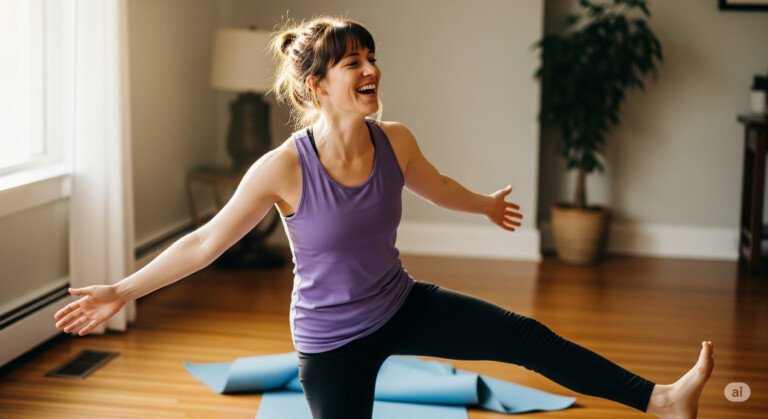
For example, social media often highlights funny yoga poses that exaggerate body positions or show people losing balance during practice. While these moments are humorous, they also remind beginners that mistakes are normal.

Even experienced practitioners occasionally wobble, fall, or struggle with balance. Progress in yoga is rarely perfect.

Another topic that surprises beginners is the reality of the yoga fart phenomenon. Certain twisting or compression poses can release trapped air in the digestive system. This is a completely normal biological response, although it can feel embarrassing in group classes.

Experienced instructors usually treat it lightly because digestive movement is actually a sign that the body is relaxing and releasing tension.

Understanding these realities helps beginners approach yoga with less pressure and more patience.


Yoga as a Lifestyle

Yoga eventually becomes more than a physical exercise routine. Many people discover that it influences daily habits, mindset, and personal discipline.

Yoga philosophy encourages awareness in everyday actions such as eating, sleeping, breathing, and interacting with others.

For this reason, yoga practitioners often talk about yoga as a lifestyle rather than just a workout.

Clothing and Comfort

Comfortable clothing makes a significant difference in yoga practice.

Tight clothing can restrict breathing or movement, while overly loose clothing may interfere with poses.

Beginners often ask what they should wear during practice. A detailed guide on what to wear to yoga usually recommends breathable fabrics that allow free movement while maintaining modest coverage during stretches and inversions.

Different yoga styles may require different clothing considerations.

For example, heated yoga classes create intense sweating, so understanding what to wear to hot yoga becomes important. Moisture wicking fabrics and lightweight clothing help maintain comfort in heated environments.

Essential Yoga Gear

One of the advantages of yoga is that it requires very little equipment. However, a few simple items can improve the experience.

Common yoga essentials include:

• a non slip yoga mat
• a reusable water bottle
• a towel for sweat
• yoga blocks or straps for support

Many practitioners keep these items ready in a small kit often described as yoga in a bag essentials, which makes it easier to maintain a consistent routine whether practicing at home, outdoors, or in a studio.


Yoga for Different Age Groups

One reason yoga continues growing worldwide is its adaptability. Unlike many intense workout programs, yoga can be modified for different ages and physical conditions.

Yoga for Seniors

Older adults often struggle with joint stiffness, reduced balance, and limited mobility. Traditional yoga poses may feel difficult or unsafe for beginners in this age group.

To address this, instructors developed modified routines like chair yoga for seniors. These sessions allow participants to perform stretching and breathing exercises while seated or using a chair for balance support.

Chair based yoga provides many of the same benefits as traditional yoga while reducing the risk of falls.

Yoga for Families and Partners

Yoga can also become a shared activity between friends, couples, or family members.

Partner routines encourage cooperation and communication. Some poses require one person to support another, creating balance and trust between partners.

Beginners often explore yoga poses for 2 people because these routines feel more interactive and engaging than solo practice.

Partner yoga is also common in wellness retreats and recreational workshops.


Breathing and Relaxation Techniques

Breathing is one of the most powerful yet overlooked components of yoga.

Many beginners initially focus on the physical movements of yoga poses, but experienced practitioners know that breath control determines the overall effect of the practice.

Slow breathing activates the parasympathetic nervous system, which reduces heart rate and lowers stress hormones.

This is why breathing techniques such as breathwork for stress relief are widely used to calm anxiety and improve emotional stability.

Relaxation Through Breath

Certain breathing exercises emphasize long, steady inhalations and exhalations that relax the body.

Practices like the method of relaxation with breathing train the mind to remain calm even when the body experiences tension or discomfort.

These techniques are especially useful before sleep, during stressful workdays, or after intense physical activity.

Over time, breath awareness becomes automatic. Practitioners begin to notice how breathing patterns change with emotions, fatigue, and concentration.

Learning to control these patterns can significantly improve mental resilience.


Controversies and Cultural Questions Around Yoga

Because yoga originated in ancient India and later spread globally, it has sometimes been misunderstood or debated in different cultural contexts.

Some discussions focus on whether yoga is purely a physical practice or a spiritual tradition.

Religious Questions

In some communities, people ask whether yoga conflicts with their religious beliefs.

This question is often explored in discussions about is yoga a sin religious views, where different perspectives examine whether yoga should be treated as exercise, meditation, or spiritual practice.

Many modern instructors present yoga primarily as a wellness practice focused on movement and breathing rather than religious rituals.

Kundalini Yoga Debate

Another topic that occasionally generates debate is the intensity of certain advanced yoga systems.

For example, some discussions examine why is kundalini yoga dangerous in situations where practitioners attempt powerful breathing or meditation techniques without proper guidance.

Kundalini yoga traditionally involves advanced breathing patterns and long meditation sessions designed to influence energy flow within the body.

While many practitioners report positive experiences, beginners should approach advanced practices carefully and ideally under experienced instruction.


Yoga Culture in the Modern World

Yoga today exists in many different environments.

Some people practice yoga in quiet studios with traditional instruction. Others follow online classes, mobile apps, or short guided sessions on social media.

Even large public events celebrate yoga globally.

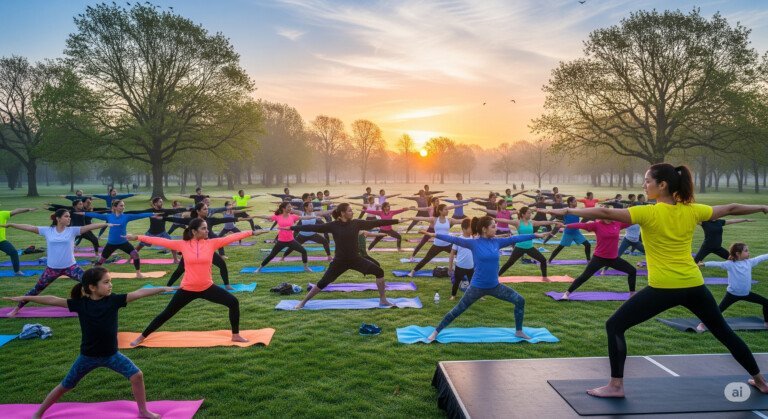
Every year millions of people participate in events related to international yoga day, which encourages global awareness of yoga’s physical and mental health benefits.

This widespread participation reflects how yoga has evolved from an ancient practice into a global wellness movement.

Despite these changes, the core purpose of yoga remains the same. It is a system designed to bring balance to the body and mind through movement, breathing, and awareness.


How to Build a Simple Daily Yoga Routine

Many beginners believe they need long sessions or complex sequences to benefit from yoga. In reality, consistency matters far more than session length.

A short, structured daily routine can produce noticeable improvements in flexibility, strength, and mental clarity within a few weeks.

The goal is to create a routine that is simple enough to maintain every day.

Step 1: Start With Gentle Warm Up

Before moving into deeper stretches or balance poses, the body needs preparation.

A warm up usually includes light movements that gradually increase circulation and loosen stiff muscles. Neck rolls, shoulder rotations, and gentle spinal twists prepare the body for more demanding positions.

Beginners who skip this step often experience unnecessary muscle strain.

Step 2: Practice Foundational Poses

The core of your session should focus on fundamental poses that develop balance, strength, and flexibility.

Many beginner programs begin with movements described in guides about best yoga poses, since these postures build the foundation required for more advanced yoga practice.

At this stage, focus on correct alignment rather than depth of stretch. Small improvements in posture can significantly reduce the risk of injury.

Step 3: Include Breathing Exercises

Breathing exercises should not be treated as optional.

Controlled breathing regulates heart rate and helps the body transition into a calm, focused state. Even two or three minutes of breathing exercises can improve the effectiveness of a yoga session.

Many beginners use techniques found in breathwork for stress relief because they are simple and produce noticeable relaxation quickly.

Step 4: End With Relaxation

Every yoga session should end with a brief relaxation period.

This phase allows the body to absorb the benefits of stretching and breathing. Many practitioners lie quietly in a resting position while focusing on slow breathing.

Some people also incorporate the method of relaxation with breathing during this stage to deepen mental calmness.


A Simple Weekly Yoga Plan for Beginners

A structured weekly plan helps beginners develop consistency without overwhelming their schedule.

Below is an example of how someone might structure their first week of yoga practice.

Day 1: Foundation

Focus on learning posture and breathing basics. Practice simple stretches and balance poses while paying attention to alignment.

Day 2: Flexibility

Introduce hip opening and lower body stretches such as the butterfly yoga pose, which helps release tension from long periods of sitting.

Day 3: Core Strength

Incorporate strengthening poses like the boat pose in yoga to activate abdominal muscles and improve spinal support.

Day 4: Balance and Stability

Practice balance oriented poses such as the eagle pose yoga, which improves coordination and focus.

Day 5: Digestive Support

Use gentle twisting poses often included in routines like yoga for digestion to stimulate abdominal circulation.

Day 6: Recovery and Relaxation

Choose calming movements such as sequences from bedtime yoga poses that help relax the body and prepare for restful sleep.

Day 7: Active Flow

Combine several poses into a continuous sequence. Beginners interested in more dynamic movement may explore introductory routines like power yoga for beginners.

This type of weekly structure provides variety while reinforcing foundational skills.


Safety Guidelines for Beginners

Yoga is generally safe when practiced carefully, but certain precautions help prevent injuries.

Avoid Forcing Flexibility

Flexibility develops gradually. Pushing too far into a stretch can strain muscles or ligaments.

Yoga should create mild tension but never sharp pain.

Maintain Steady Breathing

Holding your breath during poses increases physical tension and reduces oxygen flow.

Steady breathing maintains relaxation and prevents dizziness.

Modify When Necessary

Every body is different. Beginners should feel comfortable modifying poses when necessary.

For example, older adults or individuals with mobility limitations often benefit from approaches such as chair yoga for seniors, which provide similar benefits with greater stability.

Listen to Your Body

Fatigue, discomfort, or pain are signals that the body needs rest.

Ignoring these signals can turn a beneficial practice into a harmful one.


Long Term Benefits of Consistent Yoga Practice

People who maintain a consistent yoga routine often experience improvements that extend beyond physical fitness.

Improved Mental Clarity

Regular breathing exercises and mindful movement improve concentration and emotional regulation.

Many practitioners report feeling calmer and more focused throughout the day.

Better Sleep

Evening sessions that include slow stretching and breathing can improve sleep quality.

Sequences based on bedtime yoga poses are especially helpful for people who struggle with restlessness before sleep.

Stronger Mind Body Connection

Yoga trains practitioners to observe subtle signals from their body. Over time, this awareness improves posture, movement patterns, and stress management.

Sustainable Fitness

Unlike extreme workout programs, yoga is designed for long term sustainability. Many people continue practicing yoga for decades because it adapts to changing physical abilities.


Final Thoughts: Yoga Guide for Beginners

Yoga remains one of the most adaptable and accessible wellness practices in the world.

Its combination of physical movement, controlled breathing, and mental awareness creates benefits that extend far beyond simple exercise.

Beginners often start yoga seeking improved flexibility or stress relief. Over time they discover that yoga influences many aspects of daily life including posture, discipline, sleep quality, and emotional balance.

The key to success is consistency.

Short sessions practiced regularly produce far greater results than occasional intense workouts.

Start slowly, focus on foundational movements, and gradually explore different styles and routines. As your confidence grows, yoga becomes less about performing poses and more about maintaining balance between body and mind.


Frequently Asked Questions

1. How often should beginners practice yoga?

Most beginners benefit from practicing three to five times per week. Even short sessions of fifteen minutes can provide noticeable improvements when practiced consistently.

2. Can yoga help with weight loss?

Yoga can support weight management by improving metabolism, reducing stress eating, and increasing physical activity. Dynamic routines such as yoga for weight loss combine movement and strength building poses.

3. Do I need to be flexible to start yoga?

No. Flexibility develops through practice. Many beginners start yoga because they want to improve stiffness and mobility.

4. Is yoga only for young people?

No. Yoga can be adapted for almost any age group. Modified routines such as chair yoga for seniors allow older adults to practice safely.

5. Can yoga improve digestion?

Gentle twisting and stretching movements stimulate digestive organs. Programs focused on yoga for digestion often help relieve bloating and discomfort.

6. Is yoga connected to religion?

Yoga originated in ancient spiritual traditions, but modern yoga is often practiced as a health and wellness activity. Discussions about is yoga a sin religious views show that perspectives vary depending on cultural and religious beliefs.


Disclaimer:

This post may contain affiliate links. If you purchase through them, we may earn a small commission at no extra cost to you. Also, this content is for informational purposes only and does not substitute professional medical advice.

10 Funny Yoga Poses That Will Make You Laugh Out Loud

The first time I ever tried yoga, I was expecting calm breathing, maybe a little stretching, and a sense of Zen. What I didn’t expect was to find myself stuck halfway in a funny yoga pose that looked more like a pretzel gone wrong than anything remotely spiritual. My best friend couldn’t stop laughing, and honestly, neither could I.

And that’s the thing about yoga it’s not always about balance, grace, and perfect form. Sometimes it’s about wobbling, slipping, and ending up in awkward poses that make you laugh so hard you forget you’re even working out.

In fact, some of the best bonding moments I’ve had with friends came from trying yoga together and discovering how hilariously human we all look when we topple out of a Downward Dog gone wrong or invent a “new” pose that probably belongs in a blooper reel.

That’s why today, I’m sharing 10 funny yoga poses that will make you laugh out loud. They’re not about being picture-perfect for Instagram they’re about celebrating the weird, wobbly, and wonderfully human side of yoga.


Why Funny Yoga Poses Deserve a Spot in Your Practice

It might sound silly to focus on yoga fails and bloopers, but laughter and movement go hand in hand. If you’re just starting out and want to understand the fundamentals of yoga beyond the funny moments, exploring a complete yoga guide can help you learn the basics of poses, breathing, and balance. Here’s why:

  • Stress relief: Laughter lowers cortisol, just like yoga does. Combine the two and you’ve got a natural mood booster.
  • Confidence builder: Laughing at yourself in a safe space takes away the pressure to be perfect.
  • Bonding experience: Group yoga classes are full of giggles when someone topples over in Tree Pose.
  • Viral yoga culture: Let’s be real some of the most shared yoga content online isn’t perfect poses, but weird yoga moments that feel relatable.

Personally, the best memories from my yoga journey aren’t the times I held a Warrior II perfectly. They’re the times I face-planted in Crow Pose and laughed until my stomach hurt.


Pose 1: The Wobbling Flamingo (Tree Pose Gone Wrong)

Tree Pose (Vrksasana) is supposed to be about balance and elegance. But if you’ve ever tried it on a slippery mat or after leg day, you know it quickly turns into what I call the Wobbling Flamingo.

What it looks like:

  • One leg frantically kicking as you try to plant your foot.
  • Arms flailing like you’re about to take flight.
  • A dramatic tumble back into Mountain Pose with a sheepish grin.

Why it’s funny:
Because no matter how experienced you are, everyone loses balance sometimes. Watching a whole yoga class tip over like dominoes? Comedy gold.

👉 Pro tip: Laugh it off. Balance improves with time, but the bloopers are the best part of the journey.

Top pick: I love using a grippy yoga mat when practicing balance poses it reduces those slip-and-slide moments (though it doesn’t save me from my own clumsiness).


Pose 2: The Pretzel Twist (Supine Spinal Twist Attempt)

Spinal twists are meant to feel restorative. But when you’re tangled in your own limbs and can’t quite figure out where to put your arms, it’s less “restful yogi” and more “confused pretzel.”

What it looks like:

  • Knees flopped to one side, arms at odd angles.
  • Head turning one way, eyes darting the other.
  • An awkward grunt as you realize you’ve basically tied yourself in a knot.

Why it’s funny:
Because it’s one of those poses where you think you look serene until someone snaps a photo and you realize you look like you’ve been dropped by a tornado.

👉 Pro tip: Don’t worry about looking graceful just focus on the stretch. Or better yet, embrace the pretzel vibes.


Pose 3: The Upside-Down Turtle (Happy Baby Pose Chaos)

Happy Baby Pose (Ananda Balasana) is supposed to be relaxing. You lie on your back, grab your feet, and sway gently. Sounds cute, right? Except sometimes it looks less like a peaceful baby and more like a turtle flipped onto its shell.

What it looks like:

  • Feet waving in the air like antennae.
  • Rocking side to side a little too much and almost rolling off the mat.
  • Giggles as you realize how silly you look.

Why it’s funny:
Because nothing says “yoga bloopers” like adults wiggling around on the floor holding their toes.

Top pick: This is one of those poses where yoga leggings that stretch matter. I once tried it in stiff joggers big mistake.


Pose 4: The Slippery Downward Dog

Downward Facing Dog is a staple of yoga. Strong arms, lengthened spine, heels pressing toward the floor it sounds so noble. But when your palms are sweaty or your mat isn’t grippy, it quickly turns into what I call the Slippery Downward Dog.

What it looks like:

  • Hands sliding forward while your feet shuffle to keep up.
  • Hips sagging until you’re basically in a weird half-plank, half-squat.
  • That moment of panic when you realize you might just face-plant.

Why it’s funny:
Because no matter how “serious” yoga feels, one slip in Downward Dog turns the whole thing into an instant yoga blooper.

Top pick: I once switched to a towel-style yoga mat cover, and it saved me from sliding disasters. Highly recommend if your studio classes get sweaty.


Pose 5: The Sideways Starfish (Fallen Side Plank)

Side Plank is meant to showcase strength and balance. But if your obliques are tired, it often ends in a dramatic flop I like to call the Sideways Starfish.

What it looks like:

  • One second you’re proudly holding Side Plank.
  • The next, you’ve collapsed onto the mat, arms and legs sprawled in every direction.
  • The sound of your own laughter as you just give up and enjoy the moment.

Why it’s funny:
Because it’s impossible to look graceful while starfished across the mat it’s peak awkward yoga pose energy.

👉 Pro tip: Laugh, reset, and try again. Sometimes falling is part of the fun.


Pose 6: The Drama Queen Camel

Camel Pose (Ustrasana) is a heart opener. But for beginners, it can feel intense cue the over-the-top dramatics.

What it looks like:

  • A deep lean backward that turns into flailing hands.
  • A gasp that sounds way more dramatic than the pose really is.
  • The inevitable collapse forward, looking like you just performed an opera solo.

Why it’s funny:
Because even in a serene yoga studio, there’s always one person who adds their own flair, turning Camel Pose into a viral yoga moment just waiting to happen.

Top pick: Supporting your knees with a cushioned yoga mat makes Camel Pose far less “tragic.”


Pose 7: The Penguin Walk (Crow Pose Fail)

Crow Pose is meant to be empowering, but for most of us starting out, it’s a series of near-faceplants. Enter: the Penguin Walk.

What it looks like:

  • Knees resting on arms, eyes focused, determination strong.
  • Feet refusing to lift, no matter how much you lean forward.
  • The eventual “waddle” off the mat, resembling a determined penguin.

Why it’s funny:
Because the contrast between the graceful goal (an elegant arm balance) and the reality (a squatty penguin shuffle) is pure comedy.

👉 Pro tip: Place a pillow in front of you to soften the falls you’ll thank me later.


Midway Reflection: Why Laughter Belongs on the Mat

Halfway through our list, it’s worth pausing to ask: why do these funny yoga poses matter?

Because yoga isn’t just about flexibility or perfect form. It’s about connection to your body, to your breath, and sometimes, to your sense of humor.

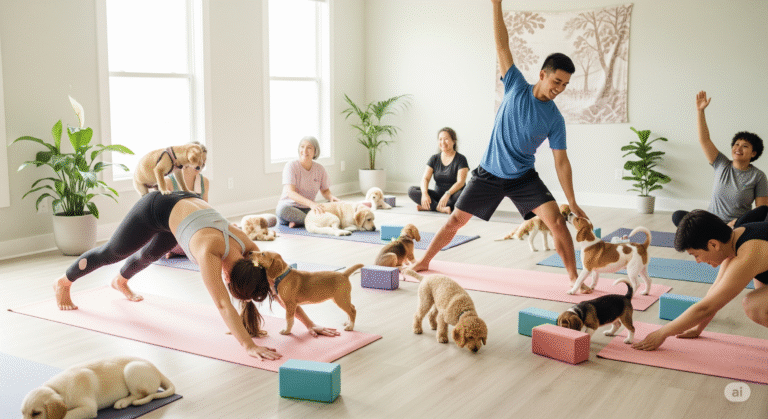
I’ve been in plenty of classes where someone wobbled, slipped, or toppled, and the whole room burst into laughter. Far from breaking the flow, it made the practice feel more human, more joyful. Those moments of shared laughter remind us that yoga is about being present, not perfect. Some classes even combine movement with playful energy through trends like puppies and yoga, where adorable dogs roam around while people practice poses.

So the next time you catch yourself in a weird pose or awkward tumble, don’t fight it. Lean into the laughter. That joy might just be the most healing part of your practice.


Pose 8: The Accidental Somersault (Forward Fold Mishap)

Forward Fold (Uttanasana) is supposed to be calming. You bend at the hips, relax your head, and breathe deeply. But if you rock too far forward or your balance gives out, it becomes the Accidental Somersault.

What it looks like:

  • You start peacefully folding forward.
  • Suddenly, your feet shift, and whoops! you roll right onto your back.
  • Cue laughter from anyone watching (and from yourself, once you recover).

Why it’s funny:
Because one second you’re Zen, the next you’re doing a clumsy roll across your mat. It’s like yoga meets slapstick comedy.

Top pick: If you practice at home, a thick yoga mat saves your back from these “oops” moments.


Pose 9: The Human Origami (Seated Forward Fold with Reach)

Seated Forward Fold (Paschimottanasana) can feel soothing for some, but for many of us, it turns into the Human Origami pose.

What it looks like:

  • Legs out straight, torso folding forward.
  • Arms stretching desperately for toes that feel a mile away.
  • A look of determination that ends in giggles when you realize you’re nowhere near touching your feet.

Why it’s funny:
Because we all imagine looking like a serene yogi and instead we resemble a crumpled piece of paper trying to fold itself.

👉 Pro tip: Use a strap or towel around your feet. Or just embrace your “short-arm syndrome” with pride.


Pose 10: The Yoga Bloopers Finale – Group Tangle Pose

Sometimes the funniest yoga poses aren’t plannedthey happen in group classes when mats are close together and someone topples sideways. Practicing yoga poses for 2 people can also create hilarious moments when partners try balancing together and end up laughing instead of holding the pose.

What it looks like:

  • One person tips out of Tree Pose.
  • Their neighbor wobbles in sympathy.
  • Suddenly, three people are tangled in an accidental yoga pile-up, laughing uncontrollably.

Why it’s funny:
Because these moments remind us yoga isn’t a performance it’s a community. And nothing bonds a group like a shared tumble.

Top pick: If you practice with friends, set up in a bigger space to avoid the domino effect but honestly, the pile-ups make the best memories.


Wrapping It All Together

At the end of the day, funny yoga poses aren’t mistakes they’re moments of joy. They remind us not to take ourselves too seriously.

Yoga has been life-changing for me, but not because I perfected every posture. It’s because I learned to laugh when I wobbled, smile when I fell, and celebrate the silly side of practice. Those giggles on the mat? They’re as healing as the stretches themselves.

So the next time you find yourself in a weird yoga pose, don’t hide it. Embrace it. Share it. Laugh about it. That laughter might just be the most powerful pose of all. Need to know more about best yoga poses!


FAQ

1. Are funny yoga poses just for beginners?

Not at all! Even experienced yogis end up in awkward poses or have their own yoga bloopers. It’s part of the journey.

2. Why do people share weird yoga photos online?

Because they’re relatable and human. Perfect poses inspire, but funny ones connect. That’s why viral yoga content often leans silly.

3. Can laughter really be part of yoga?

Yes! In fact, “laughter yoga” is an actual practice. Laughter reduces stress, boosts mood, and fits beautifully into a yoga session.

4. Do funny yoga poses still count as exercise?

Absolutely. Even if you topple or flop, you’re still moving your body, stretching muscles, and engaging your core while you laugh.

5. How can I avoid yoga bloopers?

You can’t completely everyone slips or wobbles. But using a non-slip mat, practicing in comfortable clothes, and giving yourself space can help. And honestly? Don’t avoid them. They’re the best part.


Disclaimer:

This post may contain affiliate links. If you purchase through them, we may earn a small commission at no extra cost to you. Also, this content is for informational purposes only and does not substitute professional medical advice.

Yoga for Weight Loss: 11 Powerful Poses that Burn Fat

When I first heard the phrase yoga for weight loss,” I’ll be honest I raised an eyebrow. I’d always associated yoga with calm breathing, flexibility, and maybe a little stress relief, not sweating buckets or burning calories. If anything, I thought of yoga as the cool-down after a “real workout.”

But life has a funny way of changing your perspective.

A few years ago, I was carrying extra weight and constantly hopping between different workout trends HIIT, spinning, bootcamp classes. They worked for a while, but they also left me exhausted and injured more than once. Out of curiosity, I joined a friend for a yoga class. It wasn’t love at first Downward Dog, but something clicked. I left the studio feeling challenged, lighter, and most surprisingly energized instead of drained.

Fast forward a few months, and my body started changing. My core felt stronger, my clothes fit differently, and I noticed a shift in how I carried myself. That’s when I realized: yoga can be a powerful fat-burning workout when practiced with intention.

In this blog, I’ll share 11 poses that truly support weight loss not gimmicky, “do this once and shed 10 pounds overnight” nonsense, but real, sustainable moves that engage muscles, fire up your metabolism, and help you feel more connected to your body. Whether you’re building your own weight loss routine or looking for an alternative to punishing cardio sessions, these yoga poses may be the missing piece in your fitness journey.

So, roll out your mat, take a deep breath, and let’s flow into it.


Why Choose Yoga for Weight Loss?

Before we dive into the poses, let’s clear up a common myth: yoga isn’t just about relaxation. If you’re new to the practice and want to understand the foundations of movement, breathing, and posture, starting with a complete yoga guide can help you build a strong base. Certain styles like vinyasa, ashtanga, or power yoga for beginners can get your heart pumping just as much as a traditional fitness workout while still improving flexibility and balance.

Here’s why yoga works surprisingly well for burning fat and keeping it off:

  • Full-body engagement: Many yoga poses activate multiple muscle groups at once, which means more calorie burn.
  • Core strength: Almost every posture engages your core, which is crucial for stability, posture, and a leaner midsection.
  • Mindful eating: Yoga fosters self-awareness, which can reduce emotional eating and late-night snacking.
  • Stress reduction: High stress = high cortisol levels, which contribute to belly fat. Yoga lowers stress and balances hormones.
  • Sustainable movement: Unlike crash diets or extreme programs, yoga is something you can actually enjoy long term.

When I swapped out two of my weekly cardio sessions for vinyasa yoga, I didn’t just lose weight I felt healthier, calmer, and stronger in ways I never did after pounding a treadmill.


Pose 1: Chair Pose (Utkatasana) – Ignite the Burn

Chair Pose looks simple, but don’t let it fool you. After a few breaths, your thighs will be on fire, and your heart rate will climb.

How to do it:

  1. Stand tall with feet together.
  2. Inhale, raise your arms overhead, palms facing each other.
  3. Exhale, bend your knees and lower your hips as if sitting in a chair.
  4. Keep your chest lifted and weight in your heels.
  5. Hold for 30–60 seconds while breathing deeply.

Why it works for weight loss:

  • Fires up the quads, glutes, and core.
  • Builds lower body strength for a calorie-burning foundation.
  • Gets your heart rate up quickly, like a bodyweight squat.

👉 Pro tip: Squeeze your thighs together for extra intensity. I sometimes imagine I’m holding a block between my knees it keeps me from collapsing inward.

Top Pick: I love using a non-slip mat for Chair Pose because when you start sweating, it’s easy to slide. The best yoga mats I use keeps me stable even during longer holds.


Pose 2: Plank Pose (Phalakasana) – Core Crusher

If you’ve ever tried holding a plank, you know it’s no joke. Add yoga’s focus on alignment and breath, and it becomes one of the best yoga workout moves for both fat burn and muscle definition.

How to do it:

  1. Start on all fours, then step your feet back so your body forms a straight line from head to heels.
  2. Engage your core by drawing your navel toward your spine.
  3. Press firmly into the mat with hands under shoulders.
  4. Hold for 30–90 seconds, breathing steadily.

Why it works for weight loss:

  • Strengthens core, shoulders, arms, and legs simultaneously.
  • Boosts metabolism by engaging multiple large muscle groups.
  • Improves posture, making your body look leaner overall.

👉 Pro tip: If holding plank feels overwhelming, try forearm plank or drop your knees while keeping your core engaged.

Whenever I commit to daily planks, I notice my midsection feels tighter within weeks. It’s one of those small but mighty habits that compound over time.


Pose 3: Warrior II (Virabhadrasana II) – Power and Stability

Warrior II is iconic for a reason. It’s not only empowering, but it also sculpts your legs, arms, and core while teaching you focus and balance.

How to do it:

  1. Stand with feet wide apart.
  2. Turn your right foot out 90 degrees and left foot slightly in.
  3. Bend your right knee over your ankle while keeping your left leg strong.
  4. Stretch your arms out to the sides, gaze over your front hand.
  5. Hold for 30–60 seconds, then switch sides.

Why it works for weight loss:

  • Strengthens thighs, calves, and glutes.
  • Builds stamina and endurance great for fat burning yoga flows.
  • Improves focus, helping you stay consistent with your weight loss routine.

👉 Pro tip: Keep your shoulders relaxed. I used to tense up in this pose until I learned to soften my upper body and let the legs do the work.

Whenever I practice Warrior II, I feel a mix of strength and grace like I can tackle anything on or off the mat.


Pose 4: Boat Pose (Navasana) – Core Strength, Core Burn

When people talk about yoga for weight loss, this is one of the go-to poses. Boat Pose doesn’t just target your abs; it challenges your balance, hip flexors, and even your focus.

How to do it:

  1. Sit on the mat with knees bent, feet flat.
  2. Lean back slightly, keeping your spine straight.
  3. Lift your feet off the ground until your shins are parallel to the floor.
  4. Extend your arms forward, palms facing each other.
  5. For more intensity, straighten your legs into a V-shape.

Why it works for weight loss:

  • Fires up your entire core (not just the “six-pack” muscles).
  • Strengthens hip flexors, helping with balance and posture.
  • Improves endurance and concentration.

👉 Pro tip: If your lower back feels strained, keep your knees bent or hold behind your thighs for support.

Boat Pose was the first yoga move that made me actually sweat. I remember wobbling, laughing, and almost tipping backward but within weeks, I noticed my abs feeling tighter and stronger.


Pose 5: Chaturanga (Low Plank) – Strength Meets Precision

Think of Chaturanga as yoga’s version of a push-up. It looks simple, but practicing it with correct form is intense and a key part of many fat-burning yoga flows like vinyasa or power yoga.

How to do it:

  1. Start in Plank Pose.
  2. Shift slightly forward on your toes.
  3. Lower your body halfway down, keeping elbows tucked by your sides.
  4. Stop when your upper arms are parallel to the floor.
  5. Hold briefly, then transition into Upward Dog or back to Plank.

Why it works for weight loss:

  • Strengthens arms, chest, shoulders, and core.
  • Builds endurance for flowing yoga workouts.
  • Engages multiple major muscles, making it a calorie-torching posture.

👉 Pro tip: Avoid collapsing your shoulders or belly. I used to “cheat” by dropping too quickly until I realized slow, controlled movements made me twice as strong.

Chaturanga humbled me at first. But once I nailed it, it became one of the most empowering moves in my practice.


Pose 6: Crescent Lunge (Anjaneyasana) – Lower Body Sculptor

Few poses combine strength, stretch, and stability like Crescent Lunge. It tones the legs, strengthens the core, and builds heat fast making it perfect for a fitness yoga practice.

How to do it:

  1. From Downward Dog, step your right foot forward between your hands.
  2. Keep your back leg straight and strong, heel lifted.
  3. Inhale, sweep your arms overhead.
  4. Keep your hips square and chest lifted.
  5. Hold 30–60 seconds, then switch sides.

Why it works for weight loss:

  • Strengthens glutes, quads, and hamstrings.
  • Improves balance and stability.
  • Boosts circulation, helping your body burn fat more efficiently.

👉 Pro tip: For extra intensity, pulse gently in the lunge. I sometimes add light hand weights for a “yoga workout” upgrade.

This is one of those poses that makes you feel strong and rooted, even when your thighs are shaking like jelly.


Pose 7: Side Plank (Vasisthasana) – Oblique Shaper

When I first tried Side Plank, I lasted about three seconds before toppling over. But with practice, it became one of my favorite core sculptors and it’s phenomenal for trimming the waistline.

How to do it:

  1. From Plank Pose, shift onto your right hand and outer edge of right foot.
  2. Stack your left foot on top of your right.
  3. Extend your left arm up toward the ceiling.
  4. Keep your body in one straight line, hips lifted.
  5. Hold for 20–40 seconds, then switch sides.

Why it works for weight loss:

  • Targets obliques, shoulders, and hips.
  • Builds balance and core stability.
  • Boosts calorie burn when added to flow sequences.

👉 Pro tip: Modify by lowering your bottom knee if needed. Trust me, even the modified version will fire up your obliques.

The first time I held Side Plank for a full minute, I felt like a superhero. It was one of those small victories that reminded me yoga isn’t just about flexibility it’s a legit strength practice.


Midway Reflection: The Power of Consistency

Here’s the truth: a single yoga session won’t magically melt away pounds. But consistent practice? That’s where the magic happens.

When I first started blending these fat burning yoga poses into my weekly routine, I wasn’t perfect. Some days my balance was off. Some days I barely held a pose. But week by week, my body adapted. I noticed I was standing taller, moving more gracefully, and yes shedding weight without the burnout of high-impact workouts.

Yoga isn’t just a weight loss routine it’s a lifestyle shift. It changes the way you move, breathe, and even think about fitness. That’s why the second half of our journey (Poses 8–11) will take things even deeper more dynamic, more energizing, and more transformative.


Pose 8: Downward Facing Dog (Adho Mukha Svanasana) – Full-Body Toning

This pose may look restful, but after holding it for a minute, you’ll realize it’s secretly a powerhouse move in any yoga workout.

How to do it:

  1. Start on hands and knees, tuck your toes, and lift your hips toward the ceiling.
  2. Straighten your legs as much as possible while pressing heels gently toward the floor.
  3. Spread your fingers wide and press firmly into the mat.
  4. Keep your head between your arms, gaze toward your thighs.

Why it works for weight loss:

  • Strengthens arms, shoulders, hamstrings, and core all at once.
  • Builds stamina, making it ideal for fat burning yoga flows.
  • Increases circulation, boosting metabolism.

👉 Pro tip: Pedal your feet to warm up. I used to dread this pose until I realized it doubles as an active stretch and a strength move.


Pose 9: Crow Pose (Bakasana) – Arm Balance Burner

Crow Pose might look intimidating, but it’s one of the best yoga poses for strength and calorie burn. Balancing your body weight on your arms engages muscles you didn’t even know you had.

How to do it:

  1. Start in a squat with feet close together, hands flat on the mat.
  2. Place knees on the backs of your upper arms.
  3. Lean forward, shifting weight into your hands.
  4. Lift your feet off the floor, balancing on your palms.

Why it works for weight loss:

  • Strengthens arms, wrists, and core.
  • Requires intense concentration, building mental focus.
  • Burns calories fast due to the full-body engagement.

👉 Pro tip: Place a pillow in front of you at first. Falling forward is part of learning I had a few nose dives myself before I got the hang of it!

This pose taught me that yoga isn’t just about stretching it’s about testing your limits and discovering strength you didn’t know existed.


Pose 10: Wheel Pose (Urdhva Dhanurasana) – Heart Opener + Fat Burner

Few yoga moves feel as exhilarating as Wheel Pose. It’s challenging, yes, but it’s also a deep stretch and an energizing backbend that revs up your system.

How to do it:

  1. Lie on your back, knees bent, feet hip-width apart.
  2. Place hands by your ears, fingers pointing toward shoulders.
  3. Press into your palms and feet, lifting hips and chest toward the ceiling.
  4. Straighten arms as much as possible, creating a full arch.

Why it works for weight loss:

  • Strengthens arms, shoulders, legs, and back.
  • Opens the chest, improving lung capacity and energy.
  • Stimulates metabolism by activating large muscle groups.

👉 Pro tip: Warm up with Bridge Pose first. My first Wheel Pose felt clunky, but over time it became one of my favorite “I feel unstoppable” moments.


Pose 11: Sun Salutations (Surya Namaskar) – Flow into Transformation

If you’re looking for one sequence to tie everything together, this is it. Sun Salutations are dynamic, energizing, and perfect for building a weight loss routine you can actually stick with.

How to do it (simplified version):

  1. Start in Mountain Pose (Tadasana).
  2. Inhale, sweep arms overhead.
  3. Exhale, fold forward into Forward Bend.
  4. Step back into Plank or Chaturanga.
  5. Flow into Upward Dog, then Downward Dog.
  6. Step forward, fold, and rise back up to Mountain.

Why it works for weight loss:

  • Burns calories through continuous, flowing movement.
  • Strengthens and stretches the whole body.
  • Builds cardiovascular endurance without harsh impact.

👉 Pro tip: Try doing 5–10 rounds in the morning it’s like coffee for your body and metabolism.

When I started practicing Sun Salutations daily, I noticed not only weight loss but also improved mood and energy throughout the day.


Wrapping It All Together

So, does yoga for weight loss really work? Absolutely when you commit to consistency and intention.

These 11 poses aren’t just about burning fat. If you want to explore more foundational movements that support flexibility, strength, and overall wellness, learning the best yoga poses can help expand your daily practice. They’re about building strength, balance, flexibility, and mindfulness. They’re about discovering a fitness path that doesn’t punish you, but instead supports you body and mind.

I’ve tried it all endless cardio, restrictive diets, bootcamp workouts. Nothing transformed me quite like yoga did. Not only did I shed pounds, but I gained a stronger, calmer, more resilient version of myself.

And that’s the real gift of yoga: it’s not just about the scale. It’s about feeling at home in your body. Need to know more about best yoga poses!


FAQ

1. How often should I practice yoga for weight loss?

Aim for at least 3–5 sessions per week. Consistency is more important than intensity. Even short daily flows can add up to lasting results.

2. Can yoga burn fat as effectively as cardio?

Yes especially dynamic styles like vinyasa or power yoga. These act as both strength training and cardio, making them excellent fat-burning yoga practices.

3. How long will it take to see results?

Everyone’s different, but many notice changes in strength and energy within weeks. Visible weight loss often shows after 6–8 weeks of consistent practice.

4. Do I need to combine yoga with other workouts for weight loss?

Not necessarily. Many people achieve results with yoga alone, especially when combined with mindful eating. That said, mixing in other activities (walking, strength training) can speed progress.

5. Is yoga safe for beginners who want to lose weight?

Absolutely. Start with beginner-friendly poses and flows, listen to your body, and gradually build up. Props like blocks and straps make it accessible for all fitness levels.


Disclaimer:

This post may contain affiliate links. If you purchase through them, we may earn a small commission at no extra cost to you. Also, this content is for informational purposes only and does not substitute professional medical advice.

International Yoga Day: 9 Inspiring Ways to Celebrate Mindfully

Every June 21st, as the sun reaches its longest day in the Northern Hemisphere, millions around the globe unroll their mats, take a deep breath, and unite in a shared rhythm of stillness and movement. It’s not just another date on the calendar it’s International Yoga Day, a celebration of mindfulness, strength, and the timeless practice that connects us across cultures.

I still remember my first International Yoga Day. It wasn’t in an ashram or on some exotic retreat it was right in my local park. The grass was damp from morning dew, the air alive with chatter and birdsong, and dozens of strangers had gathered with their mats. As we moved together through sun salutations, I realized I wasn’t just stretching or exercising. I was part of something bigger a yoga community that transcended age, background, or experience level.

For many of us, life moves so fast that we rarely stop to breathe, to connect, to just “be.” That’s why this yoga holiday is more than symbolic. It’s a reminder: we’re stronger, calmer, and kinder when we take time for mindful movement and collective awareness.

In this post, we’ll explore the story of International Yoga Day, why it matters, and 9 inspiring ways you can celebrate it mindfully this year whether you’re a long-time practitioner or just starting your journey.


The History of International Yoga Day

International Yoga Day didn’t emerge by accident it’s a modern recognition of an ancient practice that’s been transforming lives for thousands of years.

In December 2014, the United Nations officially declared June 21st as International Day of Yoga, following a proposal by India’s Prime Minister, Narendra Modi. He described yoga as “an invaluable gift of India’s ancient tradition” and highlighted its role in promoting harmony between body and mind, man and nature.

Why June 21st?

June 21st is the summer solstice the longest day of the year in the Northern Hemisphere. Symbolically, it represents light, vitality, and energy. Ancient yogic traditions often link solstices to spiritual significance, making it the perfect date for a global yoga awareness celebration.

Global Adoption

The first official International Yoga Day was celebrated in 2015, with massive gatherings across the world:

  • Over 35,000 people in Delhi, India, practiced together on Rajpath.
  • Cities like New York, Paris, and Beijing hosted yoga flash mobs.
  • Local studios, parks, and even schools joined in, bringing yoga to new audiences.

💡 Personal Reflection: I was amazed watching the coverage that year seeing school kids in Japan, elders in Europe, and entire families in the US all moving in unison. It was proof that yoga isn’t confined to one culture it belongs to humanity.


Why International Yoga Day Matters

For some, yoga may look like just another workout trend. If you’re new to the practice and want to understand its foundations, exploring a complete yoga guide can help you learn the basics of breathing, movement, and mindfulness. But the essence of this yoga holiday runs deeper. It’s about unity, peace, and awareness values that feel more urgent than ever in today’s world.

1. A Global Reminder of Wellness

In an era where stress, anxiety, and chronic illness affect millions, yoga offers a path to physical health, emotional balance, and inner calm. Celebrating it globally reminds us to prioritize well-being.

2. Breaking Barriers

Yoga connects people across race, religion, gender, and age. On International Yoga Day, CEOs might roll out mats beside college students, and grandparents stretch alongside children. It levels us all.

3. Renewed Awareness

Events, workshops, and public sessions on this day create yoga awareness, introducing newcomers to its benefits. Many people attend a free session on June 21st and discover a lifelong practice.

4. Collective Energy

There’s something powerful about practicing in a group. Sharing breath and movement with thousands or even just a dozen creates a sense of belonging and collective strength.

Tip: If you’re celebrating at home, a comfortable eco-friendly yoga mat makes all the difference. Mine has been my best investment it cushions my knees and doesn’t slip, even in long flows.


The Deeper Meaning Behind the Day

It’s easy to think of yoga as just stretching or poses, but International Yoga Day is about much more. At its heart, the practice teaches yoga and discipline, encouraging consistency, mindfulness, and a deeper connection between body and mind.

  • Mindfulness: Learning to be present in each breath.
  • Discipline: Showing up for yourself consistently.
  • Compassion: Extending kindness to yourself and others.
  • Community: Realizing you’re part of a greater whole.

I once heard a teacher describe yoga as “a practice of remembering.” Remembering who you are, what matters, and how connected you are to everything around you. That, to me, is what International Yoga Day is truly about.


9 Inspiring Ways to Celebrate International Yoga Day Mindfully

International Yoga Day isn’t about doing the most complicated poses or posting the “perfect” yoga picture on social media. At its core, it’s about celebrating yoga awareness finding ways to connect with yourself, your breath, and the community around you. Here are nine deeply meaningful ideas you can try this June 21st.

1. Begin the Day with a Sunrise Flow

There’s something deeply moving about practicing yoga as the sun rises. The early morning is quiet birds are singing softly, the air feels fresh, and the world hasn’t yet rushed into its daily chaos. On June yoga mornings, especially on International Yoga Day, sunrise feels symbolic: a new beginning, a reminder that each day offers fresh energy.

Steps to Try:

  1. Set your alarm 30 minutes earlier than usual.
  2. Unroll your mat by a window, balcony, or backyard anywhere you can see the sky change colors.
  3. Start with gentle stretches like Cat-Cow to awaken the spine.
  4. Flow into Sun Salutations (Surya Namaskar) even 4–6 rounds can generate warmth and clarity.
  5. Close your eyes in Mountain Pose, feeling the sunlight on your skin.

💡 Personal Story: Last year, I joined a sunrise yoga session in the park. We were only about 15 people, but the shared silence as the first rays hit our faces was unforgettable. I wasn’t just “doing yoga”; I was part of something much bigger a collective moment of gratitude for the day ahead.


2. Join a Community Yoga Event

International Yoga Day is also about yoga community. Across the U.S., local parks, yoga studios, and wellness groups often organize free or donation-based classes. Some events attract hundreds of participants, mats lined up as far as the eye can see.

Why Join?

  • The energy is contagious breathing in unison with dozens of others is uplifting.
  • You feel supported, even if you’re a beginner.
  • It creates a sense of belonging, especially if you usually practice alone.

Tips for Attending:

  • Wear light, breathable clothing (June heat can sneak up on you).
  • Bring a foldable travel yoga mat easy to carry and clean after grass or sand practice.
  • Arrive early; popular events fill up quickly.

💡 Real Example: In Chicago, Millennium Park hosts a mass yoga event each June. Seeing hundreds of people moving through Warrior poses in front of the skyline is goosebump-worthy.


3. Practice Yoga Nidra for Deep Rest

Not every celebration has to be active. Sometimes, the best way to honor International Yoga Day is by slowing down. Yoga Nidra also known as yogic sleep is a guided meditation where you lie down, close your eyes, and follow verbal cues to drift into deep relaxation.

Benefits of Yoga Nidra:

  • Calms the nervous system (great for stress relief).
  • Improves sleep quality, making it a natural sleep aid yoga technique.
  • Works for all ages and physical abilities perfect for seniors or those who can’t do intense flows.

How to Practice:

  • Find a quiet, dimly lit space.
  • Lie in Savasana (Corpse Pose) with a blanket over you.
  • Use a Yoga Nidra recording or app for a 20–40 minute session.

💡 Personal Note: The first time I tried Yoga Nidra on International Yoga Day, I was skeptical could lying still really be “yoga”? But when I woke up, I felt as though I had taken the deepest nap of my life. It’s now a yearly ritual.


4. Explore Yoga Philosophy Beyond the Mat

Yoga in the U.S. is often seen as purely physical, but at its root, it’s a way of life. International Yoga Day is the perfect moment to dive deeper into yoga philosophy.

Ideas to Explore:

  • Read The Yoga Sutras of Patanjali short, practical wisdom about the mind and inner peace.
  • Journal about the yamas and niyamas (yoga’s ethical principles) and how they might fit into daily modern life.
  • Watch an online talk about yoga history to understand its rich traditions.

Suggestion: If you enjoy guided reflection, try a yoga philosophy journal that combines prompts with ancient wisdom.

Emotional Trigger: Many people discover yoga through exercise but stay because of the mental clarity and emotional strength it builds. International Yoga Day is a chance to honor that side of yoga too.


5. Host a Family Yoga Session

Yoga becomes even more special when shared. You don’t need to be a teacher just gather your family, roll out some mats, and lead simple, playful stretches.

Why Family Yoga Works:

  • Encourages kids to see movement as fun, not a chore.
  • Helps seniors or grandparents feel included in a gentle way.
  • Creates shared memories (and plenty of laughter).

💡 Personal Story: Last year, my niece insisted on inventing a “Giraffe Pose.” It looked more like us reaching awkwardly toward the ceiling while giggling uncontrollably but that joy was the whole point.

Tip: If you have elderly parents, seated poses or chair yoga for seniors make the practice safe and enjoyable.


6. Try Seva (Selfless Service)

Yoga isn’t only about self-care it’s about caring for others. In Sanskrit, Seva means selfless service, and what better day to practice it than a global yoga holiday?

Ways to Practice Seva on International Yoga Day:

  • Volunteer at a local food bank or shelter.
  • Offer to lead a free gentle yoga class for seniors in your neighborhood.
  • Donate old mats or blocks to a community center.
  • Support a friend by simply listening with presence and compassion.

💡 Reflection: The last time I volunteered to guide a short chair yoga class at a senior home, I realized yoga’s real gift: it isn’t about perfect alignment; it’s about connection. The smiles from the participants stayed with me for days.


7. Create a Yoga & Journaling Ritual

Pairing movement with reflection deepens the practice. After your yoga session, take 10–15 minutes to write in a journal.

Journal Prompts for International Yoga Day:

  • “What part of my yoga practice brings me the most peace?”
  • “How can I carry mindfulness into the rest of my daily routine?”
  • “What does community mean to me in the context of yoga?”

Tip: A simple guided wellness journal with prompts makes writing less intimidating and more intentional.

Sensory Layer: Imagine sitting cross-legged after your practice, sipping herbal tea, pen gliding across paper as the scent of lavender candles fills the air. That’s mindfulness in action.


8. Celebrate with Food that Nourishes

On International Yoga Day, let food become part of the mindfulness ritual. This isn’t about dieting it’s about noticing flavors, textures, and the way food makes you feel.

Mindful Meal Ideas:

  • A Buddha Bowl with quinoa, roasted vegetables, chickpeas, and tahini dressing.
  • A green smoothie with spinach, pineapple, and almond milk for refreshing energy.
  • Herbal teas like peppermint or chamomile to wind down.

💡 Personal Memory: A few years ago, I hosted a “Yoga Potluck.” Everyone brought a vegetarian dish, and we ate together on blankets in the backyard. The laughter, clinking of plates, and smell of spices made it unforgettable.


9. End the Day with Gratitude Meditation

Finally, close the day as intentionally as you began it. A gratitude meditation transforms your practice into a lived experience.

How to Practice:

  1. Sit comfortably or lie down.
  2. Take three deep breaths, releasing tension.
  3. Think of three things you’re grateful for today big or small.
  4. Send kind thoughts to yourself, your loved ones, and even strangers.

💡 Emotional Note: I often do this with a candle lit beside me. The flame becomes a symbol of presence reminding me that no matter what the day brought, gratitude is always possible.


Conclusion: A Celebration That Lasts Beyond One Day

International Yoga Day is more than just a date on the calendar it’s a reminder that yoga awareness is a lifelong journey. Whether you spent June 21st flowing with a crowd in a city park, meditating quietly at home, or sharing playful stretches with family, each moment of presence matters.

What makes this day beautiful is its collective energy. On the same day, millions of people around the globe pause to breathe, stretch, and reflect. You don’t have to be flexible, experienced, or “fit” in the Instagram sense. If you’re just beginning your journey, exploring the best yoga poses for beginners can help you build confidence and develop a balanced practice. Yoga meets you where you are.

Here’s the takeaway: Yoga is not just movement. It’s mindfulness, compassion, and connection. International Yoga Day simply gives us the chance to celebrate those truths in a more intentional, mindful way.

So the real celebration begins when you carry that awareness into June yoga mornings, July afternoons, and every season that follows. Need to know more about best yoga poses!


FAQ

1. Why is International Yoga Day celebrated on June 21st?

International Yoga Day falls on June 21st because it’s the summer solstice the longest day of the year in the Northern Hemisphere. Symbolically, it represents light, energy, and new beginnings, aligning perfectly with yoga’s philosophy of balance and renewal.

2. Do I need experience to join a community yoga event?

Not at all! Most community yoga events are beginner-friendly and designed to welcome everyone. Teachers often provide modifications, so you can take it at your own pace. It’s about connection, not perfection.

3. What if I can’t do traditional yoga poses?

That’s okay! Yoga is adaptable. You can try gentle yoga or chair yoga for seniors [Internal Link Placeholder], which focus on accessible, seated poses. Even breathwork and meditation count as celebrating International Yoga Day.

4. How can I celebrate International Yoga Day if I’m really busy?

Even if you have just 5–10 minutes, you can still join in. Try a short guided meditation, a couple of deep stretches, or a mindful gratitude practice before bed. Small, consistent steps matter more than one big event.

5. Is yoga considered exercise or spirituality?

Both and more. Yoga is often seen as fitness yoga in the West, but its roots combine physical postures, breathing, mindfulness, and philosophy. On International Yoga Day, you can choose the side that resonates most: movement for strength, meditation for peace, or philosophy for growth.


Disclaimer:

This post may contain affiliate links. If you purchase through them, we may earn a small commission at no extra cost to you. Also, this content is for informational purposes only and does not substitute professional medical advice.

Yoga Fart: 5 Embarrassing But True Stories from the Mat

It happened in the middle of a peaceful Downward Dog. The room was silent except for the soothing voice of our instructor guiding us deeper into the stretch. And then out of nowhere came the sound. A short, unmistakable “pfft” that echoed just enough to make every head in the room subtly turn.

That, my friends, was my first yoga fart experience.

If you’ve practiced yoga long enough, you’ve probably been there or you’ve witnessed someone else’s unexpected contribution to the soundscape of the class. The truth is, flatulence yoga moments happen to even the most seasoned yogis. They’re a normal (if hilarious) side effect of twisting, bending, and squeezing our bodies in ways that… well… move things along internally.

In this post, we’re going to celebrate these moments with five funny yoga stories that prove we’re all human. We’ll laugh together, share tips for handling yoga accidents, and maybe even help you feel less mortified if it happens to you next time.


Why Yoga Farts Happen (and Why You Shouldn’t Be Ashamed)

Let’s get one thing straight passing gas during yoga is totally normal. If you’re new to yoga and still learning how different poses affect your body internally, exploring a complete yoga guide can help you understand the mechanics behind breathing, movement, and digestion. Yoga movements often involve compressing the abdomen, engaging the core, and stretching the digestive tract, all of which can release trapped air. In fact, many of these movements are commonly used in yoga for digestion routines designed to relieve bloating and stimulate gut activity.

Common reasons for a yoga fart include:

  • Twists and bends – These massage your internal organs and move gas along.
  • Hip openers – Poses like Pigeon Pose create pressure that can “unlock” surprises.
  • Core engagement – Strong abdominal work can push air through the digestive system.
  • Relaxation – As your body lets go of tension, so does… everything else.

💡 Personal Tip: I’ve learned to eat lighter before class nothing like discovering that your pre-yoga burrito is a bad idea mid-Happy Baby Pose.


The Unwritten Rule: Everyone Pretends It Didn’t Happen

If you’ve ever experienced yoga humor firsthand, you know the golden rule: act like it never happened. Most people in a class will simply keep going, out of kindness (and maybe fear of being next).

That said, in certain settings like casual community classes or sessions with friends a little laughter can break the ice. The key is reading the room. If it’s a very zen, candle-lit class… maybe save the jokes for later.


1 – The “First Timer” Fiasco

I’ll never forget my friend Emily’s first yoga class. She was nervous but excited, wearing brand-new leggings and carrying her mat like a badge of honor. Everything was going great until the instructor led us into Seated Forward Bend.

Halfway into the fold, we all heard it clear, loud, and absolutely impossible to pass off as a creaky floorboard. Emily froze, her face turning the shade of a ripe tomato. But instead of ignoring it, she whispered “Oops!” and started giggling. Within seconds, the whole back row was laughing along.

Lesson learned: Owning the moment takes the power away from embarrassment.


2 – The Downward Dog Disaster

This one’s mine. I had a big breakfast (mistake #1) and decided to go to a high-energy vinyasa class (mistake #2). Somewhere between Plank Pose and Downward Dog, my core squeeze sent a not-so-zen sound into the room.

The instructor didn’t miss a beat she smiled and said, “That’s just your body saying thank you.” I nearly melted with relief.


3 – The Partner Pose Predicament

Partner yoga can be a beautiful bonding experience… unless your digestive system has other plans. My friend Jake learned this the hard way during a Double Boat Pose. As both partners leaned back and lifted their legs, Jake’s body decided it was the perfect moment for a solo performance.

Instead of pretending it didn’t happen, they both burst into laughter so hard they had to roll off their mats. The whole class followed suit.

Takeaway: Laughter can turn a cringe-worthy yoga accident into a shared memory.


4 – The Candlelit Catastrophe

One of my most zen yoga experiences was during a restorative candlelit class soft music, dim lighting, lavender in the air. Everything was perfect… until it wasn’t.

We had just eased into Happy Baby Pose, which is basically the human equivalent of a squeeze toy. The room was so quiet you could hear the sound of our collective breathing until my neighbor to the left released the loudest flatulence yoga moment I’ve ever heard.

No one laughed. No one moved. We all just… kept breathing. And you know what? It was actually beautiful. It was a reminder that yoga is about acceptance of ourselves, of others, and of the human body in all its forms.


5 – The Live-Streamed Surprise

Online yoga classes have their perks no commute, no need to dress up. But if your mic is on… beware.

During the lockdown era, my friend Melissa joined a live-streamed morning flow. She forgot to mute her microphone, and halfway through Twisted Chair Pose, she let one slip broadcasted to 20 people and the instructor. The instructor, bless her, said, “That’s the sound of progress.” Melissa laughed it off, and it became her favorite class ever.


How to Minimize the Risk of a Yoga Fart

While you can’t guarantee it won’t happen (and maybe you shouldn’t try too hard it’s natural), there are a few things you can do to lower the odds:

  1. Watch what you eat before class
    Skip heavy, gassy foods like beans, broccoli, cabbage, and carbonated drinks at least 3 hours before practice.
  2. Go to the bathroom first
    Even if you don’t think you need to, take a few minutes before class to try.
  3. Warm up gently
    A few easy stretches at home can help “pre-release” any potential distractions.
  4. Modify certain poses
    If you know hip openers tend to trigger gas, take a gentler variation.

Tip: I keep a small yoga bolster with me in class. It not only helps with modifications but also gives me something to subtly reposition behind if I’m feeling “at risk.”


Why We Should Laugh About It

Funny yoga moments like this are part of what makes group classes human, especially when trying playful funny yoga poses that naturally lead to laughter and unexpected moments. Sure, yoga is about mindfulness, strength, and flexibility, but it’s also about connection and nothing connects people faster than shared laughter over something we all secretly fear happening to us.


Conclusion: Your Practice is More Than One Moment

A yoga fart doesn’t define your practice. In fact, it can be a reminder that you’re doing exactly what yoga is meant to do help your body release tension, move energy, and function naturally.

So the next time it happens, smile, breathe, and remember: somewhere, someone else is probably telling your story to their yoga friends right now. And maybe that’s the real yoga connection through being unapologetically human. Need to know more about best yoga poses!


FAQ

1. Is it normal to fart during yoga?

Yes! Movements like twists, bends, and hip openers can naturally release trapped gas.

2. Can I prevent it from happening?

You can minimize it by avoiding heavy meals before class and warming up beforehand, but it’s never 100% preventable.

3. Should I leave the class if it happens?

Not at all. Just keep going most people won’t make a big deal out of it.

4. Does yoga help with digestion?

Yes, certain poses can stimulate digestion and help relieve bloating. Sometimes that’s exactly why farts happen in class.

5. Is farting in yoga considered rude?

In most settings, no it’s understood as a normal bodily function. Just try to be discreet if possible.

Disclaimer:

This post may contain affiliate links. If you purchase through them, we may earn a small commission at no extra cost to you. Also, this content is for informational purposes only and does not substitute professional medical advice.

Power Yoga for Beginners: 10 Energizing Poses to Build Strength

It started with a simple promise to myself: move more, feel stronger, and boost my energy without spending hours in the gym. I had tried traditional yoga before and loved the calm it brought me, but I wanted something more something that got my heart pumping while still giving me the flexibility and focus yoga offers.

That’s when I stumbled into my first power yoga class. It was in a small studio on a sunny Saturday morning. The instructor’s playlist was upbeat, the pace was dynamic, and within minutes, I felt sweat dripping down my back. But it wasn’t just a workout it was a whole-body experience. By the end, I felt stronger, lighter, and surprisingly accomplished.

If you’ve ever wanted a form of yoga that combines strength building with the calorie-burning benefits of a workout, power yoga for beginners is the perfect place to start. Many people also use dynamic flows like these as part of a broader yoga for weight loss routine because the faster pace increases calorie burn while still improving flexibility and balance. It’s a fusion of traditional yoga postures with faster, more energetic transitions that engage your muscles, challenge your endurance, and leave you feeling empowered.

In this guide, I’ll walk you through 10 energizing poses that form the foundation of beginner-friendly power yoga. No need to be super flexible or have years of yoga experience just bring an open mind, a bit of determination, and a willingness to sweat.


Why Power Yoga is Perfect for Beginners

While the name might sound intimidating, fitness yoga in the form of power yoga is incredibly beginner-friendly if you start with the right poses and pacing. If you’re completely new to yoga and want to understand the foundations of poses, breathing, and alignment first, exploring a complete yoga guide can help you start your practice with confidence. Think of it as the bridge between traditional yoga and a cardio workout.

Here’s why power yoga works for beginners:

  • It builds strength fast – Dynamic flows work your core, arms, legs, and back.
  • It improves stamina – Faster sequences increase your heart rate like a cardio workout.
  • It boosts flexibility – The poses still stretch your muscles even at a quicker pace.
  • It relieves stress – Mindful breathing remains a big part of the practice.

Tip: I started with just 15 minutes a day. Over time, my balance, energy, and confidence grew without me feeling overwhelmed.


How to Prepare for Your First Power Yoga Session

Before we jump into the dynamic yoga poses, let’s set you up for success.

  1. Choose the right space
    Whether at home or in a studio, make sure you have enough room to stretch your arms and legs fully.
  2. Wear breathable, fitted clothing
    Power yoga involves plenty of movement, so choose outfits that won’t get in your way.
  3. Stay hydrated
    Keep a water bottle nearby and sip between sequences, not during poses.
  4. Use a grippy yoga mat
    With faster transitions, a slip-resistant mat keeps you stable.
    Tip: I swear by my PROlite Yoga Mat it’s supportive and never slips.

10 Energizing Power Yoga Poses for Beginners

These poses form the backbone of strength building in beginner power yoga. Move through them at a steady pace, linking breath with movement.


1. Mountain Pose (Tadasana)

The foundation for every strong flow.

Why it works: Improves posture, engages your core, and sets the tone for the session.

How to do it:

  1. Stand tall with feet hip-width apart.
  2. Press evenly into all four corners of your feet.
  3. Engage your thighs and lift your chest.
  4. Roll shoulders back and down, keeping chin parallel to the floor.

Duration: Hold for 3–5 breaths, feeling your body activate from toes to head.


2. Plank Pose (Phalakasana)

A full-body strength builder.

Why it works: Targets core, arms, and shoulders while improving endurance.

How to do it:

  1. Start on all fours, then extend your legs back.
  2. Keep your body in a straight line from head to heels.
  3. Engage your abs and press through your palms.

Tip: For wrist comfort, try using yoga wedges to reduce pressure.

Duration: Hold for 20–30 seconds, working up to 1 minute.


3. Downward Facing Dog (Adho Mukha Svanasana)

A power yoga essential for strength and flexibility.

Why it works: Strengthens arms and legs while stretching hamstrings and spine.

How to do it:

  1. From Plank Pose, lift your hips up and back.
  2. Press heels toward the floor (knees can be slightly bent).
  3. Spread fingers wide and press through your palms.

4. Chair Pose (Utkatasana)

A leg and core burner that builds endurance fast.

Why it works: This pose fires up your thighs, glutes, and abs, mimicking the effort of a squat while improving posture.

How to do it:

  1. From Mountain Pose, bend your knees as if sitting in an invisible chair.
  2. Keep weight in your heels and chest lifted.
  3. Extend arms overhead with palms facing in.

Duration: Hold for 5–8 breaths, then release back to Mountain Pose.


5. Warrior I (Virabhadrasana I)

A grounding pose that builds lower body and core strength.

Why it works: Engages legs, hips, and shoulders while improving focus and balance.

How to do it:

  1. Step your right foot forward into a lunge, left foot angled slightly out.
  2. Bend your right knee over the ankle.
  3. Lift arms overhead, palms facing each other.

Tip: If your hips feel tight, a yoga block under the back heel can help stabilize your stance.

Duration: Hold for 3–5 breaths per side.


6. Warrior II (Virabhadrasana II)

A strength and stability powerhouse.

Why it works: Builds endurance in the legs and arms while opening the hips.

How to do it:

  1. From Warrior I, open your hips and arms so they’re parallel to the floor.
  2. Keep gaze over your front hand.
  3. Engage your core and keep shoulders relaxed.

Duration: Hold for 5 breaths on each side.


7. Chaturanga Dandasana (Low Plank)

A key dynamic yoga move that boosts upper body strength.

Why it works: Strengthens arms, chest, shoulders, and core similar to a push-up but with a yoga flow twist.

How to do it:

  1. From Plank Pose, shift forward on your toes.
  2. Bend elbows to a 90-degree angle, keeping them close to your ribs.
  3. Keep body in one straight line.

Duration: Hold for 2–3 breaths, then move into Upward Facing Dog.


8. Upward Facing Dog (Urdhva Mukha Svanasana)

A heart-opening pose that counterbalances strength work.

Why it works: Strengthens arms and back while opening the chest and improving posture.

How to do it:

  1. From Chaturanga, press palms into the mat and straighten arms.
  2. Lift thighs off the floor, keeping only hands and tops of feet grounded.
  3. Roll shoulders back, gaze forward or slightly up.

9. Crescent Lunge (Anjaneyasana)

A balance challenge that strengthens legs and improves flexibility.

Why it works: Builds strength in quads, hamstrings, and glutes while stretching the hip flexors.

How to do it:

  1. From Downward Dog, step your right foot forward.
  2. Bend your right knee at 90 degrees, keep left leg extended back.
  3. Lift arms overhead, palms facing each other.

Duration: Hold for 5–8 breaths, then switch sides.


10. Boat Pose (Navasana)

The ultimate strength building core finisher.

Why it works: Engages abs, hip flexors, and back muscles for total core strength.

How to do it:

  1. Sit on the floor, knees bent, feet flat.
  2. Lean back slightly, lift feet off the floor, shins parallel to the ground.
  3. Extend arms forward, keeping chest lifted.

Tip: Use a yoga strap around your feet if you need extra support for balance.

Duration: Hold for 20–30 seconds, repeat 2–3 times.


Tips for Building Your Power Yoga Routine

  • Start with 10–15 minutes if you’re new, then increase to 30 minutes.
  • Link breath with movement for maximum energy.
  • Combine strength poses (Plank, Chair, Warriors) with balance-focused postures like Eagle Pose, along with stretching poses (Downward Dog, Crescent Lunge).
  • End with Savasana to allow your body to cool down and absorb the benefits.

When to Practice Power Yoga

  • Morning: Boosts energy for the day ahead.
  • Midday: Perfect for a lunch break workout.
  • Evening: Helps release stress while still being energizing.

💡 If you’re using power yoga as cardio yoga, 3–4 times a week is ideal for building strength and stamina.


Conclusion: Your Stronger Self Starts Here

When I first began my power yoga for beginners journey, I thought it was just going to be another workout. But with each session, I realized it was so much more it made me feel capable, focused, and ready to tackle my day.

Power yoga isn’t about perfection. It’s about progress. Whether you’re here to get stronger, build endurance, or find a workout that makes you actually look forward to moving, these 10 poses can be your foundation.

So roll out your mat, put on your favorite playlist, and give yourself the gift of 20 minutes. Your body and mind will thank you. Need to know more about best yoga poses!


FAQ

1. Is power yoga good for weight loss?

Yes, power yoga burns calories while building muscle, making it great for weight management.

2. How often should beginners do power yoga?

Start with 2–3 times a week, increasing frequency as your stamina improves.

3. Do I need equipment for power yoga?

A good yoga mat is essential. Props like blocks and straps can help but aren’t mandatory.

4. Is power yoga the same as cardio yoga?

They overlap power yoga can be considered a form of cardio yoga because of its fast pace.

5. Can beginners handle the intensity of power yoga?

Absolutely just start slow, focus on form, and build up gradually.


Disclaimer:

This post may contain affiliate links. If you purchase through them, we may earn a small commission at no extra cost to you. Also, this content is for informational purposes only and does not substitute professional medical advice.

Puppies and Yoga: 7 Reasons It’s the Ultimate Stress-Relief

Puppies and yoga – it’s the latest wellness trend that’s quickly capturing hearts worldwide. In today’s fast-paced world, stress lurks around every corner. Whether it’s the constant pressure of work deadlines, managing family life, or simply trying to find a moment of peace amidst the chaos, we’re all searching for ways to unwind. But what if you could combine the calming power of yoga with the adorable joy of puppies? That’s where puppy yoga comes in – a heartwarming new trend that’s redefining stress relief and bringing a smile to everyone who tries it.


1. What Is Puppies And Yoga? And Why Is It Trending?

Imagine stepping into a serene yoga studio, the soft mats perfectly laid out, the air filled with soothing music, and, in the midst of all that tranquility, a bunch of energetic puppies prancing around. That’s puppy yoga! A delightful fusion of traditional yoga poses combined with the playful nature of puppies. In these sessions, a group of puppies – usually rescued from shelters – roam around while participants stretch, breathe, and flow through their yoga practice.

Puppy yoga has taken the world by storm, and it’s not hard to see why. The joy of puppies, combined with the calming effects of yoga, is the ultimate remedy for stress. Whether you’re a seasoned yogi or a complete beginner, the cuteness factor alone is enough to melt away the tensions of everyday life. If you’re completely new to the practice, starting with a simple yoga guide for beginners can help you understand basic poses, breathing techniques, and how to build a comfortable routine. It’s no wonder puppy yoga has become the newest way to find your zen.

So, why is it trending now? Well, it’s no surprise that more and more people are embracing holistic wellness routines that cater to both the mind and the body. But what makes puppy yoga stand out is its ability to tap into the emotional side of stress relief. Studies have long shown the therapeutic power of pets, and when combined with yoga, it’s the perfect recipe for emotional release. Puppy yoga isn’t just a fitness trend; it’s a movement to reconnect with happiness and simplicity.


2. The Cuteness – Cortisol Drop & Laughter

The concept of puppy yoga might sound whimsical at first, but there’s real science behind why this trend is so effective. When you spend time with a puppy, your brain releases a surge of feel-good hormones like oxytocin. This hormone, often called the “love hormone,” plays a crucial role in bonding and relaxation. Couple this with the calming influence of yoga – which already lowers stress hormones like cortisol – and you’ve got a potent combination that results in an almost instant mood boost.

Research has shown that petting a dog can lower cortisol levels (the stress hormone) and trigger the release of endorphins, which promote feelings of happiness and relaxation. In a yoga setting, this interaction intensifies as the puppies create a sense of joy and playfulness, which enhances the mindfulness experience. In fact, many participants report feeling more present and calm after a session of puppy yoga than after a traditional yoga class.

It’s no secret that laughter is a powerful stress reliever, and puppies are expert comedians. Watching a puppy wobble through a yoga pose or playfully nibble on your yoga mat can have you laughing in no time. Moments like these often turn normal yoga practice into hilarious sessions that resemble some of the most entertaining funny yoga poses people try with friends or pets. This is where the magic happens: the combination of yoga, laughter, and adorable puppies creates a truly unique and effective way to combat stress. And let’s be real – who doesn’t feel lighter after a good laugh and a few puppy snuggles?


3. What It Reveals About the True Soul of Yoga

Yoga is more than just physical exercise; it’s a spiritual and emotional journey. The true soul of yoga lies in its ability to connect the body, mind, and spirit. Traditionally, yoga is about mindfulness, self-awareness, and creating space for inner peace. When you bring puppies into the mix, something magical happens: yoga transcends its physical practice and taps directly into emotional healing.

Puppy yoga reveals a more playful and loving side of yoga. While traditional yoga can sometimes feel serious or intense, the presence of puppies fosters an atmosphere of fun, relaxation, and joy. These adorable creatures teach us to let go of perfection and embrace the moment – a core principle of yoga. Puppies don’t care if you’re doing a perfect Downward Dog or if you can stretch to touch your toes; they just want to be around you, share some affection, and have fun. This carefree spirit mirrors the ultimate goal of yoga – to release attachment to outcomes and simply be present.

By engaging with puppies during a yoga session, you reconnect with the light-heartedness that life sometimes takes away. Many practitioners say this playful connection feels similar to practicing yoga poses for 2 people, where interaction and trust become part of the yoga experience. It’s a gentle reminder to enjoy life and be kind to yourself. Puppy yoga brings us back to the essence of yoga: connection, compassion, and peace. And let’s face it – those puppy eyes? They make everything feel a little bit better.


4. Dress Code – Yoga Pants vs Leggings for Pet Hair

One of the less glamorous aspects of puppy yoga (but still an important one) is dealing with pet hair. If you’ve ever spent time around puppies, you know that they shed. So, choosing the right attire for your session becomes crucial, not just for comfort, but for managing all that adorable fur.

When it comes to yoga pants vs leggings, both options can work, but there are a few things to keep in mind. Yoga pants are typically made of thicker material, which can be great for absorbing sweat and providing comfort during your practice. However, they might not be as clingy as leggings, which means they could catch more fur. On the other hand, leggings tend to hug your body more closely, making them less likely to trap loose pet hair on your legs.

If you’re planning to participate in puppy yoga, consider choosing a darker-colored outfit to help hide any stray fur. A pink yoga mat is a great addition to your session, offering a fun, vibrant backdrop that will keep your spirits high (and hide pet hair better than lighter-colored mats). And don’t forget to bring a lint roller! A quick pass before or after the session can ensure you’re not walking around covered in fur.


5. How to Prep (Bring a Yoga Mat, Towels, etc.)

So, you’ve decided to try puppy yoga – now what? Preparation is key to ensuring you get the most out of the experience. First things first, make sure to bring a yoga mat – and not just any mat, but one that’s vibrant and fun. A pink yoga mat, for example, will add a playful and energizing vibe to the session while helping you maintain focus during your practice. Plus, pink is known for its calming and soothing properties, making it the perfect color for a relaxing yoga class surrounded by adorable puppies.

Towels are another essential item to bring. Between puppy playtime and yoga stretches, it’s likely you’ll break a little sweat (especially when those puppies jump on you during a plank!). Having a towel nearby will ensure you stay dry and comfortable throughout the session. Also, some puppy yoga studios provide mats, but it’s always a good idea to bring your own, especially if you prefer a specific style or thickness.

Lastly, don’t forget to hydrate before and after your class. Puppy yoga may be playful, but you’ll still be working your body through yoga poses. Staying hydrated ensures you maintain energy and flexibility throughout the session.


6. Tips to Host One Locally

Are you feeling inspired to bring the joy of puppy yoga to your community? Hosting your own puppy yoga class could be a fun and rewarding way to share the magic of this trend with others. Here are a few tips to get started:

  1. Partner with a Local Shelter – Reach out to local animal shelters to find puppies in need of fostering or adoption. Collaborating with a shelter gives the puppies a chance to interact with people and potentially find their forever homes.
  2. Choose the Right Venue – Ensure your yoga studio is pet-friendly and has enough space for both participants and puppies to move around freely. You’ll want a space that’s cozy and safe for everyone.
  3. Set Clear Guidelines – Puppy yoga requires some special considerations. Make sure participants know that it’s not a traditional yoga class and that it’s okay if their practice is interrupted by playful pups.
  4. Advertise with Love – Spread the word via social media, local event listings, and word of mouth. Puppy yoga is a fun, feel-good event that’s sure to get people excited.
  5. Offer Adoption Options – If participants fall in love with a puppy during the class, consider working with the shelter to facilitate the adoption process. Puppy yoga can be a win-win for everyone!

7. Conclusion: Puppy Yoga – The Joyful Path to Serenity

Puppy yoga is more than just a trend – it’s a movement that blends the physical, emotional, and playful sides of life. The joy of puppies combined with the soul of yoga creates a unique stress-relief experience that resonates on a deeper level. Whether you’re looking to ease anxiety, laugh more, or simply enjoy a moment of serenity, puppy yoga offers all that and more.

So, why not give it a try? Let the love of puppies guide you into a more peaceful, joyful way of being. And who knows – you might just find that the key to stress relief is a playful pup by your side, a deep breath in, and a stretch that feels like pure bliss.


FAQ

1. Is puppy yoga safe for beginners?

Yes, puppy yoga is beginner-friendly! The pups are there to interact playfully, and the focus is on enjoying the moment rather than perfecting poses.

2. Do I need to bring my own puppy to a session?

No, the puppies are provided by the studio or shelter, so you can just show up ready to relax and enjoy.

3. How long does a typical puppy yoga session last?

Sessions usually last about 45 minutes to an hour, depending on the studio and the number of puppies participating.

4. Are there any health benefits to puppy yoga?

Yes, puppy yoga can reduce stress, improve mood, and provide a fun, interactive way to stay active while connecting with animals.

5. Can I adopt a puppy after participating in a session?

In some cases, yes! Many puppy yoga studios collaborate with local shelters, so there may be adoption opportunities after the class.


Disclaimer:

This post may contain affiliate links. If you purchase through them, we may earn a small commission at no extra cost to you. Also, this content is for informational purposes only and does not substitute professional medical advice.

Why Is Kundalini Yoga Dangerous? 7 Shocking Reasons

Why is Kundalini yoga dangerous? While this powerful practice is known for its transformative potential, it also comes with risks if not approached carefully. The intense energy awakening and psychological effects can be overwhelming for some. In this post, we’ll explore 7 legit reasons why Kundalini yoga can be dangerous and why it’s important to practice with caution and the right guidance.


1. What Is Kundalini Yoga?

Kundalini Yoga is a powerful and transformative practice that many yogis swear by for its profound spiritual benefits. If you are new to yoga and want to understand how different styles fit into the broader practice, it helps to start with a complete yoga guide for beginners. Known for its intense energy, it’s often referred to as the “Yoga of Awareness.” Kundalini yoga combines movement, meditation, breathing techniques, and chanting to awaken the dormant energy, called Kundalini, believed to reside at the base of the spine. When awakened, this energy is said to travel up the spine, igniting higher levels of consciousness.

However, not all practitioners are aware of the potential dangers that can come with the practice. Some call it “dangerous,” but why is Kundalini yoga considered so? Is it a true spiritual awakening, or is there something more to it? In this article, we’ll explore why Kundalini yoga is dangerous for some people, touching on the risks involved, the misunderstood aspects, and the importance of practicing with the right discipline.


2. The Energy Awakening: What Really Happens

When practicing Kundalini yoga, the goal is to awaken the energy coiled at the base of your spine and allow it to rise through your chakras. This awakening process can be incredibly intense, both physically and spiritually. Kundalini practitioners claim that once this energy is awakened, it can lead to heightened states of consciousness, deeper self-awareness, and greater spiritual connection.

However, the process of awakening the Kundalini energy is not always as peaceful or enlightening as some would hope. While many people experience blissful moments of clarity, others may encounter unsettling or even frightening physical and psychological reactions.

What Happens During Awakening?

  • Physical Symptoms: Some practitioners report physical sensations like shaking, sweating, heat, or a feeling of electricity running through their bodies as the Kundalini energy rises. These sensations can be overwhelming, especially for beginners who might not be prepared for such intense experiences.
  • Psychological Impact: Mentally, the energy awakening can bring about emotional release, causing feelings of fear, anger, or sadness to surface. Some people experience disorientation or a sense of losing touch with reality during the awakening process, especially if the energy moves too quickly or is improperly channeled.

While some practitioners manage these experiences with guidance and mindfulness, others struggle with the intensity of the awakening, leading them to believe that Kundalini yoga is dangerous. The physical and psychological symptoms can sometimes feel overwhelming or out of control, especially for those who don’t understand what’s happening.


3. Reported Side Effects (Physical, Psychological)

Kundalini yoga is not for everyone. As with any practice that involves deep spiritual awakening and energy work, there are risks involved. Some of the side effects can be severe, especially if the practice is rushed or done without proper guidance. Let’s break down the common physical and psychological side effects of Kundalini awakening.

Physical Side Effects

  1. Exhaustion and Fatigue – Many practitioners experience a deep sense of fatigue after a Kundalini awakening session. The energy surge can be physically demanding, leading to a sense of depletion, especially if the body is not properly prepared for the energy it’s experiencing.
  2. Shaking or Tremors – Some practitioners report uncontrollable shaking or tremors in their bodies, especially after intense sessions. This can be a sign of energy moving through the body but can be alarming to those who are unprepared for it.
  3. Overstimulation of the Nervous System – Kundalini awakening can overstimulate the nervous system, leading to symptoms like dizziness, headaches, or a feeling of being “out of body.” The energy rising through the spine can create an intense rush of sensation that overwhelms the physical body.
  4. Imbalance in the Chakras – If the energy rises too quickly or the chakras aren’t properly aligned, the body can experience an imbalance in its energy system. This can cause physical discomfort and lead to an inability to properly ground the energy.

Psychological Side Effects

  1. Emotional Turmoil – Awakening the Kundalini energy often brings unresolved emotions to the surface. Fear, anxiety, depression, and frustration can come up unexpectedly. Some practitioners report feeling like they are “losing control” of their emotions.
  2. Altered Mental States – Some practitioners experience mental disorientation, or what is often described as psychosis in extreme cases. This includes feeling detached from reality, paranoia, or a loss of personal identity. If Kundalini energy is awakened too quickly or improperly, the psyche may not be able to integrate the experience, leading to intense mental confusion.
  3. Spiritual Crisis – The intensity of the energy awakening can sometimes lead to a spiritual crisis. Practitioners may struggle with questions about their identity, purpose, or spiritual beliefs. This is why it’s crucial to practice Kundalini yoga with a trained teacher or spiritual guide who can offer support during these intense periods.

4. Is Yoga Demonic or Just Misunderstood?

One of the most common misconceptions about Kundalini yoga is that it has demonic connotations or is a dangerous practice to avoid. This concern is closely related to the broader debate around is yoga a sin religious views, where different faith traditions interpret yoga’s spiritual origins in different ways. Some people, particularly those with limited knowledge about the practice, wonder, “Is yoga demonic?” While some might say yes due to misunderstandings or fear of the unknown, Kundalini yoga itself is not demonic. In fact, it is deeply rooted in spiritual traditions that seek to promote spiritual awakening and enlightenment.

Why is It Misunderstood?

Many view Kundalini yoga as “dangerous” because it’s not a practice that can be learned or understood in a casual way. It requires discipline, mindfulness, and proper guidance. Unlike more physical forms of yoga, such as Vinyasa or Hatha yoga, Kundalini yoga taps into powerful spiritual energies that must be approached with caution and respect. Without understanding the full scope of yoga and discipline, those new to it can feel overwhelmed or fearful of the sensations that arise during the practice.

The idea of awakening an internal energy that can lead to deep emotional, physical, and spiritual shifts can be intimidating for some. However, when practiced with the right discipline, Kundalini yoga can be a powerful tool for personal growth and spiritual enlightenment.


5. Practicing with the Right Discipline & Mindset

To truly benefit from Kundalini yoga, one must practice with the right mindset and discipline. Without proper yoga discipline, the practice can lead to unbalanced energy and a chaotic spiritual journey.

Why Discipline is Key

Kundalini yoga, like other forms of yoga, requires a deep level of commitment. It is not a practice that can be rushed, nor should it be approached casually. To awaken the Kundalini energy safely and effectively, you must build a foundation of mindfulness and discipline.

Here are a few tips for practicing Kundalini yoga with the right discipline:

  • Start Slowly: Don’t rush the process of awakening the Kundalini energy. Begin with simpler yoga and meditation techniques to build your mental and physical strength.
  • Find a Qualified Teacher: Working with a trained instructor can ensure you are practicing safely and with guidance.
  • Practice Mindfulness: Stay grounded by practicing mindfulness during your sessions. Be aware of your thoughts, feelings, and sensations during each practice.
  • Allow Time for Integration: After each practice, take time to reflect and integrate the experience. Don’t rush to move on to the next session.

Many beginners also start with gentler practices like breathwork for stress relief before attempting deeper energy-focused yoga techniques.


6. How to Find Balance: Align with the Soul of Yoga

At the heart of yoga is the soul of yoga a deep connection with your inner self and the universe around you. To safely navigate the intensity of Kundalini yoga, it’s important to connect with the soul of the practice, which emphasizes balance, mindfulness, and integration. When Kundalini energy rises within, it can bring about significant transformations, but only if it’s aligned with your highest purpose.

To find balance during your practice, focus on the following principles:

  • Surrender to the process: Trust that the energy will rise when it is meant to. Don’t force it.
  • Self-awareness: Cultivate self-awareness and observe the effects of the practice on your body, mind, and spirit.
  • Consistent practice: Build your practice gradually over time. Avoid rushing to awaken the energy prematurely.

7. Conclusion

Kundalini yoga is undoubtedly a powerful practice, but it’s not without risks. While some might view it as dangerous or even demonic, it is simply a misunderstood form of yoga that requires respect, discipline, and patience. The potential physical, psychological, and emotional effects of awakening Kundalini energy are real, but when approached with the right discipline and mindset, this yoga practice can lead to profound personal growth and spiritual enlightenment.

So, if you’re considering Kundalini yoga, practice it mindfully, with a qualified teacher and a deep sense of respect for its power. Yoga and discipline are inseparable, and through careful practice, you’ll be able to safely navigate the intense energy and unlock its full potential.


FAQ

1. Is Kundalini Yoga safe for beginners?

Yes, Kundalini yoga can be safe for beginners if practiced with caution and proper guidance. It’s essential to start slowly, with a qualified instructor, and to listen to your body throughout the process.

2. Can Kundalini yoga cause mental health issues?

Kundalini yoga can trigger emotional or psychological reactions, especially when the energy is awakened too quickly. It’s important to practice with mindfulness and to seek support if needed.

3. How can I prepare for Kundalini yoga?

Begin by practicing other forms of yoga or meditation to build your mental and physical strength. Learn about the practice and work with a teacher before diving into intense Kundalini sessions.

4. Is Kundalini yoga demonic?

No, Kundalini yoga is not demonic. It’s a spiritual practice designed to awaken inner energy and consciousness. Misunderstandings about its purpose and intensity have led to misconceptions.

5. What are the benefits of Kundalini yoga?

Kundalini yoga can lead to higher spiritual awareness, emotional healing, and physical strength. When practiced safely, it can be a transformative tool for personal growth.


Disclaimer:

This post may contain affiliate links. If you purchase through them, we may earn a small commission at no extra cost to you. Also, this content is for informational purposes only and does not substitute professional medical advice.

How to Clean Your Yoga Mat Like a Pro: 5 Easy Hacks

How to clean yoga mat is an essential skill every yogi should master. Whether you’re practicing at home or in the studio, a clean mat ensures a hygienic environment for your practice. Over time, yoga mats collect sweat, dirt, and bacteria, which can affect both your health and your practice. In this post, we’ll share 5 easy hacks to help you clean your yoga mat like a pro, so you can roll it out with confidence every time.


1. Why Hygiene Matters

If you’ve ever walked into a yoga studio, you’ve likely noticed the rows of yoga mats, some looking fresh and clean, others… not so much. If you’re like most yogis, you probably roll out your mat, jump into your practice, and give little thought to its cleanliness. But here’s the thing your yoga mat can become a breeding ground for bacteria, dirt, and grime if left uncleaned for too long. Not only does this affect your health, but it can also impact your practice.

Just think about it: every time you press your palms down in Downward Dog or stretch into a Warrior pose, your skin is making direct contact with your mat. Whether you’re practicing at home, outdoors, or in a studio, a dirty yoga mat can compromise your health and your overall experience. Keeping your mat clean is just as important as choosing the right gear and knowing what to wear to yoga for comfort and hygiene during your practice. That’s why knowing how to clean your yoga mat effectively is an absolute game-changer.

If you’re just starting your yoga journey, understanding the basics of practice and equipment care from a complete yoga guide for beginners can make your routine much easier and safer.

In this blog post, we’ll walk you through the best cleaning hacks for your yoga mat. By the end, you’ll know how to keep your mat fresh and clean, ensuring a more hygienic practice each time you roll it out. So, let’s get started!


2.Material Types & Why Cleaning Method Differs

Before we dive into the methods, it’s important to understand that not all yoga mats are created equal. The material your mat is made of can significantly impact the cleaning method you choose. Let’s take a look at the most common types of mats and why the cleaning method differs for each.

1. PVC (Polyvinyl Chloride) Yoga Mats

These are the most common type of yoga mats. PVC mats are affordable, durable, and offer excellent grip, but they require a gentle approach to cleaning. Harsh chemicals can break down the material and compromise the longevity of your mat.

2. TPE (Thermoplastic Elastomer) Yoga Mats

TPE mats are eco-friendly and lightweight, providing a comfortable feel during your practice. They’re also relatively easy to clean and can withstand a DIY spray or natural cleaning solution.

3. Rubber Yoga Mats

Made from natural rubber, these mats are perfect for an eco-conscious yogi. Rubber mats tend to absorb moisture, so they need to be cleaned with a solution that won’t leave residue.

4. Cork or Jute Yoga Mats

If you prefer a more natural feel, cork or jute mats are great choices. However, these mats need extra care, as harsh cleaning products can damage the natural fibers.

5. Cotton Yoga Mats

For those who prefer a more traditional practice, cotton mats offer comfort and breathability. These mats can be tossed in the laundry, but they also benefit from occasional spot cleaning to prevent buildup.

By understanding the material of your yoga mat, you can choose the appropriate cleaning method to maintain its integrity and ensure longevity.


3. 5 Cleaning Methods (DIY Spray, Baby Wipes, Natural Solutions)

Keeping your yoga mat clean doesn’t have to be complicated or time-consuming. Here are five effective and easy cleaning methods that will keep your mat looking and feeling fresh.

1. DIY Yoga Mat Spray

A homemade yoga mat spray is an excellent option for quick and effective cleaning. It’s simple to make, and you can control the ingredients to ensure that it’s safe for your mat and gentle on the skin. Plus, it’s eco-friendly and can be used regularly.

Ingredients:

  • 1 cup of water
  • 1/4 cup of white vinegar (or witch hazel)
  • 10-15 drops of your favorite essential oil (lavender or tea tree oil works well)

Instructions:

  • Mix the ingredients in a spray bottle and shake well.
  • Spray the solution directly onto your mat, then wipe it down with a soft cloth or towel.
  • Let your mat dry completely before rolling it up.

This method works wonders for mats that need regular cleaning after each practice.

2. Baby Wipes

In a pinch? Baby wipes can be a life-saver! These wipes are soft, gentle, and come in handy for quick cleans between practices, especially if you’re short on time. Just grab a few wipes, gently wipe down the surface of your mat, and allow it to air dry.

Tip: Look for unscented, alcohol-free baby wipes to avoid irritating your skin or the mat’s surface.

3. Natural Cleaning Solution

For a more natural approach, you can create a powerful cleaning solution with simple household items. This is great for eco-conscious yogis who want to avoid synthetic chemicals.

Ingredients:

  • 1/2 cup of water
  • 1/2 cup of distilled white vinegar
  • 5 drops of tea tree oil (known for its natural disinfectant properties)

Instructions:

  • Mix the ingredients in a spray bottle and shake.
  • Spray the solution on your mat and wipe it clean with a soft cloth or microfiber towel.
  • Let the mat dry before rolling it up.

4. Mild Dish Soap and Warm Water

If you’re dealing with a lot of buildup or dirt on your mat, a mild dish soap solution is a gentle yet effective way to clean it.

Instructions:

  • Fill a tub or sink with warm water and add a small amount of mild dish soap.
  • Submerge your mat and gently scrub the surface with a soft sponge or cloth.
  • Rinse thoroughly with clean water and hang your mat to dry.

This method is ideal for PVC mats or TPE mats that can withstand a more thorough cleaning.

5. Commercial Cleaning Wipes or Solutions

If you’re looking for convenience, there are commercial yoga mat cleaning wipes and solutions available on the market. These are formulated to disinfect and refresh your mat with minimal effort.

Recommendation: Consider opting for eco-friendly yoga mat cleaners that are made from natural ingredients and free from harmful chemicals.


4. Special Care for Yoga Mats

Your yoga mat requires more than just surface cleaning. It’s essential to give it some extra love to ensure it remains in top condition. Here are a few tips to ensure your mat gets the special care it deserves:

1. Avoid Direct Sunlight

While it’s tempting to air-dry your yoga mat under the sun, prolonged exposure can damage the material. Instead, hang your mat in a well-ventilated area, away from direct sunlight, to avoid the material from drying out or cracking.

2. Roll It Properly

To keep your mat in good shape, always roll it up after each practice. Rolling your mat prevents creases and helps it maintain its shape over time. Be sure to roll your mat foam side in to prevent any damage to the surface.

3. Keep It Dry

If you sweat a lot during your practice (and who doesn’t?), make sure to wipe your mat down after every session. Excess moisture can lead to mold or mildew over time, especially with rubber or cork mats.

4. Regularly Wash Your Mat

If you use your mat daily, it’s a good idea to clean it thoroughly once a month. For cotton mats, simply toss it in the laundry on a gentle cycle. For TPE and PVC mats, follow the cleaning instructions mentioned above.

5. Invest in a Mat Bag or Storage

If you practice yoga frequently, investing in yoga in a bag essentials or a proper storage solution can help protect your mat from dirt and damage when it’s not in use. A yoga in a bag also makes it easy to carry your mat to and from class while keeping it clean and safe.


5. Cleaning Tips for Travel-Friendly Mats (Yoga in a Bag)

For those who love to practice yoga on the go, travel-friendly mats are a must. These mats are lightweight and compact, making them easy to carry around perfect for those who practice on the road, at the beach, or even in the park.

However, keeping these mats clean can be a bit more challenging, as they are usually thinner and more delicate. Here are a few tips to keep your travel yoga mat in pristine condition:

  • Quick Wipes: Use baby wipes or a handheld yoga mat cleaner for quick refreshes when you’re traveling.
  • Dry Clean Only: If your mat is extra thin and made from a material that doesn’t dry quickly, stick to spot cleaning instead of washing it fully.
  • Use a Mat Bag: A yoga in a bag is a great option to keep your travel mat protected from dust and dirt when not in use.

Final Thoughts – Keep It Fresh

Cleaning your yoga mat is an essential part of maintaining your practice. A clean mat not only promotes better hygiene but also creates a more comfortable and pleasant environment for your practice. Regular cleaning, coupled with special care, will ensure that your mat lasts longer, performs better, and stays fresh for every session.


FAQ

1. How often should I clean my yoga mat?

It’s recommended to clean your yoga mat at least once a week, especially if you practice frequently. If you sweat a lot, you may want to wipe it down after each session.

2. Can I use regular cleaning wipes on my yoga mat?

Yes, but make sure to choose unscented, alcohol-free wipes to avoid damaging the mat’s surface.

3. How do I clean my yoga mat naturally?

A simple mix of vinegar, water, and a few drops of essential oil is a great natural cleaner. Spray it on your mat and wipe it down with a microfiber towel.

4. Can I machine wash my yoga mat?

Some mats, like cotton mats, can be machine washed on a gentle cycle. However, most PVC or rubber mats should be hand-washed or spot-cleaned to maintain their longevity.

5. What’s the best way to store my yoga mat?

Always roll your yoga mat up when not in use and store it in a yoga mat bag to protect it from dirt and damage.


Disclaimer:

This post may contain affiliate links. If you purchase through them, we may earn a small commission at no extra cost to you. Also, this content is for informational purposes only and does not substitute professional medical advice.

Exit mobile version