Puppies and Yoga: 7 Reasons It’s the Ultimate Stress-Relief

Puppies and yoga – it’s the latest wellness trend that’s quickly capturing hearts worldwide. In today’s fast-paced world, stress lurks around every corner. Whether it’s the constant pressure of work deadlines, managing family life, or simply trying to find a moment of peace amidst the chaos, we’re all searching for ways to unwind. But what if you could combine the calming power of yoga with the adorable joy of puppies? That’s where puppy yoga comes in – a heartwarming new trend that’s redefining stress relief and bringing a smile to everyone who tries it.


1. What Is Puppies And Yoga? And Why Is It Trending?

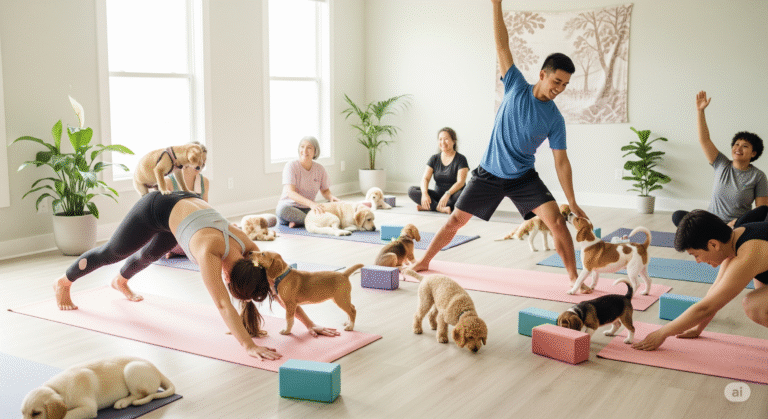
Imagine stepping into a serene yoga studio, the soft mats perfectly laid out, the air filled with soothing music, and, in the midst of all that tranquility, a bunch of energetic puppies prancing around. That’s puppy yoga! A delightful fusion of traditional yoga poses combined with the playful nature of puppies. In these sessions, a group of puppies – usually rescued from shelters – roam around while participants stretch, breathe, and flow through their yoga practice.

Puppy yoga has taken the world by storm, and it’s not hard to see why. The joy of puppies, combined with the calming effects of yoga, is the ultimate remedy for stress. Whether you’re a seasoned yogi or a complete beginner, the cuteness factor alone is enough to melt away the tensions of everyday life. If you’re completely new to the practice, starting with a simple yoga guide for beginners can help you understand basic poses, breathing techniques, and how to build a comfortable routine. It’s no wonder puppy yoga has become the newest way to find your zen.

So, why is it trending now? Well, it’s no surprise that more and more people are embracing holistic wellness routines that cater to both the mind and the body. But what makes puppy yoga stand out is its ability to tap into the emotional side of stress relief. Studies have long shown the therapeutic power of pets, and when combined with yoga, it’s the perfect recipe for emotional release. Puppy yoga isn’t just a fitness trend; it’s a movement to reconnect with happiness and simplicity.


2. The Cuteness – Cortisol Drop & Laughter

The concept of puppy yoga might sound whimsical at first, but there’s real science behind why this trend is so effective. When you spend time with a puppy, your brain releases a surge of feel-good hormones like oxytocin. This hormone, often called the “love hormone,” plays a crucial role in bonding and relaxation. Couple this with the calming influence of yoga – which already lowers stress hormones like cortisol – and you’ve got a potent combination that results in an almost instant mood boost.

Research has shown that petting a dog can lower cortisol levels (the stress hormone) and trigger the release of endorphins, which promote feelings of happiness and relaxation. In a yoga setting, this interaction intensifies as the puppies create a sense of joy and playfulness, which enhances the mindfulness experience. In fact, many participants report feeling more present and calm after a session of puppy yoga than after a traditional yoga class.

It’s no secret that laughter is a powerful stress reliever, and puppies are expert comedians. Watching a puppy wobble through a yoga pose or playfully nibble on your yoga mat can have you laughing in no time. Moments like these often turn normal yoga practice into hilarious sessions that resemble some of the most entertaining funny yoga poses people try with friends or pets. This is where the magic happens: the combination of yoga, laughter, and adorable puppies creates a truly unique and effective way to combat stress. And let’s be real – who doesn’t feel lighter after a good laugh and a few puppy snuggles?


3. What It Reveals About the True Soul of Yoga

Yoga is more than just physical exercise; it’s a spiritual and emotional journey. The true soul of yoga lies in its ability to connect the body, mind, and spirit. Traditionally, yoga is about mindfulness, self-awareness, and creating space for inner peace. When you bring puppies into the mix, something magical happens: yoga transcends its physical practice and taps directly into emotional healing.

Puppy yoga reveals a more playful and loving side of yoga. While traditional yoga can sometimes feel serious or intense, the presence of puppies fosters an atmosphere of fun, relaxation, and joy. These adorable creatures teach us to let go of perfection and embrace the moment – a core principle of yoga. Puppies don’t care if you’re doing a perfect Downward Dog or if you can stretch to touch your toes; they just want to be around you, share some affection, and have fun. This carefree spirit mirrors the ultimate goal of yoga – to release attachment to outcomes and simply be present.

By engaging with puppies during a yoga session, you reconnect with the light-heartedness that life sometimes takes away. Many practitioners say this playful connection feels similar to practicing yoga poses for 2 people, where interaction and trust become part of the yoga experience. It’s a gentle reminder to enjoy life and be kind to yourself. Puppy yoga brings us back to the essence of yoga: connection, compassion, and peace. And let’s face it – those puppy eyes? They make everything feel a little bit better.


4. Dress Code – Yoga Pants vs Leggings for Pet Hair

One of the less glamorous aspects of puppy yoga (but still an important one) is dealing with pet hair. If you’ve ever spent time around puppies, you know that they shed. So, choosing the right attire for your session becomes crucial, not just for comfort, but for managing all that adorable fur.

When it comes to yoga pants vs leggings, both options can work, but there are a few things to keep in mind. Yoga pants are typically made of thicker material, which can be great for absorbing sweat and providing comfort during your practice. However, they might not be as clingy as leggings, which means they could catch more fur. On the other hand, leggings tend to hug your body more closely, making them less likely to trap loose pet hair on your legs.

If you’re planning to participate in puppy yoga, consider choosing a darker-colored outfit to help hide any stray fur. A pink yoga mat is a great addition to your session, offering a fun, vibrant backdrop that will keep your spirits high (and hide pet hair better than lighter-colored mats). And don’t forget to bring a lint roller! A quick pass before or after the session can ensure you’re not walking around covered in fur.


5. How to Prep (Bring a Yoga Mat, Towels, etc.)

So, you’ve decided to try puppy yoga – now what? Preparation is key to ensuring you get the most out of the experience. First things first, make sure to bring a yoga mat – and not just any mat, but one that’s vibrant and fun. A pink yoga mat, for example, will add a playful and energizing vibe to the session while helping you maintain focus during your practice. Plus, pink is known for its calming and soothing properties, making it the perfect color for a relaxing yoga class surrounded by adorable puppies.

Towels are another essential item to bring. Between puppy playtime and yoga stretches, it’s likely you’ll break a little sweat (especially when those puppies jump on you during a plank!). Having a towel nearby will ensure you stay dry and comfortable throughout the session. Also, some puppy yoga studios provide mats, but it’s always a good idea to bring your own, especially if you prefer a specific style or thickness.

Lastly, don’t forget to hydrate before and after your class. Puppy yoga may be playful, but you’ll still be working your body through yoga poses. Staying hydrated ensures you maintain energy and flexibility throughout the session.


6. Tips to Host One Locally

Are you feeling inspired to bring the joy of puppy yoga to your community? Hosting your own puppy yoga class could be a fun and rewarding way to share the magic of this trend with others. Here are a few tips to get started:

  1. Partner with a Local Shelter – Reach out to local animal shelters to find puppies in need of fostering or adoption. Collaborating with a shelter gives the puppies a chance to interact with people and potentially find their forever homes.
  2. Choose the Right Venue – Ensure your yoga studio is pet-friendly and has enough space for both participants and puppies to move around freely. You’ll want a space that’s cozy and safe for everyone.
  3. Set Clear Guidelines – Puppy yoga requires some special considerations. Make sure participants know that it’s not a traditional yoga class and that it’s okay if their practice is interrupted by playful pups.
  4. Advertise with Love – Spread the word via social media, local event listings, and word of mouth. Puppy yoga is a fun, feel-good event that’s sure to get people excited.
  5. Offer Adoption Options – If participants fall in love with a puppy during the class, consider working with the shelter to facilitate the adoption process. Puppy yoga can be a win-win for everyone!

7. Conclusion: Puppy Yoga – The Joyful Path to Serenity

Puppy yoga is more than just a trend – it’s a movement that blends the physical, emotional, and playful sides of life. The joy of puppies combined with the soul of yoga creates a unique stress-relief experience that resonates on a deeper level. Whether you’re looking to ease anxiety, laugh more, or simply enjoy a moment of serenity, puppy yoga offers all that and more.

So, why not give it a try? Let the love of puppies guide you into a more peaceful, joyful way of being. And who knows – you might just find that the key to stress relief is a playful pup by your side, a deep breath in, and a stretch that feels like pure bliss.


FAQ

1. Is puppy yoga safe for beginners?

Yes, puppy yoga is beginner-friendly! The pups are there to interact playfully, and the focus is on enjoying the moment rather than perfecting poses.

2. Do I need to bring my own puppy to a session?

No, the puppies are provided by the studio or shelter, so you can just show up ready to relax and enjoy.

3. How long does a typical puppy yoga session last?

Sessions usually last about 45 minutes to an hour, depending on the studio and the number of puppies participating.

4. Are there any health benefits to puppy yoga?

Yes, puppy yoga can reduce stress, improve mood, and provide a fun, interactive way to stay active while connecting with animals.

5. Can I adopt a puppy after participating in a session?

In some cases, yes! Many puppy yoga studios collaborate with local shelters, so there may be adoption opportunities after the class.


Disclaimer:

This post may contain affiliate links. If you purchase through them, we may earn a small commission at no extra cost to you. Also, this content is for informational purposes only and does not substitute professional medical advice.

Aromatherapy Oils and Benefits: Enhance Wellness Naturally with Essential Oils

Aromatherapy oils and benefits go far beyond pleasant scents. From boosting relaxation to supporting skin health and immunity, essential oils have powerful natural healing properties. In this guide, you’ll explore how these plant-based oils can be safely used to uplift your physical and emotional wellness every day.


What Are Aromatherapy Oils?

Aromatherapy oils, also known as essential oils, are concentrated extracts from various parts of plants, including flowers, leaves, roots, and seeds. These oils capture the essence of the plant, along with its natural therapeutic compounds, which are believed to support both physical and emotional health.

When used in aromatherapy, essential oils can be inhaled, applied to the skin (after dilution), or added to bathwater. They can be used to treat a wide range of conditions, from mental stress and anxiety to physical pain and respiratory issues.


Top Aromatherapy Oils and Benefits

1. Lavender Essential Oil: Relaxation and Stress Relief

Lavender essential oil is one of the most popular and versatile oils in the world of aromatherapy. It is known for its calming and soothing effects on both the mind and body.

Benefits of lavender oil include:

  • Promoting relaxation: Lavender oil helps reduce stress and anxiety by calming the nervous system.
  • Improving sleep: A few drops of lavender oil on your pillow or in a diffuser before bedtime can help you fall asleep faster and enjoy a more restful night.
  • Relieving headaches: Lavender oil can be used to alleviate tension headaches and migraines when applied to the temples or inhaled directly.

Lavender oil is a must-have for anyone seeking relief from stress, anxiety, or sleep disturbances. A few drops of lavender oil on your pillow or in a diffuser before bedtime can help you fall asleep faster and enjoy a more restful night. Read the evidence-backed benefits of aromatherapy on sleep to learn more.

2. Peppermint Essential Oil: Energizing and Cooling

Peppermint oil has a refreshing, invigorating scent that can help stimulate the mind and body. It’s one of the best aromatherapy oils for boosting energy and mental clarity.

Benefits of peppermint oil include:

  • Enhancing mental focus: Peppermint oil can improve concentration and alertness when diffused or inhaled.
  • Relieving headaches and migraines: The cooling effect of peppermint oil can help soothe headache pain and reduce the intensity of migraines.
  • Soothing digestive issues: Peppermint oil is known for alleviating digestive discomfort such as bloating, indigestion, and nausea.

Peppermint oil is perfect for providing a quick energy boost and easing digestive complaints.

3. Eucalyptus Essential Oil: Respiratory Support

Eucalyptus oil is widely known for its respiratory benefits, making it a popular choice for those seeking relief from colds, flu, and sinus congestion.

Benefits of eucalyptus oil include:

  • Clearing nasal congestion: Eucalyptus oil has powerful decongestant properties that help clear blocked sinuses and open up the airways.
  • Alleviating muscle pain: Eucalyptus oil is often used to relieve sore muscles, joints, and inflammation due to its anti-inflammatory properties.
  • Purifying the air: The antiseptic properties of eucalyptus oil make it an excellent air purifier and a natural remedy for environmental pollutants.

If you’re dealing with respiratory issues or muscle discomfort, eucalyptus oil is an excellent choice for relief.

4. Tea Tree Essential Oil: Skin Care and Antiseptic Benefits

Tea tree essential oil is widely known for its antiseptic and antimicrobial properties, making it one of the best oils for skincare. It is a popular remedy for acne, fungal infections, and skin irritations.

Benefits of tea tree oil include:

  • Treating acne: Tea tree oil helps reduce acne-causing bacteria and prevent breakouts when applied topically (diluted).
  • Fighting fungal infections: Tea tree oil is effective in treating fungal conditions like athlete’s foot and nail fungus.
  • Soothing skin irritations: Tea tree oil can be used to alleviate itching and inflammation from insect bites, cuts, or minor burns.

Tea tree oil is essential for anyone looking for a natural remedy for skin issues.

5. Frankincense Essential Oil: Meditation and Spiritual Wellness

Frankincense oil has been used for centuries in spiritual and religious practices due to its grounding and calming properties. It is also known for its healing effects on both the skin and mind.

Benefits of frankincense oil include:

  • Promoting relaxation: Frankincense oil is often used to calm the mind, reduce stress, and enhance meditation practices.
  • Improving skin health: It helps reduce the appearance of scars, fine lines, and stretch marks due to its regenerative properties.
  • Enhancing spiritual practices: Frankincense is often used in aromatherapy to elevate one’s sense of spirituality and create a peaceful environment.

Frankincense oil is a wonderful addition to your spiritual and self-care routine.

6. Lemon Essential Oil: Uplifting and Detoxifying

Lemon essential oil is known for its uplifting and detoxifying qualities. It has a fresh, clean scent that can help brighten your mood and boost your energy.

Benefits of lemon oil include:

  • Boosting mood: Lemon oil can help reduce feelings of stress and anxiety while improving overall mood.
  • Detoxifying the body: It can support the body’s natural detoxification process, promoting a healthy immune system and digestion.
  • Cleaning and purifying: Lemon oil can be used as a natural disinfectant for your home, helping to purify the air and eliminate harmful germs.

Lemon oil is a refreshing and cleansing addition to any aromatherapy routine.


How to Use Aromatherapy Oils Safely

While aromatherapy oils can be highly beneficial, it is important to use them safely:

  • Dilute essential oils: Always dilute essential oils with a carrier oil (such as coconut, almond, or jojoba oil) before applying them to your skin. Undiluted oils can cause irritation.
  • Inhalation: Use essential oils in a diffuser to disperse the scent throughout the room, or inhale directly from the bottle for an instant mood boost.
  • Patch test: Before applying any new essential oil to the skin, perform a patch test to check for any allergic reactions or sensitivities.
  • Avoid ingestion: Only ingest essential oils under the supervision of a licensed healthcare professional, as some oils can be toxic when consumed in large amounts.

By following these simple safety guidelines, you can enjoy the benefits of aromatherapy oils safely and effectively.


FAQ

1. What are the most popular aromatherapy oils?

The most popular include lavender (calming), peppermint (energizing), eucalyptus (respiratory), tea tree (antibacterial), and frankincense (spiritual).

2. Can aromatherapy oils really improve sleep and mood?

Yes. Oils like lavender and frankincense calm the nervous system, promote relaxation, and may improve sleep quality when diffused before bed.

3. Is it safe to apply essential oils directly to skin?

Not usually. Always dilute essential oils with a carrier oil before topical use to avoid irritation or allergic reactions.

4. Can I mix different essential oils together?

Yes, blending oils can enhance benefits. For example, lavender + frankincense = deep relaxation; peppermint + lemon = energy boost.

5. Are aromatherapy oils safe around kids and pets?

Some are safe, but others (like tea tree or eucalyptus) can be harmful if used improperly. Always research and use with caution, especially around infants or animals.

Disclaimer:

This post may contain affiliate links. If you purchase through them, we may earn a small commission at no extra cost to you. Also, this content is for informational purposes only and does not substitute professional medical advice.

Massage and Aromatherapy: The Ultimate Stress Relief and Wellness Combo

Massage and aromatherapy offer a powerful combination for relieving stress, boosting mental clarity, and improving overall well-being. By blending the healing power of touch with the therapeutic benefits of essential oils, you can experience deep physical relaxation and emotional renewal all from natural, holistic methods.

What is Massage Therapy and Aromatherapy?

Massage therapy involves the manipulation of the body’s muscles and soft tissues to promote relaxation, relieve pain, and improve circulation. It has been practiced for thousands of years in various cultures and remains one of the most effective treatments for relieving stress and muscle tension.

Aromatherapy uses essential oils extracted from plants to promote health and well-being. These oils have various therapeutic properties and can be inhaled, applied topically, or added to a bath. Aromatherapy is known for its ability to improve mood, reduce stress, alleviate pain, and enhance physical healing.

When combined, massage and aromatherapy provide a holistic approach to wellness. The physical benefits of massage complement the therapeutic effects of essential oils, creating a balanced, restorative experience for both the body and mind. Types of massage and their benefits

Benefits of Massage and Aromatherapy

1. Stress Relief and Relaxation

The most notable benefit of massage and aromatherapy is the reduction of stress and anxiety. Both therapies promote relaxation, but when used together, they have an enhanced effect.

Massage helps relax the body’s muscles, reduce tension, and stimulate the release of endorphins, which are natural mood boosters. Aromatherapy, on the other hand, works through the senses, with certain essential oils like lavender, chamomile, and frankincense having calming and sedative effects on the nervous system.

This combination allows for a deep sense of relaxation that transcends the physical body and soothes the mind, making it an excellent remedy for those experiencing stress or anxiety.

2. Pain Relief and Muscle Tension

Massage and aromatherapy work together to target physical discomfort, such as muscle tension, joint pain, and chronic pain conditions. Massage therapy promotes increased circulation, which helps oxygenate muscles and alleviate tightness.

Essential oils like peppermint, eucalyptus, and rosemary are commonly used in aromatherapy for their analgesic (pain-relieving) and anti-inflammatory properties. These oils can be massaged into sore areas to help reduce pain and inflammation, enhancing the overall effects of the massage.

Whether you have tight shoulders from sitting at a desk all day or are recovering from a workout, combining massage with aromatherapy can be a natural, effective solution for pain relief.

3. Enhanced Mood and Mental Clarity

Another significant benefit of massage and aromatherapy is the improvement in mood and mental clarity. The use of essential oils like peppermint, lemon, and bergamot can uplift the spirit, improve focus, and increase energy levels.

In a massage setting, essential oils are absorbed through the skin, and their aromatic molecules interact with the brain, stimulating the release of neurotransmitters like serotonin and dopamine, which are responsible for feelings of happiness and well-being.

Whether you’re feeling mentally fatigued or dealing with mood fluctuations, massage and aromatherapy can help boost your mood, increase mental clarity, and even improve your ability to concentrate.

4. Better Sleep

Struggling with sleep issues? The combination of massage and aromatherapy can help improve your sleep quality. Essential oils like lavender and sandalwood are well-known for their sedative properties and are often used in aromatherapy for promoting better sleep.

When used during a massage, these oils can calm the nervous system, reduce anxiety, and help you wind down, setting the stage for a restful night. A calming massage paired with the soothing aroma of lavender or chamomile can help you fall asleep faster and stay asleep longer, ensuring you wake up feeling refreshed.

5. Skin Care and Detoxification

The benefits of massage and aromatherapy extend beyond stress relief and pain management. Aromatherapy can also be an excellent aid in skin care. Essential oils like tea tree, rose, and geranium have cleansing, antibacterial, and rejuvenating properties.

When used in massage, these oils can help detoxify the skin, clear acne, and improve the appearance of scars. Additionally, the act of massage itself promotes lymphatic drainage, which helps remove toxins from the body. Together, these therapies provide a holistic approach to skin health.

How to Incorporate Massage and Aromatherapy into Your Routine

To get the most out of massage and aromatherapy, you don’t have to book a professional spa session every time. There are simple ways to incorporate these practices into your daily routine:

  1. Self-Massage: Use a roller or your hands to massage your neck, shoulders, or any other tense areas. Add a few drops of essential oil, such as peppermint or lavender, to enhance the relaxation effects.
  2. Aromatherapy Diffuser: Keep a diffuser with your favorite essential oils in your home or workspace to create a calming atmosphere.
  3. Aromatherapy Massage Oils: There are pre-blended aromatherapy oils available that combine essential oils with a carrier oil, designed for easy use in massage.
  4. Essential Oil Bath: Add essential oils like sandalwood or chamomile to your bath for a full-body relaxation experience.
  5. Visit a Professional: For a more thorough experience, book a session with a trained aromatherapy massage therapist who can tailor the oils and techniques to your needs.

Popular Essential Oils for Massage and Aromatherapy

To get the most out of your massage and aromatherapy experience, it’s important to choose the right essential oils. Here are a few popular oils and their benefits:

  • Lavender: Calming, reduces stress, and improves sleep quality.
  • Peppermint: Energizing, relieves headaches, and soothes muscle pain.
  • Eucalyptus: Great for respiratory issues and muscle tension.
  • Chamomile: Soothing, reduces anxiety, and promotes better sleep.
  • Rosemary: Enhances mental clarity, boosts circulation, and alleviates pain.
  • Frankincense: Calms the mind, reduces stress, and promotes relaxation

FAQ

1. What are the best essential oils for massage therapy?

Lavender, peppermint, and eucalyptus are among the top choices. Lavender relaxes the body, peppermint eases sore muscles, and eucalyptus helps with respiratory support during massage.

2. How does aromatherapy improve mental clarity?

Certain essential oils like lemon, rosemary, and peppermint stimulate the brain’s limbic system, enhancing focus, memory, and alertness. Inhaling these scents can help reduce mental fog.

3. Can I use aromatherapy oils directly on my skin?

It’s best to dilute essential oils with a carrier oil (like coconut or almond oil) before applying them to the skin. Direct use may cause irritation or sensitivity.

4. Is it safe to use aromatherapy daily?

Yes, daily use is generally safe if you use proper dilution and choose oils suitable for your needs. Avoid overexposure and always follow product directions.

5. Can massage and aromatherapy help with anxiety and sleep issues?

Absolutely. Combining calming essential oils like lavender and chamomile with gentle massage can reduce cortisol levels, ease anxiety, and promote restful sleep.

Disclaimer:

This post may contain affiliate links. If you purchase through them, we may earn a small commission at no extra cost to you. Also, this content is for informational purposes only and does not substitute professional medical advice.

Lavender Essential Oil Benefits: Improve Sleep, Reduce Stress, and Boost Skin Health

Lavender essential oil benefits go far beyond its sweet scent it’s a natural remedy for better sleep, lower stress, and glowing skin. Whether you’re winding down after a long day or managing emotional wellness, lavender oil is a soothing, versatile addition to your daily routine.

Promotes Better Sleep and Relaxation

One of the most popular lavender essential oil benefits is its ability to enhance sleep. Research has shown that lavender oil can help reduce the time it takes to fall asleep and improve sleep quality. Its calming and sedative effects on the nervous system make it an ideal choice for those who struggle with insomnia or restless sleep.

Simply adding a few drops of lavender essential oil to a diffuser before bedtime can create a soothing, restful atmosphere. You can also try applying a few drops on your pillow or bedsheets for an added benefit.

If you’re looking for a way to improve your sleep naturally, lavender oil could be just the solution you need.

Reduces Anxiety and Stress

Lavender essential oil is renowned for its ability to reduce anxiety and stress. The benefits of lavender essential oil for mental health are well-documented, with studies showing that it can have a significant calming effect on the body and mind. Whether you’re feeling overwhelmed by work or personal challenges, lavender can help bring peace and balance. Studies have shown that lavender essential oil improved sleep quality in clinical trials.

Using lavender oil in your daily routine whether through a diffuser, topical application, or a bath can help ease your mind, calm your nerves, and relieve tension. It’s the perfect tool for managing daily stress and anxiety, offering a natural solution for mental wellness.

Eases Headaches and Migraines

If you suffer from headaches or migraines, lavender essential oil could provide much-needed relief. Its calming properties can help alleviate the pain and discomfort associated with tension headaches. In fact, studies have shown that inhaling lavender oil can reduce the severity and duration of headaches, making it an excellent natural remedy.

To use lavender oil for headaches, simply apply a few diluted drops to your temples or the back of your neck. You can also inhale the scent directly from a diffuser for immediate relief.

Improves Skin Health and Treats Acne

Lavender essential oil is not just beneficial for your mind it’s also excellent for your skin. Known for its antimicrobial and anti-inflammatory properties, lavender essential oil for skin care can help heal blemishes, reduce acne, and soothe irritated skin. It works by promoting circulation, calming redness, and preventing infection.

If you struggle with acne, try applying diluted lavender oil to affected areas. It can help reduce inflammation, fight bacteria, and speed up the healing process. Additionally, lavender oil is great for treating minor burns, cuts, and insect bites.

Relieves Pain and Inflammation

Whether it’s sore muscles, joint pain, or even menstrual cramps, lavender essential oil can provide natural relief. Thanks to its analgesic and anti-inflammatory properties, lavender oil helps reduce pain and inflammation.

Applying diluted lavender oil to the affected area can help relax tense muscles and relieve aches and pains. It’s also an excellent choice for post-workout recovery or a relaxing massage to ease muscle stiffness.

Natural Air Freshener and Mood Booster

Lavender essential oil isn’t just for your body and mind; it also helps purify your environment. The benefits of lavender essential oil extend to improving the quality of your indoor air. By diffusing lavender oil in your living space, you can neutralize unpleasant odors and create a calm, welcoming atmosphere. Its mood-boosting properties can help lift your spirits and create a peaceful, relaxing environment at home or at work.

Adding lavender oil to your home or office space can be a great way to promote positivity and relaxation while also benefiting from its air-purifying qualities.

How to Use Lavender Essential Oil

Lavender essential oil is incredibly versatile and can be used in many different ways to improve your wellness. Here are some popular methods of use:

  1. Diffuser: Add a few drops to a diffuser to fill the room with a relaxing aroma.
  2. Topical Application: Dilute lavender oil with a carrier oil and apply it to pulse points, temples, or sore muscles.
  3. Bath: Add a few drops to your bath water for a soothing, relaxing experience.
  4. Sleep Aid: Place a few drops on your pillow or bedsheets to enhance sleep.

Lavender essential oil can also be used in skin care products, body oils, and as an addition to homemade lotions and scrubs.

FAQ

1. What are the main benefits of lavender essential oil for sleep?

Lavender essential oil helps reduce the time it takes to fall asleep and promotes deeper, uninterrupted sleep by calming the nervous system. It’s often used in pillow sprays, diffusers, and baths for a restful night.

2. Can lavender oil help with stress and anxiety naturally?

Yes, studies show that lavender oil can lower cortisol levels and relax the mind. It’s a natural alternative to medication for mild anxiety and can be used in daily routines like aromatherapy or massages.

3. Is lavender oil safe for all skin types?

When diluted properly with a carrier oil, lavender essential oil is generally safe for most skin types. It helps soothe redness, calm acne, and even heal minor cuts or burns.

4. How do I use lavender oil for headaches or migraines?

Apply a few diluted drops to your temples or inhale the scent using a diffuser. The soothing aroma can help relieve tension headaches and reduce migraine intensity.

5. Can lavender essential oil be used as a natural air freshener?

Absolutely. Diffusing lavender oil purifies the air, removes unpleasant odors, and lifts your mood. It’s a wonderful way to keep your environment clean and calm naturally.

Disclaimer:

This post may contain affiliate links. If you purchase through them, we may earn a small commission at no extra cost to you. Also, this content is for informational purposes only and does not substitute professional medical advice.

Method of Relaxation with Breathing: Powerful Stress Relief Tips

Sometimes the best way to slow down is simply to breathe.
In our fast-paced world, stress builds up quickly. But with the right approach, you can train your body and mind to calm down naturally. One of the most effective techniques is the method of relaxation with breathing.

Let’s dive into the science and simplicity behind it, and how you can make it a natural part of your wellness routine.


What is the Method of Relaxation with Breathing?

The method of relaxation with breathing refers to the conscious control of your breath to influence your emotional, mental, and physical state. By slowing and deepening your breath, you activate the parasympathetic nervous system also called the rest and digest mode. This reduces heart rate, lowers blood pressure, and calms your stress response.

Breath is one of the few automatic functions in the body that you can consciously control. That means it’s also one of the most powerful tools for self-regulation. Understanding how breath connects with movement and mindfulness is a core principle in yoga, which is explained in detail in a complete yoga guide for beginners.


Best BreatTop Breathing Techniques to Reduce Stresshing Techniques for Relaxation

1. Diaphragmatic (Belly) Breathing

This technique focuses on expanding the belly as you breathe in, helping you take deeper breaths and get more oxygen. Many people also practice structured breathwork for stress relief to calm the nervous system and improve emotional balance.

  • How to do it:
    Place one hand on your chest and one on your belly. Breathe in through your nose for 4 seconds, letting your belly rise. Exhale through your mouth slowly. Do 5–10 rounds.

2. Box Breathing (Used by Navy SEALs)

  • How to do it:
    Inhale 4 sec → Hold 4 sec → Exhale 4 sec → Hold 4 sec.
    Repeat for 2–4 minutes to feel grounded and calm.

3. 4-7-8 Breathing (Great for Sleep)

How to do it:
Inhale 4 sec → Hold 7 sec → Exhale 8 sec.
Repeat 4–6 times to reduce anxiety or fall asleep faster.


How to Make Breathing Part of Your Daily Routine

You don’t need 30-minute sessions. In just a few minutes per day, you can see massive benefits.

  • Morning: Start your day with 2 minutes of belly breathing before your coffee.
  • Midday: Use box breathing before calls or meetings.
  • Evening: Wind down with 4-7-8 breathing before bed, and pair it with gentle bedtime yoga poses to relax the body and prepare for deeper sleep.

Set a reminder or link it with an existing habit (like brushing teeth) to make it automatic.


Tools to Enhance Your Breathing Practice

Boost your practice with wellness tools that support calm:

  • TheraBox Subscription Box – Self-care items like candles, journals, oils
  • Mindful Breathing for Stress Relief – A practical book with guided routines
  • The Relaxation Response by Dr. Benson – The science behind how breathing calms the body
  • Diffusers with calming oils like lavender or eucalyptus during breathwork

These tools create an inviting space and encourage consistency.


Why This Works: Real Science, Real Results

Studies show that regular breathwork can:

  • Reduce cortisol levels
  • Improve heart rate variability (a sign of nervous system health)
  • Lower symptoms of depression and anxiety
  • Help you sleep better and feel more energized

Unlike supplements or medications, breathwork has no side effects just benefits.


Final Thoughts on the Method of Relaxation with Breathing

You already have the most powerful relaxation tool you just need to use it.
The method of relaxation with breathing is free, easy, and incredibly effective. Whether you’re feeling anxious, unfocused, or simply drained, just pause… and breathe. Studies show that deep breathing reduces cortisol and enhances parasympathetic activity

This simple habit can change the way you manage your stress, your emotions, and your life.


FAQ

1. What is the method of relaxation with breathing?

The method of relaxation with breathing refers to consciously controlling your breath to improve your mental, emotional, and physical state. By taking slower, deeper breaths, you activate the parasympathetic nervous system, often called the “rest and digest” mode. This helps lower your heart rate, reduce blood pressure, and calm your stress response. It’s a simple yet powerful tool that you can use anytime to manage stress and promote relaxation.

2. How does deep breathing reduce stress?

When you practice deep breathing, it helps shift your body from the sympathetic nervous system (the fight-or-flight mode) to the parasympathetic nervous system (rest and digest mode). This transition slows your heart rate, reduces the release of cortisol (the stress hormone), and helps your body relax. The deep breathing process calms both your mind and body, reducing the physical symptoms of stress like tense muscles, shallow breathing, and rapid heartbeat.

3. What are the best breathing techniques for relaxation?

Here are a few powerful breathing techniques to help reduce stress and promote relaxation:
Diaphragmatic (Belly) Breathing: Focus on expanding your belly as you breathe deeply. This technique allows you to take in more oxygen and helps to calm your mind.
Box Breathing: A technique often used by Navy SEALs, involving equal time for inhaling, holding, exhaling, and holding (4 seconds each).
4-7-8 Breathing: Inhale for 4 seconds, hold for 7 seconds, and exhale for 8 seconds. This is excellent for easing anxiety or preparing for sleep.

4. How can I incorporate relaxation breathing into my daily routine?

Making relaxation breathing a part of your daily routine doesn’t require long sessions just a few minutes can make a difference. Here are some simple ideas:
Morning: Start with 2 minutes of belly breathing before your coffee to set a calm tone for the day.
Midday: Use box breathing before meetings or calls to stay focused and relaxed.
Evening: Wind down with 4-7-8 breathing before bed to help you relax and sleep better. Try linking it to a regular habit like brushing your teeth to make it automatic.

5. What are the benefits of using relaxation breathing for stress relief?

Regular practice of relaxation breathing has been shown to provide multiple benefits, including:
Reduced cortisol levels (the stress hormone)
Improved heart rate variability, indicating a healthy nervous system
Better sleep quality and feeling more rested
Reduced symptoms of anxiety and depression
Unlike medications or supplements, breathwork has no negative side effects just positive benefits for your overall well-being.


Disclaimer:

This post may contain affiliate links. If you purchase through them, we may earn a small commission at no extra cost to you. Also, this content is for informational purposes only and does not substitute professional medical advice.

Tai Chi for Physical and Mental Well-Being: Restore Balance Through Gentle Movement

Tai Chi for physical and mental well-being offers more than gentle exercise it’s a deeply healing practice rooted in ancient wisdom. With flowing, mindful movements and breathwork, it nurtures body and mind, supporting emotional clarity, stress relief, and physical vitality.


1. Tai Chi for Physical and Mental Well-Being: A Healing Practice for Mind and Body

Tai Chi is a deeply transformative form of exercise that blends slow, flowing movements with focused breathing and mental concentration. Tai Chi improves mental and physical well‑being
.

Often referred to as “meditation in motion,” Tai Chi not only strengthens the body but also calms the mind. It creates a unique balance between physical and mental well-being.

Rooted in Traditional Chinese Medicine (TCM), Tai Chi enhances the body’s Qi (life energy) flow, promoting vitality and reducing stress.

In today’s fast-paced world, it offers a peaceful, low-impact way to reconnect with your body and mind.

References:

  • “Start your Tai Chi journey with a beginner’s guide like the Tai Chi for Beginners DVD by Dr. Paul Lam.”

Supplement suggestions:

  • “Support relaxation with a calming herbal tea like Traditional Medicinals Organic Chamomile Tea.”

Recommended Course:

  • “Learn the basics of Tai Chi with the Tai Chi for Beginners Course on Udemy.”

2. The Benefits of Tai Chi

  • Enhances Physical Health: Tai Chi is a low-impact exercise that promotes balance, flexibility, and overall physical well-being. It strengthens muscles, improves joint mobility, and boosts cardiovascular health without putting strain on the body.

  • Improves Mental Clarity: The mindful movements of Tai Chi require concentration and focus, helping to clear the mind and reduce mental clutter. It enhances mental clarity and fosters a sense of calm and tranquility.

  • Promotes Emotional Balance: As a meditative practice, Tai Chi also supports emotional health by reducing stress and anxiety. The flowing movements, combined with deep breathing, encourage relaxation and emotional stability.

  • Supports Energy Flow: Tai Chi is based on the concept of Qi, or life energy, which flows through the body. By practicing Tai Chi, you improve the flow of energy, promoting physical vitality and emotional well-being.

References:

  • “Try the YogaDirect Tai Chi Mat for a comfortable surface to practice on.”

Supplement suggestions:

  • “Promote relaxation with a magnesium supplement like Natural Vitality Calm.”

Recommended Course:

  • “Explore the Tai Chi for Stress Relief Course on Mindbodygreen to learn techniques for calming the mind.”

3. Tai Chi for Stress Relief and Mental Wellness

In today’s fast-paced world, stress has become an all-too-common issue for many people, affecting both mental and physical health. Tai Chi for stress relief offers a holistic approach to combating this widespread problem. This ancient practice emphasizes mindfulness, deep breathing, and slow, intentional movements, making it an effective tool for reducing stress and promoting overall mental wellness.

By focusing on the present moment and synchronizing your movements with breath, Tai Chi helps activate the parasympathetic nervous system the part of the body responsible for promoting relaxation and reducing the fight-or-flight response. This process helps to lower cortisol levels, the stress hormone, while also enhancing mood and emotional balance. The gentle, flowing movements encourage a sense of calm and tranquility, allowing the mind to quiet and the body to release tension.

For those searching for natural and non-invasive ways to manage stress, Tai Chi provides an ideal solution. Unlike other forms of exercise that may cause further strain on the body or mind, Tai Chi offers a low-impact practice that is accessible for people of all ages and fitness levels. Regular practice can foster mental clarity, emotional resilience, and a profound sense of well-being.

References:

  • “Create a calming space for Tai Chi with an essential oil diffuser like the [URPOWER Essential Oil Diffuser.”

Supplement suggestions:

  • “Support relaxation with a stress-relief supplement like Olly Goodbye Stress Gummies.”

Recommended Course:

  • “Join the Tai Chi for Mental Wellness Course on Gaia to learn specific techniques for stress relief.”

4. Tai Chi for Physical Health: Balance, Strength, and Flexibility

Tai Chi is an excellent practice for improving physical health, particularly for older adults or individuals recovering from injury. The slow, controlled movements help enhance balance, increase strength, and improve flexibility in a safe and low-impact manner. As a full-body exercise, Tai Chi engages the muscles, joints, and tendons without placing unnecessary strain on the body, making it ideal for those with joint issues or chronic conditions.

The focus on balance in Tai Chi is particularly beneficial for reducing the risk of falls, a common concern for older adults. The gentle, deliberate movements help strengthen stabilizing muscles and improve coordination, leading to better posture and overall body alignment. Additionally, Tai Chi helps enhance joint mobility, making it easier to perform daily activities without discomfort.

As you age, staying active and mobile is key to maintaining your independence and overall well-being. Tai Chi offers a safe and effective option for those looking to stay fit, flexible, and agile, without the risks associated with high-impact exercises. Whether you’re looking to recover from an injury or maintain your mobility as you age, Tai Chi is a fantastic way to support your body’s physical health and vitality.

References:

  • “Enhance your practice with a Tai Chi instructional book like The Harvard Medical School Guide to Tai Chi.”

Supplement suggestions:

  • “Support joint health with a collagen supplement like Vital Proteins Collagen Peptides.”

Recommended Course:

  • “Learn how to improve balance and strength with the Tai Chi for Seniors Course on Udemy.”

5. How to Get Started with Tai Chi: A Simple Guide for Beginners

Getting started with Tai Chi is easy, and the beauty of this practice lies in its simplicity no special equipment or prior experience is necessary. Tai Chi is accessible to people of all ages and fitness levels, making it an ideal practice for anyone looking to improve balance, strength, and mental wellness. Here are some helpful tips to begin your Tai Chi journey:

1. Find a Class

If you’re new to Tai Chi, one of the best ways to start is by joining a Tai Chi class. Look for classes offered at community centers, gyms, or wellness studios in your area. In-person classes give you the opportunity to learn proper techniques and get personalized feedback from an experienced instructor. Many instructors also offer beginner-friendly sessions, making it easy to ease into the practice.

2. Practice at Home

If you prefer learning at your own pace, you can also begin practicing Tai Chi at home. There are plenty of online Tai Chi videos and DVDs that guide you through the basic movements and routines. Starting with short, simple sessions can help you gradually get familiar with the techniques and build confidence. As you become more comfortable, you can increase the duration and complexity of your practice.

3. Start Slow

Tai Chi is all about slow, deliberate movements. Begin with short sessions (10-15 minutes) and gradually increase the time as you get more comfortable with the movements. Starting slow helps you focus on form, balance, and mindfulness without feeling overwhelmed. Over time, you’ll notice improvements in your flexibility, strength, and mental clarity.

4. Focus on Breath

One of the most important aspects of Tai Chi is coordinating movement with breath. Deep, slow breathing enhances relaxation and mindfulness, allowing you to be more present in your practice. As you move through the forms, focus on your breath, allowing it to guide your actions and promote a sense of calm and well-being.

5. Consistency is Key

The key to success in Tai Chi is consistent practice. Make it a part of your daily routine, even if it’s just for a few minutes each day. Over time, you’ll begin to notice improvements in your physical health, mental wellness, and overall sense of balance.

References:

  • “Try the BodyWisdom Tai Chi for Beginners DVD for easy-to-follow instructions.”

Supplement suggestions:

  • “Support your energy levels with a plant-based protein powder like Garden of Life Sport Organic Plant-Based Protein.”

Recommended Course:

  • “Join the Tai Chi for Beginners Course on Udemy to learn step-by-step techniques.”

Conclusion

Tai Chi is a gentle yet powerful practice that offers numerous benefits for physical, mental, and emotional health. By incorporating Tai Chi into your daily routine, you can reduce stress, improve balance, and enhance overall well-being. Whether you’re new to Tai Chi or looking to deepen your practice, this ancient art provides a holistic path to health that aligns perfectly with modern wellness trends.


Call to Action:

“Ready to experience the benefits of Tai Chi? Explore our top-rated books, courses, and tools here and start your journey to better health today!”


FAQ

1. Is Tai Chi suitable for beginners?

Yes, Tai Chi is highly beginner-friendly and can be adapted to all fitness levels. Its slow, controlled movements make it easy to learn and practice, and it’s a gentle way to improve flexibility, balance, and overall well-being. Whether you’re new to exercise or looking for a low-impact activity, Tai Chi is an excellent choice.

2. How often should I practice Tai Chi?

For beginners, aim for 2-3 sessions per week to start, gradually increasing the duration and frequency as you become more comfortable with the movements. Consistency is key to seeing improvement, so try to incorporate it into your routine. Even short sessions (10-15 minutes) can offer benefits for balance, strength, and mental clarity.

3. Can Tai Chi help with chronic pain?

Yes, Tai Chi for chronic pain is a proven practice that can significantly improve flexibility and reduce pain, especially in conditions like arthritis. The gentle, low-impact movements of Tai Chi help ease muscle tension, improve joint mobility, and alleviate discomfort without placing strain on the body. It’s a safe and natural way to manage chronic pain while promoting overall health.

4. Do I need special equipment to practice Tai Chi?

No, Tai Chi requires no special equipment. All you need is comfortable clothing that allows free movement and a quiet, peaceful space to practice. Tai Chi can be practiced anywhere whether in your living room, a park, or a dedicated wellness studio making it a convenient and accessible form of exercise.

5. Can Tai Chi improve mental health?

Absolutely! Tai Chi for mental health is widely recognized for its ability to reduce stress, anxiety, and depression. The meditative aspect of Tai Chi encourages deep, mindful breathing and relaxation, helping to calm the mind. Regular practice can also improve focus, enhance emotional balance, and provide a sense of peace and well-being.


Disclaimer

This article is for informational purposes only and is not intended to replace professional medical advice, diagnosis, or treatment. Always consult with a healthcare provider before starting any new exercise or wellness practice, especially if you have pre-existing health conditions. Some links in this article are affiliate links, which means we may earn a small commission if you purchase through them at no extra cost to you. This helps support our work and allows us to continue providing valuable content. Thank you for your support!

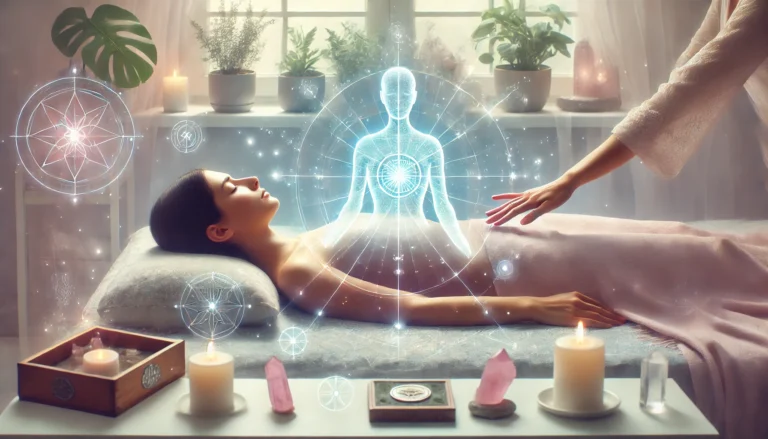
Reiki Healing for Energy Balance and Holistic Restoration

Are you seeking a natural, non-invasive way to restore your energy and improve your overall well-being? Reiki Healing for Energy Balance offers a gentle, yet powerful approach to achieving wellness by focusing on the body’s energy system.


1. What is Reiki? A Natural Path to Energy Healing

If you’re seeking a natural path to energy healing, Reiki may be the perfect solution. Reiki is a gentle, non-invasive energy healing technique that involves the laying on of hands or hovering just above the body to channel healing energy. This technique was developed in Japan by Mikao Usui in the early 20th century and is based on the belief that energy flows through all living things. When this energy becomes unbalanced or blocked, it can lead to physical or emotional issues.

References:

  • “Learn more about Reiki with the book The Reiki Manual by Penelope Quest.”

Supplement suggestions:

  • “Support relaxation with a calming herbal tea like Traditional Medicinals Organic Chamomile Tea.”

Recommended Course:

  • “Start your Reiki journey with the Reiki Level 1 Certification Course on Udemy.”

2. The Rise of Reiki: A Growing Trend in Holistic Health and Wellness

Reiki is experiencing a surge in popularity as more people turn to holistic, non-invasive approaches for their health and wellness. Whether you’re dealing with stress, emotional challenges, or seeking general well-being, Reiki offers a gentle yet effective way to promote healing. Today, Reiki for emotional balance and physical health is offered in a variety of settings, making it more accessible than ever.

Where Can You Find Reiki?

  • Wellness Clinics: Many integrative health centers have embraced Reiki as a part of their holistic approach to healing. These clinics combine traditional medicine with alternative therapies like Reiki to promote overall well-being.

  • Hospitals: Surprisingly, Reiki in hospitals is becoming more common. It is often used to support patients who are undergoing surgery, chemotherapy, or cancer treatments, helping them manage stress, anxiety, and pain during their recovery process.

  • Private Practices: Many Reiki practitioners now offer individual sessions in private studios, spas, or even virtually, making it easier to receive treatment from the comfort of your home. Whether you’re looking for a one-on-one session or a group healing experience, you can find a variety of options available.

References:

  • “Find a certified Reiki practitioner with the International Association of Reiki Professionals Directory.”

Supplement suggestions:

  • “Promote relaxation with a magnesium supplement like Natural Vitality Calm.”

Recommended Course:

  • “Explore the Reiki for Beginners Course on Mindbodygreen to learn the basics of energy healing.”

3. Benefits of Reiki for Modern Living

  1. Promotes Relaxation: Reiki is known for its deeply calming effects, reducing stress and anxiety. The gentle nature of the treatment allows the body to relax deeply, which can help promote emotional wellness and provide relief from the pressures of daily life.

  2. Emotional Healing: If you’re dealing with emotional imbalances such as grief, anger, or fear, Reiki can help release these blocked emotions and restore emotional harmony. By promoting emotional healing through energy flow, Reiki helps you feel more centered and at peace.

  3. Physical Healing: Reiki can help accelerate the body’s natural healing process by supporting the immune system and improving energy circulation. It is often used to complement other treatments for pain relief, chronic conditions, or recovery from illness.

  4. Holistic Well-Being: Reiki is a holistic practice that nurtures the mind, body, and spirit. It works on all levels physical, emotional, mental, and spiritual helping you achieve a balanced and healthier life.

If you’re searching for a gentle and non-invasive way to restore balance and promote healing, Reiki is an excellent choice. It provides a nurturing, safe, and effective method to support your overall wellness and emotional well-being.

References:

  • “Try the Reiki Energy Healing Music Playlist on Spotify to enhance your Reiki practice.”

Supplement suggestions:

  • “Support emotional balance with an adaptogenic herb like Ashwagandha by Organic India.”

Recommended Course:

  • “Learn about the benefits of Reiki with the Reiki for Stress Relief Course on Udemy.”

4. How Reiki Healing for Energy Balance Works

Reiki is an energy healing practice that balances the body’s energy fields to promote natural healing. While it’s rooted in spiritual principles, scientific studies suggest Reiki may have measurable effects on the body. Research has shown that Reiki can help: Reiki reduces cortisol levels and anxiety in cardiac patients

  1. Reduce Stress Hormones: Reiki induces relaxation, lowering stress hormones like cortisol.
  2. Improve Heart Rate Variability: Reiki can improve heart rate variability, promoting emotional regulation and resilience.
  3. Promote Relaxation: Reiki helps calm the nervous system, encouraging healing and reducing anxiety.

Reiki works by restoring balance to the body’s energy centers, helping it heal naturally. Whether you’re seeking stress relief, emotional healing, or overall wellness, Reiki is a gentle, non-invasive solution.

References:

  • “Read about the science of energy healing in the book The Energy Healing Experiments by Gary Schwartz.”

Supplement suggestions:

  • “Support relaxation with a stress-relief supplement like Olly Goodbye Stress Gummies.”

Recommended Course:

  • “Explore the Science of Energy Healing Course on Mindbodygreen to learn more about the research behind Reiki.”

5. How to Incorporate Reiki into Your Life: A Simple Guide for Everyday Healing

Incorporating Reiki healing into your daily life is easier than you might think. Whether you’re receiving sessions from a practitioner or practicing self-Reiki, there are simple and effective ways to bring Reiki into your routine. Here are some tips to help you get started:

1. Find a Certified Reiki Practitioner

If you’re new to Reiki, it’s helpful to begin by seeking guidance from a certified Reiki practitioner. Look for someone with positive reviews and proper training in your area or online. Reiki sessions with a professional can give you insight into the practice and help you understand how energy healing works.

2. Learn Self-Reiki

A great way to practice Reiki daily is by learning self-Reiki. You can start by taking a Reiki Level 1 course, which will teach you how to channel energy to yourself. This can be especially helpful for managing daily stress, promoting relaxation, and supporting emotional health. Once you’re trained, you can practice Reiki on yourself anytime you need healing or balance.

3. Create a Calm and Sacred Space

A peaceful environment is key to any healing practice. Designate a quiet area at home for your Reiki practice or meditation. Whether it’s a cozy corner with soft lighting or a dedicated room, a calm space will help you focus, relax, and connect with the energy around you. Consider adding calming elements like candles, crystals, or soft music to enhance your experience.

4. Combine Reiki with Other Wellness Practices

For enhanced benefits, consider pairing Reiki with other healing practices like yoga, meditation, or aromatherapy. Yoga helps to align the body’s energy flow, while meditation deepens your relaxation and focus. Aromatherapy, with the use of essential oils, can complement Reiki by helping to calm your mind and emotions. Combining these practices creates a more holistic approach to emotional and physical wellness.

5. Make Reiki Part of Your Routine

Once you’re familiar with the basics, integrate Reiki into your daily routine. You can perform short self-Reiki sessions in the morning to start your day with a sense of calm or use it in the evening to relax before bed. By regularly practicing Reiki, you’ll strengthen your ability to channel healing energy, making it a natural part of your self-care regimen.

6. Stay Open to the Energy

Reiki works best when you remain open to the process and trust that the energy will flow where it’s most needed. Don’t stress about whether you’re doing it “right.” Reiki isn’t about perfection; it’s about allowing yourself to be a channel for healing energy and trusting the process.

References:

  • “Try the Reiki Self-Healing Guide by Diane Stein to learn self-Reiki techniques.”

Supplement suggestions:

  • “Support your energy levels with a plant-based protein powder like Garden of Life Sport Organic Plant-Based Protein.”

Recommended Course:

  • “Join the Reiki Self-Healing Course on Udemy to learn how to practice Reiki on yourself.”

Conclusion

Reiki healing offers a gentle yet powerful way to restore balance and promote overall well-being. By incorporating Reiki into your life, you can reduce stress, alleviate pain, and enhance your physical, emotional, and spiritual health. Whether you’re new to Reiki or looking to deepen your practice, this ancient healing art provides a holistic path to wellness that aligns perfectly with modern living.


Call to Action:

“Ready to experience the benefits of Reiki? Explore our top-rated books, courses, and tools here and start your journey to energy balance and wellness today!”


FAQ

1. Is Reiki safe for everyone?

Yes, Reiki is safe and non-invasive, making it suitable for people of all ages and health conditions.

2. How long does it take to feel the effects of Reiki?

Some people feel immediate relaxation, while others notice gradual improvements over multiple sessions.

3. Can I practice Reiki on myself?

Absolutely! Learning self-Reiki is a great way to incorporate energy healing into your daily routine.

4. Do I need special training to receive Reiki?

No, anyone can receive Reiki from a certified practitioner. However, training can help you practice self-Reiki or become a practitioner.

5. Can Reiki replace conventional medical treatment?

Reiki is a complementary therapy and should not replace medical treatment. Always consult your healthcare provider for medical concerns.


Disclaimer

This article is for informational purposes only and is not intended to replace professional medical advice, diagnosis, or treatment. Always consult with a healthcare provider before starting any new wellness or healing practice, especially if you have pre-existing health conditions. Some links in this article are affiliate links, which means we may earn a small commission if you purchase through them at no extra cost to you. This helps support our work and allows us to continue providing valuable content. Thank you for your support!

Breathwork for Stress Relief

In today’s fast-paced world, stress has become an almost inevitable part of life. While there are many ways to manage it, breathwork for stress relief stands out as one of the simplest and most effective. By practicing intentional breathing, you can access deep calm, enhance clarity, and reconnect with your inner peace naturally.


1. What is Breathwork for Stress Relief

Breathwork is the intentional practice of controlled breathing techniques to enhance physical, emotional, and mental well-being. If you’re exploring breathing techniques as part of a broader wellness routine, learning the fundamentals in a complete yoga guide can help you understand how breath, movement, and mindfulness work together. Rooted in ancient traditions like yoga, meditation, and Ayurveda, breathwork has been used for centuries to promote relaxation, improve focus, and balance the nervous system.

In today’s fast-paced world, breathwork is gaining popularity as a simple yet powerful tool for managing stress, boosting energy, and enhancing overall health. By practicing specific breathing patterns, you can activate the body’s natural relaxation response, helping to reduce anxiety, improve lung capacity, and increase mindfulness.

One of the greatest benefits of breathwork is its accessibility no special equipment or training is required. Whether you’re looking to calm your mind, increase oxygen flow, or improve your emotional state, incorporating breathwork into your daily routine can have lasting positive effects on your well-being.

References:

  • “Enhance your breathwork practice with a guided meditation app like Insight Timer, which offers free breathwork sessions.”

Supplement suggestions:

  • “Support relaxation with a calming herbal tea like Traditional Medicinals Organic Chamomile Tea.”

Recommended Course:

  • “Start your breathwork journey with the Breathwork for Beginners Course on Udemy.”

2. How Breathwork Reduces Stress: The Science Behind It

Breathwork is more than just deep breathing it’s a scientifically backed practice that helps regulate the nervous system and reduce stress effectively. By focusing on slow, controlled breathing, you activate the parasympathetic nervous system (PNS), which promotes the body’s natural “rest and digest” response.

The Science Behind Breathwork and Stress Reduction

  • Activates the Parasympathetic Nervous System – Slow, deep breathing sends signals to the brain that it’s safe to relax, reducing cortisol (the stress hormone) and promoting calmness.
  • Lowers Heart Rate and Blood Pressure – When you inhale deeply and exhale slowly, your heart rate decreases, and blood pressure stabilizes, helping to counteract the effects of chronic stress.
  • Reduces Muscle Tension – Controlled breathing releases physical tension stored in the body, easing headaches, tight shoulders, and overall fatigue.
  • Balances Oxygen and Carbon Dioxide Levels – Proper breathing optimizes oxygen flow to the brain, enhancing mental clarity and reducing feelings of panic or overwhelm.

If you’ve ever wondered how to calm your mind quickly and naturally, breathwork offers an effective, drug-free solution that you can practice anytime, anywhere. Meta‑analysis shows breathwork significantly reduces stress, anxiety, and depressive symptoms by enhancing parasympathetic activity and HRV
Scientific reviews highlight slow-paced breathing’s effects on cortisol reduction, heart rate stabilization, and brain calming.

References:

  • “Try the Breathwrk App for guided breathwork sessions tailored to stress relief and relaxation.”

Supplement suggestions:

  • “Promote relaxation with a magnesium supplement like Natural Vitality Calm.”

Recommended Course:

  • “Explore the Science of Breathwork Course on Mindbodygreen to understand the physiological benefits of breathwork.”

3. Simple Breathwork Techniques for Stress Relief

Breathwork is a powerful yet simple way to reduce stress, calm the mind, and restore balance. Many practitioners use breath control as a method of relaxation with breathing, allowing the nervous system to slow down and the body to return to a calm state. The best part? You can practice these techniques anytime, anywhere, with no special equipment needed. Whether you’re dealing with daily stress, anxiety, or simply want to feel more grounded, these breathing exercises can help.

Easy Breathwork Techniques to Try

  • Box Breathing – Also known as square breathing, this technique helps calm the nervous system and improve focus.
    How to do it: Inhale for 4 counts, hold for 4 counts, exhale for 4 counts, and hold for 4 counts. Repeat for 5-10 minutes for best results.

  • 4-7-8 Breathing – This technique slows the heart rate and activates the relaxation response, making it great for reducing anxiety and improving sleep.
    How to do it: Inhale for 4 counts, hold for 7 counts, and exhale slowly for 8 counts. Repeat for 4-8 cycles to feel its calming effects.

  • Alternate Nostril Breathing (Nadi Shodhana) – A traditional yogic practice that helps balance energy, clear the mind, and relieve stress.
    How to do it: Close your right nostril and inhale deeply through the left. Then, switch nostrils, closing the left and exhaling through the right. Repeat for 5-10 minutes for a sense of balance and relaxation.

By integrating these breathwork techniques into your daily routine, you can naturally lower stress, improve focus, and enhance overall well-being. Whether before bed, during work breaks, or in moments of anxiety, these simple exercises offer a quick and effective way to reset your mind and body.

References:

  • “Use a meditation cushion like the Zafu Meditation Cushion for comfortable breathwork practice.”

Supplement suggestions:

  • “Support relaxation with a stress-relief supplement like Olly Goodbye Stress Gummies.”

Recommended Course:

  • “Learn step-by-step techniques with the Breathwork for Stress Relief Course on Udemy.”

4. Benefits of Breathwork for Stress Relief & Beyond

Breathwork is more than just a stress-relief tool it’s a holistic practice that supports mental, emotional, and physical well-being. By incorporating controlled breathing techniques into your daily routine, you can experience a wide range of benefits that go beyond relaxation.

Key Benefits of Breathwork

  • Stress Reduction – Slow, intentional breathing helps calm the nervous system, lower cortisol levels, and ease anxiety, making it an excellent tool for stress management.
  • Improved Focus – Deep breathing increases oxygen flow to the brain, sharpening mental clarity, boosting concentration, and enhancing productivity.
  • Better Sleep – Practicing breathwork before bed activates the body’s relaxation response, and pairing it with gentle bedtime yoga poses can further calm the nervous system and improve sleep quality.
  • Emotional Release – Breathwork can help process and release trapped emotions, providing a natural way to manage grief, trauma, or suppressed feelings.
  • Increased Energy Levels – Oxygen-rich breathing techniques enhance circulation and boost vitality, helping to fight fatigue and restore balance.
  • Stronger Mind-Body Connection – Regular breathwork practice increases self-awareness and mindfulness, making it easier to stay present and in tune with your emotions.

Whether you’re looking to reduce stress, improve focus, or enhance emotional well-being, breathwork is a simple, natural, and effective practice that can be done anywhere. With consistent practice, it can transform the way you feel physically, mentally, and emotionally.

References:

  • “Create a calming space for breathwork with an essential oil diffuser like the URPOWER Essential Oil Diffuser.”

Supplement suggestions:

  • “Promote relaxation with a calming tea like Yogi Tea Stress Relief.”

Recommended Course:

  • “Explore the Breathwork for Emotional Wellness Course on Gaia to learn techniques for emotional release.”

5. Combining Breathwork with Other Wellness Practices

Breathwork is a powerful practice on its own, but when combined with other wellness techniques, it can amplify its benefits and create a deeper sense of balance and well-being. Whether you’re looking to enhance relaxation, improve focus, or promote emotional healing, integrating breathwork with complementary practices can take your wellness routine to the next level.

How to Combine Breathwork with Other Wellness Practices

  • Yoga – Synchronizing breath with movement in yoga deepens relaxation, improves flexibility, and enhances mindfulness. Try inhaling deeply in upward poses and exhaling fully in downward movements to create a flow of energy.
  • Meditation – Breathwork serves as a foundation for meditation, helping to quiet the mind and enhance focus. Practicing deep breathing before or during meditation improves concentration and fosters a sense of inner peace.
  • Aromatherapy – Using essential oils like lavender, eucalyptus, or frankincense during breathwork sessions can amplify relaxation, clear the mind, and promote deeper breathing. Try diffusing oils or applying a diluted blend to your pulse points before practicing.
  • Acupressure – Stimulating key acupressure points while practicing controlled breathing can help relieve tension, reduce anxiety, and enhance energy flow throughout the body.
  • Journaling – Combining breathwork with journaling can enhance self-reflection and emotional processing. Try a few minutes of deep breathing before writing to clear your mind and encourage deeper insights.

By integrating breathwork into your wellness routine, you can create a holistic approach to stress relief, mindfulness, and overall well-being. Whether you choose to pair it with yoga, meditation, or aromatherapy, this synergy can help you cultivate a more balanced and fulfilling lifestyle.

references:

  • “Try the Gaiam Yoga Mat for a comfortable surface to practice breathwork and yoga.”

Supplement suggestions:

  • “Support your energy levels with a plant-based protein powder like Garden of Life Sport Organic Plant-Based Protein.”

Recommended Course:

  • “Join the Holistic Wellness Practices Course on Mindbodygreen to learn how to integrate breathwork with other modalities.”

6. Real-Life Stories: How Breathwork Relieves Stress

Many people have discovered that breathwork is more than just a relaxation technique it’s a life-changing practice that helps manage stress, anxiety, and emotional overwhelm. By incorporating simple breathing exercises into their daily routines, individuals from all walks of life have experienced profound improvements in their mental and physical well-being.

Sarah’s Story: Overcoming Burnout with Breathwork

Sarah, a busy professional, found herself constantly overwhelmed by chronic stress and burnout. Long work hours, tight deadlines, and lack of work-life balance took a toll on her mental and physical health. She struggled with poor sleep, anxiety, and lack of focus, making it difficult to stay productive and present in her daily life.

Desperate for a natural solution, she attended a breathwork workshop, where she learned simple yet powerful techniques like Box Breathing and 4-7-8 Breathing. By practicing these techniques daily, Sarah noticed remarkable changes:

  • Reduced stress and anxiety – she felt calmer and more in control of her emotions.
  • Improved focus and energy – she could concentrate better at work without feeling drained.
  • Better sleep quality – her nights became more restful, allowing her to wake up refreshed.

Today, Sarah feels more balanced, resilient, and empowered to handle life’s challenges. Breathwork has become an essential part of her self-care routine, helping her navigate stress with greater ease and clarity.

Sarah’s story is just one example of how breathwork can transform lives. Whether you’re dealing with work-related stress, anxiety, or emotional exhaustion, this simple yet effective practice can help you regain control and improve your overall well-being.

References:

  • “Read inspiring stories in the book The Power of Breathwork by Jennifer Patterson).”

Supplement suggestions:

  • “Promote emotional resilience with a stress-relief supplement like Gaia Herbs Calm A.S.A.P.”

Recommended Course:

  • “Join the Breathwork Testimonials and Stories Webinar on the Breathwork Alliance to hear more success stories.”

Breathwork for Stress Relief: Final Thoughts

Breathwork is a simple yet powerful tool for stress relief and overall well-being. By incorporating intentional breathing techniques into your daily routine, you can calm your mind, reduce anxiety, and restore balance to your body. Whether you’re new to breathwork or looking to deepen your practice, this natural approach offers a path to peace and clarity in the midst of life’s challenges.


Call to Action:

“Ready to experience the transformative power of breathwork? Explore our top-rated apps, courses, and tools and start your journey to stress relief today!”


FAQ

1. Is breathwork safe for everyone?

Yes, breathwork is generally safe. However, if you have respiratory or cardiovascular conditions, consult a healthcare provider before starting.

2. How long does it take to feel the effects of breathwork?

Many people feel immediate relaxation, while others may notice gradual improvements with regular practice.

3. Can I practice breathwork on my own?

Absolutely! Breathwork is easy to practice independently, though guided sessions can be helpful for beginners.

4. How often should I practice breathwork?

Aim for 5-10 minutes daily, or whenever you feel stressed or overwhelmed.

5. Can breathwork help with anxiety?

Yes, breathwork is highly effective for reducing anxiety by calming the nervous system.


Disclaimer

This article is for informational purposes only and is not intended to replace professional medical advice, diagnosis, or treatment. Always consult with a healthcare provider before starting any new wellness practice, especially if you have pre-existing health conditions. Some links in this article are affiliate links, which means we may earn a small commission if you purchase through them at no extra cost to you. This helps support our work and allows us to continue providing valuable content. Thank you for your support!

Top 6 Benefits of Aromatherapy for Daily Wellness​

The benefits of aromatherapy extend far beyond just pleasant scents it’s a powerful wellness tool that naturally supports stress relief, focus, and sleep. In today’s busy world, essential oils can help you reconnect with calm, clarity, and better well-being.


1. What is Aromatherapy? A Natural Path to Wellness

Aromatherapy is a holistic wellness practice that utilizes essential oils concentrated plant extracts to enhance overall well-being. Used for centuries in traditional medicine, these potent oils are derived from flowers, leaves, roots, and other plant components through steam distillation or cold pressing.

When inhaled or applied topically (after proper dilution), essential oils interact with the body’s natural processes, influencing mood, relaxation, and even physical comfort. Their therapeutic aroma can stimulate brain receptors linked to emotions and memory, while topical use can provide soothing effects on the skin and muscles.

Many people incorporate aromatherapy into their daily routines through diffusers, massage oils, bath soaks, and inhalers. Whether creating a calming home environment, supporting relaxation after a long day, or simply enjoying nature’s pure scents, aromatherapy remains a natural and effective wellness solution.

References:

  • “Start your aromatherapy journey with a high-quality essential oil set like the Plant Therapy Essential Oil Set.”

Supplement suggestions:

  • “Support relaxation with a calming herbal tea like Traditional Medicinals Organic Chamomile Tea.”

Recommended Course:

“Learn the basics of aromatherapy with the Aromatherapy for Beginners Course


2. Benefits of Aromatherapy for Modern Living

In today’s fast-paced world, finding natural ways to restore balance and well-being is essential. Aromatherapy, the practice of using essential oils for therapeutic purposes, offers a simple yet effective solution to support both mental and physical wellness.

Key Benefits of Aromatherapy

  • Stress Relief – Essential oils like lavender, chamomile, and frankincense help calm the nervous system, easing stress and reducing anxiety.
  • Improved FocusPeppermint and rosemary oils stimulate the mind, enhancing concentration and mental clarity, making them ideal for work or study sessions.
  • Better Sleep – Diffusing lavender, cedarwood, or sandalwood before bedtime creates a relaxing atmosphere, promoting deeper and more restful sleep.
  • Boosted EnergyCitrus oils such as lemon, orange, and grapefruit provide an uplifting effect, increasing alertness and revitalizing the mind.
  • Emotional Balance – Essential oils like ylang-ylang and bergamot can help stabilize mood and encourage a sense of well-being.

Aromatherapy is an easy and natural way to enhance your modern lifestyle, whether through diffusers, massage oils, or simple inhalation. With its ability to support relaxation, focus, and energy, it’s a valuable tool for maintaining balance in everyday life.

References:

  • “Try the Essential Oil Diffuser to enjoy the benefits of aromatherapy at home or work.”

Supplement suggestions:

  • “Promote relaxation with a magnesium supplement like Natural Vitality Calm.”

Recommended Course:

  • “Explore the Aromatherapy for Stress Relief Course on Mindbodygreen to learn specific techniques for calming the mind.”

3. Essential Oils for Everyday Use

Incorporating essential oils into your daily routine is an easy and effective way to promote relaxation, focus, and overall well-being. Whether you need a mood boost, better sleep, or respiratory support, essential oils offer a natural solution for modern living.

Top Essential Oils and Their Everyday Uses

  • Lavender – Known for its calming properties, lavender oil is perfect for relaxation and sleep. Add a few drops to your pillow, bath, or diffuser before bedtime to unwind.
  • Peppermint – A natural energy booster, peppermint oil enhances focus and mental clarity. Inhale directly, diffuse in your workspace, or apply (diluted) to your temples for an instant refresh.
  • Eucalyptus – Ideal for clearing sinuses and supporting respiratory health, eucalyptus oil works well in steam inhalation, diffusers, or shower mists to open airways and promote easier breathing.
  • Lemon – A bright and uplifting essential oil that purifies the air and boosts mood. Add a few drops to a diffuser, homemade cleaning spray, or even your morning shower for a fresh start to the day.

Whether you’re looking to de-stress, stay energized, or create a healthier home environment, essential oils provide a simple yet powerful way to enhance daily life. Start with these versatile oils and experience their natural benefits firsthand.

References:

Supplement suggestions:

  • “Support your immune system with a vitamin C supplement like Garden of Life Vitamin C.”

Recommended Course:

“Learn how to blend essential oils with the Aromatherapy Blending Course on Aromahead Institute.”


4. Aromatherapy for Stress Relief and Relaxation

In today’s fast-paced world, managing stress and anxiety is essential for overall well-being. Aromatherapy offers a natural and effective way to create a soothing atmosphere, helping you unwind after a long day. By using essential oils known for their calming properties, you can promote relaxation and restore balance in both mind and body.

Simple Ways to Use Aromatherapy for Stress Relief

  • Relaxing Bath – Add a few drops of lavender or chamomile oil to a warm bath to ease tension and promote deep relaxation.
  • Diffuser Therapy – Use a diffuser in your bedroom or living space with calming essential oils like bergamot, ylang-ylang, or frankincense to create a peaceful environment.
  • Topical Application – Apply diluted lavender or sandalwood oil to your wrists, temples, or behind the ears for quick relaxation throughout the day.
  • Bedtime Routine – Spritz a mixture of lavender and water onto your pillow or add a few drops to a cotton ball near your bed for restful sleep.

By integrating aromatherapy into your daily routine, you can naturally reduce stress, improve mood, and create a more tranquil environment. Whether at home, work, or on the go, essential oils provide a simple way to promote relaxation and emotional balance. Lavender and chamomile essential oils reduce depression, anxiety, and stress

References:

  • “Create a spa-like atmosphere with the Vitruvi Stone Diffuser.”

Supplement suggestions:

  • “Promote relaxation with a stress-relief supplement like Olly Goodbye Stress Gummies.”

Recommended Course:

  • “Join the Aromatherapy for Relaxation Course on Gaiato learn how to use oils for stress relief.”

5. Aromatherapy for Productivity and Focus

Staying focused and energized throughout the day can be challenging, especially with distractions and mental fatigue. Aromatherapy offers a natural way to enhance concentration, mental clarity, and alertness, making it an excellent tool for boosting productivity whether you’re working from home, studying, or tackling a busy schedule.

How to Use Aromatherapy for Better Focus and Energy

  • Diffuser Boost – Diffuse peppermint or rosemary oil in your workspace to stimulate the mind and improve concentration during work or study sessions.
  • Inhalation Method – Inhale citrus oils like lemon or grapefruit directly from the bottle or a tissue to refresh your mind and fight midday fatigue.
  • Topical Application – Apply a drop of peppermint oil (diluted with a carrier oil) to your wrists or temples for an instant pick-me-up and enhanced alertness.
  • Morning Routine – Start your day by adding a few drops of orange or bergamot oil to your shower for an energizing and mood-boosting effect.

By incorporating aromatherapy into your daily routine, you can improve focus, maintain energy levels, and stay productive naturally. Whether through diffusers, inhalers, or simple topical applications, essential oils provide a simple yet effective way to stay sharp and motivated throughout the day.

References:

Supplement suggestions:

  • “Support mental clarity with a brain-boosting supplement like Mind Lab Pro.”

Recommended Course:

  • “Explore the Aromatherapy for Focus and Productivity Course on Udemy to learn specific techniques.”

6. Aromatherapy for Better Sleep

Getting quality sleep is essential for overall health, yet many people struggle with restlessness and insomnia. Aromatherapy offers a natural and effective way to create a calming bedtime routine, helping the mind and body relax for a deeper, more restful sleep.

Simple Ways to Use Aromatherapy for Better Sleep

  • Nighttime Diffusion – Diffuse lavender or cedarwood oil in your bedroom 30 minutes before bedtime to create a peaceful atmosphere and signal your body that it’s time to unwind.
  • Soothing Bath – Add a few drops of chamomile or sandalwood oil to a warm bath to ease tension and promote deep relaxation before sleep.
  • Pillow Mist – Mix lavender oil with water in a spray bottle and lightly mist your pillow and bedding for a calming effect.
  • Topical Relaxation – Apply diluted lavender or vetiver oil to your feet, chest, or wrists to help the body relax naturally.

Incorporating aromatherapy into your nighttime routine can help you fall asleep faster, improve sleep quality, and wake up feeling refreshed. With the right essential oils, you can create a soothing environment that promotes deep, restorative rest naturally and effectively.

references:

  • “Enhance your sleep routine with the Saje Sleep Well Diffuser Blend.”

Supplement suggestions:

  • “Promote restful sleep with a natural sleep aid like Olly Sleep Gummies.”

Recommended Course:

  • “Learn how to use aromatherapy for sleep with the Aromatherapy for Better Sleep Course on Mindbodygreen.”

Conclusion

Aromatherapy is a natural and versatile way to enhance your modern lifestyle. Whether you’re looking to reduce stress, boost focus, or improve sleep, essential oils offer a simple yet powerful solution. By incorporating aromatherapy into your daily routine, you can create a more balanced, peaceful, and energized life.


Call to Action:

“Ready to experience the benefits of aromatherapy? Explore our top-rated essential oils, diffusers, and courses here and start your journey to natural wellness today!”


FAQ

1. Is aromatherapy safe for everyone?

Most essential oils are safe when used properly. However, pregnant women, children, and individuals with certain health conditions should consult a healthcare provider before use.

2. How do I use essential oils safely?

Always dilute essential oils with a carrier oil before applying to the skin, and follow usage guidelines for diffusers.

3. Can I use aromatherapy at work?

Yes! Portable diffusers or personal inhalers make it easy to enjoy aromatherapy in the office.

4. How long do the effects of aromatherapy last?

The effects can vary, but most people notice immediate benefits that last for several hours.

5. Can I blend different essential oils?

Absolutely! Blending oils can create unique scents and enhance their therapeutic benefits.


Disclaimer

This article is for informational purposes only and is not intended to replace professional medical advice, diagnosis, or treatment. Always consult with a healthcare provider before starting any new wellness practice, especially if you have pre-existing health conditions. Some links in this article are affiliate links, which means we may earn a small commission if you purchase through them at no extra cost to you. This helps support our work and allows us to continue providing valuable content. Thank you for your support!

Exit mobile version