International Yoga Day: 9 Inspiring Ways to Celebrate Mindfully

Every June 21st, as the sun reaches its longest day in the Northern Hemisphere, millions around the globe unroll their mats, take a deep breath, and unite in a shared rhythm of stillness and movement. It’s not just another date on the calendar it’s International Yoga Day, a celebration of mindfulness, strength, and the timeless practice that connects us across cultures.

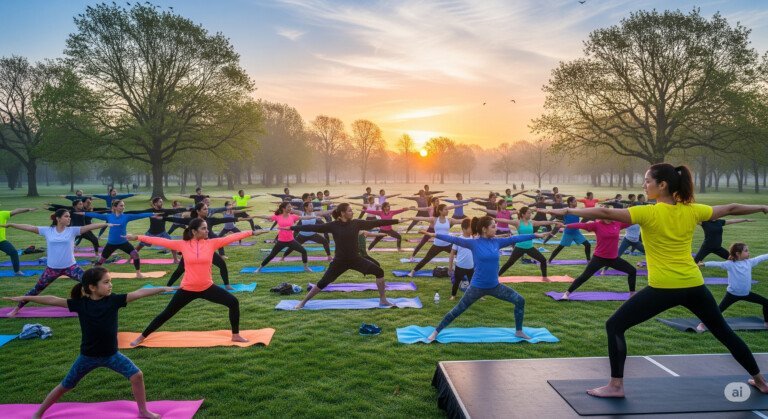
I still remember my first International Yoga Day. It wasn’t in an ashram or on some exotic retreat it was right in my local park. The grass was damp from morning dew, the air alive with chatter and birdsong, and dozens of strangers had gathered with their mats. As we moved together through sun salutations, I realized I wasn’t just stretching or exercising. I was part of something bigger a yoga community that transcended age, background, or experience level.

For many of us, life moves so fast that we rarely stop to breathe, to connect, to just “be.” That’s why this yoga holiday is more than symbolic. It’s a reminder: we’re stronger, calmer, and kinder when we take time for mindful movement and collective awareness.

In this post, we’ll explore the story of International Yoga Day, why it matters, and 9 inspiring ways you can celebrate it mindfully this year whether you’re a long-time practitioner or just starting your journey.


The History of International Yoga Day

International Yoga Day didn’t emerge by accident it’s a modern recognition of an ancient practice that’s been transforming lives for thousands of years.

In December 2014, the United Nations officially declared June 21st as International Day of Yoga, following a proposal by India’s Prime Minister, Narendra Modi. He described yoga as “an invaluable gift of India’s ancient tradition” and highlighted its role in promoting harmony between body and mind, man and nature.

Why June 21st?

June 21st is the summer solstice the longest day of the year in the Northern Hemisphere. Symbolically, it represents light, vitality, and energy. Ancient yogic traditions often link solstices to spiritual significance, making it the perfect date for a global yoga awareness celebration.

Global Adoption

The first official International Yoga Day was celebrated in 2015, with massive gatherings across the world:

  • Over 35,000 people in Delhi, India, practiced together on Rajpath.
  • Cities like New York, Paris, and Beijing hosted yoga flash mobs.
  • Local studios, parks, and even schools joined in, bringing yoga to new audiences.

💡 Personal Reflection: I was amazed watching the coverage that year seeing school kids in Japan, elders in Europe, and entire families in the US all moving in unison. It was proof that yoga isn’t confined to one culture it belongs to humanity.


Why International Yoga Day Matters

For some, yoga may look like just another workout trend. If you’re new to the practice and want to understand its foundations, exploring a complete yoga guide can help you learn the basics of breathing, movement, and mindfulness. But the essence of this yoga holiday runs deeper. It’s about unity, peace, and awareness values that feel more urgent than ever in today’s world.

1. A Global Reminder of Wellness

In an era where stress, anxiety, and chronic illness affect millions, yoga offers a path to physical health, emotional balance, and inner calm. Celebrating it globally reminds us to prioritize well-being.

2. Breaking Barriers

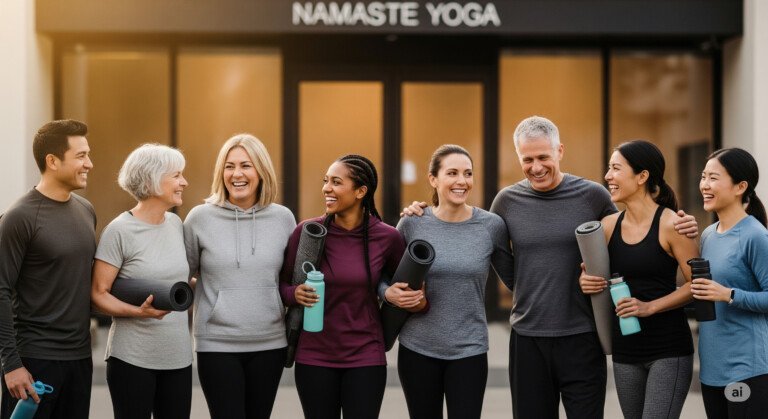
Yoga connects people across race, religion, gender, and age. On International Yoga Day, CEOs might roll out mats beside college students, and grandparents stretch alongside children. It levels us all.

3. Renewed Awareness

Events, workshops, and public sessions on this day create yoga awareness, introducing newcomers to its benefits. Many people attend a free session on June 21st and discover a lifelong practice.

4. Collective Energy

There’s something powerful about practicing in a group. Sharing breath and movement with thousands or even just a dozen creates a sense of belonging and collective strength.

Tip: If you’re celebrating at home, a comfortable eco-friendly yoga mat makes all the difference. Mine has been my best investment it cushions my knees and doesn’t slip, even in long flows.


The Deeper Meaning Behind the Day

It’s easy to think of yoga as just stretching or poses, but International Yoga Day is about much more. At its heart, the practice teaches yoga and discipline, encouraging consistency, mindfulness, and a deeper connection between body and mind.

  • Mindfulness: Learning to be present in each breath.
  • Discipline: Showing up for yourself consistently.
  • Compassion: Extending kindness to yourself and others.
  • Community: Realizing you’re part of a greater whole.

I once heard a teacher describe yoga as “a practice of remembering.” Remembering who you are, what matters, and how connected you are to everything around you. That, to me, is what International Yoga Day is truly about.


9 Inspiring Ways to Celebrate International Yoga Day Mindfully

International Yoga Day isn’t about doing the most complicated poses or posting the “perfect” yoga picture on social media. At its core, it’s about celebrating yoga awareness finding ways to connect with yourself, your breath, and the community around you. Here are nine deeply meaningful ideas you can try this June 21st.

1. Begin the Day with a Sunrise Flow

There’s something deeply moving about practicing yoga as the sun rises. The early morning is quiet birds are singing softly, the air feels fresh, and the world hasn’t yet rushed into its daily chaos. On June yoga mornings, especially on International Yoga Day, sunrise feels symbolic: a new beginning, a reminder that each day offers fresh energy.

Steps to Try:

  1. Set your alarm 30 minutes earlier than usual.
  2. Unroll your mat by a window, balcony, or backyard anywhere you can see the sky change colors.
  3. Start with gentle stretches like Cat-Cow to awaken the spine.
  4. Flow into Sun Salutations (Surya Namaskar) even 4–6 rounds can generate warmth and clarity.
  5. Close your eyes in Mountain Pose, feeling the sunlight on your skin.

💡 Personal Story: Last year, I joined a sunrise yoga session in the park. We were only about 15 people, but the shared silence as the first rays hit our faces was unforgettable. I wasn’t just “doing yoga”; I was part of something much bigger a collective moment of gratitude for the day ahead.


2. Join a Community Yoga Event

International Yoga Day is also about yoga community. Across the U.S., local parks, yoga studios, and wellness groups often organize free or donation-based classes. Some events attract hundreds of participants, mats lined up as far as the eye can see.

Why Join?

  • The energy is contagious breathing in unison with dozens of others is uplifting.
  • You feel supported, even if you’re a beginner.
  • It creates a sense of belonging, especially if you usually practice alone.

Tips for Attending:

  • Wear light, breathable clothing (June heat can sneak up on you).
  • Bring a foldable travel yoga mat easy to carry and clean after grass or sand practice.
  • Arrive early; popular events fill up quickly.

💡 Real Example: In Chicago, Millennium Park hosts a mass yoga event each June. Seeing hundreds of people moving through Warrior poses in front of the skyline is goosebump-worthy.


3. Practice Yoga Nidra for Deep Rest

Not every celebration has to be active. Sometimes, the best way to honor International Yoga Day is by slowing down. Yoga Nidra also known as yogic sleep is a guided meditation where you lie down, close your eyes, and follow verbal cues to drift into deep relaxation.

Benefits of Yoga Nidra:

  • Calms the nervous system (great for stress relief).
  • Improves sleep quality, making it a natural sleep aid yoga technique.
  • Works for all ages and physical abilities perfect for seniors or those who can’t do intense flows.

How to Practice:

  • Find a quiet, dimly lit space.
  • Lie in Savasana (Corpse Pose) with a blanket over you.
  • Use a Yoga Nidra recording or app for a 20–40 minute session.

💡 Personal Note: The first time I tried Yoga Nidra on International Yoga Day, I was skeptical could lying still really be “yoga”? But when I woke up, I felt as though I had taken the deepest nap of my life. It’s now a yearly ritual.


4. Explore Yoga Philosophy Beyond the Mat

Yoga in the U.S. is often seen as purely physical, but at its root, it’s a way of life. International Yoga Day is the perfect moment to dive deeper into yoga philosophy.

Ideas to Explore:

  • Read The Yoga Sutras of Patanjali short, practical wisdom about the mind and inner peace.
  • Journal about the yamas and niyamas (yoga’s ethical principles) and how they might fit into daily modern life.
  • Watch an online talk about yoga history to understand its rich traditions.

Suggestion: If you enjoy guided reflection, try a yoga philosophy journal that combines prompts with ancient wisdom.

Emotional Trigger: Many people discover yoga through exercise but stay because of the mental clarity and emotional strength it builds. International Yoga Day is a chance to honor that side of yoga too.


5. Host a Family Yoga Session

Yoga becomes even more special when shared. You don’t need to be a teacher just gather your family, roll out some mats, and lead simple, playful stretches.

Why Family Yoga Works:

  • Encourages kids to see movement as fun, not a chore.
  • Helps seniors or grandparents feel included in a gentle way.
  • Creates shared memories (and plenty of laughter).

💡 Personal Story: Last year, my niece insisted on inventing a “Giraffe Pose.” It looked more like us reaching awkwardly toward the ceiling while giggling uncontrollably but that joy was the whole point.

Tip: If you have elderly parents, seated poses or chair yoga for seniors make the practice safe and enjoyable.


6. Try Seva (Selfless Service)

Yoga isn’t only about self-care it’s about caring for others. In Sanskrit, Seva means selfless service, and what better day to practice it than a global yoga holiday?

Ways to Practice Seva on International Yoga Day:

  • Volunteer at a local food bank or shelter.
  • Offer to lead a free gentle yoga class for seniors in your neighborhood.
  • Donate old mats or blocks to a community center.
  • Support a friend by simply listening with presence and compassion.

💡 Reflection: The last time I volunteered to guide a short chair yoga class at a senior home, I realized yoga’s real gift: it isn’t about perfect alignment; it’s about connection. The smiles from the participants stayed with me for days.


7. Create a Yoga & Journaling Ritual

Pairing movement with reflection deepens the practice. After your yoga session, take 10–15 minutes to write in a journal.

Journal Prompts for International Yoga Day:

  • “What part of my yoga practice brings me the most peace?”
  • “How can I carry mindfulness into the rest of my daily routine?”
  • “What does community mean to me in the context of yoga?”

Tip: A simple guided wellness journal with prompts makes writing less intimidating and more intentional.

Sensory Layer: Imagine sitting cross-legged after your practice, sipping herbal tea, pen gliding across paper as the scent of lavender candles fills the air. That’s mindfulness in action.


8. Celebrate with Food that Nourishes

On International Yoga Day, let food become part of the mindfulness ritual. This isn’t about dieting it’s about noticing flavors, textures, and the way food makes you feel.

Mindful Meal Ideas:

  • A Buddha Bowl with quinoa, roasted vegetables, chickpeas, and tahini dressing.
  • A green smoothie with spinach, pineapple, and almond milk for refreshing energy.
  • Herbal teas like peppermint or chamomile to wind down.

💡 Personal Memory: A few years ago, I hosted a “Yoga Potluck.” Everyone brought a vegetarian dish, and we ate together on blankets in the backyard. The laughter, clinking of plates, and smell of spices made it unforgettable.


9. End the Day with Gratitude Meditation

Finally, close the day as intentionally as you began it. A gratitude meditation transforms your practice into a lived experience.

How to Practice:

  1. Sit comfortably or lie down.
  2. Take three deep breaths, releasing tension.
  3. Think of three things you’re grateful for today big or small.
  4. Send kind thoughts to yourself, your loved ones, and even strangers.

💡 Emotional Note: I often do this with a candle lit beside me. The flame becomes a symbol of presence reminding me that no matter what the day brought, gratitude is always possible.


Conclusion: A Celebration That Lasts Beyond One Day

International Yoga Day is more than just a date on the calendar it’s a reminder that yoga awareness is a lifelong journey. Whether you spent June 21st flowing with a crowd in a city park, meditating quietly at home, or sharing playful stretches with family, each moment of presence matters.

What makes this day beautiful is its collective energy. On the same day, millions of people around the globe pause to breathe, stretch, and reflect. You don’t have to be flexible, experienced, or “fit” in the Instagram sense. If you’re just beginning your journey, exploring the best yoga poses for beginners can help you build confidence and develop a balanced practice. Yoga meets you where you are.

Here’s the takeaway: Yoga is not just movement. It’s mindfulness, compassion, and connection. International Yoga Day simply gives us the chance to celebrate those truths in a more intentional, mindful way.

So the real celebration begins when you carry that awareness into June yoga mornings, July afternoons, and every season that follows. Need to know more about best yoga poses!


FAQ

1. Why is International Yoga Day celebrated on June 21st?

International Yoga Day falls on June 21st because it’s the summer solstice the longest day of the year in the Northern Hemisphere. Symbolically, it represents light, energy, and new beginnings, aligning perfectly with yoga’s philosophy of balance and renewal.

2. Do I need experience to join a community yoga event?

Not at all! Most community yoga events are beginner-friendly and designed to welcome everyone. Teachers often provide modifications, so you can take it at your own pace. It’s about connection, not perfection.

3. What if I can’t do traditional yoga poses?

That’s okay! Yoga is adaptable. You can try gentle yoga or chair yoga for seniors [Internal Link Placeholder], which focus on accessible, seated poses. Even breathwork and meditation count as celebrating International Yoga Day.

4. How can I celebrate International Yoga Day if I’m really busy?

Even if you have just 5–10 minutes, you can still join in. Try a short guided meditation, a couple of deep stretches, or a mindful gratitude practice before bed. Small, consistent steps matter more than one big event.

5. Is yoga considered exercise or spirituality?

Both and more. Yoga is often seen as fitness yoga in the West, but its roots combine physical postures, breathing, mindfulness, and philosophy. On International Yoga Day, you can choose the side that resonates most: movement for strength, meditation for peace, or philosophy for growth.


Disclaimer:

This post may contain affiliate links. If you purchase through them, we may earn a small commission at no extra cost to you. Also, this content is for informational purposes only and does not substitute professional medical advice.

Yoga Fart: 5 Embarrassing But True Stories from the Mat

It happened in the middle of a peaceful Downward Dog. The room was silent except for the soothing voice of our instructor guiding us deeper into the stretch. And then out of nowhere came the sound. A short, unmistakable “pfft” that echoed just enough to make every head in the room subtly turn.

That, my friends, was my first yoga fart experience.

If you’ve practiced yoga long enough, you’ve probably been there or you’ve witnessed someone else’s unexpected contribution to the soundscape of the class. The truth is, flatulence yoga moments happen to even the most seasoned yogis. They’re a normal (if hilarious) side effect of twisting, bending, and squeezing our bodies in ways that… well… move things along internally.

In this post, we’re going to celebrate these moments with five funny yoga stories that prove we’re all human. We’ll laugh together, share tips for handling yoga accidents, and maybe even help you feel less mortified if it happens to you next time.


Why Yoga Farts Happen (and Why You Shouldn’t Be Ashamed)

Let’s get one thing straight passing gas during yoga is totally normal. If you’re new to yoga and still learning how different poses affect your body internally, exploring a complete yoga guide can help you understand the mechanics behind breathing, movement, and digestion. Yoga movements often involve compressing the abdomen, engaging the core, and stretching the digestive tract, all of which can release trapped air. In fact, many of these movements are commonly used in yoga for digestion routines designed to relieve bloating and stimulate gut activity.

Common reasons for a yoga fart include:

  • Twists and bends – These massage your internal organs and move gas along.
  • Hip openers – Poses like Pigeon Pose create pressure that can “unlock” surprises.
  • Core engagement – Strong abdominal work can push air through the digestive system.
  • Relaxation – As your body lets go of tension, so does… everything else.

💡 Personal Tip: I’ve learned to eat lighter before class nothing like discovering that your pre-yoga burrito is a bad idea mid-Happy Baby Pose.


The Unwritten Rule: Everyone Pretends It Didn’t Happen

If you’ve ever experienced yoga humor firsthand, you know the golden rule: act like it never happened. Most people in a class will simply keep going, out of kindness (and maybe fear of being next).

That said, in certain settings like casual community classes or sessions with friends a little laughter can break the ice. The key is reading the room. If it’s a very zen, candle-lit class… maybe save the jokes for later.


1 – The “First Timer” Fiasco

I’ll never forget my friend Emily’s first yoga class. She was nervous but excited, wearing brand-new leggings and carrying her mat like a badge of honor. Everything was going great until the instructor led us into Seated Forward Bend.

Halfway into the fold, we all heard it clear, loud, and absolutely impossible to pass off as a creaky floorboard. Emily froze, her face turning the shade of a ripe tomato. But instead of ignoring it, she whispered “Oops!” and started giggling. Within seconds, the whole back row was laughing along.

Lesson learned: Owning the moment takes the power away from embarrassment.


2 – The Downward Dog Disaster

This one’s mine. I had a big breakfast (mistake #1) and decided to go to a high-energy vinyasa class (mistake #2). Somewhere between Plank Pose and Downward Dog, my core squeeze sent a not-so-zen sound into the room.

The instructor didn’t miss a beat she smiled and said, “That’s just your body saying thank you.” I nearly melted with relief.


3 – The Partner Pose Predicament

Partner yoga can be a beautiful bonding experience… unless your digestive system has other plans. My friend Jake learned this the hard way during a Double Boat Pose. As both partners leaned back and lifted their legs, Jake’s body decided it was the perfect moment for a solo performance.

Instead of pretending it didn’t happen, they both burst into laughter so hard they had to roll off their mats. The whole class followed suit.

Takeaway: Laughter can turn a cringe-worthy yoga accident into a shared memory.


4 – The Candlelit Catastrophe

One of my most zen yoga experiences was during a restorative candlelit class soft music, dim lighting, lavender in the air. Everything was perfect… until it wasn’t.

We had just eased into Happy Baby Pose, which is basically the human equivalent of a squeeze toy. The room was so quiet you could hear the sound of our collective breathing until my neighbor to the left released the loudest flatulence yoga moment I’ve ever heard.

No one laughed. No one moved. We all just… kept breathing. And you know what? It was actually beautiful. It was a reminder that yoga is about acceptance of ourselves, of others, and of the human body in all its forms.


5 – The Live-Streamed Surprise

Online yoga classes have their perks no commute, no need to dress up. But if your mic is on… beware.

During the lockdown era, my friend Melissa joined a live-streamed morning flow. She forgot to mute her microphone, and halfway through Twisted Chair Pose, she let one slip broadcasted to 20 people and the instructor. The instructor, bless her, said, “That’s the sound of progress.” Melissa laughed it off, and it became her favorite class ever.


How to Minimize the Risk of a Yoga Fart

While you can’t guarantee it won’t happen (and maybe you shouldn’t try too hard it’s natural), there are a few things you can do to lower the odds:

  1. Watch what you eat before class
    Skip heavy, gassy foods like beans, broccoli, cabbage, and carbonated drinks at least 3 hours before practice.
  2. Go to the bathroom first
    Even if you don’t think you need to, take a few minutes before class to try.
  3. Warm up gently
    A few easy stretches at home can help “pre-release” any potential distractions.
  4. Modify certain poses
    If you know hip openers tend to trigger gas, take a gentler variation.

Tip: I keep a small yoga bolster with me in class. It not only helps with modifications but also gives me something to subtly reposition behind if I’m feeling “at risk.”


Why We Should Laugh About It

Funny yoga moments like this are part of what makes group classes human, especially when trying playful funny yoga poses that naturally lead to laughter and unexpected moments. Sure, yoga is about mindfulness, strength, and flexibility, but it’s also about connection and nothing connects people faster than shared laughter over something we all secretly fear happening to us.


Conclusion: Your Practice is More Than One Moment

A yoga fart doesn’t define your practice. In fact, it can be a reminder that you’re doing exactly what yoga is meant to do help your body release tension, move energy, and function naturally.

So the next time it happens, smile, breathe, and remember: somewhere, someone else is probably telling your story to their yoga friends right now. And maybe that’s the real yoga connection through being unapologetically human. Need to know more about best yoga poses!


FAQ

1. Is it normal to fart during yoga?

Yes! Movements like twists, bends, and hip openers can naturally release trapped gas.

2. Can I prevent it from happening?

You can minimize it by avoiding heavy meals before class and warming up beforehand, but it’s never 100% preventable.

3. Should I leave the class if it happens?

Not at all. Just keep going most people won’t make a big deal out of it.

4. Does yoga help with digestion?

Yes, certain poses can stimulate digestion and help relieve bloating. Sometimes that’s exactly why farts happen in class.

5. Is farting in yoga considered rude?

In most settings, no it’s understood as a normal bodily function. Just try to be discreet if possible.

Disclaimer:

This post may contain affiliate links. If you purchase through them, we may earn a small commission at no extra cost to you. Also, this content is for informational purposes only and does not substitute professional medical advice.

Yoga for Digestion: 6 Effective Poses to Ease Bloating Fast

It was one of those days when lunch seemed like a great idea until about 30 minutes later. My stomach felt heavy, there was that uncomfortable bloat, and I could swear my jeans were plotting against me. I paced around the kitchen, sipping water and wondering why my digestion had decided to take the afternoon off.

Then I remembered something my yoga instructor once told me: “If your stomach feels stuck, get your body moving gently.” That day, instead of reaching for another over-the-counter pill, I rolled out my yoga mat. Within minutes of flowing through a few targeted poses, I could literally feel the pressure easing, my breath deepening, and my gut thanking me. Many practitioners also combine this routine with gentle detox yoga poses designed to stimulate circulation and support the body’s natural cleansing process.

That’s the beauty of yoga for digestion it’s not just about flexibility or fitness. When done mindfully, it can stimulate your digestive organs, encourage natural movement through your intestines, and even help relieve gas.

In this post, I’ll share 6 effective poses that have become my go-to for easing bloating, improving gut health, and feeling lighter without any harsh remedies. Whether you’re dealing with occasional discomfort or just want to support a healthy digestive system, these poses are gentle, beginner-friendly, and can be done anytime.


Why Yoga is a Natural Digestive Aid

Most people think of yoga as a way to improve posture, build strength, or reduce stress and yes, it does all of that. But what many don’t realize is that yoga also works internally, especially for your digestive system. If you’re still learning the foundations of poses, breathing techniques, and body awareness, exploring a complete yoga guide can help you understand how yoga supports overall health, including digestion.

Here’s why digestion relief yoga works so well:

  • Gentle Compression: Certain poses compress your abdominal area, which can stimulate your intestines and encourage movement.
  • Twists That Massage the Organs: Twisting postures gently massage the stomach, liver, and intestines, supporting healthy digestion.
  • Improved Circulation: Yoga increases blood flow to the gut, which can aid nutrient absorption.
  • Stress Reduction: Since stress is a big cause of digestive issues, yoga’s calming effect can prevent tension-related gut problems.

💡 Personal tip: I find that doing these poses after a light meal or when I start feeling a little “puffy” works best. If you’re feeling too full, wait at least an hour before practicing.


How to Prepare for Yoga for Digestion

Before jumping into the poses, here are a few things that make the practice more effective:

  1. Practice on an Empty (or Lightly Filled) Stomach
    Aim to wait at least 1–2 hours after eating before doing stomach yoga. This prevents discomfort and allows more freedom of movement.
  2. Focus on Your Breath
    Deep belly breathing (diaphragmatic breathing) is key for relaxing abdominal muscles and boosting oxygen flow to your digestive organs.
  3. Stay Hydrated
    Drink a small glass of water 15–20 minutes before starting. This supports healthy digestion without making you feel too full.
  4. Use Props if Needed
    If you have tight hips or lower back issues, keep a pillow, blanket, or yoga block nearby for comfort.

6 Effective Poses for Digestion Relief

These poses are gentle enough for beginners yet powerful enough to make a difference. I recommend moving slowly, listening to your body, and pairing each posture with slow, mindful breathing.


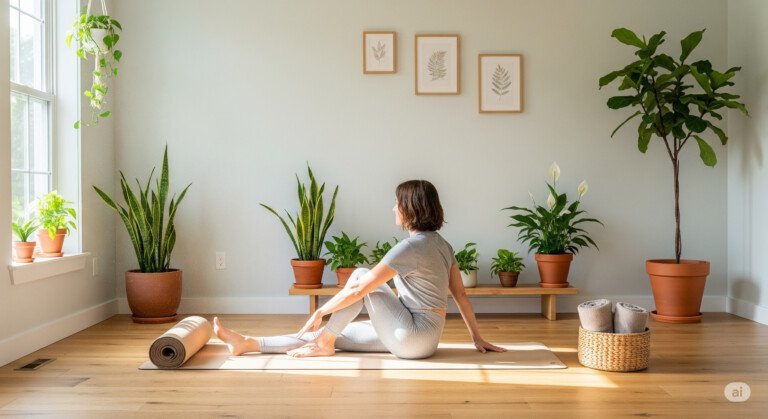
1. Seated Spinal Twist (Ardha Matsyendrasana)

One of the best poses for improving digestion and releasing trapped gas.

Why it works: This twisting pose massages the abdominal organs, stimulates digestion, and can help relieve bloating. It also stretches the spine and shoulders.

How to do it:

  1. Sit on the floor with your legs extended.
  2. Bend your right knee and place your foot flat on the floor outside your left thigh.
  3. Place your right hand behind you for support and your left elbow on the outside of your right knee.
  4. Inhale to lengthen your spine, exhale to twist gently toward your right.
  5. Hold for 5–8 breaths, then switch sides.

Tip: A yoga bolster placed under your hips can make this more comfortable if your lower back is tight.


2. Wind-Relieving Pose (Pavanamuktasana)

Yes, it’s exactly what it sounds like perfect for gas relief.

Why it works: This pose compresses the stomach, helps expel trapped gas, and stimulates bowel movement.

How to do it:

  1. Lie on your back with your legs extended.
  2. Hug your right knee into your chest, keeping the left leg straight.
  3. Hold for 5 breaths, then switch legs.
  4. Hug both knees into your chest for another 5 breaths.

Sensory tip: As you exhale, imagine releasing any heaviness or discomfort from your stomach.


3. Cat-Cow Stretch (Marjaryasana–Bitilasana)

A gentle, rhythmic movement to wake up the digestive system.

Why it works: This flowing movement stimulates your abdominal organs, improves spinal flexibility, and encourages blood flow to the gut.

How to do it:

  1. Start on your hands and knees.
  2. Inhale, arch your back, lift your head and tailbone (Cow Pose).
  3. Exhale, round your spine, tuck your chin and pelvis (Cat Pose).
  4. Continue for 8–10 slow, deep breaths.

[Insert Banner 2 Here]
Banner idea: Person in a bright home studio moving through Cat-Cow with warm sunlight on the floor.


4. Child’s Pose (Balasana)

A calming pose that eases tension in the abdomen while promoting relaxation.

Why it works: Child’s Pose gently compresses the stomach and helps relieve discomfort caused by bloating or gas. It also calms the mind, which can indirectly help digestion.

How to do it:

  1. Kneel on your mat with your big toes touching and knees apart.
  2. Fold forward, extending your arms in front of you or resting them alongside your body.
  3. Rest your forehead on the mat or a pillow for extra comfort.
  4. Breathe deeply into your belly, feeling it press against your thighs.

Tip: If your hips feel tight, a thick yoga cushion under your hips can make the pose more restorative.


5. Bow Pose (Dhanurasana)

An energizing posture that stretches the front body and stimulates the digestive organs.

Why it works: The gentle pressure created by lifting your chest and legs in Bow Pose massages the stomach and intestines, which may improve digestion.

How to do it:

  1. Lie on your stomach with your arms by your sides.
  2. Bend your knees and reach back to grab your ankles.
  3. Inhale and lift your chest and legs off the floor, pulling your ankles gently toward you.
  4. Keep your gaze forward and hold for 3–5 breaths.

Safety note: If you have back issues, skip this pose or do a gentle variation by lifting only your chest.


6. Supine Spinal Twist (Supta Matsyendrasana)

A soothing twist to finish your digestion-focused yoga session.

Why it works: Twisting in this position massages your abdominal organs, improves circulation, and can relieve mild constipation or discomfort.

How to do it:

  1. Lie on your back with your knees bent.
  2. Let your knees fall to the right while turning your head to the left.
  3. Keep both shoulders on the mat and relax your belly.
  4. Hold for 5–8 breaths, then switch sides.

Sensory tip: Imagine the twist “wringing out” any sluggishness in your digestive system.


How to Turn These Poses into a Mini Flow

If you want to use these as a quick routine for gas relief or overall gut health, here’s a 10-minute yoga for digestion sequence you can try:

  1. Cat-Cow Stretch – 1 minute
  2. Seated Spinal Twist – 1 minute each side
  3. Wind-Relieving Pose – 30 seconds per leg, then both knees for 30 seconds
  4. Child’s Pose – 2 minutes
  5. Bow Pose – 30 seconds (or skip if you prefer gentle practice)
  6. Supine Spinal Twist – 1 minute each side

If you want to strengthen your core while also supporting digestion, adding Boat Pose to this routine can further activate your abdominal muscles and digestive organs.


When to Practice Yoga for Digestion

While these poses are safe for most people, the timing of your practice matters:

  • Morning: Great for stimulating digestion for the day ahead.
  • Post-Meal: Wait at least 1–2 hours after eating to avoid discomfort.
  • Evening: Can help settle your stomach before bed, especially after a heavy dinner.

Conclusion: Your Gut Will Thank You

When I first started adding yoga for gut health into my daily routine, I didn’t expect such noticeable results. Not only did my bloating reduce, but I also started feeling more in tune with my body.

The best part? These digestion relief yoga poses are gentle, natural, and can be done anywhere whether that’s in your living room after dinner or in your bedroom before sleep.

If your stomach has been giving you a hard time, try this routine for a week. Your gut might just reward you with better digestion, less discomfort, and more energy. Need to know more about best yoga poses!


FAQ

1. Can yoga really help with bloating?

Yes! Gentle yoga poses can massage the digestive organs, improve circulation, and encourage natural movement in your intestines, reducing bloating.

2. How often should I do digestion relief yoga?

Daily practice works best, even if it’s just 5–10 minutes. Consistency is more important than duration.

3. Can I do these poses right after eating?

It’s better to wait at least 1–2 hours after a meal to avoid discomfort.

4. Which yoga pose is best for gas relief?

Wind-Relieving Pose (Pavanamuktasana) is specifically designed for this purpose and works quickly for many people.

5. Is yoga for digestion safe during pregnancy?

Some poses are safe, but always check with your healthcare provider before starting any new exercise during pregnancy.


Disclaimer:

This post may contain affiliate links. If you purchase through them, we may earn a small commission at no extra cost to you. Also, this content is for informational purposes only and does not substitute professional medical advice.

Puppies and Yoga: 7 Reasons It’s the Ultimate Stress-Relief

Puppies and yoga – it’s the latest wellness trend that’s quickly capturing hearts worldwide. In today’s fast-paced world, stress lurks around every corner. Whether it’s the constant pressure of work deadlines, managing family life, or simply trying to find a moment of peace amidst the chaos, we’re all searching for ways to unwind. But what if you could combine the calming power of yoga with the adorable joy of puppies? That’s where puppy yoga comes in – a heartwarming new trend that’s redefining stress relief and bringing a smile to everyone who tries it.


1. What Is Puppies And Yoga? And Why Is It Trending?

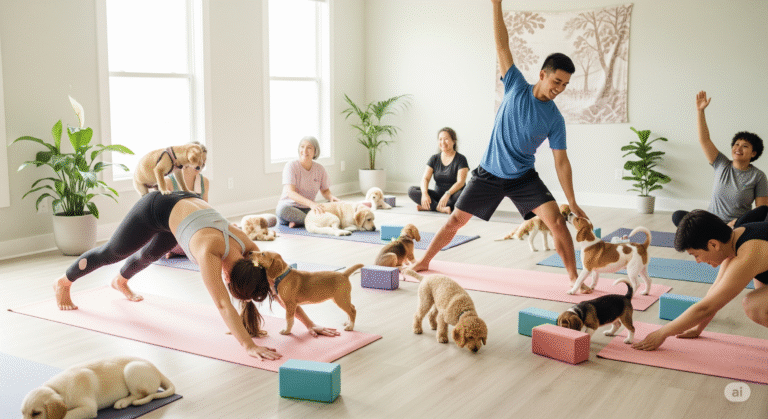
Imagine stepping into a serene yoga studio, the soft mats perfectly laid out, the air filled with soothing music, and, in the midst of all that tranquility, a bunch of energetic puppies prancing around. That’s puppy yoga! A delightful fusion of traditional yoga poses combined with the playful nature of puppies. In these sessions, a group of puppies – usually rescued from shelters – roam around while participants stretch, breathe, and flow through their yoga practice.

Puppy yoga has taken the world by storm, and it’s not hard to see why. The joy of puppies, combined with the calming effects of yoga, is the ultimate remedy for stress. Whether you’re a seasoned yogi or a complete beginner, the cuteness factor alone is enough to melt away the tensions of everyday life. If you’re completely new to the practice, starting with a simple yoga guide for beginners can help you understand basic poses, breathing techniques, and how to build a comfortable routine. It’s no wonder puppy yoga has become the newest way to find your zen.

So, why is it trending now? Well, it’s no surprise that more and more people are embracing holistic wellness routines that cater to both the mind and the body. But what makes puppy yoga stand out is its ability to tap into the emotional side of stress relief. Studies have long shown the therapeutic power of pets, and when combined with yoga, it’s the perfect recipe for emotional release. Puppy yoga isn’t just a fitness trend; it’s a movement to reconnect with happiness and simplicity.


2. The Cuteness – Cortisol Drop & Laughter

The concept of puppy yoga might sound whimsical at first, but there’s real science behind why this trend is so effective. When you spend time with a puppy, your brain releases a surge of feel-good hormones like oxytocin. This hormone, often called the “love hormone,” plays a crucial role in bonding and relaxation. Couple this with the calming influence of yoga – which already lowers stress hormones like cortisol – and you’ve got a potent combination that results in an almost instant mood boost.

Research has shown that petting a dog can lower cortisol levels (the stress hormone) and trigger the release of endorphins, which promote feelings of happiness and relaxation. In a yoga setting, this interaction intensifies as the puppies create a sense of joy and playfulness, which enhances the mindfulness experience. In fact, many participants report feeling more present and calm after a session of puppy yoga than after a traditional yoga class.

It’s no secret that laughter is a powerful stress reliever, and puppies are expert comedians. Watching a puppy wobble through a yoga pose or playfully nibble on your yoga mat can have you laughing in no time. Moments like these often turn normal yoga practice into hilarious sessions that resemble some of the most entertaining funny yoga poses people try with friends or pets. This is where the magic happens: the combination of yoga, laughter, and adorable puppies creates a truly unique and effective way to combat stress. And let’s be real – who doesn’t feel lighter after a good laugh and a few puppy snuggles?


3. What It Reveals About the True Soul of Yoga

Yoga is more than just physical exercise; it’s a spiritual and emotional journey. The true soul of yoga lies in its ability to connect the body, mind, and spirit. Traditionally, yoga is about mindfulness, self-awareness, and creating space for inner peace. When you bring puppies into the mix, something magical happens: yoga transcends its physical practice and taps directly into emotional healing.

Puppy yoga reveals a more playful and loving side of yoga. While traditional yoga can sometimes feel serious or intense, the presence of puppies fosters an atmosphere of fun, relaxation, and joy. These adorable creatures teach us to let go of perfection and embrace the moment – a core principle of yoga. Puppies don’t care if you’re doing a perfect Downward Dog or if you can stretch to touch your toes; they just want to be around you, share some affection, and have fun. This carefree spirit mirrors the ultimate goal of yoga – to release attachment to outcomes and simply be present.

By engaging with puppies during a yoga session, you reconnect with the light-heartedness that life sometimes takes away. Many practitioners say this playful connection feels similar to practicing yoga poses for 2 people, where interaction and trust become part of the yoga experience. It’s a gentle reminder to enjoy life and be kind to yourself. Puppy yoga brings us back to the essence of yoga: connection, compassion, and peace. And let’s face it – those puppy eyes? They make everything feel a little bit better.


4. Dress Code – Yoga Pants vs Leggings for Pet Hair

One of the less glamorous aspects of puppy yoga (but still an important one) is dealing with pet hair. If you’ve ever spent time around puppies, you know that they shed. So, choosing the right attire for your session becomes crucial, not just for comfort, but for managing all that adorable fur.

When it comes to yoga pants vs leggings, both options can work, but there are a few things to keep in mind. Yoga pants are typically made of thicker material, which can be great for absorbing sweat and providing comfort during your practice. However, they might not be as clingy as leggings, which means they could catch more fur. On the other hand, leggings tend to hug your body more closely, making them less likely to trap loose pet hair on your legs.

If you’re planning to participate in puppy yoga, consider choosing a darker-colored outfit to help hide any stray fur. A pink yoga mat is a great addition to your session, offering a fun, vibrant backdrop that will keep your spirits high (and hide pet hair better than lighter-colored mats). And don’t forget to bring a lint roller! A quick pass before or after the session can ensure you’re not walking around covered in fur.


5. How to Prep (Bring a Yoga Mat, Towels, etc.)

So, you’ve decided to try puppy yoga – now what? Preparation is key to ensuring you get the most out of the experience. First things first, make sure to bring a yoga mat – and not just any mat, but one that’s vibrant and fun. A pink yoga mat, for example, will add a playful and energizing vibe to the session while helping you maintain focus during your practice. Plus, pink is known for its calming and soothing properties, making it the perfect color for a relaxing yoga class surrounded by adorable puppies.

Towels are another essential item to bring. Between puppy playtime and yoga stretches, it’s likely you’ll break a little sweat (especially when those puppies jump on you during a plank!). Having a towel nearby will ensure you stay dry and comfortable throughout the session. Also, some puppy yoga studios provide mats, but it’s always a good idea to bring your own, especially if you prefer a specific style or thickness.

Lastly, don’t forget to hydrate before and after your class. Puppy yoga may be playful, but you’ll still be working your body through yoga poses. Staying hydrated ensures you maintain energy and flexibility throughout the session.


6. Tips to Host One Locally

Are you feeling inspired to bring the joy of puppy yoga to your community? Hosting your own puppy yoga class could be a fun and rewarding way to share the magic of this trend with others. Here are a few tips to get started:

  1. Partner with a Local Shelter – Reach out to local animal shelters to find puppies in need of fostering or adoption. Collaborating with a shelter gives the puppies a chance to interact with people and potentially find their forever homes.
  2. Choose the Right Venue – Ensure your yoga studio is pet-friendly and has enough space for both participants and puppies to move around freely. You’ll want a space that’s cozy and safe for everyone.
  3. Set Clear Guidelines – Puppy yoga requires some special considerations. Make sure participants know that it’s not a traditional yoga class and that it’s okay if their practice is interrupted by playful pups.
  4. Advertise with Love – Spread the word via social media, local event listings, and word of mouth. Puppy yoga is a fun, feel-good event that’s sure to get people excited.
  5. Offer Adoption Options – If participants fall in love with a puppy during the class, consider working with the shelter to facilitate the adoption process. Puppy yoga can be a win-win for everyone!

7. Conclusion: Puppy Yoga – The Joyful Path to Serenity

Puppy yoga is more than just a trend – it’s a movement that blends the physical, emotional, and playful sides of life. The joy of puppies combined with the soul of yoga creates a unique stress-relief experience that resonates on a deeper level. Whether you’re looking to ease anxiety, laugh more, or simply enjoy a moment of serenity, puppy yoga offers all that and more.

So, why not give it a try? Let the love of puppies guide you into a more peaceful, joyful way of being. And who knows – you might just find that the key to stress relief is a playful pup by your side, a deep breath in, and a stretch that feels like pure bliss.


FAQ

1. Is puppy yoga safe for beginners?

Yes, puppy yoga is beginner-friendly! The pups are there to interact playfully, and the focus is on enjoying the moment rather than perfecting poses.

2. Do I need to bring my own puppy to a session?

No, the puppies are provided by the studio or shelter, so you can just show up ready to relax and enjoy.

3. How long does a typical puppy yoga session last?

Sessions usually last about 45 minutes to an hour, depending on the studio and the number of puppies participating.

4. Are there any health benefits to puppy yoga?

Yes, puppy yoga can reduce stress, improve mood, and provide a fun, interactive way to stay active while connecting with animals.

5. Can I adopt a puppy after participating in a session?

In some cases, yes! Many puppy yoga studios collaborate with local shelters, so there may be adoption opportunities after the class.


Disclaimer:

This post may contain affiliate links. If you purchase through them, we may earn a small commission at no extra cost to you. Also, this content is for informational purposes only and does not substitute professional medical advice.

Yoga and Discipline: 6 Essential Facts You Need to Know

Yoga and discipline are deeply interconnected, creating a practice that strengthens both the body and mind. While many see yoga as just poses, it’s the discipline that helps you unlock its full potential. In this post, we’ll explore 10 essential facts about how yoga and discipline work together to elevate your practice.


1. Yoga Is More Than Poses

When most people think of yoga, they imagine a series of graceful, yet challenging poses Warrior, Downward Dog, and Child’s Pose. But there’s so much more to yoga than just stretching and balancing your body. If you’re new to yoga and want to understand the foundations beyond poses, exploring a complete yoga guide for beginners can help you build a strong base for your practice. In fact, yoga is much deeper than the physical postures it’s often associated with.

At its core, yoga and discipline are inextricably linked. The practice of yoga isn’t just about your body; it’s about the discipline of your mind, emotions, and soul. It’s about creating harmony within yourself, your body, and the universe around you. Yet, many new practitioners often miss out on the deeper, more transformative aspects of yoga. They focus solely on the physical side, overlooking the true power that yoga offers in cultivating mental clarity, emotional balance, and spiritual growth.

This blog will take you through 10 must-know facts about the discipline of yoga, shedding light on why yoga and discipline are fundamental to the practice, and how embracing discipline can enhance every aspect of your life.


2. The Role of Discipline in Yoga Traditions

Yoga is often celebrated for its benefits to the body flexibility, strength, and overall wellness. However, the yoga discipline goes beyond the physical. In traditional yogic philosophy, discipline (known as tapas in Sanskrit) plays a significant role in shaping the path of a yogi.

Discipline in yoga is not about harshness or rigid rules, but rather about developing a consistent and mindful approach to your practice. For example, structured routines like power yoga for beginners require consistent effort, controlled breathing, and physical commitment, making discipline an essential part of the practice. Whether it’s committing to a daily practice, adhering to the ethical guidelines, or simply showing up on the mat, discipline is about maintaining focus and dedication on your journey.

Yoga teaches the importance of inner discipline, focusing not only on posture but also on cultivating a disciplined mind. In doing so, yoga encourages us to maintain a balance between effort and surrender, allowing us to stay grounded while pursuing personal growth.

Key aspects of yoga discipline include:

  • Regularity: Practicing yoga regularly, even when it feels challenging, builds mental and physical resilience.
  • Awareness: Cultivating mindfulness during every practice, allowing us to connect with our breath, body, and inner thoughts.
  • Commitment: Sticking with your practice, no matter how difficult, and understanding that progress comes with consistent effort.

By embracing this type of discipline, yoga becomes not just a physical practice, but a way of life a way of approaching each day with intention, patience, and a deep sense of inner peace.


3. The Origin of “Yoga” in Sanskrit

One of the key elements that make yoga and discipline so interconnected is the origin of yoga itself, as defined in Sanskrit. The word “yoga” comes from the Sanskrit root yuj, which means to join or yoke. This reflects the essence of yoga: the union of the mind, body, and spirit.

The physical postures we associate with yoga today are only one small part of the overall practice. In the ancient tradition, yoga was a way to connect with higher consciousness and integrate every aspect of oneself mind, body, and spirit into a unified whole. The discipline of yoga in its truest sense involves mental clarity, emotional balance, and spiritual growth.

  • Yoga as a Path: In Sanskrit, yoga is referred to as a path whether it’s the path of knowledge (Jnana Yoga), the path of devotion (Bhakti Yoga), or the path of action (Karma Yoga). Each of these paths requires deep discipline, whether it’s the study of sacred texts, the devotion to a higher power, or the commitment to selfless action.
  • Yoga and Self-Realization: The ultimate goal of yoga, as taught in the ancient texts, is self-realization understanding the true nature of the self and achieving union with the divine. This is where yoga and discipline meet at the highest level discipline is required to stay focused and dedicated to the spiritual practice that leads to self-discovery.

Understanding the deep-rooted history of yoga and its discipline is crucial for anyone looking to deepen their practice. It’s not just about poses it’s about becoming whole, with discipline as the foundation for every step of the journey.


4. Practices that Strengthen Internal Discipline

While yoga asanas (the physical postures) are an important part of yoga, the true power of yoga and discipline lies in developing a deep sense of internal discipline. Many of us know how hard it is to stay consistent with our goals, whether in yoga or in life. Internal discipline, which yoga teaches, is about strengthening the mind to stay focused and committed to our practice especially during challenging times.

Some practices that strengthen internal discipline in yoga include:

1. Breathwork (Pranayama)

Breathing techniques are a powerful way to bring discipline into your practice. Controlled breathing, or pranayama, allows you to direct your energy, calm your mind, and deepen your practice. Regular practice of pranayama improves focus, encourages emotional balance, and enhances your overall well-being. Many practitioners also explore simple breathing techniques like the method of relaxation with breathing to calm the mind and strengthen mental discipline.

2. Meditation

Meditation is one of the most effective practices to cultivate mental discipline. By sitting in stillness and allowing your thoughts to settle, you train your mind to be focused, centered, and at ease. This mental discipline transfers to all aspects of life, from your yoga practice to daily activities.

3. Self-reflection (Svadhyaya)

Svadhyaya, the practice of self-study, encourages practitioners to reflect on their actions, thoughts, and behaviors. It’s a key discipline in yoga that helps deepen awareness, leading to personal growth and self-improvement. Through this practice, you become more mindful of your habits, helping you develop a disciplined approach to life.

  • Example: After a difficult practice, take a moment to reflect on your performance and your feelings during the session. Acknowledge areas of strength and areas of growth, and use that reflection to improve your next practice.

These practices work together to build mental fortitude, helping you push through obstacles and stay focused on your path of personal and spiritual development.


5. Finding the Soul of Yoga – Mind + Spirit

Yoga isn’t just about physical flexibility; it’s about finding balance and unity within yourself connecting mind, body, and spirit. The soul of yoga lies in this integration, and discipline is the tool that allows you to nurture all three aspects harmoniously.

The practice of yoga creates space to explore the deeper parts of yourself. When you’re on the mat, you’re not only stretching your body, but you’re also creating an opportunity to center your mind and nurture your spirit. Without this mindful approach, yoga becomes just another workout, missing its true potential.

1. Mental Discipline: Focusing the Mind

The mind has a tendency to wander, especially in the fast-paced world we live in. Yoga helps teach mental discipline by encouraging us to focus our attention, be present in the moment, and cultivate mindfulness. This is where yoga becomes a form of meditation. Each posture is a chance to clear the mind and bring your thoughts back to the present.

The more consistent you are with your practice, the more you’re able to quiet the mental chatter and stay mentally disciplined, ultimately leading to a deeper connection with your inner self. In fact, mindfulness is a key principle in many yoga styles, from Vinyasa to Ashtanga, encouraging practitioners to stay focused on breath and movement as a means to calm the mind.

2. Spiritual Discipline: Deepening Connection

Yoga also serves as a spiritual practice, connecting you to something larger than yourself whether that’s the universe, nature, or a higher power. This connection is often experienced in moments of stillness, where you can feel the unity of mind, body, and soul.

Spiritual discipline in yoga is about showing up with intention and remaining present in each practice, rather than just going through the motions. It’s about being open to the transformative experience that yoga offers.

Through this connection, yoga nurtures the spirit and encourages self-awareness and personal growth. As you deepen your practice, you begin to realize that yoga isn’t just about improving physical postures but about cultivating a peaceful, grounded spirit.


6. Funny Contrast: Puppies and Yoga Trend

Yoga is no longer just about self-discipline and spirituality; it’s also about fun and laughter. In recent years, a quirky trend has emerged that highlights the joy and playful side of yoga: puppies and yoga. Yes, you heard that right puppies in yoga classes!

Puppy yoga is a fun twist on traditional yoga, where adorable puppies join the class to roam around and interact with the participants. It’s a humorous and lighthearted way to bring a bit of joy into your practice, while still maintaining discipline and mindfulness.

Why Puppies and Yoga Work So Well

While puppy yoga may sound like a distraction, it actually highlights an important aspect of yoga discipline: letting go of expectations. In life and in yoga things don’t always go according to plan. The presence of playful puppies in your class reminds you that it’s okay to embrace spontaneity, laugh at yourself, and be okay with not always being in control.

In fact, the spontaneity of puppies running around during your practice can help you loosen up and remind you that yoga, like life, is not always about perfect execution it’s about presence and enjoyment.

So, whether you’re stretching with a puppy on your mat or enjoying the humor of the moment, puppy yoga brings a dose of joy to the discipline of yoga, showing that you can still have fun and find peace.


Closing

Yoga is often perceived as a way to improve physical health, but it’s also a profound discipline that nurtures mental, emotional, and spiritual well-being. As we’ve explored, yoga and discipline go hand in hand. Whether you’re focusing on your breathwork, cultivating mental clarity, or finding the soul of yoga in every movement, yoga encourages us to live with intention, mindfulness, and balance.

By embracing yoga as a disciplined practice, you’re not just improving your physical strength; you’re cultivating a deeper connection with yourself, your mind, and your spirit. As we mentioned in the beginning, yoga is much more than just poses it’s a path to self-discovery and personal transformation.

So, whether you’re practicing yoga to find inner peace, improve flexibility, or have fun with playful puppies, remember that discipline is what keeps you grounded in the practice. It’s about showing up every day with intention, dedication, and a heart open to growth.


FAQ

1. What does “yoga and discipline” mean in practice?

“Yoga and discipline” means committing to your practice with consistency, mindfulness, and focus. It’s about embracing both the physical and mental aspects of yoga to cultivate a balanced, peaceful lifestyle.

2. What is the significance of “tapas” in yoga?

In yoga, tapas refers to the inner fire or discipline that drives the practice. It encourages consistency, dedication, and commitment, especially when things get tough, helping you stay focused on your growth.

3. How does yoga promote spiritual discipline?

Yoga promotes spiritual discipline by encouraging mindfulness, reflection, and connection with the divine. It’s about aligning body, mind, and spirit to reach a state of harmony and inner peace.

4. What is the “soul of yoga”?

The “soul of yoga” refers to the holistic experience of yoga uniting the body, mind, and spirit to reach a deeper level of consciousness. It’s about finding balance, peace, and connection to oneself and the universe.

5. Is puppy yoga beneficial?

While puppy yoga may not focus on the traditional discipline of yoga, it offers a fun and light-hearted approach to mindfulness, helping practitioners release stress, laugh, and enjoy the moment.

Disclaimer:

This post may contain affiliate links. If you purchase through them, we may earn a small commission at no extra cost to you. Also, this content is for informational purposes only and does not substitute professional medical advice.

7 Powerful Detox Yoga Poses to Heal Your Digestion

Detox yoga poses are one of the simplest, most natural ways to support your body when you’re feeling sluggish, bloated, or weighed down. We all go through moments when digestion feels off whether it’s after a weekend of indulgence, travel, or simply the daily stress of life. But here’s the good news: detoxing doesn’t have to involve expensive juice cleanses or restrictive diets. Sometimes, all it takes is the right movement.

As someone who’s dealt with persistent digestive issues, I can genuinely say that adding detox yoga poses to my daily routine has been a game-changer. These poses not only boost digestion but also create a deep sense of internal clarity and renewal. Twisting postures and liver-supporting flows have helped me flush out toxins, reduce bloating, and feel more energized and connected to my body.

In this article, I’ll walk you through seven powerful detox yoga poses that can help cleanse your system and restore digestive balance. Whether you’re new to yoga or a long-time practitioner, these poses are simple, effective, and easy to add to your daily wellness routine. If you’re just starting out, it helps to understand the fundamentals of breathing, posture, and alignment explained in this complete yoga guide for beginners.

To enhance your practice, explore more yoga poses that support overall wellness and vitality. If you’re looking for additional poses to complement your detox routine, check out this guide on the best yoga poses. It provides a variety of effective yoga sequences to boost your health and rejuvenate your body.


Detox Yoga Poses to Revitalize Your Digestion

When it comes to boosting digestion, certain yoga poses can target the liver, kidneys, and digestive tract, helping to release built-up toxins and stimulate better absorption of nutrients. These detox yoga poses are designed to support your body’s natural detox pathways while promoting circulation, flexibility, and overall balance.

Let’s take a deeper look at seven cleansing flows that can help you feel refreshed and more energized.


1. Revolved Chair Pose (Parivrtta Utkatasana)

A powerful twist, this pose is an excellent choice for improving digestion and stimulating your internal organs. Revolved Chair Pose targets your liver and intestines, making it a great option for anyone looking for a liver cleanse yoga flow. The twist helps wring out toxins while toning your core muscles.

How to Do It:

  • Start in a standing position with your feet together.
  • Bend your knees and lower your hips into a squat (as if sitting in a chair).
  • Bring your palms together in front of your chest in a prayer position.
  • Twist your torso to the right and place your left elbow on the outside of your right knee.
  • Hold for 5-10 breaths, then repeat on the other side.

Key Tip: Keep your knees bent, and focus on engaging your core while twisting. This will help you get the most benefit from this digestion yoga pose.

If you’re ready to take your yoga practice further, check out this amazing yoga mat that offers both comfort and support for your practice. A sturdy mat can make a huge difference during twisting poses!


2. Seated Forward Fold (Paschimottanasana)

Seated Forward Fold may seem simple, but its benefits for digestion are incredible. By gently compressing the abdomen, this detox yoga pose helps to stimulate the digestive organs, encouraging the elimination of toxins and waste. It’s also known to ease bloating and improve circulation to the intestines.

How to Do It:

  • Sit on the floor with your legs extended straight in front of you.
  • Inhale and lengthen your spine, then exhale as you hinge at the hips and reach for your feet.
  • If you can’t reach your feet, grab your shins or place a yoga strap around the soles of your feet to maintain a gentle stretch.
  • Hold for 5-10 breaths.

Key Tip: Focus on lengthening the spine rather than rounding your back. This will ensure that you are using the pose to its full potential.


3. Supine Spinal Twist (Supta Matsyendrasana)

One of the most effective yoga poses for detoxing the body is the Supine Spinal Twist. This pose deeply massages the internal organs, especially the liver, helping with the natural detox process. It’s also a great way to release tension in the back and hips.

How to Do It:

  • Lie flat on your back with your arms extended out to the sides.
  • Draw your knees into your chest and drop them over to the right side while keeping your shoulders pressed into the mat.
  • Hold for 5-10 breaths, then repeat on the left side.

Key Tip: Keep your knees bent, and aim to keep both shoulders grounded while you twist.


4. Cat-Cow Pose (Marjaryasana-Bitilasana)

A classic flow that’s often part of warm-ups, Cat-Cow Pose is fantastic for stimulating digestion and improving spinal flexibility. The gentle movement of the spine helps release toxins and encourages the digestive system to work more efficiently.

How to Do It:

  • Start on your hands and knees with your wrists directly under your shoulders and knees under your hips.
  • Inhale as you drop your belly toward the mat, lifting your chest and tailbone (Cow).
  • Exhale as you round your back, tucking your chin toward your chest (Cat).
  • Repeat for 10 rounds, moving slowly and deliberately.

Key Tip: Focus on your breath and use the movement to open up your chest and abdomen. This will enhance the detox effect.


5. Bridge Pose (Setu Bandhasana)

Bridge Pose is an excellent choice for supporting digestion and stimulating the internal organs. By lifting the hips, it encourages circulation to the digestive system and helps to release tension in the back and legs.

How to Do It:

  • Lie on your back with your knees bent and feet flat on the floor.
  • Press your feet into the mat and lift your hips toward the ceiling, creating a bridge shape with your body.
  • Interlace your fingers under your back or keep your arms at your sides.
  • Hold for 5-10 breaths, then slowly lower your hips back to the mat.

Key Tip: Engage your glutes and core to support your lower back while lifting your hips.


6. Downward-Facing Dog (Adho Mukha Svanasana)

Downward-Facing Dog is a full-body pose that not only strengthens the body but also improves circulation, helping to eliminate toxins from the body. This pose is especially effective for stimulating the digestive system and providing relief from bloating and constipation.

How to Do It:

  • Start on your hands and knees, lifting your hips toward the ceiling.
  • Keep your feet hip-width apart and your hands shoulder-width apart.
  • Press your heels toward the mat and straighten your arms, allowing your chest to move toward your thighs.
  • Hold for 5-10 breaths.

Key Tip: Keep your knees slightly bent if you’re new to this pose, and focus on pressing the chest toward the thighs rather than straightening the legs.


7. Twisted Low Lunge (Parivrtta Anjaneyasana)

A deep twist combined with a lunge, the Twisted Low Lunge stretches and detoxifies the liver and kidneys. It’s a dynamic pose that helps open the hips, improves digestion, and supports the natural detox process.

How to Do It:

  • Start in a low lunge with your right foot forward and your left leg extended behind you.
  • Place your left hand on the mat and twist your torso to the right.
  • Reach your right arm up, opening your chest toward the sky.
  • Hold for 5-10 breaths, then switch sides.

Key Tip: Keep your legs active and avoid sinking into your lower back to get the most out of the twist.


FAQ

1.What are the best yoga poses for digestion?

Some of the best yoga poses for digestion include twist poses, forward folds, and backbends. Poses like Revolved Chair Pose and Supine Spinal Twist are particularly effective at stimulating the digestive organs and improving gut health. For a deeper routine focused entirely on gut health, explore our guide to yoga for digestion, which includes targeted poses designed to support healthy digestion and reduce bloating.

2. How often should I practice detox yoga?

For the best results, aim to practice detox yoga at least 3-4 times a week. Incorporating poses like Seated Forward Fold and Bridge Pose can create a noticeable difference in digestion and energy levels.

3. Can yoga help with bloating?

Yes, yoga can be incredibly effective for reducing bloating. Poses like Cat-Cow and Downward-Facing Dog help improve digestion, reduce gas buildup, and relieve bloating by massaging the internal organs.

4. Is detox yoga safe for beginners?

Absolutely! Many detox yoga poses, such as Bridge Pose and Seated Forward Fold, are accessible for beginners. Just be mindful of your body and avoid pushing yourself too hard.

5. How long should I hold detox yoga poses?

Aim to hold each detox yoga pose for 5-10 breaths, allowing your body time to engage and feel the stretch. You can gradually increase the duration as you become more comfortable with the poses.


Conclusion

Detoxifying your body doesn’t have to be a complicated or expensive process. By incorporating these seven detox yoga poses into your routine, you can support your digestion, cleanse your body, and feel more energized. Some practitioners also combine detox routines with bikram yoga poses, where the heated environment helps increase sweating and supports the body’s natural detox process. Remember, yoga is not just about the physical poses it’s about cultivating a sense of mindfulness and balance in your life.

If you’re new to yoga or looking to deepen your practice, I highly recommend adding liver cleanse yoga to your weekly schedule. And if you’re ready to upgrade your yoga tools, check out this incredible yoga mat that offers excellent support for twist poses and other dynamic movements.

Ready to get started on your detox journey? Try these poses today and experience the powerful benefits for yourself. If you’re craving more yoga tips, feel free to explore other articles on boosting your wellness through mindful movement.


Disclaimer

This article is for informational purposes only and is not intended to replace professional medical advice, diagnosis, or treatment. Always consult with a healthcare provider before starting any new wellness or healing practice, especially if you have pre-existing health conditions. Some links in this article are affiliate links, which means we may earn a small commission if you purchase through them at no extra cost to you. This helps support our work and allows us to continue providing valuable content. Thank you for your support!

Essential Oils Uses: Natural Remedies for Stress Relief, Skin Care, and More

Essential oils uses extend far beyond pleasant scents they offer natural remedies for stress relief, skin health, focus, and more. In this article, you’ll explore how to use essential oils daily to support your body, mind, and overall well-being, using safe and effective methods rooted in nature.

What Are Essential Oils?

Essential oils are highly concentrated extracts from plants that capture their natural fragrance and healing properties. They are used in a variety of therapeutic applications and are commonly found in skincare products, diffusers, and massage oils. Each essential oil has its own unique properties, with some oils known for their relaxing qualities, while others are energizing or help improve focus.

Essential oils are commonly used in aromatherapy, a practice that uses the scents and properties of these oils to enhance mental and physical health. These oils can be inhaled, applied topically (when diluted), or even consumed in some cases (with caution and under the guidance of a professional) scientific overview of aromatherapy and essential oils.

Top Essential Oils and Their Uses

1. Lavender Essential Oil Uses

Lavender essential oil is one of the most versatile oils, known for its calming and soothing properties. Lavender oil uses include:

  • Promoting better sleep: Add a few drops of lavender to your pillow or diffuse it in your bedroom to improve sleep quality.
  • Reducing stress and anxiety: Lavender has natural calming effects, making it perfect for reducing feelings of stress or tension.
  • Soothing skin irritations: Lavender oil is often used to treat minor burns, bug bites, and acne due to its antibacterial and anti-inflammatory properties.

Lavender essential oil is a must-have in your wellness routine for its calming and healing effects.

2. Peppermint Essential Oil Uses

Peppermint essential oil has a refreshing, energizing scent and offers a variety of therapeutic benefits. Peppermint oil uses include:

  • Relieving headaches: Applying diluted peppermint oil to your temples can help relieve headache symptoms.
  • Soothing digestive issues: Peppermint oil can help ease bloating, indigestion, and nausea when ingested in small amounts or applied topically to the stomach area.
  • Boosting mental clarity and energy: Diffusing peppermint oil can help improve focus, reduce mental fatigue, and enhance alertness.

Peppermint essential oil is a go-to oil for both mental clarity and digestive support.

3. Eucalyptus Essential Oil Uses

Eucalyptus oil is widely known for its respiratory benefits. Eucalyptus essential oil uses include:

  • Clearing congestion: Eucalyptus oil helps open up the airways, making it a popular choice for treating colds, flu, and sinus infections.
  • Relieving muscle pain: Due to its anti-inflammatory and analgesic properties, eucalyptus oil is great for soothing sore muscles and joint pain.
  • Purifying the air: Eucalyptus oil has natural antimicrobial properties and can help purify the air, making it perfect for diffusing in the home.

Incorporating eucalyptus oil into your routine can help promote clear breathing and alleviate pain.

4. Tea Tree Essential Oil Uses

Tea tree essential oil is widely recognized for its antiseptic and antibacterial properties, making it a powerful oil for skincare. Tea tree oil uses include:

  • Treating acne: Tea tree oil can reduce acne-causing bacteria and help prevent breakouts when applied to the skin (diluted with a carrier oil).
  • Healing wounds and cuts: Tea tree oil can speed up the healing process of minor cuts, burns, and abrasions due to its antimicrobial properties.
  • Fighting fungal infections: Tea tree oil can be applied to treat fungal infections like athlete’s foot or nail fungus.

Tea tree oil is an essential addition to any skincare regimen due to its ability to fight bacteria and fungi naturally.

5. Lemon Essential Oil Uses

Lemon essential oil has a fresh, zesty scent and offers a wide range of benefits for both physical and emotional health. Lemon oil uses include:

  • Detoxifying the body: Lemon oil can support the body’s natural detoxification processes by stimulating the lymphatic system and boosting digestion.
  • Boosting mood and energy: Lemon oil is uplifting and energizing, helping to improve mood and mental clarity when diffused.
  • Cleaning and purifying: Lemon oil can be used as a natural disinfectant and surface cleaner, due to its antibacterial properties.

Lemon essential oil is a great tool for improving mood, detoxing, and keeping your environment clean.

6. Frankincense Essential Oil Uses

Frankincense essential oil has been used for centuries due to its powerful healing properties. Frankincense oil uses include:

  • Promoting relaxation: Frankincense is known for its ability to reduce stress, promote deep breathing, and calm the mind.
  • Supporting skin health: It is used in skincare to reduce the appearance of scars, stretch marks, and fine lines due to its regenerative properties.
  • Enhancing meditation: Frankincense has a grounding effect and is often used in spiritual practices, particularly meditation, to promote a sense of peace and focus.

Frankincense is perfect for promoting mental peace, rejuvenating the skin, and enhancing spiritual practices.

7. Rosemary Essential Oil Uses

Rosemary essential oil is known for its ability to improve memory and promote mental clarity. Rosemary oil uses include:

  • Enhancing cognitive function: Rosemary oil has been shown to improve focus, concentration, and memory retention when inhaled.
  • Stimulating hair growth: When massaged into the scalp, rosemary oil can help stimulate hair growth and prevent hair thinning.
  • Alleviating muscle pain: Like eucalyptus, rosemary oil has pain-relieving properties and can be used to soothe sore muscles or joint pain.

Rosemary essential oil is great for mental clarity, hair growth, and easing physical tension.

How Essential Oils Uses Safely

When using essential oils, it’s important to follow safety guidelines:

  • Dilute before use: Always dilute essential oils with a carrier oil (such as coconut, jojoba, or almond oil) before applying them to the skin to avoid irritation.
  • Inhalation: Use essential oils in a diffuser or steam inhalation to reap their benefits without direct contact with the skin.
  • Avoid ingestion: Only ingest essential oils if recommended by a healthcare professional. Some oils can be toxic when consumed in large quantities.
  • Patch test: Always perform a patch test before using an essential oil to check for allergic reactions.

By following these guidelines, you can enjoy the therapeutic benefits of essential oils safely.

FAQ

1. What is the safest way to apply essential oils on skin?

Always dilute essential oils with a carrier oil like jojoba or coconut oil before applying them topically. This reduces the risk of irritation and makes the oil easier to absorb.

2. Can I ingest essential oils for health benefits?

Some essential oils can be ingested, but only under the guidance of a certified healthcare provider. Not all oils are safe for internal use.

3. Which essential oil is best for anxiety and stress?

Lavender essential oil is widely used for its calming and relaxing properties. It’s one of the best options for reducing stress and improving sleep.

4. How often can I use essential oils in a diffuser?

You can diffuse essential oils daily, but it’s best to run the diffuser for 30–60 minutes at a time, then take a break to avoid overexposure.

5. Are essential oils safe for children and pets?

Some oils are safe, but many essential oils (like eucalyptus and peppermint) should be avoided for young children and pets. Always check safety guidelines first.

Disclaimer:

This post may contain affiliate links. If you purchase through them, we may earn a small commission at no extra cost to you. Also, this content is for informational purposes only and does not substitute professional medical advice.

Holistic Health

Embarking on a wellness journey is essential for individuals seeking to enhance their overall holistic health. This journey encompasses a commitment to improving one’s physical, mental, and emotional well-being, creating a more balanced lifestyle.


The Importance of a Wellness Journey

Embarking on a wellness journey is essential for individuals seeking to enhance their overall holistic health. This journey encompasses a commitment to improving one’s physical, mental, and emotional well-being, creating a more balanced lifestyle. Holistic health recognizes the interconnectedness of these aspects, advocating for an integrated approach that fosters lasting wellness.

One of the primary benefits of focusing on holistic health is the enhancement of physical health. Engaging in regular physical activities, maintaining a nutritious diet, and ensuring adequate rest can lead to improved bodily functions, increased energy levels, and a lower risk of chronic diseases. Additionally, the physical aspect of wellness positively affects mental health, as regular exercise has been shown to elevate mood and reduce stress, anxiety, and depression.

Moreover, a wellness journey encourages individuals to prioritize mental well-being. Practices such as mindfulness, meditation, and yoga play a vital role in cultivating a resilient mind. These techniques help individuals develop coping mechanisms for life’s challenges, enhancing emotional intelligence and overall mental clarity. Furthermore, the emphasis on emotional health fosters stronger relationships, which are crucial for a fulfilling life.

Support from community and peers is another critical element during this journey. Being part of a wellness-focused community provides encouragement, motivation, and valuable resources. Sharing experiences and learning from others can lead to personal growth and inspire commitment to lifelong wellness practices. It underlines the essential idea that wellness is not simply a goal to achieve but a continuous journey that evolves over time.

In conclusion, embracing a wellness journey impacts every facet of life, fostering a holistic approach to health that emphasizes the significance of balance and integration. By viewing wellness as an ongoing process, individuals can cultivate a healthier, more fulfilling life.


Mindful Breathing and Its Benefits

Mindful breathing is an essential practice that focuses on the awareness of one’s breath, promoting a state of calmness and mental clarity. This technique can significantly reduce stress levels and enhance overall well-being. By paying attention to each inhale and exhale, individuals can foster a stronger connection between mind and body, which is pivotal in the pursuit of holistic health.

Engaging in mindful breathing exercises can be incredibly beneficial. One common technique is diaphragmatic breathing, where one breathes deeply into the lower lungs by engaging the diaphragm. This method not only improves lung capacity, but it also activates the body’s relaxation response. To practice, find a comfortable position, close your eyes, and inhale deeply through the nose for a count of four, holding the breath for another four counts, and then exhaling slowly through the mouth for six counts. Repeating this cycle can help alleviate anxiety and promote a serene mental state.

Another effective exercise is the 4-7-8 breathing technique. This method involves inhaling through the nose for four seconds, holding the breath for seven seconds, and exhaling for eight seconds. This practice not only calms the nervous system but also encourages better sleep and aids in stress management. Adding such exercises to a daily routine can seamlessly integrate the practice of mindful breathing into one’s lifestyle.

To gain the maximum benefits from breathing exercises, it is advisable to set aside a specific time each day, whether during morning meditation or a quiet dinner break. Engaging in mindful breathing for just a few minutes can create a momentary escape from the pressures of life. Ultimately, by nurturing the practice of mindful breathing, individuals can enhance their focus, improve respiratory health, and cultivate a more balanced and fulfilling life.


Exploring Aromatherapy and Its Healing Properties

Aromatherapy is a holistic healing practice that utilizes the natural properties of essential oils to enhance physical, emotional, and spiritual well-being. Each essential oil possesses unique therapeutic qualities, derived from the plant’s leaves, flowers, bark, or roots. For instance, lavender essential oil is well-known for its calming effects, often employed to relieve stress and promote better sleep. Similarly, uplifting scents like citrus oils, such as sweet orange or bergamot, are charged with invigorating properties that can elevate mood and reduce feelings of anxiety.

The power of scent to influence human emotions has been recognized for centuries. Research indicates that certain aromas can trigger specific brain responses, which evoke emotions and memories. Consequently, incorporating essential oils into daily routines can create a supportive environment for mental clarity and relaxation. Peppermint oil, for example, can enhance focus and concentration, making it an excellent choice for students or professionals engaged in mentally demanding tasks.

To embrace the benefits of aromatherapy, individuals can utilize various methods of application. One of the most popular ways is through the use of diffusers, which disperse essential oil particles into the air, allowing for inhalation. This practice not only fills the space with delightful scents but also harnesses the therapeutic effects of the oils. Topical application is another effective avenue; essential oils can be mixed with carrier oils such as coconut or jojoba oil and gently massaged onto the skin. This not only provides a fragrant experience but also enables deeper absorption of the oils’ healing attributes.

>Including aromatherapy in self-care routines can further enhance its positive influence. Whether through a calming bath infused with essential oils or a mindful meditation session accompanied by soothing scents, the integration of these natural fragrances can create a holistic wellness journey. From enhancing mood to supporting physical well-being, the use of therapeutic essential oils in everyday life presents a simple yet profound way to center oneself and embrace a healthier lifestyle.


Holistic Healing Techniques: From Crystals to Yoga

Holistic healing techniques encompass a variety of practices that aim to restore balance and well-being by addressing the mind, body, and spirit. Among these methods, crystal healing stands out due to its use of naturally occurring gemstones known for their energetic properties. Practitioners believe that different crystals can resonate with specific chakras or energy centers in the body, potentially aiding in emotional healing, pain relief, and overall wellness. Commonly utilized crystals include amethyst for stress reduction and rose quartz for promoting self-love.

Another significant aspect of holistic health is naturopathy, which focuses on using natural remedies and lifestyle changes to improve health. Naturopathy emphasizes treating the root cause of ailments rather than merely alleviating symptoms. Techniques may include dietary adjustments, herbal medicine, and physical therapies that support the body’s innate ability to heal itself. This approach encourages individuals to embrace a healthier lifestyle as part of their wellness journey.

Pranic healing is an energy-based practice that facilitates physical and emotional healing by manipulating the body’s energy field. Practitioners utilize specific techniques to cleanse and balance energy, promoting optimal health and well-being. Through breathwork and visualization, one is encouraged to harness positive energy while releasing stagnant or negative energy, facilitating a holistic approach to healing.

Acupressure, a traditional Chinese medicine technique, utilizes pressure on specific points along the body’s meridians to promote healing and relieve stress. This technique is believed to enhance the flow of chi, or vital energy, helping to address various health concerns and improve overall well-being.

Finally, yoga combines physical postures, breathing exercises, and meditation to harmonize the body and mind. Regular practice is associated with numerous benefits, including increased flexibility, stress reduction, and enhanced mental clarity. Together, these techniques offer a comprehensive approach to holistic health, encouraging individuals to explore the interconnectedness of their well-being and find the practices that resonate most with them.


FAQ

1. What are the core principles of holistic health?

Holistic health focuses on treating the whole person body, mind, and spirit rather than just symptoms. It emphasizes balance, natural remedies, and lifestyle practices that support long-term wellness.

2. How does mindful breathing reduce stress?

Mindful breathing activates your parasympathetic nervous system, helping to slow your heart rate, lower blood pressure, and reduce stress hormones like cortisol.

3. Can aromatherapy really improve mood and sleep?

Yes, studies show that essential oils like lavender and bergamot can support relaxation, improve mood, and promote deeper sleep when used consistently.

4. Are holistic healing techniques scientifically backed?

Many are. Practices like yoga, meditation, and breathwork have strong scientific backing, while others like crystal healing are more spiritual or anecdotal in nature.

5. How do I start a holistic wellness routine at home?

Begin with small habits like daily breathing exercises, diffusing essential oils, or practicing yoga. Over time, build a routine that includes emotional self-care, proper nutrition, and movement.

Disclaimer:

This post may contain affiliate links. If you purchase through them, we may earn a small commission at no extra cost to you. Also, this content is for informational purposes only and does not substitute professional medical advice.


Importance of Fitness

Understanding the Importance of Fitness

Fitness plays a pivotal role in enhancing overall health and well-being, influencing not only one’s physical condition but also mental and emotional states. Benefits of regular exercise
is essential for maintaining a healthy weight, improving cardiovascular health, and increasing muscle strength and flexibility. Such physical benefits significantly reduce the risk of chronic diseases, such as heart disease, diabetes, and certain types of cancer. Moreover, fitness contributes to better metabolic function, leading to enhanced vitality and improved energy levels throughout the day.

Beyond the physical advantages, fitness is closely linked with mental well-being. Regular exercise releases endorphins, often referred to as “feel-good” hormones, which can alleviate feelings of anxiety and depression. Enhanced mood and cognitive function are noteworthy benefits, as routine physical activity can improve focus, memory, and overall mental clarity. Consequently, individuals who prioritize fitness tend to experience lower levels of stress, allowing for a more balanced and fulfilled life.

Emotional resilience is another benefit associated with maintaining fitness. Engaging in physical activities often fosters a sense of accomplishment and boosts self-esteem, as individuals set and achieve personal health goals. The social aspect of fitness, such as participating in group exercises or sports, further enhances emotional well-being through community engagement and support systems.

Ultimately, the importance of fitness extends beyond the individual, positively impacting society as a whole. Healthier populations contribute to reduced healthcare costs, increased productivity, and enhanced quality of life. As we recognize the profound effects of fitness on physical, mental, and emotional health, it becomes clear that prioritizing an active lifestyle is crucial for fostering long-term well-being and societal progress.


Creating a Personalized Fitness Plan

Developing a personalized fitness plan is essential for individuals looking to achieve their personal fitness goals. The first step in this process involves evaluating one’s current fitness level. This assessment allows individuals to understand their strengths and weaknesses, guiding them to set appropriate, realistic goals. These goals should encompass both short-term milestones and long-term aspirations. By breaking larger objectives into smaller, manageable targets, individuals can maintain motivation and monitor progress effectively.

In constructing a well-rounded fitness plan, it is crucial to incorporate a balanced mix of cardiovascular exercises, strength training, and flexibility workouts. Cardiovascular exercises, such as running, cycling, or swimming, help improve heart health and endurance. Strength training, which includes activities like weightlifting or bodyweight exercises, is vital for building muscle mass and boosting metabolic rate. Furthermore, integrating flexibility exercises such as yoga or stretching can enhance overall performance and reduce injury risk.

Nutrition plays a significant role in any successful fitness plan. A well-structured meal plan that focuses on nutrient-dense foods will provide the energy required for workouts and recovery. It is advisable to include a balance of carbohydrates, proteins, and healthy fats to support overall health and fitness goals. Hydration is equally important; individuals should ensure they consume adequate water throughout the day, particularly before, during, and after exercise.

Rest and recovery are often overlooked aspects of fitness planning. Adequate sleep and designated rest days can significantly impact performance and long-term success. Incorporating recovery techniques, such as foam rolling or leisurely activities, can enhance muscle repair and improve overall physical condition. By tailoring these elements to individual needs and preferences, one can create an effective fitness plan that fosters both engagement and results.


Staying Motivated: Overcoming Challenges

Maintaining motivation can be one of the most significant challenges in your fitness journey. This journey is often fraught with obstacles such as time constraints, waning enthusiasm, and frustrating plateaus. Understanding these common hurdles enables you to develop effective strategies to overcome them and sustain your commitment to fitness.

Time constraints are a frequent barrier for individuals trying to stay fit. To combat this issue, consider scheduling your workouts like appointments. Prioritize your fitness by dedicating specific times each week to exercise, treating them as non-negotiable commitments. This structured approach can ensure that you consistently carve out time for your health amidst busy schedules.

Another challenge is a dip in motivation or enthusiasm. To reignite your passion for fitness, vary your routine occasionally. Experimenting with different workout styles, such as yoga, pilates, or high-intensity interval training, can keep your fitness regimen fresh and engaging. Additionally, remember to set achievable goals that celebrate your progress, as success in small increments can build momentum and morale.

Plateaus in progress can be disheartening. To overcome them, focus on tracking your achievements, whether through journaling, mobile fitness apps, or wearable devices. By monitoring your workouts and progress, you can identify trends, adjust your routines, and push through those stagnated intervals effectively. Moreover, joining a workout community can provide essential encouragement and accountability. Sharing your goals and experiences with others can enhance your commitment and help foster a sense of belonging.

Implementing a reward system can further boost motivation. Set milestones along your fitness journey and treat yourself upon achieving these goals, whether through new workout gear, a spa day, or even a rest day to recharge. Recognizing your efforts keeps you engaged and determined to continue striving for your health and fitness aspirations.


Common Fitness Myths and Misconceptions

In the pursuit of fitness, individuals often encounter numerous myths and misconceptions that can significantly impede their progress. One frequently encountered myth is the idea that strength training leads to bulkiness, particularly among women. In reality, strength training is essential for building lean muscle mass, enhancing metabolism, and improving overall body composition. It is noteworthy that muscle development requires considerable effort and specific dietary conditions, making it challenging for most individuals to achieve the bulky appearance associated with this misconception.

Another prevalent myth pertains to weight loss, where many believe that drastic caloric restriction is the most effective method. This approach can lead to a slower metabolism and may result in muscle loss, which is counterproductive to achieving sustainable weight loss. Instead, adopting a balanced diet combined with regular exercise is a more effective strategy. It ensures proper nutrition while promoting fat loss and muscle maintenance critical components of a healthy fitness regimen.

Supplements often attract significant attention, with many people believing that they are essential for achieving fitness goals. However, the reliance on supplements can be misleading. While certain supplements may have benefits, they cannot replace a well-rounded diet rich in whole foods. The best approach involves obtaining nutrients from a variety of food sources, which provides the body with the necessary building blocks to function optimally.

Additionally, the myth of needing to exercise for hours daily is another barrier to success. Short, high-intensity workouts can be extremely effective in achieving fitness goals without the time commitment of longer sessions. Understanding that quality often outweighs quantity in exercise can lead to better adherence to a fitness program.

In conclusion, addressing common fitness myths and misconceptions is vital for fostering a more informed approach to health and wellness. By debunking these myths, individuals can focus on evidence-based practices that enhance their fitness journey, leading to more effective and sustainable results.


FAQ

1. How much exercise do I need each week?

Aim for at least 150 minutes of moderate aerobic activity or 75 minutes of vigorous activity weekly, plus strength training twice a week.

2. Can fitness really improve mental health?

Yes, regular movement reduces anxiety, depression, and stress hormones while boosting endorphins and sleep quality.

3. Will lifting weights make women bulky?

No, due to hormonal differences, strength training typically leads to lean tone and improved metabolism, not bulk.

4. How can I stay motivated long-term?

Schedule workouts as appointments, vary routines, track progress, join communities, and reward milestones to stay on track.

5. Is short exercise as effective as long workouts?

Absolutely, studies show even brief, daily bursts of exercise (5–10 mins) improve heart health, mood, and cognitive performance.

Disclaimer:

This post may contain affiliate links. If you purchase through them, we may earn a small commission at no extra cost to you. Also, this content is for informational purposes only and does not substitute professional medical advice.

Exit mobile version