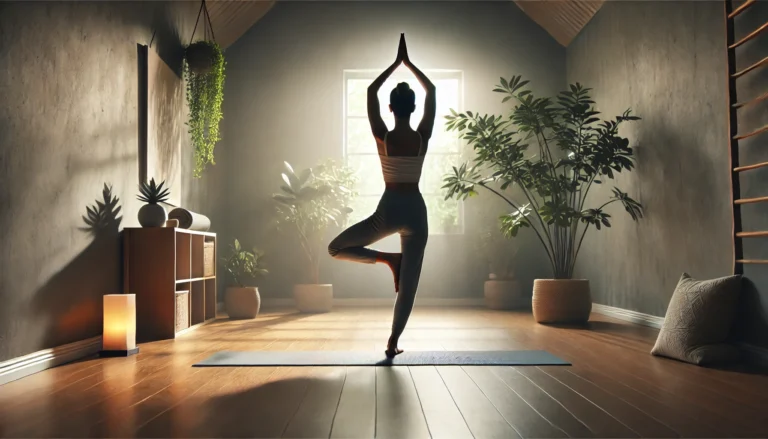
7 Powerful Benefits of Eagle Pose Yoga for Shoulder Strength

Reflecting on my yoga journey, I remember the power of Garudasana, or Eagle Pose. This posture has strengthened my shoulders and improved my balance and posture.

Adding Eagle Pose Yoga to my practice has boosted my shoulder strength and well-being. In this article, I’ll show you how to master Garudasana. If you’re new to yoga practice, it helps to understand the foundations of breathing, posture, and alignment explained in this complete yoga guide for beginners. We’ll explore its benefits for yogis at all levels.

Key Takeaways

  • Discover the benefits of Garudasana for shoulder strength
  • Learn how to master Eagle Pose Yoga safely and effectively
  • Improve your overall posture and balance with this foundational posture
  • Explore the numerous benefits of Garudasana for yogis of all levels
  • Enhance your overall well-being through the practice of Eagle Pose

Understanding Eagle Pose Yoga (Garudasana)

Exploring Eagle Pose reveals its deep history and importance in yoga today. Garudasana, or Eagle Pose, is a pose that combines physical stance, balance, and mental focus.

The Ancient Origins of Eagle Pose

Eagle Pose comes from ancient yoga traditions. It was valued for boosting physical and mental health. The name “Garudasana” comes from “Garuda,” meaning eagle, and “asana,” meaning pose. This pose is inspired by the mythical bird Garuda, known for strength, courage, and agility.

Why Eagle Pose Is Essential for Modern Practitioners

In today’s fast world, Eagle Pose offers a break from stress. It helps improve balance, both physically and mentally. By adding Garudasana to their routine, people can better their shoulder mobility and physical alignment. Eagle Pose is also commonly included among the best yoga poses for improving balance, flexibility, and upper body strength.

Key Anatomical Focus Areas

Eagle Pose mainly works on the shoulders, upper back, and legs. These areas are key to experiencing benefits like:

  • Improved balance and stability
  • Enhanced shoulder mobility
  • Strengthened legs and ankles
  • Increased focus and mental clarity

Knowing the origins and benefits of Eagle Pose, or Garudasana, shows its worth in yoga today. It helps us improve our well-being.

How to Perform Eagle Pose Yoga Correctly

Getting Eagle Pose right is key to enjoying its benefits and avoiding injuries. Eagle Pose yoga, or Garudasana, is a challenging pose that needs focus and practice.

Preparation and Starting Position

Start by standing with your feet apart, core tight, and spine straight. Breathe in deeply, then exhale and bend your knees slightly.

Step-by-Step Instructions for Arms and Shoulders

  • Extend your arms straight out to the sides, parallel to the floor.
  • Bend your elbows, bringing your forearms and hands towards each other.
  • Wrap your right arm over your left, with your palms facing each other.
  • Try to bring your palms together, or as close as you can, in a prayer-like gesture.

This arm position improves shoulder mobility and helps release upper back tension.

Step-by-Step Instructions for Legs and Core

  1. Cross your right knee over your left, so your right foot is by your left calf.
  2. Wrap your legs around each other, engaging your core to maintain balance.
  3. Keep your weight evenly distributed on both feet, or as much as possible given your flexibility.

Engaging your core and maintaining a steady focus yoga practice will help you stabilize in the pose.

Breathing Techniques During Eagle Pose

Once in the pose, focus on your breathing. Take slow, deep breaths in through your nose and out through your mouth. Keep your breathing steady and calm to stay centered and focused.

How to Exit the Pose Safely

To exit Eagle Pose, slowly unwrap your arms and legs, returning to a standing position. Take a deep breath in, and as you exhale, release any tension in your shoulders and arms. Repeat the pose on the other side to maintain balance.

By following these steps and practicing regularly, you can improve your technique and enjoy the many benefits of Eagle Pose yoga, including enhanced shoulder mobility and a stronger, more focused practice.

The 7 Powerful Benefits of Eagle Pose for Shoulder Strength

Eagle Pose is a key yoga pose that makes your shoulders stronger. It also helps your posture and makes your upper body more flexible. Doing Garudasana often can really boost your shoulder strength and overall health.

1. Strengthens Shoulder Muscles and Rotator Cuff

Eagle Pose works the muscles of your shoulder and rotator cuff. It makes them stronger through a special contraction. This can make your shoulders more stable and lower the chance of getting hurt.

2. Improves Shoulder Mobility and Range of Motion

Eagle Pose stretches and strengthens your shoulder muscles. This improves how well your shoulders move and how flexible they are. It can also make your shoulders less stiff.

3. Releases Tension in Upper Back and Shoulders

Doing Eagle Pose can help loosen up your upper back and shoulders. These areas often get tight and stressed. Regular practice can make your upper body feel more relaxed and open.

4. Enhances Posture and Spinal Alignment

Eagle Pose helps you stand up straighter by strengthening your spine’s supporting muscles. It also improves how your spine lines up. This can lead to better posture and less back pain.

5. Builds Isometric Strength in Upper Body

The special contraction in Eagle Pose builds strength in your upper body. This is great for your shoulders and arms. It can make your upper body stronger and more able to last longer. Many dynamic routines such as power yoga for beginners also incorporate balance poses like Eagle Pose to build upper body endurance and stability.

6. Prevents Shoulder Injuries and Pain

Eagle Pose makes your shoulder muscles stronger and more mobile. This can prevent injuries and pain in your shoulders. Regular practice can make your shoulders healthier and more resilient.

7. Creates Balance Between Shoulder Muscle Groups

Eagle Pose balances the different muscles in your shoulders. This reduces the risk of overuse injuries. Keeping your shoulders balanced is key to keeping them healthy.

In conclusion, adding Eagle Pose to your yoga routine can greatly improve your shoulder strength and upper body health. By understanding and using the benefits of this pose, you can make your practice better. You’ll enjoy a stronger and more flexible upper body.

How Eagle Pose Yoga Relieves Shoulder Tension and Stiffness

Eagle Pose Yoga helps ease shoulder tension. It’s a powerful pose for improving shoulder health. This makes it a great tool for those with discomfort.

Targeting Chronic Shoulder Tightness

Eagle Pose is great for chronic shoulder tightness. The pose stretches the arms and legs together. This stretch can greatly improve shoulder flexibility.

Breaking Up Fascial Adhesions

The pose also helps break up adhesions in the shoulders. These adhesions can limit movement and cause pain. Eagle Pose gently stretches and releases them, promoting healthier fascia.

Increasing Blood Flow to Shoulder Region

Eagle Pose boosts blood flow to the shoulders. Holding the pose encourages blood circulation. This is key for healing and keeping joints healthy.

My Personal Experience with Shoulder Recovery

I’ve seen Eagle Pose ease shoulder tension. Regular practice has reduced my stiffness. This makes moving easier and less painful.

“Eagle Pose has been a lifesaver for my shoulder pain. It’s a simple yet effective way to keep my shoulders loose and healthy.”

Many yogis share this positive experience with Eagle Pose.

Try Eagle Pose to see its benefits for yourself. It’s great for easing shoulder tightness, improving mobility, or just making your yoga better.

Eagle Pose for Improved Balance and Concentration

The Eagle Pose is more than a physical challenge. It also tests your mental focus and balance. As you practice, you’ll feel a stronger connection between your mind and body. This will improve your yoga practice overall.

How Eagle Pose Challenges Your Balance

Eagle Pose makes you stand on one leg while wrapping arms and legs around each other. This pose requires your core and leg muscles to work together. It boosts your balance and stability.

As you practice, you’ll get better at balancing in other poses and daily activities.

Mental Focus Benefits of Garudasana

Garudasana, or Eagle Pose, helps improve your mental focus. It makes you concentrate on your breath and body sensations. This improves your mental clarity and discipline.

This focus can help you in other areas of life. It can make you more productive and improve your overall well-being.

“The mind is everything; whatever you think, you become.” – Buddha

The Mind-Body Connection in Eagle Pose

Eagle Pose strengthens the connection between your mind and body. It requires you to be fully present and aware of your body’s position and sensations. As you practice, you’ll understand your body’s strengths and weaknesses better.

By adding Eagle Pose to your yoga routine, you’ll boost your balance and concentration. You’ll also improve your mental and physical health. The benefits of this pose will go beyond your yoga mat, positively affecting your daily life.

Eagle Pose Yoga Benefits for Upper Body Flexibility

When I do Eagle Pose, I see my upper body getting more flexible. This is key for a good yoga practice. It helps stretch the shoulders, upper back, and arms.

Opening the Space Between Shoulder Blades

Eagle Pose stretches the muscles between the shoulder blades. This opens up the upper back. It also helps improve your posture and eases neck and shoulder tension.

Increasing Mobility in Shoulder Joints

Practicing Eagle Pose makes your shoulder joints more mobile. The arms wrap deep, stretching the muscles. This boosts shoulder mobility.

Stretching the Wrists and Forearms

Eagle Pose also stretches the wrists and forearms. This is great for people who type a lot or do activities that hurt these areas.

Creating Length in the Upper Back

Eagle Pose Yoga stretches the upper back, making it longer. This improves flexibility and posture. It also helps reduce back pain.

Doing Eagle Pose Yoga regularly can greatly improve upper body flexibility. It’s a must-have in any yoga routine. It enhances shoulder mobility and overall flexibility.

Common Mistakes to Avoid in Eagle Pose

Practicing Eagle Pose safely means knowing and avoiding common errors. This pose, known as Garudasana, improves balance and focus. But, mistakes in alignment and technique can cause discomfort or injury. Being aware of these issues can make your practice better and more rewarding.

Improper Arm Alignment

One big mistake in Eagle Pose is wrong arm alignment. This can strain your shoulders and ruin the pose. Make sure your arms are wrapped right, elbows at shoulder height, and hands together. Proper arm alignment is key for balance and getting the most from the pose.

Lower Body Positioning Errors

Getting the lower body right in Eagle Pose is also critical. Mistakes like knees extending past toes or not engaging the core can destabilize you. To fix this, keep your knees bent and weight evenly on both legs. Engaging your core will help stabilize your lower body and improve balance.

Breathing and Focus Issues

Breathing and focus are vital in Eagle Pose. Holding your breath or losing focus can reduce the pose’s benefits. Practice deep, controlled breathing to stay focused and calm. This will help you stay present and centered in the pose.

Overstraining the Shoulders

Another common mistake is overstraining the shoulders in Eagle Pose. Forcing your shoulders beyond their limit can cause strain or injury. Be careful with your shoulder position and avoid pushing past what feels right. Instead, gradually work on increasing your flexibility over time, and use modifications if needed to protect your shoulders.

By knowing these common mistakes and avoiding them, you can practice Eagle Pose more safely and effectively. This way, you can enjoy its many benefits for your body and mind.

Modifications and Variations for All Levels

Eagle Pose is great for everyone, from beginners to experts. It can be adjusted to fit your level, making it super useful for all yogis.

Beginner-Friendly Adaptations

If you’re new to Eagle Pose, start with simpler versions. Stand with your feet apart for balance. Use a block to support your arms for better alignment. These changes help you learn the basics without stress.

Intermediate Progressions

When you get better at Eagle Pose, try more challenging versions. You can stretch deeper, use your core more, or hold the pose longer. Intermediate yogis can also play with arm and leg positions to improve balance and strength.

Advanced Eagle Pose Variations

For experts, Eagle Pose has tough variations. Two examples are:

  • The Flying Eagle Variation, where you lift off the ground and balance on one leg.
  • The One-Legged Eagle Arm Balance, a pose that needs lots of strength, flexibility, and focus.

Flying Eagle Variation

The Flying Eagle Variation is thrilling but tough. It needs strong legs and a steady core. Keep your core tight and your eyes focused.

One-Legged Eagle Arm Balance

The One-Legged Eagle Arm Balance is a big challenge. It requires precision, strength, and control. Be patient and keep practicing.

Using Props to Support Your Practice

Props are key for a safe and strong Eagle Pose practice. Blocks, straps, and walls help keep you aligned and prevent injuries. Using props shows you’re mindful and focused, not limited.

Conclusion

Eagle Pose Yoga, or Garudasana, is great for yogis of all levels. It strengthens your shoulders and improves your posture. It also helps you balance, focus, and become more flexible.

If you’ve tried Eagle Pose, you know its power. It’s time to add it to your daily yoga routine. Regular practice will boost your shoulder strength, reduce tension, and improve your overall health.

Whether you’re new to yoga or have been practicing for years, try Eagle Pose Yoga. It’s easy to do and offers many benefits. Garudasana is a wonderful addition to any yoga practice.

FAQ

1. What are the benefits of practicing Eagle Pose (Garudasana) for shoulder strength?

Eagle Pose strengthens your shoulder muscles and rotator cuff. It also boosts shoulder mobility. Plus, it helps release tension in your upper back and shoulders.

2. How do I properly align my arms in Eagle Pose?

Wrap your arms around each other in Eagle Pose. Hold your palms together like in prayer. Make sure not to cross your arms too high or too low.

3. Can Eagle Pose help with shoulder tension and stiffness?

Yes, Eagle Pose can ease shoulder tension and stiffness. It targets chronic tightness, breaks up adhesions, and boosts blood flow to the shoulders.

4. Is Eagle Pose suitable for beginners?

Yes, beginners can modify Eagle Pose. Using props or simpler adaptations makes it more accessible.

5. How can I improve my balance in Eagle Pose?

Focus on your breath to improve balance in Eagle Pose. Engage your core. Regular practice builds strength and stability.

6. Can Eagle Pose help improve my posture?

Yes, Eagle Pose can improve your posture. It strengthens your shoulder muscles. This enhances your upper body alignment.

7. What are some common mistakes to avoid in Eagle Pose?

Avoid common mistakes in Eagle Pose. Don’t misalign your arms or position your lower body wrong. Also, watch your breathing and focus. And don’t strain your shoulders too much.

Disclaimer:

This post may contain affiliate links. If you purchase through them, we may earn a small commission at no extra cost to you. Also, this content is for informational purposes only and does not substitute professional medical advice.

Tai Chi for Physical and Mental Well-Being: Restore Balance Through Gentle Movement

Tai Chi for physical and mental well-being offers more than gentle exercise it’s a deeply healing practice rooted in ancient wisdom. With flowing, mindful movements and breathwork, it nurtures body and mind, supporting emotional clarity, stress relief, and physical vitality.


1. Tai Chi for Physical and Mental Well-Being: A Healing Practice for Mind and Body

Tai Chi is a deeply transformative form of exercise that blends slow, flowing movements with focused breathing and mental concentration. Tai Chi improves mental and physical well‑being
.

Often referred to as “meditation in motion,” Tai Chi not only strengthens the body but also calms the mind. It creates a unique balance between physical and mental well-being.

Rooted in Traditional Chinese Medicine (TCM), Tai Chi enhances the body’s Qi (life energy) flow, promoting vitality and reducing stress.

In today’s fast-paced world, it offers a peaceful, low-impact way to reconnect with your body and mind.

References:

  • “Start your Tai Chi journey with a beginner’s guide like the Tai Chi for Beginners DVD by Dr. Paul Lam.”

Supplement suggestions:

  • “Support relaxation with a calming herbal tea like Traditional Medicinals Organic Chamomile Tea.”

Recommended Course:

  • “Learn the basics of Tai Chi with the Tai Chi for Beginners Course on Udemy.”

2. The Benefits of Tai Chi

  • Enhances Physical Health: Tai Chi is a low-impact exercise that promotes balance, flexibility, and overall physical well-being. It strengthens muscles, improves joint mobility, and boosts cardiovascular health without putting strain on the body.

  • Improves Mental Clarity: The mindful movements of Tai Chi require concentration and focus, helping to clear the mind and reduce mental clutter. It enhances mental clarity and fosters a sense of calm and tranquility.

  • Promotes Emotional Balance: As a meditative practice, Tai Chi also supports emotional health by reducing stress and anxiety. The flowing movements, combined with deep breathing, encourage relaxation and emotional stability.

  • Supports Energy Flow: Tai Chi is based on the concept of Qi, or life energy, which flows through the body. By practicing Tai Chi, you improve the flow of energy, promoting physical vitality and emotional well-being.

References:

  • “Try the YogaDirect Tai Chi Mat for a comfortable surface to practice on.”

Supplement suggestions:

  • “Promote relaxation with a magnesium supplement like Natural Vitality Calm.”

Recommended Course:

  • “Explore the Tai Chi for Stress Relief Course on Mindbodygreen to learn techniques for calming the mind.”

3. Tai Chi for Stress Relief and Mental Wellness

In today’s fast-paced world, stress has become an all-too-common issue for many people, affecting both mental and physical health. Tai Chi for stress relief offers a holistic approach to combating this widespread problem. This ancient practice emphasizes mindfulness, deep breathing, and slow, intentional movements, making it an effective tool for reducing stress and promoting overall mental wellness.

By focusing on the present moment and synchronizing your movements with breath, Tai Chi helps activate the parasympathetic nervous system the part of the body responsible for promoting relaxation and reducing the fight-or-flight response. This process helps to lower cortisol levels, the stress hormone, while also enhancing mood and emotional balance. The gentle, flowing movements encourage a sense of calm and tranquility, allowing the mind to quiet and the body to release tension.

For those searching for natural and non-invasive ways to manage stress, Tai Chi provides an ideal solution. Unlike other forms of exercise that may cause further strain on the body or mind, Tai Chi offers a low-impact practice that is accessible for people of all ages and fitness levels. Regular practice can foster mental clarity, emotional resilience, and a profound sense of well-being.

References:

  • “Create a calming space for Tai Chi with an essential oil diffuser like the [URPOWER Essential Oil Diffuser.”

Supplement suggestions:

  • “Support relaxation with a stress-relief supplement like Olly Goodbye Stress Gummies.”

Recommended Course:

  • “Join the Tai Chi for Mental Wellness Course on Gaia to learn specific techniques for stress relief.”

4. Tai Chi for Physical Health: Balance, Strength, and Flexibility

Tai Chi is an excellent practice for improving physical health, particularly for older adults or individuals recovering from injury. The slow, controlled movements help enhance balance, increase strength, and improve flexibility in a safe and low-impact manner. As a full-body exercise, Tai Chi engages the muscles, joints, and tendons without placing unnecessary strain on the body, making it ideal for those with joint issues or chronic conditions.

The focus on balance in Tai Chi is particularly beneficial for reducing the risk of falls, a common concern for older adults. The gentle, deliberate movements help strengthen stabilizing muscles and improve coordination, leading to better posture and overall body alignment. Additionally, Tai Chi helps enhance joint mobility, making it easier to perform daily activities without discomfort.

As you age, staying active and mobile is key to maintaining your independence and overall well-being. Tai Chi offers a safe and effective option for those looking to stay fit, flexible, and agile, without the risks associated with high-impact exercises. Whether you’re looking to recover from an injury or maintain your mobility as you age, Tai Chi is a fantastic way to support your body’s physical health and vitality.

References:

  • “Enhance your practice with a Tai Chi instructional book like The Harvard Medical School Guide to Tai Chi.”

Supplement suggestions:

  • “Support joint health with a collagen supplement like Vital Proteins Collagen Peptides.”

Recommended Course:

  • “Learn how to improve balance and strength with the Tai Chi for Seniors Course on Udemy.”

5. How to Get Started with Tai Chi: A Simple Guide for Beginners

Getting started with Tai Chi is easy, and the beauty of this practice lies in its simplicity no special equipment or prior experience is necessary. Tai Chi is accessible to people of all ages and fitness levels, making it an ideal practice for anyone looking to improve balance, strength, and mental wellness. Here are some helpful tips to begin your Tai Chi journey:

1. Find a Class

If you’re new to Tai Chi, one of the best ways to start is by joining a Tai Chi class. Look for classes offered at community centers, gyms, or wellness studios in your area. In-person classes give you the opportunity to learn proper techniques and get personalized feedback from an experienced instructor. Many instructors also offer beginner-friendly sessions, making it easy to ease into the practice.

2. Practice at Home

If you prefer learning at your own pace, you can also begin practicing Tai Chi at home. There are plenty of online Tai Chi videos and DVDs that guide you through the basic movements and routines. Starting with short, simple sessions can help you gradually get familiar with the techniques and build confidence. As you become more comfortable, you can increase the duration and complexity of your practice.

3. Start Slow

Tai Chi is all about slow, deliberate movements. Begin with short sessions (10-15 minutes) and gradually increase the time as you get more comfortable with the movements. Starting slow helps you focus on form, balance, and mindfulness without feeling overwhelmed. Over time, you’ll notice improvements in your flexibility, strength, and mental clarity.

4. Focus on Breath

One of the most important aspects of Tai Chi is coordinating movement with breath. Deep, slow breathing enhances relaxation and mindfulness, allowing you to be more present in your practice. As you move through the forms, focus on your breath, allowing it to guide your actions and promote a sense of calm and well-being.

5. Consistency is Key

The key to success in Tai Chi is consistent practice. Make it a part of your daily routine, even if it’s just for a few minutes each day. Over time, you’ll begin to notice improvements in your physical health, mental wellness, and overall sense of balance.

References:

  • “Try the BodyWisdom Tai Chi for Beginners DVD for easy-to-follow instructions.”

Supplement suggestions:

  • “Support your energy levels with a plant-based protein powder like Garden of Life Sport Organic Plant-Based Protein.”

Recommended Course:

  • “Join the Tai Chi for Beginners Course on Udemy to learn step-by-step techniques.”

Conclusion

Tai Chi is a gentle yet powerful practice that offers numerous benefits for physical, mental, and emotional health. By incorporating Tai Chi into your daily routine, you can reduce stress, improve balance, and enhance overall well-being. Whether you’re new to Tai Chi or looking to deepen your practice, this ancient art provides a holistic path to health that aligns perfectly with modern wellness trends.


Call to Action:

“Ready to experience the benefits of Tai Chi? Explore our top-rated books, courses, and tools here and start your journey to better health today!”


FAQ

1. Is Tai Chi suitable for beginners?

Yes, Tai Chi is highly beginner-friendly and can be adapted to all fitness levels. Its slow, controlled movements make it easy to learn and practice, and it’s a gentle way to improve flexibility, balance, and overall well-being. Whether you’re new to exercise or looking for a low-impact activity, Tai Chi is an excellent choice.

2. How often should I practice Tai Chi?

For beginners, aim for 2-3 sessions per week to start, gradually increasing the duration and frequency as you become more comfortable with the movements. Consistency is key to seeing improvement, so try to incorporate it into your routine. Even short sessions (10-15 minutes) can offer benefits for balance, strength, and mental clarity.

3. Can Tai Chi help with chronic pain?

Yes, Tai Chi for chronic pain is a proven practice that can significantly improve flexibility and reduce pain, especially in conditions like arthritis. The gentle, low-impact movements of Tai Chi help ease muscle tension, improve joint mobility, and alleviate discomfort without placing strain on the body. It’s a safe and natural way to manage chronic pain while promoting overall health.

4. Do I need special equipment to practice Tai Chi?

No, Tai Chi requires no special equipment. All you need is comfortable clothing that allows free movement and a quiet, peaceful space to practice. Tai Chi can be practiced anywhere whether in your living room, a park, or a dedicated wellness studio making it a convenient and accessible form of exercise.

5. Can Tai Chi improve mental health?

Absolutely! Tai Chi for mental health is widely recognized for its ability to reduce stress, anxiety, and depression. The meditative aspect of Tai Chi encourages deep, mindful breathing and relaxation, helping to calm the mind. Regular practice can also improve focus, enhance emotional balance, and provide a sense of peace and well-being.


Disclaimer

This article is for informational purposes only and is not intended to replace professional medical advice, diagnosis, or treatment. Always consult with a healthcare provider before starting any new exercise or wellness practice, especially if you have pre-existing health conditions. Some links in this article are affiliate links, which means we may earn a small commission if you purchase through them at no extra cost to you. This helps support our work and allows us to continue providing valuable content. Thank you for your support!

Exit mobile version