
Why Does VO2 Max Decrease With Age? And Can You Slow It Down?
Getting older does not automatically mean becoming unfit. Yet there is one change that tends to become harder to ignore with time: aerobic capacity gradually declines. If you have ever noticed that a pace that once felt comfortable now requires more effort, or that you recover more slowly after demanding exercise, changes in VO2 max and aging may be part of the picture.
VO2 max reflects the maximum amount of oxygen your body can take in, transport, and use during intense exercise. It is influenced by the heart, blood circulation, lungs, and working muscles. As these systems change with age, maximum oxygen uptake generally falls too. Research suggests the decline is not perfectly linear, and the rate can become steeper later in life.
The important part is what that statement leaves out. Your chronological age is only one piece of the story. Physical inactivity, loss of muscle, chronic disease, and reduced exercise capacity can accelerate the decline, while regular endurance training can preserve a substantially higher level of aerobic fitness across adulthood. Older adults can still improve VO2 peak with exercise, even when they begin training later in life.
So the useful question is not simply, “How much VO2 max will I lose as I age?” It is, “How much of that decline can I influence?”
Why does VO2 Max decrease with age?
The age-related decline in VO2 max is not caused by one failing organ. Think of aerobic capacity as a delivery system. Your lungs bring oxygen into the body, your heart moves oxygen-rich blood, your circulation delivers it to working tissue, and your muscles extract and use that oxygen to produce energy.
With age, several parts of this system gradually become less capable of reaching their previous maximum. The heart may not pump as much blood during maximal exercise, maximum heart rate generally falls, muscle mass and oxidative capacity can decline, and physical activity often decreases. These changes can compound one another.
This is why saying “VO2 max drops because you get older” is technically true but practically incomplete.
Research reviews identify reductions in maximal heart rate, cardiac output, oxygen extraction by skeletal muscle, and muscle oxidative capacity among the important contributors. The relative importance of each factor also changes across the lifespan. (PubMed)
There is also considerable individual variation. Two people of the same age can have dramatically different aerobic capacities because their exercise histories, body composition, health conditions, and physiological adaptations are different.
That distinction matters. Aging creates biological constraints, but it does not produce identical outcomes in everyone.
How does a decline in maximal heart rate contribute to this drop?
Maximum heart rate is one of the clearest age-related changes affecting VO2 max. As people age, the highest heart rate they can generally achieve during maximal exercise tends to decrease.
This matters because heart rate is part of cardiac output, which describes how much blood the heart pumps over a given period. In simplified terms:
Cardiac output = heart rate × stroke volume
During hard exercise, the body needs to dramatically increase blood flow so oxygen can reach the muscles at a higher rate. A younger person may be capable of reaching a higher maximum heart rate, giving the cardiovascular system greater capacity to increase cardiac output during intense effort.
As maximum heart rate decreases with age, the heart has less ability to increase output through heart rate alone.
That does not mean the heart suddenly becomes incapable of supporting exercise. It means the ceiling for maximal cardiovascular performance gradually changes.
This is also one reason why using a simple age-based maximum-heart-rate formula should not be treated as a precise measurement of an individual’s physiological capacity. Formulas provide estimates, not personal measurements.
For someone following VO2 max over many years, this distinction becomes particularly important. A lower maximum heart rate with age does not automatically mean the person has become unhealthy or unfit. It is one normal component of aging physiology.
The bigger concern is what happens around that age-related change. If declining activity, muscle loss, cardiovascular disease, or other health problems occur at the same time, aerobic capacity can fall much more than age alone would explain.
Interestingly, exercise training does not appear to completely prevent the age-related decline in maximum heart rate. Even highly trained older athletes generally experience some reduction. However, training can improve other components of aerobic performance, which helps preserve overall VO2 max despite that limitation.
This is an important theme throughout VO2 max and aging: you cannot control every component, but you can influence several of the components that remain adaptable.

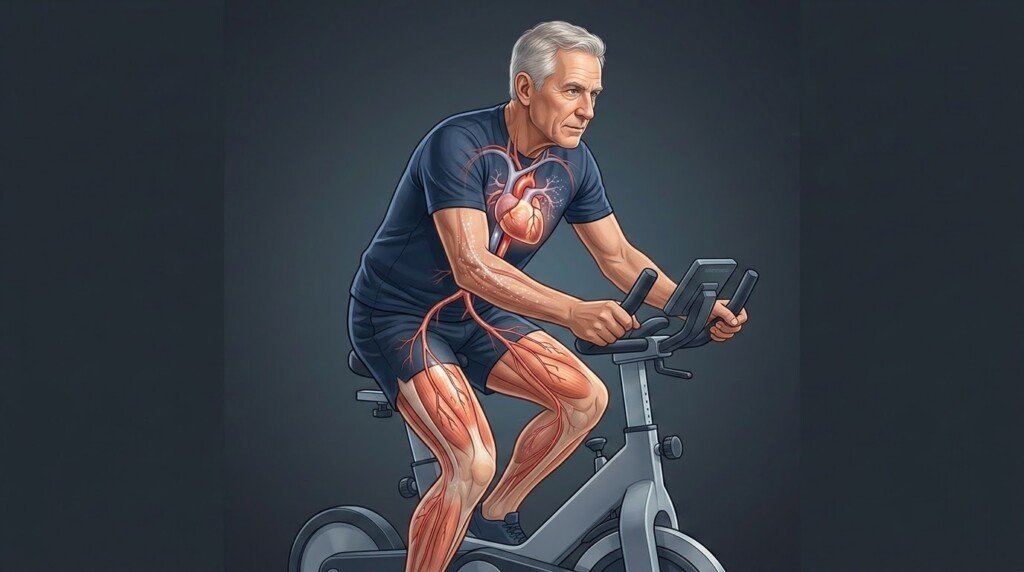
What role do changes in stroke volume and cardiac output play?
Maximum heart rate is only half of the cardiac-output equation. Stroke volume also matters.
Stroke volume is the amount of blood the heart ejects with each heartbeat. During exercise, increasing stroke volume helps the cardiovascular system deliver more oxygenated blood to active muscles.
Aging can affect the heart’s ability to fill and pump efficiently during intense exercise. Changes in ventricular filling, cardiac responsiveness, and cardiovascular reserve can reduce the amount of blood the heart is capable of moving at maximal effort.
That can contribute to a lower maximum cardiac output and, consequently, a lower VO2 max.
But there is an important nuance here. The cardiovascular system is not simply “breaking down” with age. The body adapts. Older adults can rely more heavily on changes in stroke volume and other cardiovascular responses to support exercise when maximum heart rate is lower. Exercise training can also improve cardiac function and the ability to deliver oxygen.
This helps explain why two adults of the same age can have very different VO2 max scores.
Imagine two 65-year-olds. One has spent decades sitting most of the day and has gradually reduced physical activity. The other has maintained regular endurance exercise and strength training for years.
Both have experienced age-related changes in maximum heart rate. Neither can simply turn back the clock.
Yet the second person may retain considerably greater cardiovascular fitness because the rest of the oxygen-delivery system has been better maintained.
Long-term research comparing trained and sedentary older adults consistently supports this distinction. Habitually endurance-trained older adults tend to have substantially higher VO2 max than sedentary peers of similar age.
There is another reason this matters: VO2 max depends on what happens after oxygen reaches the muscles. A strong cardiovascular system cannot compensate completely if the muscles have lost much of their ability to extract and use oxygen.
That brings us to one of the less appreciated pieces of aging.
How does age-related muscle loss affect VO2 Max specifically?
Skeletal muscle is not merely the machinery that moves your body. It is one of the places where oxygen is ultimately used.
As people age, muscle mass, muscle quality, mitochondrial function, capillary supply, and the ability of muscle tissue to extract oxygen can change. Physical inactivity can make these changes more pronounced.
A smaller or less metabolically capable muscle system has less capacity to take oxygen from the blood and use it during demanding exercise.
This is one reason age-related muscle loss matters to aerobic fitness even though VO2 max is often described as a heart-and-lung measurement.
It is actually a whole-system measurement.
A useful way to picture this is to imagine an oxygen delivery chain. Your lungs load oxygen into the blood. Your heart pumps that blood. Your blood vessels deliver it. Your muscles pull oxygen out of the blood and use it.
If any part of that chain becomes less effective, maximum oxygen consumption can fall.
Research on aging identifies reductions in muscle oxidative capacity, muscle mass, capillary density, and oxygen extraction as important peripheral contributors to declining aerobic capacity.
This is also where muscle aging intersects with the broader issue of sarcopenia. The detailed diagnosis and treatment of sarcopenia is a separate subject, but the connection is worth recognizing because preserving muscle function supports more than strength and mobility. It can also help preserve the body’s ability to use oxygen during exercise.
For a deeper look at the muscle-loss side of aging, the topic can be explored through sarcopenia.
The practical takeaway is straightforward: a lower VO2 max with age is not solely a “heart problem.” It reflects changes across the entire oxygen transport and utilization system.
Can you slow down the age-related decline in VO2 Max?
You cannot completely stop biological aging, and no training plan can guarantee that your VO2 max will remain exactly where it was decades earlier.
But you can influence the trajectory.
This is where the difference between aging and deconditioning becomes especially important.
Some decline is associated with biological changes that occur even in people who remain active. Research in masters athletes suggests that VO2 max can still decrease with age despite continued vigorous training. However, inactive older adults generally have much lower cardiorespiratory fitness than their trained peers, and exercise interventions can produce meaningful improvements in older adults.
In other words, exercise does not make you biologically young again. It can help you remain much fitter within the reality of your age.
What lifestyle factors can mitigate or slow this decline?
The most important lifestyle factor is regular physical activity.
That sounds almost too obvious, but it is precisely where many people lose ground. Aging often brings a gradual reduction in movement. Work becomes more sedentary. Recovery takes longer. People become cautious about intense exercise. Old injuries change what they are willing to do. Over several years, those small reductions can become a major loss of training stimulus.
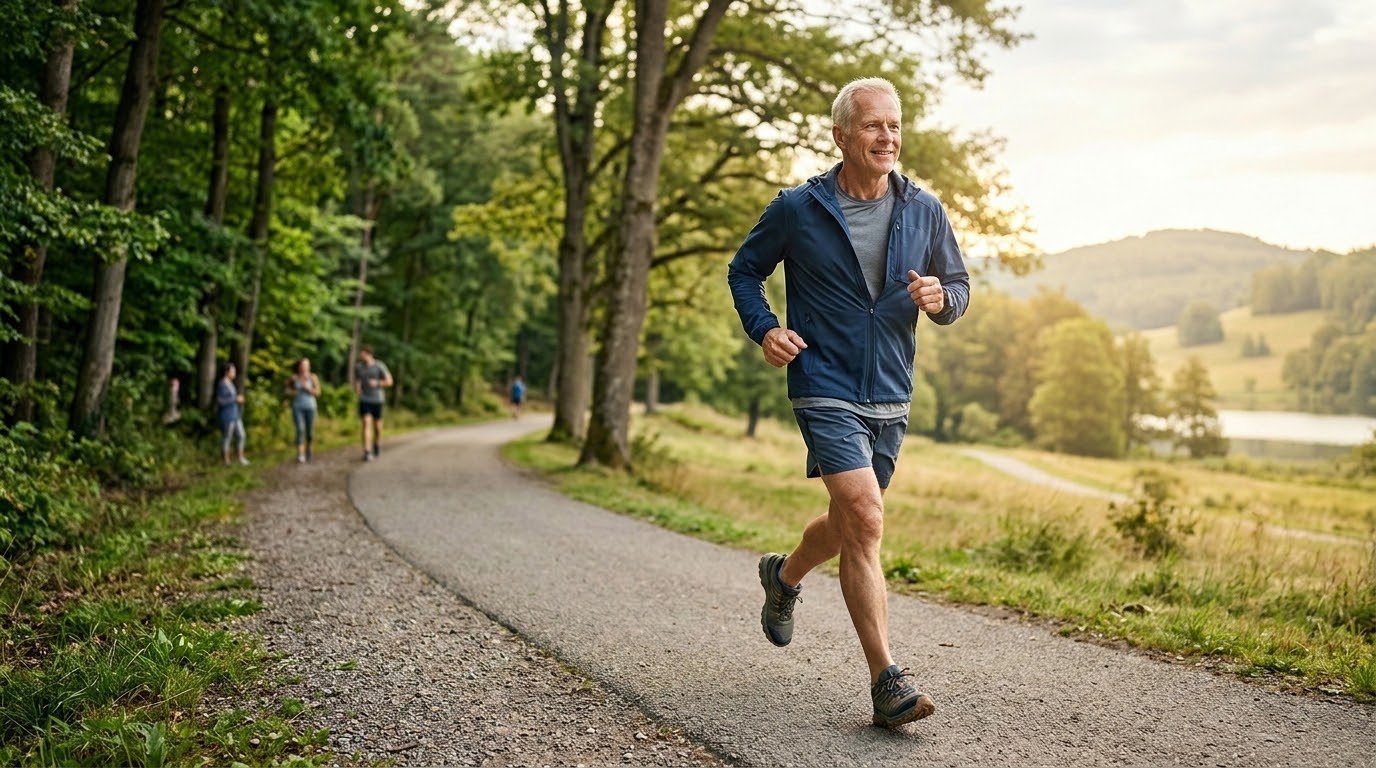
Regular aerobic exercise provides the body with a reason to maintain its oxygen-delivery and oxygen-use capacity.
The evidence is encouraging. A systematic review and meta-analysis of adults aged 70 and older found that endurance training produced significant improvements in peak oxygen uptake compared with control conditions.
That is worth emphasizing because it challenges a common assumption: older adults are not simply too old to improve cardiovascular fitness.
They can improve.
The size of the improvement depends on the person, their starting fitness, health status, training history, and the exercise program. But the capacity for adaptation does not disappear simply because someone reaches their 60s, 70s, or beyond.
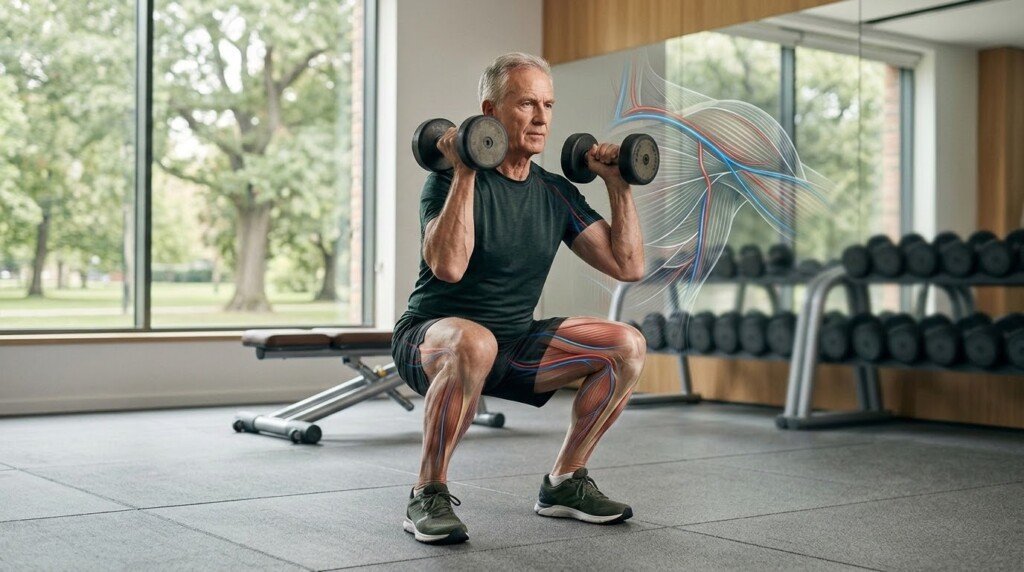
Strength training also has a role in the bigger picture.
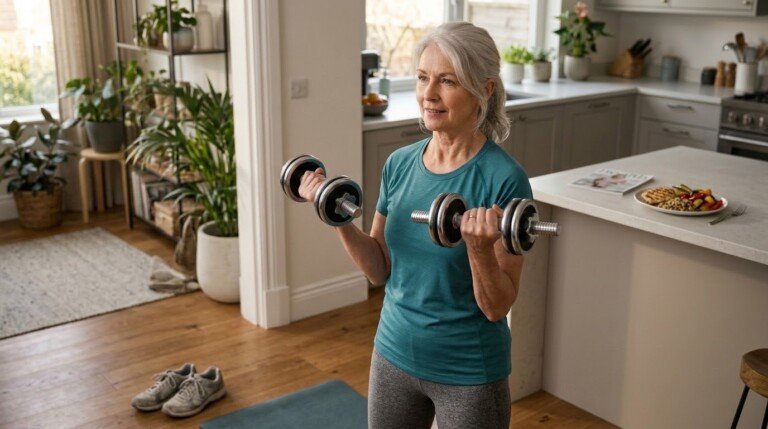
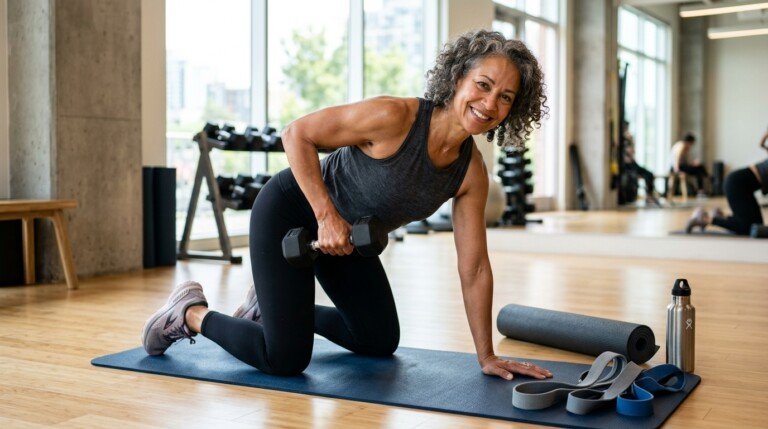
Although strength work is not interchangeable with aerobic training, maintaining muscle mass and function can support mobility and physical independence. It can make it easier to remain active, which indirectly supports cardiorespiratory fitness. Combined endurance and strength training has been shown to benefit physical fitness in older adults.
This creates a useful cycle.
Better strength can make movement easier. Easier movement can support more regular activity. Regular activity provides a cardiovascular stimulus. Maintaining cardiovascular fitness makes everyday physical activity easier.
The opposite cycle can also happen.
Less activity can lead to reduced fitness. Reduced fitness can make exercise feel harder. Exercise then becomes less appealing. Muscle and cardiovascular capacity decline further. Everyday movement becomes more demanding.
That is why consistency matters more than chasing a perfect workout.
A person who exercises moderately and consistently for years can build a very different aging trajectory from someone who trains intensely for a few months and then stops for long periods.
Sleep, nutrition, smoking status, alcohol intake, body composition, and management of chronic health conditions can also influence overall cardiovascular fitness. These factors should not be treated as magic VO2 max boosters, but they can either support or undermine the ability to stay physically active.
There is also an important point about body weight.
VO2 max is commonly expressed relative to body mass, usually as milliliters of oxygen per kilogram of body weight per minute. This means changes in body weight can influence the reported number even if absolute oxygen consumption has not changed to the same degree.
For example, if two people have similar absolute aerobic capacity but one carries substantially more body mass, the relative VO2 max value may be lower for that person.
That does not mean body weight is the sole explanation for age-related decline. It simply means that interpreting VO2 max requires context.
The same principle applies when comparing scores across decades. A number from age 30 should not automatically be compared with a number from age 70 without considering age, body composition, training status, health, and the testing method.
A realistic way to think about VO2 max and aging
One of the biggest mistakes people make is treating aging as a binary switch.
At 39, they feel fit.
At 40, they assume decline begins.
At 60, they assume improvement is no longer possible.
Human physiology does not work that neatly.
VO2 max generally declines across adulthood, but the rate varies considerably. Research has often used an approximate figure of around 10% per decade as a broad shorthand, yet longitudinal studies show that the decline is not perfectly linear and can become substantially steeper at older ages.
Some studies have reported roughly 4% to 10% declines per decade in certain populations, while longitudinal research has found larger declines in later decades. These differences occur partly because studies use different populations, measurement methods, age ranges, and statistical approaches.
So there is no single number that can accurately predict how much your VO2 max “should” decline every decade.
A better question is whether your current fitness is appropriate for your age, health, and lifestyle, and whether you are doing what you reasonably can to preserve it.
That shift in thinking is powerful.
You are not competing against your 25-year-old self forever. You are trying to maintain as much functional capacity as possible for the person you are now.
And that capacity matters outside the gym.
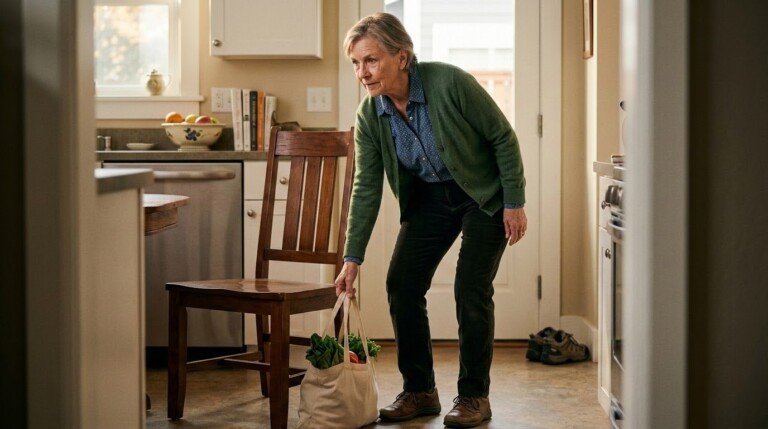
A higher level of cardiorespiratory fitness can make everyday activities easier. Walking uphill, carrying groceries, climbing stairs, traveling, playing with children or grandchildren, and recovering from physical effort all depend to some degree on your aerobic reserve.
The goal is not necessarily to produce an impressive VO2 max number.
The goal is to keep enough aerobic capacity in reserve that ordinary life does not constantly demand your maximum effort.
How much can exercise realistically change the picture?

Exercise cannot erase the biological effects of aging. Even highly trained athletes experience age-related changes in VO2 max. Research in masters endurance athletes has found declines even among people who maintain substantial training loads.
But that does not make exercise ineffective.
It means the realistic target is preservation and adaptation, not immortality.
Older adults can still increase VO2 peak after beginning endurance training, and long-term physically active adults generally maintain substantially better aerobic fitness than inactive peers.
This is especially encouraging for someone who has spent years inactive.
You do not need to have been an athlete in your 20s to benefit in your 60s.
In fact, someone starting from a low fitness level may have considerable room to improve.
The body responds to the demands placed upon it. If those demands disappear for years, capacity tends to fall. If appropriate demands are reintroduced consistently, adaptation can occur.
The response may be slower than it was decades earlier. Recovery may require more attention. Existing health conditions may change what type or intensity of exercise is appropriate. But the ability to adapt remains.
For people with cardiovascular disease, significant symptoms during exercise, or other medical concerns, exercise intensity should be discussed with an appropriate healthcare professional rather than increased aggressively based on an online training plan.
The most useful mindset for preserving VO2 max
If there is one idea worth taking away from the research on VO2 max and aging, it is this:
Age changes the ceiling, but inactivity can lower the floor.
You cannot control every physiological change that comes with getting older. Maximum heart rate will change. Muscle physiology will change. Cardiovascular reserve will change.
But you have meaningful influence over how much physical capacity you maintain.
Regular aerobic activity, sensible strength training, maintaining muscle function, staying physically active outside formal workouts, and managing health conditions all help create a lifestyle that supports continued physical capacity.
And consistency beats heroic effort.
A demanding workout once every few weeks cannot compensate for months of inactivity. A sustainable routine performed year after year is far more relevant to long-term fitness.
If you want the specific exercise methods used to raise aerobic capacity, that belongs in how to improve VO2 max. The key point here is simpler: the body remains trainable as it ages.
Frequently Asked Questions
1. Does VO2 Max decline with age?
Yes. VO2 max generally declines as people age because several components of oxygen delivery and utilization change, including maximum heart rate, cardiac output, skeletal muscle mass, and muscle oxygen use. However, the rate of decline varies substantially between individuals. Regular exercise can help preserve a higher level of aerobic fitness.
2. How much does VO2 Max drop per decade?
There is no single decline that applies to everyone. Around 10% per decade is often used as a broad estimate, but research shows that the decline varies by age, sex, health, activity level, and study population. Longitudinal evidence also suggests that the decline can become steeper in later decades.
3. Can exercise slow VO2 Max decline?
Yes. Exercise cannot completely prevent age-related changes, but regular endurance training can substantially improve or preserve VO2 peak in older adults. Research shows that even adults over 70 can improve aerobic capacity through endurance training.
4. Does losing muscle affect VO2 Max as you age?
It can. Skeletal muscle is responsible for extracting and using oxygen delivered by the cardiovascular system. Age-related reductions in muscle mass, oxidative capacity, and oxygen extraction can therefore contribute to lower VO2 max.
5. Is a lower VO2 Max always a sign that something is wrong?
No. Some decline with age is expected. A single lower score does not automatically indicate disease or poor health. The more useful interpretation considers your age, testing method, health status, body composition, exercise history, and changes in your own fitness over time.
Disclaimer:
This post may contain affiliate links. If you purchase through them, we may earn a small commission at no extra cost to you. Also, this content is for informational purposes only and does not substitute professional medical advice.
Train Smarter, Not Harder
Use our free Fitness Toolkit to find your heart rate zones and calories burned in minutes.
Open Free Tools →