Why Visceral Fat Is Dangerous? 8 Health Risks You Should Know
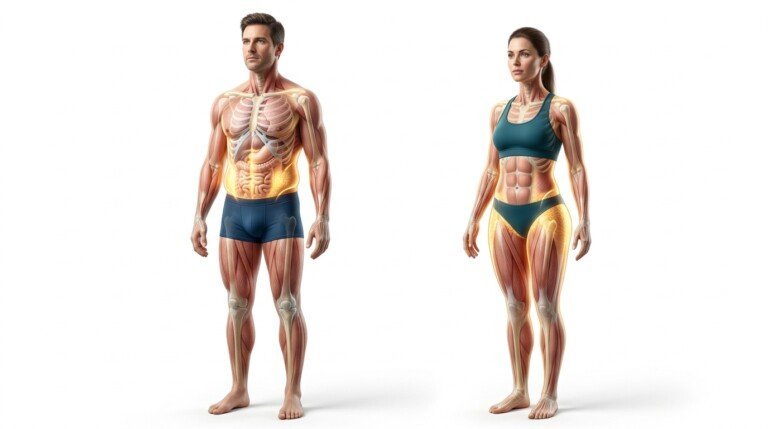
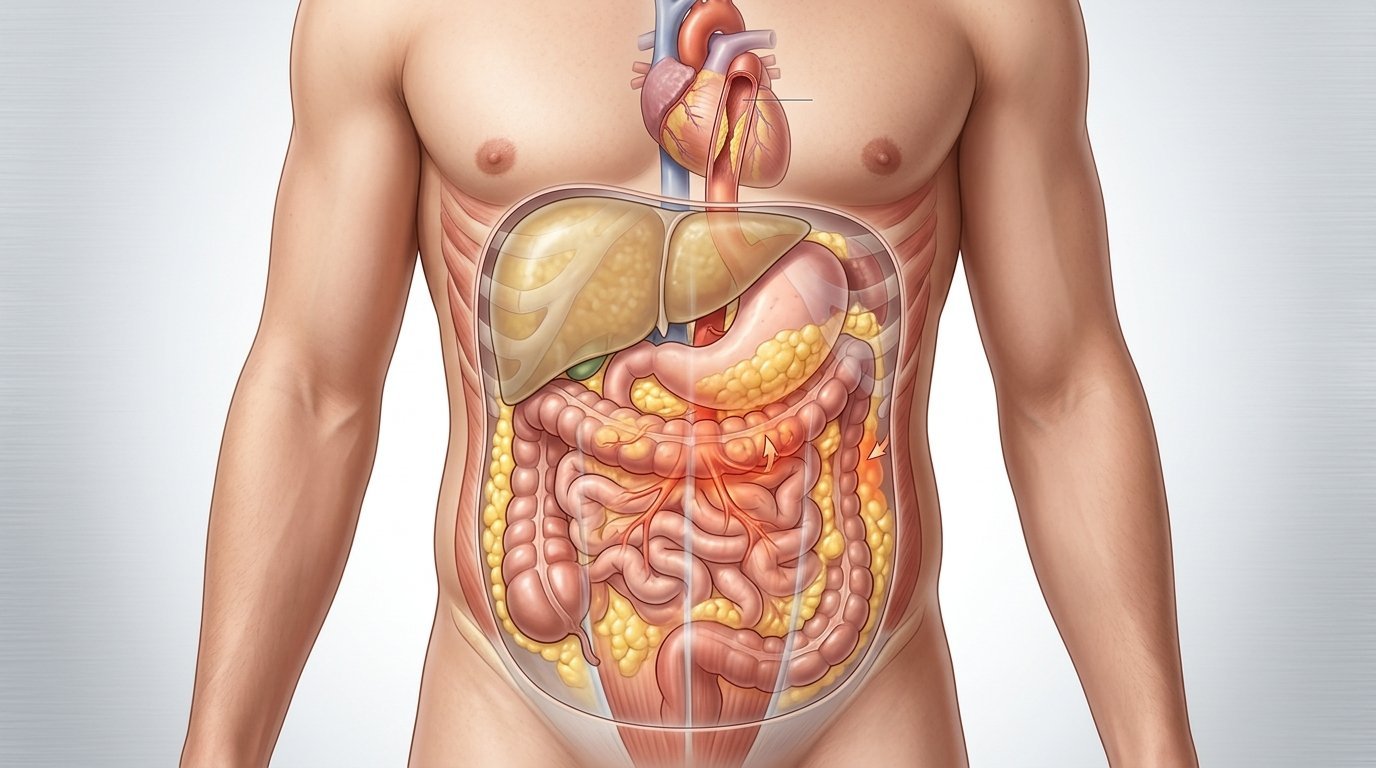
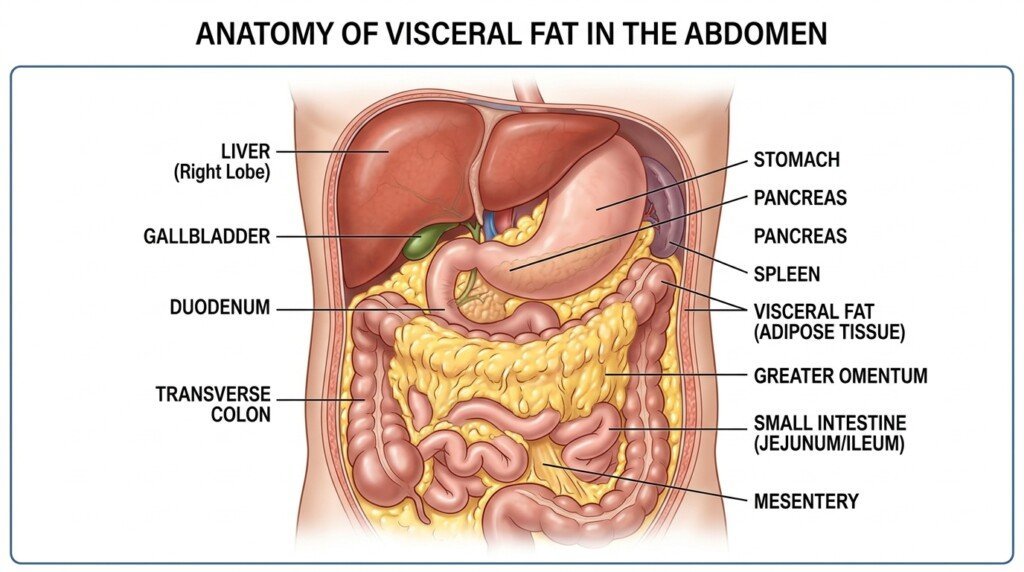
Why Visceral Fat Is Dangerous? It’s a question many people ask after learning that not all body fat affects your health in the same way. While the fat just beneath your skin is easy to see and pinch, visceral fat is hidden deep inside your abdomen, where it surrounds important organs such as the liver, stomach, intestines, and pancreas. Because of its location, this type of fat can have a much greater impact on your long-term health.
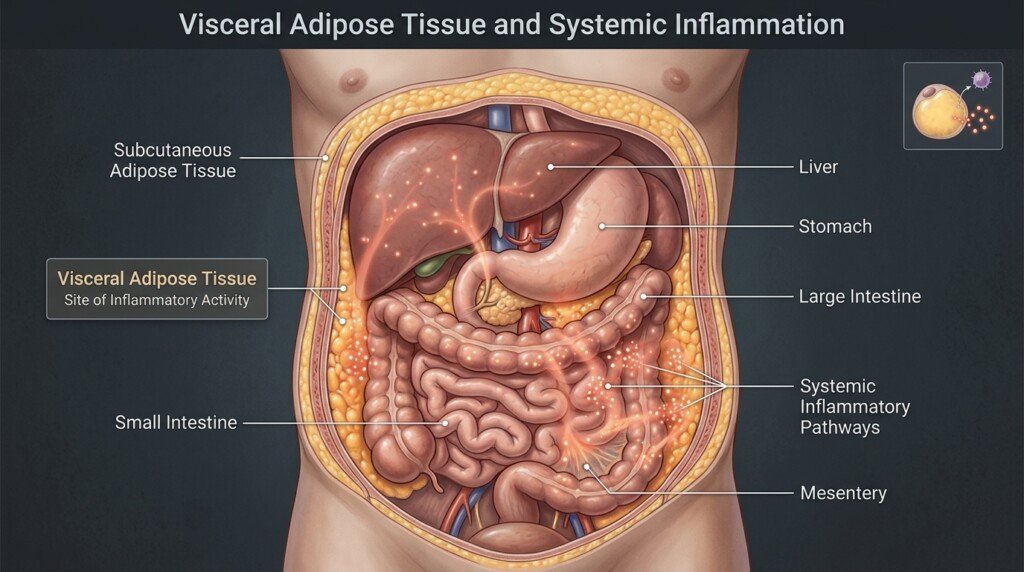
Unlike subcutaneous fat, visceral fat is biologically active. It releases hormones, inflammatory substances, and other chemical signals that influence how your body regulates blood sugar, cholesterol, blood pressure, and metabolism. Over time, carrying excessive visceral fat can increase the risk of several chronic health conditions, even in people who don’t appear significantly overweight.
The good news is that visceral fat isn’t permanent. Research shows it often responds well to healthy lifestyle changes such as improving nutrition, increasing physical activity, managing stress, and maintaining a healthy body weight. Understanding why visceral fat is harmful is the first step toward making informed choices that support long-term health.
In this guide, you’ll learn why visceral fat is dangerous, which organs it affects, the major health risks linked to excess internal belly fat, and what you can do to lower your risk naturally.
Why Is Visceral Fat More Dangerous Than Other Fat?
The biggest difference between visceral fat and other types of body fat is where it is stored.
Subcutaneous fat lies just beneath the skin and provides insulation, energy storage, and cushioning for the body. Visceral fat, however, surrounds vital organs inside the abdominal cavity.
Because of this location, visceral fat is constantly interacting with nearby organs and major blood vessels.
Instead of simply storing energy, visceral fat produces hormones and inflammatory compounds that influence many important body functions.
These include:
- Blood sugar regulation
- Cholesterol metabolism
- Blood pressure
- Fat metabolism
- Inflammatory responses
Over time, excess visceral fat may disrupt these normal processes and contribute to a higher risk of chronic disease.
Another reason visceral fat is considered dangerous is that it often develops without obvious symptoms.
Many people assume they are healthy because they don’t appear overweight. However, it is possible to carry unhealthy amounts of visceral fat even at a normal body weight.
If you’re unfamiliar with the differences between abdominal fat types, our guide on Visceral Fat vs Subcutaneous Fat explains how these two forms of body fat affect the body differently.
Which Organs Does Visceral Fat Affect?
One reason visceral fat receives so much attention from healthcare professionals is its close relationship with several important organs.
Unlike fat stored beneath the skin, visceral fat surrounds structures that are essential for metabolism and overall health.
Liver
The liver plays a central role in processing nutrients, regulating blood sugar, and managing cholesterol.
Excess visceral fat may contribute to fat accumulation in the liver over time, increasing the risk of metabolic complications.
Pancreas
The pancreas produces hormones involved in blood sugar regulation.
Although visceral fat does not directly damage the pancreas, excess abdominal fat is associated with changes in metabolic function that may place additional demands on this organ.
Intestines
Visceral fat surrounds portions of the digestive system and is closely linked with inflammatory processes that may influence digestive health.
Maintaining a healthy gut environment supports overall wellness.
If you’re interested in digestive health, our article on Gut Health and Weight Loss explains how gut health and metabolism work together.
Heart and Blood Vessels
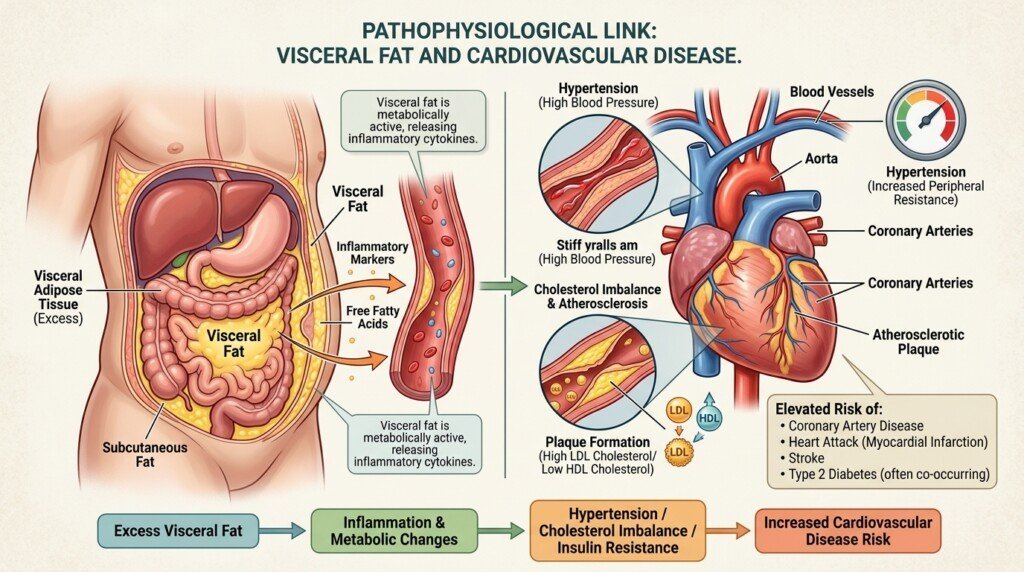
Visceral fat influences many of the factors associated with cardiovascular health, including cholesterol levels, blood pressure, and inflammation.
These effects are one reason abdominal obesity receives significant attention during routine medical evaluations.
Can Visceral Fat Increase Your Risk of Heart Disease?
Yes.
One of the strongest research findings regarding visceral fat is its association with cardiovascular disease.
People carrying larger amounts of visceral fat are more likely to develop several cardiovascular risk factors, including:
- Elevated blood pressure
- Abnormal cholesterol levels
- Chronic inflammation
- Metabolic syndrome
These conditions often develop gradually over many years.
Excess visceral fat does not directly cause heart disease on its own, but it contributes to an environment where cardiovascular risk increases.
Blood Pressure
Higher levels of visceral fat are commonly associated with increased blood pressure.
This places additional strain on blood vessels and the heart over time.
Cholesterol
Visceral fat may influence the balance between LDL cholesterol, HDL cholesterol, and triglycerides.
Maintaining healthy cholesterol levels is an important part of protecting cardiovascular health.
Stroke Risk
Many of the same factors that increase heart disease risk also contribute to stroke risk.
Because visceral fat affects multiple metabolic pathways simultaneously, reducing excess abdominal fat supports overall cardiovascular health.
Does Visceral Fat Raise the Risk of Type 2 Diabetes?
One of the best-established health risks associated with visceral fat is its relationship with insulin resistance.
Insulin is the hormone responsible for helping glucose move from the bloodstream into cells where it can be used for energy.
As visceral fat increases, the body may gradually become less responsive to insulin.
This process is known as insulin resistance.
Over time, insulin resistance may contribute to elevated blood sugar levels and increase the risk of developing type 2 diabetes.
Not everyone with visceral fat develops diabetes, and not everyone with diabetes has excessive visceral fat.
However, numerous studies show a strong relationship between excess abdominal fat and metabolic health.
If you’d like to understand how abdominal fat affects blood sugar in greater detail, our guide on Diabetic Belly Fat explores this topic further without overlapping with diabetes treatment.
Can Visceral Fat Cause Fatty Liver Disease?
The liver is one of the organs most closely affected by excess visceral fat.
When large amounts of fat accumulate around the abdominal organs, the liver may gradually store more fat than it should.
Over time, this can contribute to non-alcoholic fatty liver disease (NAFLD).
In many cases, fatty liver develops without noticeable symptoms.
Some people discover they have fatty liver only after routine blood tests or imaging performed for unrelated reasons.
Fortunately, healthy lifestyle changes that reduce visceral fat often support improvements in liver health as well.
Weight management, regular physical activity, and balanced nutrition remain the primary lifestyle strategies associated with reducing fatty liver risk.
Fatty liver usually develops gradually, making early prevention especially valuable.
Is Visceral Fat Linked to Chronic Inflammation?
Yes.
One of the defining characteristics of visceral fat is that it is metabolically active. Unlike subcutaneous fat, which mainly stores energy beneath the skin, visceral fat continuously releases signaling molecules that influence inflammation throughout the body.
Inflammation is a normal part of your immune system. It helps the body respond to infections and injuries. Problems arise when inflammation remains active for long periods without a clear cause.
Excess visceral fat has been associated with chronic low-grade inflammation, a condition that may gradually increase the risk of several long-term health problems.
Researchers believe this happens because visceral fat produces inflammatory substances known as cytokines. These chemical messengers can affect many organs and tissues throughout the body.
Over time, chronic inflammation has been linked with:
- Cardiovascular disease
- Insulin resistance
- Fatty liver disease
- Metabolic syndrome
- Higher blood pressure
- Changes in cholesterol levels
Inflammation itself is not something you can feel directly.
Unlike an injury that causes pain or swelling, chronic inflammation often develops silently over many years.
This is one reason healthcare professionals encourage reducing excess visceral fat before serious health problems develop.
Healthy lifestyle habits that support lower visceral fat levels also help create an environment that favors healthier inflammatory responses.
These include:
- Eating a balanced diet rich in whole foods
- Staying physically active
- Sleeping consistently
- Maintaining a healthy body weight
- Managing long-term stress
If stress frequently affects your eating habits or lifestyle, our guide on Stress and Weight Loss explains practical ways to build healthier daily routines.
How Much Visceral Fat Is Too Much?
There isn’t a single universal number that defines excessive visceral fat.
The amount considered healthy depends on several factors, including age, sex, body composition, and the method used to measure visceral fat.
Rather than focusing on one specific value, healthcare professionals usually evaluate overall risk using several measurements together.
These may include:
- Waist circumference
- Waist-to-height ratio
- Body Mass Index (BMI)
- Body composition analysis
- Blood pressure
- Blood sugar
- Cholesterol levels
A larger waist circumference is often one of the simplest indicators that excess visceral fat may be present.
However, waist size alone cannot distinguish visceral fat from subcutaneous fat.
This is why doctors consider your complete health profile instead of relying on a single measurement.
Can You Have Too Much Visceral Fat Even If You’re Thin?
Yes.
Many people assume visceral fat only affects individuals with obesity.
In reality, someone with a normal Body Mass Index can still carry unhealthy amounts of visceral fat around their organs.
This pattern is sometimes described as having a healthy appearance while carrying excess internal fat.
Because visceral fat cannot always be seen, regular health checkups remain important regardless of body weight.
Should You Be Concerned?
You should consider speaking with a healthcare professional if you have:
- A steadily increasing waist circumference
- Elevated blood pressure
- High cholesterol
- Elevated blood sugar
- Fatty liver
- Multiple cardiovascular risk factors
- A strong family history of metabolic disease
Early lifestyle changes are often far more effective than waiting until symptoms develop.
The goal is not simply to reduce body weight but to improve overall metabolic health.
Can You Lower Your Risk of Visceral Fat Naturally?
Although this article focuses on why visceral fat is dangerous, it is equally important to remember that it is not a permanent condition.
Research consistently shows that healthy lifestyle habits can gradually reduce visceral fat while improving overall health.
Helpful long-term strategies include:
Eat a Balanced Diet
Building meals around vegetables, fruits, legumes, whole grains, lean proteins, and healthy fats supports healthy body composition and overall metabolic function.
Stay Physically Active
Regular aerobic exercise and resistance training help reduce overall body fat while supporting cardiovascular health and muscle maintenance.
Maintain a Healthy Body Weight
Gradual, sustainable weight loss is associated with reductions in visceral fat for many people.
Sleep Consistently
Adults generally benefit from seven to nine hours of quality sleep each night.
Healthy sleep supports appetite regulation, recovery, and long-term lifestyle consistency.
Manage Stress
Although stress is not the direct cause of visceral fat, chronic stress can influence eating habits, physical activity, and sleep quality.
Learning healthy ways to manage stress supports overall well-being.
The most effective approach combines these habits into a sustainable lifestyle rather than relying on quick fixes.

Frequently Asked Questions
1. Why is visceral fat more dangerous than belly fat under the skin?
Visceral fat surrounds internal organs and actively produces hormones and inflammatory substances that influence metabolism, cardiovascular health, and blood sugar regulation. Subcutaneous fat beneath the skin is generally less harmful.
2. Can visceral fat increase the risk of heart disease?
Yes. Excess visceral fat is associated with higher blood pressure, unhealthy cholesterol levels, chronic inflammation, and metabolic syndrome, all of which increase cardiovascular risk.
3. Is visceral fat linked to type 2 diabetes?
Yes. Higher levels of visceral fat are strongly associated with insulin resistance, an important risk factor for type 2 diabetes.
4. Can visceral fat affect the liver?
Yes. Excess visceral fat is associated with an increased risk of developing non-alcoholic fatty liver disease, particularly when combined with other metabolic risk factors.
5. Can reducing visceral fat improve overall health?
For many people, reducing visceral fat through healthy lifestyle habits supports improvements in cardiovascular health, metabolic function, waist circumference, and overall well-being.
Final Thoughts
Understanding why visceral fat is dangerous goes beyond learning about belly fat. Unlike fat stored beneath the skin, visceral fat surrounds vital organs and actively influences many of the body’s most important systems. Excess amounts are associated with an increased risk of heart disease, type 2 diabetes, fatty liver disease, chronic inflammation, metabolic syndrome, and other long-term health concerns.
The encouraging news is that visceral fat often responds well to consistent lifestyle changes. Improving nutrition, staying physically active, managing stress, getting enough sleep, and maintaining a healthy body weight can gradually reduce visceral fat while supporting better overall health.
Rather than waiting for symptoms to appear, focus on prevention. Small, sustainable habits practiced consistently over time can significantly lower your long-term health risks and improve your quality of life for years to come.
Disclaimer:
This post may contain affiliate links. If you purchase through them, we may earn a small commission at no extra cost to you. Also, this content is for informational purposes only and does not substitute professional medical advice.
Ready to Start Your Journey?
Use our free 7-in-1 Weight Loss Toolkit to calculate your numbers and build your plan in minutes.
Open Free Tools →