What Is Leptin Resistance? Signs, Causes, and How to Improve It Naturally
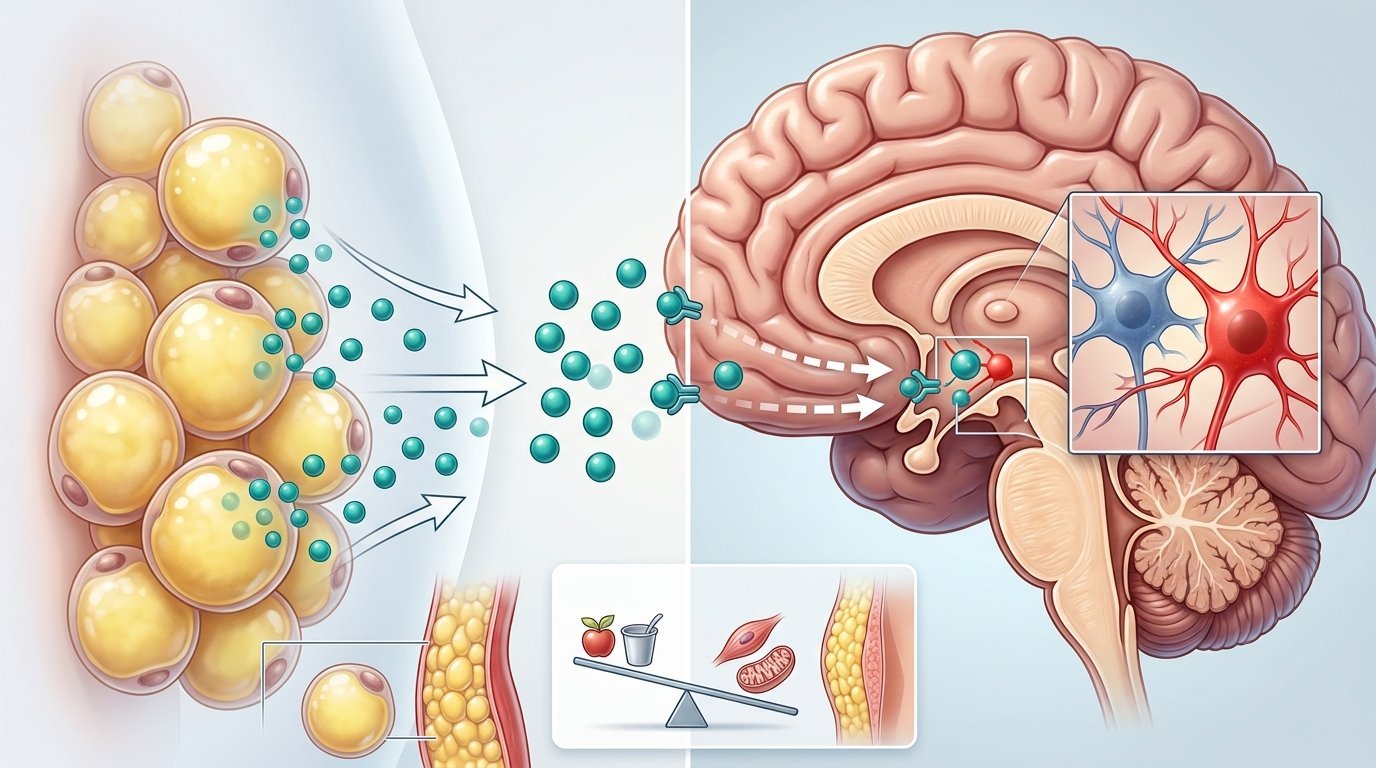
Many people assume that feeling hungry all the time simply means they lack willpower or self-control. In reality, appetite is regulated by a complex network of hormones, and one of the most important is Leptin. Often called the body’s satiety hormone, leptin helps your brain understand when enough energy has been stored so you can naturally feel satisfied after eating.
However, this communication system does not always work as intended. In some individuals, the brain gradually becomes less responsive to leptin’s signals, even when leptin levels are already high. This condition is known as Leptin Resistance. Instead of recognizing that the body has adequate energy reserves, the brain may continue behaving as though it needs more food, making appetite regulation increasingly difficult.
Researchers believe leptin resistance is closely associated with obesity and long-term metabolic dysfunction. It may contribute to persistent hunger, overeating, difficulty maintaining weight loss, and changes in energy balance. Although scientists are still studying its exact causes, evidence suggests that lifestyle factors such as excess body fat, chronic inflammation, poor sleep, physical inactivity, and long-term overeating may all play important roles.
Understanding leptin resistance changes the conversation around weight management. Rather than blaming individuals for constantly feeling hungry, it highlights that biological signals strongly influence eating behavior. Hunger is not simply a matter of discipline—it is part of a sophisticated communication system between the body’s fat stores and the brain.
The encouraging news is that healthy lifestyle habits can help support better leptin function over time. Balanced nutrition, regular physical activity, adequate sleep, stress management, and gradual improvements in body composition all contribute to healthier metabolic regulation.
In this article, you’ll learn what Leptin Resistance is, why it develops, its common signs, how it can make weight loss more challenging, practical ways to support healthy leptin sensitivity naturally, which foods fit into a leptin-friendly lifestyle, and when it is appropriate to seek medical advice.
Why Does Leptin Resistance Matter for Appetite and Weight?
Leptin resistance has become one of the most widely discussed topics in metabolic health because it helps explain why appetite regulation is sometimes much more complicated than simply choosing to eat less.
When leptin signaling functions normally, your brain receives accurate information about your body’s energy stores. When that communication weakens, maintaining a healthy weight often becomes significantly more challenging.
Understanding leptin resistance helps explain why some individuals experience persistent hunger even when they have adequate or abundant body fat.
Leptin Normally Helps Regulate Energy Balance
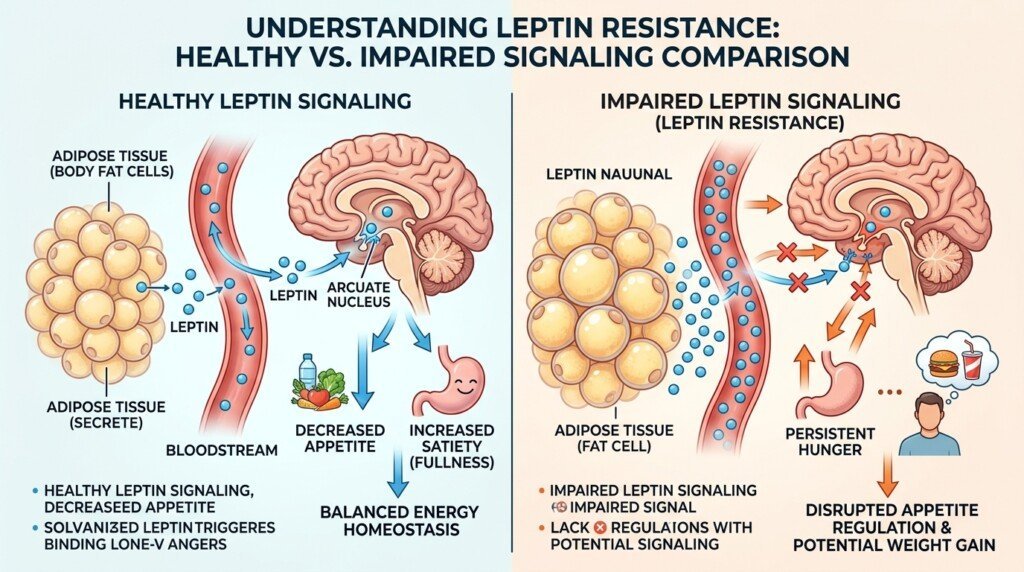
Leptin is produced primarily by fat cells.
Its main responsibility is communicating with the hypothalamus—the region of the brain responsible for regulating appetite and energy expenditure.
Under normal conditions, leptin helps the brain recognize that sufficient energy has been stored.
This allows the body to naturally balance:
- Appetite
- Food intake
- Energy expenditure
- Long-term body weight
Instead of acting like an “off switch” for hunger, leptin continuously provides information that helps regulate overall energy balance.
Leptin Resistance Disrupts This Communication
With leptin resistance, the hormone itself is often still present.
In fact, many individuals with excess body fat produce higher amounts of leptin than people with lower body fat.
The problem lies in how the brain responds.
Because the hypothalamus becomes less sensitive to leptin’s messages, the brain behaves as though energy stores are lower than they actually are.
This altered communication may encourage continued eating despite already having sufficient energy reserves.
Hunger and Fullness Become Harder to Regulate
When leptin signaling becomes less effective, appetite regulation may become more difficult.
Some people notice:
- Feeling hungry soon after meals
- Difficulty recognizing fullness
- Frequent cravings
- Increased portion sizes
- Stronger desire to snack
These experiences vary considerably between individuals and should not automatically be attributed to leptin resistance alone.
Many lifestyle and health factors influence appetite.
It Affects More Than Body Weight
Although leptin resistance is often discussed in relation to obesity, researchers believe its effects extend beyond appetite alone.
Healthy leptin signaling also contributes to:
- Metabolic regulation
- Energy expenditure
- Hormonal communication
- Long-term energy balance
Because these systems work together, changes in leptin sensitivity often occur alongside broader changes in Metabolic Health, particularly when multiple metabolic risk factors develop simultaneously.
Understanding Biology Reduces Self-Blame
Learning about leptin resistance provides an important perspective.
Many people assume persistent hunger reflects poor self-control.
In reality, appetite is strongly influenced by biological signals that operate automatically.
Recognizing these influences encourages healthier, more realistic expectations while supporting sustainable lifestyle changes rather than extreme dieting.
What Causes Leptin Resistance?
Researchers continue investigating exactly why leptin resistance develops.
Rather than resulting from one single cause, it appears to develop gradually through the interaction of multiple biological and lifestyle factors.
Several influences have been consistently associated with reduced leptin sensitivity.

Excess Body Fat
Although leptin is produced by fat cells, having more body fat does not necessarily improve leptin signaling.
Instead, larger fat stores often produce more leptin while the brain gradually becomes less responsive to it.
This explains why many individuals with obesity have elevated leptin levels despite continuing to experience increased appetite.
Chronic Low-Grade Inflammation
Researchers believe chronic inflammation may interfere with communication between leptin and the brain.
Inflammation develops for many reasons and is influenced by:
- Body composition
- Physical activity
- Dietary patterns
- Sleep
- Stress
- Overall metabolic health
Although inflammation alone does not fully explain leptin resistance, it remains an active area of scientific research.
Long-Term Overeating
Frequently consuming more energy than the body requires may gradually influence hormone regulation.
Researchers believe prolonged overeating may contribute to changes in leptin signaling over time.
This process likely develops slowly rather than after occasional large meals.
Physical Inactivity
Movement influences many aspects of metabolic function.
People who spend long periods sitting often experience broader metabolic changes that may also affect hormone regulation.
Regular physical activity supports healthier body composition, cardiovascular health, and energy balance.
Genetics
Genetics also contribute to how individuals regulate appetite and body weight.
Some people appear more susceptible to leptin resistance than others despite similar lifestyle habits.
However, genetics rarely determine outcomes entirely.
Healthy daily behaviors remain important regardless of inherited risk.
Sleep and Lifestyle Factors
Several lifestyle habits may indirectly influence leptin sensitivity, including:
- Inadequate sleep
- Chronic stress
- Irregular eating patterns
- Limited physical activity
These factors often interact rather than acting independently.
Consistently healthy routines generally provide greater benefit than focusing on any one habit alone.
What Are the Signs of Leptin Resistance?
Unlike many medical conditions, Leptin Resistance does not have a single diagnostic symptom.
Instead, it is associated with patterns that may suggest appetite regulation is becoming less efficient.
These signs are not unique to leptin resistance and should always be interpreted within the broader context of overall health.

Persistent Hunger
One commonly reported experience is feeling hungry again soon after eating.
Despite consuming meals that would normally provide adequate satisfaction, some individuals continue feeling the urge to eat.
Persistent hunger alone does not confirm leptin resistance, but it may occur alongside other metabolic changes.
Difficulty Feeling Full
Some people find it increasingly difficult to recognize normal fullness signals.
Meals that previously felt satisfying may no longer provide the same sense of satiety.
This may contribute to larger portion sizes or more frequent snacking.
Gradual Weight Gain
Leptin resistance does not directly cause weight gain.
However, persistent appetite combined with changes in eating behavior may gradually contribute to increased body fat over time.
Because body weight is influenced by many biological, behavioral, and environmental factors, leptin represents only one piece of a much larger picture.
Increased Abdominal Fat
Researchers have observed associations between leptin resistance and excess abdominal fat.
The relationship between central fat storage and metabolic dysfunction is also discussed in Visceral Fat, where abdominal obesity and its health implications are explored in greater detail.
Metabolic Changes
Leptin resistance often appears alongside other metabolic abnormalities rather than occurring in isolation.
These may include changes associated with Insulin Resistance, altered energy balance, or other markers of metabolic dysfunction.
Although these conditions are closely related, they are not identical and require separate evaluation.
Can Leptin Resistance Make Weight Loss Harder?
Many people find that losing weight becomes progressively more difficult over time, even when following healthier eating habits.
Researchers believe leptin resistance may contribute to this challenge by affecting how the brain regulates appetite and energy balance.
Hunger May Remain Elevated
If the brain does not respond effectively to leptin, appetite may remain stronger than expected.
This can make maintaining a calorie deficit feel much more challenging over long periods.
The Body Tries to Protect Its Energy Stores
Human metabolism evolved to protect against starvation.
When the brain perceives that energy reserves are insufficient, it naturally encourages behaviors that restore those reserves.
Leptin resistance may interfere with the brain’s ability to accurately assess available energy.
Weight Management Involves More Than One Hormone
Although leptin is important, body weight is influenced by many interacting systems.
These include:
- Energy intake
- Physical activity
- Sleep
- Stress
- Genetics
- Body composition
- Overall metabolic health
Successful long-term weight management focuses on improving these areas together rather than searching for one hormonal solution.
How Can You Improve Leptin Sensitivity Naturally?
Improving Leptin Resistance is not about finding one food, one exercise, or one quick solution. Instead, it involves creating an environment where your body’s natural appetite-regulation system can function more effectively over time.
Current research suggests that healthy lifestyle habits supporting overall metabolic health are also the habits most closely associated with better leptin sensitivity. Because leptin works as part of a larger hormonal network, improvements usually happen gradually rather than overnight.
The goal should not be to “boost” leptin levels but to help your brain respond to the hormone more effectively.

Aim for Gradual, Sustainable Weight Loss
If excess body fat is present, gradual weight loss may help improve leptin signaling over time.
Crash diets and extreme calorie restriction often increase hunger, making long-term success difficult.
Instead, focus on realistic habits that can be maintained for months and years.
Even modest improvements in body composition may support healthier hormone regulation while reducing overall metabolic risk.
Stay Physically Active
Regular physical activity benefits far more than calorie burning.
Exercise helps support:
- Healthy body composition
- Muscle maintenance
- Cardiovascular fitness
- Insulin sensitivity
- Energy balance
Together, these improvements create a healthier metabolic environment that may also support better leptin function.
The relationship between exercise and overall Metabolic Health demonstrates why movement remains one of the most valuable long-term lifestyle habits.
Prioritize Quality Sleep
Sleep plays an essential role in regulating hormones involved in appetite and metabolism.
Consistently sleeping seven to nine hours each night supports healthier hormone balance while helping regulate normal hunger and fullness signals.
Simple habits that improve sleep quality include:
- Maintaining a consistent bedtime
- Reducing screen time before bed
- Keeping the bedroom cool and dark
- Following a regular sleep schedule
These routines help reinforce healthy circadian rhythms that influence multiple metabolic processes.
Reduce Chronic Stress
Long-term stress affects many aspects of health, including eating behavior and hormone regulation.
Healthy stress-management practices include:
- Walking outdoors
- Meditation
- Deep breathing
- Yoga
- Reading
- Spending time with family and friends
Although stress management alone cannot reverse leptin resistance, it supports healthier lifestyle patterns that benefit appetite regulation.
Avoid Repeated Crash Dieting
Repeated cycles of severe calorie restriction followed by overeating may make appetite regulation increasingly difficult.
Instead of constantly restarting restrictive diets, focus on sustainable eating habits that encourage gradual progress without extreme deprivation.
Consistency almost always outperforms perfection.
Which Foods Support Healthy Leptin Function?
Many people search for foods that “increase leptin.”
Current evidence suggests that no individual food directly restores leptin sensitivity.
Instead, overall dietary patterns have a much greater influence than any single ingredient.
Eating mostly nutrient-dense foods supports healthy metabolism while helping create an environment where normal hormone regulation can function more effectively.

Prioritize High-Fiber Foods
Fiber contributes to meal satisfaction while supporting digestive health.
Excellent sources include:
- Vegetables
- Fruits
- Beans
- Lentils
- Oats
- Whole grains
- Chia seeds
- Flaxseeds
High-fiber foods often promote greater fullness and support healthier eating patterns.
Include Lean Protein
Protein supports muscle maintenance while contributing to satiety.
Balanced protein sources include:
- Eggs
- Fish
- Chicken
- Turkey
- Greek yogurt
- Cottage cheese
- Tofu
- Legumes
Including protein with each meal may help make healthy eating easier to maintain over time.
Choose Healthy Fats
Healthy fats contribute to meal satisfaction while providing important nutrients.
Examples include:
- Olive oil
- Avocados
- Nuts
- Seeds
- Fatty fish
Moderate portions of these foods fit well within balanced dietary patterns that support long-term metabolic health.
Eat Mostly Minimally Processed Foods
Whole-food eating patterns generally provide:
- More fiber
- Better nutrient density
- Greater meal satisfaction
- More stable energy levels
Highly processed foods can certainly be enjoyed occasionally, but allowing whole foods to form the foundation of your diet supports healthier long-term eating habits.
Build Consistent Eating Patterns
Healthy leptin function is influenced more by months and years of balanced eating than by occasional “perfect” meals.
Rather than looking for miracle foods, aim to build consistent routines that include a variety of nutritious foods while remaining realistic for everyday life.
When Should You Talk to a Doctor?
Leptin resistance itself is not something people can diagnose at home.
If appetite changes become persistent or begin affecting your health, professional evaluation is appropriate.
Healthcare providers can determine whether other medical conditions may be contributing to your symptoms.
Persistent Hunger
If you remain unusually hungry despite eating balanced meals and maintaining healthy habits, discussing your symptoms with a healthcare provider is worthwhile.
Several health conditions can influence appetite, and proper evaluation helps identify potential underlying causes.
Unexplained Weight Changes
Unexpected weight gain or weight loss without intentional lifestyle changes should always be assessed.
Healthcare professionals may recommend appropriate laboratory testing or further evaluation based on your medical history.
Multiple Metabolic Risk Factors
Individuals with:
- Increased waist circumference
- Elevated blood sugar
- High blood pressure
- Abnormal cholesterol
- Family history of metabolic disease
may benefit from a broader metabolic assessment.
Because leptin resistance often occurs alongside Insulin Resistance, identifying these metabolic changes early allows healthier lifestyle interventions before complications develop.
Ongoing Health Concerns
If appetite changes occur together with:
- Persistent fatigue
- Low energy
- Frequent thirst
- Significant changes in eating behavior
- Other unexplained symptoms
medical advice should not be delayed.
Early evaluation remains the best way to identify potential health concerns while they are easier to manage.

Frequently Asked Questions
1. What is leptin resistance?
Leptin Resistance occurs when the brain becomes less responsive to leptin’s signals, making it more difficult to regulate appetite and energy balance even though leptin levels may already be high.
2. What causes leptin resistance?
Researchers believe leptin resistance develops through multiple factors, including excess body fat, chronic inflammation, physical inactivity, long-term overeating, inadequate sleep, genetics, and broader metabolic dysfunction.
3. What are the signs of leptin resistance?
Commonly associated signs include persistent hunger, difficulty feeling full, gradual weight gain, increased abdominal fat, and challenges maintaining long-term weight loss. These signs are not specific to leptin resistance and require proper medical evaluation.
4. Can leptin resistance make weight loss harder?
Yes. Reduced sensitivity to leptin may make appetite regulation more difficult, increasing hunger and making long-term calorie control more challenging.
5. How can I improve leptin sensitivity naturally?
Healthy habits such as regular physical activity, balanced nutrition, quality sleep, stress management, maintaining a healthy body composition, and avoiding repeated crash dieting support healthier leptin function over time.
Final Thoughts
Leptin Resistance highlights that appetite is regulated by biology as much as behavior. When the brain becomes less responsive to leptin’s signals, managing hunger and maintaining a healthy weight can feel far more difficult—not because of weak willpower, but because the body’s natural communication system is not working as efficiently as it should.
Although researchers continue studying the exact causes of leptin resistance, current evidence consistently supports the value of long-term lifestyle habits. Regular physical activity, nutritious whole-food eating patterns, quality sleep, stress management, and gradual improvements in body composition all contribute to healthier metabolic function and may support better leptin sensitivity over time.
Most importantly, remember that improving leptin function is not about finding a single solution. Sustainable daily habits practiced consistently are far more effective than extreme diets or quick fixes. By focusing on overall metabolic health rather than one hormone alone, you create a stronger foundation for healthier appetite regulation, successful weight management, and long-term well-being.
Disclaimer:
This post may contain affiliate links. If you purchase through them, we may earn a small commission at no extra cost to you. Also, this content is for informational purposes only and does not substitute professional medical advice.
Ready to Start Your Journey?
Use our free 7-in-1 Weight Loss Toolkit to calculate your numbers and build your plan in minutes.
Open Free Tools →