
Best Electrolyte Sources for Weight Loss: Foods, Drinks, and Supplements Compared
When people start paying attention to electrolytes, one question usually comes next.
Where should I get them from?
The answer isn’t always obvious. Grocery store shelves are filled with sports drinks, electrolyte powders, tablets, hydration mixes, and supplements, while social media often promotes coconut water, sea salt drinks, or homemade electrolyte recipes as the “best” option.
In reality, the Best Electrolyte Sources for Weight Loss depend on much more than marketing. Whole foods, beverages, and supplements all provide electrolytes, but they differ significantly in nutritional value, convenience, calorie content, and how they fit into a healthy weight loss lifestyle.
For most people, food remains the foundation. Fruits, vegetables, dairy products, legumes, nuts, and seeds naturally provide electrolytes while also delivering fiber, vitamins, antioxidants, and protein. Drinks and supplements may have their place, but they should complement an already balanced eating pattern rather than replace it.
In this article, we’ll compare natural food sources, electrolyte-rich drinks, homemade options, and supplements to help you understand which choices make the most sense when your goal is healthy, sustainable weight management.
Quick Answer
The Best Electrolyte Sources for Weight Loss are generally whole foods such as fruits, vegetables, dairy products, legumes, nuts, and seeds because they provide electrolytes alongside fiber and other essential nutrients. Electrolyte drinks and supplements can be useful in certain situations, but they should not replace a balanced diet built around nutrient-rich foods.
Which Foods Are Highest in Electrolytes?
When people hear the word “electrolytes,” they often think about sports drinks.
In reality, many everyday foods naturally contain the minerals your body needs.
Whole foods offer an important advantage because they supply electrolytes together with nutrients that support overall health.
Fruits and Vegetables Lead the List
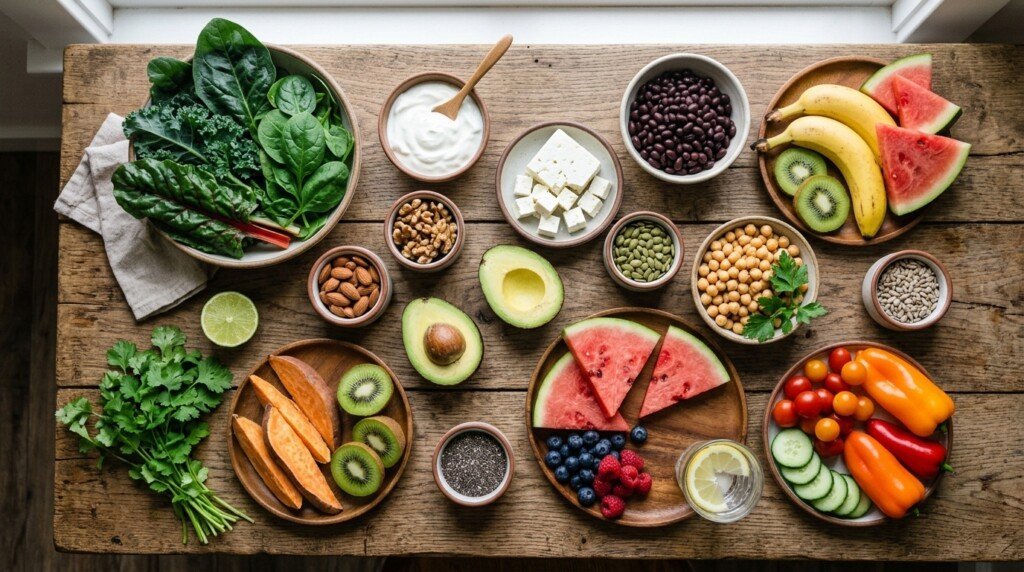
Fresh produce provides several important electrolytes, particularly potassium.
Unlike many processed products, fruits and vegetables also contribute dietary fiber, antioxidants, and water, making them valuable additions to a healthy eating plan.
Examples include:
- Bananas
- Avocados
- Oranges
- Spinach
- Sweet potatoes
- Tomatoes
These foods support overall nutrition while naturally contributing electrolytes.
Dairy Products Offer More Than Calcium
Milk, yogurt, and cheese are commonly associated with calcium, but they also provide potassium and several other nutrients.
For people who consume dairy, these foods can become part of an electrolyte-rich eating pattern.
Legumes, Nuts, and Seeds Add Magnesium
Plant-based foods are excellent sources of magnesium and several additional minerals.
Good examples include:
- Pumpkin seeds
- Almonds
- Cashews
- Lentils
- Chickpeas
- Black beans
These foods also provide protein and fiber, helping them fit well into balanced meals and snacks.
Many of these foods also appear among the Healthy Snacks for Weight Loss that help support long-term eating habits.
Which Fruits Naturally Provide Electrolytes?
Fruit is one of the easiest and most enjoyable ways to increase electrolyte intake.
Different fruits contribute different minerals, making variety especially valuable.
Bananas Remain a Popular Choice
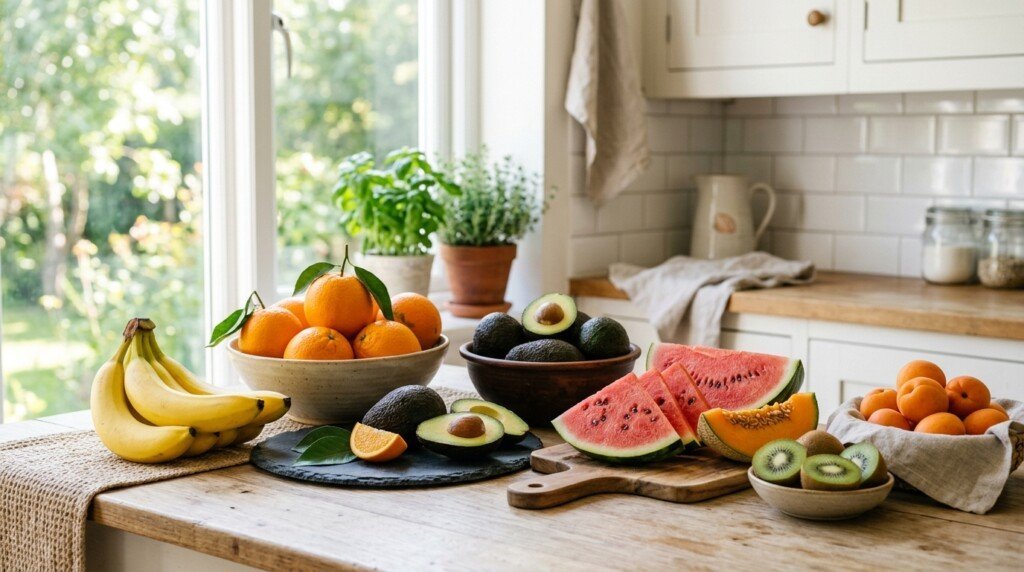
Bananas are well known for their potassium content.
Although they are often associated with athletes, bananas are simply one of many nutritious fruits that contribute important electrolytes.
Citrus Fruits Support Hydration
Oranges and grapefruits naturally contain potassium while also contributing water and vitamin C.
Their high water content makes them a refreshing choice during warmer weather.
Avocados Provide More Than Healthy Fat
Although technically a fruit, avocados stand out because they contain potassium alongside heart-healthy unsaturated fats and dietary fiber.
This combination helps support satisfying, balanced meals.
Melons Contribute Water and Electrolytes
Watermelon, cantaloupe, and honeydew provide both hydration and important minerals.
Their naturally high water content makes them a refreshing addition to a healthy eating plan.
Many of these choices are also included among the Best Fruits for Weight Loss, where their broader nutritional benefits are discussed in greater detail.
Which Vegetables Are Rich in Electrolytes?
Vegetables often contain just as many valuable electrolytes as fruits.
They also tend to be lower in calories while providing substantial amounts of vitamins, minerals, and fiber.
Leafy Greens Provide Multiple Minerals
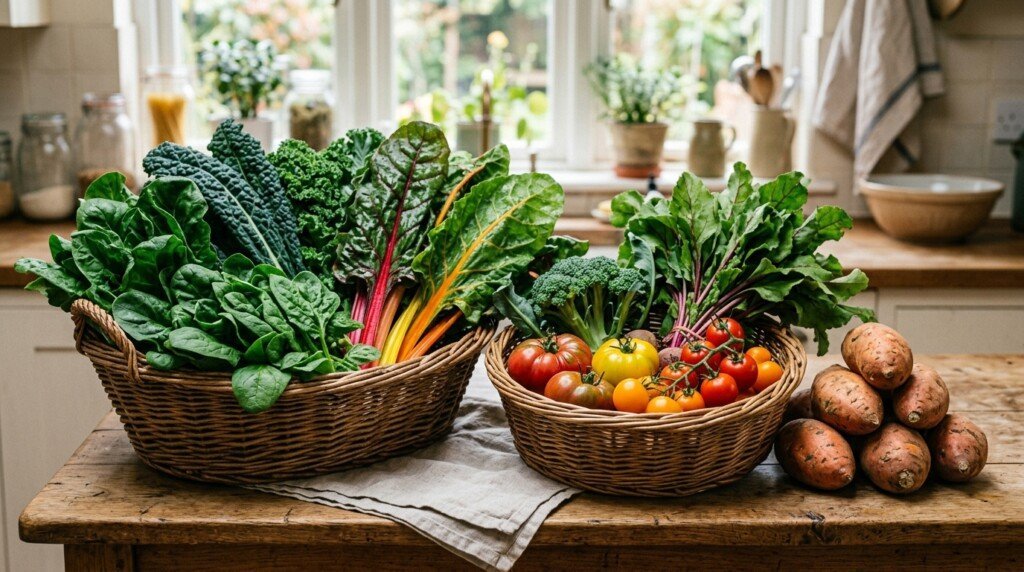
Dark leafy greens contain several important electrolytes, including potassium and magnesium.
Examples include:
- Spinach
- Swiss chard
- Kale
- Beet greens
Adding leafy greens to meals is one of the simplest ways to improve overall nutrient intake.
Root Vegetables Supply Potassium
Root vegetables such as sweet potatoes help contribute potassium while also providing complex carbohydrates that support energy needs.
Unlike highly processed carbohydrate sources, root vegetables deliver numerous additional nutrients.
Tomatoes Fit Almost Every Meal
Tomatoes are naturally rich in potassium and can easily be incorporated into salads, sandwiches, soups, and cooked dishes.
Their versatility makes them one of the simplest electrolyte-containing vegetables to include regularly.
Are Electrolyte Powders Better Than Food?
Electrolyte powders have become extremely popular over the past few years.
They’re portable, convenient, and easy to mix with water.
However, convenience does not automatically make them nutritionally superior.
Whole Foods Offer More Complete Nutrition
Foods naturally contain much more than electrolytes.
They also provide:
- Fiber
- Vitamins
- Antioxidants
- Healthy fats
- Protein
- Plant compounds
These nutrients work together to support overall health in ways that isolated supplements cannot fully replicate.
Powders Focus on Convenience
Electrolyte powders are designed to provide specific minerals quickly and conveniently.
For people with busy schedules or those participating in prolonged physical activity, they may fit easily into a daily routine.
However, convenience should not be confused with nutritional completeness.
Food Should Usually Come First
For most healthy adults pursuing weight loss, building meals around nutrient-dense whole foods remains the strongest long-term strategy.
Supplements can complement a healthy diet, but they rarely improve upon one.
Magnesium-rich foods are explored further in Magnesium for Weight Loss, where you’ll see why food sources often provide broader nutritional benefits than isolated nutrients.
Homemade vs Commercial Electrolyte Drinks: Which Makes More Sense?
Electrolyte drinks are no longer limited to athletes. Today, you’ll find them in grocery stores, gyms, and even coffee shops. At the same time, homemade electrolyte recipes have become increasingly popular among people looking for a simpler or more natural option.
The question is not which one is universally better.
It’s which one fits your nutrition goals.

Homemade Drinks Use Everyday Ingredients
Homemade electrolyte drinks are typically made with simple ingredients such as water, citrus juice, and other natural components.
Many people prefer homemade options because they know exactly what goes into the drink.
Depending on the recipe, homemade drinks may also contain fewer added ingredients than some commercially prepared beverages.
Commercial Drinks Offer Convenience
Commercial electrolyte drinks are designed for convenience.
They require no preparation and are widely available in ready-to-drink bottles, powders, or tablets.
For people with busy lifestyles, this convenience is often their biggest advantage.
However, nutrition labels vary considerably from one product to another.
Some contain added sugars, flavorings, or extra ingredients that may not align with every weight loss plan.
Reading ingredient and nutrition labels remains an important habit regardless of the product.
Neither Option Is Automatically Better
Whole foods continue to provide the strongest nutritional foundation.
When choosing between homemade and commercial electrolyte drinks, the decision often depends on:
- Personal preferences
- Lifestyle
- Convenience
- Overall eating habits
- Individual hydration needs
The healthiest choice is usually the one that supports long-term consistency without replacing nutritious meals.
Which Option Is Best for Weight Loss?
There is no single “best” electrolyte source for everyone.
Instead, the best choice depends on how well it supports an overall healthy lifestyle.
Whole Foods Come First
For most healthy adults, foods remain the preferred source of electrolytes.
Whole foods naturally provide minerals together with:
- Fiber
- Vitamins
- Protein
- Healthy fats
- Antioxidants
This combination supports overall nutrition far better than isolated electrolyte products alone.
Drinks Can Complement Healthy Eating
Electrolyte drinks may fit into certain situations, particularly for people participating in prolonged physical activity.
However, beverages should complement healthy meals rather than replace them.
Choosing drinks that align with your nutrition goals is generally more important than simply choosing the newest product on the shelf.
Many people interested in healthier beverage choices also explore Drinks That Boost Metabolism, where hydration and metabolism are discussed from a broader lifestyle perspective.
Supplements Are About Convenience, Not Superiority
Electrolyte supplements can provide convenience for some individuals.
That convenience does not automatically make them nutritionally superior to food.
Whenever possible, obtaining nutrients through a varied diet remains the preferred long-term strategy.
What Does the Research Suggest About Electrolyte Sources?
Research consistently supports one important principle.
A balanced eating pattern remains the foundation of good nutrition.
Whole Foods Deliver More Than Electrolytes
Scientists continue to emphasize dietary patterns rather than individual nutrients.
Foods naturally rich in electrolytes also contribute numerous compounds that work together to support overall health.
This is one reason nutrition experts consistently encourage eating a variety of fruits, vegetables, legumes, nuts, seeds, and dairy products when appropriate.
Supplements Fill Specific Roles
Electrolyte supplements were developed to meet particular needs rather than replace everyday nutrition.
For some individuals they may provide practical benefits, but research does not suggest they outperform a balanced diet in healthy adults.
Sustainable Nutrition Matters Most
The healthiest eating pattern is one that can be maintained over time.
Rather than chasing individual products, long-term success usually comes from building meals around nutrient-dense foods while using beverages or supplements only when they fit personal circumstances.
Key Takeaways
| Topic | Key Point |
|---|---|
| Best food sources | Fruits, vegetables, dairy products, legumes, nuts, and seeds naturally provide important electrolytes. |
| Fruits | Bananas, oranges, avocados, and melons contribute potassium along with other valuable nutrients. |
| Vegetables | Leafy greens, sweet potatoes, and tomatoes are excellent electrolyte-rich foods. |
| Powders | Electrolyte powders offer convenience but cannot replace the nutritional value of whole foods. |
| Drinks | Homemade and commercial electrolyte drinks both have a place, depending on individual needs and preferences. |
| Best choice | For most healthy adults, a balanced diet remains the best long-term source of electrolytes during weight loss. |

Frequently Asked Questions
1. What are the best electrolyte foods for weight loss?
Fruits, vegetables, dairy products, legumes, nuts, and seeds are among the best natural sources because they provide electrolytes alongside fiber, vitamins, and other essential nutrients.
2. Are electrolyte powders better than food?
No. Electrolyte powders offer convenience, but whole foods provide a much wider range of nutrients that support overall health and healthy weight management.
3. Which fruits have the most electrolytes?
Bananas, oranges, avocados, cantaloupe, watermelon, and other melons are commonly recognized as good natural sources of potassium and other electrolytes.
4. Are homemade electrolyte drinks healthier than commercial drinks?
It depends on the ingredients. Homemade drinks allow greater control over what is included, while commercial products offer convenience. Neither is automatically better for everyone.
Conclusion
Choosing the Best Electrolyte Sources for Weight Loss is less about finding a single perfect product and more about building a balanced approach to nutrition. Whole foods such as fruits, vegetables, dairy products, legumes, nuts, and seeds remain the gold standard because they naturally provide electrolytes alongside fiber, vitamins, antioxidants, and other nutrients that support overall health. While electrolyte powders, homemade drinks, and commercial beverages can all play a role in certain situations, they should complement healthy eating rather than replace it.
The research consistently points toward one simple message: lasting weight management is built on sustainable dietary habits, not isolated products. Electrolyte-rich foods support hydration, muscle function, and normal body processes while contributing to a nutritious eating pattern that is easier to maintain over time. By making whole foods your primary source of electrolytes and using drinks or supplements only when they genuinely fit your lifestyle, you create a practical and realistic strategy that supports both your weight loss goals and your long-term health.
Disclaimer:
This post may contain affiliate links. If you purchase through them, we may earn a small commission at no extra cost to you. Also, this content is for informational purposes only and does not substitute professional medical advice.