

How Electrolytes Help with Weight Loss: The Science Explained
You’ve probably heard someone say that electrolytes are “essential for weight loss.” Others claim electrolyte drinks boost metabolism or help the body burn more fat. These statements are common on social media, but they often leave out an important detail.
Electrolytes do not directly burn fat.
What they do is support several biological processes that help your body function efficiently while you’re trying to lose weight. They help regulate hydration, muscle contractions, nerve signaling, and fluid balance. Together, these systems influence how well you perform during exercise, how your body responds to a calorie deficit, and how consistently you can maintain healthy habits.
Understanding How Electrolytes Help with Weight Loss requires looking beyond marketing claims and focusing on physiology. Electrolytes are not fat burners, appetite suppressants, or metabolism boosters in the traditional sense. Instead, they create an environment where your body can perform the everyday functions needed for successful long-term weight management.
In this article, we’ll explore the science behind electrolytes, explain how they support metabolism and hydration, examine their role during calorie restriction, and review what current research says about their connection to weight loss.
Quick Answer
How Electrolytes Help with Weight Loss is by supporting normal hydration, muscle function, nerve signaling, and fluid balance. Although electrolytes do not directly increase fat burning, they help maintain physical performance, support metabolic processes, and make it easier to sustain healthy lifestyle habits during a calorie deficit.
How Do Electrolytes Support Metabolism?
Metabolism refers to the countless chemical reactions that keep your body alive.
Every heartbeat, muscle contraction, nerve impulse, and energy-producing process depends on these reactions occurring continuously.
Electrolytes help many of these processes function normally.
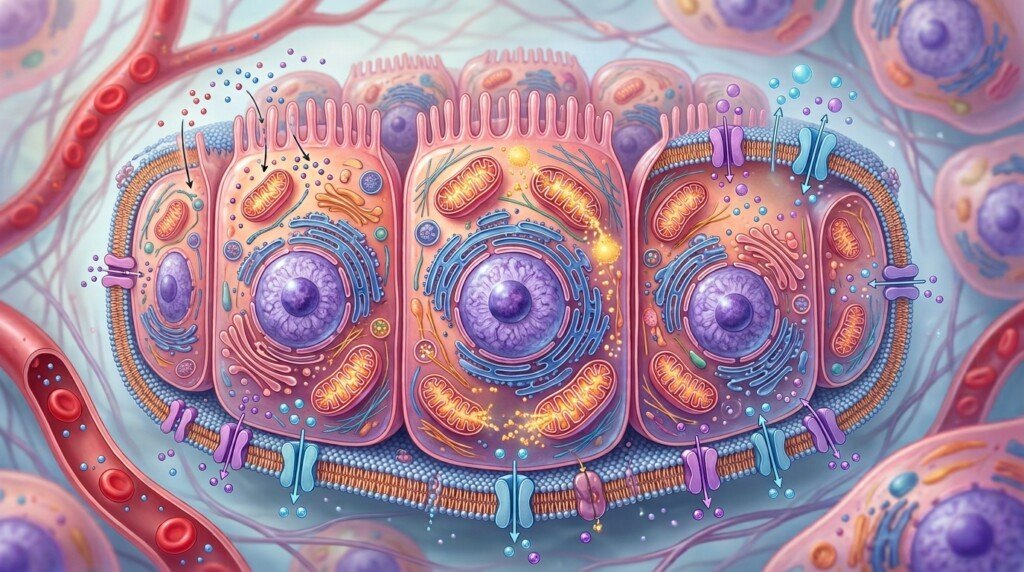
Electrolytes Help Cells Produce Energy
Every cell in your body requires energy to perform its job.
Electrolytes assist with the movement of minerals and fluids across cell membranes, supporting the normal cellular environment needed for energy production.
Rather than increasing metabolism, electrolytes help maintain the conditions that allow normal metabolic activity to occur.
Understanding how metabolism works provides additional context in Metabolism, where you’ll find a broader explanation of energy expenditure and metabolic function.
Muscle Activity Depends on Electrolytes
Muscles require electrical signals to contract.
Electrolytes such as sodium, potassium, calcium, and magnesium help generate and transmit these signals.
Whether you’re walking, lifting weights, or climbing stairs, proper electrolyte balance supports normal muscle function.
Because physical activity contributes to overall calorie expenditure, maintaining healthy muscle function indirectly supports long-term weight management.
Electrolytes Help Maintain Normal Body Function
Metabolism is not one single process.
It depends on many interconnected systems working together efficiently.
Electrolytes contribute to:
- Fluid regulation
- Nerve communication
- Muscle contractions
- Cellular function
- Normal biochemical reactions
Supporting these functions allows the body to perform everyday metabolic activities efficiently.
Can Electrolytes Improve Hydration?
Hydration is one of the most overlooked aspects of weight management.
Many people focus on calories while forgetting that water and electrolytes work together to support normal body function.

Water Alone Is Only Part of Hydration
Hydration is not simply about drinking enough water.
Electrolytes help regulate how water moves throughout the body.
They assist in maintaining fluid balance inside and outside cells, allowing tissues to function normally.
Without proper electrolyte balance, the body cannot regulate fluids as effectively.
Hydration Supports Everyday Performance
When hydration is maintained, people often find it easier to remain physically active throughout the day.
Good hydration supports:
- Physical performance
- Temperature regulation
- Normal circulation
- Everyday comfort during activity
The relationship between hydration and metabolism is explored further in Does Drinking Water Boost Metabolism.
Better Hydration Supports Healthy Habits
People who stay comfortably hydrated often find it easier to continue exercising and maintaining daily routines.
Although hydration itself does not cause fat loss, it supports the healthy behaviors that contribute to long-term success.
Do Electrolytes Affect Appetite?
This question is becoming increasingly common as electrolyte products gain popularity.
The answer is more complex than many advertisements suggest.
Electrolytes Do Not Directly Suppress Appetite
Current scientific evidence does not support the idea that electrolytes directly reduce hunger.
They are not appetite suppressants.
Their primary functions involve maintaining fluid balance, muscle activity, and nerve signaling.
Hydration May Influence How Hungry You Feel
Sometimes thirst can be mistaken for hunger.
Maintaining proper hydration may help people better recognize normal hunger and fullness cues.
This does not mean electrolytes themselves reduce appetite, but supporting hydration may contribute to more accurate body signals.
Healthy Eating Remains the Primary Driver
Long-term appetite regulation depends on many factors, including:
- Meal composition
- Protein intake
- Fiber intake
- Sleep quality
- Hormonal balance
- Overall dietary habits
Electrolytes support normal physiological function but should not be viewed as a replacement for healthy nutrition.
Can Electrolytes Improve Workout Performance?
One of the clearest ways electrolytes support weight management is through physical activity.
Exercise places increased demands on the body’s hydration and electrolyte balance.

Sweat Removes More Than Water
During exercise, the body loses both fluids and electrolytes through sweat.
Maintaining normal electrolyte balance helps support healthy muscle and nerve function during physical activity.
This becomes increasingly important during prolonged or intense exercise.
Healthy Muscle Function Supports Consistency
Exercise consistency matters far more than occasional high-intensity workouts.
Electrolytes contribute to the normal muscle contractions needed for everyday movement and structured exercise.
Feeling physically prepared for activity often makes it easier to maintain regular exercise habits.
Better Performance Supports Long-Term Progress
Weight management is built on consistency rather than perfection.
Anything that helps people continue exercising comfortably supports the bigger picture of long-term health.
Regular physical activity is one of the most effective ways to support metabolic wellness, which is discussed further in Exercise for Metabolic Health.
Why Are Electrolytes Important During a Calorie Deficit?
Creating a calorie deficit is the foundation of most successful weight loss plans. While reducing calorie intake helps the body use stored fat for energy, it can also bring changes that affect hydration, physical performance, and overall wellbeing.
Electrolytes do not make a calorie deficit more effective, but they help support several body functions while you are eating fewer calories.

Eating Less May Also Mean Consuming Fewer Minerals
When people reduce portion sizes or eliminate certain foods, they may unintentionally lower their intake of essential minerals.
A well-balanced eating pattern remains important because it provides electrolytes alongside other nutrients needed for normal body function.
Focusing only on calories while ignoring overall nutrition can make healthy weight management more difficult over time.
Exercise Increases the Body’s Demands
Many people combine a calorie deficit with regular exercise.
Physical activity naturally increases fluid loss through sweat, especially during longer or more intense workouts.
Electrolytes help maintain normal muscle contractions, nerve signaling, and fluid balance while supporting an active lifestyle.
Energy Levels Depend on More Than Calories
Feeling energized throughout a weight loss journey is influenced by many factors.
Sleep, hydration, balanced nutrition, physical activity, and overall health all contribute to how you feel each day.
Electrolytes support the body’s normal physiological processes that help maintain these functions, but they are only one piece of the larger picture.
People following a structured eating plan may also benefit from understanding how a Calorie Deficit works and why consistency matters more than extreme restriction.
What Does Current Research Show?
Interest in electrolytes has increased as researchers continue studying hydration, metabolism, and exercise performance.
While there is strong evidence supporting the importance of electrolytes for normal body function, the relationship with weight loss is often misunderstood.
Electrolytes Support Body Function Rather Than Fat Burning
Current research consistently shows that electrolytes are essential for maintaining hydration, muscle function, nerve communication, and fluid balance.
These physiological roles help support healthy movement and exercise performance.
However, research does not support the claim that electrolytes directly increase fat oxidation or significantly accelerate metabolism on their own.
Better Exercise Capacity May Indirectly Support Weight Management
Scientists recognize that proper hydration and electrolyte balance help maintain normal physical performance.
People who are able to exercise comfortably and consistently are generally more likely to maintain long-term healthy habits.
In this way, electrolytes may indirectly support weight management by helping the body function efficiently during physical activity.
Sustainable Habits Matter More Than Any Single Nutrient
Research continues to reinforce one important message.
Successful weight management depends on consistent healthy behaviors rather than one supplement or one nutrient.
Electrolytes contribute to the environment that allows those habits to continue, but they are not the primary driver of fat loss.
What Should You Realistically Expect From Electrolytes?
Many advertisements promise dramatic changes after adding electrolyte products to your routine.
Realistic expectations are far more useful.
Think of Electrolytes as Support, Not a Shortcut
Electrolytes help your body perform the everyday tasks involved in healthy living.
They support hydration, muscle activity, nerve signaling, and normal cellular function.
These benefits help create the conditions needed for an active lifestyle but should not be confused with direct fat-burning effects.
Lifestyle Remains the Foundation
Healthy weight management continues to depend on:
- A balanced eating pattern
- Regular physical activity
- Consistent sleep
- Stress management
- Sustainable calorie control
Electrolytes work alongside these habits rather than replacing them.
Small Daily Advantages Add Up
One individual habit rarely transforms someone’s health overnight.
Instead, lasting progress usually comes from many small healthy choices repeated consistently.
Maintaining normal hydration and electrolyte balance is one of those supporting habits that contributes to the bigger picture.
Key Takeaways
| Topic | Key Point |
|---|---|
| Metabolism | Electrolytes support the normal cellular processes involved in metabolism but do not directly increase fat burning. |
| Hydration | They help regulate fluid balance, allowing the body to use water efficiently. |
| Appetite | Current evidence does not show that electrolytes directly suppress appetite. |
| Exercise | Healthy electrolyte balance supports normal muscle function and physical performance during activity. |
| Calorie deficit | Electrolytes help maintain normal physiological function while following a reduced-calorie eating plan. |
| Research | Scientific evidence supports electrolytes as essential minerals, not as standalone weight loss solutions. |

Frequently Asked Questions
1. Do electrolytes boost metabolism?
Electrolytes support the normal metabolic processes that keep the body functioning, but they do not directly increase metabolic rate or burn more calories.
2. Can electrolytes help with fat loss?
Electrolytes do not directly reduce body fat. They support hydration, muscle function, and exercise performance, which may help maintain healthy weight loss habits.
3. Do electrolytes reduce hunger?
Current research does not show that electrolytes directly suppress appetite. However, maintaining proper hydration may help some people better recognize normal hunger and thirst signals.
4. Why are electrolytes important during a calorie deficit?
Eating fewer calories while exercising regularly may increase the importance of maintaining electrolyte balance to support normal hydration, muscle contractions, and overall physical performance.
Conclusion
Understanding How Electrolytes Help with Weight Loss means looking beyond common marketing claims and focusing on how the body actually works. Electrolytes are essential minerals that support hydration, muscle contractions, nerve signaling, and countless metabolic processes that keep your body functioning normally. While they do not directly burn fat or speed up metabolism, they help create the conditions that allow you to stay active, exercise consistently, and maintain healthy habits during a weight loss journey.
The science shows that electrolytes play a supportive rather than transformative role. Their greatest value lies in helping the body perform efficiently while balanced nutrition, regular physical activity, adequate sleep, stress management, and a sustainable calorie deficit continue to drive long-term fat loss. By viewing electrolytes as part of a complete healthy lifestyle instead of a quick solution, you can build realistic expectations and make more informed decisions that support lasting success.
Disclaimer:
This post may contain affiliate links. If you purchase through them, we may earn a small commission at no extra cost to you. Also, this content is for informational purposes only and does not substitute professional medical advice.