How to Choose the Right Protein Powder for Your Goals
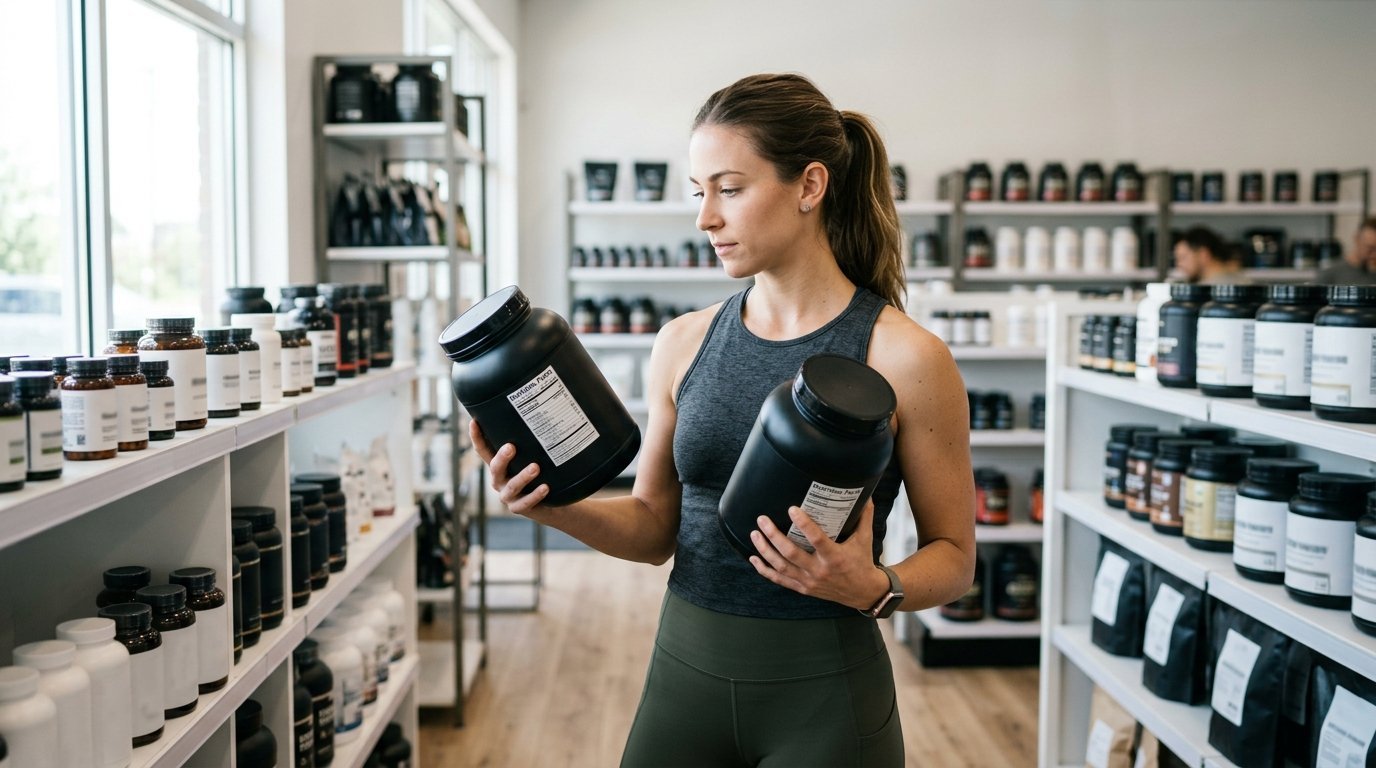
Standing in front of a shelf filled with protein powders can feel surprisingly overwhelming. One container highlights whey isolate, another promotes plant protein, while others emphasize words like “clean,” “premium,” “advanced,” or “high performance.” Add hundreds of flavors, ingredient lists, and nutrition claims, and it’s easy to see why many people leave more confused than when they arrived.
The reality is that there isn’t one protein powder that’s perfect for everyone.
The best choice depends on your personal goals, dietary preferences, ingredient expectations, and nutritional priorities. A product that’s ideal for someone trying to build muscle may not be the best option for someone following a vegan diet or looking for a simple everyday protein supplement.
Understanding How to Choose the Right Protein Powder is less about following trends and more about learning how to evaluate products objectively. Once you know what to look for on the label, many marketing claims become much easier to ignore.
In this guide, you’ll learn how to compare protein powders based on quality, ingredients, protein source, certifications, dietary needs, and nutrition labels so you can make confident purchasing decisions.
Quick Answer
How to Choose the Right Protein Powder starts with identifying your personal goals and dietary preferences. Compare the protein source, ingredient list, nutrition label, protein content, added sugars, sweeteners, allergens, and third-party certifications instead of relying on marketing claims or attractive packaging.
Before Comparing Products, What Should You Decide First?
Many shoppers immediately compare brands.
A better starting point is understanding your own needs.
The clearer your goals are, the easier it becomes to eliminate products that don’t fit your lifestyle.
Ask Yourself Why You Want Protein Powder
People buy protein powder for many different reasons.
Some common goals include:
- Increasing daily protein intake
- Supporting resistance training
- Finding a convenient meal addition
- Following a plant-based diet
- Replacing less nutritious snack choices
Your primary reason should guide every purchasing decision that follows.
Think About Your Eating Style
Your everyday diet naturally limits your options.
For example:
- Dairy eaters may consider whey or casein.
- Vegans generally prefer plant-based proteins.
- People avoiding lactose often compare whey isolate with plant proteins.
Choosing products that already match your eating habits makes consistency much easier.
Don’t Shop Based on Marketing Alone
Words such as:
- Premium
- Elite
- Ultimate
- Professional
- Advanced
may sound impressive, but they don’t automatically indicate better nutritional quality.
Instead, let the nutrition label and ingredient list do the talking.
If you’re still unfamiliar with the basic categories, understanding the different Types of Protein Powder first makes comparing products much easier.
What Should You Look for in a Protein Powder?
Once you’ve identified your goals, it’s time to compare the products themselves.
Rather than focusing on one single feature, evaluate the entire package.
Protein Source
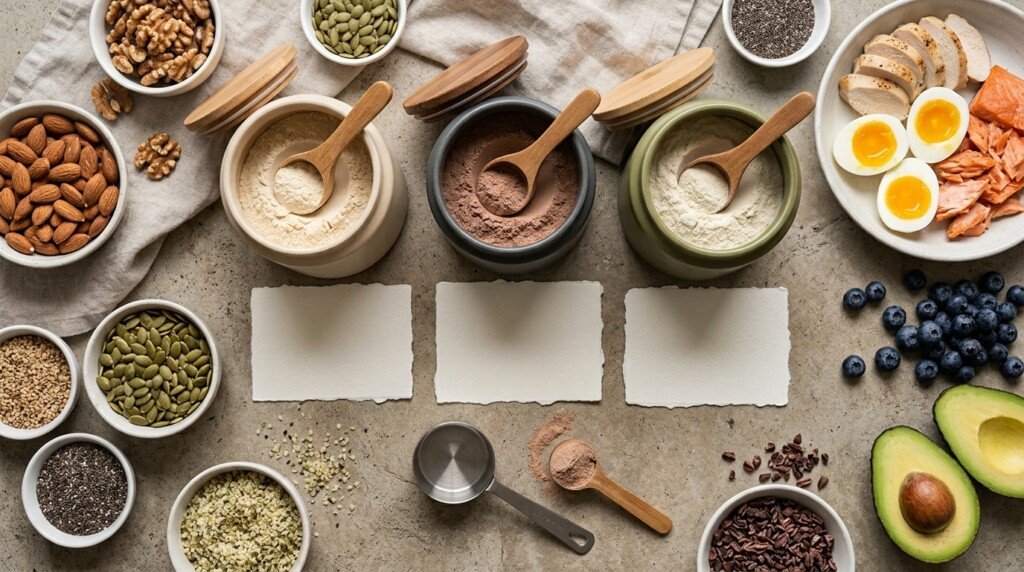
The first thing to check is where the protein comes from.
Common sources include:
- Whey protein
- Casein protein
- Soy protein
- Pea protein
- Rice protein
- Hemp protein
- Egg protein
Each source offers different characteristics and suits different dietary preferences.
Protein Quality
Not all proteins are identical.
When comparing products, consider factors such as:
- Amino acid profile
- Protein purity
- Processing method
- Overall ingredient quality
Higher-quality protein sources often provide more complete nutritional profiles.
Ingredient Simplicity
Some protein powders contain relatively short ingredient lists.
Others include numerous additives, gums, flavorings, preservatives, and artificial ingredients.
Many shoppers prefer products with transparent, easy-to-understand ingredients.
Added Sugar
Protein powder should provide protein, not unnecessary sugar.
Some flavored products contain surprisingly large amounts of added sugars.
Comparing nutrition labels helps identify these differences quickly.
Artificial Sweeteners
Sweeteners vary considerably between products.
Some powders use natural sweeteners, while others rely on artificial alternatives.
Reading the ingredient list allows you to choose according to your personal preferences.
Which Protein Is the Better Fit for Weight Management Goals?
Many people searching for protein powder are also trying to improve their body composition.
Instead of asking which protein burns fat, it’s more useful to ask which type best supports your eating habits.
Focus on Nutrition Rather Than Marketing
No protein powder causes fat loss by itself.
Instead, compare products based on:
- Protein content
- Added sugars
- Overall calories
- Ingredient transparency
These characteristics often matter far more than promotional claims.
Look for Simple Formulations
Products with straightforward ingredient lists are often easier to compare objectively.
The fewer unnecessary extras, the easier it becomes to understand exactly what you’re purchasing.
Think About Long-Term Consistency
The best protein powder is one you’ll actually enjoy using.
Taste, texture, and convenience all influence whether a product becomes part of your routine.
Many people comparing nutrition products also evaluate Supplements for Weight Loss, although protein powder serves a different nutritional purpose than traditional weight management supplements.
Which Protein Type Makes Sense for Muscle-Building Goals?
People focused on resistance training often compare protein powders based on protein quality and amino acid profile.
Rather than searching for the single “best” option, compare products using objective criteria.
Complete Proteins
Complete proteins provide all nine essential amino acids.
Examples include:
- Whey protein
- Casein protein
- Soy protein
- Egg protein
Many consumers prioritize complete protein sources when comparing supplements.
Plant Protein Blends
Modern plant proteins have improved dramatically.
Instead of relying on one plant ingredient, many products combine pea, rice, hemp, or pumpkin seed proteins to create more balanced amino acid profiles.
These blends provide attractive alternatives for individuals avoiding dairy products.
Ingredient Quality Still Matters
Regardless of protein source, ingredient transparency remains important.
A carefully formulated product with a clean label often provides greater confidence than one filled with unnecessary additives.
If you’re exploring sports nutrition more broadly, products featured in Best Creatine Supplements are often compared alongside protein powder because they serve complementary roles within many fitness routines.
Whey or Plant-Based Protein: Which One Should You Choose?
This is one of the first comparisons most shoppers make.
Neither option is automatically better. The right choice depends on your dietary preferences, lifestyle, and what you expect from a protein powder.

Whey Protein May Suit People Who Consume Dairy
Whey protein remains one of the most widely used protein supplements.
Many people choose it because it offers:
- A complete amino acid profile
- Smooth texture
- Wide product availability
- Multiple forms, including concentrate and isolate
For individuals who regularly consume dairy products, whey is often one of the first options they consider.
Plant-Based Protein Is Ideal for Dairy-Free Diets
Plant proteins have become increasingly popular as more people adopt vegan, vegetarian, or dairy-free lifestyles.
Common plant protein sources include:
- Pea protein
- Soy protein
- Brown rice protein
- Hemp protein
- Pumpkin seed protein
Many modern products combine multiple plant proteins to create a more balanced amino acid profile.
Don’t Choose Based on Trends
Some people automatically assume plant protein is healthier.
Others believe whey is always superior.
Neither assumption is accurate.
The better option is simply the one that fits your dietary preferences, ingredient expectations, and long-term eating habits.
Which Ingredients Should Make You Think Twice?
One of the biggest mistakes shoppers make is looking only at the amount of protein on the front of the package.
The ingredient list often tells a much more complete story.
Added Sugars
Some flavored protein powders contain surprisingly high amounts of added sugar.
A product marketed as “healthy” may still contain ingredients that don’t align with your nutrition goals.
Always compare the Nutrition Facts panel instead of relying on marketing claims.
Long Lists of Artificial Additives
Not every additive is harmful, but products containing numerous artificial colors, preservatives, and flavor enhancers deserve a closer look.
Many consumers prefer products with shorter, more transparent ingredient lists.
Proprietary Blends
Some protein powders use proprietary blend labels that do not clearly identify the amount of each ingredient.
Transparent labeling allows you to understand exactly what you’re buying.
Unrealistic Marketing Claims
Be cautious when products promise:
- Instant muscle growth
- Rapid fat burning
- Dramatic body transformation
- Miracle performance improvements
Protein powder is a nutritional supplement, not a shortcut to results.
How Can You Read a Protein Powder Label Like a Smart Shopper?
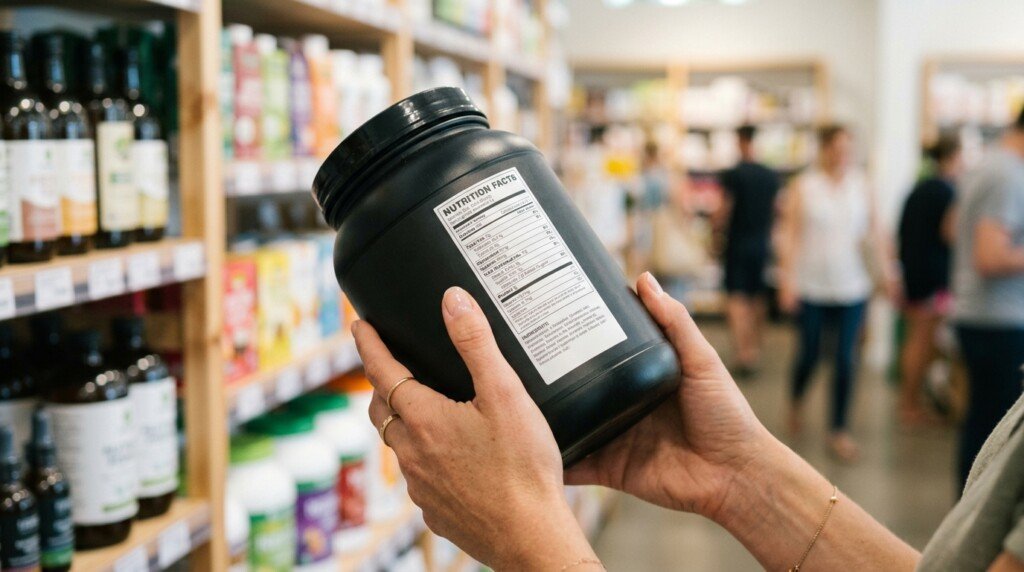
Learning to read labels takes only a few minutes, but it can completely change the way you compare products.
Start With the Protein Source
The ingredient list usually begins by identifying where the protein comes from.
Examples include:
- Whey protein isolate
- Whey protein concentrate
- Pea protein
- Soy protein
- Egg protein
Knowing the protein source immediately helps narrow your options.
Check the Nutrition Facts
Rather than focusing on advertising, review the Nutrition Facts panel.
Compare:
- Protein per serving
- Calories
- Carbohydrates
- Added sugars
- Fat
These numbers make product comparisons much more objective.
Look for Third-Party Testing
Some manufacturers voluntarily submit their products for independent testing.
Third-party certifications can provide additional confidence regarding quality and manufacturing standards.
While not every reputable product carries a certification, many consumers appreciate the added transparency.
Read the Entire Ingredient List
The shortest ingredient list isn’t always the best, but understanding every ingredient helps you make informed purchasing decisions.
If several unfamiliar ingredients appear, spend a few moments researching them before buying.
How Should You Choose if You Have Dietary Restrictions?
Dietary preferences and food sensitivities often eliminate many products before you even begin comparing them.
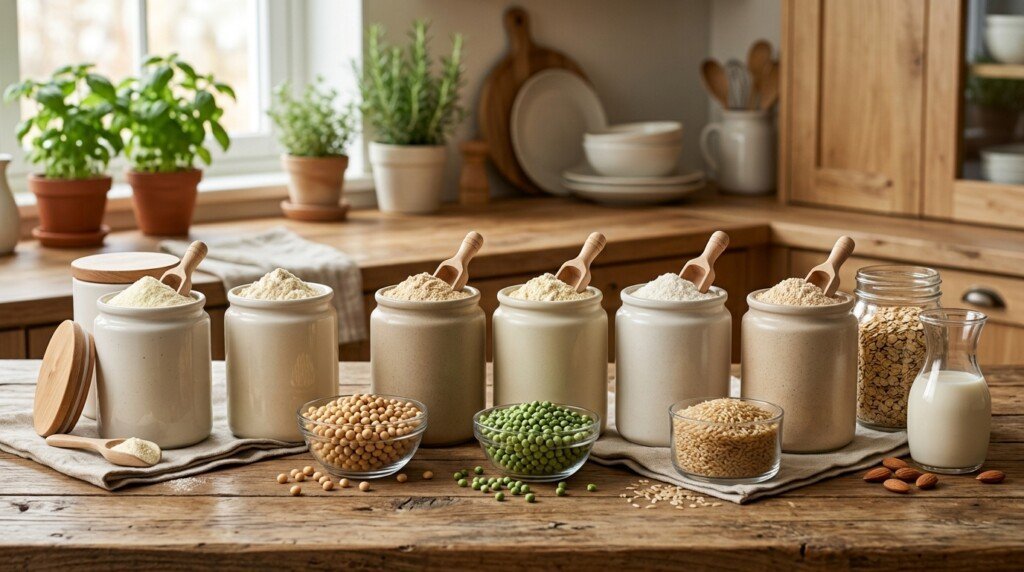
Lactose Sensitivity
People who avoid lactose often compare:
- Whey isolate
- Plant-based proteins
- Egg protein
Reading labels carefully helps identify dairy-derived ingredients.
Vegetarian and Vegan Diets
Plant-based protein powders remain the preferred option for people avoiding animal products.
Many modern vegan proteins combine multiple plant sources to create balanced formulations.
Food Allergies
Protein powders may contain common allergens, including:
- Milk
- Soy
- Eggs
- Tree nuts
Always review allergen statements before purchasing a new product.
Gluten-Free Preferences
Some consumers also look for gluten-free certifications depending on their dietary needs.
Again, checking product labels remains the most reliable approach.
What’s the Best Way to Make Your Final Decision?
After comparing ingredients, certifications, protein sources, and nutrition labels, keep your decision simple.
Ask yourself:
- Does this protein source match my diet?
- Is the ingredient list easy to understand?
- Does it avoid ingredients I don’t want?
- Does it align with my nutrition goals?
- Will I realistically enjoy using it consistently?
The best protein powder isn’t necessarily the most expensive or the most popular.
It’s the one that fits naturally into your lifestyle.
If you’re still exploring the basics, the Protein Powder pillar article provides a broader overview, while Types of Protein Powder explains how the different protein sources compare. People building a complete supplement routine also frequently compare options in Best Weight Loss Supplements alongside protein products, depending on their overall wellness goals.
Key Takeaways
| Topic | Key Point |
|---|---|
| Start with your goals | Choose protein powder based on your nutrition goals, not marketing claims. |
| Protein source | Whey, casein, plant, and egg proteins each suit different dietary preferences. |
| Ingredients | Compare added sugars, sweeteners, and ingredient transparency before buying. |
| Labels | Read the Nutrition Facts panel and ingredient list instead of relying on front-label claims. |
| Certifications | Third-party testing can provide additional confidence in product quality. |
| Dietary needs | Always consider allergies, lactose intolerance, vegan preferences, and other dietary restrictions before choosing a product. |

Frequently Asked Questions
1. How to Choose the Right Protein Powder?
How to Choose the Right Protein Powder starts with identifying your nutrition goals, dietary preferences, protein source, ingredient quality, and label transparency before comparing products.
2. Should I choose whey or plant protein?
Neither is automatically better. Whey may suit people who consume dairy, while plant-based proteins are ideal for vegan, vegetarian, or dairy-free lifestyles.
3. What should I check on a protein powder label?
Review the protein source, Nutrition Facts panel, ingredient list, added sugars, sweeteners, allergens, and any third-party certifications.
4. Are third-party tested protein powders better?
Third-party testing can provide additional assurance regarding manufacturing quality and label accuracy, although not every high-quality product participates in voluntary certification programs.
5. Which ingredients should I avoid?
Many shoppers prefer limiting products with excessive added sugars, lengthy lists of artificial additives, unclear proprietary blends, or unrealistic marketing claims.
Conclusion
Understanding How to Choose the Right Protein Powder is about looking beyond colorful packaging and bold advertising. The best choice comes from comparing objective factors such as the protein source, ingredient quality, nutrition label, added sugars, third-party testing, and whether the product fits your dietary preferences. Taking a few extra minutes to evaluate these details can help you select a protein powder that supports your goals without paying for unnecessary ingredients or marketing hype.
There is no single protein powder that works for everyone. A product that suits someone following a vegan lifestyle may not be the best fit for a person who prefers dairy-based protein, and a simple ingredient list may be more important to one shopper than a wide range of added features. By focusing on transparency, quality, and your own nutritional priorities, you can make confident purchasing decisions that support your long-term health and fitness journey.
Disclaimer:
This post may contain affiliate links. If you purchase through them, we may earn a small commission at no extra cost to you. Also, this content is for informational purposes only and does not substitute professional medical advice.