
What Causes Insulin Resistance? 11 Common Risk Factors Explained
Causes of Insulin Resistance are often more complex than many people realize. Insulin resistance rarely develops because of a single unhealthy habit or one isolated event. Instead, it usually results from a combination of genetic, lifestyle, and environmental factors that gradually reduce your body’s ability to respond to insulin effectively.
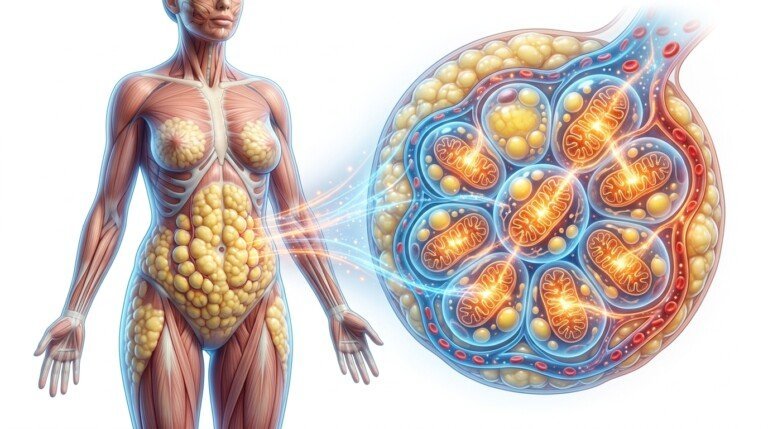
Insulin is a hormone produced by the pancreas that helps move glucose from your bloodstream into your body’s cells, where it is used for energy. When those cells become less responsive to insulin, your pancreas compensates by producing more of it. For a while, this extra insulin may keep blood sugar levels within a normal range. However, over time, the body’s ability to maintain that balance can begin to decline.
Many of the factors that contribute to insulin resistance are common in modern life. Long hours of sitting, highly processed diets, poor sleep, chronic stress, increasing waist size, and reduced physical activity can all gradually affect metabolic health. Genetics also plays an important role, meaning some people may develop insulin resistance even if they maintain a relatively healthy body weight.
The encouraging news is that many risk factors are modifiable. Understanding why insulin resistance develops allows you to recognize areas of your lifestyle that may influence your long-term metabolic health.
In this guide, you’ll learn the most common causes of insulin resistance, why some people are more likely to develop it than others, how belly fat, sleep, stress, and genetics contribute to the condition, and whether insulin resistance can be prevented naturally.
What Causes Insulin Resistance?
Insulin resistance develops when the body’s cells become less responsive to insulin over time.
Rather than one single cause, the condition usually results from several factors working together for months or years.
Some of these factors can be changed through lifestyle habits, while others, such as genetics and age, cannot.
The most common causes include:
- Excess visceral fat
- Physical inactivity
- Poor dietary habits
- Chronic stress
- Poor sleep
- Genetics
- Aging
- Smoking
- Metabolic syndrome
- Long-term obesity
- Chronic inflammation
Each of these influences insulin sensitivity in different ways.
For some people, genetics plays the largest role.
For others, lifestyle habits become the primary driver.
Most cases involve a combination of both.
Understanding these risk factors is important because insulin resistance often develops silently before any noticeable symptoms appear.
If you’re unfamiliar with how insulin resistance works, our guide on Insulin Resistance explains the condition in greater detail.
Does Belly Fat Increase Insulin Resistance?
Yes.
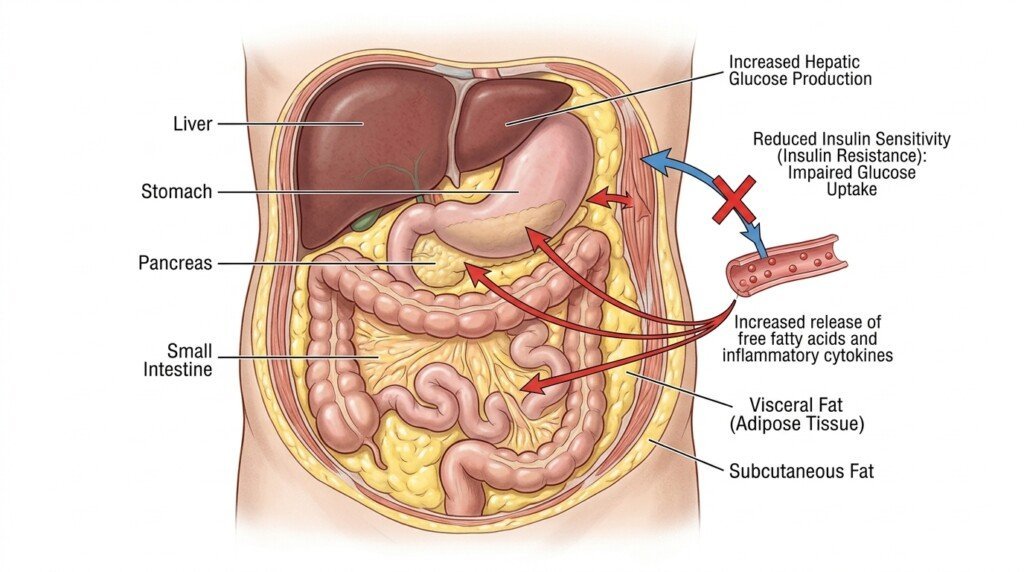
One of the strongest causes of insulin resistance is excess abdominal fat, particularly visceral fat.
Unlike subcutaneous fat, which sits beneath the skin, visceral fat surrounds organs such as the liver, pancreas, and intestines.
This location makes it far more metabolically active.
Visceral fat releases inflammatory compounds and hormones that may interfere with normal insulin signaling throughout the body.
Over time, this can make cells less responsive to insulin.
Why Waist Size Matters
Many healthcare professionals pay close attention to waist circumference because it often provides valuable insight into metabolic health.
Someone with a growing waistline may have increasing visceral fat even if their overall body weight changes very little.
For this reason, waist circumference is often considered alongside:
- Body weight
- Body Mass Index
- Blood pressure
- Blood sugar
- Cholesterol
Our article on Visceral Fat explains why reducing internal abdominal fat is an important step toward improving metabolic health.
The Cycle Between Belly Fat and Insulin Resistance
One reason insulin resistance becomes difficult to manage is that belly fat and insulin resistance often reinforce one another.
Higher insulin levels may encourage additional fat storage around the abdomen.
At the same time, increasing visceral fat may further reduce insulin sensitivity.
Breaking this cycle usually requires consistent long-term lifestyle changes rather than quick solutions.
Can Poor Sleep Lead to Insulin Resistance?
Sleep is one of the most overlooked contributors to metabolic health.
Although many people focus on diet and exercise, consistently poor sleep may also reduce insulin sensitivity over time.
Adults generally benefit from seven to nine hours of quality sleep each night.
Sleeping significantly less on a regular basis has been associated with changes in:
- Appetite regulation
- Hunger hormones
- Blood sugar regulation
- Energy levels
- Recovery
- Insulin sensitivity

How Poor Sleep Influences Daily Habits
Poor sleep affects much more than fatigue.
People who sleep poorly often experience:
- Lower energy
- Less motivation to exercise
- Increased cravings for highly processed foods
- Greater hunger
- Reduced concentration
Over time, these behavioral changes may contribute to weight gain and worsening metabolic health.
Sleep Quality Matters Too
Sleeping for eight hours is not always enough if sleep quality is consistently poor.
Interrupted sleep, irregular sleep schedules, and untreated sleep disorders may also influence metabolic health.
Creating a consistent bedtime routine and prioritizing quality sleep supports overall wellness, even beyond insulin sensitivity.
Does Chronic Stress Affect Insulin Sensitivity?
Yes.
Stress itself does not directly cause insulin resistance, but long-term stress often creates conditions that make insulin resistance more likely.
When people experience chronic stress, they frequently change their daily habits without realizing it.
Common changes include:
- Eating more highly processed foods
- Exercising less
- Sleeping poorly
- Emotional eating
- Spending more time sitting
These behaviors can gradually contribute to weight gain and declining metabolic health.

Stress Hormones and Metabolism
During stressful situations, your body releases hormones that help you respond to immediate challenges.
Short-term stress is a normal part of life.
Problems arise when stress remains elevated for months or years.
Long-term stress may influence appetite, sleep quality, and overall lifestyle habits, all of which indirectly affect insulin sensitivity.
Our guide on Stress and Weight Loss explores how chronic stress influences healthy routines without focusing specifically on insulin resistance.
Managing Stress Supports Better Health
Healthy stress management does not require eliminating stress completely.
Simple habits such as:
- Walking
- Meditation
- Deep breathing
- Spending time outdoors
- Connecting with family and friends
- Enjoying hobbies
can support healthier daily routines over time.
Can Genetics Increase Your Risk?
Yes.
Genetics can influence your likelihood of developing insulin resistance, but they do not determine your future health on their own.
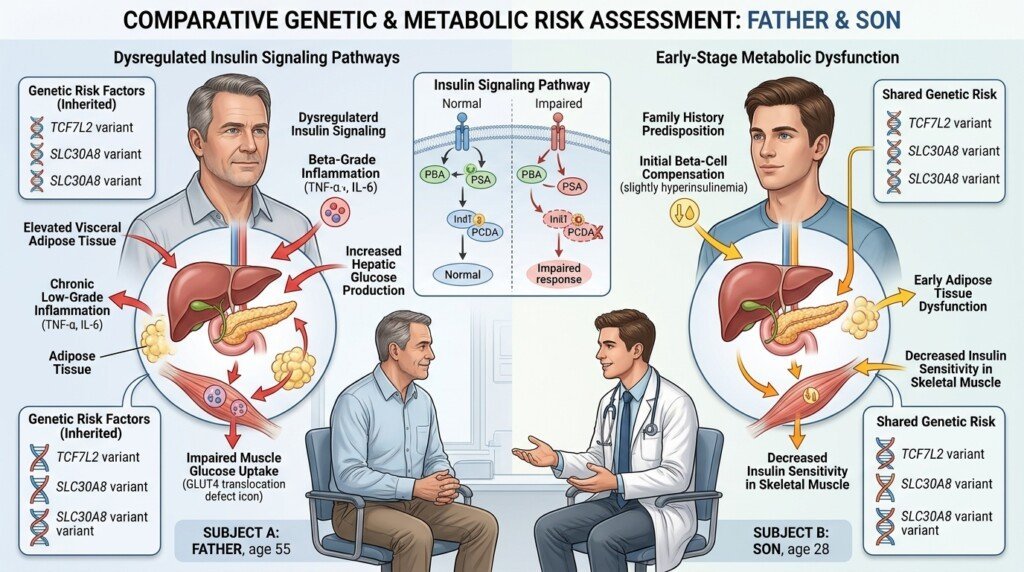
Some people inherit genes that make their cells naturally less responsive to insulin or increase their tendency to store fat around the abdomen. Others may have a stronger family history of metabolic syndrome or type 2 diabetes.
Having a parent or sibling with these conditions does not guarantee that you will develop insulin resistance.
Instead, it means your body may be more sensitive to certain lifestyle factors.
Family History Matters
If several close relatives have experienced:
- Type 2 diabetes
- Prediabetes
- Metabolic syndrome
- Obesity
- Cardiovascular disease
your own risk may be higher than average.
This makes regular health screenings even more valuable because insulin resistance often develops without obvious symptoms.
Genes Are Only Part of the Picture
Research consistently shows that healthy lifestyle habits can improve metabolic health even in people with a strong genetic predisposition.
Regular exercise, balanced nutrition, quality sleep, and maintaining a healthy waist circumference all help reduce overall risk.
Rather than viewing genetics as something that determines your future, think of it as one factor among many.
Lifestyle still plays a major role.
Which Lifestyle Habits Raise the Risk?
While genetics cannot be changed, many lifestyle habits that contribute to insulin resistance are within your control.
The condition usually develops gradually because of small daily habits repeated over many years.
Spending Too Much Time Sitting
Modern lifestyles often involve hours of sitting at desks, in cars, or in front of screens.
When muscles remain inactive for long periods, they use less glucose, which may gradually reduce insulin sensitivity.
Adding more movement throughout the day supports healthier metabolism.
Eating Highly Processed Foods
Frequently consuming foods high in refined carbohydrates, added sugars, and unhealthy fats may contribute to excess calorie intake and weight gain.
Examples include:
- Sugary drinks
- Candy
- Pastries
- White bread
- Fast food
- Packaged snack foods
These foods are not harmful because of one occasional serving.
The concern is when they consistently replace more nutritious whole foods.
Smoking
Smoking affects many aspects of health, including cardiovascular function and metabolic health.
Research suggests smokers are more likely to develop insulin resistance than non-smokers.
Quitting smoking benefits nearly every organ system in the body.
Excess Alcohol Consumption
Heavy alcohol intake may contribute to weight gain and poorer metabolic health over time.
Moderation remains an important part of a healthy lifestyle.
Losing Muscle Mass
Muscle tissue plays an important role in glucose regulation.
People who become less active as they age often lose muscle while gaining body fat.
This shift in body composition may increase insulin resistance.
Resistance training helps preserve muscle throughout adulthood.
Long-Term Weight Gain
Gradual increases in body fat, particularly around the abdomen, remain one of the strongest lifestyle-related risk factors.
Even modest improvements in body composition may support healthier insulin sensitivity over time.
The important point is that insulin resistance rarely develops because of one unhealthy meal or one missed workout.
Instead, it reflects long-term patterns.
Small healthy habits repeated consistently often have the greatest impact.
Can Insulin Resistance Be Prevented?
Although there is no guaranteed way to prevent insulin resistance, many people can significantly reduce their risk by building healthy long-term habits.
Prevention focuses on supporting overall metabolic health rather than trying to avoid one specific disease.
Stay Physically Active
Regular movement improves insulin sensitivity by helping muscles use glucose more efficiently.
Walking, cycling, swimming, resistance training, and recreational activities all contribute to healthier metabolism.
The best exercise is the one you can continue consistently.
Maintain a Healthy Body Weight
For individuals carrying excess body fat, gradual weight loss may improve insulin sensitivity.
However, prevention is not only about body weight.
Maintaining healthy muscle mass and waist circumference is equally important.
Eat a Balanced Diet
A healthy eating pattern emphasizes:
- Vegetables
- Fruits
- Whole grains
- Legumes
- Lean protein
- Healthy fats
Rather than focusing on restrictive diets, aim for consistency and balance over time.
Prioritize Sleep
Adults generally benefit from seven to nine hours of quality sleep each night.
Consistent sleep supports appetite regulation, recovery, hormone balance, and metabolic health.
Manage Stress
Healthy stress-management strategies help support better daily habits.
Simple routines such as walking, mindfulness, journaling, spending time outdoors, or connecting with family and friends can reduce the impact stress has on your lifestyle.
Schedule Routine Health Checkups
Many people discover insulin resistance during routine blood tests before noticeable symptoms develop.
Regular health screenings allow problems to be identified earlier when lifestyle changes are often most effective.

Frequently Asked Questions
1. What are the main causes of insulin resistance?
The most common causes include excess visceral fat, physical inactivity, poor dietary habits, chronic stress, poor sleep, genetics, aging, obesity, inflammation, smoking, and metabolic syndrome.
2. Does belly fat increase insulin resistance?
Yes. Excess visceral fat surrounding the abdominal organs is strongly associated with reduced insulin sensitivity and increased metabolic risk.
3. Can poor sleep contribute to insulin resistance?
Yes. Consistently poor sleep may affect appetite regulation, blood sugar control, hormone balance, and overall metabolic health, increasing the likelihood of insulin resistance over time.
4. Is insulin resistance hereditary?
Genetics can increase your risk, but inherited factors do not guarantee that you will develop insulin resistance. Healthy lifestyle habits still play a major role.
5. Can insulin resistance be prevented?
Many cases may be delayed or prevented through regular physical activity, balanced nutrition, maintaining a healthy weight, preserving muscle mass, managing stress, prioritizing sleep, and attending routine medical checkups.
Final Thoughts
Understanding the causes of insulin resistance helps explain why the condition often develops gradually rather than appearing overnight. Excess visceral fat, physical inactivity, poor sleep, chronic stress, genetics, aging, and long-term lifestyle habits all contribute to how effectively your body responds to insulin. While some risk factors, such as age and family history, cannot be changed, many others are within your control.
The encouraging news is that small, consistent improvements often have a meaningful impact on metabolic health. Staying physically active, maintaining a healthy waist circumference, getting enough sleep, managing stress, preserving muscle mass, and following a balanced eating pattern all work together to support healthier insulin sensitivity.
Instead of focusing on one single cause, think about your overall lifestyle. Long-term habits, rather than short-term efforts, have the greatest influence on reducing your risk of insulin resistance and supporting lifelong metabolic health.
Disclaimer:
This post may contain affiliate links. If you purchase through them, we may earn a small commission at no extra cost to you. Also, this content is for informational purposes only and does not substitute professional medical advice.
Ready to Start Your Journey?
Use our free 7-in-1 Weight Loss Toolkit to calculate your numbers and build your plan in minutes.
Open Free Tools →