
Which Macronutrients Are Best for Fat Burning? Protein, Carbs, and Fat Explained
If you’ve ever searched for fat loss advice, you’ve probably seen conflicting opinions about protein, carbohydrates, and dietary fat. One article says carbohydrates stop fat burning. Another insists that eating more fat is the answer. Others claim protein is the only macronutrient that really matters.
It’s no surprise that many people end up confused.
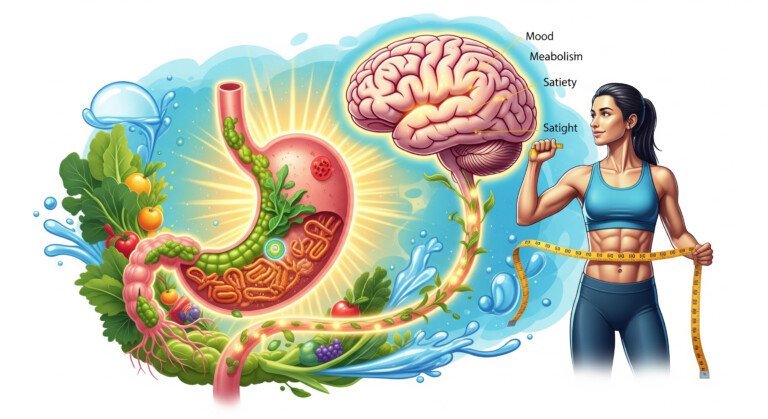
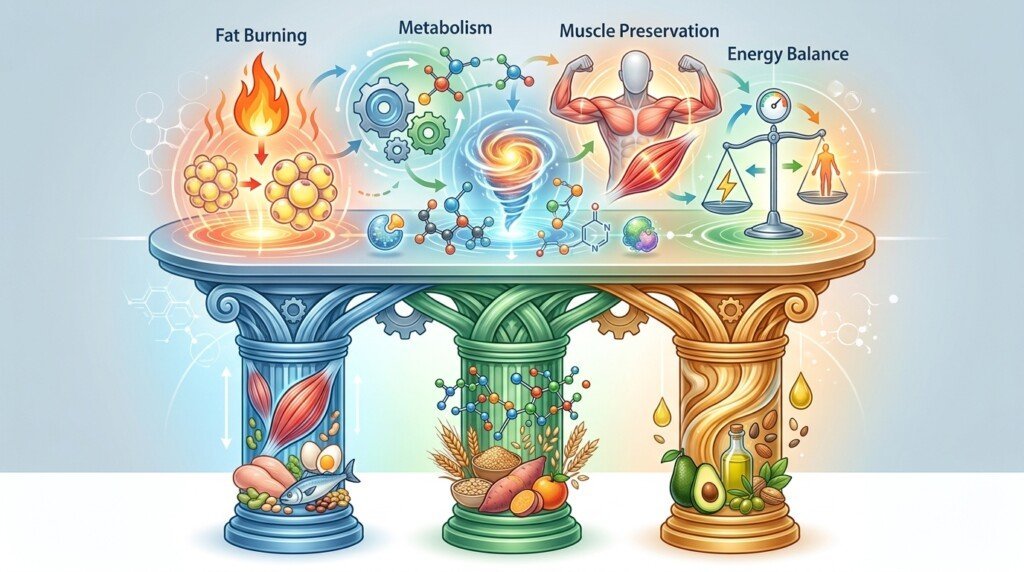
The truth is that Macronutrients for Fat Burning work together rather than competing against one another. Each macronutrient plays a different role in energy production, metabolism, muscle preservation, appetite regulation, and overall health. Understanding these roles is far more valuable than trying to eliminate an entire food group.
Research consistently shows that no single macronutrient burns body fat on its own. Instead, successful fat loss depends on overall energy balance while choosing foods that help you stay satisfied, support muscle mass, and maintain a healthy metabolism.
In this article, we’ll break down how protein, carbohydrates, and healthy fats contribute to fat burning, explain the Thermic Effect of Food (TEF), examine whether macronutrient ratios really matter, and help you understand how to choose the right balance for your own goals.
Quick Answer
Macronutrients for Fat Burning should include adequate protein, balanced carbohydrates, and healthy fats within an overall calorie-controlled eating pattern. Protein supports muscle preservation and satiety, carbohydrates provide energy for activity, and healthy fats support hormones and long-term health. Together, they create a sustainable foundation for fat loss.
Which Macronutrients Help With Fat Burning?
Many people believe one macronutrient is responsible for fat loss while another prevents it.
Human metabolism is much more sophisticated.
Protein, carbohydrates, and dietary fat all serve important physiological functions that influence body composition in different ways.
Rather than asking which one is “best,” it is more useful to understand what each contributes to successful fat loss.

Protein Builds and Protects Lean Muscle
Protein supplies amino acids that help repair and maintain muscle tissue.
Preserving muscle becomes especially important during weight loss because lean muscle contributes to overall energy expenditure.
A higher proportion of lean muscle also helps support physical performance and daily function.
Carbohydrates Fuel Daily Activity
Carbohydrates remain the body’s preferred energy source for many forms of physical activity.
They replenish glycogen stores, allowing muscles to perform efficiently during exercise and daily movement.
Without adequate carbohydrate intake, many people experience reduced energy, lower workout quality, and greater fatigue.
Dietary Fat Supports Essential Body Functions
Healthy fats contribute to:
- Hormone production
- Cell structure
- Brain health
- Vitamin absorption
- Meal satisfaction
Removing dietary fat completely is neither necessary nor beneficial for most healthy adults.
Instead, choosing healthier fat sources while maintaining appropriate calorie intake supports both health and fat loss.
Why Is Protein Important for Fat Loss?
Among the three macronutrients, protein consistently receives the greatest attention in fat-loss research.
This is not because protein directly melts body fat.
Rather, it supports several biological processes that make fat loss easier to achieve and maintain.

Protein Has the Highest Thermic Effect of Food
Whenever you eat, your body uses energy to digest, absorb, and process nutrients.
This energy expenditure is called the Thermic Effect of Food (TEF).
Protein produces a higher TEF than carbohydrates or dietary fat.
That means your body uses slightly more energy digesting protein-rich foods.
Although this effect alone will not produce dramatic fat loss, it contributes to total daily energy expenditure.
Protein Helps Preserve Muscle During Weight Loss
When people lose weight, they ideally want to lose stored body fat while maintaining lean muscle.
Protein helps protect muscle tissue during periods of reduced calorie intake.
Maintaining muscle supports:
- Healthy metabolism
- Physical strength
- Exercise performance
- Long-term body composition
For this reason, protein remains one of the most important nutritional priorities during fat loss.
Readers interested in practical food choices may also find High-Protein Foods That Burn Fat useful.
Protein Improves Satiety
Another advantage of protein is its effect on fullness.
Protein-rich meals often help people stay satisfied longer compared with meals that contain very little protein.
Improved satiety may reduce unnecessary snacking and make healthy eating habits easier to maintain.
Do Carbohydrates Prevent Fat Burning?
Carbohydrates have become one of the most misunderstood nutrients in modern nutrition.
Some people believe eating carbohydrates automatically stops fat burning.
Current evidence does not support that conclusion.

Carbohydrates and Fat Burning Can Coexist
When carbohydrates are available, the body naturally uses them as an immediate energy source.
Later, as energy demands change, the body continues switching between carbohydrate and fat oxidation depending on activity levels and overall energy needs.
This metabolic flexibility is a normal part of human physiology.
Eating carbohydrates does not permanently prevent your body from burning fat.
Carbohydrate Quality Matters
Instead of fearing carbohydrates, it is more helpful to focus on choosing nutritious sources such as:
- Vegetables
- Fruits
- Beans
- Lentils
- Oats
- Brown rice
- Quinoa
These foods provide fiber, vitamins, minerals, and slower digestion compared with highly refined carbohydrates.
Fiber Supports Healthy Eating
Fiber deserves special attention because it contributes to:
- Improved fullness
- Better digestive health
- More stable energy
- Higher meal satisfaction
Many carbohydrate-rich whole foods naturally contain significant amounts of fiber, making them valuable additions to a balanced diet.
Readers who want a broader understanding of dietary strategies can also explore Best Diet for Fat Burning, which examines overall eating patterns rather than individual nutrients.
Should You Eat More Healthy Fats to Burn Body Fat?
This question often causes confusion because dietary fat and stored body fat are not the same thing.
Eating healthy fats does not automatically increase body fat, nor does it directly cause fat burning.
Instead, dietary fat supports several important biological functions.

Healthy Fats Support Hormone Production
Hormones regulate numerous processes involved in metabolism, appetite, recovery, and overall health.
Including healthy fat sources helps support normal hormone production.
Examples include:
- Olive oil
- Avocados
- Nuts
- Seeds
- Fatty fish
These foods provide nutrients that contribute to overall health while fitting comfortably into balanced dietary patterns.
Dietary Fat Increases Meal Satisfaction
Fat slows digestion and contributes to the flavor and texture of food.
Meals containing healthy fats often feel more satisfying, helping reduce the desire to eat again shortly afterward.
This improved satisfaction may indirectly support better long-term adherence to healthy eating habits.
More Fat Does Not Automatically Mean More Fat Burning
One of the biggest misconceptions is that eating large amounts of dietary fat forces the body to burn more body fat.
The body ultimately responds to overall energy balance rather than simply the proportion of dietary fat consumed.
Healthy fats are beneficial, but moderation remains important.
What Is the Best Macronutrient Balance for Fat Loss?
One of the most common questions in nutrition is whether there is an ideal ratio of protein, carbohydrates, and fat for losing body fat.
The simple answer is that there is no universal formula.
Research shows that successful fat loss occurs across many different dietary patterns. What matters most is consuming an appropriate amount of calories while choosing nutrient-dense foods that support satiety, muscle preservation, and long-term consistency.
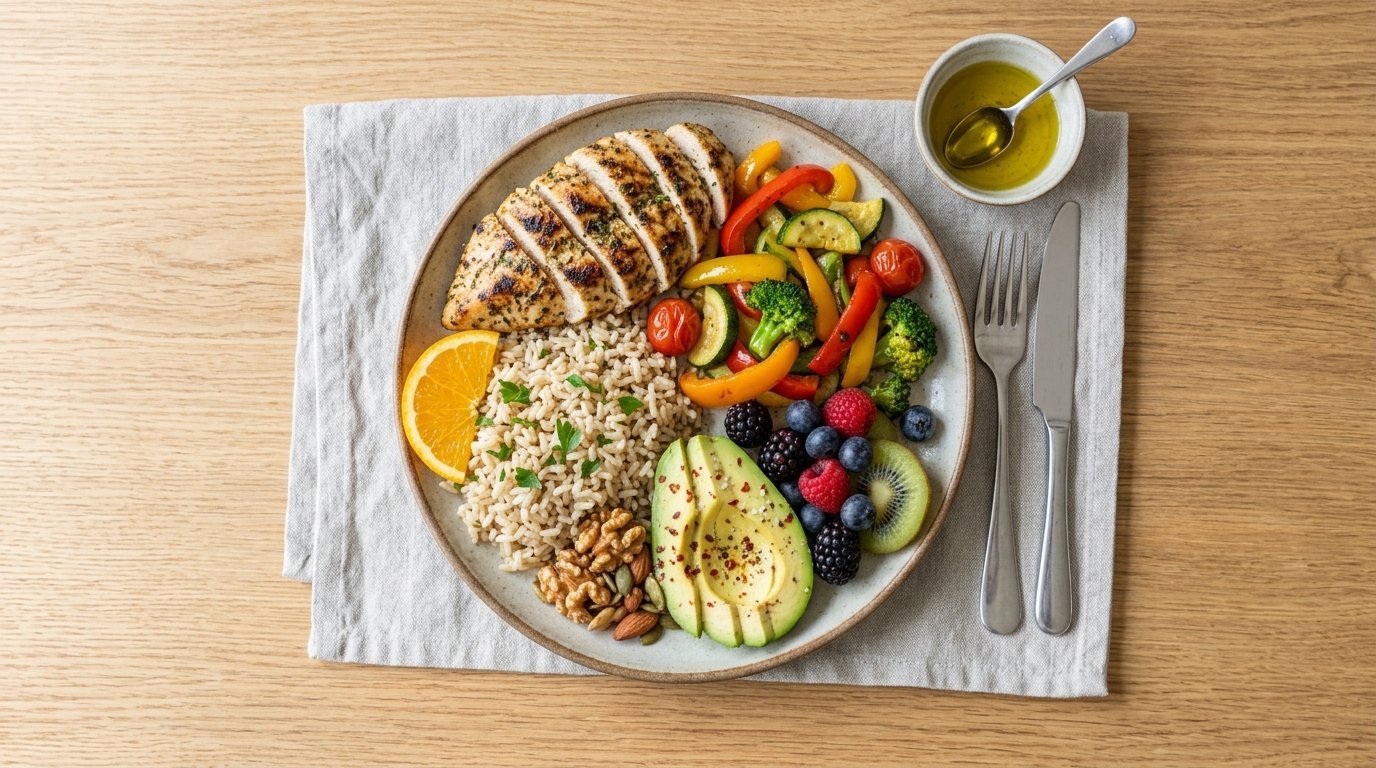
Instead of searching for a perfect ratio, focus on building balanced meals that include all three macronutrients.

Every Meal Benefits From Balance
Balanced meals generally provide:
- A quality source of protein
- Fiber-rich carbohydrates
- Healthy fats
- Plenty of vegetables
This combination helps provide steady energy while supporting fullness and overall nutrition.
Rather than emphasizing one nutrient and avoiding another, balanced eating encourages flexibility and sustainability.
Individual Needs Are Different
Several factors influence the ideal balance of macronutrients, including:
- Age
- Sex
- Activity level
- Exercise routine
- Health conditions
- Personal food preferences
- Lifestyle
Someone who exercises regularly may naturally eat differently than someone with a mostly sedentary routine.
Likewise, personal preferences influence which eating pattern becomes sustainable over time.
Food Quality Matters More Than Chasing Numbers
Many people become overly focused on tracking every gram of protein, carbohydrate, and fat.
While detailed tracking may help some individuals, food quality usually has a much greater influence on long-term health.
Choosing mostly whole, minimally processed foods naturally improves nutrition without requiring constant calculations.
Do Macronutrient Ratios Matter More Than Calories?
Macronutrients influence hunger, metabolism, and body composition.
Calories determine whether body fat is ultimately gained, maintained, or lost.
These two concepts work together rather than competing against one another.
Energy Balance Still Drives Fat Loss
Your body constantly balances the energy consumed through food with the energy used for daily living and physical activity.
When energy intake consistently exceeds energy expenditure, body fat tends to increase.
When energy expenditure exceeds intake over time, stored fat provides part of the missing energy.
This principle remains true regardless of the exact balance of protein, carbohydrates, and dietary fat.
Readers who want a deeper explanation can explore Calorie Deficit, which examines this concept in greater detail.
Macronutrients Influence How Easy Fat Loss Feels
Although calories remain central, macronutrients affect how manageable healthy eating becomes.
For example:
- Protein supports fullness.
- Fiber-rich carbohydrates improve meal satisfaction.
- Healthy fats contribute to appetite regulation.
- Balanced meals help stabilize energy levels.
These factors make it easier to maintain healthy habits consistently.
Consistency Outperforms Perfection
Many people spend months searching for the ideal macro ratio while neglecting the habits that produce lasting results.
The most successful approach is usually the one that fits comfortably into everyday life.
A nutritional strategy followed for years will almost always outperform a theoretically perfect plan abandoned after a few weeks.
How Can You Choose the Right Macros for Your Goals?
Rather than copying someone else’s eating pattern, build your nutrition around your own lifestyle and goals.
Personalized nutrition is generally more sustainable than rigid rules.
Start With Protein
Protein forms the foundation of many successful fat-loss diets because it supports muscle preservation, recovery, and satiety.
Including a quality protein source with most meals is a practical starting point for many people.
Choose Mostly Complex Carbohydrates
Carbohydrates remain an important fuel source for everyday activity.
Focus primarily on carbohydrates that also provide fiber and nutrients, including:
- Vegetables
- Fruits
- Legumes
- Whole grains
- Beans
These foods promote fullness while supporting overall health.
Include Healthy Fats Daily
Healthy fats should remain part of a balanced diet.
Good choices include:
- Olive oil
- Avocados
- Nuts
- Seeds
- Fatty fish
These foods support normal body function while improving meal satisfaction.
Build Habits You Can Maintain
The best nutritional strategy is rarely the strictest one.
Instead, ask yourself:
- Can I eat this way during busy weeks?
- Can I enjoy family meals?
- Can I travel without giving up?
- Can I maintain these habits next year?
If the answer is yes, you have likely found a sustainable approach.
Readers focusing on long-term lifestyle changes may also find Sustainable Weight Loss helpful for building realistic habits that last.
Future discussions about Protein for Weight Loss, Meal Timing and Metabolism, and Fat Burning will expand on how nutrition and daily routines work together to support healthy body composition.
Key Takeaways
| Macronutrient | Primary Role in Fat Loss |
|---|---|
| Protein | Preserves muscle, increases satiety, produces the highest Thermic Effect of Food (TEF) |
| Carbohydrates | Provide energy for daily activity and exercise while supplying fiber when choosing whole-food sources |
| Healthy fats | Support hormone production, nutrient absorption, and meal satisfaction |
| Calories | Determine long-term energy balance and body fat changes |
| Overall dietary quality | Supports sustainable fat loss more than chasing perfect macro ratios |

Frequently Asked Questions
1. What are the best Macronutrients for Fat Burning?
Macronutrients for Fat Burning should include adequate protein, fiber-rich carbohydrates, and healthy fats within a balanced eating pattern that supports long-term consistency.
2. Is protein the most important macronutrient for fat loss?
Protein plays a key role because it helps preserve lean muscle, improves fullness, and has the highest Thermic Effect of Food (TEF). However, carbohydrates and healthy fats are also important for overall health and performance.
3. Are carbohydrates bad for fat burning?
No. Carbohydrates provide energy and do not permanently stop fat burning. Choosing high-quality carbohydrate sources supports healthy eating and exercise performance.
4. Should I eat more fat to burn more body fat?
Not necessarily. Healthy fats support important body functions, but eating more dietary fat does not automatically increase fat burning.
5. What macronutrient burns the most calories during digestion?
Protein has the highest Thermic Effect of Food (TEF), meaning your body uses more energy digesting protein compared with carbohydrates or dietary fat.
6. Do macronutrient ratios matter if I’m in a calorie deficit?
Macronutrients influence satiety, muscle preservation, and food quality, but overall energy balance remains the primary factor driving long-term fat loss.
7. Can I lose fat while eating carbohydrates?
Yes. Many successful fat-loss diets include fruits, vegetables, legumes, and whole grains as healthy carbohydrate sources.
8. Do I need to count every macronutrient?
Not always. Many people achieve excellent results by focusing on balanced meals, whole foods, and consistent eating habits rather than detailed macro tracking.
9. Are healthy fats necessary during fat loss?
Yes. Healthy fats support hormones, brain health, nutrient absorption, and meal satisfaction while fitting into a balanced eating pattern.
10. What matters most for long-term fat loss?
Building sustainable eating habits that include quality protein, nutritious carbohydrates, healthy fats, and an appropriate calorie intake produces the most reliable long-term results.
Conclusion
Understanding Macronutrients for Fat Burning is less about choosing a winning nutrient and more about appreciating how protein, carbohydrates, and healthy fats work together. Protein supports muscle preservation, satiety, and the Thermic Effect of Food (TEF). Carbohydrates provide the energy needed for daily activity and exercise, while healthy fats contribute to hormone function, nutrient absorption, and lasting meal satisfaction. Each macronutrient plays a distinct role in supporting overall health and successful fat loss.
Rather than chasing the perfect macronutrient ratio, focus on building balanced meals from mostly whole foods that fit your lifestyle. Combined with an appropriate calorie intake and consistent healthy habits, this approach is far more effective than eliminating entire food groups or following restrictive nutrition trends. Sustainable choices repeated over time remain the strongest foundation for improving body composition and maintaining long-term health.
Disclaimer:
This post may contain affiliate links. If you purchase through them, we may earn a small commission at no extra cost to you. Also, this content is for informational purposes only and does not substitute professional medical advice.
Fuel Your Body Right
Use our free Nutrition Toolkit to find your protein target, fasting window, and net carbs in minutes.
Open Free Tools →