


Can Certain Medications Slow Your Metabolism? What You Should Know
Many people notice changes in their body after starting a new prescription medication. Sometimes those changes involve weight gain, lower energy levels, or difficulty maintaining previous eating and exercise habits. It is natural to wonder whether the medication has slowed your metabolism.
The relationship between Medications That Slow Metabolism and body weight is more complicated than most people realize. Some medications can influence how your body uses energy, while others may affect appetite, fluid retention, blood sugar regulation, or daily activity levels. In many cases, weight gain occurs even when resting metabolism changes very little.
Understanding how medications interact with metabolism can help you separate common myths from medical evidence. It can also help you have more informed conversations with your healthcare provider without stopping a medication that may be essential for your health.
In this article, you’ll learn how certain medication categories may influence metabolism, why weight gain is not always caused by slower calorie burning, and what healthy lifestyle habits can support metabolic health while taking prescription medicines.
Quick Answer
Medications That Slow Metabolism do exist, but most medications associated with weight gain affect the body through multiple mechanisms rather than simply reducing calorie burning. Some medicines may influence appetite, hormones, energy expenditure, or physical activity. Any concerns about medication-related weight changes should always be discussed with a healthcare professional before making changes to your treatment.
Can Medications That Slow Metabolism Really Change How Your Body Uses Energy?
When people hear the phrase “slow metabolism,” they often imagine that the body suddenly burns far fewer calories.
The reality is usually much more complex.
Many medications influence several biological systems simultaneously, making it difficult to attribute weight changes to metabolism alone.

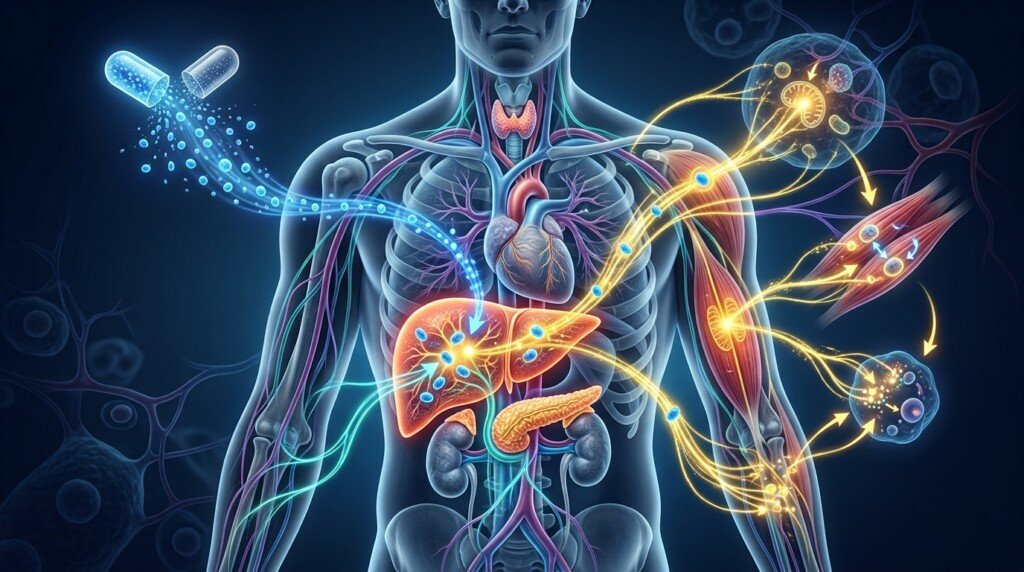
Your Metabolism Depends on Many Systems
Metabolism is regulated by a combination of factors, including:
- Hormones
- Nervous system activity
- Muscle mass
- Daily movement
- Nutrition
- Overall health
Certain medications can influence one or more of these systems, which may indirectly affect energy expenditure.
Medicines Affect the Body in Different Ways
Prescription medications are designed to treat specific medical conditions.
While doing so, they may also influence processes such as:
- Appetite regulation
- Fluid balance
- Blood sugar control
- Hormone activity
- Heart rate
- Physical energy levels
Each of these changes may influence body weight differently.
Weight Gain Does Not Automatically Mean Your Metabolism Slowed
One of the biggest misconceptions is assuming every pound gained after starting medication reflects a slower metabolism.
Weight changes may occur because of:
- Increased appetite
- Reduced physical activity
- Fluid retention
- Changes in blood sugar regulation
- Altered hormone signaling
- Reduced energy expenditure
Sometimes several of these factors occur together.
Readers interested in the broader causes of metabolic changes may also find What Causes Slow Metabolism helpful because medications represent only one possible contributor.
Why Medicines Can Influence Metabolism
The human body functions as an interconnected system.
Changing one pathway often influences several others.
This explains why medications designed for one medical condition sometimes affect body weight or energy balance.
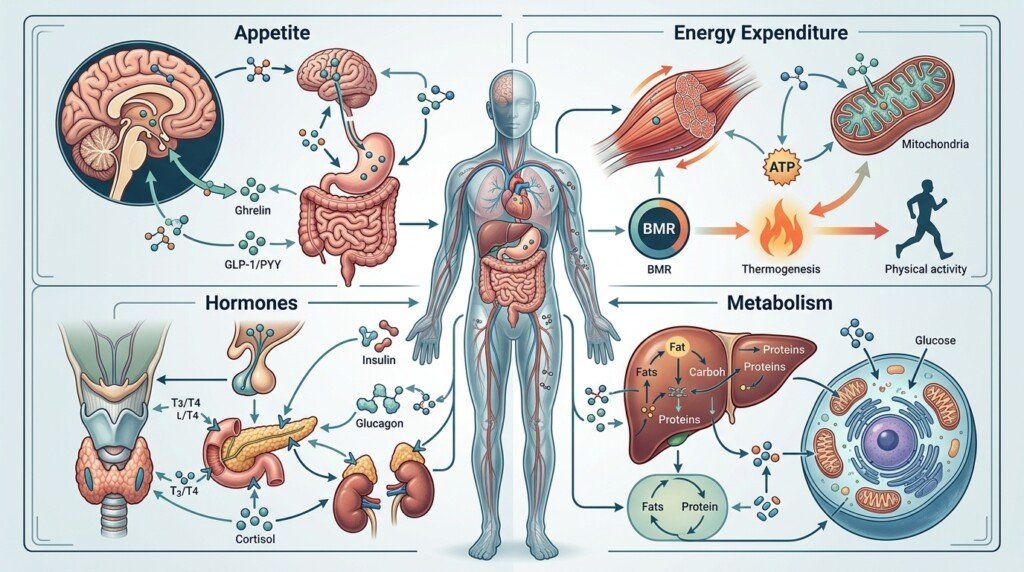
Hormones Play an Important Role
Many medications interact with hormones that regulate:
- Hunger
- Satiety
- Blood sugar
- Stress responses
- Energy use
Changes in these systems may indirectly influence metabolism.
Activity Levels May Change
Some medications cause:
- Fatigue
- Drowsiness
- Reduced exercise tolerance
If daily movement decreases, total calorie expenditure may decline even when resting metabolism remains relatively stable.
Appetite Can Increase
Certain medications increase appetite, making it easier to consume more calories without realizing it.
In these situations, weight gain results primarily from increased calorie intake rather than dramatic reductions in metabolic rate.
Every Person Responds Differently
Not everyone experiences the same side effects.
Factors influencing medication response include:
- Age
- Sex
- Medical condition
- Dosage
- Genetics
- Lifestyle habits
This explains why one person may experience noticeable weight changes while another taking the same medication experiences none.
Which Medication Categories Are Most Commonly Linked to Weight Gain?
Healthcare professionals have identified several medication categories that may be associated with weight gain or metabolic changes.
Importantly, this does not mean every medication within these categories produces the same effects.
Individual responses vary considerably.
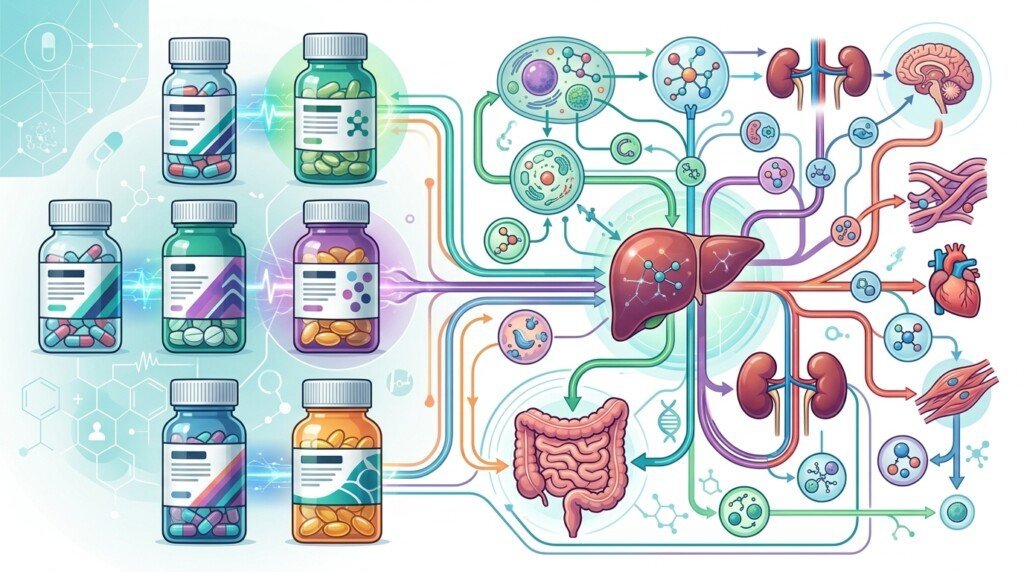
Antidepressants
Some antidepressant medications have been associated with changes in body weight.
Possible contributing factors include:
- Appetite changes
- Altered food preferences
- Improved mood leading to increased eating
- Changes in energy balance
The effect depends on the specific medication and the individual.
Many people experience little or no weight change.
Beta Blockers
Beta blockers are commonly prescribed for cardiovascular conditions.
Some people taking these medications report:
- Reduced exercise tolerance
- Lower physical energy
- Mild reductions in overall activity
Because physical activity contributes substantially to total calorie expenditure, these changes may influence weight over time.
Corticosteroids
Corticosteroids are used to treat numerous inflammatory and autoimmune conditions.
Long-term use may contribute to changes involving:
- Appetite
- Fluid retention
- Fat distribution
- Blood sugar regulation
Weight gain associated with corticosteroids often reflects multiple physiological mechanisms rather than metabolism alone.
Antipsychotic Medications
Certain antipsychotic medications have been associated with increased body weight in some individuals.
Potential contributing mechanisms include:
- Increased appetite
- Hormonal changes
- Altered glucose metabolism
- Reduced physical activity
Because responses vary considerably, treatment decisions should always remain individualized and guided by a healthcare professional.
Medication Category Comparison
| Medication Category | Possible Influence on Weight |
|---|---|
| Antidepressants | Appetite and energy regulation |
| Beta blockers | Reduced activity tolerance in some people |
| Corticosteroids | Appetite, fluid retention, hormone effects |
| Antipsychotics | Appetite and metabolic regulation |
These categories highlight why medication-related weight changes rarely result from one single mechanism.
Instead, multiple biological processes often interact simultaneously.
Do All Medications Reduce Calorie Burning?
The short answer is no.
One of the biggest misconceptions surrounding Medications That Slow Metabolism is that every medication linked to weight gain directly reduces the number of calories your body burns each day. In reality, very few medications significantly lower resting metabolic rate by themselves.
Instead, many medicines influence body weight through a combination of indirect effects.
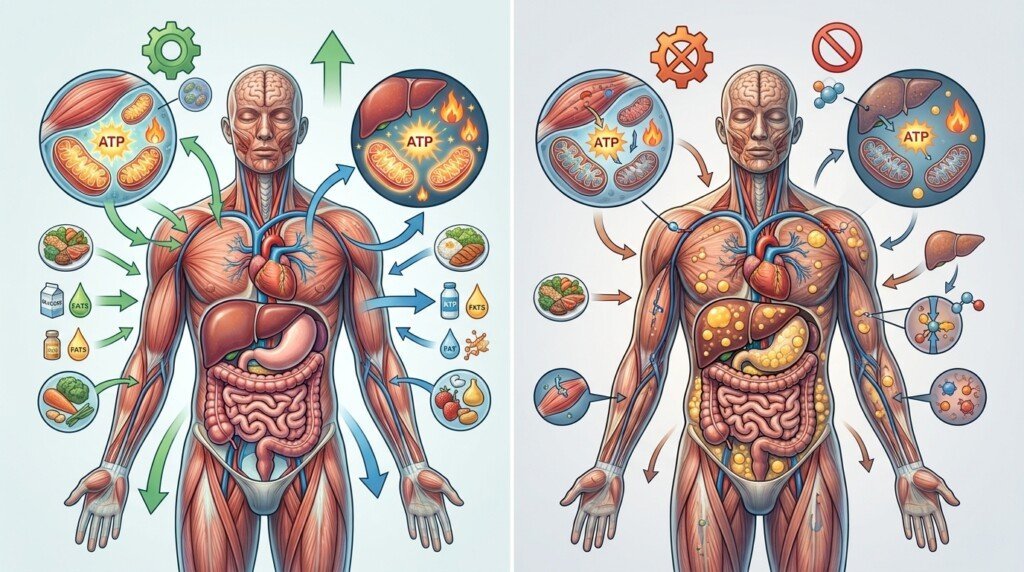
Appetite Often Has a Bigger Impact Than Metabolism
Several medications can increase hunger or reduce feelings of fullness.
When appetite increases, people may naturally eat more without realizing it. Even a small increase in daily calorie intake can gradually lead to weight gain over weeks or months.
This does not necessarily mean the body’s metabolism has slowed.
Daily Movement Can Change
Some medications cause fatigue, muscle weakness, or reduced motivation.
As a result, people may:
- Walk less.
- Spend more time sitting.
- Exercise less frequently.
- Feel tired during everyday activities.
Because everyday movement contributes significantly to total calorie expenditure, these changes may affect weight even if resting metabolism remains relatively stable.
Some Medicines Affect Hormones
Certain medications influence hormones involved in:
- Blood sugar regulation.
- Fat storage.
- Hunger.
- Stress responses.
These hormonal changes may contribute to gradual weight changes without dramatically altering resting calorie burn.
The key takeaway is that medication-related weight gain is usually caused by several overlapping mechanisms rather than one simple metabolic slowdown.
How Can You Tell If Medication Is Affecting Your Metabolism?
It can be difficult to determine whether changes in body weight are related to medication, metabolism, or another health factor.
Many symptoms overlap with normal aging, lifestyle changes, and chronic medical conditions.

Look for Patterns Rather Than Isolated Changes
Healthcare professionals usually look for consistent patterns rather than a single symptom.
Helpful observations include:
- Weight changes beginning soon after a medication is started.
- Changes in appetite.
- Reduced energy levels.
- Lower physical activity.
- Changes in clothing fit over time.
These observations help guide further discussion but do not prove that a medication is responsible.
Other Factors Should Also Be Considered
Weight changes often result from several influences occurring together.
Examples include:
- Changes in eating habits.
- Reduced exercise.
- Increased stress.
- Sleep disruption.
- Underlying medical conditions.
This is why medication should never be assumed to be the only explanation.
If concerns persist, discussing them with your healthcare provider is the safest approach.
For readers interested in evaluating metabolic function more broadly, Metabolism provides a useful overview of the many factors involved in energy expenditure.
Should You Stop Medication If You Gain Weight?
For most people, the answer is no.
Stopping prescription medication without medical guidance may create far greater health risks than gradual weight gain.

Never Stop Medication on Your Own
Many prescription medicines treat serious medical conditions such as:
- Depression.
- High blood pressure.
- Autoimmune diseases.
- Heart disease.
- Chronic inflammatory disorders.
Stopping treatment suddenly may worsen the underlying condition or cause withdrawal effects.
Start With a Conversation
If you notice unexpected weight changes after beginning a medication, discuss your concerns with the healthcare professional who prescribed it.
They may consider:
- Whether the medication could be contributing.
- Whether another medical condition is involved.
- Whether lifestyle adjustments may help.
- Whether another treatment option is appropriate.
Treatment decisions should always balance benefits, risks, and overall health.
Every Person Responds Differently
Even within the same medication category, individual responses vary considerably.
What causes weight gain for one person may have little or no effect on someone else.
This is one reason treatment should always be individualized rather than based on internet anecdotes.
What Can You Do to Support a Healthy Metabolism While Taking Medication?
Although medications cannot always be changed, many daily habits continue supporting overall metabolic health.
These habits work alongside medical treatment rather than replacing it.

Maintain Consistent Physical Activity
Regular movement supports:
- Muscle health.
- Energy expenditure.
- Mobility.
- Long-term metabolic function.
Even moderate activity contributes to healthier metabolism over time.
Readers looking for sustainable long-term strategies may enjoy Sustainable Weight Loss, which focuses on lasting lifestyle habits.
Preserve Lean Muscle
Maintaining muscle supports healthy metabolism throughout adulthood.
Muscle contributes to:
- Physical function.
- Healthy aging.
- Resting energy expenditure.
- Daily calorie use.
Follow Balanced Eating Habits
Rather than following restrictive diets, focus on consistent eating patterns that support overall health.
Balanced nutrition helps maintain:
- Stable energy.
- Healthy body composition.
- Long-term metabolic function.
Manage Stress
Chronic stress influences hormones involved in appetite and eating behavior.
Healthy stress management supports both overall health and long-term weight management.
Readers interested in this relationship may also find Stress and Weight Loss useful.
Keep Realistic Expectations
Perhaps the most important strategy is maintaining realistic expectations.
Most medication-related metabolic changes develop gradually.
Likewise, healthy lifestyle habits usually produce gradual improvements rather than immediate results.
Small, consistent habits often have a greater long-term impact than dramatic short-term changes.
Medication and Metabolism at a Glance
| Question | Answer |
|---|---|
| Can medications affect metabolism? | Yes, some can. |
| Do all medications slow metabolism? | No. |
| Is weight gain always caused by slower metabolism? | No. |
| Should medication be stopped because of weight gain? | No, not without medical advice. |
| Can healthy habits still support metabolism? | Yes. |
| Do people respond differently to medications? | Yes. |
The easiest way to remember this topic is:
Many medications influence body weight, but only some directly affect metabolism, and even then the changes are usually part of a much larger picture.

Frequently Asked Questions
1. Which antidepressants affect metabolism?
Some antidepressants have been associated with weight changes, but responses vary widely between individuals and medications.
2. Can steroids slow metabolism?
Corticosteroids may contribute to weight gain through several mechanisms, including appetite changes, fluid retention, and hormonal effects. Reduced metabolism is usually not the only reason.
3. Should I change medication because of weight gain?
Never change prescription medication without consulting your healthcare provider.
4. Can exercise offset medication-related weight gain?
Regular physical activity supports metabolic health and overall weight management, although results vary depending on the medication and individual circumstances.
5. Do all medications cause weight gain?
No. Many medications have little or no effect on body weight.
6. Is weight gain always a sign of slower metabolism?
No. Appetite, fluid retention, reduced activity, and hormonal changes are often involved.
7. Can medication affect appetite?
Yes. Some medications increase appetite, while others may reduce it.
8. Can medication influence calorie burning?
Some medicines may indirectly influence energy expenditure, but major reductions in resting metabolism are relatively uncommon.
9. Should I monitor my weight after starting a new medication?
If your healthcare provider recommends it or you notice unexpected changes, tracking your weight can provide useful information during follow-up appointments.
10. Can a healthcare provider help if medication affects my weight?
Yes. They can evaluate possible causes, review your treatment plan, and recommend appropriate next steps based on your individual situation.
Final Thoughts
The relationship between Medications That Slow Metabolism and body weight is more complex than many people realize. While some medications can influence metabolism, most affect weight through a combination of changes in appetite, hormone regulation, physical activity, and energy balance rather than dramatically reducing calorie burning. Understanding these differences helps explain why two people taking the same medication may have very different experiences. Weight changes should always be viewed within the context of your overall health, lifestyle, and the medical condition being treated.
The most important message is never to stop or adjust prescription medication without guidance from a qualified healthcare professional. If you notice unexpected changes in weight or energy after starting a medication, discuss your concerns openly with your healthcare provider. Together, you can determine whether the medication, another health condition, or a combination of factors may be contributing. As this metabolism series continues, future articles on Thyroid and Metabolism and Home Metabolism Test will explore additional medical factors that influence the way your body produces and uses energy.
Disclaimer:
This post may contain affiliate links. If you purchase through them, we may earn a small commission at no extra cost to you. Also, this content is for informational purposes only and does not substitute professional medical advice.
Ready to Start Your Journey?
Use our free 7-in-1 Weight Loss Toolkit to calculate your numbers and build your plan in minutes.
Open Free Tools →