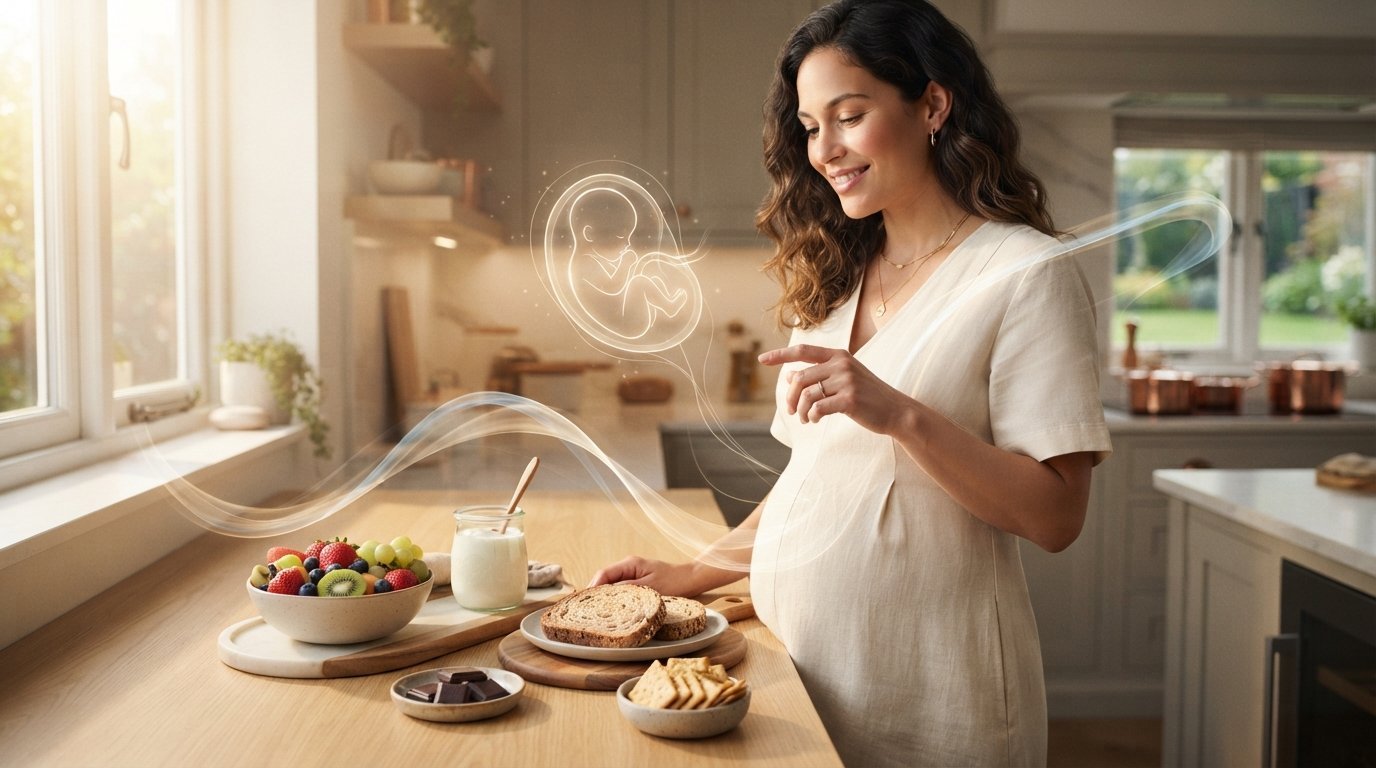
Pregnancy Food Cravings: What’s Normal and What They Might Mean
The moment someone announces they’re pregnant, stories about unusual food cravings often follow.
Pickles with ice cream.
Peanut butter on toast topped with bananas.
A sudden obsession with oranges.
An irresistible desire for salty fries.
While some of these stories are exaggerated for humor, pregnancy food cravings are very real. In fact, most pregnant women experience changes in appetite or food preferences at some point during pregnancy, although the type and intensity of cravings vary widely from person to person.
These cravings can sometimes feel confusing.
Why do foods you rarely enjoyed suddenly become your favorite?
Do these cravings mean your baby needs a particular nutrient?
Should every craving be satisfied?
And what happens if you start craving something that isn’t food at all?
The good news is that most pregnancy cravings are considered a normal part of pregnancy. They are thought to result from a combination of hormonal changes, altered taste and smell, emotional factors, and the body’s changing nutritional demands rather than a single biological cause.
Understanding what’s normal can make these changes feel much less overwhelming.
This article explains why pregnancy food cravings happen, explores the most common cravings during pregnancy, and discusses when unusual cravings deserve medical attention.
Quick Answer
Pregnancy food cravings are common and are believed to result from hormonal changes, changes in taste and smell, emotional influences, and the body’s increasing nutritional needs during pregnancy. Most cravings for foods such as sweets, salty snacks, fruit, or dairy products are considered normal. However, cravings for non-food items such as clay, dirt, ice, or paper may indicate a condition called pica and should always be discussed with a healthcare professional.
What Are the Most Common Pregnancy Food Cravings?
One of the most fascinating aspects of pregnancy is how dramatically food preferences can change.
Foods you loved before pregnancy may suddenly seem unappealing.
Meanwhile, foods you rarely considered eating may become difficult to stop thinking about.
These changes often begin during the first trimester, although cravings can appear at any stage of pregnancy.
Researchers still do not have one single explanation for why pregnancy cravings occur. Instead, they believe several biological and psychological factors work together throughout pregnancy.
Hormonal changes, increased sensitivity to smell and taste, emotional comfort, cultural influences, and changing nutritional needs may all contribute.
Although every pregnancy is unique, several food categories appear repeatedly in research and surveys.
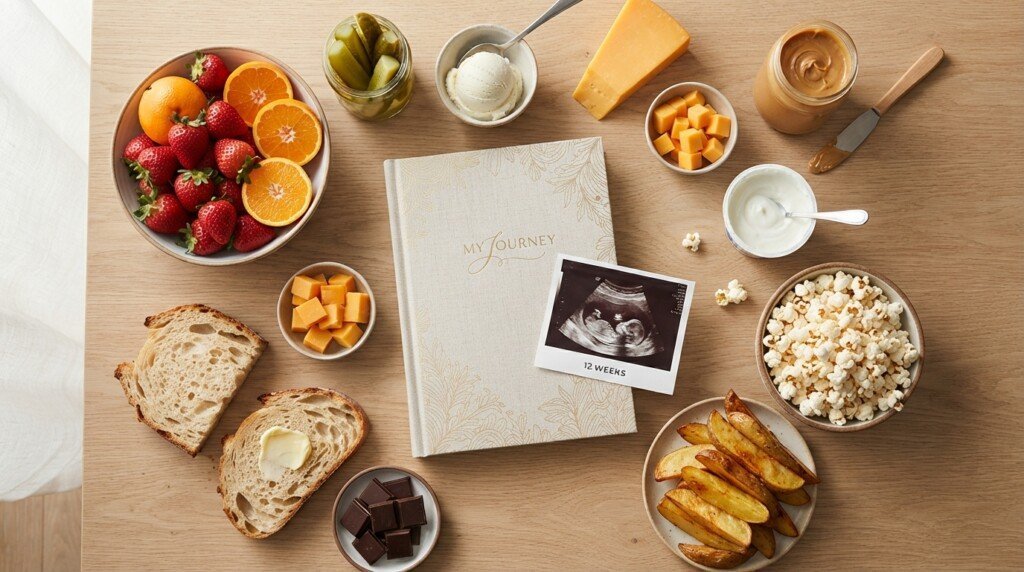
Common examples include:
- Chocolate
- Fresh fruit
- Citrus fruits
- Ice cream
- Cheese
- Yogurt
- Pickles
- Bread
- Pasta
- Potatoes
- Rice
- Salty snacks
- French fries
- Peanut butter
Some women experience only one or two cravings.
Others notice completely different preferences from one pregnancy to the next.
There is no single “normal” craving pattern.
The important point is that food cravings themselves are usually a normal part of pregnancy.
Why Are Sweet and Salty Cravings So Common During Pregnancy?
Among all pregnancy cravings, sweets and salty foods consistently appear near the top of the list.
Many pregnant women notice they suddenly want desserts, chocolate, fruit juice, pastries, chips, popcorn, or salty restaurant foods despite rarely craving them before pregnancy.
Researchers believe several factors may contribute.
Hormonal Changes Alter Taste and Smell
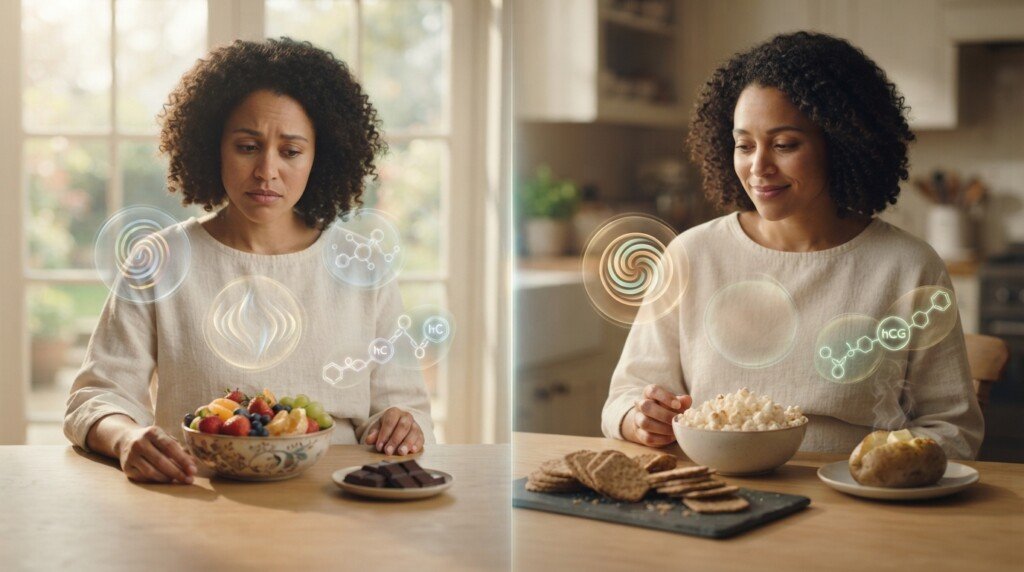
Early pregnancy is associated with substantial hormonal changes, particularly increases in human chorionic gonadotropin (hCG), along with ongoing changes involving estrogen and progesterone.
These hormones appear to influence:
- Taste perception.
- Smell sensitivity.
- Appetite.
- Food preferences.
Foods that once tasted ordinary may suddenly seem extremely appealing.
Others may become unpleasant.
This altered sensory perception helps explain why pregnancy cravings often involve strong flavors.
Increased Sensitivity Makes Certain Foods More Appealing
Pregnant women frequently report heightened sensitivity to smell.
This may explain why:
- Fresh fruit smells more refreshing.
- Warm bread becomes especially appealing.
- Certain savory foods seem irresistible.
- Previously favorite foods suddenly smell unpleasant.
Food choices during pregnancy are influenced not only by hunger but also by changing sensory experiences.
Comfort Foods May Feel More Rewarding
Pregnancy involves major physical and emotional adjustments.
Fatigue, nausea, changing routines, and anticipation of parenthood all affect daily life.
During these periods, familiar comfort foods may become especially attractive.
This does not necessarily mean emotional eating is occurring.
Rather, familiar foods often provide both physical satisfaction and emotional reassurance.
Every Pregnancy Is Different
One important point cannot be overstated.
Not everyone experiences cravings.
Some women develop food aversions instead.
Others experience almost no noticeable appetite changes throughout pregnancy.
All of these experiences can be perfectly normal.
Do Pregnancy Cravings Mean Your Body Needs a Specific Nutrient?
One of the oldest beliefs surrounding pregnancy is that every craving reflects a nutritional deficiency.
Craving chocolate?
You must need magnesium.
Craving meat?
You must need protein.
Craving oranges?
You probably need vitamin C.
Although these ideas are popular, scientific evidence does not consistently support them.

The Relationship Is More Complex
Nutrition certainly matters during pregnancy.
However, researchers have found that cravings rarely point directly to one missing nutrient.
For example:
A woman craving chocolate may not necessarily have a magnesium deficiency.
Likewise, craving ice cream does not automatically indicate a calcium deficiency.
Food cravings involve many factors simultaneously, including:
- Hormones.
- Taste changes.
- Smell sensitivity.
- Previous food experiences.
- Emotional comfort.
- Food availability.
- Cultural expectations.
Nutrition is only one part of that picture.
Nutrient Needs Do Increase During Pregnancy
Although cravings do not reliably diagnose deficiencies, pregnancy does increase the body’s nutritional requirements.
Growing fetal development requires increased amounts of several nutrients throughout pregnancy.
Healthcare providers typically monitor maternal nutrition during routine prenatal care rather than relying on cravings as indicators.
Listen to Your Body Without Assuming Every Craving Has a Hidden Meaning
Cravings deserve attention.
But they should not automatically be interpreted as medical messages.
For example:
Craving fruit may simply reflect changing taste preferences.
Wanting salty foods may reflect normal appetite changes.
Desiring carbohydrates during nausea may occur because bland foods feel easier to tolerate.
Each experience is influenced by multiple factors.
A Balanced Perspective Is Best
Instead of asking,
“What nutrient am I missing?”
a more useful question is,
“How can I include this craving within an overall balanced eating pattern?”
That approach allows flexibility without assuming every craving has a specific biological explanation.
If you’re interested in how cravings are classified more broadly beyond pregnancy, Types of Food Cravings explores the different categories in greater detail.
How Does Pregnancy Change the Way You Respond to Non-Food Cravings?
Most pregnancy cravings involve ordinary foods.
However, some pregnant women experience something very different.
Instead of wanting chocolate, fruit, or salty snacks, they begin craving substances that are not food at all.
These cravings deserve special attention because they are not considered a normal variation of pregnancy appetite.
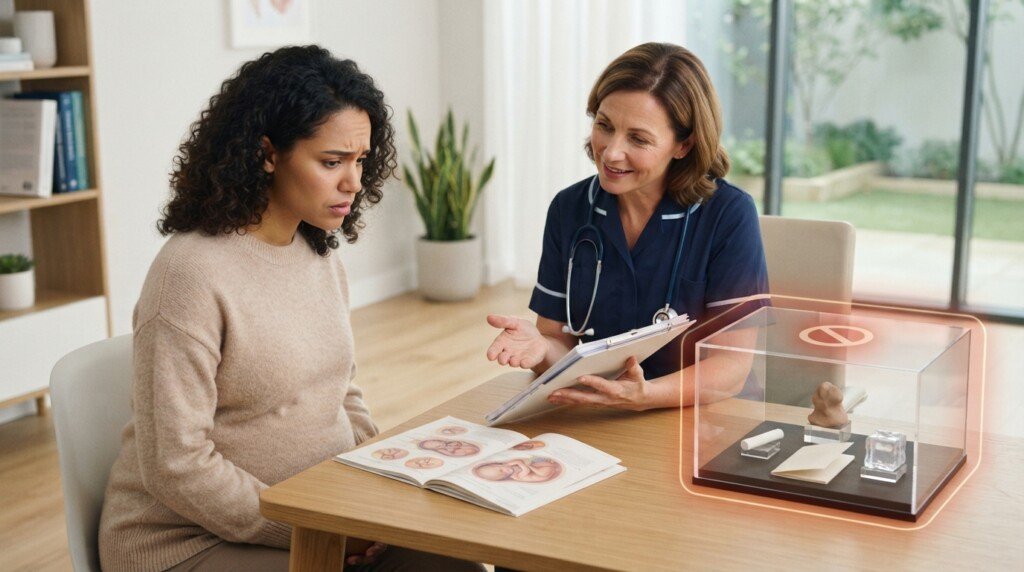
They may indicate a condition known as pica, which requires medical evaluation.
Understanding the difference between common food cravings and non-food cravings helps ensure that potentially important health concerns are recognized early.
What Is Pica and Why Can It Occur During Pregnancy?
Pica is a condition in which someone develops persistent cravings for substances that have little or no nutritional value.
Unlike ordinary pregnancy cravings, these cravings involve items that are not meant to be eaten.
Examples include:
- Ice
- Clay
- Dirt
- Chalk
- Laundry starch
- Soap
- Paper
- Ash
- Sand
While pica is uncommon compared with typical pregnancy food cravings, it is well documented during pregnancy and should always be taken seriously.
Why Does Pica Develop?
Researchers still do not fully understand why pica occurs.
Several theories have been proposed.
Some studies suggest that nutritional deficiencies, particularly iron deficiency, may contribute in certain cases.
Others believe hormonal changes, cultural practices, psychological factors, or altered sensory experiences may also play a role.
Importantly, no single explanation accounts for every case.
For this reason, pica should never be self-diagnosed or treated based on assumptions alone.
Ice Cravings Are Worth Mentioning Separately
Craving ice, known as pagophagia, is one of the more frequently reported forms of pica.
Many people assume chewing ice is harmless because it is simply frozen water.
However, persistent cravings to chew large amounts of ice may sometimes be associated with iron deficiency.
While chewing ice occasionally is not necessarily concerning, repeatedly craving it throughout pregnancy should be discussed with a healthcare professional so that appropriate evaluation can be performed.
Why Non-Food Cravings Should Never Be Ignored
Unlike ordinary food cravings, consuming non-food substances may present risks for both the mother and the developing baby.
Depending on the substance involved, possible concerns include:
- Exposure to harmful chemicals.
- Digestive obstruction.
- Dental damage.
- Infection.
- Reduced intake of nutritious foods.
For these reasons, non-food cravings deserve prompt medical attention rather than home remedies or internet advice.
When Should Pregnancy Cravings Be Discussed With a Doctor?
Most pregnancy food cravings are a normal part of pregnancy.
Wanting fruit, bread, chocolate, dairy products, or salty foods usually does not indicate a problem.
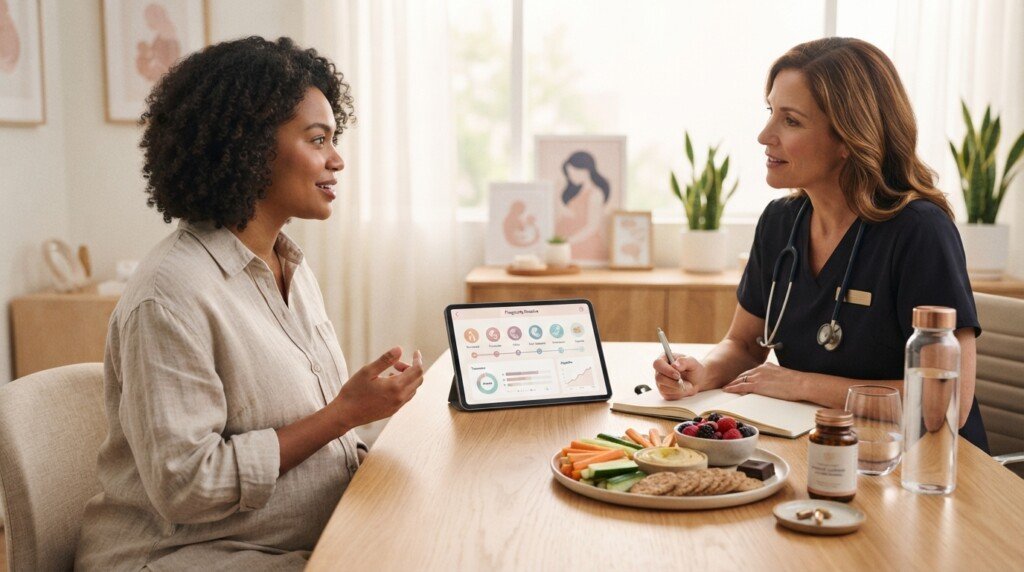
However, there are situations where speaking with your healthcare provider is the safest approach.
If You Crave Non-Food Items
Any persistent desire to eat substances such as:
- Clay
- Dirt
- Chalk
- Paper
- Soap
- Laundry starch
- Ash
should be discussed with your prenatal care provider as soon as possible.
These cravings are not considered typical pregnancy food cravings.
If Cravings Prevent Normal Eating
Sometimes cravings become so strong that they replace balanced meals.
For example, if someone eats very little except one specific food because nothing else seems appealing, nutritional intake may become less balanced over time.
Your healthcare provider can help determine whether additional nutritional support is appropriate.
If Cravings Are Accompanied by Other Concerning Symptoms
Cravings should also be discussed if they occur alongside symptoms such as:
- Extreme fatigue.
- Persistent dizziness.
- Unexplained weakness.
- Significant weight changes.
- Ongoing vomiting.
- Difficulty maintaining adequate nutrition.
These symptoms do not necessarily indicate a serious problem, but they deserve professional evaluation during pregnancy.
Trust Your Instincts
Every pregnancy is unique.
If something about your cravings feels unusual or worrying, there is nothing wrong with asking your healthcare provider for reassurance.
Questions are always appropriate during prenatal care.
Key Takeaways
| Topic | Main Insight |
|---|---|
| Pregnancy food cravings | Most cravings are a normal response to hormonal changes, altered taste, smell, and changing nutritional needs during pregnancy. |
| Sweet and salty foods | Chocolate, fruit, dairy products, carbohydrates, and salty snacks are among the most commonly reported pregnancy cravings. |
| Nutrient deficiency myth | Cravings do not reliably identify specific nutrient deficiencies, although good nutrition remains essential during pregnancy. |
| Pica | Persistent cravings for non-food items require medical evaluation because they may indicate pica or another underlying condition. |
| Healthy approach | Flexible, balanced eating is generally more helpful than guilt or strict restriction during pregnancy. |
Frequently Asked Questions
1. What are the most common pregnancy cravings?
Common pregnancy cravings include chocolate, fruit, dairy products, bread, pasta, potatoes, salty snacks, citrus fruits, and ice cream. Individual preferences vary considerably.
2. Do pregnancy cravings mean a nutrient deficiency?
Not necessarily. Although pregnancy increases nutritional needs, research has not consistently shown that specific food cravings reliably indicate a particular nutrient deficiency.
3. Is it normal to crave non-food items when pregnant?
No. Persistent cravings for substances such as clay, dirt, chalk, paper, or soap may indicate pica and should always be discussed with a healthcare professional.
4. When do pregnancy cravings usually begin?
Many women notice cravings during the first trimester, although they can develop at any stage of pregnancy and vary between pregnancies.
5. Should I ignore my pregnancy cravings?
Most ordinary food cravings can fit within a balanced eating pattern. However, cravings that involve non-food items or interfere with normal nutrition should be evaluated by your healthcare provider.
Conclusion
Experiencing pregnancy food cravings is one of the many ways pregnancy can change your relationship with food. Hormonal shifts, heightened taste and smell, emotional changes, and the body’s increasing nutritional demands all contribute to why certain foods suddenly become far more appealing. While these cravings may seem unpredictable, they are usually a normal part of a healthy pregnancy rather than a sign that something is wrong.
The most helpful approach is not to fear cravings or assume every one has a hidden meaning. Instead, focus on maintaining a balanced eating pattern that leaves room for flexibility while supporting both your health and your baby’s development. If cravings involve non-food substances or become unusually intense, discussing them with your healthcare provider is the safest course of action. Understanding what is normal and knowing when to seek advice allows you to approach pregnancy food cravings with confidence instead of confusion.
Disclaimer:
This post may contain affiliate links. If you purchase through them, we may earn a small commission at no extra cost to you. Also, this content is for informational purposes only and does not substitute professional medical advice.
Fuel Your Body Right
Use our free Nutrition Toolkit to find your protein target, fasting window, and net carbs in minutes.
Open Free Tools →