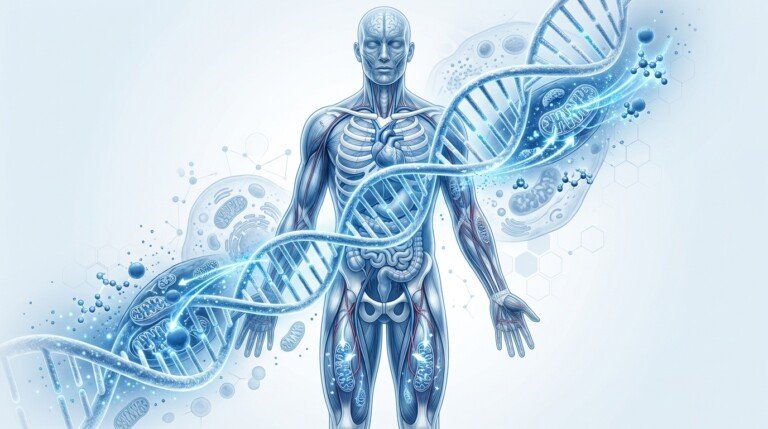
Can You Inherit Your Metabolism? How Genetics Influence Metabolic Rate

Have you ever looked around your family and noticed that everyone seems to share similar body types? Perhaps one sibling stays naturally lean despite eating large meals, while another gains weight more easily even with similar habits. These observations often lead to an important question: how much of our metabolism is inherited?

The relationship between Genetics and Metabolism has fascinated scientists for decades. Researchers now know that your genes influence many aspects of how your body uses energy, including appetite, body composition, fat storage, and calorie expenditure. However, genetics are only one piece of the puzzle. Your daily habits, environment, physical activity, sleep, and nutrition all interact with your genetic blueprint throughout your life.

This means you are not simply born with a fixed metabolism that can never change. Instead, your genes create a starting point, while your lifestyle helps shape how those genes are expressed over time.

In this article, you’ll learn what science says about inherited metabolism, which genes influence metabolic rate, why families often share similar metabolic traits, and why genetics should never be viewed as destiny.

Quick Answer

Genetics and Metabolism are closely connected because inherited genes influence appetite, body composition, energy expenditure, and fat storage. However, genes do not completely determine your metabolism. Lifestyle, environment, muscle mass, physical activity, and other factors interact with your genetic makeup, meaning healthy habits remain important regardless of what you inherit.


Is Genetics and Metabolism Really Connected?

The simple answer is yes.

Your metabolism is influenced by your genes, but genetics do not work alone.

Think of your DNA as an instruction manual rather than a final outcome. It provides directions, but many outside influences affect how those instructions are carried out.

Your Genes Help Shape Metabolic Function

Genes contribute to many biological processes involved in metabolism, including:

  • Appetite regulation
  • Hormone signaling
  • Body composition
  • Energy expenditure
  • Fat storage
  • Muscle development

Every person inherits a unique combination of these traits.

Genes Create Tendencies, Not Guarantees

Having genes associated with slower calorie burning does not mean weight gain is unavoidable.

Likewise, inheriting traits linked with faster metabolism does not guarantee lifelong leanness.

Genes influence probability rather than certainty.

Lifestyle Continues to Shape Metabolism

Everyday behaviors influence metabolic health throughout life.

Examples include:

  • Physical activity
  • Nutrition
  • Sleep quality
  • Stress management
  • Muscle maintenance

These factors continuously interact with inherited biology.

Readers looking for a broader explanation of energy use may also find the Metabolism pillar article helpful before exploring genetics in greater depth.


Which Genes Influence Metabolism?

Scientists have identified numerous genes involved in metabolism.

Rather than controlling one single process, these genes influence different aspects of how the body regulates energy.

Genes Related to Appetite

Some inherited traits influence how hungry you feel and how easily you become full.

Appetite regulation affects calorie intake just as much as calorie burning influences energy expenditure.

Genes Affecting Body Composition

Certain genes influence how much lean muscle and body fat people naturally tend to carry.

Because muscle requires more energy than fat tissue, body composition affects daily calorie needs.

Genes Involved in Energy Regulation

Researchers continue identifying genes associated with:

  • Energy production
  • Fat storage
  • Heat production
  • Nutrient use
  • Hormone activity

These genes interact with one another rather than acting independently.

Hundreds of Genes Contribute

There is no single “metabolism gene.”

Instead, metabolism reflects the combined influence of hundreds of genes working together alongside environmental factors.

Scientists continue discovering new relationships through ongoing genetic research.


Can You Inherit a Slow Metabolism?

Many people worry they inherited a slow metabolism from their parents.

Current research suggests the answer is partly yes, but only to a certain extent.

Families Often Share Metabolic Traits

Some families naturally have similar:

  • Body composition
  • Appetite patterns
  • Fat storage tendencies
  • Energy expenditure

These similarities result from both shared genes and shared lifestyles.

Genetics Explain Only Part of the Picture

Even identical twins can develop different body weights and metabolic health over time depending on:

  • Physical activity
  • Food choices
  • Sleep habits
  • Stress levels
  • Daily routines

This demonstrates that inherited biology is not the only influence.

Slow Metabolism Is Often Overestimated

Many people believe they inherited an unusually slow metabolism when other factors better explain weight changes.

Common influences include:

  • Reduced physical activity
  • Muscle loss
  • Aging
  • Long-term calorie intake
  • Lifestyle habits

Additional discussion appears in What Causes Slow Metabolism, where these influences are explained individually.

Avoid Self-Blame

Believing your genes permanently control your metabolism can discourage healthy behavior.

Scientific evidence suggests lifestyle still plays a powerful role regardless of inherited tendencies.


Do Families Naturally Have Similar Metabolisms?

Many families notice similar body types across generations.

This observation is real, but genetics are only part of the explanation.

Families Share More Than DNA

Parents influence children through:

  • Eating habits
  • Physical activity
  • Sleep routines
  • Food availability
  • Daily lifestyle patterns

These environmental influences begin early in life.

Children Learn Behaviors

Young children often adopt habits they observe.

Examples include:

  • Portion sizes
  • Meal timing
  • Activity levels
  • Snack choices

These learned behaviors continue influencing metabolism throughout adulthood.

Shared Environments Reinforce Genetic Tendencies

Genes and environment often work together.

Someone genetically inclined toward easier weight gain may remain healthy with supportive lifestyle habits, while unhealthy environments may strengthen inherited tendencies.

Similar Does Not Mean Identical

Even siblings raised in the same home often develop different:

  • Activity preferences
  • Muscle mass
  • Food choices
  • Body composition

Small lifestyle differences accumulate over many years.

Future articles discussing Metabolism vs Metabolic Rate will further explain why daily energy expenditure varies even among family members.


Can Lifestyle Overcome Genetic Metabolism?

This is perhaps the most encouraging question in metabolism research.

Many people worry that if they inherited genes associated with slower metabolism or easier weight gain, there is little they can do to change their future. Fortunately, decades of research suggest otherwise.

While genes influence metabolism, lifestyle continues shaping how those genes are expressed throughout life.

Genes Load the Gun, Lifestyle Pulls the Trigger

Researchers often use this analogy because it captures the relationship between genetics and environment.

Your DNA provides a biological foundation.

Your daily habits influence how much that foundation affects your health.

This is one reason two people with similar genetic backgrounds can experience very different long-term outcomes.

Epigenetics Shows That Genes Are Not Fixed

One of the most exciting areas of modern research is epigenetics.

Epigenetics refers to biological processes that influence how genes are switched on or off without changing the DNA itself.

Scientists continue studying how factors such as:

  • Physical activity
  • Nutrition
  • Sleep
  • Stress
  • Environmental exposures

may affect gene expression throughout life.

Although research is ongoing, epigenetics reinforces an important message.

Inherited genes are not always permanent instructions.

Healthy Habits Influence Metabolic Health

Regardless of genetic background, healthy lifestyle habits continue supporting metabolism by helping maintain:

  • Lean muscle mass
  • Healthy body composition
  • Daily movement
  • Stable energy balance

These factors often have a greater practical impact than small inherited differences in metabolic rate.

Small Changes Add Up

Metabolic health develops over years rather than days.

Small habits repeated consistently often produce larger long-term improvements than dramatic short-term changes.

Readers interested in building sustainable routines may also benefit from Sustainable Weight Loss, which emphasizes gradual lifestyle improvements instead of quick fixes.


How Much of Metabolism Is Actually Genetic?

Scientists have studied metabolism for decades, yet there is no single percentage that applies to everyone.

Current evidence suggests genetics contribute meaningfully, but they never tell the whole story.

Genetics Influence Potential

Inherited traits may affect:

  • Appetite
  • Fat storage
  • Muscle distribution
  • Resting energy expenditure
  • Hormone signaling

These traits influence how your body naturally responds to food and activity.

Environment Continues Shaping Outcomes

Your daily environment includes:

  • Work habits
  • Physical activity
  • Food availability
  • Sleep quality
  • Stress levels

These factors constantly interact with inherited biology.

Research Shows Individual Variation

Some people inherit stronger genetic tendencies toward obesity or leanness than others.

However, even individuals carrying similar genes often experience very different outcomes depending on lifestyle.

Scientists Continue Learning

Advances in genetics continue expanding our understanding of metabolism.

Rather than searching for one “metabolism gene,” researchers now recognize that hundreds of genes interact together while responding to environmental influences.


Should Genetics Determine Your Weight Loss Strategy?

Many people believe genetic testing can tell them exactly how they should lose weight.

Current evidence suggests a more balanced approach.

Genetics Provide Information, Not Instructions

Understanding inherited traits may help explain why different people respond differently to similar habits.

However, genes rarely provide a complete roadmap for weight management.

Avoid Using Genetics as an Excuse

Believing your DNA completely determines your future can reduce motivation.

While genetics influence metabolism, they do not eliminate the benefits of healthy behaviors.

Personalized Health Continues to Evolve

Researchers hope future advances will allow increasingly personalized recommendations based on genetics.

For now, healthy lifestyle principles remain remarkably consistent across different genetic backgrounds.

Focus on What You Can Control

Rather than worrying about inherited biology, prioritize factors you can influence every day:

  • Physical activity
  • Balanced nutrition
  • Stress management
  • Healthy sleep
  • Muscle maintenance

These behaviors continue supporting metabolic health regardless of genetic background.


Nature vs Nurture: What Shapes Your Metabolism Most?

The best way to understand metabolism is to recognize that nature and nurture work together.

Genetics (Nature)Lifestyle (Nurture)
Influences appetiteInfluences food choices
Affects body compositionInfluences physical activity
Contributes to calorie expenditureSupports muscle maintenance
Helps regulate hormonesInfluences sleep quality
Creates inherited tendenciesShapes long-term metabolic health

Neither side acts alone.

Healthy metabolism results from continuous interaction between inherited biology and daily habits.


Frequently Asked Questions

1. Is metabolism inherited from your mother or father?

Metabolism is influenced by genes inherited from both parents. There is no evidence that it comes exclusively from one side of the family.

2. Can genetics stop weight loss?

No. Genetics may influence how easily someone loses weight, but they do not prevent healthy weight loss altogether.

3. Can exercise overcome genetics?

Exercise cannot change your DNA, but it can improve metabolic health, body composition, and overall energy expenditure regardless of inherited traits.

4. Which genes affect metabolism?

Researchers have identified hundreds of genes involved in appetite regulation, energy expenditure, body composition, hormone activity, and fat storage.

5. Can you inherit a fast metabolism?

Yes. Some inherited traits contribute to relatively higher energy expenditure, although lifestyle still plays a major role.

6. Do identical twins always have the same metabolism?

No. Even identical twins often develop different metabolic health because lifestyle and environmental factors influence gene expression.

7. What is epigenetics?

Epigenetics studies how environmental and lifestyle factors influence the way genes are expressed without changing the DNA itself.

8. Are family eating habits as important as genetics?

Often yes. Families share both inherited genes and learned behaviors, making it difficult to separate one influence from the other.

9. Should I get genetic testing to understand my metabolism?

For most healthy people, genetic testing is not necessary. Healthy lifestyle habits remain the foundation of metabolic health regardless of genetic background.

10. What matters most for long-term metabolic health?

Consistent nutrition, regular movement, maintaining lean muscle, healthy sleep, and sustainable lifestyle habits generally have a greater practical impact than inherited genetic differences.


Final Thoughts

The relationship between Genetics and Metabolism is far more complex than many people realize. Your genes influence how your body regulates appetite, stores fat, builds muscle, and uses energy, but they do not completely determine your future. Instead, they provide a biological starting point that interacts continuously with your environment, lifestyle, and daily habits. Modern research, particularly in the field of epigenetics, continues to demonstrate that inherited tendencies are not fixed outcomes.

Perhaps the most empowering message is that healthy choices still matter regardless of your genetic background. While you cannot change the DNA you inherited, you can influence many of the factors that support long-term metabolic health. Regular physical activity, maintaining lean muscle, balanced nutrition, stress management, and consistent daily routines all work alongside your genetic blueprint rather than against it. As this metabolism series continues, topics such as Thyroid and Metabolism, Muscle and Metabolism, and Metabolism vs Metabolic Rate will explore additional biological factors that help explain why every person’s metabolism is unique.


Disclaimer:

This post may contain affiliate links. If you purchase through them, we may earn a small commission at no extra cost to you. Also, this content is for informational purposes only and does not substitute professional medical advice.

Exit mobile version