Why Are Restaurant Portions So Much Bigger Than Recommended?
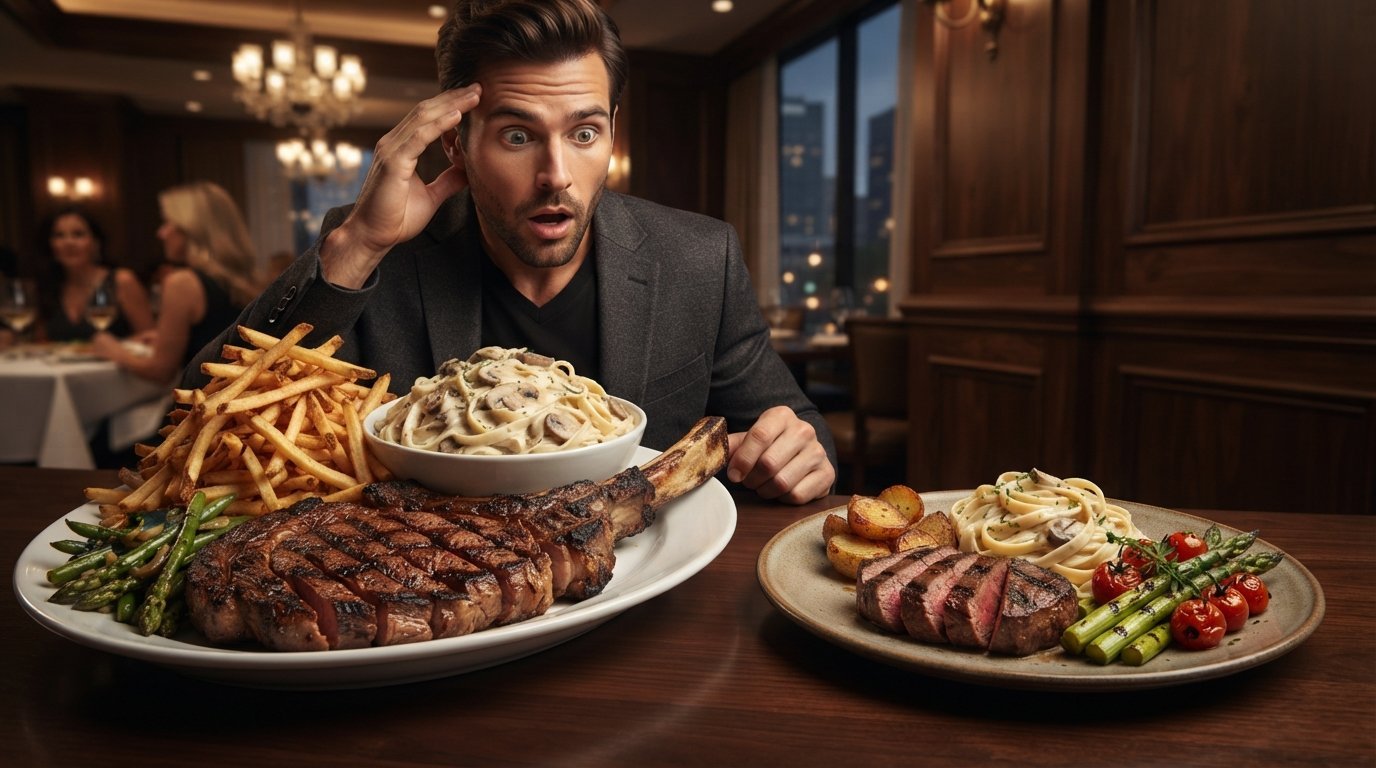
Have you ever ordered a pasta dish at a restaurant and wondered how anyone could possibly finish it in one sitting? Or watched a server place a burger and fries on the table that looked large enough for two people? If so, you’re not imagining things. Modern restaurant meals are often far larger than the serving sizes recommended by nutrition experts, and this trend has become so common that many people now see oversized portions as completely normal.
Understanding why are restaurant portions so big is about much more than food alone. It is a story of business strategy, customer psychology, cultural expectations, and changing eating habits. Restaurants discovered decades ago that increasing portion sizes could make meals feel like a better value while costing surprisingly little compared to other business expenses. Customers responded positively, competitors followed, and over time these larger portions became the new normal.
The challenge is that our bodies have not changed at the same pace as restaurant menus. While serving sizes have expanded dramatically, our nutritional needs remain largely the same. Many diners unknowingly consume far more food than intended simply because the amount placed in front of them subtly influences how much they eat.
Fortunately, enjoying restaurant meals does not require avoiding your favorite places or giving up dining out altogether. By understanding why portions have become so large and how they influence eating behavior, you can make practical decisions that let you enjoy restaurants without feeling deprived or guilty afterward.
This guide explores the history, psychology, economics, and health effects behind oversized restaurant meals while offering realistic strategies that fit naturally into everyday dining.
Quick Answer
The reason why are restaurant portions so big comes down to a combination of economics and psychology. Larger meals create a stronger sense of value for customers while adding relatively little to restaurant costs. Over time, diners began expecting bigger portions, encouraging restaurants to serve increasingly larger meals to remain competitive. Unfortunately, these oversized portions also encourage people to eat more than they actually need because the amount served strongly influences how much is consumed.
Why Do Restaurants Serve Larger Portions Than Recommended?
If restaurants know that nutrition experts recommend smaller serving sizes, why do they continue offering meals that often contain two or even three standard servings?
The answer is surprisingly simple.
Restaurants exist to satisfy customers while operating profitable businesses. Food is only one part of the dining experience. Guests also evaluate value, satisfaction, presentation, generosity, and whether they feel they received enough for the price they paid.
For decades, larger portions became one of the easiest ways to increase customer satisfaction without dramatically increasing operating costs.
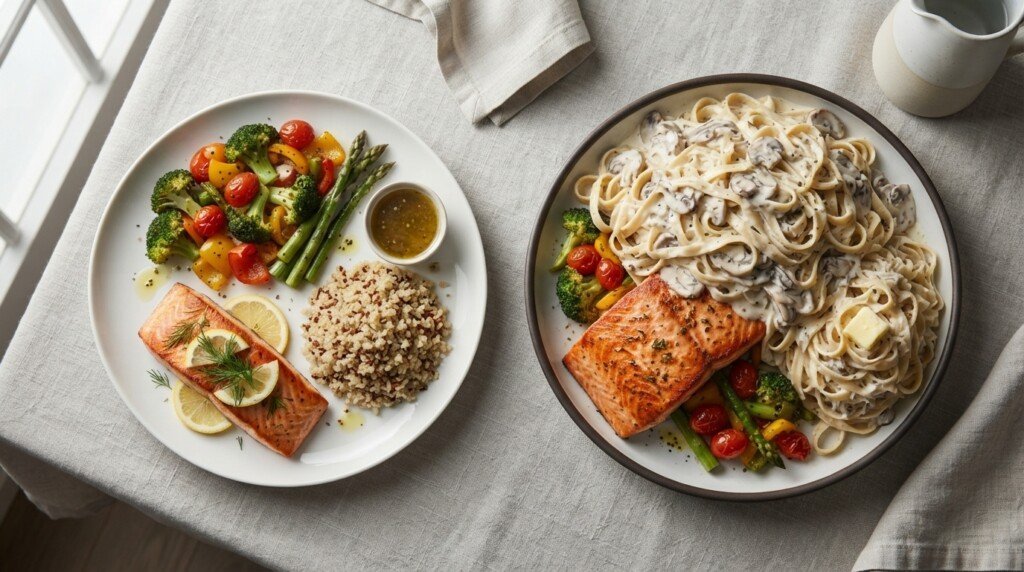
Adding another scoop of rice or an extra handful of fries costs far less than renovating a dining room or hiring additional staff. Yet to many customers, the larger plate immediately feels like a better purchase.
This created an industry-wide cycle.
One restaurant increased portions.
Nearby competitors responded.
Customer expectations gradually shifted.
What once seemed oversized eventually became normal.
Today, many restaurant meals exceed recommended serving sizes not because customers specifically request more calories, but because larger plates have become closely associated with generosity, hospitality, and perceived value.
Understanding this shift helps explain why restaurant meals often look very different from balanced portions prepared at home.
What Are the Economic Incentives Behind Oversized Restaurant Portions?
From a business perspective, increasing portion size is often surprisingly affordable.
Many menu items have relatively low ingredient costs compared with labor, rent, utilities, equipment, and staffing.
Adding another serving of pasta may cost only a small amount.
Providing extra rice, potatoes, or bread costs even less.
However, those additional ingredients dramatically increase the customer’s perception of receiving a generous meal.
This creates excellent value from the restaurant’s perspective.
Instead of lowering menu prices, businesses often increase perceived value by enlarging portions.
Customers frequently compare restaurants based on how much food they receive for the price rather than examining ingredient quality or nutritional balance.
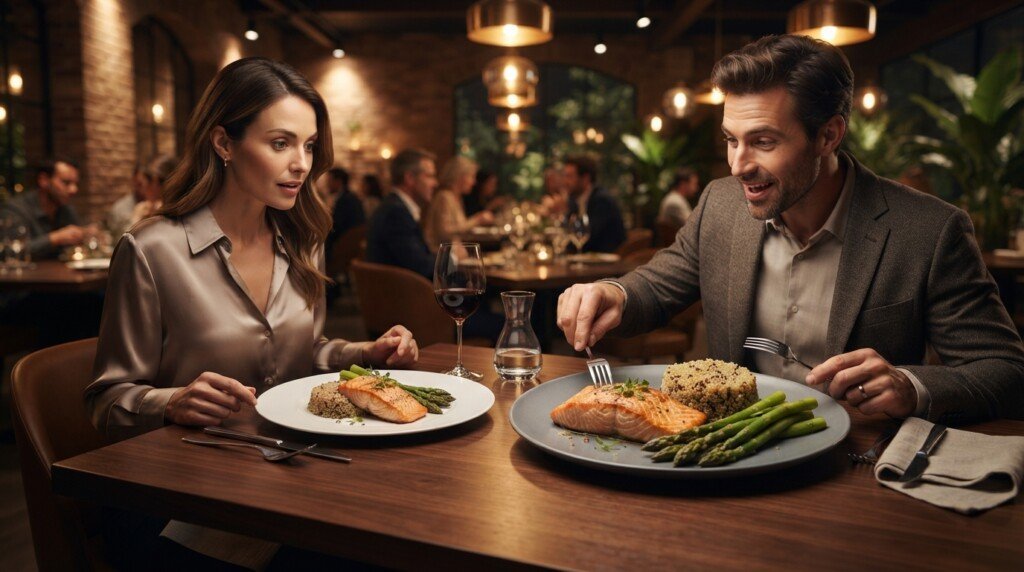
This strategy becomes especially powerful for carbohydrate-rich side dishes.
French fries.
Rice.
Pasta.
Bread.
These foods generally cost restaurants relatively little while making meals appear much larger.
Another important consideration is repeat business.
Satisfied customers often return because they remember leaving full rather than because they carefully analyzed portion sizes.
Generous portions create memorable experiences that many diners associate with hospitality and good value.
This economic reality explains why portion sizes continued expanding throughout the past several decades despite growing public awareness of nutrition.
Restaurants simply responded to market demand in ways that also supported profitability.
What Customer Expectations Drive Restaurants to Serve More Food?
Businesses rarely operate independently from customer preferences.
Restaurant portion sizes grew larger because customers gradually began expecting them.
Imagine paying the same price for two similar meals.
One restaurant serves a modest plate that matches recommended serving sizes.
Another presents an overflowing dish that immediately fills the table.
Many people instinctively feel they receive better value from the second option, even before tasting the food.
This expectation influences purchasing decisions.
Restaurants understand that customers frequently compare visible abundance rather than nutritional appropriateness.
As a result, generous portions become part of competitive marketing rather than purely nutritional planning.
Takeaway culture has also influenced expectations.
Many diners intentionally choose meals large enough to create leftovers for the following day.
Restaurants recognize this behavior and often advertise portion sizes capable of producing multiple meals.
Family dining traditions contribute as well.
Celebratory meals commonly involve abundance.
Large platters symbolize generosity.
Sharing oversized dishes becomes part of social experiences.
Over time, these positive associations reinforce expectations that restaurant meals should feel noticeably larger than home-cooked dinners.
The result is a dining culture where recommended serving sizes often appear unusually small simply because our expectations have shifted over many years.
What Are the Psychological Reasons We Eat More When Served More?
One of the most fascinating aspects of restaurant dining is that portion size influences behavior even when we believe it does not.
Most people assume they stop eating when they feel comfortably full.
Research consistently suggests the situation is more complicated.
Humans naturally use visual information alongside internal hunger cues.
When a plate arrives overflowing with food, our brains quietly interpret that amount as an appropriate serving.
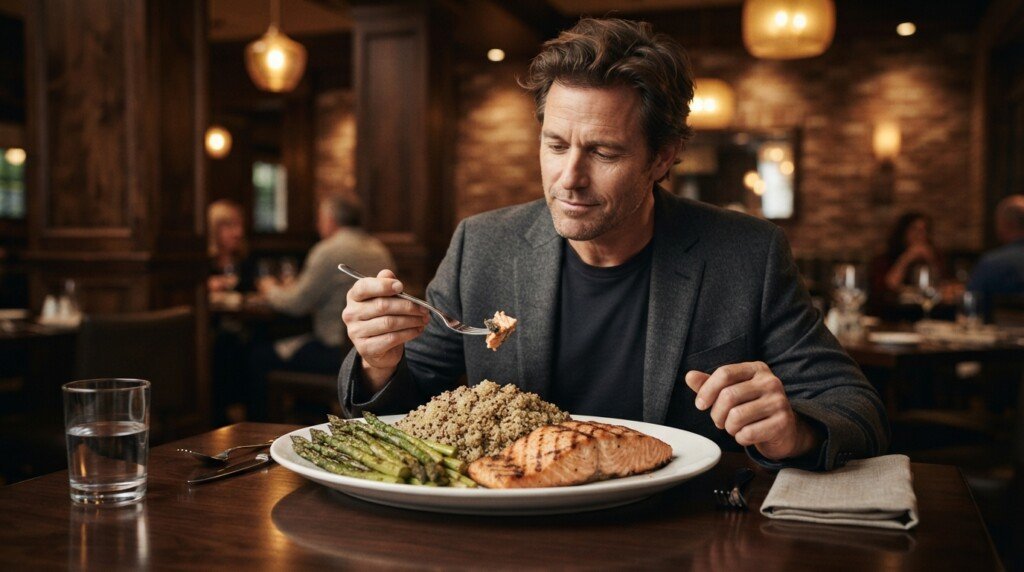
This phenomenon occurs automatically.
People often eat substantially more simply because more food has been placed within easy reach.
Few diners consciously decide to overeat.
Instead, they gradually continue eating because the meal still appears unfinished.
Restaurants unintentionally encourage this process through large plates, generous bowls, complimentary bread, unlimited refills, and side dishes that accompany main courses.
Each element makes larger meals appear ordinary.
Psychology also affects meal completion.
Many people dislike leaving food behind.
Others feel guilty wasting meals they paid for.
Some continue eating simply because everyone else at the table is still eating.
Together, these subtle influences explain why oversized restaurant portions often lead to larger meals without people consciously planning to consume extra food.
How Does “Value Perception” Make Bigger Portions Feel Like a Better Deal?
People rarely judge value using mathematics alone.
Instead, we rely heavily on visual impressions.
A larger meal immediately appears more generous.
Even if we know we cannot comfortably finish it, the abundance itself often creates satisfaction before the first bite.
Restaurants understand this principle remarkably well.
Imagine two plates costing exactly the same amount.
The larger portion almost always appears to provide better value despite containing inexpensive additional ingredients.
This psychological shortcut is known as value perception.
We naturally associate quantity with generosity.
As a result, customers frequently prefer larger portions even when they would have been equally satisfied with less food.
Special promotions reinforce this perception.
“Upgrade for only one dollar.”
“Supersize your meal.”
“Family value platter.”
These offers emphasize getting more rather than considering whether more is actually needed.
Interestingly, many diners happily divide restaurant leftovers into another meal later.
In these situations, the larger portion genuinely provides greater value because it becomes two meals instead of one.
The challenge arises when the entire oversized portion is eaten during a single sitting simply because it was served that way.
What Role Do Social Proof and Cultural Norms Play in Expecting Large Portions?
Food is deeply connected with culture.
What seems like a normal serving in one country may appear enormous or surprisingly small somewhere else.
Within many modern dining cultures, especially casual restaurants, generous portions have gradually become symbols of hospitality and customer satisfaction.
When friends receive large meals, we begin viewing those portions as normal.
When restaurants advertise enormous burgers or oversized desserts, abundance becomes part of the dining experience itself.
This is social proof in action.
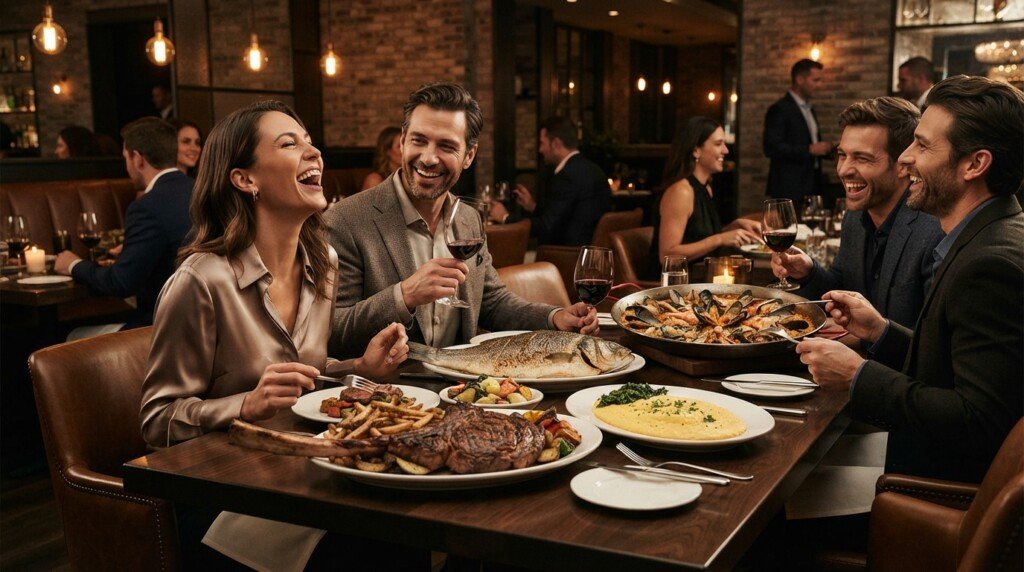
People naturally look toward others when deciding what feels appropriate.
If everyone around the table receives oversized meals, smaller portions may appear disappointing even when they adequately meet nutritional needs.
Family habits also shape expectations.
Children raised around large restaurant servings often grow into adults who view those portions as standard.
Without realizing it, restaurant meals become the mental reference against which home meals are compared.
Over time, these cultural influences quietly redefine what people believe a “normal” dinner should look like.
What Are the Health Effects of Consistently Eating Large Restaurant Portions?
Occasionally enjoying a generous restaurant meal is unlikely to have a meaningful impact on your long-term health. Food is meant to be enjoyed, celebrations are part of life, and sharing memorable meals with family or friends should never become a source of unnecessary worry.
The concern begins when oversized restaurant portions quietly become your everyday reference for what a normal meal should look like.
Our bodies are remarkably good at regulating hunger, but they also respond to environmental cues. When large portions become routine, our internal sense of an appropriate meal gradually adapts. What once felt like an exceptionally large dinner eventually feels completely ordinary, even though nutritional needs have not changed.
Restaurant meals also tend to combine several characteristics that naturally encourage higher food intake. Portions are larger, foods are often more energy dense, appetizers and desserts are readily available, and meals are designed to maximize enjoyment through rich flavors and textures. None of these factors are inherently negative, but together they make it much easier to consume more than intended before fullness has a chance to register.
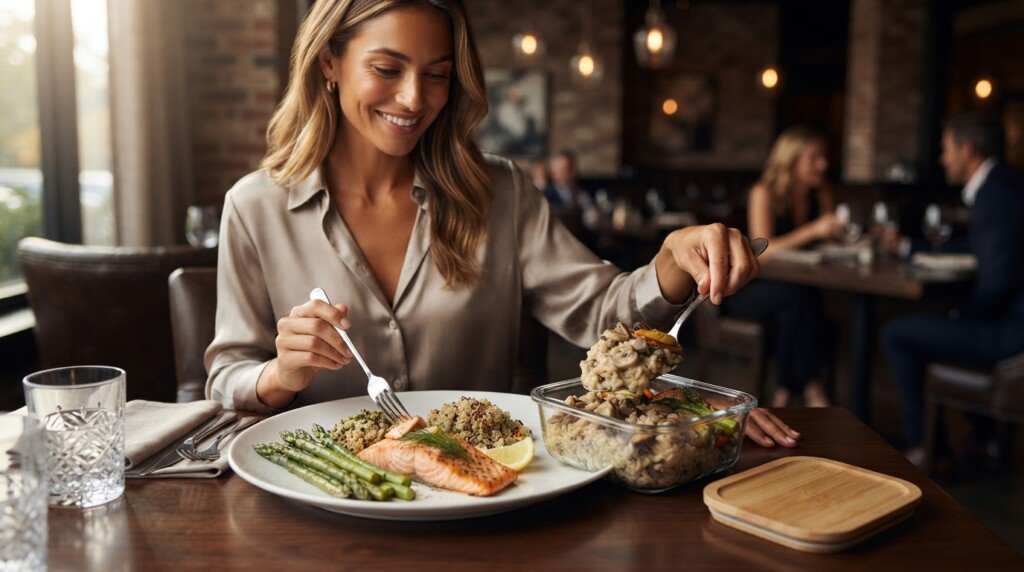
There is also the cumulative effect to consider. Eating one oversized meal rarely causes noticeable changes. Repeating that pattern several times each week over months or years can gradually influence body weight, digestive comfort, and overall eating habits without any single meal seeming excessive on its own.
Understanding these effects is not about avoiding restaurants. It is about recognizing how portion size influences eating behavior so you can enjoy dining out while remaining comfortable afterward.
How Do Larger Portions Contribute to Weight Gain Over Time?
Weight gain rarely happens because of one memorable restaurant dinner. It usually develops through many small differences that accumulate over time.
Imagine consistently eating just a few hundred extra calories during restaurant meals without realizing it. Because restaurant portions often exceed recommended serving sizes by one or two additional servings, those extra calories can become part of your regular routine without feeling like overeating.
An interesting aspect of human eating behavior is that we often use external cues to decide when a meal is finished. When the plate becomes empty, many people naturally assume the meal is complete, regardless of whether the original portion matched their nutritional needs.
This is sometimes called the “portion size effect.” Research has consistently shown that when people are served larger portions, they generally eat more, often without reporting greater hunger beforehand. Simply increasing the amount of food available encourages greater intake.
Restaurant meals also tend to contain generous amounts of oils, sauces, cheese, butter, and refined carbohydrates. These ingredients improve flavor and customer satisfaction while increasing the meal’s overall energy density. Combined with larger serving sizes, they make it easier to consume substantial amounts of energy before feeling physically full.
Another important factor is compensation.
Many people assume they will naturally eat less at their next meal after a large restaurant dinner. While this sometimes happens, compensation is often incomplete. Instead of reducing intake enough to offset the oversized meal, people may only eat slightly less later, allowing extra calories to accumulate gradually.
None of this means restaurant food automatically causes weight gain.
Frequency matters.
Overall eating patterns matter.
Physical activity matters.
However, consistently treating oversized restaurant portions as standard meals can slowly influence body weight simply because the body adapts to larger amounts of food becoming normal.
How Do Oversized Meals Impact Digestion?
Beyond calorie intake, portion size also influences how comfortably your digestive system handles a meal.
After eating, the stomach expands to accommodate food before gradually releasing it into the small intestine for digestion. Larger meals naturally require more time to process than moderate portions.
For some people, this prolonged digestion contributes to feelings of heaviness, sluggishness, or excessive fullness after eating.
Large meals may also increase the likelihood of indigestion, particularly if they are consumed quickly or followed immediately by lying down. People prone to acid reflux sometimes notice symptoms becoming more noticeable after particularly large restaurant meals because greater stomach volume can increase pressure within the digestive system.
Meals high in fat may further slow stomach emptying. This is not inherently harmful, but when combined with very large portions, rich sauces, and desserts, digestion may feel noticeably slower than after a more moderate meal.
Restaurant dining also tends to encourage longer eating occasions. Appetizers, drinks, main courses, and desserts may extend over several hours. While this creates an enjoyable social experience, it can also make it difficult to recognize fullness until well after enough food has already been consumed.
Paying attention to comfortable fullness rather than finishing every item on the plate often leads to a much more pleasant dining experience without reducing enjoyment of the meal itself.
Practical Ways to Enjoy Restaurants Without Overeating
Understanding why are restaurant portions so big becomes most useful when it helps you enjoy restaurant meals without feeling uncomfortable afterward. The goal is not to avoid dining out or order the smallest item on the menu. Instead, it is to make a few practical adjustments that work naturally within real life.
One of the simplest strategies is to decide before your meal arrives how much you intend to eat. If the serving clearly looks much larger than a standard meal, consider asking for a takeaway container at the beginning of the meal and placing half aside before taking the first bite. This removes the pressure of deciding after you’ve already started eating and leaves you with another meal for later.
Sharing larger entrées can also be surprisingly satisfying. Many restaurant portions comfortably feed two people, especially when paired with a salad or vegetable side. Splitting a meal often provides the same enjoyment while naturally bringing portions closer to recommended amounts.
Slowing your eating pace is another practical approach. Restaurant meals are designed to be enjoyed, and taking time to eat allows fullness signals to develop before the entire plate disappears. Conversations, pauses between bites, and setting utensils down occasionally can all make it easier to recognize when you’ve had enough.
It is also helpful to look at the entire meal rather than focusing only on the main course. Bread baskets, appetizers, specialty drinks, desserts, and side dishes all contribute to the overall meal. Choosing one or two highlights instead of ordering every available course often creates a dining experience that feels equally enjoyable without becoming excessively large.
If estimating restaurant portions feels difficult, learning to visually estimate portion sizes can provide useful reference points when measuring tools are unavailable. Likewise, if you would like additional guidance for everyday eating at home, portion control for weight loss explores broader meal-planning strategies beyond restaurant dining. Some people also find it useful to understand why portion control is hard to stick to, especially when habits, environment, and social situations begin influencing everyday food choices.
The objective is balance, not perfection. Restaurant meals should remain enjoyable experiences rather than occasions for guilt or strict food rules.
Key Takeaways
Understanding why are restaurant portions so big helps explain why dining out often feels different from eating at home. Larger portions are driven by customer expectations, business economics, value perception, and decades of changing dining culture rather than by nutritional recommendations. These influences make oversized meals appear normal even when they contain multiple standard servings.
Fortunately, enjoying restaurants does not require avoiding favorite foods. Practical habits such as sharing meals, boxing half before eating, slowing down, and recognizing visual portion cues allow you to enjoy dining out while staying closer to your own hunger and fullness signals. Small adjustments like these often make restaurant meals more satisfying without taking away the pleasure of eating out.
Frequently Asked Questions
1. Why do restaurants serve such big portions?
Restaurants often serve larger portions because they increase customers’ perception of value while adding relatively little to ingredient costs. Over time, customer expectations and competition have made generous portions a common part of restaurant dining.
2. How can I avoid overeating at restaurants?
Helpful strategies include sharing an entrée, boxing half of the meal before you begin eating, eating slowly, paying attention to fullness, and remembering that many restaurant portions contain more than one standard serving.
3. Do bigger portions actually cause weight gain?
Large portions themselves do not automatically cause weight gain, but consistently eating oversized meals can increase calorie intake over time, making gradual weight gain more likely if energy intake regularly exceeds energy needs.
4. Why do restaurant portions seem normal now?
Because portion sizes have gradually increased over several decades, many people have become accustomed to seeing larger meals. What once seemed oversized now often appears like a standard serving due to changing cultural expectations.
5. Is it okay to take leftovers home?
Absolutely. Taking part of a large meal home is one of the easiest ways to enjoy restaurant food while avoiding unnecessary overeating. Many restaurant portions naturally provide enough food for two meals.
Conclusion
Once you understand why are restaurant portions so big, oversized meals become much easier to recognize for what they are: a product of business strategy, customer expectations, and changing food culture rather than a reflection of how much most people actually need to eat. Restaurants are designed to provide generous experiences, and larger portions have become one of the most visible ways they deliver that sense of value.
The good news is that you do not have to stop enjoying restaurant meals to maintain balanced eating habits. A little awareness, thoughtful pacing, and simple decisions like sharing an entrée or saving part of the meal for later allow you to enjoy dining out without feeling restricted. Over time, these small habits help you appreciate restaurant food for the experience it offers while keeping your own hunger and fullness cues at the center of every meal.
Disclaimer:
This post may contain affiliate links. If you purchase through them, we may earn a small commission at no extra cost to you. Also, this content is for informational purposes only and does not substitute professional medical advice.
Fuel Your Body Right
Use our free Nutrition Toolkit to find your protein target, fasting window, and net carbs in minutes.
Open Free Tools →