What Is the Best Diet for Visceral Fat Loss? A Science-Backed Guide
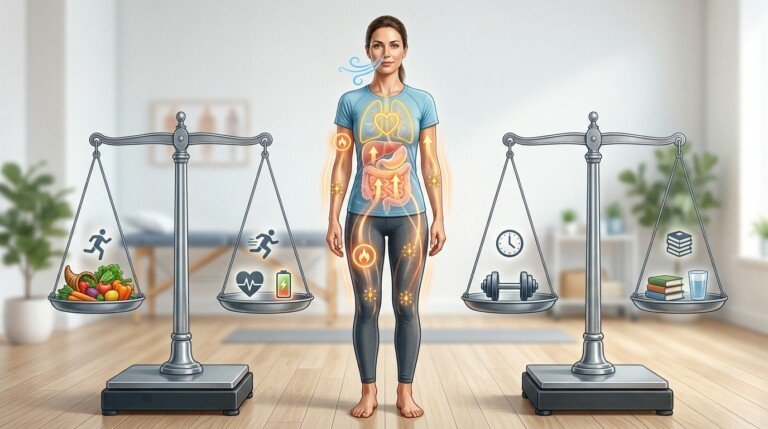
Best Diet for Visceral Fat Loss is one of the most common topics people search for after learning about the health risks of internal belly fat. While there isn’t a single eating plan that magically targets fat around your organs, research consistently shows that certain dietary patterns can help reduce visceral fat while supporting better metabolic health.
Unlike subcutaneous fat, which sits beneath the skin, visceral fat surrounds important organs such as the liver, stomach, pancreas, and intestines. Because of its location, carrying excessive visceral fat has been linked to a higher risk of heart disease, fatty liver disease, metabolic syndrome, and other chronic health conditions. Fortunately, this type of fat often responds well to long-term improvements in nutrition.
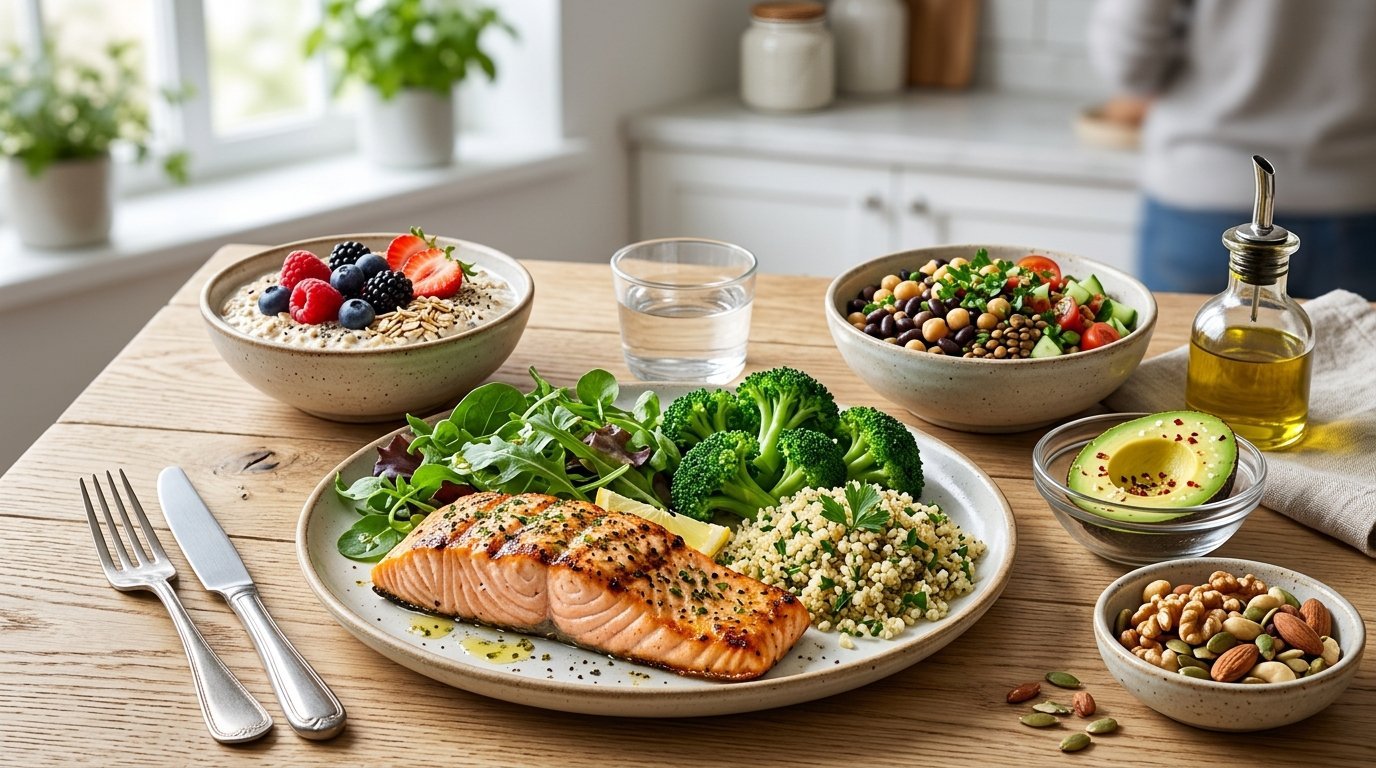
The best approach is not an extreme diet or a short-term detox. Instead, it is an eating pattern built around whole, minimally processed foods that provides enough protein, fiber, healthy fats, and nutrient-rich carbohydrates while helping maintain a sustainable calorie deficit when needed.
Many successful eating plans share these same principles, including the Mediterranean diet and the DASH diet. These approaches focus on food quality, balance, and long-term consistency rather than strict food rules.
In this guide, you’ll learn what the best diet for visceral fat loss looks like, which foods deserve a larger place on your plate, which foods are worth limiting, and how to build an eating pattern you can realistically maintain for years instead of weeks.
What Is the Best Diet for Visceral Fat Loss?
There is no single “perfect” diet that works for everyone.
However, research consistently points toward several eating patterns that support healthier body composition and lower levels of visceral fat.
Rather than focusing on eliminating entire food groups, these diets emphasize:
- Whole foods
- Plenty of vegetables
- Fruits
- Lean protein
- Whole grains
- Legumes
- Healthy fats
- Moderate calorie intake
The most successful diet is usually the one you can follow consistently.
A highly restrictive eating plan may produce short-term results, but if it is difficult to maintain, those results are often temporary.
The best diet for visceral fat loss is one that supports healthy eating habits while fitting your lifestyle, food preferences, and long-term goals.
If you’re new to the topic, our guide on Visceral Fat explains why reducing internal belly fat is important for overall health.
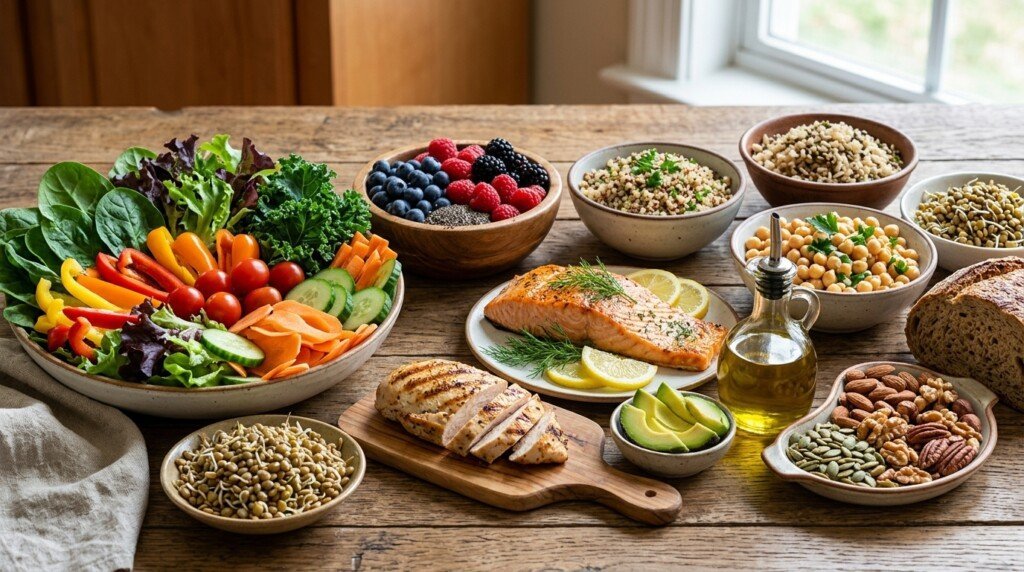
Which Foods Should You Eat More Often?
Choosing nutrient-dense foods is one of the most effective ways to support healthy body composition.
The goal is to build meals that are filling, balanced, and rich in essential nutrients.
Vegetables
Vegetables should make up a large portion of most meals.
Excellent choices include:
- Spinach
- Broccoli
- Kale
- Brussels sprouts
- Bell peppers
- Cauliflower
- Carrots
These foods provide vitamins, minerals, antioxidants, and fiber while remaining relatively low in calories.
Fruits
Whole fruits provide natural sweetness together with fiber and water.
Good choices include:
- Berries
- Apples
- Oranges
- Pears
- Grapefruit
- Kiwi
Whole fruit is generally more satisfying than fruit juice because it contains more fiber.
Lean Protein
Protein supports muscle maintenance while helping you feel full after meals.
Good sources include:
- Chicken breast
- Turkey
- Fish
- Eggs
- Greek yogurt
- Cottage cheese
- Tofu
- Lentils
- Beans
Aim to include a protein source at each meal whenever possible.
Whole Grains
Whole grains provide more fiber than refined grains.
Examples include:
- Oats
- Brown rice
- Quinoa
- Whole wheat bread
- Barley
Replacing refined grains with whole grains often improves overall meal quality.
Healthy Fats
Healthy fats support overall nutrition and improve meal satisfaction.
Nutritious options include:
- Olive oil
- Avocados
- Almonds
- Walnuts
- Seeds
Although healthy fats are calorie-dense, moderate portions fit well within a balanced eating pattern.
For a more detailed list of foods, our guide on Foods That Reduce Visceral Fat explores these choices in greater depth.
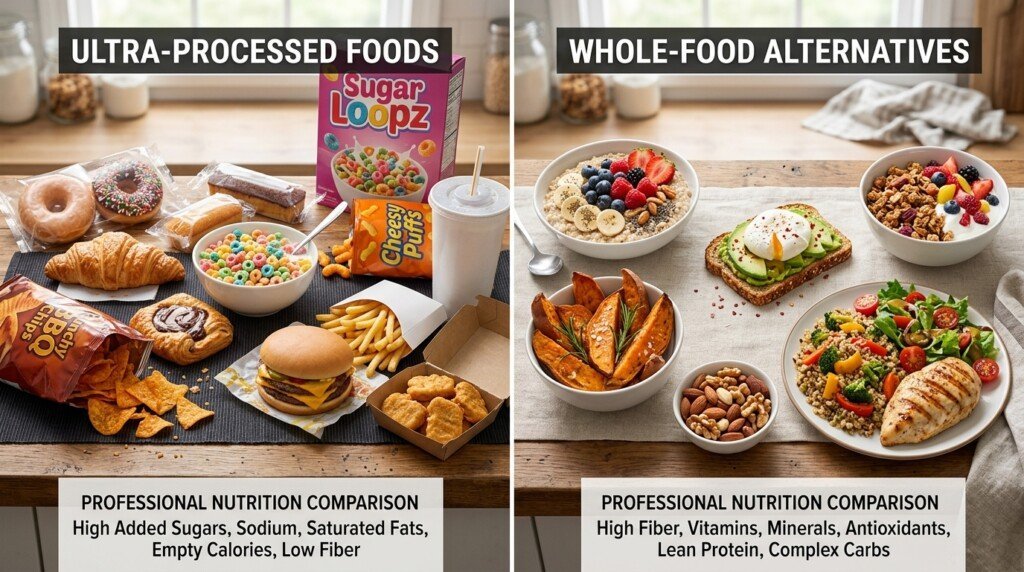
Which Foods Should You Limit?
No food needs to be completely forbidden.
However, certain foods are easier to overeat because they provide large amounts of calories without offering much nutritional value.
Examples include:
- Sugary desserts
- Candy
- Pastries
- Chips
- Refined breads
- Highly processed snack foods
- Sugary breakfast cereals
- Fast food
- Processed meats
Eating these foods occasionally is unlikely to determine your long-term health.
The goal is simply to make them a smaller part of your overall eating pattern.
Replacing highly processed foods with whole-food alternatives naturally improves the quality of your diet without requiring strict rules.
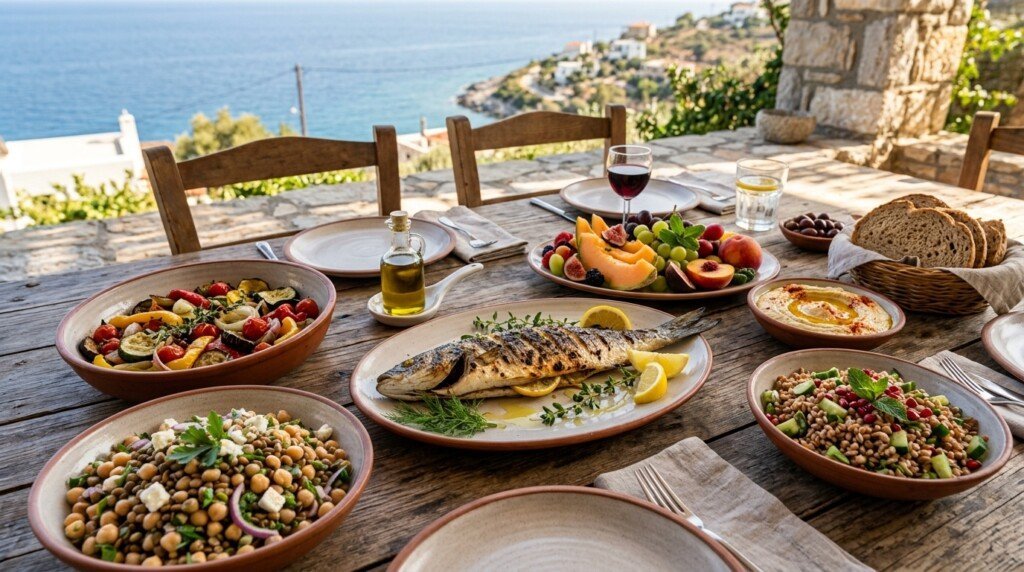
Is the Mediterranean Diet Effective for Visceral Fat?
Among all eating patterns studied by researchers, the Mediterranean diet consistently ranks among the healthiest.
Rather than following rigid meal plans, it encourages a balanced way of eating built around minimally processed foods.
Key features include:
- Vegetables
- Fruits
- Legumes
- Whole grains
- Olive oil
- Nuts
- Fish
- Moderate dairy intake
- Limited processed foods
One reason the Mediterranean diet supports healthier body composition is that it naturally combines many of the foods associated with lower visceral fat levels.
It is rich in fiber, healthy fats, lean protein, and plant-based foods while limiting highly processed products.
Because it is flexible and enjoyable, many people find it easier to maintain than restrictive diets.
Does Protein Help Reduce Visceral Fat?
Protein is one of the most important nutrients for improving body composition.
Although protein does not directly burn visceral fat, it supports several processes that make long-term fat loss more successful.
Protein Helps You Stay Full
Meals that contain adequate protein are generally more satisfying than meals high in refined carbohydrates.
Feeling full for longer may help reduce unnecessary snacking and make it easier to maintain a healthy calorie intake.
Protein Helps Preserve Muscle Mass
When people lose weight, they often lose both fat and muscle.
Eating enough protein while following a healthy eating plan helps preserve lean muscle mass, which is important for maintaining strength, physical function, and overall metabolism.
Protein Improves Meal Quality
Protein-rich foods often replace highly processed foods that provide fewer nutrients.
Good protein choices include:
- Fish
- Chicken
- Turkey
- Eggs
- Greek yogurt
- Cottage cheese
- Tofu
- Lentils
- Beans
Rather than eating most of your protein at dinner, try including a quality protein source at breakfast, lunch, dinner, and snacks.
For breakfast inspiration, explore our guide on Best Breakfast for Weight Loss, which includes balanced, protein-rich meal ideas.
Does Fiber Support Visceral Fat Loss?
Fiber plays an important role in supporting healthy eating habits and overall metabolic health.
Like protein, fiber does not directly remove visceral fat, but it creates conditions that support gradual fat loss over time.
Fiber Helps Control Hunger
Foods rich in fiber digest more slowly than highly processed foods.
This slower digestion helps you stay satisfied for longer after meals, reducing the temptation to snack frequently.
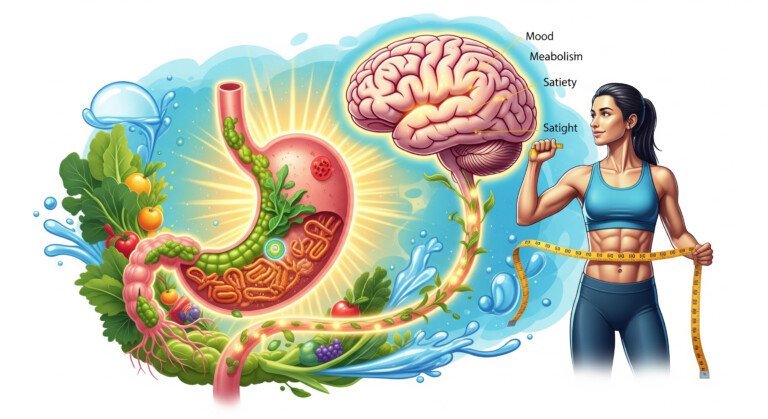
Fiber Supports Gut Health
Fiber feeds beneficial bacteria living in your digestive system.
A healthier gut microbiome supports digestion and contributes to overall metabolic health.
To learn more, our article on Gut Health and Weight Loss explains how digestive health influences long-term wellness.
Fiber Encourages Better Food Choices
Many high-fiber foods are also rich in vitamins, minerals, and antioxidants.
Excellent sources include:
- Oats
- Lentils
- Chickpeas
- Beans
- Apples
- Pears
- Berries
- Broccoli
- Brussels sprouts
- Whole grains
Instead of counting grams of fiber throughout the day, focus on including vegetables, fruits, legumes, and whole grains in most meals.
Can You Lose Visceral Fat Without Following a Strict Diet?
Absolutely.
One of the biggest misconceptions about healthy eating is that success requires eliminating favorite foods or following complicated meal plans.
Research consistently shows that long-term consistency matters much more than perfection.
People who build sustainable eating habits generally experience better long-term results than those who follow highly restrictive diets for short periods.
Instead of asking yourself:
“What foods am I allowed to eat?”
Try asking:
“How can I make this meal a little more nutritious?”
Small improvements repeated consistently often lead to meaningful changes over time.
Examples include:
- Adding vegetables to lunch and dinner
- Choosing whole grains more often
- Including lean protein at every meal
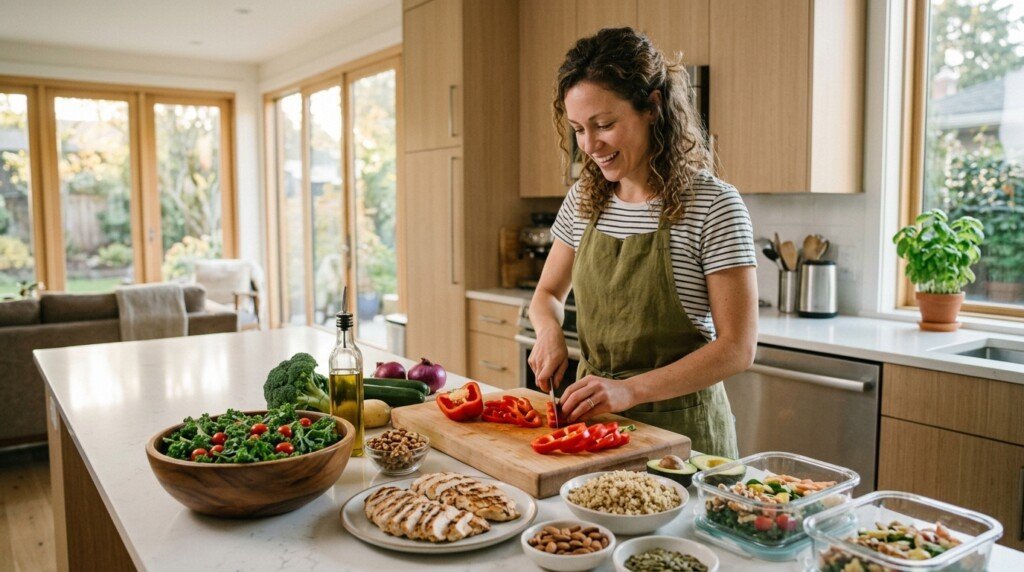
- Preparing more meals at home
- Eating slowly and mindfully
- Planning meals ahead of time
These habits are easier to maintain than extreme diets and support gradual improvements in body composition.
Healthy snacks can also help maintain energy between meals.
If you need ideas, our guide on Healthy Snacks for Weight Loss offers balanced snack options that fit a sustainable eating pattern.
The goal isn’t to follow a perfect diet.
The goal is to create eating habits you can continue for years.
Our article on Sustainable Weight Loss explains why this long-term mindset produces better lasting results than temporary diets.
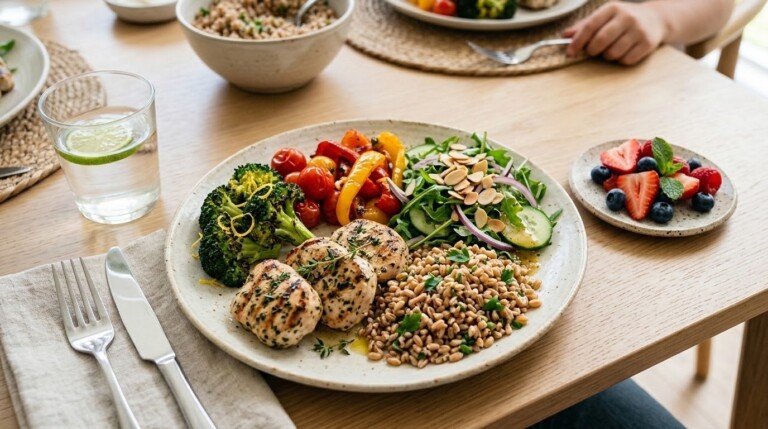
What Does a One-Day Visceral Fat Meal Plan Look Like?
A balanced day of eating doesn’t need to be complicated.
The following example demonstrates how the principles discussed throughout this guide can fit into everyday meals.
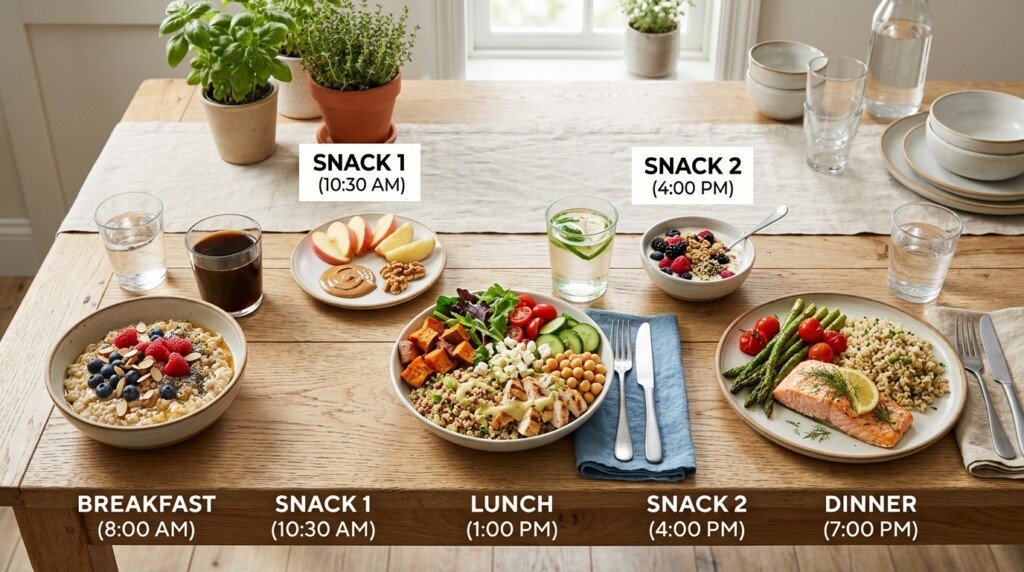
Breakfast
- Bowl of oatmeal
- Plain Greek yogurt
- Fresh blueberries
- Chopped walnuts
This meal provides protein, fiber, healthy fats, and whole grains.
Morning Snack
- Apple
- Handful of almonds
A simple combination that provides fiber and healthy fats while helping maintain fullness.
Lunch
- Grilled chicken breast
- Quinoa
- Mixed green salad
- Tomatoes
- Cucumbers
- Olive oil and lemon dressing
This meal offers lean protein, whole grains, vegetables, and healthy fats.
Afternoon Snack
- Carrot sticks
- Hummus
A nutrient-dense snack that adds vegetables, legumes, and fiber.
Dinner
- Baked salmon
- Roasted broccoli
- Brown rice
- Side salad
This dinner combines protein, vegetables, healthy fats, and whole grains in a balanced meal.
Evening Option
If you’re hungry later in the evening, choose something light such as:
- Plain Greek yogurt
- Fresh berries
- Cottage cheese
The exact foods matter less than the overall eating pattern.
If you’re looking for more budget-friendly meal ideas, our guide on Cheap Foods for Weight Loss shows how healthy eating doesn’t have to be expensive.
Frequently Asked Questions
1. What is the best diet for visceral fat loss?
The best diet emphasizes whole foods, vegetables, fruits, lean protein, legumes, whole grains, healthy fats, and minimally processed foods while supporting a sustainable calorie deficit when needed.
2. Is the Mediterranean diet good for visceral fat?
Yes. Research consistently associates the Mediterranean diet with healthier body composition and improved metabolic health because it emphasizes nutrient-dense whole foods.
3. Can I lose visceral fat without giving up carbohydrates?
Yes. Whole-food carbohydrate sources such as oats, brown rice, quinoa, fruits, vegetables, and legumes can be part of a healthy eating pattern.
4. Is protein important for visceral fat loss?
Protein supports fullness, preserves muscle mass, and improves overall diet quality, making it an important part of a balanced eating plan.
5. Do I need a strict meal plan?
No. Sustainable eating habits are generally more effective than highly restrictive diets that are difficult to maintain over time.
Final Thoughts
Choosing the best diet for visceral fat loss isn’t about finding a single perfect eating plan. It’s about building a balanced, sustainable way of eating that supports your health every day. Diets rich in vegetables, fruits, whole grains, lean proteins, legumes, healthy fats, and minimally processed foods consistently provide the strongest foundation for improving body composition and reducing visceral fat over time.
Rather than focusing on strict food rules, aim to create meals that are satisfying, nutrient-dense, and realistic for your lifestyle. Small improvements, such as eating more fiber, including protein at every meal, and preparing more meals at home, can make a meaningful difference when practiced consistently.
Remember that lasting success comes from habits you can maintain for years, not weeks. By choosing an eating pattern that fits your preferences and supports long-term health, you’ll be far more likely to reduce visceral fat while improving your overall well-being.
Disclaimer:
This post may contain affiliate links. If you purchase through them, we may earn a small commission at no extra cost to you. Also, this content is for informational purposes only and does not substitute professional medical advice.
Fuel Your Body Right
Use our free Nutrition Toolkit to find your protein target, fasting window, and net carbs in minutes.
Open Free Tools →