
Best AI Writing Tools for SEO Content in 2026
If you’re trying to rank blog posts using AI, most tools are working against you instead of helping you.
SEO content is not normal content.
It requires:
• Search intent alignment
• Structured headings
• Topic depth
• Subtopic coverage
• Internal linking logic
• Readability
• Originality
• Tone consistency
Most AI writing tools can generate text.
Very few can support ranking-focused content workflows.
That’s why this list exists.
This is a buyer-intent breakdown of the best AI writing tools for SEO content in 2026 based on:
• Output quality
• SEO usefulness
• Long-form handling
• Editing & rewriting strength
• Consistency
• Real blogging workflows
Not marketing hype.
Not agency fluff.
Not “50 tools I tested.”
Only tools that actually work for ranking-focused bloggers.
If you’re still comparing broader blogging tools, start with my main guide on the best AI writing tools for bloggers.
What Actually Makes an AI Tool “SEO-Capable”
Before looking at tools, you need the filter.
An AI writing tool is not SEO-capable just because it generates text.
A real SEO-capable AI tool must help with:
• Long-form content coherence
• SEO-friendly headings
• Topic expansion
• Subtopic coverage
• Tone control
• Rewriting
• Readability
• Content optimization
• Internal linking logic
If a tool only spits out paragraphs, it’s a typing assistant.
Not an SEO tool.
The tools below are selected because they support ranking-focused workflows.
Tool #1 — Jasper AI
Best overall AI writing tool for SEO content
Jasper is the only tool in this list that consistently handles long-form SEO content without collapsing into incoherent garbage.
It’s not cheap.
It’s not simple.
But it’s the most complete content generation engine for SEO bloggers.
Why Jasper works for SEO content
Jasper is built for structured workflows.
It supports:
• Long-form blog writing
• SEO-friendly templates
• Outline generation
• Section expansion
• Tone control
• Brand voice consistency
• Affiliate content
• Buyer-intent content
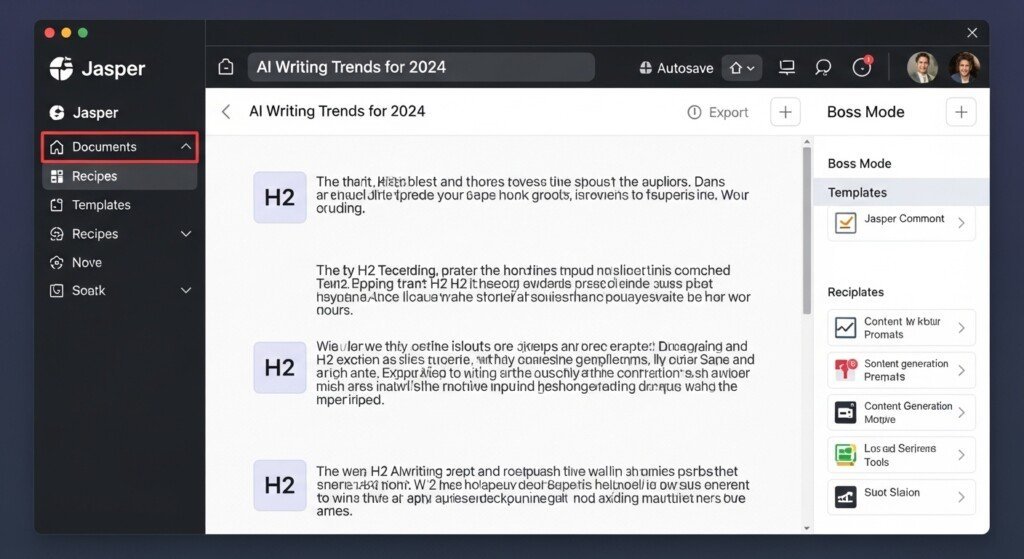
Real SEO Workflow With Jasper
Here’s a real ranking-focused workflow:
Build your SEO outline using Frase
Paste the outline into Jasper
Expand each H2 section
Rewrite weak paragraphs
Adjust tone for your audience
Final polish with Grammarly
At this stage, the drafting tool you use matters more than most bloggers realize.
Not every AI writer can handle structured SEO posts, long-form coherence, and SERP-aligned outlines properly.
For hands-on drafting workflows and real examples, see my breakdown of AI tools for SEO blog writing.
It shows which platforms actually work when turning outlines into publishable SEO content.
Unlike generic tools, Jasper maintains:
• Section continuity
• Subtopic flow
• Internal coherence
• Brand voice consistency
That matters for rankings.

Where Jasper fails for SEO
Jasper is not an SEO research tool.
It does NOT:
• Analyze SERPs
• Build content briefs
• Show competitor gaps
• Extract ranking topics
• Model search intent
On its own, Jasper writes well-structured content.
It does NOT tell you what to write for rankings.
What type of SEO content Jasper should NOT be used for
Avoid Jasper for:
• Keyword research
• Search intent analysis
• SERP gap analysis
• Thin content expansion without structure
Jasper writes content.
It doesn’t design SEO strategy.
Verdict
Jasper is the best content generation engine for SEO bloggers.
It needs another SEO tool to guide it.
But for writing actual ranking-ready content, it’s the backbone.
Tool #2 — Frase
Best SEO research + content optimization tool
Frase is not a writing tool first.
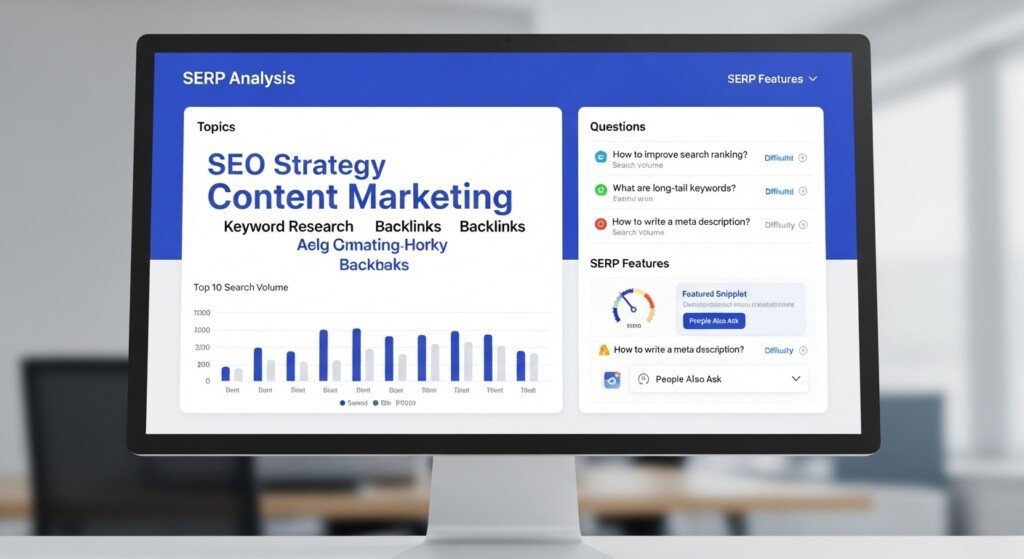
It’s an SEO intelligence layer.
And that’s exactly why it belongs in this list.
Why Frase works for SEO content
Frase solves the biggest SEO failure point AI writers have:
Search intent mismatch.
It analyzes:
• Top-ranking pages
• Subtopics Google expects
• Questions users ask
• SERP coverage gaps
• Keyword relevance
• Topic modeling
This gives you:
• SEO-aligned outlines
• Ranking-ready structure
• Topical depth guidance
Without Frase, you’re guessing what to write.
With Frase, you’re writing what Google already rewards.
Where Frase fails for SEO
Frase does NOT generate high-quality long-form content.
Its AI writing assistant is basic.
It still needs:
• Jasper
• Writesonic
• Or another content generator
What type of SEO content Frase should NOT be used for
Avoid Frase for:
• Creative writing
• Affiliate copywriting
• Sales pages
• High-conversion content
Frase is a research and optimization layer, not a writer.
Verdict
If SEO matters, Frase is non-negotiable.
It doesn’t replace AI writers.
It makes them useful for rankings.
Tool #3 — Grammarly
Best editing + SEO polish tool
Grammarly is not an AI writer.
It’s a quality control engine.
And every SEO blogger needs it.
Why Grammarly works for SEO content
Grammarly fixes:
• Grammar mistakes
• Awkward phrasing
• Repetitive sentences
• Poor tone
• Weak clarity
• Low readability
Google ranks:
• Clean content
• Readable content
• Helpful content
Not raw AI garbage.
Where Grammarly fails for SEO
Grammarly does NOT:
• Generate content
• Build outlines
• Expand topics
• Optimize structure
It only polishes.
What type of SEO content Grammarly should NOT be used for
Avoid Grammarly for:
• Draft generation
• Topic ideation
• Long-form writing
• SEO research
It’s a refinement tool.
Verdict
Grammarly is mandatory if you publish AI content.
It doesn’t replace Jasper or Writesonic.
It fixes them.
Tool #4 — QuillBot
Best rewriting + originality tool
QuillBot is the cleanup layer.
It makes AI content publishable.
Why QuillBot works for SEO content
QuillBot fixes:
• Robotic tone
• Phrase repetition
• Plagiarism risk
• Poor sentence flow
• Duplicate content issues
It’s the tool that turns raw AI output into human-like text.
Where QuillBot fails for SEO
QuillBot does NOT:
• Generate content
• Expand topics
• Structure long-form articles
It only rewrites.
What type of SEO content QuillBot should NOT be used for
Avoid QuillBot for:
• Full article generation
• SEO research
• Topic expansion
It’s a refinement engine.
Verdict
If you use AI content and skip QuillBot, you’re doing it wrong.
It’s the difference between publishable and trash.
Tool #5 — Writesonic
Best budget SEO writing tool
Writesonic is not elite.
It’s practical.
Why Writesonic works for SEO content
Writesonic handles:
• First drafts
• SEO templates
• Blog posts
• Product reviews
• Outline generation
• Bulk content
It produces usable content faster than most cheap tools.
Where Writesonic fails for SEO
Writesonic struggles with:
• Long-form coherence
• Tone consistency
• Deep topic expansion
• Subtopic coverage
It needs heavy editing.
What type of SEO content Writesonic should NOT be used for
Avoid Writesonic for:
• Pillar pages
• Authority content
• High-conversion pages
Verdict
Writesonic is the budget option that actually works.
It’s not premium.
But it’s usable.
Comparison Summary
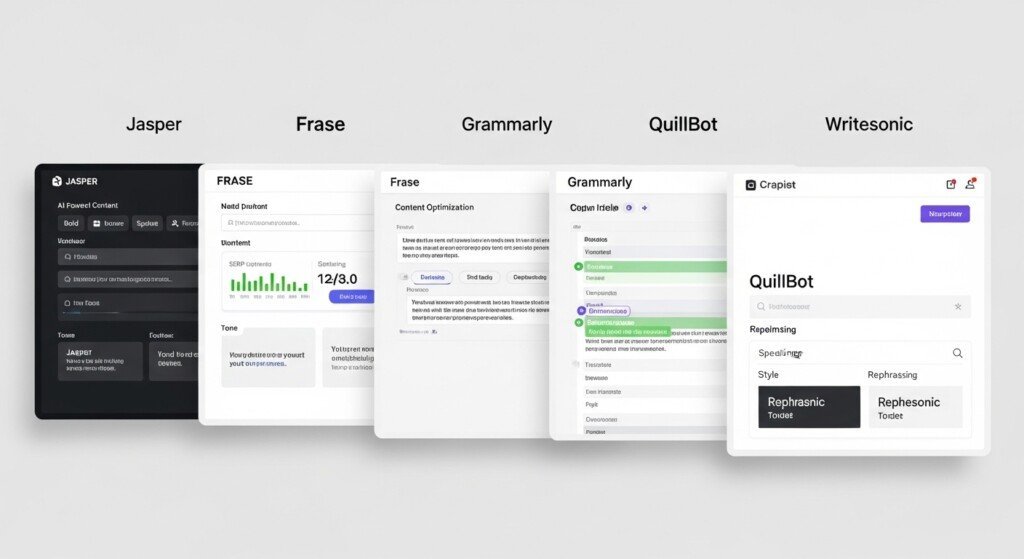
Here’s the honest breakdown:
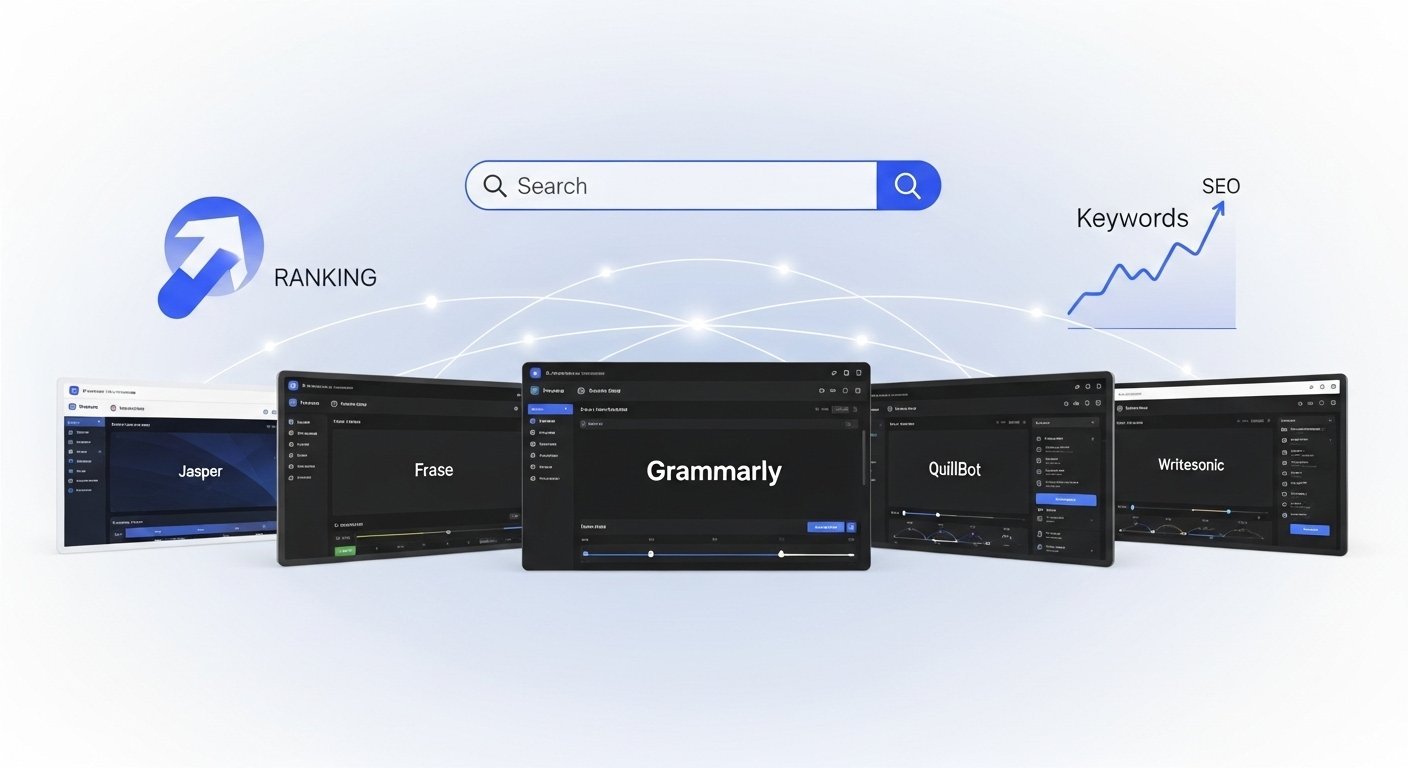
• Best overall SEO writer → Jasper
• Best SEO research layer → Frase
• Best editing tool → Grammarly
• Best rewriting tool → QuillBot
• Best budget writer → Writesonic
No tool does everything.
Real SEO bloggers use stacks.
Who Each Tool Is For
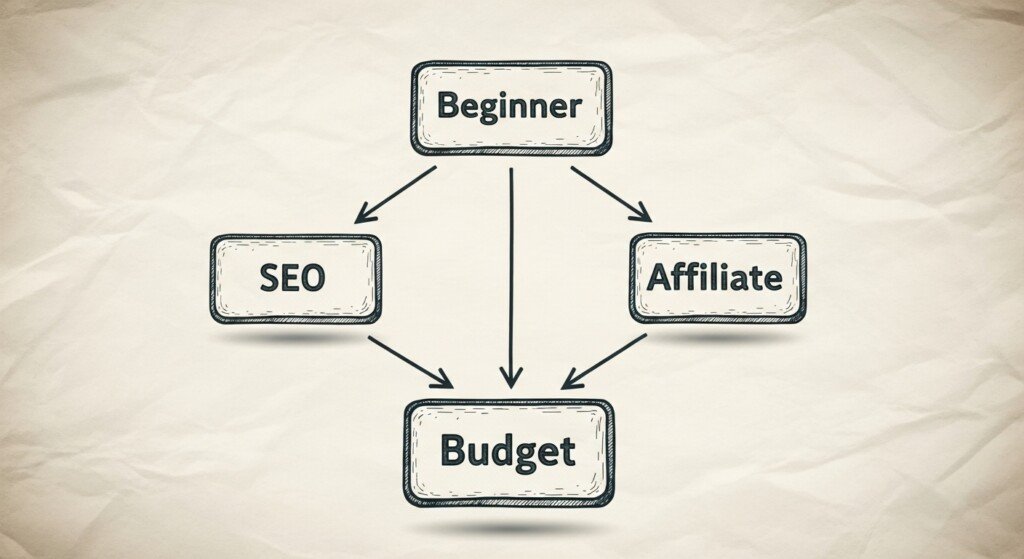
If you care about rankings
Frase + Jasper
If you care about output speed
Jasper + QuillBot
If you care about content quality
Grammarly + QuillBot
If you’re on a budget
Writesonic + Grammarly
Output Quality Comparison
Most AI tools collapse when writing long-form SEO content.
Here’s how these tools compare in real output:
This is where most bloggers get mentally stuck.
They don’t trust AI-written content because they assume it can’t compete with human-written articles.
If you’re wondering what actually performs better in real search results, compare AI vs human SEO writing.
It breaks down rankings, quality, originality, and long-term performance head-to-head.
Jasper:
• Maintains structure across 2,000+ words
• Keeps tone consistent
• Expands subtopics cleanly
• Rarely loops phrases
Writesonic:
• Decent first drafts
• Loses coherence past 1,200–1,500 words
• Needs heavy rewriting
Frase:
• Weak standalone writer
• Strong outline builder
• Strong topical modeling
Grammarly:
• Doesn’t write
• Makes bad drafts readable
QuillBot:
• Doesn’t write
• Makes robotic drafts human
SEO Usefulness Comparison
Tool-by-tool SEO value:
Jasper:
• Strong long-form handling
• Good structure
• No SEO research
Frase:
• Strong SEO alignment
• Strong topic modeling
• Weak writing
Grammarly:
• Strong readability
• Strong polish
• No structure
QuillBot:
• Strong originality
• Strong rewriting
• No SEO intelligence
Writesonic:
• Acceptable drafts
• Acceptable SEO templates
• Weak depth
Buyer Guidance: Which Tool Should You Buy
If you want one tool only
Buy Jasper.
It’s the only tool that can handle full SEO content on its own.
If you want best rankings
Buy Frase + Jasper.
This is the minimum serious SEO stack.
If you want cheapest usable stack
Buy Writesonic + Grammarly + QuillBot.
This works for early-stage blogs.
Final Verdict
There is no perfect AI writing tool for SEO content.
There are tools that fit your workflow.
And tools that don’t.
If your goal is rankings:
• Use Frase for SEO research
• Use Jasper or Writesonic for drafting
• Use QuillBot for rewriting
• Use Grammarly for polishing
This is how you turn AI into a ranking system.
Not a content generator.
FAQs
1. What are the best AI writing tools for SEO content in 2026?
The best AI writing tools for SEO content in 2026 are Jasper AI, Frase, Grammarly, QuillBot, and Writesonic. Jasper handles long-form writing best, Frase supports SEO research and topical alignment, Grammarly improves readability, QuillBot fixes originality and tone, and Writesonic works as a budget drafting tool.
2. Can AI writing tools really help content rank in Google?
Yes — but only when used correctly. AI tools help speed up drafting, structure content, expand topics, and improve readability. They don’t rank content on their own. Rankings depend on content quality, topical depth, search intent alignment, and human editing.
If you’re still worried about penalties or algorithm hits, I covered this in detail here: do AI writing tools hurt SEO.
It breaks down Google’s official stance, real risks, and what actually causes ranking drops.
3. Which AI tool is best for long-form SEO blog posts?
Jasper AI is the best option for long-form SEO blog posts. It maintains structure, expands subtopics cleanly, and keeps tone consistent across 2,000+ word articles. Most other tools struggle with coherence beyond 1,200–1,500 words.
4. Do I need more than one AI tool for SEO content?
Yes. No single AI tool handles SEO research, writing, editing, and rewriting well. Most bloggers use a stack, such as Frase for SEO research, Jasper or Writesonic for drafting, Grammarly for polishing, and QuillBot for rewriting and originality.
5. Which AI writing tool is best for SEO on a budget?
Writesonic is the best budget-friendly AI writing tool for SEO content. It generates usable drafts, supports SEO templates, and works for bulk content. Pairing it with Grammarly or QuillBot improves quality without paying premium prices.
Disclaimer
Some links on this page may be affiliate links.
If you click and purchase, I may earn a small commission at no extra cost to you.
I only recommend tools I genuinely use or believe are useful for bloggers.
This helps support the site and keep content free.