
What Is a Fast Metabolism? Signs, Causes, Benefits, and Downsides
Many people casually say they have a Fast Metabolism because they can eat large meals without gaining weight. Others assume anyone who stays lean must naturally burn calories at an unusually high rate. While these ideas are common, they often oversimplify how metabolism actually works.
A fast metabolism is not simply about eating more food or being naturally thin. It refers to the speed at which your body converts food into usable energy and how many calories it uses to support essential functions and daily activities. Some people naturally expend more energy than others, but metabolism is influenced by far more than body size alone.
If you are searching for information about Fast Metabolism, it is important to separate scientific facts from popular myths. A genuinely fast metabolism can make weight management different, but it does not guarantee perfect health or unlimited freedom to eat without consequences. It may also come with challenges such as maintaining body weight or building muscle.
This article explains what a fast metabolism really means, how to recognize its common characteristics, what influences metabolic speed, and why having a fast metabolism is not always as simple or beneficial as it may appear.
Quick Answer
A Fast Metabolism means your body uses energy at a relatively higher rate than average. This may contribute to increased calorie expenditure, greater appetite, and difficulty maintaining body weight for some individuals. However, metabolism is only one part of body weight regulation. Physical activity, muscle mass, nutrition, hormones, and overall lifestyle all influence how many calories you burn each day.
What Is a Fast Metabolism and What Does It Really Mean?
The phrase “fast metabolism” is often used casually, but medically it refers to how efficiently and rapidly your body converts nutrients into energy.
This process involves thousands of chemical reactions taking place every second.

Metabolism Is More Than Burning Calories
Your metabolism supports essential functions including:
- Breathing
- Blood circulation
- Body temperature regulation
- Cell repair
- Hormone production
- Organ function
These processes continue around the clock, even while you sleep.
A Fast Metabolism Uses More Energy
Someone with a faster metabolism generally expends more calories over the course of a day than someone with similar characteristics but a slower metabolic rate.
However, the difference is usually much smaller than many people expect.
Activity Is Not the Same as Metabolism
One of the biggest misconceptions is confusing an active lifestyle with a fast metabolism.
For example:
- Someone who walks 15,000 steps every day burns more calories because they move more.
- Someone with a naturally fast metabolism burns slightly more calories even while resting.
Both people may require more food, but for different reasons.
Body Size Also Matters
Larger individuals generally burn more calories because maintaining a larger body requires more energy.
This does not necessarily mean they have a faster metabolism.
For a broader understanding of how metabolism works, the Metabolism pillar article explains the body’s overall energy system, while Resting Metabolic Rate explores how calorie expenditure differs at rest.
What Are the Signs of a Fast Metabolism?
Unlike many medical conditions, there is no single symptom that confirms someone has a fast metabolism.
Instead, several characteristics often appear together.

You May Feel Hungry More Often
People with higher energy expenditure sometimes experience:
- More frequent hunger
- Larger appetites
- Greater calorie requirements
This does not automatically mean they have a fast metabolism, but it can be one contributing factor.
Maintaining Weight Can Be Difficult
Some individuals find it challenging to gain body weight despite eating enough food.
Others maintain a lean body composition without intentionally restricting calories.
However, body weight alone should never be used to diagnose metabolic speed.
Energy Levels May Feel Higher
Some people with relatively faster metabolism report:
- Feeling energetic throughout the day
- Recovering well after activity
- Remaining physically active without excessive fatigue
Many other lifestyle factors also influence energy levels.
Body Temperature May Feel Slightly Warmer
Because metabolism generates heat, some individuals naturally feel warmer than others.
This variation is usually normal and influenced by multiple physiological factors.
Appetite Often Matches Energy Needs
People with higher calorie expenditure often develop larger appetites that naturally compensate for increased energy use.
This is one reason many individuals with fast metabolism do not continue losing weight indefinitely.
One Sign Is Never Enough
Having only one characteristic, such as a large appetite or naturally slim body, does not automatically indicate a fast metabolism.
Several factors work together to determine overall metabolic rate.
Readers comparing different metabolic patterns may also find Signs of a Healthy Metabolism and Signs of a Slow Metabolism useful because they explain how metabolism can vary across individuals.
What Causes Some People to Have a Fast Metabolism?
No single factor determines metabolic speed.
Instead, metabolism reflects the combined influence of biology, body composition, and lifestyle.
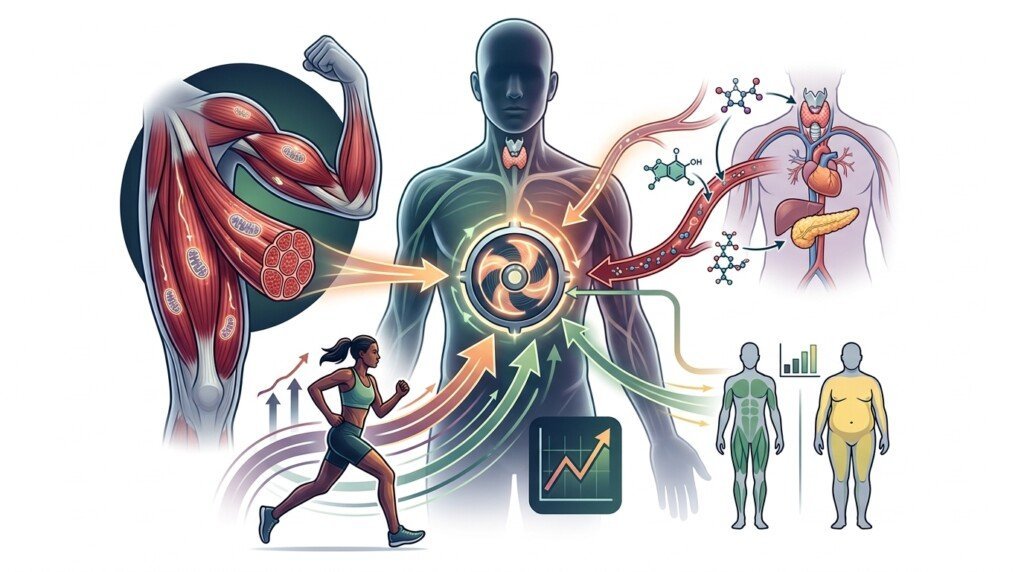
Muscle Mass Increases Energy Requirements
Lean muscle tissue requires energy even while resting.
Individuals with greater muscle mass generally burn more calories throughout the day than those with less lean tissue.
This is one reason physically active people often appear to have faster metabolism.
Physical Activity Raises Daily Energy Expenditure
Exercise itself does not permanently transform someone’s metabolism overnight.
However, regular movement increases total daily calorie expenditure and contributes to healthier metabolic function.
Genetics Play a Role
Some people naturally burn slightly more calories than others because of inherited biological differences.
The exact contribution varies considerably between individuals.
Future discussions about Genetics and Metabolism explore this topic in much greater depth.
Hormones Influence Metabolic Activity
Hormones help regulate many aspects of metabolism.
Most healthy individuals experience normal hormonal variation, while certain medical conditions may significantly affect metabolic rate.
Because thyroid disorders deserve separate discussion, they are covered independently in Thyroid and Metabolism.
Body Composition Matters
Two people with the same body weight can have different calorie requirements depending on how much lean muscle and body fat they carry.
Lean tissue generally requires more energy to maintain.
Multiple Factors Work Together
Metabolism is rarely determined by a single cause.
Instead, body composition, activity, hormones, age, genetics, and nutrition continuously interact throughout life.
Does a Fast Metabolism Make It Easier to Lose Weight?
Many people believe a fast metabolism guarantees effortless weight loss.
The reality is more complicated.

Calorie Balance Still Matters
Even individuals with faster metabolism gain weight when they consistently consume more calories than they use.
Likewise, someone with a slower metabolism can successfully lose weight by maintaining an appropriate calorie deficit.
Metabolism influences the equation but does not override it.
Appetite Often Increases Too
One interesting aspect of a fast metabolism is that increased calorie burning is frequently matched by increased hunger.
As energy expenditure rises, appetite often rises alongside it.
This natural compensation helps maintain body weight.
Lifestyle Usually Has a Larger Influence
Daily habits such as:
- Physical activity
- Nutrition
- Sleep quality
- Stress management
- Muscle maintenance
typically influence body weight more than small natural differences in metabolic speed.
Readers interested in sustainable weight management may also benefit from Weight Loss Guide and Sustainable Weight Loss, both of which explain why long-term habits consistently outperform quick fixes.
Fast Metabolism Is Not Unlimited
Perhaps the biggest myth is believing people with fast metabolism can eat anything without consequences.
Although some individuals burn slightly more calories, nutrition quality still affects:
- Heart health
- Blood sugar regulation
- Digestive health
- Body composition
- Overall metabolic health
A fast metabolism does not eliminate the need for healthy eating.
Can a Fast Metabolism Make It Harder to Gain Muscle or Weight?
For some people, the biggest challenge is not losing weight but gaining it.
Individuals with a Fast Metabolism often say they struggle to add body weight even when they feel like they eat constantly. While metabolism may contribute to this difficulty, it is rarely the only explanation.

Higher Energy Needs Mean More Calories Are Required
When your body naturally uses more energy throughout the day, maintaining a calorie surplus becomes more challenging.
Even small differences in daily calorie expenditure can make gradual weight gain slower.
Building Muscle Still Requires Consistency
A fast metabolism does not prevent muscle growth.
However, it may require greater attention to:
- Adequate calorie intake
- Consistent protein consumption
- Progressive resistance training
- Recovery between workouts
Muscle growth depends on creating the right conditions over time rather than simply having a slower metabolism.
Future discussions in Muscle and Metabolism explain how lean muscle influences long-term metabolic health without encouraging unhealthy weight gain.
Appetite Does Not Always Match Calorie Needs
Some people with higher energy expenditure naturally eat enough to maintain their weight.
Others underestimate how many calories they actually consume.
Tracking food intake for a short period sometimes reveals that calorie intake is lower than expected.
Healthy Weight Gain Takes Time
Just as healthy weight loss happens gradually, healthy muscle gain also requires patience.
Rapid increases in body weight often involve greater fat gain rather than lean muscle.
Is Having a Fast Metabolism Always a Good Thing?
A fast metabolism is often portrayed as an advantage, especially in conversations about weight loss.
In reality, it comes with both strengths and challenges.

Potential Benefits
Some people with a faster metabolism may experience:
- Easier weight maintenance
- Higher daily calorie needs
- Greater flexibility in food intake
- Lower likelihood of unwanted weight gain
These advantages vary widely between individuals.
Possible Downsides
A higher metabolic rate may also contribute to:
- Difficulty gaining weight
- Challenges building muscle
- Larger appetite
- Increased daily calorie requirements
People who participate in sports or physically demanding jobs may need careful nutrition planning to meet their energy needs.
Health Is About More Than Metabolism
A naturally fast metabolism does not automatically indicate excellent health.
Someone can maintain a lean body while still having:
- Poor nutrition
- Low physical activity
- High stress
- Poor cardiovascular health
Likewise, someone with a slower metabolism can enjoy excellent overall health through healthy lifestyle habits.
Avoid Comparing Yourself to Others
Metabolism varies naturally.
Comparing your appetite or body weight to someone else’s rarely provides meaningful insight because everyone has different genetics, lifestyles, body composition, and activity levels.
Can You Naturally Develop a Faster Metabolism?
Many advertisements promise dramatic metabolic changes.
Scientific evidence paints a more realistic picture.

Lifestyle Influences Metabolism
Certain healthy habits support normal metabolic function, including:
- Maintaining lean muscle
- Staying physically active
- Eating enough protein
- Avoiding prolonged inactivity
These habits support metabolism rather than permanently transforming it.
Natural Changes Are Usually Modest
Most healthy lifestyle changes improve metabolic health gradually.
There is no single habit capable of permanently creating an unusually fast metabolism overnight.
Readers looking for practical lifestyle strategies can continue with Can You Speed Up Your Metabolism Naturally, which focuses on evidence-based habits rather than quick fixes.
Avoid Miracle Claims
Products claiming to dramatically increase metabolism often exaggerate relatively small physiological effects.
Healthy metabolism develops through consistent daily behaviors rather than one supplement, drink, or exercise session.
Think Long Term
Supporting metabolism is best viewed as part of overall health instead of chasing rapid calorie-burning increases.
Small improvements maintained for years produce far greater results than temporary solutions.
When Should a Very Fast Metabolism Be Evaluated by a Healthcare Professional?
Most people who describe themselves as having a fast metabolism are perfectly healthy.
However, unexplained changes deserve attention.
Unexpected Weight Loss
Losing significant weight without trying should always be discussed with a healthcare professional.
Unintentional weight loss has many possible causes beyond metabolism alone.
Persistent Symptoms
Medical evaluation is appropriate if rapid weight loss occurs alongside symptoms such as:
- Persistent fatigue
- Ongoing diarrhea
- Heart palpitations
- Heat intolerance
- Tremors
- Difficulty sleeping
These symptoms may indicate conditions unrelated to normal metabolic variation.
Sudden Changes Matter More Than Lifelong Patterns
Someone who has naturally been lean for many years is different from someone who suddenly begins losing weight despite no lifestyle changes.
Rapid, unexplained changes deserve professional assessment.
Avoid Self-Diagnosis
Many people assume they have a fast metabolism when another explanation is responsible.
Healthcare professionals consider the full picture, including medical history, symptoms, medications, and lifestyle factors.
Fast Metabolism: Myths vs Facts
Understanding the difference between common beliefs and scientific evidence helps avoid confusion.
| Myth | Fact |
|---|---|
| Fast metabolism means you never gain weight. | Calorie balance still determines long-term weight changes. |
| Thin people always have fast metabolism. | Body size alone does not determine metabolic rate. |
| Fast metabolism lets you eat anything. | Nutrition quality still affects long-term health. |
| Exercise permanently creates a fast metabolism. | Physical activity increases daily energy expenditure but does not permanently transform metabolism overnight. |
| A large appetite always means fast metabolism. | Appetite depends on many biological and lifestyle factors. |
| Fast metabolism is always healthy. | Good health depends on many factors beyond metabolic speed. |
| Metabolism cannot change. | Metabolism naturally changes with body composition, activity, hormones, and aging. |
Frequently Asked Questions
1. Is a Fast Metabolism genetic?
Genetics influence metabolism, but body composition, physical activity, nutrition, and hormones also contribute.
2. Can you tell if you have a Fast Metabolism?
There is no single sign. A combination of higher energy expenditure, difficulty gaining weight, and increased calorie needs may suggest a faster metabolism.
3. Does a Fast Metabolism mean you can eat anything?
No. Even people with higher calorie expenditure benefit from balanced nutrition because food quality affects overall health.
4. Does exercise create a Fast Metabolism?
Exercise increases calorie expenditure and supports healthy metabolism, but it does not permanently create an unusually fast metabolism.
5. Can a Fast Metabolism slow down with age?
Yes. Metabolism naturally changes throughout life due to factors such as body composition, hormone levels, and physical activity.
6. Is being naturally thin proof of a Fast Metabolism?
No. Genetics, eating habits, activity level, and body composition all influence body weight.
7. Is it difficult to gain muscle with a Fast Metabolism?
Some individuals may need higher calorie intake to support muscle growth, but muscle can still be built with consistent training and nutrition.
8. Can stress affect metabolism?
Yes. Stress influences hormones and overall health, although it is only one factor affecting metabolism.
9. Is a Fast Metabolism the same as a high resting metabolic rate?
Not exactly. Resting metabolic rate is one component of total metabolism, while daily energy expenditure also includes movement and digestion.
10. Should I worry if I suddenly start losing weight?
Yes. Unexpected weight loss without changes to diet or activity should be evaluated by a healthcare professional.
Final Thoughts
A Fast Metabolism simply means your body uses energy at a relatively higher rate than average, but it is only one part of the larger picture of metabolic health. While some people naturally burn more calories and find it easier to stay lean, metabolism alone does not determine body weight, fitness, or overall health. Daily activity, nutrition, muscle mass, and long-term lifestyle habits often have a much greater influence than small natural differences in metabolic speed.
Perhaps the biggest takeaway is that a fast metabolism is neither a superpower nor a problem on its own. It can make weight management different, bringing advantages such as easier weight maintenance while also creating challenges like difficulty gaining muscle or body weight. By understanding the facts instead of relying on common myths, you can focus on building healthy habits that support your individual metabolism rather than comparing yourself with someone else’s. As this metabolism series continues, topics such as Is Fast Metabolism Good or Bad?, Genetics and Metabolism, Metabolism vs Metabolic Rate, Thyroid and Metabolism, and Muscle and Metabolism will explore these influences in greater depth.
Disclaimer:
This post may contain affiliate links. If you purchase through them, we may earn a small commission at no extra cost to you. Also, this content is for informational purposes only and does not substitute professional medical advice.
Ready to Start Your Journey?
Use our free 7-in-1 Weight Loss Toolkit to calculate your numbers and build your plan in minutes.
Open Free Tools →