


Can Stress Cause Insulin Resistance? Here’s What the Research Says
Stress and Insulin Resistance have become increasingly important topics as researchers continue to uncover how chronic stress affects metabolic health. While most people associate insulin resistance with diet, body weight, or lack of exercise, stress is another factor that deserves attention. Long-term psychological and physical stress can influence hormones, sleep, eating habits, physical activity, and inflammation, all of which may affect how the body responds to insulin.
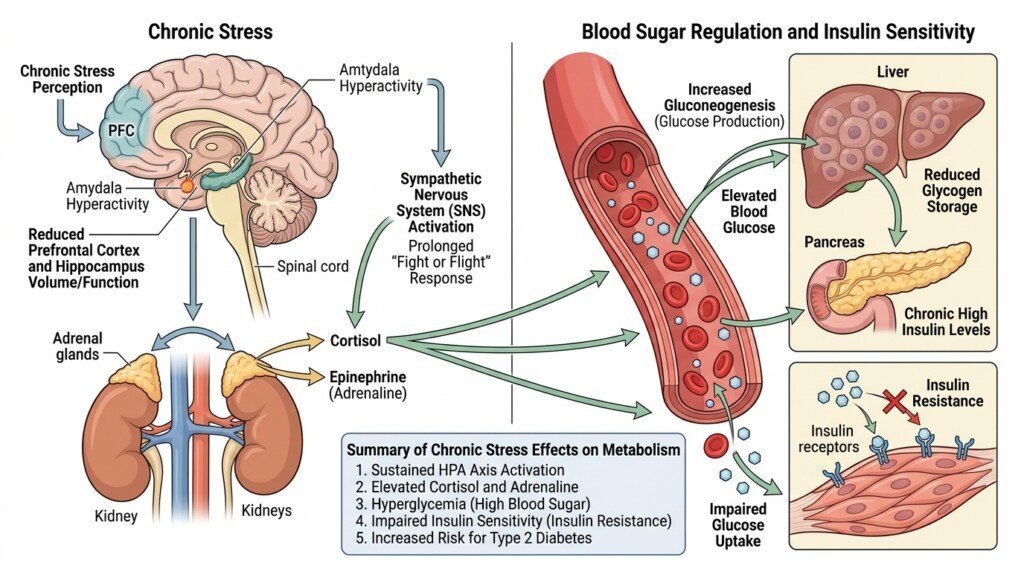
Stress itself is not always harmful. In fact, the body’s stress response is designed to protect you during challenging situations. When you face a threat, your nervous system activates the “fight-or-flight” response, releasing hormones that prepare your body for immediate action. Heart rate increases, stored energy becomes available, and blood sugar rises to supply your muscles and brain with fuel.
Problems arise when this response remains activated for weeks, months, or even years. Modern stress is rarely caused by short-term physical danger. Instead, ongoing work pressure, financial concerns, family responsibilities, poor sleep, and emotional challenges can keep stress hormones elevated for long periods. This chronic activation may gradually affect blood sugar regulation, insulin sensitivity, appetite, and body composition.
Research suggests that stress does not directly cause insulin resistance in every person. However, chronic stress can create an environment where insulin resistance becomes more likely, especially when combined with poor sleep, physical inactivity, excess body fat, and unhealthy eating habits. Rather than acting alone, stress often amplifies other lifestyle factors that influence metabolic health.
The encouraging news is that improving stress management can support healthier daily habits. Better sleep, regular physical activity, relaxation techniques, and consistent self-care all contribute to improved metabolic health while reducing the effects of long-term stress.
In this article, you’ll learn what current research says about Stress and Insulin Resistance, how cortisol influences blood sugar, why sleep matters, which stress-management techniques are supported by evidence, how exercise helps both mental and metabolic health, and when professional medical advice may be appropriate.
Can Stress Cause Insulin Resistance?
The relationship between stress and insulin resistance is more complex than many headlines suggest.
Stress alone does not automatically cause insulin resistance.
Instead, researchers believe chronic stress increases the likelihood of developing insulin resistance by influencing several systems throughout the body at the same time.
When stress becomes a long-term part of daily life, it may affect:
- Blood sugar regulation
- Appetite
- Sleep quality
- Physical activity
- Body weight
- Inflammation
- Hormone balance
Each of these factors can influence insulin sensitivity.

Acute Stress Versus Chronic Stress
Not all stress affects the body in the same way.
Acute stress lasts for a short period.
Examples include:
- Giving a presentation
- Taking an examination
- Avoiding an accident
- Participating in a sporting event
Once the situation ends, stress hormone levels usually return to normal.
Chronic stress is different.
It may result from:
- Ongoing work pressure
- Financial difficulties
- Relationship problems
- Caregiving responsibilities
- Long-term illness
- Persistent anxiety
Because these situations continue for weeks or months, the body’s stress response remains activated for much longer.
This prolonged activation is where metabolic health may begin to change.
Stress Often Changes Daily Habits
Another reason stress affects insulin sensitivity is because it changes behavior.
People experiencing chronic stress often:
- Exercise less
- Sleep fewer hours
- Eat more convenience foods
- Snack more frequently
- Spend more time sitting
- Feel less motivated to prepare balanced meals
These lifestyle changes may contribute to insulin resistance over time.
Many of these risk factors are discussed throughout Causes of Insulin Resistance, where excess body fat, inactivity, sleep, and chronic stress are explained together rather than as isolated problems.
Stress Is Only One Piece of the Puzzle
It is important not to blame stress for every case of insulin resistance.
Genetics, aging, body composition, nutrition, physical activity, and other lifestyle habits all contribute.
The strongest scientific evidence suggests that insulin resistance usually develops because several risk factors occur together.
Reducing chronic stress supports better metabolic health, but it works best alongside healthy eating, regular movement, quality sleep, and maintaining a healthy body weight.
How Does Cortisol Affect Blood Sugar?
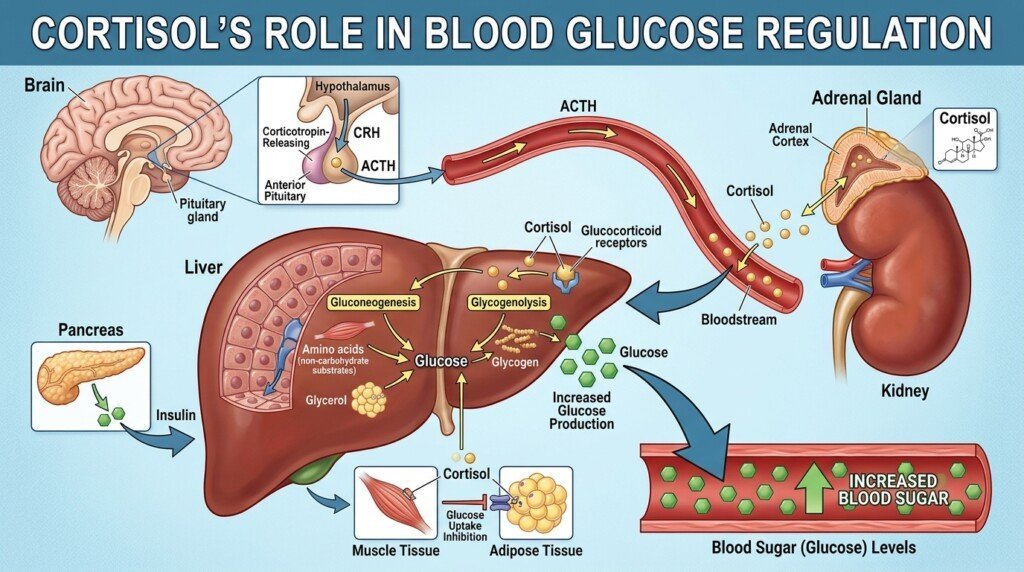
Cortisol is often called the body’s primary stress hormone.
Although cortisol sometimes receives negative attention online, it performs many essential functions.
Without cortisol, your body would struggle to:
- Maintain blood pressure
- Regulate metabolism
- Respond to illness
- Recover from physical stress
- Maintain healthy blood sugar during fasting
In other words, cortisol is necessary for normal health.
The problem is not cortisol itself.
The concern is when cortisol remains elevated for prolonged periods because of ongoing stress.
Why Does Cortisol Raise Blood Sugar?
During stressful situations, your body prepares for action.
To supply muscles and the brain with enough energy, cortisol encourages the liver to release additional glucose into the bloodstream.
In short-term situations, this response is helpful.
Once the stressful event ends, blood sugar and cortisol usually return toward normal levels.
What Happens During Chronic Stress?
When stress continues for weeks or months, cortisol may remain elevated more often than normal.
Researchers believe this prolonged exposure may influence insulin sensitivity over time.
Chronically elevated cortisol has been associated with:
- Increased appetite
- Greater preference for highly processed foods
- Higher calorie intake
- Increased abdominal fat storage
- Reduced sleep quality
- Less physical activity
These changes may indirectly contribute to insulin resistance.
Cortisol and Belly Fat
Research also shows a connection between chronic stress, cortisol, and abdominal fat.
Visceral fat, which surrounds internal organs, is metabolically active and closely associated with reduced insulin sensitivity.
Although cortisol is not the only reason people develop abdominal fat, long-term stress may contribute to fat accumulation around the waist when combined with other lifestyle factors.
The relationship between stress hormones and abdominal fat is explored further in Cortisol Belly Fat, where cortisol is discussed in the context of overall metabolic health rather than as the sole cause of weight gain.
Cortisol Is Not the Enemy
One of the biggest misconceptions is that cortisol should always be lowered.
Healthy cortisol levels follow a natural daily rhythm and play an important role in normal body function.
Rather than trying to eliminate cortisol, the goal should be reducing unnecessary chronic stress while supporting the body’s natural hormonal balance through healthy lifestyle habits.
This balanced approach is far more consistent with current scientific evidence than blaming one hormone for every metabolic problem.
Can Poor Sleep Make Insulin Resistance Worse?
Sleep is often overlooked when people think about improving metabolic health. Most attention is given to diet and exercise, but growing research shows that sleep quality is another important piece of the puzzle.
Poor sleep does not automatically cause insulin resistance, just as one sleepless night does not permanently affect blood sugar. However, consistently getting too little sleep or experiencing poor-quality sleep may reduce insulin sensitivity over time while making healthy lifestyle habits much harder to maintain.
Researchers now recognize that sleep, stress, and insulin resistance are closely connected. Chronic stress often disrupts sleep, and poor sleep may further increase stress hormones, creating a cycle that becomes difficult to break.

Why Sleep Matters for Blood Sugar
While you sleep, your body performs many important maintenance functions.
These include:
- Tissue repair
- Hormone regulation
- Memory consolidation
- Immune function
- Energy restoration
- Metabolic regulation
Healthy sleep also helps maintain the normal balance of hormones involved in appetite and blood sugar control.
When sleep becomes inconsistent or too short, these systems may not function as efficiently.
What Does Research Show?
Studies have found that people who regularly sleep too little often have a higher risk of developing metabolic conditions, including insulin resistance.
Researchers believe this relationship is influenced by several factors.
Poor sleep may contribute to:
- Increased cortisol production
- Greater appetite
- More cravings for highly processed foods
- Lower energy levels
- Reduced physical activity
- Weight gain
- Increased visceral fat accumulation
Each of these changes may gradually reduce insulin sensitivity.
Importantly, poor sleep is usually one contributing factor among many rather than the only cause.
Sleep Influences Food Choices
Anyone who has experienced a poor night’s sleep knows how much harder healthy eating can become the next day.
Many people notice they crave:
- Sugary foods
- Refined carbohydrates
- Fast food
- Highly processed snacks
- Sweetened drinks
These foods provide quick energy but often leave people feeling hungry again shortly afterward.
Repeated over weeks or months, these eating patterns may contribute to poorer metabolic health.
Sleep Supports Physical Activity
Exercise is one of the most effective lifestyle habits for improving insulin sensitivity.
Unfortunately, poor sleep often reduces motivation to stay active.
After a restless night, many people naturally:
- Skip workouts
- Walk less
- Sit for longer periods
- Feel physically tired
- Recover more slowly
This creates another pathway through which poor sleep may indirectly affect insulin resistance.
Small Improvements Can Make a Difference
Improving sleep does not require perfection.
Simple habits often include:
- Going to bed at a similar time each night
- Keeping the bedroom cool and dark
- Reducing screen exposure before bedtime
- Limiting caffeine later in the day
- Creating a relaxing bedtime routine
Small improvements repeated consistently often support better sleep quality and healthier daily habits.
Which Stress Management Techniques Help?
Managing stress does not mean eliminating every challenge from your life.
Stress is a normal part of being human.
The goal is learning how to respond to stress in healthier ways so it has less impact on your physical and mental well-being.
Research consistently shows that effective stress management supports overall health, including metabolic health.

Regular Physical Activity
Exercise benefits far more than muscles and the heart.
Physical activity also helps regulate mood and reduce feelings of stress.
Even moderate activities such as:
- Walking
- Cycling
- Swimming
- Gardening
- Dancing
may help reduce psychological stress while supporting healthier insulin sensitivity.
The best exercise is one you genuinely enjoy enough to continue regularly.
Mindfulness and Meditation
Mindfulness encourages paying attention to the present moment without judgment.
Many people use techniques such as:
- Deep breathing
- Guided meditation
- Body scanning
- Quiet reflection
These practices may help reduce feelings of stress while improving emotional well-being.
Even five to ten minutes each day can become a valuable habit.
Spending Time Outdoors
Nature provides an opportunity to step away from many everyday stressors.
Activities such as:
- Walking in a park
- Hiking
- Gardening
- Sitting outdoors
may help improve mood while encouraging regular physical activity at the same time.
Social Support
Strong relationships play an important role in stress management.
Talking with trusted friends, family members, or support groups may help reduce emotional strain during difficult periods.
Feeling connected often makes stressful situations feel more manageable.
Hobbies and Relaxation
Enjoyable activities provide healthy opportunities to recharge.
Examples include:
- Reading
- Painting
- Music
- Cooking
- Photography
- Crafting
Regular hobbies encourage balance and provide a break from constant work-related or family responsibilities.
Build a Sustainable Routine
Stress management should not become another source of pressure.
Instead of trying every relaxation technique at once, choose one or two habits that realistically fit your lifestyle.
Small routines practiced consistently usually provide greater long-term benefits than occasional intensive efforts.
Many people also notice that better stress management naturally supports healthier eating, improved sleep, and greater motivation for physical activity. These lifestyle changes reinforce one another and contribute to healthier metabolic function over time.
Rather than searching for a single solution, think of stress management as one important part of a larger lifestyle approach that supports both physical and mental health.
Does Exercise Improve Stress and Insulin Sensitivity?
Exercise is widely recognized as one of the most effective lifestyle habits for improving overall health, but its benefits extend far beyond burning calories. Regular physical activity can help reduce stress, support better sleep, improve mood, and enhance insulin sensitivity, making it one of the few habits that positively influences multiple aspects of metabolic health at the same time.
Importantly, you do not need to become an athlete to experience these benefits. Moderate, consistent movement is often more valuable than occasional intense workouts that are difficult to maintain.
Research shows that combining aerobic exercise with resistance training provides the greatest overall benefits for metabolic health. However, almost any form of movement is better than remaining inactive.
Exercise Helps Your Body Use Glucose More Efficiently
During physical activity, your muscles require energy to contract and move.
To meet this demand, muscles take in glucose from the bloodstream more efficiently. Over time, regular exercise helps improve how sensitive your body’s cells are to insulin, allowing glucose to move into the cells more effectively.
This is one reason exercise is consistently recommended as part of a healthy lifestyle for people with insulin resistance.
The goal is not to burn off every calorie you eat. Instead, it is to improve the body’s ability to regulate blood sugar naturally.
Exercise Reduces the Effects of Chronic Stress
Physical activity also has a powerful effect on emotional well-being.
Many people notice they feel calmer and more relaxed after activities such as:
- Walking
- Cycling
- Swimming
- Yoga
- Strength training
- Dancing
Exercise encourages the release of chemicals in the brain that support mood while helping reduce feelings of stress and tension.
Although exercise cannot eliminate stressful situations, it often improves your ability to cope with them.
Better Fitness Supports Better Sleep
One healthy habit often strengthens another.
People who exercise regularly frequently report:
- Falling asleep more easily
- Sleeping more deeply
- Feeling more refreshed in the morning
- Having more energy during the day
Improved sleep then supports healthier appetite regulation, better food choices, and improved recovery.
This creates a positive cycle that benefits both mental and metabolic health.
You Don’t Need Long Workouts
One common misconception is that only long gym sessions produce results.
Research suggests that consistency matters far more than workout duration.
Even activities such as:
- A brisk 30-minute walk
- Climbing stairs
- Gardening
- Playing with children
- Cycling to work
can contribute meaningfully to overall physical activity levels.
Choosing activities you genuinely enjoy makes consistency much easier.
Strength Training Matters Too
Many people associate insulin resistance only with cardio exercise.
However, resistance training also plays an important role.
Building and maintaining muscle mass improves the body’s ability to use glucose efficiently while supporting healthy metabolism.
Strength training may include:
- Body-weight exercises
- Resistance bands
- Free weights
- Weight machines
Two or three sessions each week are enough for many adults to experience meaningful benefits.
Exercise Works Best Alongside Other Healthy Habits
Physical activity is powerful, but it is not a standalone solution.
The greatest improvements usually occur when exercise is combined with:
- Balanced nutrition
- Quality sleep
- Effective stress management
- Healthy body weight
- Consistent daily routines
Many of these habits work together to Reverse Insulin Resistance Naturally, making long-term lifestyle consistency far more important than any individual workout.
When Should You Talk to Your Doctor?
Although lifestyle changes play a central role in improving insulin resistance, they should not replace professional medical advice.
If you suspect insulin resistance or have concerns about your blood sugar, speaking with your healthcare provider is an important first step.
Early evaluation can identify metabolic changes before more serious health problems develop.
You Have Symptoms of Insulin Resistance
Consider discussing your concerns with your healthcare provider if you experience symptoms such as:
- Persistent fatigue
- Increased thirst
- Frequent hunger
- Unexplained weight gain
- Increasing waist circumference
- Dark patches of skin around the neck or underarms
- Difficulty losing weight despite healthy habits
These symptoms do not automatically mean you have insulin resistance, but they deserve appropriate medical evaluation.
You Have Multiple Risk Factors
Some people have few symptoms but still carry several risk factors.
Examples include:
- Family history of type 2 diabetes
- Excess abdominal fat
- Physical inactivity
- High blood pressure
- Elevated cholesterol
- Previous gestational diabetes
- Prediabetes
Regular medical checkups help identify problems early.
Lifestyle Changes Aren’t Improving Your Health
Healthy habits usually produce gradual improvements over time.
If you have consistently followed a balanced eating pattern, exercised regularly, improved your sleep, and managed stress but continue to experience worsening symptoms or abnormal blood test results, your healthcare provider can help determine whether additional evaluation is needed.
Regular Monitoring Matters
Your healthcare provider may recommend monitoring:
- Fasting blood glucose
- HbA1c
- Blood pressure
- Cholesterol
- Triglycerides
- Waist circumference
These measurements provide valuable information about your long-term metabolic health.
Don’t Wait for Severe Symptoms
Many people with insulin resistance feel completely healthy during the early stages.
Waiting until symptoms become severe may delay opportunities for early intervention.
Routine health screenings are one of the most effective ways to identify metabolic changes before complications develop.

Frequently Asked Questions
1. Can stress cause insulin resistance?
Chronic stress may contribute to insulin resistance by influencing cortisol levels, sleep quality, eating habits, physical activity, and inflammation. However, stress usually acts alongside other lifestyle and genetic factors rather than being the only cause.
2. How does cortisol affect blood sugar?
Cortisol helps your body respond to stress by increasing the availability of glucose for energy. During chronic stress, prolonged elevations in cortisol may influence appetite, abdominal fat accumulation, and insulin sensitivity over time.
3. Can poor sleep make insulin resistance worse?
Consistently poor sleep has been associated with reduced insulin sensitivity, increased hunger, poorer food choices, lower physical activity, and higher stress hormone levels, all of which may affect metabolic health.
4. Which stress management techniques are supported by research?
Regular physical activity, mindfulness, deep breathing, meditation, spending time outdoors, maintaining strong social connections, and creating healthy sleep habits all have evidence supporting their role in reducing chronic stress.
5. When should I talk to my doctor about insulin resistance?
You should consider speaking with your healthcare provider if you have symptoms of insulin resistance, multiple risk factors, abnormal blood sugar results, or concerns about your metabolic health despite making healthy lifestyle changes.
Final Thoughts
The connection between Stress and Insulin Resistance is supported by a growing body of research, but the relationship is more complex than many people realize. Stress alone is unlikely to cause insulin resistance, yet chronic stress can influence hormones, sleep, eating behaviors, physical activity, and inflammation in ways that gradually reduce insulin sensitivity.
Fortunately, many of the same lifestyle habits that improve metabolic health also help reduce the effects of long-term stress. Regular exercise, balanced nutrition, restorative sleep, effective stress management, and routine medical monitoring work together to support healthier blood sugar regulation and overall well-being.
Rather than searching for a single cause or quick solution, focus on building sustainable daily habits that strengthen both your physical and mental health. Small, consistent improvements practiced over time often produce the greatest long-term benefits for insulin sensitivity and lifelong metabolic wellness.
Disclaimer:
This post may contain affiliate links. If you purchase through them, we may earn a small commission at no extra cost to you. Also, this content is for informational purposes only and does not substitute professional medical advice.
Ready to Start Your Journey?
Use our free 7-in-1 Weight Loss Toolkit to calculate your numbers and build your plan in minutes.
Open Free Tools →