Active Lifestyle Tips for Weight Loss: 6 Simple Hacks

If you’re looking for actionable active lifestyle tips for weight loss, you’re in the right place. You’ve probably heard the advice a thousand times: hit the gym for an hour a day, run miles on the treadmill, or spend your evenings doing grueling workouts. But what if you have a demanding job, a family to care for, or a jam-packed schedule that leaves no room for a traditional gym routine? The good news is, a true active lifestyle for weight loss isn’t about being a professional athlete; it’s about making consistent movement a natural part of your day, no matter how busy you are. This isn’t about sacrificing sleep or sanity. It’s about learning how to be smarter with your time and recognizing that small, consistent changes can have a monumental impact on your health, your energy, and your waistline. The journey to a leaner body doesn’t have to start in a gym; it can start right at your desk, in your kitchen, or on your daily commute. If you want to understand how daily movement fits into a bigger fat loss system, this structured weight loss guide explains how activity, nutrition, and recovery work together. We’ll show you how to ditch the all-or-nothing mindset and embrace practical, real-world solutions that work.


How to Stay Fit with Busy Schedule

The key to an active lifestyle for weight loss isn’t about finding more hours in the day—it’s about re-engineering the hours you already have. By treating your time as a precious resource, you can weave physical activity into your routine without feeling overwhelmed.

  • The Power of the 10-Minute Break: You don’t need a full hour to get your blood pumping. A quick 10-minute break can be used for a brisk walk, a set of jumping jacks, or a few push-ups. Do this three times a day, and you’ve got a solid 30 minutes of activity without a trip to the gym. A little movement is always better than none.
  • Embrace the Lunchtime Walk: Instead of eating at your desk, use half of your lunch break to get outside and walk. This not only burns calories but also provides a mental reset, helping you feel more focused and productive in the afternoon.
  • Make Your Commute Active: If you take public transport, get off one or two stops early and walk the rest of the way. If you drive, park at the back of the parking lot to add extra steps. These simple changes can add up to a significant amount of daily activity over time.
  • The Sunday Prep: Use a less-busy day, like Sunday, to plan your activity for the week. Schedule small movement breaks in your calendar just like you would a meeting, making them non-negotiable.

Making Every Minute Count: Daily Activity for Weight Loss

The true secret to daily activity for weight loss is recognizing that every single movement counts. Your body doesn’t know the difference between calories burned on a treadmill and calories burned doing housework or playing with your kids—it only knows energy output.

  • Walk While You Talk: On your next phone call, stand up and walk around. This simple act can turn a sedentary activity into a calorie-burning opportunity.
  • Take the Stairs: It’s an oldie but a goodie for a reason. Taking the stairs instead of the elevator or escalator is a great way to elevate your heart rate and challenge your leg muscles.
  • Fidget More: Believe it or not, the small movements you make—like tapping your foot, shifting in your seat, or even gesturing with your hands—can contribute to your total daily energy expenditure. The scientific term for this is Non-Exercise Activity Thermogenesis (NEAT), and it can make a huge difference in your total calorie burn.
  • Stand Up More: A standing desk is a fantastic investment, but if you don’t have one, just make a point to stand up every 30 minutes. You can use this time to stretch, walk to the water cooler, or simply stand while you work.

To keep your energy levels high throughout a demanding day, you may find that incorporating a B-vitamin complex or other supplements that support cellular energy can help you feel more alert and ready for these consistent bursts of activity.


Office Workout Tips for a Leaner You

Your office can be a fantastic place for office workout tips. You don’t need a gym membership to get your muscles working and burn calories throughout the day.

  • Desk Push-ups: Use the edge of your desk to do inclined push-ups. This works your chest, shoulders, and triceps.
  • Wall Sits: Find a spare wall and slide down into a seated position, holding it for 30-60 seconds. It’s a fantastic exercise for your quadriceps.
  • Chair Dips: Use a sturdy chair to work your triceps and shoulders with a few sets of chair dips.
  • Squat Your Breaks: Instead of just standing up from your chair, do a few squats. This engages your glutes and quads.
  • Water Bottle Curls: Use a full water bottle as a makeshift weight to do bicep curls, or a few overhead presses.

Movement vs Exercise for Fat Loss: The Surprising Truth

Most people confuse these two terms, but understanding the difference is crucial for successful movement vs exercise for fat loss.

  • Exercise is intentional, structured, and often intense activity aimed at improving fitness, like a gym workout or a 5k run. It’s what most people think of when they hear “workout.”
  • Movement is simply non-structured, low-intensity physical activity. It’s walking, taking the stairs, gardening, or standing while you talk on the phone.

While intense exercise burns a lot of calories in a short amount of time, a consistent stream of daily movement can actually contribute more to your total calorie burn over the course of a day or week. For someone with a busy schedule, prioritizing movement is a much more realistic and sustainable way to achieve fat loss than trying to squeeze in daily gym sessions. This is especially true for boosting your NEAT, which can account for a significant portion of your daily calorie expenditure.


Easy Wins: How to Walk More Daily

Walking is arguably the most underrated tool for weight loss, and understanding walking vs running for weight loss can help you choose the most sustainable strategy for your lifestyle. It requires no special equipment, can be done anywhere, and is easy to fit into a busy lifestyle. Here’s how to walk more daily to see results.

  • The Morning Walk: Start your day with a 15-20 minute walk before breakfast, a simple form of morning exercise for weight loss that boosts metabolism and improves daily consistency. It’s a great way to wake up your body and boost your metabolism early.
  • The Post-Dinner Stroll: A short walk after dinner can help with digestion and prevent that after-meal slump.
  • Set a Step Goal: Use a fitness tracker or your phone’s built-in step counter to set a daily goal. Aim for 8,000 to 10,000 steps as a good target. This makes the activity a fun challenge rather than a chore.
  • Walk and Listen: Make your walks more enjoyable by listening to a podcast, an audiobook, or some upbeat music.

Beating the Scale: Desk Job Weight Loss Tips

Working a sedentary desk job can be a major challenge for weight loss. But with the right mindset and a few strategic habits, you can overcome it.

  • Drink More Water: Keep a water bottle on your desk and drink from it constantly. This keeps you hydrated, can help you feel full, and forces you to get up and walk to the bathroom more often.
  • Schedule Movement Alarms: Set a recurring alarm on your phone for every 30-45 minutes. When it goes off, stand up, stretch, and walk around for a minute or two before returning to work.
  • Use a Stability Ball: Swap out your office chair for a stability ball for a short period each day. It engages your core muscles and helps improve posture.
  • Pack Your Own Lunch: This gives you control over your calories and food choices. If you’re using protein powder to supplement your diet, it’s easy to pack a scoop or two for a quick, healthy snack that will keep you full and support muscle health.

The key to successful desk job weight loss tips is to be proactive and make movement a non-negotiable part of your day, even if it’s in small, consistent bursts.


Conclusion

Your busy schedule is not a barrier to an active life; it’s an opportunity to get creative. The most effective active lifestyle tips for weight loss are the ones you can actually stick to. By integrating small, consistent movements into your daily routine, you can boost your metabolism, burn more calories, and achieve your weight loss goals without ever setting foot in a gym. It’s about building a body that works for you, one small step at a time.


Frequently Asked Questions (FAQ)

1: Do I really need to go to the gym to lose weight?

No, you don’t. While the gym can be a great place to exercise, many people have successfully achieved weight loss with an active lifestyle that includes brisk walking, hiking, cycling, or following home workout videos. The key is to find activities you enjoy and can do consistently.

2: How much daily walking is enough for weight loss?

The amount needed varies, but a good starting goal is 8,000 to 10,000 steps per day. A brisk 30-minute walk can burn a significant number of calories and contribute to your overall goal.

3: Can I lose weight without changing my diet?

Weight loss is primarily a matter of calorie balance. While increasing your activity level will help you burn more calories, it is extremely difficult to out-exercise a poor diet. For sustainable results, a combination of both an active lifestyle and a healthy eating plan is essential.

4: What’s the best time of day to be active?

The best time to be active is whenever you can be consistent. Whether it’s a morning walk, a midday break, or an evening stroll, the most important thing is to create a habit that you can stick to over the long term.

5: How do I stay motivated on a busy schedule?

Focus on creating small, manageable habits. Start with a 10-minute activity and build from there. Tracking your progress, listening to podcasts while you move, and celebrating small victories can all help you stay motivated on your active lifestyle for weight loss journey.


Disclaimer:

This post may contain affiliate links. If you purchase through them, we may earn a small commission at no extra cost to you. Also, this content is for informational purposes only and does not substitute professional medical advice.

Jumpstart Your Day: The Power of Morning Exercise for Weight Loss

Morning exercise for weight loss is one of the most powerful habits you can adopt. It’s a simple way to not only burn calories but also set a positive tone for your entire day. When you get your body moving first thing, you’re not just working toward a fitter physique; you’re also boosting your metabolism, improving your mood, and increasing your energy levels. It’s an act of self-care that pays dividends long after your workout is over.

This guide, built on a structured weight loss guide approach, will break down the science behind morning workouts and reveal the most effective exercises to help you reach your goals. We’ll explore everything from quick, 10-minute routines to the debate on timing, and you’ll find the knowledge you need to start your day strong.


What Is The Best Morning Exercise For Weight Loss?

When it comes to the best morning exercise for weight loss, the answer isn’t a single activity but a strategic approach. While any exercise is better than none, certain types are more effective at jumpstarting your metabolism and creating a lasting calorie burn.

  • High-Intensity Interval Training (HIIT): A short burst of high-intensity exercise followed by a period of rest can dramatically increase your metabolism for hours after you finish. Structured HIIT workouts for weight loss amplify this afterburn effect and accelerate fat reduction when done consistently. This “afterburn” effect is a great way to maximize your time.
  • Strength Training: Building muscle is the key to a faster metabolism. A morning strength-training session can help you build and maintain muscle mass, which burns calories at a higher rate even when you are at rest.
  • Cardio: A brisk morning walk or jog is a fantastic way to burn calories, clear your head, and get your day started. It’s a low-impact, sustainable option for long-term consistency.

The key is to find a routine that you enjoy and can stick with. The most effective morning workout is the one that you will actually do consistently.


Your Secret Weapon: The Fat Burning Morning Exercise For Weight Loss

A fat burning morning exercise for weight loss doesn’t have to be a two-hour session at the gym. It’s about efficiency and intention. By combining the right types of exercise, you can create a routine that works with your body to burn fat all day.

  • Warm-up: Start with 5 minutes of light cardio like jogging in place or jumping jacks to get your blood flowing and your muscles ready.
  • The Main Set:
    • Compound Movements: Focus on exercises that use multiple muscle groups, like squats, lunges, and push-ups. These burn more calories and build more muscle.
    • Intervals: If you are doing cardio, try a HIIT routine. Sprint for 30 seconds, then walk for 90 seconds, repeating for 10-15 minutes.
  • Cool-down: Finish with 5 minutes of stretching to improve flexibility and aid in recovery.

A well-structured morning workout is a powerful tool for sustainable weight loss. It is a proactive choice that sets a positive tone for the entire day.


Too Busy? Try This 10 Minute Morning Exercise For Weight Loss

Life gets busy, and finding time for a long workout can be a challenge. But a 10-minute morning exercise for weight loss can be a game-changer. It’s a quick, efficient way to get your blood pumping and boost your metabolism without taking up a lot of time.

  • Full Body Circuit:
    1. Jumping Jacks (60 seconds): A great way to get your heart rate up.
    2. Squats (60 seconds): A fantastic full-body exercise that targets your legs and glutes.
    3. Push-ups (60 seconds): Works your chest, shoulders, and core.
    4. Mountain Climbers (60 seconds): A cardio and core exercise that will challenge you.
    5. Rest (60 seconds):
    6. Repeat the circuit two times.

This simple routine is a great way to prove to yourself that you can find time for a workout, even on your busiest days. It’s a powerful start that can lead to incredible results.


Find Your Flow: Morning Yoga for Weight Loss

While a high-intensity workout is great for calorie burn, a more mindful practice like yoga can be equally effective for weight loss. Morning yoga for weight loss is about more than just flexibility; it’s about connecting with your body and managing the hormones that can cause weight gain.

  • Cortisol Control: A gentle morning yoga routine can help lower levels of the stress hormone cortisol. High cortisol levels are directly linked to increased appetite and fat storage, particularly in the abdomen.
  • Improved Digestion: Certain yoga poses can help with digestion and reduce bloating, leaving you feeling lighter and more energized.
  • Mindful Eating: Starting your day with a mindful practice can help you stay more aware of your body’s hunger cues throughout the day, preventing overeating and mindless snacking.

A gentle flow of sun salutations or a few simple stretches can be a powerful way to nourish your body and mind. You can find more tips on how to incorporate mindful practices in our holistic-healing guides.


A Simple Start: Walking in the Morning for Fat Loss

For those who prefer a gentler approach to fitness, walking in the morning for fat loss is an incredibly effective and sustainable option. It’s a low-impact activity that is easy on the joints and can be done anywhere.

  • Sustained Calorie Burn: A brisk morning walk can burn a significant number of calories over time. A 45-minute walk can burn over 200 calories, and if you do that every day, it adds up quickly.
  • Reduced Visceral Fat: Regular walking has been shown to be particularly effective at reducing visceral fat, which is the harmful fat stored in the abdomen.
  • Mood Boost: A morning walk is a great way to get some fresh air and sunlight, which can improve your mood and energy levels for the rest of the day.

Walking in the morning is a fantastic way to build a foundation of healthy habits. It is a simple, effective, and sustainable way to lose weight and improve your overall health.


Timing is Everything: Cardio in Morning vs Evening

When it comes to burning fat, the question of whether to do your cardio in morning vs evening is a common one. While the total number of calories you burn is ultimately what matters, there are some unique benefits to exercising at different times of the day.

  • Morning Cardio: A morning workout jumpstarts your metabolism for the day, meaning you’ll continue to burn calories at an elevated rate long after you finish. It also helps with consistency, as you are more likely to get it done before the distractions of the day take over.
  • Evening Cardio: An evening workout can be a great way to relieve stress from the day, and it can also help you get a better night’s sleep. Your body temperature is also naturally higher in the evening, which may make your workout feel more comfortable.

The best time to work out is when you can do it consistently. If you’re debating intensity levels, a detailed walking vs running comparison can help you decide which morning cardio style aligns best with your fat loss goals and recovery capacity. Whether you are a morning person or an evening person, the most important thing is to find a routine that you can stick with for the long term.


Final Takeaway: Your Journey to a Healthier You

The power of a morning workout is not just in the calories you burn but in the intention you set for your day. Whether you choose to walk, do a quick circuit, or find your flow with yoga, the journey to a healthier you begins with a single step. Embrace the power of a proactive start, and your body will thank you.


FAQ

1: What is the best morning exercise for weight loss fast?

High-intensity workouts like HIIT and strength training are excellent for a quick and efficient calorie burn. However, the best exercise is one you can do consistently.

2: Is a 10 min morning workout enough to lose weight?

Yes, a 10-minute workout can be a great start. It helps boost your metabolism and creates a positive habit. When combined with a healthy diet, it can lead to great results over time.

3: Does morning yoga for weight loss really work?

Yes. While it may not burn as many calories as cardio, yoga is effective at lowering stress hormones and improving digestion, both of which are crucial for weight loss.

4: Should I do walking in the morning for fat loss on an empty stomach?

You can. Exercising on an empty stomach may encourage your body to burn a higher percentage of calories from fat. However, it’s a personal preference, and you should do what feels best for your body.

5: Is cardio in morning vs evening better for my metabolism?

A morning workout can jumpstart your metabolism for the day, but the most important thing is total calorie burn. The best time to work out is when you can do it consistently.


Disclaimer:

This post may contain affiliate links. If you purchase through them, we may earn a small commission at no extra cost to you. Also, this content is for informational purposes only and does not substitute professional medical advice.

7 Incredible Intermittent Fasting Weight Loss Secrets

1. Shocking Truth About Intermittent Fasting for Weight Loss (A Personal Journey)

Hello, and welcome. If you’re anything like I was a few years ago, you’ve probably tried everything to lose weight. You’ve counted calories until your head spun, cut out entire food groups, and felt the pangs of hunger as a constant, nagging companion. Have you ever felt that mix of dread and faint hope every time you step on the scale? I know I did. My journey was a cycle of extreme diets, rapid weight loss, and an even faster rebound. I would lose 10 pounds and gain back 15, convinced that my body was simply fighting against me. I was exhausted, not just physically, but emotionally. That’s why I want to share my journey with intermittent fasting weight loss and how it changed my entire relationship with food and my body.

My name is Michael K. Brown, and founded Thrive in Serenity. My mission is to help people just like you find a path to a healthier, more intentional life without the constant struggle. For a long time, the diet industry had me convinced that losing weight was a game of deprivation and willpower, a battle I was constantly losing.

Then, I stumbled upon intermittent fasting. I’ll admit, I was skeptical at first. The idea of not eating for a long period seemed extreme. But something about its simplicity resonated with me. It felt less like a diet and more like a lifestyle change. And what I discovered was nothing short of incredible.

This isn’t a story about a quick fix, but a strategy aligned with our complete weight loss guide philosophy of sustainable fat loss. It’s about a powerful tool that, when used correctly, can transform not only your body but your mindset. This is the ultimate beginner’s guide to intermittent fasting weight loss.


2. Understanding Intermittent Fasting for Beginners

At its core, intermittent fasting (IF) isn’t about dieting in the traditional sense. You’re not cutting calories or eliminating food groups. Instead, you’re focusing on a cyclical pattern of eating and fasting. The most popular method, and the one I started with, is the 16:8 intermittent fasting plan.

How the 16:8 Intermittent Fasting Plan Works

The name says it all: you fast for 16 hours and eat all your meals within an 8-hour window. For a beginner, this is the most accessible and sustainable way to start. It sounds intimidating, but think about it: if you finish dinner at 7 p.m., you just need to wait until 11 a.m. the next morning to have your first meal. Much of that fasting period is spent while you’re sleeping. I found that a little bit of black coffee or unsweetened tea in the morning made it surprisingly easy.

The beauty of the 16:8 schedule is its flexibility. Your eating window can be from 11 a.m. to 7 p.m., or maybe 1 p.m. to 9 p.m. It all depends on what fits your lifestyle. This flexibility is what made me stick with it. It wasn’t about rigid rules; it was about finding a rhythm that worked for my body and my daily life.

To make the process even smoother, I found that establishing a healthy morning routine helped me push through the initial hunger pangs. Practices like mindful movement and hydration became my allies. This simple habit can lay a foundation for overall well-being. For more on this, check out our guide on The Best Healthy Lifestyle for Beginners.


3. Does IF Work for Fat Loss?

The short answer is a resounding yes. I’ve seen it in my own life, and I’ve seen it help countless others. A study published in the journal Cell Metabolism confirmed that IF can lead to significant reductions in body weight and visceral fat, which is the harmful fat stored around your organs.

How does it work? When you fast, your body has a chance to burn through its stored glucose and begins to tap into your fat reserves for energy. It’s a natural metabolic shift that makes your body more efficient at burning fat a process we break down further in our advanced intermittent fasting secrets guide. This is the core mechanism behind the incredible intermittent fasting weight loss results.

Beyond the fat-burning aspect, there’s also the benefit of simply eating less. By condensing your eating window, you’re less likely to consume as many calories, which can naturally lead to a calorie deficit without the pain of counting every single bite.

My personal journey was transformative. In the first month alone, I lost five pounds, but what was more profound was how I felt. I had more energy, my mind felt clearer, and I no longer felt controlled by my cravings. It wasn’t just about a number on the scale; it was about reclaiming control over my health.


4. Avoiding Common Intermittent Fasting Mistakes

When you’re first starting out, it’s easy to make a few slip-ups. I certainly did. Understanding these common pitfalls can save you from frustration and help you achieve lasting intermittent fasting weight loss results.

Here are the most common mistakes and how to fix them:

  • Not Drinking Enough Water. This is the most common mistake. When you’re fasting, it’s easy to forget to hydrate, which can lead to headaches and fatigue. The Fix: I found that keeping a large bottle of water with me at all times was a game-changer.
  • Binge Eating During Your Window. The temptation to overeat during your eating window is strong, especially when you’re first starting out. The Fix: The goal is to eat until you’re satisfied, not until you’re stuffed. Listen to your body and focus on mindful eating. Our guide on Mindful Eating for Fat Loss can provide some great tips here.
  • Ignoring Your Body’s Signals. IF isn’t a one-size-fits-all solution. The Fix: If you feel dizzy, unwell, or overly hungry, listen to your body. You might need to adjust your window or your routine. It’s all about creating a sustainable practice, not following a rigid set of rules.

5. What to Eat: Your Guide to Intermittent Fasting Foods

This is a key part of the puzzle. Understanding how macronutrient balance works especially in the context of a low carb vs low fat diet can dramatically improve your fasting results. For sustainable intermittent fasting weight loss, what you eat is just as important as when you eat it. The goal is to consume nutrient-dense, whole foods that keep you full and energized.

Focus on these core food groups:

  • Protein: Lean meats, eggs, fish, and legumes are great for satiety and muscle maintenance.
  • Healthy Fats: Avocado, nuts, and olive oil can help you feel full and support brain health.
  • Fiber-Rich Foods: Vegetables, fruits, and whole grains are essential for digestive health and sustained energy.

Eating a balanced diet during your eating window is crucial. It’s not about restricting food but about making smart choices that fuel your body. The food you eat should be a source of nourishment and energy, not just a way to fill a void. For me, connecting with my body through practices like yoga helped me make better food choices. You can explore different forms of yoga with our guide on What Is Your Yoga Discipline?.


6. Real Stories, Real Intermittent Fasting Results

The journey with intermittent fasting is a personal one, and everyone’s results will look a little different. I’ve seen clients lose anywhere from 10 to 50 pounds, but the biggest win is always the shift in their mindset. They go from feeling controlled by food to feeling empowered by it.

One client, Sarah, started IF because she was tired of feeling sluggish. She didn’t want to go on another restrictive diet. We focused on the 16:8 plan, and within three months, she’d lost 15 pounds. But more importantly, she said she felt like she had “reclaimed her power.” She no longer felt stressed around food and was able to enjoy meals with her family without guilt. This is the kind of transformation I live for—one that goes beyond the scale.

It’s important to remember that this is a long-term journey. There will be days when you mess up, and that’s okay. The key is to be compassionate with yourself and get back on track the next day. This gentle, mindful approach is at the core of holistic healing, a practice we explore further in our guide on The Power of Pranic Healing.


7. Your Call to Action: Take the First Step Today for Intermittent Fasting Success

The journey to a healthier, happier you starts with a single step. Intermittent fasting weight loss is more than just a diet; it’s a tool for conscious living. It’s a way to reconnect with your body, listen to its signals, and find a good rhythm.

If you’re ready to stop the endless cycle of dieting and start living a life of intentional wellness, I encourage you to give intermittent fasting a try. Start with the 16:8 plan, listen to your body, and be patient with the process.

To further support your journey, I invite you to join our community at Thrive in Serenity. We offer resources, guidance, and a supportive network to help you along the way. Your transformation is waiting.


FAQ

1. Will intermittent fasting make me lose muscle mass?

This is a common concern. Research suggests that IF, when combined with proper protein intake and strength training, can help you lose fat while preserving muscle mass. The key is to make sure you’re getting enough protein during your eating window.

2. Can I drink anything during the fasting window?

Yes! You can drink black coffee, unsweetened tea, and water. These beverages won’t break your fast and can actually help you feel less hungry.

3. Is intermittent fasting safe for everyone?

While many people benefit from IF, it’s not for everyone. If you are pregnant, have a history of eating disorders, or have certain medical conditions, you should consult with your doctor before starting.

4. How long does it take to see intermittent fasting results?

Most people start to see results within the first few weeks, but significant changes usually happen after a few months of consistent practice. The key is to be patient and stick with it.


Disclaimer:

This post may contain affiliate links. If you purchase through them, we may earn a small commission at no extra cost to you. Also, this content is for informational purposes only and does not substitute professional medical advice.

Sustainable Weight Loss: Boost Diet, Exercise & Mindset

The Real Meaning of Sustainable Weight Loss

When most people think about losing weight, their minds immediately jump to diets — often the latest trend splashed across magazines, Instagram reels, or YouTube fitness channels. Words like “detox,” “cleanse,” or “30-day shred” sound promising because they offer quick results. But here’s the uncomfortable truth: these approaches rarely last. The weight lost often creeps back, sometimes with interest, leaving you more frustrated than before.

This is exactly where the concept of sustainable weight loss comes in. At its core, sustainable weight loss isn’t about chasing a magic number on the scale or following rules you hate until you finally “break.” Instead, it’s about creating a healthy lifestyle you can live with — one that helps you feel stronger, lighter, and more energetic not just for a month, but for years to come. If you want a structured breakdown of how nutrition, training, and mindset work together, this complete weight loss guide explains the full system behind long-term fat loss.

Think of it like this: if weight loss is a journey, fad diets are like trying to sprint a marathon. You might make progress for a short distance, but you’ll quickly run out of steam. Sustainable weight loss is the steady pace you can keep up mile after mile — a pace that doesn’t burn you out, but still gets you to the finish line.

So what does sustainable weight loss actually mean? It means:

  • Balanced eating, not restriction. You fuel your body with whole, nutrient-rich foods while still enjoying your favorite treats in moderation.
  • Consistency over perfection. Instead of all-or-nothing rules, you focus on habits you can stick to — even when life gets messy.
  • A lifestyle shift, not a temporary fix. You’re not “on a diet.” You’re learning how to live in a way that supports your health naturally.
  • Mindset first. Weight loss isn’t just physical; it’s also emotional. Building patience, self-compassion, and resilience is just as important as calories and workouts, especially when you’re developing long-term weight loss habits that actually stick.

The beauty of this approach is that it respects both your goals and your humanity. You don’t have to give up pizza nights with friends, skip birthday cake, or live in the gym to see progress. Instead, you learn to create balance that works in the real world. That’s what makes it sustainable.

Why Most People Fail With Quick Fixes

If quick diets worked, we’d all be walking around at our ideal weight right now. The truth is, the weight-loss industry thrives on repeat customers — people who jump from one trend to the next, always chasing results but never holding onto them. That cycle of excitement, hope, disappointment, and guilt is what keeps the market booming.

The sad part? It’s not because people are weak, lazy, or undisciplined. It’s because the quick-fix approach is designed to fail.

1. They Rely on Restriction, Not Nourishment

Imagine being told you can’t eat carbs ever again. For a week, maybe two, you stick with it. You turn down bread at dinner, push away dessert, and smile politely while sipping black coffee at brunch. But inside, the cravings are building like a storm. Then one stressful day at work hits, and suddenly a single slice of pizza turns into three, followed by ice cream because “you’ve already blown it.”

This isn’t lack of willpower — it’s biology. Your body doesn’t respond well to extremes. Crash diets that slash calories or eliminate entire food groups put your body into survival mode, slowing metabolism and increasing cravings. In the long run, this makes weight loss harder, not easier.

2. They Focus on Speed, Not Sustainability

Losing ten pounds in ten days sounds amazing on paper, but let’s look closer. Most of that initial drop is water weight and glycogen (stored carbohydrates), not fat. When you return to normal eating, the weight bounces back almost immediately. This “yo-yo effect” not only crushes your motivation but also damages your trust in yourself.

Sustainable weight loss works differently. Instead of celebrating how much you lost in a week, you focus on steady progress over months. You don’t just look better; you feel better, sleep better, and actually enjoy the process.

3. They Ignore the Role of Lifestyle

Quick-fix programs rarely prepare you for real life. What happens when you go on vacation? Or when your kid’s birthday party includes cake and soda? Or when stress makes you crave comfort food? If your entire weight loss plan depends on drinking shakes or following a rigid chart, you’re one life event away from failure.

That’s why sustainable weight loss emphasizes flexibility. Instead of rigid rules, you learn adaptable habits. You figure out how to enjoy a slice of cake without guilt, how to balance a big dinner with a lighter lunch, and how to bounce back after a stressful week without throwing everything away.

4. They Overlook Mindset

The biggest reason quick fixes fail isn’t physical at all — it’s mental. Many people believe weight loss is a battle of willpower, but the truth is, willpower alone won’t carry you far. When you rely only on motivation and strict rules, you eventually burn out.

Sustainable weight loss takes a different path. It’s rooted in mindset shifts — learning to see food as fuel, exercise as a gift, and progress as a journey instead of a finish line. That shift is what makes results stick.

The Emotional Toll of Quick Fixes

Beyond the science, let’s talk about the emotional side. If you’ve ever tried and “failed” at a diet, you know the heavy mix of guilt and frustration that follows. You might even tell yourself, “Maybe I’m just not disciplined enough.”

But here’s the truth: it’s not your fault. Quick-fix diets set you up for failure from the start. They’re designed to be temporary, to give you just enough results to believe in them — and just enough rebound to make you buy in again.

That endless loop creates shame and discouragement, which makes starting over even harder. Many people eventually stop trying altogether, not because they can’t succeed, but because they’ve been sold the wrong strategy over and over again.

Breaking free from this cycle begins with understanding that lasting weight loss doesn’t come from extremes — it comes from balance.

The Promise of a Sustainable Approach

Sustainable weight loss works because it aligns with how the human body and mind actually function.

Instead of relying on extreme restriction or short-term motivation, it focuses on building habits that support long-term fat loss, energy, and health.

This approach is built on three interconnected pillars:

  • Nutrition that prioritizes balance over restriction
  • Movement that is consistent and enjoyable
  • Mindset that supports patience, flexibility, and self-trust

These pillars reinforce each other. When nutrition improves, energy increases. When movement becomes consistent, motivation strengthens. When mindset shifts, progress continues even during setbacks.

Rather than chasing fast results, sustainable weight loss creates a system that works with your lifestyle not against it.

Sustainable weight loss is built on three interconnected pillars: nutrition, movement, and mindset.

Nutrition emphasizes balance and consistency rather than restriction. The goal is nourishment that supports energy and long-term adherence.

Movement focuses on regular physical activity that fits your lifestyle. Exercise should be sustainable and enjoyable, not punishing.

Mindset provides the foundation for long-term success. A flexible, patient mindset allows progress to continue even during setbacks.

When these pillars work together, weight loss becomes maintainable instead of temporary.

Why This Works When Nothing Else Does

The beauty of combining diet, exercise, and mindset is that they reinforce one another. When you eat well, you have more energy to exercise. When you exercise, you feel more motivated to eat well. And when your mindset supports your efforts, you keep going even when progress feels slow.

This approach doesn’t promise you’ll lose ten pounds in a week. Instead, it promises something far more valuable: you’ll build a lifestyle that allows you to reach and maintain your healthy weight without giving up the joy of living.


Why Sustainable Weight Loss Matters

Sustainable weight loss improves more than appearance. It supports long-term health, energy levels, mobility, and emotional well-being.

Gradual fat loss reduces strain on the heart and joints, improves blood sugar control, and increases daily energy. Just as importantly, it builds confidence and trust in your ability to maintain healthy habits.

Unlike quick fixes, this approach improves both physical and mental health without creating cycles of restriction and rebound.

Long-Term Health Benefits of Sustainable Weight Loss

The human body is resilient, but it thrives when it’s in balance. Carrying excess weight for long periods places stress on almost every system in your body — from your heart and joints to your hormones and immune system. Choosing a sustainable approach to weight loss allows your body the time and space it needs to heal, adapt, and improve.

Here are some of the long-term benefits:

1. Better Heart Health

Obesity is one of the strongest risk factors for cardiovascular disease. Extra weight increases blood pressure, raises cholesterol, and makes your heart work harder with every beat.

When you pursue sustainable weight loss, even modest changes have a big impact. Research shows that losing just 5–10% of body weight can significantly lower blood pressure and improve cholesterol levels. Unlike rapid crash diets that may stress the heart, steady weight loss strengthens it. Over time, you’re not just lighter on the scale — your heart is literally healthier and more resilient.

2. Reduced Risk of Type 2 Diabetes

Carrying excess fat, especially around the belly, makes the body resistant to insulin. This resistance leads to higher blood sugar levels and eventually type 2 diabetes.

Quick-fix diets might temporarily lower glucose, but because they aren’t sustainable, blood sugar often spikes back when old habits return. In contrast, adopting balanced eating patterns — like including fiber-rich foods, lean proteins, and healthy fats — not only helps shed pounds slowly but also stabilizes blood sugar long term. That’s why sustainable approaches are often recommended by doctors as the first line of defense against diabetes.

3. More Energy and Vitality

One of the most underrated benefits of sustainable weight loss is the energy boost it creates. When your body is fueled properly and not constantly swinging between starvation and bingeing, you feel lighter, sharper, and more capable in daily life.

Think of how different your mornings would feel if you woke up refreshed, had steady energy through the afternoon, and didn’t crash after lunch. That’s the kind of vitality sustainable habits create. Instead of living on caffeine and sugar spikes, you start to thrive on natural energy.

4. Joint and Mobility Health

Excess weight doesn’t just affect your internal organs — it also strains your joints. Knees, hips, and lower back bear the brunt, leading to pain, stiffness, and even arthritis over time.

With gradual, sustainable weight loss, pressure on your joints eases naturally. Losing just 10 pounds can reduce up to 40 pounds of force on your knees with every step. That means fewer aches, more freedom of movement, and the ability to stay active as you age.

5. Emotional and Mental Health

While often overlooked, mental health is directly tied to how we approach weight loss. Quick fixes create cycles of guilt, shame, and disappointment. Sustainable approaches, however, build confidence, patience, and self-trust.

As you create lasting habits, you prove to yourself that you can stick with change. That self-belief carries over into other areas of life — from career to relationships — creating a ripple effect of positive change.

Quick Weight Loss vs. Sustainable Weight Loss

It’s easy to get lured in by quick fixes. They promise results in days or weeks, while sustainable approaches ask for patience and consistency. But let’s break down the differences to see why the long game is worth it.

AspectQuick Weight LossSustainable Weight Loss
SpeedRapid — lose pounds in days or weeksSteady — 1–2 pounds per week
MethodExtreme restriction, supplements, or fad rulesBalanced eating, enjoyable movement, mindset work
ResultTemporary drop, often water weightLong-lasting fat loss, improved health
Impact on BodySlowed metabolism, nutrient deficiencies, rebound gainImproved metabolism, steady energy, strong immune system
Impact on MindStress, guilt, “all-or-nothing” thinkingConfidence, patience, self-trust
SustainabilityImpossible long termRealistic for life

The comparison makes it clear: one path leaves you stuck in a cycle of hope and frustration, while the other builds health that lasts.


Common mistakes that prevent long-term weight loss include:

  • Relying on crash diets or extreme restrictions
  • Expecting rapid results instead of steady progress
  • Overtraining while neglecting recovery
  • Skipping meals or under-eating
  • Ignoring mindset and emotional triggers

Avoiding these mistakes allows habits to compound over time, leading to sustainable results rather than repeated restarts.


Conclusion

Sustainable weight loss is not about extreme diets or rapid results. It is about building habits that support health, energy, and consistency over time.

By focusing on balanced nutrition, regular movement, and a supportive mindset, weight loss becomes a natural outcome rather than a constant struggle.

Instead of chasing quick fixes, this approach creates a lifestyle that supports long-term results and overall well-being.


FAQ

1. What is sustainable weight loss and how is it different from quick fixes?

Sustainable weight loss focuses on gradual, healthy fat loss through a balanced approach involving nutrition, exercise, and mindset. Unlike fad diets or extreme restrictions that promise rapid results, sustainable weight loss aims to maintain results long-term without compromising health. Quick fixes may lead to temporary weight loss, but most people regain it quickly due to muscle loss, nutrient deficiencies, and unsustainable habits.

2. What are the most common mistakes people make while losing weight?

Common mistakes include crash dieting, skipping meals, overtraining, unrealistic goal-setting, and ignoring recovery. These habits often lead to burnout, nutrient deficiencies, and weight regain. Instead, focus on gradual progress, balanced nutrition, and consistent movement.

3. How can I overcome emotional eating and cravings?

Emotional eating is triggered by stress, boredom, or habits rather than true hunger. Strategies include mindful eating, identifying triggers, keeping healthy snacks handy, and practicing stress-relief techniques like meditation or walking. Building awareness and replacing emotional triggers with healthier coping strategies can help prevent overeating.

4. How do I create a sustainable meal plan for weight loss?

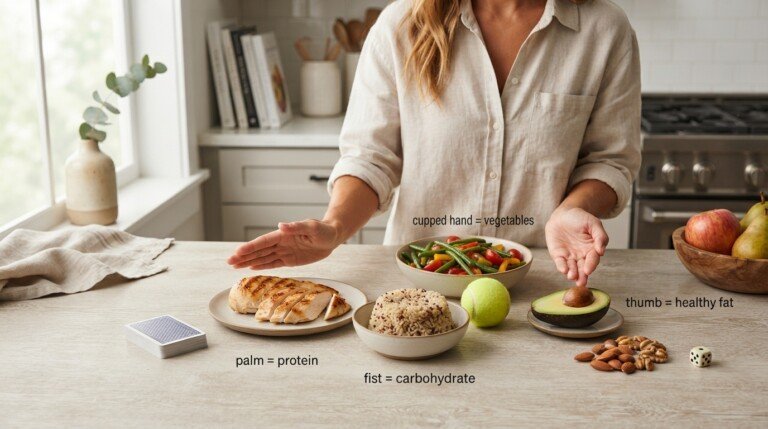
A sustainable meal plan balances protein, carbs, and fats, includes plenty of vegetables, and fits your lifestyle. Meal prep for the week, plan snacks, and allow flexibility to prevent burnout. Tracking portions, rotating foods, and applying practical portion control for weight loss ensures long-term adherence without extreme restriction.

5. How long does it take to see results with sustainable weight loss?

Results vary by individual, but a safe, sustainable rate is 1–2 pounds per week. Significant visible changes often appear within 4–12 weeks, depending on consistency, diet quality, and activity levels. The key is focusing on habit-building, not quick fixes, for lasting transformation.


Disclaimer:

This post may contain affiliate links. If you purchase through them, we may earn a small commission at no extra cost to you. Also, this content is for informational purposes only and does not substitute professional medical advice.

Weight Loss Benefits

Understanding the Benefits of Weight Loss

Weight Loss Benefits aren’t just about how you look they shape how you feel, move, and live. After 90 days of consistent change, I started noticing deeper transformations in my energy, sleep, and overall happiness. These benefits didn’t happen overnight, but they were real and worth every step. If you want to understand how those 90-day changes compound through nutrition, training, and recovery, this structured weight loss guide explains the full transformation framework.

One of the most powerful weight loss benefits is how it improves heart health. Even modest weight loss of 5–10% improves cardiovascular risk factors. As the extra weight drops, the strain on your heart eases. Circulation improves, blood pressure lowers, and the risk of heart disease decreases. Daily movement and better choices naturally strengthen your cardiovascular system.

Another key benefit is improved mobility. Shedding even a few pounds can ease pressure on your joints, making movement easier and less painful. This leads to a more active lifestyle, which boosts energy levels and helps maintain momentum on your journey.

Sleep also improves when the body is lighter. Many people find relief from conditions like sleep apnea or frequent waking after losing weight. Better sleep means more clarity, emotional balance, and better performance throughout the day physically and mentally.

There’s also a clear shift in confidence. As changes become visible, self-esteem rises. This emotional boost makes a difference in your day-to-day mindset, reducing stress and creating a greater sense of self-worth. Many people find they’re more motivated and engaged in life as a whole.

In the end, the real weight loss benefits go beyond numbers on a scale and are best achieved through a sustainable weight loss plan that prioritizes consistency over quick fixes. They show up in your energy, your rest, your mood, and your daily habits. It’s a journey that shapes your body and uplifts your spirit step by step.


The Role of the Gym in Achieving Weight Loss Goals

The gym plays an integral role in the weight loss journey for many individuals, providing an environment that is conducive to achieving fitness objectives. One of the primary advantages of joining a gym is the access to professional guidance from certified personal trainers. These professionals can design tailored workout programs that align with a person’s specific weight loss goals, ensuring the effectiveness of the fitness regime. With their expertise, trainers not only instruct on proper exercise techniques but also motivate clients to push their limits, which can be crucial for anyone striving for significant weight loss.

Moreover, gyms typically offer a variety of fitness classes that appeal to different interests and fitness levels. These classes, which may include yoga, spinning, or high-intensity interval training (HIIT), can introduce participants to new forms of physical activity, making the process of losing weight more enjoyable and engaging. This variety not only alleviates workout monotony but also promotes overall fitness, which is essential for effective weight management.

In addition to professional guidance and fitness diversity, community support is another vital aspect of gym culture. Many individuals find motivation in being part of a collective environment where fellow gym-goers share similar weight loss goals. This sense of community fosters an atmosphere of encouragement, which can significantly enhance accountability. When individuals feel supported by others on the same journey, they are more likely to maintain their commitment to structured workout routines, which is key to achieving sustainable weight loss outcomes.

In summary, the gym provides a multifaceted platform for weight loss, encompassing expert guidance, varied classes, and a supportive community. All these elements converge to create an environment that not only motivates individuals but also enhances their chances of reaching their desired weight loss goals efficiently.


Essential Gym Equipment for Effective Weight Loss

Effective weight loss involves a consistent exercise routine complemented by the right equipment. Understanding the various types of gym apparatus available can greatly enhance one’s workout experience and contribute to reaching weight loss goals. Among the most fundamental category of equipment is cardiovascular machines, which include treadmills and ellipticals. These machines are pivotal for burning calories, improving cardiovascular health, and building endurance. Treadmills allow users to mimic the natural movement of running or walking, providing adjustable speed and incline settings to vary workout intensity. Similarly, ellipticals offer a low-impact alternative that engages both the upper and lower body, making it suitable for individuals with joint concerns.

In addition to cardio machines, strength training equipment plays a crucial role in effective weight loss, and structured strength training for fat loss helps preserve muscle while increasing metabolic efficiency. Incorporating free weights, such as dumbbells and kettlebells, into a workout routine can help build muscle mass, which increases resting metabolic rate and promotes further fat loss. Furthermore, resistance bands are an accessible and versatile tool for strength training, enabling a full range of motion and targeting specific muscle groups. They are beneficial for beginners as well as experienced athletes, facilitating progressive resistance that can be easily adjusted.

Understanding how to utilize this equipment correctly is vital for maximizing workout efficiency and preventing injuries. Proper form when using weights, maintaining correct posture on cardio machines, and ensuring a balanced routine of strength and cardio exercises contribute to effective and sustainable weight loss. When combined, these tools not only aid in burning calories but also foster a comprehensive approach to fitness that encourages both physical and mental well-being. By integrating essential gym equipment into a weight loss regimen, individuals can significantly enhance their chances of success on their fitness journey.


Creating a Personalized Weight Loss Strategy with Gym Resources

Developing a personalized weight loss strategy is vital for effective and sustainable results. To initiate this journey, the first step is setting realistic and achievable goals. It is essential to determine a target weight, but more importantly, consider other aspects such as fitness levels, overall health, and individual preferences. This approach not only fosters motivation but also helps in maintaining the drive throughout the weight loss process.

Utilizing gym resources can significantly aid in crafting a balanced workout plan. A comprehensive strategy should incorporate various forms of exercise, which can include cardiovascular workouts, strength training, and flexibility exercises. Cardiovascular activities, such as running on a treadmill or cycling, facilitate calorie burning, while strength training with weights promotes muscle development and increases metabolism. Integrating different types of exercises not only prevents boredom but also addresses diverse fitness needs.

Tracking progress is another vital component of a personalized weight loss strategy. Utilizing apps or journals allows individuals to monitor their workouts, dietary intake, and changes in body composition. This data serves as motivation, evidencing improvements over time. Regular assessments, such as weekly weigh-ins or fitness tests, enhance accountability and provide insights for future adjustments to the plan.

Nutrition plays a fundamental role alongside the workout regimen. Focusing on a balanced diet rich in whole foods fruits, vegetables, whole grains, lean proteins, and healthy fats supports the energy requirements for exercise and aids in recovery. Proper nutrition not only helps in achieving weight loss goals but also enhances overall well-being.

Lastly, emphasizing recovery is crucial in a weight loss strategy. Incorporating rest days and active recovery sessions will prevent burnout and injuries, promoting long-term success. By creating a personalized weight loss plan that utilizes gym resources effectively, individuals can pursue a healthier lifestyle while achieving their desired goals.


FAQ

1. How much weight do I need to lose to see health improvements?

Losing just 5–10% of your body weight about 5–15 kg for many people can significantly lower blood pressure, improve cholesterol, and reduce type 2 diabetes risk.

2. Does cardio or strength training help more for weight loss?

Both help but cardio burns calories immediately, while strength training builds muscle, which increases your resting metabolism. A mix works best.

3. Is it normal to regain weight after losing it at the gym?

Yes, weight regain after initial loss happens often. Staying active, using fitness trackers, and maintaining community support can help sustain progress.

4. How fast should I expect to lose weight safely?

A healthy, sustainable rate is about 0.5–1 kg per week. Faster loss often leads to burnout or poor health outcomes.

5. Can gym workouts improve mental health too?

Absolutely regular exercise boosts mood, reduces anxiety, and improves self-esteem through endorphins and a supportive community.

Disclaimer:

This post may contain affiliate links. If you purchase through them, we may earn a small commission at no extra cost to you. Also, this content is for informational purposes only and does not substitute professional medical advice.

5 Best Recovery Tools for Weight Loss That Really Work

Recovery tools for weight loss are the secret weapon most people overlook. While diet and exercise are essential, proper recovery can dramatically accelerate fat loss, reduce stress, and improve consistency. From massage guns to compression therapy, the right recovery tools help your body perform better and recover faster. In this post, we’ll explore 5 proven recovery tools that support weight loss and help you feel your best every day.


1. The Role of Recovery in Weight Loss: Why Rest Is Essential

When it comes to weight loss, most people focus on exercise and diet, but recovery plays an equally important role in the process. Recovery isn’t just for athletes it’s a crucial aspect of any effective weight loss plan. Proper recovery allows your body to repair, rebuild, and adapt to the physical stress it’s been put under, ultimately helping you achieve your weight loss goals more efficiently.

How Recovery Supports Weight Loss:

  • Muscle Repair and Growth
    During exercise, especially strength training or high-intensity workouts, your muscles experience micro-tears. These tears are a natural part of the muscle-building process, but they need time and proper nutrients to heal. When you allow your muscles the rest they need, they repair themselves and grow stronger. This muscle growth boosts your metabolism, allowing your body to burn more calories, even at rest.

  • Restores Energy Levels
    Intense physical activity depletes your energy stores, especially glycogen (the body’s primary energy source during exercise). Recovery allows your body to replenish these stores, ensuring that you have the energy for your next workout. If you don’t allow adequate rest, you may feel fatigued, which can decrease the intensity of your workouts, hindering your progress.

  • Prevents Overtraining and Injury
    Overtraining can lead to burnout and injuries, which will set back your weight loss progress. Giving your body time to recover between workouts helps to prevent muscle fatigue and overuse injuries, keeping you on track with your fitness routine. Incorporating rest days reduces the risk of chronic injuries, ensuring long-term progress.

  • Improves Sleep Quality
    Recovery isn’t just about taking a day off from the gym it’s also about getting quality sleep. During sleep, your body produces growth hormones that aid in muscle repair, fat loss, and overall recovery. Proper rest ensures you wake up feeling refreshed and ready to tackle the next workout with renewed energy.

  • Balances Hormones
    Intense physical activity can elevate stress hormones like cortisol, which, when chronically elevated, can interfere with weight loss. Rest helps lower cortisol levels, reducing stress and promoting a healthier hormonal balance. By managing stress and allowing your body to recover, you create a more favorable environment for fat loss.


2. Top Recovery Tools to Enhance Weight Loss: Optimize Your Recovery for Better Results

When it comes to weight loss, recovery isn’t just about resting it’s about using the right tools to enhance and speed up the recovery process. Proper recovery aids muscle repair, reduces soreness, and boosts overall performance, which ultimately supports your weight loss journey. If you’re looking to optimize your recovery routine, here are some of the best recovery tools to incorporate into your fitness regimen:

1. Foam Rollers: Release Tension and Improve Blood Flow

Foam rolling is one of the most effective and affordable recovery tools. It helps release muscle tension, improve flexibility, and enhance blood circulation, which is essential for muscle recovery. By rolling over tight or sore muscles, you can break up muscle knots (myofascial release) and speed up recovery. Foam rolling also prevents injuries by improving mobility and flexibility, which helps you stay consistent with your workouts.

2. Massage Guns: Target Deep Muscle Tissue

Massage guns, or percussive therapy devices, are great for targeting deep muscle tissues. These tools provide a high-frequency vibration that helps reduce muscle soreness, improve blood flow, and increase range of motion. Using a massage gun post-workout can accelerate muscle recovery, decrease muscle stiffness, and help you feel more mobile and ready for your next session. If you’re wondering how to speed up muscle recovery after exercise, a massage gun is a game-changer. Percussive therapy improves muscle range of motion and flexibility in healthy adults
A clinical study found a single session of massage gun treatment enhanced range of motion significantly without affecting strength.

3. Compression Gear: Enhance Circulation and Reduce Fatigue

Compression garments (such as sleeves, socks, and tights) help improve circulation and reduce muscle fatigue after workouts. These garments apply gentle pressure to your muscles, promoting faster recovery by increasing blood flow and reducing swelling. Compression gear can be particularly helpful after high-intensity workouts or endurance training, as it helps minimize soreness and improves recovery time, allowing you to stay active and maintain consistency in your weight loss plan.

4. Sleep Aids (e.g., Weighted Blankets, Sleep Masks): Improve Sleep Quality

Quality sleep is essential for muscle recovery, fat loss, and overall well-being. If you struggle with post-workout insomnia or have difficulty falling asleep after a strenuous workout, sleep aids can help. Weighted blankets provide a calming effect that can reduce anxiety and promote deeper, more restful sleep. Sleep masks block out light, helping you fall asleep faster and improving sleep quality. Proper rest ensures your body has enough time to repair muscles, regulate hormones, and support weight loss.

RReferences:

  • “Check out the Theragun Pro for a high-quality massage gun that’s perfect for post-workout recovery.”
  • “Try the TriggerPoint Foam Roller to ease muscle tension and improve flexibility.”
  • “For better sleep, consider the Gravity Weighted Blanket, which helps reduce stress and improve recovery.”

3. How Recovery Tools Boost Metabolism: Accelerate Your Calorie Burn Naturally

While we often think of metabolism as something influenced by diet and exercise, recovery tools can also play a crucial role in enhancing your metabolic rate. Tools like massage guns and foam rollers do more than just relieve muscle soreness they can actively improve your circulation, boost muscle repair, and even accelerate your metabolism. Here’s how recovery tools can help you burn more calories and optimize your weight loss journey.

1. Improved Blood Circulation

Recovery tools such as foam rollers and massage guns stimulate blood flow, increasing circulation throughout your body. Better circulation means more oxygen and nutrients are delivered to your muscles and tissues. This improves muscle recovery, but it also enhances your body’s ability to repair and rebuild muscle fibers, which is vital for boosting metabolism. As your muscles recover and grow stronger, your body naturally burns more calories even when you’re resting. A faster metabolism helps with fat loss and overall calorie expenditure.

2. Accelerated Muscle Recovery

Muscle recovery is essential for an efficient metabolism. When your muscles are repaired and strengthened after exercise, they demand more energy to maintain. This means your body burns more calories to support your muscles in their recovery process. By using tools like a massage gun or foam roller, you can speed up muscle recovery, making it easier for your body to repair tissue and boost muscle mass, which in turn raises your metabolic rate.

3. Decreased Muscle Soreness

Reducing muscle soreness allows you to stay more active and consistent in your workouts. If you’re less sore after exercising, you’re more likely to engage in more physical activity the following day, whether it’s another workout or general movement throughout the day. The more you move, the more calories you burn. By incorporating recovery tools into your routine, you ensure that your muscles aren’t holding you back, allowing you to stay active and keep your metabolism elevated.

4. Enhanced Lymphatic System Function

Some recovery tools, like foam rollers, also help stimulate the lymphatic system, which is responsible for removing toxins and waste products from the body. By supporting lymphatic flow, you can reduce inflammation and support better overall metabolic function. This helps your body stay in a state where it can burn fat and utilize nutrients more efficiently, keeping your metabolism functioning at its best.

5. Promoting Restful Sleep

Recovery tools like weighted blankets or sleep masks improve the quality of your sleep. Quality rest is essential for metabolic health, as most of your muscle repair and recovery happens during sleep. A rested body is a more efficient one, burning calories at a higher rate. Proper sleep also helps balance hormones that regulate appetite and fat storage, such as ghrelin and leptin, ultimately contributing to better metabolic health.

Supplement suggestions:

  • “Pair your recovery routine with a high-quality protein powder like Orgain Organic Protein to support muscle repair and growth.”
  • “Consider adding a magnesium supplement like Natural Vitality Calm to reduce muscle cramps and improve sleep quality.”

References:

  • “The Theragun Mini is a portable and affordable option for those who want to improve circulation and recovery on the go.”

4. The Connection Between Recovery and Stress Reduction: How to Lower Cortisol and Support Weight Loss

Stress can be one of the most significant obstacles to weight loss. When we experience stress, our body releases cortisol, a hormone that is designed to help us cope with short-term challenges. However, when cortisol levels remain elevated over time, it can lead to increased fat storage, particularly around the abdomen. This is why managing stress is so important in your weight loss journey. Thankfully, recovery tools such as weighted blankets, meditation apps, and other relaxation techniques can be incredibly effective in reducing stress and helping your body shed excess weight. Here’s how these tools work and why they’re essential for your well-being.

1. Reducing Cortisol with Weighted Blankets

Weighted blankets are a fantastic tool for reducing stress and promoting relaxation. They provide deep touch pressure, which mimics the sensation of being gently held or hugged, triggering the release of serotonin and dopamine, the body’s natural feel-good hormones. This calming effect can help lower cortisol levels, which reduces stress and encourages the body to shift from “fight or flight” mode to a more relaxed state.

When cortisol levels drop, your body can focus on recovery and muscle repair, rather than storing fat. In addition, a reduction in cortisol can help improve sleep quality, which is crucial for both stress management and metabolism. Better sleep and lower cortisol levels contribute to a healthier environment for weight loss.

2. Using Meditation Apps to Calm the Mind

In today’s fast-paced world, stress is often constant. Luckily, meditation apps are a simple and effective way to incorporate mindfulness into your daily routine. Meditation has been shown to reduce cortisol levels and promote relaxation, which in turn helps your body regulate its metabolic functions and avoid emotional eating or stress-related food cravings. Many apps offer guided meditations, breathing exercises, and relaxation techniques that can help you focus on calming your mind and reducing anxiety.

Regular meditation not only reduces stress in the moment but also helps train your body and mind to handle stress more effectively over time. By practicing mindfulness and meditation regularly, you’ll create a more balanced and relaxed state, allowing your body to stay in fat-burning mode rather than stress-response mode.

3. Recovery Tools to Improve Sleep Quality

Quality sleep is essential for reducing stress and supporting weight loss. As mentioned earlier, weighted blankets can improve your sleep by making you feel more secure and relaxed. In addition to weighted blankets, other sleep aids such as sleep masks and calming essential oils like lavender can further promote restful sleep. Sleep is the time when your body recovers, repairs muscles, balances hormones, and recharges for the next day.

When you get enough quality sleep, your body’s cortisol levels decrease, and growth hormones are released to support muscle repair, fat loss, and overall recovery. A consistent sleep routine that prioritizes rest is one of the most powerful tools in managing stress and optimizing weight loss.

4. Stretching and Yoga for Stress Relief

In addition to mental relaxation, physical recovery tools like yoga and stretching can also help lower cortisol levels. These activities promote muscle relaxation, flexibility, and breathwork, all of which help manage stress. Yoga, in particular, has been shown to reduce cortisol levels and improve overall emotional well-being, making it a fantastic option for those dealing with stress-related weight gain.

References:

  • “The Calm App offers guided meditations and sleep stories to help you relax and recover after a long day.”
  • “Try the Bearaby Cotton Napper Weighted Blanket for a cozy and stress-relieving sleep experience.”

5. Creating a Recovery Routine for Maximum Weight Loss

If you’re wondering how to create a recovery routine for weight loss, here’s a simple plan to follow:

  1. Spend 10-15 minutes foam rolling after each workout to improve flexibility and reduce soreness.
  2. Use a massage gun for 5-10 minutes on sore muscles to speed up recovery and enhance performance.
  3. Wear compression gear during or after intense workouts to reduce fatigue and improve circulation.
  4. Prioritize 7-9 hours of sleep each night using sleep aids if needed to support overall recovery and weight loss.

Supplement suggestions:

  • “Add a natural sleep aid like Olly Sleep Gummies to your nighttime routine for better rest.”

References:

  • “The Compex Wireless Muscle Stimulator is another great tool to enhance recovery and muscle performance.”

Conclusion

Recovery tools are more than just a luxury they’re a necessity for anyone serious about weight loss. By reducing muscle soreness, improving sleep, and lowering stress, these tools can help you stay on track and achieve your goals faster. Whether you’re looking for the best recovery tools for weight loss or natural ways to boost your metabolism, incorporating these tools into your routine can make a world of difference.


Call to Action:

“Ready to take your weight loss journey to the next level? Explore our top-rated recovery tools and supplements here and see the difference for yourself!”


FAQ

1. Can recovery tools really help with weight loss?

Yes! Recovery tools like foam rollers, massage guns, and compression gear improve circulation, reduce muscle soreness, and enhance sleep quality will of which contribute to better weight loss results.

2. How often should I use recovery tools?

For best results, use recovery tools like foam rollers or massage guns for 10-15 minutes after each workout. Incorporate sleep aids and stress-reducing tools daily to support overall recovery.

3. Are recovery tools safe for beginners?

Absolutely! Most recovery tools, such as foam rollers and weighted blankets, are beginner-friendly. Start with lighter pressure or shorter sessions and gradually increase as your body adapts.

4. Do I need to buy expensive recovery tools?

Not necessarily. While high-quality tools like the Theragun Pro are effective, there are affordable options like basic foam rollers and compression sleeves that work well too.

5. Can recovery tools replace rest days?

No, recovery tools complement rest days but shouldn’t replace them. Your body still needs time to fully recover, so make sure to schedule regular rest days in your fitness routine.


Disclaimer

This article is for informational purposes only and is not intended to replace professional medical advice, diagnosis, or treatment. Always consult with a healthcare provider before starting any new fitness or recovery routine, especially if you have pre-existing health conditions. Some links in this article are affiliate links, which means we may earn a small commission if you purchase through them at no extra cost to you. This helps support our work and allows us to continue providing valuable content. Thank you for your support

5 Genius Body Fat Loss Tips You Haven’t Tried Before

Body fat loss tips can make or break your fitness journey. In this guide, you’ll discover 5 genius strategies that go beyond the basics to help you burn fat faster and more effectively

1. High-Intensity Interval Training (HIIT): A Game-Changer for Weight Loss

HIIT is one of the most powerful body fat loss tips for busy people…

Why HIIT is Effective for Weight Loss

Here’s why you should consider incorporating HIIT into your fitness routine:

  • Time-Efficient: HIIT workouts typically last between 15-30 minutes, making them a quick yet effective way to burn calories and improve fitness.
  • Increased Calorie Burn: Due to the afterburn effect, your body continues to burn calories even after your workout has ended. This leads to more fat loss over time.
  • Boosts Metabolism: HIIT increases your metabolism, which helps you burn more calories throughout the day, even while at rest.
  • Preserves Muscle Mass: Unlike long-duration cardio, HIIT helps preserve lean muscle mass while promoting fat loss.
  • Variety and Fun: With many different exercises to choose from, HIIT keeps your workouts engaging and prevents monotony.

If you’re new to HIIT, there are online fitness programs that provide structured HIIT workouts and progress tracking to help you maximize results. 6 Best HIIT Exercises – Healthline

How to Get Started with HIIT for Weight Loss

Here are some tips for effectively incorporating HIIT into your routine:

  • Start Slow: If you’re new to HIIT, start with shorter intervals (20 seconds of intense exercise followed by 40 seconds of rest) and gradually increase intensity as your fitness improves.
  • Choose Simple Exercises: Begin with exercises that use your body weight, such as jumping jacks, squats, and burpees. These movements are great for beginners.
  • Warm Up and Cool Down: Warm up before each session and cool down afterward to prevent injury and aid in recovery.
  • Stay Consistent: Aim for at least 2-3 HIIT sessions per week for optimal fat-burning results.
  • Track Your Progress: Use a fitness app or tracker to measure your performance and make sure you’re challenging yourself with each workout.

To make your HIIT journey even more effective, consider enrolling in HIIT-focused courses that offer expert guidance and structured workout plans.

The Benefits of HIIT for Weight Loss

  • Burns More Calories: The intensity of HIIT leads to more calories burned during and after the workout.
  • Improves Cardio Health: HIIT strengthens your heart and improves your cardiovascular health in less time.
  • Increases Fat Loss: Research shows that HIIT is especially effective for reducing visceral fat (the fat around your organs), which is linked to various health problems.
  • Convenient: HIIT can be done anywhere at the gym, at home, or even outside, with minimal equipment needed.
  • Improves Overall Fitness: HIIT boosts endurance, strength, and speed, leading to improved overall physical fitness.

For additional support, many fitness platforms offer specialized HIIT programs that can help you optimize your workouts and achieve maximum results in less time.

Common Mistakes to Avoid When Doing HIIT

  • Overdoing It: While HIIT is intense, it’s important to listen to your body. Pushing yourself too hard can lead to injury.
  • Neglecting Rest: The rest periods are just as important as the intense bursts of exercise. Don’t skip them!
  • Skipping Warm-Up and Cool-Down: Warming up and cooling down helps prevent injury and promotes better recovery.
  • Not Mixing Up Exercises: To keep things interesting and challenge your body, vary the exercises you use in your HIIT sessions.
  • Inconsistent Training: While HIIT is effective, consistency is key. Stick to a regular routine for optimal results.

HIIT-focused programs can help you stay on track and teach you the proper form to avoid mistakes while maximizing your workout results.

Pro Tip: If you’re new to HIIT, try a guided HIIT app. These apps offer structured workouts for all fitness levels.

Supplement Suggestion:pre-workout supplement can give you the energy and focus you need to power through intense sessions.


2. Strength Training: Unlocking Your Body’s Potential for Fat Loss

When it comes to effective body fat loss tips, strength training is a non-negotiable.

Why Strength Training is Essential for Weight Loss

Here’s why you should incorporate strength training into your fitness routine:

  • Boosts Metabolism: More muscle means a higher metabolism, leading to greater calorie burn throughout the day, even while you sleep.
  • Builds Lean Muscle: Strength training helps you build lean muscle mass, which is essential for improving body composition and achieving a toned appearance.
  • Fat Burning: Muscle is metabolically active tissue, so increasing muscle mass helps you burn fat more efficiently.
  • Enhances Fat Loss: Studies show that people who combine strength training with cardio lose more fat and retain more muscle than those who only focus on cardio.
  • Improves Strength and Functionality: Strength training improves overall functional fitness, making everyday activities easier and reducing the risk of injury.

For those new to strength training, online workout programs can guide you through safe and effective routines to get started.

How to Start Strength Training for Fat Loss

Follow these steps to incorporate strength training into your routine:

  • Start with Bodyweight Exercises: If you’re a beginner, start with bodyweight exercises such as squats, lunges, push-ups, and planks. These can be done anywhere and are great for building a foundation.
  • Use Weights: Once you’re comfortable, you can add dumbbells, kettlebells, or resistance bands to your workouts.
  • Aim for Compound Movements: Focus on compound exercises that target multiple muscle groups (e.g., squats, deadlifts, bench press, rows). These exercises help build muscle more efficiently and burn more calories.
  • Increase Intensity Gradually: As you get stronger, gradually increase the weight or resistance to continue challenging your muscles.
  • Allow for Recovery: Give your muscles time to recover between strength training sessions to allow for growth and repair.

Many online fitness courses offer structured strength training programs that are tailored to various fitness levels, making it easier to get started and progress safely.

The Benefits of Strength Training for Fat Loss

  • Increased Calorie Burn: By building muscle, strength training helps you burn more calories even when you’re not working out.
  • Toned Physique: Strength training shapes and defines your body, creating a lean, toned appearance by building muscle and burning fat.
  • Better Body Composition: With more muscle and less fat, your body composition improves, leading to better overall health and fitness.
  • Improved Functional Strength: Strength training increases overall body strength, which helps with daily tasks and can enhance athletic performance.
  • Long-Term Weight Management: Strength training boosts your metabolism in the long term, making it easier to maintain your weight once you reach your goals.

To get the most out of strength training, consider joining online fitness communities or programs that specialize in strength training and fat loss. These platforms provide support, guidance, and personalized workout plans to help you achieve your fitness goals.

Common Mistakes to Avoid in Strength Training

  • Neglecting Proper Form: Good form is crucial to prevent injury and maximize results. Always prioritize form over weight.
  • Skipping Warm-Ups: Warming up before strength training prepares your muscles and joints for the workout, reducing the risk of injury.
  • Overtraining: Strength training is effective, but muscles need recovery time to grow. Avoid working the same muscle groups on consecutive days.
  • Focusing Only on Cardio: While cardio is important for burning fat, neglecting strength training can result in muscle loss and a slower metabolism.
  • Lack of Progression: To continue building muscle, you need to progressively increase the weight, resistance, or intensity of your workouts.

Strength training is a vital component of any fat loss plan, and strength training courses can provide valuable information on how to progress safely and effectively.

Pro Tip: If you don’t have access to a gym, try a home workout program with resistance bands or bodyweight exercises.

Supplement Suggestion:protein powder can help your muscles recover and grow stronger after workouts.


3. Circuit Training: The Ultimate Fat-Burning Workout

Learn how circuit training can help you burn fat, build muscle, and improve overall fitness. Discover the science behind this efficient workout that combines strength and cardio.

Why Circuit Training Is Great for Fat Loss

Here’s why circuit training should be part of your fitness routine:

  • Maximized Calorie Burn: Circuit training keeps your heart rate high throughout the workout, which helps burn more calories during the session and even after it’s over, due to the afterburn effect (EPOC).
  • Improves Cardiovascular Health: The cardio intervals in circuit training improve heart health while enhancing endurance.
  • Builds Muscle and Burns Fat: By incorporating strength exercises, circuit training builds lean muscle mass, which increases metabolism and promotes fat burning.
  • Time-Efficient: Circuit training allows you to get a full-body workout in a short amount of time, making it perfect for those with busy schedules.
  • Full-Body Workout: Circuit training works multiple muscle groups at once, providing a balanced, full-body workout that strengthens and tones.

To take full advantage of circuit training’s benefits, many fitness programs offer structured circuit training workouts tailored to your fitness level and goals.

How to Get Started with Circuit Training for Fat Loss

To incorporate circuit training into your routine, follow these simple steps:

  • Choose Your Exercises: Select 6-8 exercises that target different muscle groups (e.g., squats, push-ups, lunges, jumping jacks, burpees).
  • Set Work-to-Rest Ratios: For each exercise, work for 30-45 seconds, followed by 15-30 seconds of rest. Repeat the circuit for 3-5 rounds.
  • Incorporate Cardio and Strength: Ensure that your circuit includes both strength exercises (to build muscle) and cardio movements (to elevate the heart rate and burn calories).
  • Start with Lower Intensity: If you’re new to circuit training, start with easier exercises and lower intensity, and gradually increase the difficulty as you get stronger.
  • Track Progress: Keep track of the number of rounds you complete, the time you spend on each exercise, and the weight you use (if applicable). This will help you see improvements and stay motivated.

If you’re unsure where to start, consider enrolling in an online course or program that offers guided circuit training workouts with progression plans and expert tips.

The Benefits of Circuit Training for Fat Loss

  • Increased Fat Burn: By combining strength and cardio, circuit training maximizes fat burning during and after the workout.
  • Improved Muscle Tone: Circuit training helps build lean muscle mass, which enhances metabolism and contributes to a toned physique.
  • Boosted Endurance: The mix of intense cardio and strength exercises boosts your cardiovascular endurance and overall stamina.
  • Full-Body Workout: Circuit training targets every major muscle group, providing a comprehensive workout that strengthens and tones.
  • Improved Time Management: With short, intense workouts, circuit training is perfect for people with limited time but still want to achieve significant results.

Many online circuit training courses can guide you step-by-step, helping you improve form, optimize results, and ensure you’re getting the most out of your workouts.

Common Mistakes to Avoid in Circuit Training

  • Skipping Warm-Up and Cool-Down: Don’t forget to warm up before your session and cool down afterward to prevent injuries and promote recovery.
  • Overdoing It: It’s important to challenge yourself but also listen to your body. Avoid pushing too hard, especially when you’re new to circuit training.
  • Poor Form: Focus on form over speed. If you sacrifice technique for intensity, you risk injury and reduce the effectiveness of your workout.
  • Not Progressing: To continue seeing results, make sure to increase the intensity over time by adding weight, reducing rest, or trying more difficult exercises.
  • Inconsistent Training: Consistency is key for fat loss and muscle building. Stick to a regular circuit training schedule to see the best results.

If you want to refine your technique and progress more effectively, consider checking out advanced circuit training courses that focus on proper form and safe progression.

Pro Tip: If you need inspiration, try a circuit training app. These apps provide customizable workouts for all fitness levels.

Supplement Suggestion:BCAA supplement can help reduce muscle fatigue during intense circuits.


4. Steady-State Cardio: A Steady Approach to Fat Loss

Learn how steady-state cardio can help you burn fat and improve cardiovascular health. Discover the science behind this effective, low-impact workout for fat loss.

Why Steady-State Cardio Is Effective for Fat Loss

Here’s why steady-state cardio can be a great addition to your fitness routine:

  • Sustainable for Beginners: Steady-state cardio is easier on the body than high-intensity exercises, making it ideal for beginners or those easing back into a fitness routine.
  • Fat-Burning Over Time: While it might not deliver immediate calorie burn like HIIT, steady-state cardio burns fat efficiently when done consistently over time.
  • Improves Cardiovascular Health: Steady-state cardio strengthens your heart, improves circulation, and increases lung capacity, which is vital for overall health and stamina.
  • Easy to Maintain: It’s a low-impact workout, so it’s easier on your joints compared to higher-intensity workouts like running or jumping.
  • Can Be Done Anywhere: You don’t need a gym to perform steady-state cardio. A brisk walk, a light jog, or even a bike ride in your neighborhood can give you the same benefits.

If you’re looking to increase the intensity or need a structured plan, there are many online fitness courses that offer cardio programs specifically designed for fat loss.

How to Incorporate Steady-State Cardio into Your Routine

To get the most out of steady-state cardio, follow these steps:

  • Choose the Right Activity: Pick an activity that you enjoy and can sustain for 30-60 minutes, such as brisk walking, cycling, jogging, or swimming.
  • Start Slow: If you’re new to cardio, begin with shorter sessions (10-15 minutes) and gradually increase the duration as your endurance improves.
  • Maintain Moderate Intensity: Aim for a pace where you can still hold a conversation but are working hard enough to break a sweat.
  • Aim for Consistency: Incorporate steady-state cardio 3-5 times a week to see the best results over time.
  • Combine with Strength Training: While steady-state cardio is great for fat loss, pairing it with strength training helps build lean muscle, which further boosts your metabolism.

If you’d like additional guidance, consider joining online fitness programs that offer structured cardio routines and progression plans.

The Benefits of Steady-State Cardio for Fat Loss

  • Consistent Fat Burning: When done regularly, steady-state cardio helps burn fat steadily and contributes to long-term weight loss.
  • Improved Cardiovascular Health: Regular steady-state cardio strengthens your heart, improves circulation, and lowers the risk of heart disease.
  • Low Impact: This type of cardio is less stressful on the joints compared to high-intensity workouts, making it ideal for people with joint pain or those recovering from injury.
  • Endurance Building: Steady-state cardio improves your stamina, making it easier to engage in other physical activities for longer periods.
  • Mental Clarity and Stress Relief: Consistent aerobic exercise has been shown to reduce stress and improve mood, which can be a valuable tool in maintaining motivation for weight loss.

For more structured guidance, check out online courses that focus on steady-state cardio for fat loss and overall fitness improvement.

Common Mistakes to Avoid in Steady-State Cardio

  • Not Varying Intensity: While steady-state cardio is effective, doing the same routine every time can lead to a plateau. Vary your pace, duration, or type of cardio to challenge your body.
  • Overdoing It: Too much cardio without enough rest can lead to overtraining, which can hinder fat loss and lead to injury. Balance your cardio sessions with strength training and rest days.
  • Focusing Only on Cardio: While steady-state cardio is great for burning fat, it’s important to include strength training to build muscle and boost metabolism.
  • Not Tracking Progress: Without tracking your workouts, it’s hard to know if you’re improving or burning more calories. Use a fitness tracker or app to monitor your progress.
  • Ignoring Nutrition: Exercise alone won’t lead to weight loss if your nutrition isn’t in check. Pair steady-state cardio with a balanced diet to maximize fat loss.

If you’d like more direction, online fitness courses that incorporate both cardio and strength training can help you create a balanced program for better results.

Pro Tip: If you’re short on time, try a stationary bike or treadmill for convenient at-home cardio.

Supplement Suggestion: An electrolyte drink can help you stay hydrated during longer cardio sessions.


5. Tabata Training: The Ultimate Fat-Burning Workout

Tabata training stands out as one of the most efficient body fat loss tips for burning calories in record time

Why Tabata Training Is Great for Fat Loss

Tabata training is an incredibly efficient workout for fat loss for several reasons:

  • Maximum Calorie Burn: The short bursts of high-intensity exercise and minimal rest periods elevate your heart rate and keep it elevated even after the workout, leading to increased calorie burn during and post-workout (the afterburn effect).
  • Fat-Burning Efficiency: Because of the high intensity, Tabata training burns a significant amount of fat in a very short period, making it ideal for people who are short on time but still want to see fat loss results.
  • Improved Aerobic and Anaerobic Capacity: Tabata improves both cardiovascular and muscular endurance, enhancing overall fitness and stamina.
  • Time-Efficient: A full Tabata workout can be completed in just 4 minutes, making it easy to fit into any schedule.
  • No Equipment Needed: While you can use equipment, Tabata can also be done with bodyweight exercises, making it accessible and versatile for home workouts.

If you want a guided plan to help you get started, online courses often offer Tabata-specific routines that can take your fat-burning workouts to the next level.

How to Get Started with Tabata Training for Fat Loss

Getting started with Tabata training is simple and can be adapted to your fitness level:

  • Choose Your Exercises: Pick 4-5 exercises that target different muscle groups (e.g., squats, push-ups, burpees, jumping jacks, mountain climbers).
  • Set the Timer: Use a Tabata timer app or a stopwatch to track your 20-second work periods and 10-second rest intervals.
  • Intensity is Key: For the 20 seconds of work, give 100% effort. Push yourself to go as hard as you can during each interval.
  • Repeat for 4 Minutes: Complete 8 rounds of the exercise, with each round lasting 4 minutes. You can repeat the cycle for up to 4-5 Tabata sessions to get a full workout.
  • Rest Between Cycles: Take a 1-2 minute rest between each Tabata cycle before starting the next one.

Many online fitness programs offer structured Tabata workouts with variations in exercises and intensities, helping you progress and stay challenged.

The Benefits of Tabata Training for Fat Loss

  • Efficient Fat Burn: The intensity of Tabata maximizes fat burning in a short amount of time, leading to effective fat loss.
  • Enhanced Cardiovascular Health: By improving both aerobic and anaerobic capacity, Tabata boosts heart health and overall stamina.
  • Muscle Building: The high-intensity intervals engage muscle groups and promote muscle toning and strength.
  • Increased Metabolism: After a Tabata workout, your metabolism stays elevated for hours, continuing to burn calories post-workout.
  • Improved Endurance: Regular Tabata training increases your endurance, making other workouts or physical activities easier.

Tabata workouts are often included in fitness courses that emphasize high-intensity training for maximum fat loss. These courses can help guide you through advanced Tabata routines as you progress.

Common Mistakes to Avoid in Tabata Training

  • Not Giving 100% Effort: Tabata is designed to push your body to its limits. If you don’t give full effort during the 20-second work periods, you won’t get the fat-burning benefits.
  • Skipping Rest Periods: The brief 10-second rest is critical to the Tabata structure. Skipping it or not allowing yourself adequate recovery will affect the workout’s effectiveness.
  • Overtraining: Since Tabata is so intense, it’s important to avoid overdoing it. Incorporate rest days into your schedule to allow your body to recover and prevent burnout.
  • Incorrect Form: Even under time pressure, don’t sacrifice form for speed. Proper form ensures you target the right muscles and reduces the risk of injury.
  • Not Mixing Up the Exercises: Keep your workouts fresh and challenging by changing up the exercises or varying the intensity from time to time.

Consider enrolling in online fitness programs that include Tabata training sessions and offer expert tips on maximizing efficiency and maintaining proper form.

Pro Tip: If you’re new to Tabata, try a Tabata timer app. These apps make it easy to follow the intervals.

Supplement Suggestion:fat burner supplement can enhance your energy and focus during intense Tabata sessions.


Product Recommendations

Here are some of my top picks to help you crush your fat-burning workouts:

  1. Guided HIIT App: Perfect for structured high-intensity workouts.
  2. Home Workout Program: Burn fat and build muscle from home.
  3. Pre-Workout Supplement: Boost energy and focus for intense sessions.
  4. Protein Powder: Support muscle recovery and growth.
  5. Circuit Training App: Customizable workouts for all fitness levels.

Fat Burner Supplement: Enhance energy and fat loss during workouts.


Conclusion

By applying these 5 body fat loss tips, you can transform your fitness journey

FAQ

1. What’s the best type of workout for fast fat loss HIIT, Tabata, or circuit training?

All three are excellent, but it depends on your goals and fitness level. HIIT is great for time-strapped individuals wanting a quick metabolic boost. Tabata is ideal for ultra-intense, short-duration workouts, while circuit training offers a balanced mix of strength and cardio. Many people combine them throughout the week for maximum fat-burning results.

2. Can I lose fat without doing cardio?

Yes, strength training alone can significantly help with fat loss by building muscle, which increases your resting metabolic rate. However, adding even a bit of cardio like HIIT or steady-state cardio can accelerate fat burning and improve heart health. The best fat loss plans usually include both.

3. How often should I work out to lose body fat effectively?

For sustainable fat loss, aim for 4–5 workout sessions per week, mixing strength training, HIIT, or circuit training. Also include rest days to allow for recovery. Consistency over time is more important than intensity every single day.

4. Is steady-state cardio still effective for fat loss or is HIIT better?

Steady-state cardio is still very effective, especially for beginners or people recovering from injury. It burns fat slowly and steadily over time. HIIT burns more calories in less time and is excellent for boosting metabolism, but it’s more intense and may not be ideal for everyone.

5. Do I need supplements to lose fat or are workouts and diet enough?

Supplements are helpful but not essential. A solid workout routine and clean diet should be your priority. However, adding supplements like protein powder, BCAAs, or a fat burner can enhance performance, recovery, and motivation when used correctly.

6. How soon can I see results from these fat loss workouts?

Everyone is different, but many people start noticing changes in 2–4 weeks if they stay consistent with workouts and eat clean. Visible fat loss depends on your starting point, intensity, and lifestyle habits, including sleep and stress management.

7. What are the biggest mistakes people make when trying to lose body fat?

Some of the top mistakes include relying too much on cardio, skipping strength training, neglecting nutrition, overtraining without rest, and giving up too early. Fat loss is a process, and the key is to stick with a structured plan and trust the process.


Disclaimer

Some of the links in this post are affiliate links, which means I may earn a small commission if you purchase through them. This comes at no extra cost to you and helps support the creation of free, valuable content like this. Thank you for your support!

5 Powerful Weight Loss Motivation Tips to Stay Focused and Never Give Up

Looking for effective weight loss motivation tips that actually work? Staying consistent can feel hard, but these 5 strategies will keep you going strong.

1. Set SMART Goals: Foundational Weight Loss Motivation Tips That Work

Want lasting weight loss results? Learn how to set SMART goals Specific, Measurable, Achievable, Relevant, and Time-bound to stay motivated, track progress, and achieve success.

Why SMART Goals Matter for Weight Loss

Setting SMART goals helps you:

  • Stay Focused: Clear objectives prevent distractions and keep you on track.
  • Measure Progress: Seeing tangible improvements keeps motivation high.
  • Stay Motivated: Achievable goals prevent frustration and burnout.
  • Improve Consistency: A structured plan makes it easier to develop lasting habits.
  • Hold Yourself Accountable: Having a specific deadline increases commitment.

If you struggle with goal setting, many fitness and nutrition programs provide step-by-step guidance on crafting SMART goals tailored to your needs.

How to Set SMART Goals for Weight Loss

Use the SMART framework to create effective goals:

  • Specific: Clearly define what you want to achieve. (e.g., “I will lose 10 pounds by reducing my sugar intake and walking 30 minutes daily.”)
  • Measurable: Track progress with numbers or milestones. (e.g., “I will track my calorie intake daily using a food journal.”)
  • Achievable: Set realistic goals based on your lifestyle. (e.g., “I will exercise 4 days a week” instead of “I will work out every day.”)
  • Relevant: Ensure your goal aligns with your overall health and wellness objectives.
  • Time-bound: Set a deadline to maintain urgency. (e.g., “I will lose 10 pounds in 8 weeks.”)

If you’re unsure where to start, various coaching programs offer personalized strategies to help you set and achieve SMART fitness goals.

Benefits of SMART Goal-Setting in Your Weight Loss Journey

  • Greater Success Rate: Structured goals increase the likelihood of long-term success.
  • Better Motivation: Measurable progress fuels consistency and effort.
  • Less Overwhelm: Breaking large goals into smaller steps makes them more manageable.
  • Stronger Habits: Setting time-bound goals encourages daily healthy routines.
  • More Confidence: Achieving milestones boosts self-discipline and motivation.

Many weight loss and fitness courses incorporate SMART goal-setting techniques to help you stay on track and achieve lasting results.

Common Mistakes to Avoid When Setting Goals

  • Setting Unrealistic Goals: Extreme goals like losing 20 pounds in two weeks can lead to disappointment and burnout.
  • Not Tracking Progress: Without measurable tracking, it’s easy to lose focus.
  • Lack of Flexibility: Rigid goals can become frustrating if unexpected challenges arise.
  • Focusing Only on the Scale: Weight isn’t the only indicator of success consider energy levels, strength, and overall well-being.

By setting SMART goals, you’ll create a clear and sustainable weight loss plan that keeps you motivated, accountable, and on the path to success. Many expert-led courses provide in-depth guidance on goal setting and habit-building to ensure long-term health and fitness improvements.

Pro Tip: Use a goal-tracking app to monitor your progress and celebrate milestones.

Supplement Suggestion:motivation-boosting supplement with ingredients like L-tyrosine or caffeine can help you stay focused and energized.


2. Find Your “Why”: Deep Weight Loss Motivation Tips for Long-Term Success

Discover the power of finding your “why” for weight loss. Learn how understanding your deeper motivation increases success, boosts motivation, and helps you achieve long-term goals.

Why Finding Your “Why” Matters

Finding your deeper motivation is essential for:

  • Long-term success: Connecting weight loss to a core value makes it easier to stay focused.
  • Consistency: A strong “why” helps you maintain daily routines, even when challenges arise.
  • Emotional Resilience: During tough times, a clear reason for your goals can help you overcome setbacks.
  • Sustained Motivation: When your goal is tied to something deeply meaningful, you’re more likely to stay committed long-term.
  • Building Healthy Habits: A solid purpose encourages positive lifestyle choices, leading to sustainable weight loss.

If you’re unsure how to uncover your “why,” various coaching and wellness programs offer exercises and strategies to help you clarify your deeper motivations for long-term success.

How to Find Your “Why” for Weight Loss

To discover your personal motivation, ask yourself the following questions:

  • What is the ultimate reason I want to lose weight? (Is it to feel healthier, be more active, or improve my self-esteem?)
  • What will I gain from achieving this goal? (Consider physical, emotional, and psychological benefits.)
  • Who will I become in the process? (Visualize the confident, healthy version of yourself that you’re striving to become.)
  • How will my life change when I reach this goal? (Think about the impact on your daily routine, relationships, and overall happiness.)

Once you’ve identified your “why,” many wellness courses provide strategies to help you stay focused on that purpose, even when obstacles arise.

The Benefits of Understanding Your “Why”

  • Increased Motivation: A personal reason for your goals fuels energy and drive, even during difficult moments.
  • Better Decision-Making: When you know your “why,” you’re more likely to make choices that align with your values and weight loss journey.
  • Sustained Progress: By connecting your weight loss journey to something meaningful, you’re more likely to stick with it long-term.
  • Stronger Mindset: A clear “why” provides mental resilience, helping you bounce back from setbacks.
  • Improved Well-Being: Understanding your motivations supports not just weight loss, but overall health and happiness.

For deeper insights into finding and embracing your “why,” many motivational courses and weight loss programs offer personalized guidance to help you stay connected to your true motivations.

Common Mistakes to Avoid When Finding Your “Why”

  • Focusing on External Pressures: Weight loss shouldn’t be driven by external factors like societal expectations or peer pressure. Your “why” should come from within.
  • Being Too Vague: A general goal like “I want to be healthier” isn’t enough. Be specific about what health means to you.
  • Neglecting Emotional Motivation: If you’re only focusing on physical goals like the number on the scale, you may lose sight of the emotional benefits that drive your commitment.
  • Changing Your “Why” Frequently: Once you identify your core motivation, stick with it. Constantly shifting goals can lead to confusion and lack of direction.

Finding your “why” is a pivotal step in your weight loss journey, providing both clarity and the emotional drive to push through challenges. Many courses specialize in helping you uncover your deeper motivations and maintain momentum throughout your health journey.

Pro Tip: Create a vision board with images and quotes that inspire you to stay committed.

Supplement Suggestion:stress-relief supplement can help you stay calm and focused on your goals.


3. Celebrate Small Wins: Positive Reinforcement Weight Loss Motivation Tips

Need motivation? Build a support system for weight loss success. Learn how friends, family, and online communities can boost accountability and help you reach your goals.

Why a Support System Matters for Weight Loss

A strong support system can:

  • Increase Motivation: Positive reinforcement from friends and family keeps you motivated and focused on your goals.
  • Provide Accountability: Sharing your goals with others makes it easier to stay committed and track your progress.
  • Offer Emotional Support: Having someone to talk to helps you navigate challenges and setbacks.
  • Encourage Consistency: A reliable support system helps you develop healthy habits and stick to your plan.
  • Improve Mental Health: Being part of a supportive community boosts self-esteem and reduces stress, making it easier to stay positive during your journey.

If you’re unsure where to find a support system, many weight loss and fitness programs include access to online communities and group coaching for additional support.

How to Build Your Support System

Consider these strategies for building your own support system:

  • Talk to Friends and Family: Share your goals with loved ones and ask for their encouragement.
  • Join Fitness Communities: Online groups, forums, or social media can provide motivation and connect you with others on the same journey.
  • Work with a Coach or Mentor: A coach can offer personalized guidance, track your progress, and provide expert advice.
  • Find a Workout Buddy: Having a friend or family member to exercise with can help keep you accountable.
  • Utilize Social Media: Post your goals and progress to receive encouragement and connect with others.

Many wellness courses offer built-in accountability partners or group coaching sessions to help you build a strong support network.

The Benefits of a Strong Support System

  • Improved Consistency: Knowing that others are rooting for you increases your chances of staying on track.
  • Emotional Resilience: When faced with setbacks, a support system provides encouragement and boosts your confidence.
  • Better Results: Studies show that people with support are more likely to lose weight and maintain their results.
  • Increased Motivation: Positive feedback from others boosts morale and reinforces your commitment.
  • Sense of Belonging: Being part of a supportive community fosters a feeling of connection, which can increase overall happiness.

For more guidance on building your support system, some online fitness programs offer group accountability features and expert coaching to help you succeed.

Common Mistakes to Avoid When Building Your Support System

  • Relying on Unhealthy Relationships: Surround yourself with people who encourage healthy choices rather than those who sabotage your efforts.
  • Overloading Your Support System: Asking too much from a few people can lead to burnout. Spread out the support and find different sources of encouragement.
  • Not Communicating Needs: Be open with your support network about the type of support you need, whether it’s emotional, practical, or motivational.
  • Excluding Yourself from Groups: Isolating yourself from social or fitness groups can decrease motivation and make it harder to stay committed.

Building a strong support system is a game-changer for weight loss success. By connecting with others who share your goals and encourage your progress, you’ll enhance your chances of reaching your full potential. Many wellness courses and programs offer personalized coaching and group support to help you stay on track with your weight loss goals.

Pro Tip: If you prefer one-on-one support, consider working with a personal coach. They can provide personalized guidance and accountability.

Supplement Suggestion:mood-boosting supplement can help you stay positive and motivated.


4. Celebrate Small Wins for Lasting Motivation in Weight Loss

Learn how celebrating small wins can boost motivation and enhance weight loss success. Discover why tracking progress and rewarding yourself is essential for long-term results.

Why Celebrating Small Wins Matters for Weight Loss

Recognizing your progress can:

  • Boost Motivation: Each win, no matter how small, reminds you that you’re making progress, increasing your desire to keep going.
  • Build Confidence: Success, even in small steps, helps build belief in your ability to achieve bigger goals.
  • Improve Mental Health: Focusing on positive outcomes promotes a healthy mindset, reducing stress and anxiety around weight loss.
  • Encourage Consistency: Rewarding yourself after a small victory encourages the continuation of healthy habits.
  • Prevent Burnout: Small celebrations allow you to pause and appreciate your effort, preventing feelings of frustration or burnout.

Celebrating your wins may seem simple, but it’s a powerful tool to stay motivated and focused. Weight loss programs often offer milestone tracking and support systems to help you celebrate your victories along the way.

How to Celebrate Small Wins Effectively

Here are some ways to acknowledge your progress:

  • Track Your Progress: Keep a journal or use an app to log your achievements, whether it’s hitting a workout target or making a healthy food choice.
  • Set Mini-Goals: Break your larger goal into smaller, achievable targets. Each time you hit one, celebrate!
  • Treat Yourself to Non-Food Rewards: Instead of food-related rewards, treat yourself to a relaxing activity, a new workout outfit, or something that makes you feel proud.
  • Share Your Success: Tell a friend, family member, or support group about your progress. Their positive reinforcement can amplify the effects of celebrating.
  • Reflect on Your Journey: Take a moment to look back and see how far you’ve come. It’ll remind you that every small step counts.

For personalized guidance, many fitness programs offer progress tracking tools and community support to help you celebrate your small victories in a meaningful way.

The Benefits of Celebrating Small Wins

  • Increased Motivation: Each small win fuels your desire to keep going, creating a cycle of progress.
  • Reduced Stress: Celebrating moments of success can help reduce anxiety about the weight loss process.
  • Positive Reinforcement: Rewarding yourself with non-food rewards creates healthier associations with your achievements.
  • Stronger Mindset: Recognizing your efforts helps build mental resilience, making it easier to face challenges.
  • Long-Term Success: Acknowledging small wins keeps you focused and energized for the bigger goal, leading to sustainable results.

If you’re struggling to keep track of your achievements, several weight loss programs provide tools to track milestones and celebrate progress effectively.

Common Mistakes to Avoid When Celebrating Small Wins

  • Underestimating the Importance of Small Wins: Don’t wait until you’ve reached your ultimate goal to celebrate. Every small achievement deserves recognition.
  • Using Food as a Reward: While food rewards might feel satisfying, it can undermine your progress. Opt for non-food rewards to reinforce healthy behaviors.
  • Focusing Only on the Scale: Don’t let the number on the scale be the sole indicator of progress. Celebrate other non-scale victories, like improved energy or better sleep.
  • Being Inconsistent: Celebrate regularly to keep the momentum going. Skipping this step can lead to feelings of discouragement.
  • Setting Unrealistic Expectations: Be patient and realistic about your progress. Celebrate the journey, not just the destination.

By acknowledging and celebrating small wins, you create a positive feedback loop that makes weight loss feel more achievable and enjoyable. Many courses and wellness programs include tools to help you track and celebrate your achievements, keeping you motivated and on track.

Pro Tip: Use a progress journal to document your wins and reflect on your journey.

Supplement Suggestion:reward-based supplement like dark chocolate can satisfy cravings while staying on track.


5. Stay Consistent, Not Perfect: Sustainable Weight Loss Motivation Tips

Consistency is the key to sustainable weight loss success. Learn how small, steady changes can lead to long-term results without the stress of perfection.

Why Consistency is Crucial for Weight Loss

Staying consistent with your efforts:

  • Builds Healthy Habits: Small, consistent actions become habits over time, making it easier to stick with your weight loss plan.
  • Increases Long-Term Success: Sustainable changes lead to gradual progress, which is more likely to result in lasting weight loss.
  • Reduces Stress: Perfectionism often leads to stress and self-criticism. Consistency allows you to focus on making progress, not being perfect.
  • Improves Mental Health: Celebrating the process rather than focusing on perfection boosts self-esteem and creates a positive mindset.
  • Prevents Burnout: By aiming for consistency, you avoid the pressure of being perfect, which can cause you to give up when you slip up.

Remember, weight loss is a journey, not a race. Programs that encourage progress tracking and emphasize consistency rather than perfection can help you achieve sustainable results over time.

How to Stay Consistent with Your Weight Loss Goals

Here are some practical tips to help you remain consistent:

  • Set Realistic Expectations: Focus on progress, not perfection. Expect to have setbacks, but don’t let them derail your journey.
  • Break Down Goals: Instead of aiming for a drastic change, break your goal into smaller, achievable steps that you can maintain.
  • Create a Routine: Develop a daily routine that includes balanced meals, regular exercise, and adequate sleep to make consistency easier.
  • Track Progress, Not Just Results: Monitor your efforts, such as the number of workouts you’ve completed, the healthy meals you’ve eaten, and other non-scale victories.
  • Be Flexible: Life happens, and things may not always go according to plan. If you miss a workout or indulge in a treat, don’t stress. Simply get back on track the next day.

For additional support in staying consistent, some online weight loss programs offer personalized coaching, progress tracking, and accountability features to help you maintain steady momentum.

The Benefits of Consistency Over Perfection

  • Sustainable Progress: Consistent habits are easier to maintain over the long run, leading to lasting results.
  • Less Stress: By focusing on consistency, you eliminate the pressure of trying to be perfect, which reduces anxiety and guilt.
  • Better Mental Resilience: Building consistent habits helps you become more adaptable and resilient when challenges arise.
  • Increased Motivation: Consistency breeds success, and seeing gradual progress keeps you motivated to continue working toward your goals.
  • Improved Lifestyle: When you focus on consistent, sustainable changes, you’re more likely to develop a healthier lifestyle overall.

If you’re looking for structured support, many weight loss courses and programs provide a step-by-step approach that encourages consistent habits and long-term success.

Common Mistakes to Avoid When Trying to Stay Consistent

  • Focusing on Perfection: Perfection is unattainable and can lead to feelings of failure. Embrace small, consistent actions instead of seeking flawless results.
  • Setting Unrealistic Goals: Trying to change too much too quickly can lead to burnout. Set achievable goals and break them down into manageable steps.
  • Giving Up After Setbacks: A single slip-up doesn’t mean failure. Stay consistent and get back on track the next day.
  • Overloading Your Schedule: Trying to make too many changes at once can overwhelm you. Focus on one or two changes at a time to maintain consistency.
  • Neglecting Self-Care: Consistency isn’t just about physical efforts take time to rest and recharge to maintain a balanced lifestyle.

Consistency is the foundation for weight loss success. By focusing on small, sustainable actions, you can achieve long-lasting results without the stress of perfection. Courses and programs that emphasize the importance of consistency over perfection can provide the guidance you need to stay on track and maintain steady progress.

Pro Tip: If you’re struggling with consistency, try a habit-tracking app. These apps help you build and maintain healthy habits.

Supplement Suggestion:routine-support supplement can help you stay consistent with your daily habits.


Product Recommendations

Here are some of my top picks to help you stay motivated:

  1. Goal-Tracking App: Perfect for monitoring progress and celebrating milestones.
  2. Vision Board Kit: Create a visual reminder of your goals.
  3. Weight Loss Group Membership: Join a supportive community for accountability.
  4. Progress Journal: Document your wins and reflect on your journey.
  5. Habit-Tracking App: Build and maintain healthy habits with ease.

Conclusion

Unstoppable weight loss motivation starts with setting clear goals, finding your “why,” building a support system, celebrating small wins, and staying consistent. By incorporating these strategies into your routine, you can stay on track no matter what challenges come your way. Remember, progress is progress no matter how small. Keep going, and you’ll reach your goals! Ways to Find Weight Loss Motivation That Actually Works


FAQ

1. How do I stay motivated to lose weight when I don’t see fast results?

It’s tough, but remember progress isn’t always visible right away. Focus on small wins like increased energy, better sleep, or improved mood. These non-scale victories matter. Use tools like a progress journal or photo diary to track changes beyond just weight. Most importantly, stay consistent results will come!

2. What’s a good example of a SMART weight loss goal?

A great SMART goal might be: “I will walk for 30 minutes, five days a week, and lose 8 pounds in 6 weeks by reducing sugary snacks.” It’s specific, measurable, achievable, relevant, and time-bound, which makes it easier to stick to and track.

3. Why is finding my “why” so important for weight loss?

Your “why” keeps you grounded when motivation fades. Whether it’s playing with your kids, improving your health, or feeling more confident your deeper purpose fuels your drive. When temptation strikes or you hit a plateau, reconnecting with your “why” can make all the difference.

4. How can I celebrate small wins without using food as a reward?

Great question! Try non-food rewards like buying new workout gear, enjoying a spa day, watching your favorite movie guilt-free, or taking a relaxing walk. Celebrating progress in meaningful, healthy ways keeps your mindset positive and your habits in check.

5. Is it okay to miss a day or mess up sometimes?

Absolutely. Perfection isn’t the goal consistency is. Everyone slips up. What matters is getting back on track the next day. Skipping a workout or having an indulgent meal won’t ruin your progress unless you let it derail your whole routine. Be kind to yourself and keep going.

6. How do I stay consistent with weight loss when life gets busy?

Consistency is about creating routines you can stick with, even during chaos. Prep meals in advance, schedule quick workouts, or use habit-tracking apps to stay on point. Some progress is always better than none adjust instead of quitting when life gets hectic.

7. Can a support system really help with weight loss motivation?

Definitely! Whether it’s family, friends, a coach, or an online group, having people cheer you on makes a huge difference. You’ll feel more accountable and less alone. Plus, celebrating wins with others and getting support during setbacks keeps your motivation strong.


Disclaimer

Some of the links in this post are affiliate links, which means I may earn a small commission if you purchase through them. This comes at no extra cost to you and helps support the creation of free, valuable content like this. Thank you for your support!

Sleep-Weight Loss Connection: 5 Powerful Ways Sleep Burns Fat

Ever wonder why your fat loss has stalled despite clean eating and workouts? The sleep-weight loss connection might be the missing piece. While most focus on food and fitness, sleep plays a silent but powerful role in metabolism, hunger hormones, and belly fat. In this guide, we’ll explore 5 eye-opening ways sleep affects weight loss and how to make it work for you.

1. Sleep-Weight Loss Connection: How Hormones Influence Hunger

Struggling with hunger and weight gain? Learn how sleep affects hunger hormones, metabolism, and fat loss, and discover tips for improving rest to support your health.

Why Sleep Affects Your Hunger and Weight

Many people focus solely on diet and exercise for weight loss, but sleep is just as important. A lack of quality rest disrupts the body’s natural balance, leading to:

  • Increased Appetite: Sleep deprivation raises ghrelin levels, making you crave high-calorie, carb-heavy foods.
  • Slower Metabolism: Poor sleep can reduce insulin sensitivity, making it harder for your body to process food efficiently.
  • Higher Stress Hormones: Lack of rest raises cortisol levels, which encourages fat storage, especially around the belly.

Many wellness and sleep optimization courses teach strategies to improve sleep quality, helping regulate hunger hormones naturally.

How to Improve Sleep for Better Hormonal Balance

Want to dive deeper? Read this article on the surprising link between sleep and weight loss.

The Benefits of Quality Sleep on Weight Loss

Getting enough rest doesn’t just improve your mood it directly supports weight loss and overall health:

  • Better Appetite Control: Balanced ghrelin and leptin levels prevent excessive hunger and cravings.
  • Faster Metabolism: Restorative sleep helps your body burn calories more efficiently.
  • Lower Stress and Inflammation: Reduced cortisol levels prevent stubborn fat accumulation.
  • More Energy for Workouts: Well-rested individuals perform better in the gym, leading to improved fitness results.

Many health-focused programs highlight the connection between sleep, hormones, and weight loss, providing actionable strategies to maximize your progress.

Common Mistakes to Avoid When Trying to Improve Sleep

  • Inconsistent Sleep Patterns: Sleeping in on weekends disrupts your circadian rhythm.
  • Too Much Caffeine or Alcohol: Both can interfere with deep sleep and hormone balance.
  • Ignoring Sleep Quality: It’s not just about the number of hours you need deep, uninterrupted rest.
  • Overlooking Stress Management: Chronic stress can negatively impact both sleep and weight regulation.

By making sleep a priority, you can naturally regulate hunger hormones, reduce cravings, and make weight loss easier. Many science-backed courses teach practical methods to enhance sleep and hormone balance for long-term success.

Pro Tip: If you struggle with sleep, try a sleep tracker. These devices monitor your sleep patterns and provide insights for improvement.

Supplement Suggestion:natural sleep aid with melatonin or magnesium can help you fall asleep faster and stay asleep longer.


2. Sleep-Weight Loss Connection: How Lack of Sleep Triggers Cravings

Struggling with cravings? Learn how sleep deprivation disrupts hunger hormones, increases calorie intake, and makes weight loss harder plus tips to fix it naturally.

Why Sleep Deprivation Triggers Cravings

Sleep and hunger are deeply connected. When you’re sleep-deprived, several factors contribute to increased cravings:

  • Increased Ghrelin Levels: This hunger hormone spikes, making you feel hungrier throughout the day.
  • Decreased Leptin Levels: Leptin, which signals fullness, drops, making it harder to feel satisfied after eating.
  • Heightened Reward Sensitivity: Your brain becomes more responsive to highly palatable foods like sugary snacks and fried foods.
  • Reduced Self-Control: Sleep deprivation weakens the prefrontal cortex, the part of your brain responsible for decision-making, making it harder to resist unhealthy food choices.

Understanding how sleep impacts cravings is key to breaking the cycle of overeating. Many courses on sleep and metabolism provide step-by-step guidance to improve rest and curb cravings naturally.

How to Reduce Cravings by Improving Sleep

Instead of relying on willpower alone, focus on fixing the root cause your sleep habits. Here’s how:

  • Prioritize 7-9 Hours of Sleep: Consistency is key stick to the same bedtime and wake-up time daily.
  • Limit Late-Night Screen Time: Blue light disrupts melatonin production, making it harder to fall asleep.
  • Have a Protein-Rich Breakfast: This helps stabilize blood sugar and prevents early morning cravings.
  • Stay Hydrated: Dehydration can sometimes be mistaken for hunger, leading to unnecessary snacking.
  • Use Relaxation Techniques: Deep breathing, meditation, or reading can help you unwind for better-quality sleep.

If sleep struggles persist, many science-backed wellness programs offer expert strategies for optimizing rest and reducing cravings naturally.

The Benefits of Quality Sleep on Appetite and Weight Loss

Getting enough sleep isn’t just about feeling well-rested it directly supports weight loss by:

  • Reducing Late-Night Snacking: Well-rested individuals are less likely to indulge in late-night binges.
  • Balancing Hunger Hormones: Optimal sleep keeps ghrelin and leptin levels in check.
  • Boosting Metabolism: Poor sleep slows down calorie burning, making weight loss harder.
  • Improving Mood and Willpower: A rested mind is better equipped to make healthy food choices.

Many sleep and nutrition courses highlight these benefits and provide structured plans to help regulate hunger and energy levels through better sleep habits.

Common Mistakes to Avoid When Managing Sleep and Cravings

  • Ignoring Sleep Quality: Even if you sleep for 7-8 hours, restless or interrupted sleep can still trigger cravings.
  • Using Caffeine Late in the Day: Stimulants can keep you wired, making it harder to wind down.
  • Skipping Meals Due to Fatigue: Lack of energy may lead you to skip meals, causing stronger cravings later.
  • Trying to Out-Exercise Poor Sleep: No workout can compensate for chronic sleep deprivation’s impact on metabolism and appetite.

By improving your sleep, you can naturally reduce cravings, regulate hunger, and make weight loss easier. Many expert-led programs offer effective strategies to fix sleep patterns and support long-term health goals.

Pro Tip: If you’re prone to nighttime snacking, try a craving control supplement. It can help reduce sugar cravings and keep you on track.

Supplement Suggestion:stress-relief supplement can help calm your mind and reduce emotional eating triggers.


3. Sleep-Weight Loss Connection: The Metabolism Factor

Struggling with weight loss? Learn how sleep deprivation slows metabolism, increases fat storage, and affects calorie burning plus tips to optimize sleep for fat loss.

Why Sleep Affects Your Metabolism

Your body relies on sleep to regulate key metabolic functions, including:

  • Calorie Burning: Deep sleep helps your body efficiently process food and burn calories.
  • Insulin Sensitivity: Poor sleep reduces your cells’ ability to absorb glucose, leading to higher blood sugar and fat storage.
  • Cortisol Regulation: Chronic sleep deprivation raises cortisol (the stress hormone), which encourages belly fat accumulation.
  • Muscle Recovery: Sleep is essential for muscle repair, and since muscle burns more calories than fat, poor sleep can slow your metabolism.

Because of these factors, improving sleep quality can significantly boost your ability to burn fat. Many science-backed courses focus on how to optimize sleep to enhance metabolism naturally.

How to Improve Sleep for a Faster Metabolism

To keep your metabolism running efficiently, focus on these sleep-enhancing strategies:

  • Stick to a Sleep Schedule: Going to bed and waking up at the same time every day helps regulate your body’s internal clock.
  • Get Morning Sunlight: Natural light exposure in the morning helps set your circadian rhythm for better sleep at night.
  • Avoid Heavy Meals Before Bed: Eating too close to bedtime can interfere with digestion and fat-burning processes.
  • Limit Caffeine and Alcohol: Both disrupt sleep quality, making it harder for your body to recover.
  • Engage in Relaxing Activities Before Bed: Yoga, meditation, or reading can help signal to your body that it’s time to wind down.

If you struggle with sleep and metabolism issues, many expert-led programs teach effective strategies to improve sleep patterns and enhance fat-burning naturally.

The Benefits of Quality Sleep on Fat Loss and Metabolism

Better sleep means a more efficient metabolism, leading to:

  • Increased Calorie Burn: A well-rested body processes food more efficiently, preventing unnecessary fat storage.
  • Reduced Late-Night Cravings: Balanced hunger hormones help curb overeating at night.
  • Faster Muscle Recovery: Sleep is essential for muscle repair, which helps you burn more calories at rest.
  • Lower Stress Levels: Reduced cortisol levels prevent excess belly fat accumulation.

Many weight loss and sleep optimization courses provide structured plans to help you enhance metabolism through better sleep habits.

Common Mistakes to Avoid When Improving Sleep and Metabolism

  • Irregular Sleep Patterns: Inconsistent bedtimes disrupt metabolic function.
  • Too Much Artificial Light at Night: Blue light from screens reduces melatonin, making it harder to fall asleep.
  • Relying on Sleep Aids: Sleeping pills can interfere with natural sleep cycles and metabolism.
  • Ignoring Stress Management: Chronic stress negatively affects both sleep and metabolic health.

By making sleep a priority, you can naturally boost your metabolism, burn more fat, and achieve better weight loss results. Many expert-led courses focus on using sleep as a tool for effective fat-burning and long-term health improvements.

If your sleep quality is low, even natural metabolism boosters may not deliver full results unless your body has time to rest and recover properly.

Pro Tip: If you’re looking for a natural way to boost metabolism, try a metabolism-support supplement. It can help your body burn calories more efficiently.

Supplement Suggestion:greens powder can support overall health and energy levels, even on less sleep.


4. Sleep-Weight Loss Connection: Sleep’s Role in Workout Recovery

Want better workouts? Learn how sleep affects muscle recovery, energy levels, and motivation plus science-backed strategies to improve both sleep and exercise performance.

Why Sleep Matters for Exercise Performance

Quality sleep enhances exercise performance in several key ways:

  • Muscle Recovery: During deep sleep, your body releases growth hormones that repair muscle tissue and strengthen your body after workouts.
  • Energy Levels: Well-rested individuals have more endurance, allowing them to push harder during workouts.
  • Focus and Coordination: Lack of sleep impairs reaction time and coordination, increasing the risk of injuries.
  • Motivation to Exercise: Poor sleep affects mood and willpower, making it more tempting to skip workouts.

If you’re struggling with energy levels or workout consistency, many expert-led programs focus on optimizing sleep to improve fitness results naturally.

How to Improve Sleep for Better Workouts

To enhance your exercise performance through better sleep, try these strategies:

  • Prioritize 7-9 Hours of Sleep: Your muscles need time to recover, so aim for consistent, high-quality rest.
  • Optimize Your Evening Routine: Reduce screen time, dim the lights, and engage in relaxation techniques before bed.
  • Avoid Intense Workouts Too Late: Exercising right before bedtime can raise body temperature and make it harder to fall asleep.
  • Maintain a Sleep Schedule: Going to bed and waking up at the same time every day improves sleep quality.
  • Stay Hydrated: Dehydration can disrupt sleep and impact workout performance the next day.

If you want to maximize fitness gains, many courses offer science-backed techniques for improving sleep to enhance muscle recovery and energy levels.

The Benefits of Quality Sleep on Exercise and Fitness Goals

Getting enough rest enhances your workout performance in multiple ways:

  • Faster Muscle Recovery: Sleep allows your body to rebuild and strengthen muscle tissue.
  • Better Workout Efficiency: Higher energy levels lead to more productive training sessions.
  • Reduced Risk of Injury: Rested muscles and joints are less prone to strain and overuse injuries.
  • Improved Weight Loss: Quality sleep supports metabolism, making it easier to burn fat and maintain lean muscle mass.

For those looking to optimize their fitness journey, various training programs emphasize the role of sleep in maximizing strength, endurance, and fat loss.

Common Mistakes to Avoid When Balancing Sleep and Exercise

  • Overtraining Without Proper Rest: Skipping rest days can lead to fatigue and injury.
  • Using Stimulants Late in the Day: Caffeine or pre-workout supplements too late can disrupt sleep quality.
  • Ignoring Sleep Hygiene: Poor sleep habits can undo the benefits of even the best workouts.
  • Sacrificing Sleep for More Training Time: Prioritizing workouts over sleep can be counterproductive in the long run.

By prioritizing sleep, you can enhance exercise performance, boost recovery, and achieve better fitness results. Many expert-led programs guide you through optimizing sleep for peak athletic performance.

Pro Tip: If you’re struggling to recover after workouts, try a post-workout recovery supplement. It can help your muscles repair and grow stronger.

Supplement Suggestion:BCAA supplement can reduce muscle soreness and improve recovery.


5. Sleep-Weight Loss Connection: How Stress and Sleep Affect Fat Storage

Struggling with stress and sleep? Learn how poor sleep raises cortisol, increases cravings, and slows metabolism plus expert-backed tips to break the sleep-stress cycle.

Why Sleep and Stress Are Linked

When stress levels are high, your body enters “fight or flight” mode, releasing cortisol to keep you alert. While this response is helpful in short bursts, chronic stress leads to:

  • Increased hunger and cravings: Elevated cortisol levels make you crave high-calorie, sugary foods for quick energy.
  • Slower metabolism: Stress hormones can promote fat storage, especially around the belly.
  • Disrupted sleep patterns: Racing thoughts and anxiety make it harder to fall asleep and stay asleep.
  • Fatigue and low energy: Poor sleep makes it harder to manage stress, creating a continuous cycle.

Many wellness courses explore stress-reducing techniques that improve sleep and support weight loss naturally.

How to Break the Sleep-Stress Cycle

To improve both sleep and stress levels, incorporate these habits into your routine:

  • Practice Relaxation Before Bed: Deep breathing, meditation, or stretching can help lower cortisol levels.
  • Create a Nighttime Routine: A consistent pre-sleep routine signals to your body that it’s time to unwind.
  • Limit Stimulants: Caffeine, alcohol, and late-night screen time can keep stress levels elevated and interfere with sleep.
  • Exercise Regularly: Physical activity helps burn off excess stress hormones and improves sleep quality.
  • Try Journaling: Writing down worries or to-do lists before bed can help clear your mind and reduce nighttime stress.

For a deeper understanding, various stress-management programs provide structured techniques to improve sleep and lower cortisol naturally.

The Benefits of Managing Sleep and Stress Together

When you improve sleep and lower stress, you’ll experience:

  • Fewer cravings and emotional eating episodes
  • Better weight management and fat loss
  • Improved focus, mood, and energy levels
  • Lower risk of anxiety and burnout
  • A stronger immune system and overall well-being

Many expert-led courses teach mindfulness, stress reduction, and sleep optimization techniques to support long-term health and fitness.

Common Mistakes to Avoid When Managing Sleep and Stress

  • Ignoring stress until it becomes overwhelming
  • Using unhealthy coping mechanisms like junk food or excessive caffeine
  • Skipping exercise due to stress or lack of sleep
  • Thinking more sleep on weekends can “fix” chronic stress

By prioritizing sleep and stress management, you’ll create a healthier lifestyle that supports both mental and physical well-being. Many wellness programs focus on practical ways to break the cycle of poor sleep and high stress for sustainable weight loss and improved health.

Pro Tip: If stress is keeping you awake, try a weighted blanket. It can help reduce anxiety and improve sleep quality.

Supplement Suggestion:natural stress-relief supplement with ashwagandha or L-theanine can help you relax and sleep better.


Product Recommendations

Here are some of my top picks to help you improve sleep and support weight loss:

  1. Sleep Tracker: Monitor your sleep patterns for better insights.
  2. Natural Sleep Aid: Fall asleep faster and stay asleep longer.
  3. Craving Control Supplement: Reduce sugar cravings and emotional eating.
  4. Weighted Blanket: Reduce anxiety and improve sleep quality.
  5. Post-Workout Recovery Supplement: Support muscle recovery and growth.

Conclusion

Sleep is a powerful yet often overlooked factor in weight loss. By prioritizing quality sleep, you can regulate hunger hormones, reduce cravings, boost metabolism, and improve exercise performance. Remember, small changes to your sleep habits can lead to big results. Start tonight, and watch your weight loss journey transform!


FAQ

1. Can lack of sleep really cause weight gain even if I eat healthy and work out?

Yes, absolutely. Even with clean eating and regular exercise, poor sleep can sabotage your fat loss efforts. It disrupts hunger hormones like ghrelin and leptin, slows your metabolism, increases cortisol (the stress hormone), and makes you crave high-calorie foods. Prioritizing quality sleep can often be the missing piece in your weight loss puzzle.

2. How does sleep help with fat burning during the night?

While you sleep, your body enters repair mode burning calories to support cell regeneration, muscle recovery, and hormone balance. Deep sleep helps regulate insulin, lowers cortisol, and maintains metabolic function. In other words, quality sleep helps your body burn fat more efficiently even at rest.

3. Why do I crave junk food more after a bad night’s sleep?

It’s hormonal. Sleep deprivation spikes ghrelin (your hunger hormone) and suppresses leptin (your satiety hormone), leading to more cravings especially for sugary, salty, or high-carb foods. Plus, a tired brain has less willpower, making it harder to say no to those snacks.

4. Can improving my sleep really speed up metabolism?

Yes! Good sleep restores your metabolism, increases insulin sensitivity, and helps with muscle repair, which all play a role in efficient fat burning. Sleep-deprived individuals burn fewer calories at rest and often have a harder time maintaining lean muscle.

5. How does stress interfere with sleep and weight loss?

Chronic stress raises cortisol, which increases belly fat storage, disrupts your sleep cycle, and triggers emotional eating. Poor sleep then worsens stress, creating a vicious cycle. Managing both stress and sleep together is key to consistent weight loss.

6. Is it better to sleep more or wake up early to exercise?

Sleep and exercise are both essential, but if you’re consistently sleep-deprived, prioritize sleep first. Sacrificing sleep for early workouts can backfire by increasing fatigue and cravings. Aim for at least 7–9 hours of sleep, then fit workouts into your waking hours when energy is higher.

7. What can I do to sleep better and support weight loss?What can I do to sleep better and support weight loss?

Try sticking to a regular sleep schedule, reducing blue light exposure at night, avoiding caffeine late in the day, and practicing calming routines like deep breathing or meditation. Supplements with magnesium, melatonin, or ashwagandha can also promote restful sleep and support fat loss indirectly.


Disclaimer

Some of the links in this post are affiliate links, which means I may earn a small commission if you purchase through them. This comes at no extra cost to you and helps support the creation of free, valuable content like this. Thank you for your support!

Exit mobile version