The Smart Eater’s Guide to Budget-Friendly Weight Loss

We’ve all seen the headlines that tell us to eat organic berries from a special farm or buy grass-fed beef to be healthy. These expensive options have created a common, and completely false, myth: that losing weight and eating well is a privilege reserved for those with deep pockets. The truth is, some of the most powerful and nutrient-dense foods are also the most affordable. A smart shopper with a little bit of planning can easily achieve their weight loss goals without breaking the bank. The real secret to success isn’t a high price tag; it’s knowing how to strategically use cheap foods for weight loss as part of a complete weight loss guide that focuses on calories, consistency, and smart food choices.

This blog post is your ultimate guide to eating healthy and losing weight without sacrificing your financial freedom. We’ll show you how to build satisfying, fat-loss-friendly meals from affordable staples, debunk common food myths, and provide actionable tips that will help you save money while you shed pounds. Get ready to transform your body and your budget, one smart choice at a time.


1. Budget weight loss meals

You don’t need a gourmet kitchen or expensive ingredients to create delicious and effective budget weight loss meals. The key is to focus on a few key principles: simplicity, staples, and spice.

The Power of a Base

Start your meal with an inexpensive, whole-food base. These are your foundational ingredients that provide the bulk of your calories for very little cost.

  • Oats: Use old-fashioned rolled oats for a cheap, filling breakfast. They are a great source of complex carbohydrates and fiber. Top them with a banana and a sprinkle of cinnamon for a satisfying start to your day.
  • Brown Rice & Quinoa: These are perfect for lunch or dinner bowls. They provide complex carbs and can be paired with beans, veggies, and a lean protein source. A large bag of rice or quinoa will last for weeks.
  • Potatoes: Both regular potatoes and sweet potatoes are very inexpensive, filling, and packed with nutrients. A simple baked potato with steamed broccoli and cottage cheese is a filling, low-cost meal that is rich in nutrients and fiber.
  • Whole Wheat Pasta: Inexpensive and versatile, whole wheat pasta can be part of a healthy meal when paired with lots of vegetables and a light sauce.

2. Affordable healthy foods

A well-stocked pantry is a dieter’s secret weapon. These affordable healthy foods are shelf-stable, versatile, and form the backbone of countless budget-friendly meals. By knowing which ingredients give you the best bang for your buck, you can build a sustainable and healthy diet.

  • Legumes (Beans & Lentils): Canned or dried beans (black, kidney, chickpeas) and lentils are some of the cheapest and most nutritious foods you can buy. They are packed with fiber and protein and can be used in soups, salads, and curries. Dried beans are the most cost-effective, while canned beans offer incredible convenience.
  • Canned Tuna & Chicken: These are excellent sources of lean protein that are inexpensive and ready to go. Canned tuna in water is a go-to for a quick lunch on top of a salad or on whole-grain bread. Canned chicken can be used to make quick wraps or added to stir-fries.
  • Oats: As mentioned earlier, oats are incredibly cheap and versatile. They can be used for breakfast porridge, energy bars, or as a binder in lean meat recipes. A large container of oats is a fantastic investment for your health and your wallet.
  • Rice: Brown rice is a great source of complex carbs and fiber. A large bag is cheap and will last a long time. It’s a perfect base for many meals and pairs well with almost any protein and vegetable.
  • Potatoes: They often get a bad rap but can be part of a very healthy, cheap foods for weight loss plan. They provide potassium and Vitamin C, and their high water and fiber content makes them very satiating.
  • Frozen Vegetables: These are often flash-frozen at peak freshness, preserving their nutrients. Look for large bags of frozen spinach, broccoli, or mixed vegetables. They are perfect for stir-fries, soups, and omelets and have a much longer shelf life than fresh vegetables, which means less waste.

3. Cheap high protein foods

Protein is crucial for building and maintaining muscle mass, which boosts your metabolism and keeps you feeling full. Luckily, you don’t need to buy a steak every night to get enough. These affordable high protein foods are your secret weapons for preserving muscle and supporting fat loss on a budget.

  • Eggs: One of the most complete and affordable proteins available. Eggs can be used in omelets, scrambles, or boiled for a quick snack. They are versatile and a perfect way to start your day.
  • Beans and Lentils: Their high protein and fiber content make them a true powerhouse on a budget. A cup of cooked lentils contains about 18 grams of protein and 16 grams of fiber.
  • Tuna and Canned Salmon: Canned fish is a fantastic source of lean protein and healthy fats. It’s often much cheaper than fresh fish and has a long shelf life.
  • Chicken Thighs: While chicken breasts are often seen as the go-to, chicken thighs are often much cheaper and more flavorful. Just be sure to trim the fat before cooking.
  • Greek Yogurt: Look for plain, non-fat Greek yogurt. It’s packed with protein and can be used as a base for smoothies, a snack, or even a substitute for sour cream.
  • Protein Powder: While not a whole food, a large tub of protein powder is one of the most cost-effective ways to get a consistent source of protein. A single serving can cost less than a dollar and can be used to make quick shakes or add to your oatmeal, which is particularly helpful if you find it hard to get enough protein from whole foods alone.

4. Low cost diet plans

Spontaneity is the enemy of a budget diet. The most successful low cost diet plans are built on planning and consistency. By taking a strategic approach to your meals, you can save money and calories.

  • Meal Planning: Spend 30 minutes each week planning your meals for the coming days. This helps you create a shopping list and avoid impulse buys. Planning your meals around a few key ingredients, like a big batch of lentils or a whole roasted chicken, can save you time and money.
  • Shopping List: Never go to the grocery store without a list. Stick to it and avoid wandering down aisles with tempting, expensive foods. This is your most powerful tool against impulse purchases.
  • Bulk Buying: If you have the space, buying non-perishable staples like rice, oats, and canned goods in bulk can save you a significant amount of money in the long run.
  • Embrace Leftovers: Cook extra for dinner so you have a ready-made, healthy lunch for the next day. This saves both time and money and prevents the need to buy an unhealthy, expensive lunch.
  • Eat Before You Shop: Shopping on an empty stomach makes you more susceptible to buying unhealthy, expensive convenience foods. Have a snack before you head to the store.

5. Frugal weight loss hacks

Becoming a savvy shopper is one of the best frugal weight loss hacks you can master. These tips go beyond just your list and help you save money on the spot.

  • Shop the Perimeter: The outer aisles of the grocery store are where the most nutritious foods are found: produce, lean meats, and dairy. The inner aisles are filled with processed, high-calorie, and expensive convenience foods. By shopping the perimeter, you’re naturally sticking to a healthy, whole-food diet.
  • Buy in Season: Buy fruits and vegetables that are in season. They are almost always cheaper and taste better.
  • Buy Store Brands: Don’t be afraid to buy the store brand of things like canned beans, frozen vegetables, or oatmeal. They are often just as good as the name-brand versions but cost much less.
  • Look for Discounts: Check the “manager’s special” or “near date” section for meat and produce. If you plan to cook or freeze it right away, you can often get it for a steep discount.
  • Use Your Freezer: Your freezer is your best friend for a budget diet. It allows you to freeze leftover meals, discounted meat, and excess produce, reducing food waste and saving money.
  • Drink More Water: Drinking water is free, and it is a powerful tool for weight loss. It helps you feel full and stay hydrated, preventing you from confusing thirst with hunger.

6. Inexpensive weight loss recipes

Meal prepping is the ultimate way to put your frugal weight loss hacks into practice, especially when you follow a structured meal prep strategy that removes daily decision fatigue. By cooking in batches, you save money and make it easy to stick to your diet when life gets busy. Here are some of our favorite inexpensive weight loss recipes:

  • Sheet Pan Meals: Chop up some chicken thighs and a variety of cheap veggies like broccoli, carrots, and onions. Toss them with some herbs and spices and roast them all on one pan. It’s quick, easy, and gives you multiple meals for a very low cost per serving.
  • Hearty Lentil Soup: A big pot of soup with lentils, carrots, and potatoes can last for days. Lentils are an incredibly cheap protein source, and soups are very filling and low in calories if you stick to a broth base.
  • Stir-Fries: Stir-fries are perfect for using up whatever vegetables you have on hand. Use frozen veggies, a simple soy sauce and ginger dressing, and a lean protein source like chicken or tofu. Serve with brown rice for a complete, nutritious, and low-cost meal.
  • Breakfast Oatmeal Cups: Make a big batch of oatmeal and divide it into individual portions with different toppings like nuts, seeds, and fruit. You have a quick, healthy breakfast for the entire week.

7. Smart Snacking on a Budget

Healthy snacks don’t have to be pricey protein bars or fancy nut mixes. In fact, some of the most effective and wallet-friendly options are staples you might already have in your pantry. By choosing the right snacks, you can keep your energy levels steady and your cravings in check, all while staying within your budget. This is a critical habit for any plan focused on cheap foods for weight loss.

  • Air-Popped Popcorn: A large bag of kernels for air-popped popcorn is incredibly cheap and lasts for ages. When prepared without a lot of butter or salt, popcorn is a high-fiber, low-calorie snack that provides a satisfying crunch and makes you feel full without weighing you down.
  • Peanut Butter with Apple Slices: For a more nutrient-dense and affordable option, pair a tablespoon or two of natural peanut butter with apple slices. Peanut butter offers a great source of protein and healthy fats that will keep you satiated for hours, and apples add a boost of fiber and natural sweetness.
  • Homemade Trail Mix: You can also create your own homemade trail mix with store-brand nuts and raisins. This not only gives you control over the ingredients and serving size but is also significantly more cost-effective than buying a pre-packaged mix. These simple, budget-friendly snacks are a powerful tool for curbing hunger and preventing you from overspending on less healthy options.

8. Drink Smart, Save Calories and Cash

Liquid calories are silent weight-gain traps, and they also eat up your budget. A daily soda, juice, or fancy coffee might seem harmless, but the sugar and empty calories add up quickly, both on your waistline and in your wallet. The single most impactful swap you can make is to replace these sugary drinks with water, green tea, or black coffee. This one weight loss hack saves you hundreds of calories and hundreds of dollars each month, depending on your habits.

  • Replace Sugary Drinks with Water: The best way to save both money and calories is to cut out sodas, juices, and sweetened drinks. This is the simplest way to create an instant calorie deficit.
  • Infuse Your Water: To make this change easier and more appealing, consider infusing your water with natural flavor. It’s a simple, free way to make hydration exciting without adding any cost or calories. Try slices of lemon, cucumber, or a handful of mint leaves to give your water a refreshing twist.
  • Use Unsweetened Teas: You can also prepare a large pitcher of unsweetened iced green or black tea to have on hand. These beverages provide a natural energy boost and, unlike sugary sodas and juices, don’t trigger a blood sugar spike and crash.

9. Use Seasonings to Transform Cheap Staples

One of the main reasons people struggle to stick to a budget-friendly diet is boredom. Eating the same cheap staples like rice, beans, or oats day after day can feel repetitive and uninspiring. However, a well-stocked spice rack is the ultimate solution to this problem. It allows you to transform a handful of basic, inexpensive ingredients into a variety of flavorful and exciting budget weight loss meals.

  • Stock Up on Spices: Invest in affordable, long-lasting spices like garlic powder, cumin, chili flakes, onion powder, and cinnamon. A $2 bottle of cumin can last for months and completely change the flavor profile of a simple pot of lentils, turning it into a spicy curry or a zesty chili.
  • Acids for Brightness: A splash of vinegar or a squeeze of fresh lemon juice adds brightness and cuts through fat, making your dishes taste more complex and satisfying without adding calories.
  • Herb Power: Don’t forget dried herbs like oregano, basil, and thyme. They are incredibly cheap in bulk and can elevate the flavor of simple protein and vegetable dishes.
  • Sustain Your Plan: By using seasonings to make your cheap foods for weight loss taste incredible, you’ll find it far easier to stick to your plan for the long term because your food is enjoyable, not just functional.

By making these small changes in how you shop and prepare your meals, you can prove that healthy eating and weight loss don’t have to be expensive. It’s all about being resourceful and focusing on the whole, natural foods that are often the most affordable and beneficial for your body.


Frequently Asked Questions (FAQ)

1: Is it really possible to lose weight without spending a lot of money?

Absolutely. Many of the most effective and nutritious foods for weight loss, such as lentils, eggs, oats, and frozen vegetables, are also the most affordable. A strategic approach to grocery shopping and meal planning is far more impactful than a large budget.

2: How do I get enough protein on a budget?

Focus on inexpensive sources of protein like eggs, canned tuna or salmon, chicken thighs, and legumes such as beans and lentils. While not a whole food, a whey protein supplement is also one of the most cost-effective ways to get a high-quality protein source.

3: Is fast food a cheap option for weight loss?

While some fast food items might seem cheap, they are almost always a poor value in terms of nutrition and are often high in calories, unhealthy fats, and sodium. They can sabotage your goals and lead to cravings. Healthy eating on a budget almost always means preparing your own food.

4: How important is organic food for a budget weight loss plan?

While organic foods can be a healthy choice, they are not necessary for a successful weight loss plan. The most important thing is to eat more whole, unprocessed foods like vegetables, fruits, and lean protein. Focus your budget on these items, regardless of whether they are organic or not.

5: What are some quick, cheap, and easy meal ideas?

Try a chicken thigh and roasted vegetable sheet pan meal, a tuna salad made with canned tuna and Greek yogurt, a simple lentil soup, or a stir-fry with frozen vegetables and rice. These are all examples of delicious, low-cost budget weight loss meals that are easy to prepare.


Disclaimer:

This post may contain affiliate links. If you purchase through them, we may earn a small commission at no extra cost to you. Also, this content is for informational purposes only and does not substitute professional medical advice.

How Stress Secretly Sabotages Your Weight Loss

You’ve been doing everything right. You’re eating clean, you’re hitting the gym, and you’re making what you think are all the right choices. Yet, the number on the scale refuses to budge, or worse, it starts to creep up. If this sounds familiar, the answer might not be in your diet or your workout routine, but in a silent, powerful force: stress. The connection between stress and weight loss is far more direct and scientifically proven than most people realize. It’s a physiological link that can make fat loss an uphill battle, no matter how disciplined you are.

This blog post will go beyond the obvious “stress makes you eat more” explanation. We’ll delve into the fascinating and often misunderstood hormonal cascade that happens inside your body when you’re under pressure, from the short-term rush of adrenaline to the chronic, slow-burn of cortisol. By understanding this intricate relationship, you can stop fighting a losing battle and start using practical strategies outlined in this long-term weight loss guide to manage stress, balance your hormones, and finally achieve sustainable results.


The Vicious Cycle: How Stress and Weight Loss Are Linked

When your body senses a threat whether it’s a tight deadline at work, a heated argument, or financial pressure it enters “fight or flight” mode. This is a survival mechanism that’s been hardwired into us for thousands of years. While it’s great for running from a bear, it’s terrible for your waistline.

The moment you feel stressed, your brain sends a signal to your adrenal glands to release a flood of hormones. The most famous of these are adrenaline and cortisol. Adrenaline provides a quick burst of energy to deal with the immediate threat. Cortisol, on the other hand, is the body’s long-term stress manager. When the threat passes, hormone levels return to normal. But in our modern world, the threats never really go away. We’re constantly under low-grade, chronic stress, which means cortisol levels remain elevated for extended periods. This is where the true problem for stress and weight loss begins.

This continuous state of stress leads to a vicious cycle:

  1. Stress Hormones Rise: Cortisol floods your system.
  2. Blood Sugar Rises: Cortisol tells your body to release glucose into your bloodstream for a quick energy boost.
  3. Insulin Rises: Your pancreas releases insulin to get all that excess sugar out of your blood and into your cells.
  4. Fat Storage Increases: The excess glucose that isn’t used for immediate energy gets stored as fat, often in the most stubborn area of all: your belly.
  5. Cravings Kick In: The resulting blood sugar crash triggers intense cravings for sugary, high-calorie “comfort” foods, which sends the cycle spiraling downward.

The Science of the ‘Stress Belly’: Stress Belly Fat

If you’ve noticed that even when you eat well, the fat around your midsection seems impossible to lose, you’re not imagining things. The science of stress belly fat is directly linked to the hormone we just discussed: cortisol.

Cortisol has a unique affinity for fat. When your body is under chronic stress and cortisol is consistently high, your body is more likely to store visceral fat the deep, dangerous fat that surrounds your abdominal organs. This isn’t just a cosmetic issue; visceral fat is metabolically active and releases inflammatory substances that can increase your risk for heart disease, type 2 diabetes, and other chronic illnesses.

Here’s why cortisol targets your belly:

  • Insulin Resistance: High cortisol levels make your cells less sensitive to insulin. This means more glucose remains in your bloodstream, which your body then has no choice but to convert into fat.
  • Blood Flow: Studies show that when you’re stressed, blood flow to your arms and legs is reduced to prioritize your core muscles. This makes your stomach a preferred storage site for all that excess fat.
  • The “Ready-for-Anything” Signal: From an evolutionary standpoint, your body sees belly fat as a readily available energy source for a future “famine” or threat. It’s a protective mechanism that has become a huge liability in our modern world.

The Hormonal Link: Cortisol and Weight Loss

To truly understand the link between cortisol and weight loss, you need to grasp its two-faced nature. In a healthy, short-term situation, a quick burst of cortisol is beneficial. It boosts your energy, sharpens your focus, and can even help with short-term memory.

However, chronic high cortisol levels do the opposite. They:

  • Increase Appetite: Cortisol stimulates your appetite, especially for high-fat and high-sugar foods that provide quick energy and activate your brain’s reward centers.
  • Slow Down Metabolism: Cortisol can suppress your thyroid function, which slows down your metabolic rate, making it harder to burn calories.
  • Break Down Muscle: Your body is looking for quick energy to deal with the perceived threat. It will catabolize (break down) muscle tissue for energy, which is terrible for fat loss, as muscle is your most metabolically active tissue.

This is why you can be in a calorie deficit and still not see results. If your body is breaking down muscle and holding onto fat due to high cortisol, you’re working against your own biology.


Why You Crave Carbs: Stress Eating Weight Gain

Ever reached for a pint of ice cream or a bag of chips after a tough day? It’s not a lack of willpower; it’s a direct result of the hormonal response to stress. This is the core of stress eating weight gain.

When stress hormones are high, your blood sugar can spike and then crash, creating a powerful physiological urge to eat. High-fat, high-sugar foods activate the brain’s reward system, releasing dopamine a neurotransmitter that provides a brief feeling of pleasure and comfort. This creates a powerful feedback loop: you feel stressed, you eat a comforting food, you feel better for a moment, and your brain learns to seek that same food the next time you feel stressed.

Beyond the hormonal level, there’s a strong psychological component rooted in mindset and fat loss psychology that explains why stress eating weight gain becomes a repeated pattern.

  • Emotional Regulation: For many, food becomes a crutch for dealing with difficult emotions. Instead of confronting the source of stress, we use food to numb the feeling.
  • Distraction: Eating can be a form of distraction, giving your brain something to focus on other than the source of your anxiety.
  • False Reward: We often use food to “reward” ourselves for getting through a tough day, even though it ultimately works against our goals.

The Hormonal Cascade: Stress Hormones and Fat Storage

Cortisol isn’t the only player in the game. It works alongside other hormones to create an environment primed for fat storage. The combination of stress hormones and fat storage is a powerful one.

  • Insulin: As we’ve mentioned, high cortisol leads to increased blood sugar and insulin resistance. High insulin levels are a powerful signal for your body to store fat and hold onto it.
  • Leptin and Ghrelin: These are your “hunger” and “fullness” hormones. Stress can mess with their levels, causing ghrelin to rise (making you feel hungrier) and leptin to fall (making you feel less full), leading to overeating.
  • Thyroid Hormones: Chronic stress can suppress your thyroid function. Since thyroid hormones regulate your metabolism, this can cause your body to burn calories at a slower rate.

A supplement blend that includes adaptogens, like Ashwagandha, and Omega-3 fatty acids can be helpful for managing cortisol levels and inflammation, creating a better hormonal environment for stress and weight loss.


Calm Your Body, Burn More Fat: Meditation for Stress Weight Loss

The good news is, you have the power to break the cycle. Meditation for stress weight loss is a highly effective, science-backed way to manage stress and its hormonal effects. It’s not about becoming a spiritual guru; it’s about training your nervous system to calm down.

How it works:

  • Lowers Cortisol: Meditation and deep breathing exercises activate your parasympathetic nervous system, the body’s “rest and digest” mode. This counters the “fight or flight” response and helps lower cortisol levels.
  • Increases Mindfulness: Meditation trains you to be more present and aware of your body’s signals. This can help you recognize the difference between physical hunger and emotional hunger, so you can stop stress eating weight gain before it happens.
  • Improves Sleep: A calm mind is more likely to fall asleep and stay asleep, which is a key component of stress management and weight loss.

Even just 5-10 minutes a day can make a difference. Simple techniques include:

  • Box Breathing: Inhale for a count of four, hold for four, exhale for four, and hold for four. Repeat.
  • Guided Meditations: Use an app to guide you through a session.
  • Body Scan: Lie down and focus on each part of your body, from your toes to your head, noticing any tension and intentionally relaxing it.

The Unsung Hero: Stress, Sleep, and Fat Loss

This is perhaps the most overlooked aspect of the stress, sleep, and fat loss triad. It’s a vicious cycle: stress makes it hard to sleep, and lack of sleep makes you more stressed and more likely to gain weight.

  • Sleep and Hormones: When you don’t get enough sleep, your cortisol levels stay elevated. This directly impacts your appetite and fat storage.
  • Growth Hormone: Your body releases a significant amount of human growth hormone (HGH) while you sleep, which is critical for muscle repair and fat metabolism. Sleep deprivation cripples this process.
  • Insulin Sensitivity: Just one night of poor sleep can make your body more insulin resistant, causing it to store more fat after a meal.
  • Lack of Energy: Without adequate sleep, your energy levels plummet, making you less likely to work out and more likely to rely on quick-fix, sugary snacks to stay awake.

To support your sleep and in turn, your stress and weight loss goals, consider establishing a consistent sleep routine. A magnesium supplement can also aid in relaxation and sleep quality, while avoiding caffeine and screens late in the day can help you get a better night’s rest.


Conclusion

When it comes to stress and weight loss, the answer is not to simply eat less and exercise more. It’s to address the root cause: chronic stress. The physiological effects of a stressful lifestyle from the insidious rise of cortisol to the hormonal signals that drive you to overeat are powerful.

By making stress management a non-negotiable part of your daily routine, you’re not just fighting stress; you’re actively creating a healthier hormonal environment that supports a sustainable weight loss approach. Whether it’s through meditation, a consistent sleep schedule, or mindful practices, taking control of your stress is the most powerful step you can take to finally achieve your weight loss goals.


Frequently Asked Questions (FAQ)

1: How much does stress actually impact weight gain?

The impact can be significant. Chronic stress elevates cortisol levels, which promotes belly fat storage, increases cravings for high-calorie foods, and can lead to a slower metabolism. For some individuals, unmanaged stress is the primary reason they are unable to lose weight.

2: What’s the link between my diet and stress-related weight gain?

Stress often leads to cravings for high-fat, high-sugar foods that provide a temporary feeling of comfort by activating your brain’s reward centers. This type of eating provides a short-term fix but ultimately leads to more stress eating weight gain and hinders your progress.

3: Can stress make me feel hungrier?

Yes. Stress hormones like cortisol can increase your appetite and, more specifically, your desire for high-calorie “comfort” foods. Stress can also disrupt your hunger and fullness hormones, ghrelin and leptin, making you feel hungry even when your body doesn’t need food.

4: How can I tell if my weight gain is due to stress?

Look for patterns. Is your weight gain accompanied by increased anxiety, poor sleep, cravings for unhealthy food, and a growing midsection? If these factors are present, it’s a strong indicator that stress and weight loss are linked for you.

5: What’s a simple first step to take to manage stress for weight loss?

Start with just 5-10 minutes of dedicated mindfulness each day. This could be a guided meditation, a quiet walk, or deep breathing exercises. This small habit can begin to lower cortisol levels and teach your body how to shift out of “fight or flight” mode, which is the foundational step for any stress and weight loss journey.


Disclaimer:

This post may contain affiliate links. If you purchase through them, we may earn a small commission at no extra cost to you. Also, this content is for informational purposes only and does not substitute professional medical advice.

5 Little Habits That Melt Pounds Away

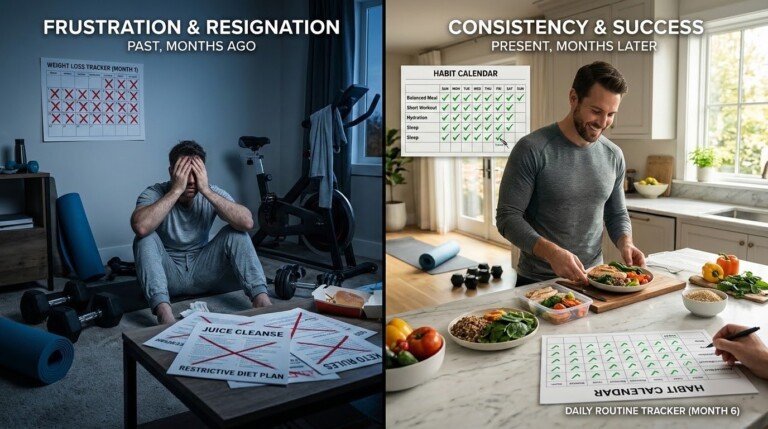
We’ve all been there full of motivation, we dive into a radical diet or an intense new workout plan, only to burn out a few weeks later. The truth is, lasting change isn’t about grand gestures; it’s about the small, consistent actions we take every single day. The secret to sustainable success lies not in crash diets or grueling gym sessions, but in developing powerful weight loss habits. If you want to understand how these daily actions fit into a structured system, this complete weight loss guide breaks down the science, strategy, and long-term approach behind sustainable fat loss.

Imagine your daily routine as a series of tiny decisions. Each time you choose to drink a glass of water instead of soda, take the stairs instead of the elevator, or pack a healthy lunch, you’re building momentum. This isn’t about willpower it’s about making smart choices so easy that they become second nature. This guide will show you how to ditch the “all or nothing” mindset and build a daily routine that supports your body’s natural ability to burn fat and maintain a healthy weight.


Building a Foundation: Healthy Habits for Fat Loss

Before you even think about complex diets or exercise programs, the most important step is to establish a solid foundation of healthy habits for fat loss built on a sustainable weight loss strategy. These simple actions set the stage for all your future success.

  • Prioritize Hydration: Your body often confuses thirst with hunger. Start your day with a large glass of water and aim to drink it consistently throughout the day. Not only does this keep you hydrated, but it can also help reduce your overall calorie intake by keeping you feeling full.
  • Get Enough Sleep: Sleep is a non-negotiable part of any fat loss journey. When you’re sleep-deprived, your body produces more ghrelin (the hunger hormone) and less leptin (the fullness hormone), leading to increased cravings and a bigger appetite. Aim for 7-9 hours of quality sleep each night.
  • Mindful Eating: Pay attention to what you’re eating and savor each bite. Put away distractions like your phone or the TV and focus on the food itself. This can help you recognize your body’s fullness cues and prevent overeating.
  • Eat More Protein: Protein is your ally. It helps you feel full, reduces cravings, and requires more energy to digest than carbs or fats. Including a source of lean protein in every meal is a simple but powerful habit. A great way to boost your protein intake is to have a protein shake with your breakfast or as a post-workout snack.

Starting Strong: Morning Habits for Weight Loss

The first few hours of your day can set the tone for the next 12. Developing strategic morning habits for weight loss can jumpstart your metabolism and prepare you for a day of making good choices.

  • Hydrate Immediately: As soon as you wake up, drink a glass of water. After hours of sleep, your body is dehydrated. This simple act rehydrates you and kick-starts your metabolism.
  • Move Your Body: You don’t need a full workout. Even 10-15 minutes of light activity, like a quick walk, some stretching, or a few push-ups, can get your blood flowing and signal to your body that it’s time to be active.
  • Eat a High-Protein Breakfast: A protein-rich breakfast helps control your appetite and reduces cravings later in the day. Think scrambled eggs, Greek yogurt, or a smoothie with a scoop of protein powder. This habit can prevent you from reaching for sugary, high-calorie snacks mid-morning.
  • Get Sunlight: Stepping outside for a few minutes of morning sunlight helps regulate your circadian rhythm, which can improve your sleep and regulate hormones that impact appetite.

What to Avoid: Habits to Avoid for Fat Loss

Sometimes, what you don’t do is more important than what you do. These habits to avoid for fat loss can be subtle sabotage to your progress.

  • Mindless Snacking: Grazing while watching TV, working, or scrolling on your phone can lead to consuming hundreds of extra, unnecessary calories. Be intentional about your snacks and put them on a plate.
  • Liquid Calories: Sugary sodas, sweetened teas, and fancy coffees can pack a surprising number of calories without providing any feeling of fullness. Swapping these for water, unsweetened tea, or black coffee is a simple switch with huge results.
  • Eating Too Fast: Your brain takes about 20 minutes to register that you’re full. Eating too quickly can easily lead to overeating before your body has a chance to catch up.
  • Skipping Meals: Skipping meals, especially breakfast, can slow down your metabolism and lead to overeating later in the day due to extreme hunger. Consistency is key.
  • Not Reading Labels: Many “healthy” or “low-fat” products are loaded with sugar and other high-calorie ingredients. Taking a moment to read the nutrition label is a vital habit.

Small Shifts, Big Results: The Power of Tiny Changes for Weight Loss

The idea of making a massive overhaul can be paralyzing. The real magic of tiny changes for weight loss is that they are so manageable you can’t fail.

  • Walk More: Look for ways to add more steps to your day. Park farther away, take the stairs, walk while you’re on the phone. This adds to your total daily energy expenditure without feeling like a formal workout.
  • Portion Control: Don’t try to go on a starvation diet. Instead, use a smaller plate, or simply aim to leave one or two bites on your plate at the end of a meal.
  • Eat a Salad First: Start your lunch or dinner with a small side salad. The volume and fiber can help fill you up, so you eat less of the main course.
  • Cook at Home: Cooking at home gives you full control over your ingredients and portion sizes, which is one of the most powerful habits for long-term weight management.

Even a multivitamin can be considered a tiny change that supports a greater goal. By ensuring your body has the micronutrients it needs, you can support overall wellness that in turn impacts your energy levels and ability to stick to your routine.


Making It Stick: Lifestyle Changes for Weight Loss

The true goal isn’t just to lose weight, but to keep it off. This requires turning your new habits into fundamental lifestyle changes for weight loss that you can maintain effortlessly.

  • Find Your “Why”: Connect your goals to a deeper purpose. Is it to have more energy for your kids? To feel more confident? To improve your health markers? Understanding the psychology of weight loss helps reinforce your identity and makes long-term change easier. Remembering your “why” on tough days is a powerful motivator.
  • Track Your Progress: This doesn’t mean just the scale. Track your energy levels, how your clothes fit, or the number of days you were consistent with your habits. This provides positive feedback that keeps you going.
  • Build a Support System: Tell friends or family about your goals. Accountability can make a huge difference.
  • Embrace Imperfection: You will have off days. A single missed workout or an indulgent meal won’t derail your progress. The key is to get right back on track with your healthy habits the very next day.

A Consistent Approach: Your Daily Routine to Burn Fat

By combining these principles, you can create a simple yet effective daily routine to burn fat that doesn’t feel like a chore.

  • Morning: Drink water, get a few minutes of sunlight, and eat a protein-rich breakfast.
  • Afternoon: Take a short walk on your lunch break. Use the stairs. Drink plenty of water.
  • Evening: Have a balanced dinner with protein and vegetables. Go for a short stroll after your meal. Get to bed at a consistent time.

This isn’t about being perfect. It’s about being consistent. By focusing on these small, daily habits, you’ll see a transformation that is not only visible on the outside but also deeply empowering on the inside.


FAQ: For Weight Loss Habits

Q1: How long does it take for a habit to stick? A: Research suggests it takes, on average, about 66 days for a new behavior to become automatic. However, this can vary widely. The key is consistency and not giving up if you miss a day. Just get back on track the next day.

Q2: Is it okay to miss a day? A: Yes! It’s not only okay, it’s inevitable. The difference between success and failure is not whether you miss a day, but what you do after you miss it. Don’t let a single stumble turn into a collapse.

Q3: What’s the most important habit to start with? A: The most important habit is the one you can stick to. For many people, this is a simple, non-overwhelming change like drinking more water or adding a 10-minute walk to their day. Consistency is the most powerful tool.

Q4: Can I really lose weight with small changes? A: Absolutely. Small changes accumulate over time. The “tiny changes” approach is often more effective for long-term weight loss than a dramatic overhaul, as it is far more sustainable.

Q5: How do I track my habits? A: You can use a simple notebook or a habit-tracking app. Checking off a box each day you complete a habit provides a sense of accomplishment and visualizes your progress, reinforcing your new weight loss habits.


Disclaimer:

This post may contain affiliate links. If you purchase through them, we may earn a small commission at no extra cost to you. Also, this content is for informational purposes only and does not substitute professional medical advice.

Active Lifestyle Tips for Weight Loss: 6 Simple Hacks

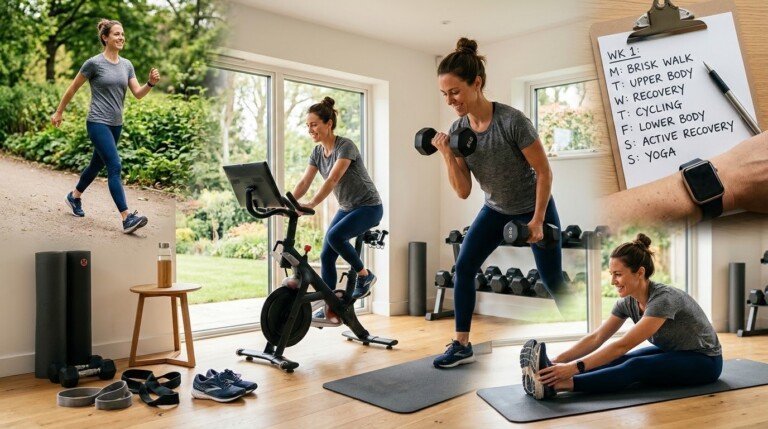
If you’re looking for actionable active lifestyle tips for weight loss, you’re in the right place. You’ve probably heard the advice a thousand times: hit the gym for an hour a day, run miles on the treadmill, or spend your evenings doing grueling workouts. But what if you have a demanding job, a family to care for, or a jam-packed schedule that leaves no room for a traditional gym routine? The good news is, a true active lifestyle for weight loss isn’t about being a professional athlete; it’s about making consistent movement a natural part of your day, no matter how busy you are. This isn’t about sacrificing sleep or sanity. It’s about learning how to be smarter with your time and recognizing that small, consistent changes can have a monumental impact on your health, your energy, and your waistline. The journey to a leaner body doesn’t have to start in a gym; it can start right at your desk, in your kitchen, or on your daily commute. If you want to understand how daily movement fits into a bigger fat loss system, this structured weight loss guide explains how activity, nutrition, and recovery work together. We’ll show you how to ditch the all-or-nothing mindset and embrace practical, real-world solutions that work.


How to Stay Fit with Busy Schedule

The key to an active lifestyle for weight loss isn’t about finding more hours in the day—it’s about re-engineering the hours you already have. By treating your time as a precious resource, you can weave physical activity into your routine without feeling overwhelmed.

  • The Power of the 10-Minute Break: You don’t need a full hour to get your blood pumping. A quick 10-minute break can be used for a brisk walk, a set of jumping jacks, or a few push-ups. Do this three times a day, and you’ve got a solid 30 minutes of activity without a trip to the gym. A little movement is always better than none.
  • Embrace the Lunchtime Walk: Instead of eating at your desk, use half of your lunch break to get outside and walk. This not only burns calories but also provides a mental reset, helping you feel more focused and productive in the afternoon.
  • Make Your Commute Active: If you take public transport, get off one or two stops early and walk the rest of the way. If you drive, park at the back of the parking lot to add extra steps. These simple changes can add up to a significant amount of daily activity over time.
  • The Sunday Prep: Use a less-busy day, like Sunday, to plan your activity for the week. Schedule small movement breaks in your calendar just like you would a meeting, making them non-negotiable.

Making Every Minute Count: Daily Activity for Weight Loss

The true secret to daily activity for weight loss is recognizing that every single movement counts. Your body doesn’t know the difference between calories burned on a treadmill and calories burned doing housework or playing with your kids—it only knows energy output.

  • Walk While You Talk: On your next phone call, stand up and walk around. This simple act can turn a sedentary activity into a calorie-burning opportunity.
  • Take the Stairs: It’s an oldie but a goodie for a reason. Taking the stairs instead of the elevator or escalator is a great way to elevate your heart rate and challenge your leg muscles.
  • Fidget More: Believe it or not, the small movements you make—like tapping your foot, shifting in your seat, or even gesturing with your hands—can contribute to your total daily energy expenditure. The scientific term for this is Non-Exercise Activity Thermogenesis (NEAT), and it can make a huge difference in your total calorie burn.
  • Stand Up More: A standing desk is a fantastic investment, but if you don’t have one, just make a point to stand up every 30 minutes. You can use this time to stretch, walk to the water cooler, or simply stand while you work.

To keep your energy levels high throughout a demanding day, you may find that incorporating a B-vitamin complex or other supplements that support cellular energy can help you feel more alert and ready for these consistent bursts of activity.


Office Workout Tips for a Leaner You

Your office can be a fantastic place for office workout tips. You don’t need a gym membership to get your muscles working and burn calories throughout the day.

  • Desk Push-ups: Use the edge of your desk to do inclined push-ups. This works your chest, shoulders, and triceps.
  • Wall Sits: Find a spare wall and slide down into a seated position, holding it for 30-60 seconds. It’s a fantastic exercise for your quadriceps.
  • Chair Dips: Use a sturdy chair to work your triceps and shoulders with a few sets of chair dips.
  • Squat Your Breaks: Instead of just standing up from your chair, do a few squats. This engages your glutes and quads.
  • Water Bottle Curls: Use a full water bottle as a makeshift weight to do bicep curls, or a few overhead presses.

Movement vs Exercise for Fat Loss: The Surprising Truth

Most people confuse these two terms, but understanding the difference is crucial for successful movement vs exercise for fat loss.

  • Exercise is intentional, structured, and often intense activity aimed at improving fitness, like a gym workout or a 5k run. It’s what most people think of when they hear “workout.”
  • Movement is simply non-structured, low-intensity physical activity. It’s walking, taking the stairs, gardening, or standing while you talk on the phone.

While intense exercise burns a lot of calories in a short amount of time, a consistent stream of daily movement can actually contribute more to your total calorie burn over the course of a day or week. For someone with a busy schedule, prioritizing movement is a much more realistic and sustainable way to achieve fat loss than trying to squeeze in daily gym sessions. This is especially true for boosting your NEAT, which can account for a significant portion of your daily calorie expenditure.


Easy Wins: How to Walk More Daily

Walking is arguably the most underrated tool for weight loss, and understanding walking vs running for weight loss can help you choose the most sustainable strategy for your lifestyle. It requires no special equipment, can be done anywhere, and is easy to fit into a busy lifestyle. Here’s how to walk more daily to see results.

  • The Morning Walk: Start your day with a 15-20 minute walk before breakfast, a simple form of morning exercise for weight loss that boosts metabolism and improves daily consistency. It’s a great way to wake up your body and boost your metabolism early.
  • The Post-Dinner Stroll: A short walk after dinner can help with digestion and prevent that after-meal slump.
  • Set a Step Goal: Use a fitness tracker or your phone’s built-in step counter to set a daily goal. Aim for 8,000 to 10,000 steps as a good target. This makes the activity a fun challenge rather than a chore.
  • Walk and Listen: Make your walks more enjoyable by listening to a podcast, an audiobook, or some upbeat music.

Beating the Scale: Desk Job Weight Loss Tips

Working a sedentary desk job can be a major challenge for weight loss. But with the right mindset and a few strategic habits, you can overcome it.

  • Drink More Water: Keep a water bottle on your desk and drink from it constantly. This keeps you hydrated, can help you feel full, and forces you to get up and walk to the bathroom more often.
  • Schedule Movement Alarms: Set a recurring alarm on your phone for every 30-45 minutes. When it goes off, stand up, stretch, and walk around for a minute or two before returning to work.
  • Use a Stability Ball: Swap out your office chair for a stability ball for a short period each day. It engages your core muscles and helps improve posture.
  • Pack Your Own Lunch: This gives you control over your calories and food choices. If you’re using protein powder to supplement your diet, it’s easy to pack a scoop or two for a quick, healthy snack that will keep you full and support muscle health.

The key to successful desk job weight loss tips is to be proactive and make movement a non-negotiable part of your day, even if it’s in small, consistent bursts.


Conclusion

Your busy schedule is not a barrier to an active life; it’s an opportunity to get creative. The most effective active lifestyle tips for weight loss are the ones you can actually stick to. By integrating small, consistent movements into your daily routine, you can boost your metabolism, burn more calories, and achieve your weight loss goals without ever setting foot in a gym. It’s about building a body that works for you, one small step at a time.


Frequently Asked Questions (FAQ)

1: Do I really need to go to the gym to lose weight?

No, you don’t. While the gym can be a great place to exercise, many people have successfully achieved weight loss with an active lifestyle that includes brisk walking, hiking, cycling, or following home workout videos. The key is to find activities you enjoy and can do consistently.

2: How much daily walking is enough for weight loss?

The amount needed varies, but a good starting goal is 8,000 to 10,000 steps per day. A brisk 30-minute walk can burn a significant number of calories and contribute to your overall goal.

3: Can I lose weight without changing my diet?

Weight loss is primarily a matter of calorie balance. While increasing your activity level will help you burn more calories, it is extremely difficult to out-exercise a poor diet. For sustainable results, a combination of both an active lifestyle and a healthy eating plan is essential.

4: What’s the best time of day to be active?

The best time to be active is whenever you can be consistent. Whether it’s a morning walk, a midday break, or an evening stroll, the most important thing is to create a habit that you can stick to over the long term.

5: How do I stay motivated on a busy schedule?

Focus on creating small, manageable habits. Start with a 10-minute activity and build from there. Tracking your progress, listening to podcasts while you move, and celebrating small victories can all help you stay motivated on your active lifestyle for weight loss journey.


Disclaimer:

This post may contain affiliate links. If you purchase through them, we may earn a small commission at no extra cost to you. Also, this content is for informational purposes only and does not substitute professional medical advice.

Powerful Strength Training for Fat Loss: 7 Secrets You Need Now

For years, we’ve been told the same story: if you want to lose weight, you need to pound the pavement, sweat it out on an elliptical, or spend hours on a treadmill. The mantra was “cardio is king.” And while cardio certainly has its place, the real secret weapon that’s been hiding in plain sight is strength training for fat loss.

This isn’t about getting massive and bulky; it’s about transforming your body’s engine into a fat-burning machine. If you’ve ever felt stuck on a cardio-only plateau, or if you’re a complete beginner who’s intimidated by the weight room, this is your starting point inside a complete weight loss guide that prioritizes muscle preservation, metabolism, and long-term fat loss.


Why Strength Training for Fat Loss Works Differently

Thinking of your body as a car, cardio is like burning fuel while you’re driving. It’s effective in the moment, burning calories as you move. Strength training for fat loss, however, is like upgrading your engine to be more efficient all the time. Here’s how it flips the script on traditional weight loss.

  • The Afterburn Effect (EPOC): This is the biggest reason why lifting weights is so effective. When you perform intense resistance training, your body uses a huge amount of energy to repair and rebuild the muscle fibers you’ve challenged. This process, known as Excess Post-exercise Oxygen Consumption (EPOC), keeps your metabolism elevated and burning calories for hours and even days after you’ve left the gym.
  • More Muscle, More Metabolism: Muscle tissue is metabolically active, which means it burns calories at rest, unlike fat tissue. The more muscle you have, the higher your resting metabolic rate (RMR) will be. By building muscle through strength training for fat loss, you’re essentially increasing the baseline number of calories your body burns every single day, even when you’re sleeping on the couch.
  • Improved Body Composition: While a scale might not show a huge drop overnight (because muscle is denser than fat), what you’ll notice is a significant change in your body shape. Your clothes will fit differently, your waist will slim down, and you’ll look and feel leaner. This is the true goal of a fitness journey not just weight loss, but fat loss.

Debunking the Myth: Does Lifting Burn Fat?

This is one of the most common questions out there, and the answer is both “yes” and “no.” During a lifting session, your body primarily uses stored carbohydrates (glycogen) for energy, not fat directly. The true magic happens after the workout.

As we discussed, the EPOC effect turns your body into a metabolic furnace. The energy needed to repair muscle damage comes from a variety of sources, including fat stores. So, while you might not be directly burning fat during your squats, you’re creating the conditions for your body to torch it for the next 24-48 hours. This is the fundamental difference between strength training for fat loss and cardio. Cardio burns fat during the session; lifting burns fat for long after.


Strength vs Cardio Weight Loss: A Friendly Competition

It’s not about choosing one over the other; it’s about understanding how they work together, especially when comparing cardio vs strength training for weight loss in a structured fat-loss plan. If you’re looking for quick calorie burn and immediate results on the scale, cardio has a slight edge. An hour on a bike can burn hundreds of calories. However, if your goal is sustainable, long-term fat loss and a complete body transformation, strength training for fat loss wins by a landslide.

Think of it this way:

  • Cardio: Great for heart health, endurance, and burning calories while you’re doing it.
  • Strength Training: Builds muscle, boosts metabolism, reshapes your body, and burns fat around the clock.

The most effective strategy combines both. Start with strength training to deplete your glycogen stores and create a powerful metabolic stimulus, then finish with a short burst of high-intensity cardio (like a 10-15 minute HIIT session) to tap into fat reserves.


Creating a Smart Strength Training Plan for Weight Loss

A successful program isn’t about aimlessly wandering around the gym; it’s about a structured, progressive plan. A solid strength training plan for weight loss should focus on compound movements, proper frequency, and smart progression.

1. Frequency: Aim for 3-4 days of lifting per week. This gives your body enough time to recover and rebuild muscle.

2. Compound Exercises: These are multi-joint movements that work several muscle groups at once. They burn the most calories and provide the biggest metabolic boost.

  • Lower Body: Squats, deadlifts, lunges, hip thrusts.
  • Upper Body: Push-ups, overhead press, rows, pull-ups.
  • Full Body: Burpees, kettlebell swings.

3. Reps and Sets: For fat loss and muscle retention, aim for 3-4 sets of 8-12 repetitions for each exercise. This is a sweet spot for building muscle without excessive fatigue.

4. Progressive Overload: The key to seeing results. You must constantly challenge your muscles by gradually increasing the weight, reps, or sets over time. If you’re not getting stronger, you’re not growing, and you’re not maximizing your fat loss potential.

For those looking to accelerate their results, a pre-workout supplement can be a valuable tool to help you push through plateaus and maintain focus during your lifts. Blended into your routine, it can provide the extra energy you need for those challenging sets.


A Beginner Strength Training Plan for Weight Loss

This sample routine is designed for anyone new to lifting, focusing on form and a full-body approach. Do this 3 times a week, with at least one rest day in between.

  • Warm-Up (5-10 minutes): Light cardio (jogging, jump rope) and dynamic stretches (arm circles, leg swings).
  • Workout (45-60 minutes):
    • Squats: 3 sets of 10-12 reps
    • Dumbbell Rows: 3 sets of 10-12 reps per arm
    • Push-ups (on knees or toes): 3 sets to failure
    • Overhead Press: 3 sets of 10-12 reps
    • Lunges: 3 sets of 10-12 reps per leg
    • Plank: 3 sets, hold for 30-60 seconds

As you get stronger, you’ll feel the need to use a slightly heavier weight. This is how you’ll continue to see results. Remember that consistency is more important than intensity when you’re just starting out.


Fueling Your Body for Resistance Training Fat Loss

Your workout is only half the battle. What you eat and how you recover are just as crucial for a successful resistance training fat loss journey.

  • Protein is Your Best Friend: A high protein diet for fat loss is essential for repairing muscle tissue, preserving lean mass, and keeping you feeling full while in a calorie deficit. Aim for around 1 gram of protein per pound of body weight per day. A high-quality protein powder is an easy way to meet your daily needs, especially on busy days or immediately after a workout.
  • Carbs Aren’t the Enemy: Carbs provide the energy for your workouts. Focus on complex carbohydrates like oats, brown rice, and sweet potatoes, which provide sustained energy without a sugar crash.
  • Healthy Fats: Fats are crucial for hormone production and overall health. Think avocados, nuts, and olive oil.
  • Hydration: Water is a key player in metabolism and fat loss. Make sure you’re drinking plenty throughout the day.
  • The Calorie Deficit: At the end of the day, you must be in a calorie deficit to lose fat. This means you need to burn more calories than you consume. Strength training for fat loss makes this process so much easier by boosting your metabolic rate, allowing you to eat a little more while still losing weight.

Top Mistakes Beginners Make with Strength Training for Weight Loss

  • Ignoring Form: Lifting too heavy too soon without focusing on proper form can lead to injury and a less effective workout. Start with lighter weights and nail down your technique before you increase the load.
  • Not Eating Enough Protein: Without sufficient protein, your body can’t rebuild the muscle you’ve worked so hard for, which can stall your progress.
  • Obsessing Over the Scale: The scale can be misleading. As you build muscle and lose fat, your weight might not change much, but your body composition will be completely different. Take progress photos and measurements to track your real transformation.
  • Skipping Rest Days: Recovery is when muscle growth and repair happen. Pushing yourself every single day can lead to overtraining, burnout, and injury.
  • Neglecting Nutrition: You can’t out-train a bad diet. What you put into your body is the single most important factor for fat loss.

Conclusion

Moving beyond the myth that cardio is the only way to lose weight is a game-changer. The truth is, incorporating strength training for fat loss into your routine is the most sustainable, effective, and transformative way to achieve a leaner physique. It’s not just about what you do in the gym; it’s about building a body that burns calories efficiently all day long.

Start with a smart plan, focus on form, fuel your body with proper nutrition, and be consistent. You’ll not only shed fat, but you’ll feel stronger, more confident, and more capable than ever before.


Frequently Asked Questions (FAQ)

1: Will I get bulky from lifting weights? (Especially for women)

This is a very common concern, but the short answer is no. Women have significantly lower levels of testosterone compared to men, which is the primary hormone responsible for large muscle growth. Instead of getting bulky, you will develop a lean, toned, and strong physique. The bulky look comes from a combination of specific, high-volume training and a very high-calorie diet, which is not what you need for strength training for fat loss.

2: How often should I lift to lose fat?

A good starting point is 3-4 days per week. This provides enough stimulus to build and maintain muscle while allowing your body adequate time to recover. Spacing your lifting sessions with rest days or active recovery (like walking) is key.

3: Do I need to do cardio too?

While not strictly necessary for fat loss, combining cardio and strength training for fat loss is a highly effective strategy. Cardio improves heart health and endurance, and when used strategically (like a short HIIT session after lifting), it can enhance fat burning.

4: What’s the best time to lift for fat loss?

The best time to lift is whenever you can be consistent. Whether it’s in the morning, during your lunch break, or after work, the key is to find a time that works for your schedule so you can stick with it long-term.

5: How long until I see results?

You can expect to start feeling a difference in your energy levels and strength within the first 2-4 weeks. Visible body composition changes typically become noticeable around the 6-8 week mark, especially if you’re consistent with both your training and nutrition. Remember to take progress photos and measurements to track your journey, as the scale may not tell the full story.


Disclaimer:

This post may contain affiliate links. If you purchase through them, we may earn a small commission at no extra cost to you. Also, this content is for informational purposes only and does not substitute professional medical advice.

Unlock Your Potential: 15-Minute HIIT Workouts to Lose Belly Fat

Are you looking for a powerful, time-efficient way to transform your body and finally tackle that stubborn belly fat? Look no further than High-Intensity Interval Training (HIIT). In today’s fast-paced world, finding hours for the gym can feel impossible, especially if you’re juggling work, family, and other commitments. That’s where the magic of 15-minute HIIT workouts to lose belly fat comes in. These short, explosive sessions are designed to supercharge your metabolism, burn significant calories, and deliver remarkable fat loss results, all without needing to dedicate your entire evening to exercise.

This comprehensive guide, built on a science-backed weight loss guide framework, will dive deep into why HIIT is so effective for fat burning, particularly around the midsection. We’ll explore various HIIT workouts for weight loss, provide structured 15 min HIIT workout routines you can do right at home, discuss the science behind HIIT for belly fat, and share tips for maximizing your HIIT weight loss results. Get ready to redefine your fitness journey and discover your secret weapon against unwanted fat.


The Science Behind HIIT Workouts for Weight Loss

Before we jump into specific exercises, let’s understand why HIIT workouts for weight loss are so incredibly effective. HIIT involves short bursts of intense anaerobic exercise, followed by brief, less intense recovery periods. This isn’t just about burning calories during the workout; it’s about what happens after your workout that truly sets HIIT apart.

1. The “Afterburn Effect” (EPOC): This is where HIIT shines. EPOC, or Excess Post-exercise Oxygen Consumption, refers to the increased rate of oxygen intake following strenuous activity. Essentially, your body continues to burn calories at an elevated rate for hours after your HIIT session ends, as it works to restore itself to a pre-exercise state. This means you’re still incinerating fat while you’re at your desk, running errands, or even sleeping. For a fat burning HIIT plan, This sustained metabolic boost is a game-changer, especially when viewed through a detailed strength vs cardio comparison that highlights how interval intensity differs from traditional endurance training. Studies have shown that HIIT can increase your metabolic rate for up to 24-48 hours post-workout, making it incredibly efficient for long-term fat loss.

2. Fat Oxidation: Research indicates that HIIT can improve your body’s ability to oxidize (burn) fat. During high-intensity intervals, your body taps into its glycogen stores for immediate energy. However, during the recovery phases and in the hours following the workout, your body becomes more efficient at burning fat for fuel. This makes HIIT a particularly potent tool for directly targeting fat stores throughout the body.

3. Muscle Preservation and Growth: Unlike long, steady-state cardio sessions which can sometimes lead to muscle loss alongside fat loss, HIIT, especially when combined with bodyweight exercises, can help preserve and even build lean muscle mass. More muscle mass means a higher resting metabolism, which translates to more calories burned throughout the day, even when you’re not actively working out. This is a crucial element for achieving sustainable HIIT weight loss results.

4. Hormonal Response: HIIT triggers the release of various fat-burning hormones, such as human growth hormone (HGH) and catecholamines (like adrenaline). HGH is vital for fat metabolism and muscle growth, while catecholamines can help mobilize fat from storage, making it available for energy. This powerful hormonal cocktail contributes significantly to why HIIT for belly fat is so effective.


Your Secret Weapon: HIIT for Belly Fat

Let’s address the elephant in the room: belly fat. Visceral fat, the deep abdominal fat that wraps around your organs, is not only cosmetically undesirable but also poses serious health risks. While you cannot “spot reduce” fat from one specific area, HIIT for belly fat is remarkably effective because of its overall fat-burning capabilities and its unique physiological effects.

The high intensity of HIIT workouts targets both subcutaneous fat (the fat you can pinch) and visceral fat. The powerful hormonal and metabolic responses mentioned above work synergically to reduce fat stores across your entire body, and the abdominal area is often one of the first places where these changes become noticeable.

Moreover, many effective HIIT exercises naturally engage your core, providing a secondary benefit of strengthening your abdominal muscles. While stronger abs won’t burn the fat off them, they will contribute to a more toned appearance once the fat layer diminishes. So, if your goal is to reduce your waistline, incorporating a consistent fat burning HIIT plan into your routine is one of the smartest choices you can make.


Crafting Your 15 Min HIIT Workout: Principles and Structure

The beauty of a 15 min HIIT workout is its simplicity and adaptability. You don’t need fancy equipment, just your body and a small space. The key is to truly push yourself during the “on” intervals and recover strategically during the “off” intervals. Here’s a typical structure:

  1. Warm-up (3-5 minutes): Don’t skip this! A good warm-up prepares your muscles and cardiovascular system, reducing the risk of injury. Light jogging in place, arm circles, leg swings, and dynamic stretches are perfect.
  2. Workout (10-12 minutes): This is the core of your HIIT session. You’ll alternate between high-intensity bursts (20-45 seconds) and recovery periods (10-30 seconds). We’ll provide specific examples below.
  3. Cool-down (2-3 minutes): Essential for bringing your heart rate down gradually and improving flexibility. Static stretches, holding each for 20-30 seconds, are ideal.

The ratio of work to rest is crucial. For beginners, a 1:2 ratio (e.g., 20 seconds work, 40 seconds rest) might be more suitable. As you get fitter, you can progress to a 1:1 ratio (30 seconds work, 30 seconds rest) or even 2:1 (40 seconds work, 20 seconds rest). Remember, during the work interval, you should be pushing to 80-90% of your maximum effort.


Top HIIT Exercises at Home for Maximum Fat Burning

One of the greatest advantages of HIIT exercises at home is that they require minimal to no equipment. This makes them incredibly accessible and removes any excuses about not having a gym membership or specialized gear. Here are some of the best exercises to include in your fat burning HIIT plan:

  1. Jumping Jacks: A classic full-body cardio exercise that quickly elevates your heart rate.
    • How to: Stand with feet together, arms at your sides. Jump, spreading your feet wide and bringing your arms overhead. Jump back to the start.
  2. High Knees: Excellent for cardiovascular conditioning and engaging your core.
    • How to: Run in place, bringing your knees as high as possible towards your chest. Pump your arms vigorously.
  3. Butt Kicks: Targets your hamstrings and gets your heart rate up.
    • How to: Run in place, kicking your heels back towards your glutes.
  4. Mountain Climbers: A dynamic plank variation that works your core, shoulders, and legs.
    • How to: Start in a plank position. Alternately bring one knee towards your chest, then quickly switch legs as if you’re running up a mountain.
  5. Burpees: The ultimate full-body exercise, combining a squat, push-up (optional), and jump.
    • How to: Start standing. Drop into a squat, place hands on the floor. Jump feet back to a plank. Perform a push-up (optional). Jump feet back to hands. Explode up into a jump, arms overhead.
  6. Squat Jumps: Builds explosive power in your legs and is great for cardio.
    • How to: Start in a squat position. Explode upwards into a jump, landing softly back into a squat.
  7. Plank Jacks: A core-focused exercise with a cardio twist.
    • How to: Start in a plank position. Keeping your core tight, jump your feet wide and then back together, similar to a jumping jack in a plank.
  8. Alternating Lunges (Jump Lunges for advanced): Works your legs and glutes.
    • How to: Step forward into a lunge, ensuring your front knee is over your ankle. Push back to start and alternate legs. For jump lunges, explosively jump to switch legs in mid-air.
  9. Russian Twists: A core exercise that targets your obliques.
    • How to: Sit on the floor, lean back slightly, with knees bent and feet lifted (optional). Twist your torso from side to side, touching the floor with your hands.

When selecting exercises for your best HIIT routine, try to pick 4-6 different movements that work different muscle groups to get a comprehensive workout.


Sample 15 Min HIIT Workout Routines for Belly Fat

Here are a few structured 15 min HIIT workout plans you can follow, designed for different fitness levels. Remember to perform a 3-minute warm-up before each and a 2-minute cool-down after.

Routine 1: Beginner-Friendly Full Body (Work 30s / Rest 30s)

  • Warm-up: (3 minutes) Light jogging, arm circles, leg swings.
  • Workout (2 rounds):
    • Jumping Jacks (30s work / 30s rest)
    • Bodyweight Squats (30s work / 30s rest)
    • Mountain Climbers (30s work / 30s rest)
    • Alternating Lunges (30s work / 30s rest)
    • Plank Hold (30s work / 30s rest)
  • Repeat circuit 2 times (Total 10 minutes work + rest)
  • Cool-down: (2 minutes) Hamstring stretch, quad stretch, arm across chest.

Routine 2: Intermediate Fat Blaster (Work 40s / Rest 20s)

  • Warm-up: (3 minutes) Dynamic stretches, light jumping jacks, high knees.
  • Workout (2-3 rounds):
    • High Knees (40s work / 20s rest)
    • Burpees (no push-up version) (40s work / 20s rest)
    • Plank Jacks (40s work / 20s rest)
    • Squat Jumps (40s work / 20s rest)
    • Russian Twists (40s work / 20s rest)
  • Repeat circuit 2-3 times (Total 10-15 minutes work + rest)
  • Cool-down: (2 minutes) Forward fold, pigeon stretch, tricep stretch.

Routine 3: Advanced Cardio HIIT Workout (Work 45s / Rest 15s)

  • Warm-up: (3 minutes) Dynamic warm-up, light skipping, arm rotations.
  • Workout (3 rounds):
    • Burpees (full version with push-up) (45s work / 15s rest)
    • Jump Lunges (45s work / 15s rest)
    • Mountain Climbers (fast pace) (45s work / 15s rest)
    • Squat Jumps (45s work / 15s rest)
    • Plank Shoulder Taps (45s work / 15s rest)
  • Repeat circuit 3 times (Total 15 minutes work + rest)
  • Cool-down: (2 minutes) Deep stretches for legs, core, and shoulders.

These routines provide excellent cardio HIIT workout options you can integrate into your morning schedule. Remember to listen to your body and modify exercises as needed. Consistency is more important than perfection.


Maximizing Your HIIT Weight Loss Results

To truly see significant HIIT weight loss results, especially for belly fat, a consistent exercise routine needs to be supported by other healthy lifestyle choices. HIIT is a powerful catalyst, but it’s not a magic bullet.

1. Nutrition is Key: You can’t out-train a bad diet. To lose fat, you need to be in a caloric deficit. Focus on whole, unprocessed foods: lean proteins, plenty of vegetables, healthy fats, and complex carbohydrates. Reducing refined sugars and processed foods is paramount for shrinking your waistline. Your fat burning HIIT plan will be much more effective if fueled correctly. Consider incorporating more protein in your diet, as it helps with muscle repair and keeps you feeling fuller for longer. Hydration is also crucial; drink plenty of water throughout the day.

2. Consistency is Crucial: Aim for 3-4 HIIT sessions per week. While these workouts are short, their intensity requires adequate recovery. Don’t do HIIT every day. On off days, engage in active recovery like light walking, yoga, or stretching. Regularity is the foundation of any successful fitness journey. Establishing a routine, perhaps by scheduling your 15 min HIIT workout for the same time each morning, significantly increases your chances of sticking with it.

3. Prioritize Sleep: Sleep is often overlooked in weight loss. When you don’t get enough sleep, your body produces more cortisol (a stress hormone linked to belly fat storage) and ghrelin (a hunger-stimulating hormone), while decreasing leptin (a satiety hormone). Aim for 7-9 hours of quality sleep per night to optimize your hormone levels and aid recovery. A well-rested body performs better and recovers faster, which directly impacts your HIIT weight loss results.

4. Manage Stress: Like lack of sleep, chronic stress elevates cortisol levels, which can make it harder to lose belly fat. Incorporate stress-reducing activities into your daily routine, such as meditation, deep breathing exercises, spending time in nature, or enjoying hobbies. Your morning HIIT session can also be a fantastic stress reliever!

5. Listen to Your Body: HIIT is intense. Pay attention to signs of overtraining, such as persistent fatigue, irritability, or prolonged muscle soreness. Adjust your workout frequency or intensity as needed. It’s better to slightly reduce intensity and remain consistent than to push too hard and burn out or get injured.

6. Progressive Overload: As you get fitter, your body adapts. To continue seeing progress, you’ll need to challenge yourself. This could mean increasing the work interval duration, decreasing rest time, adding more rounds, or choosing more challenging exercise variations. For example, progressing from bodyweight squats to squat jumps, or adding small hand weights to your lunges.


Beyond the Abs: The Holistic Benefits of a Cardio HIIT Workout

While our focus here is on HIIT workouts for weight loss and particularly HIIT for belly fat, the benefits of a regular cardio HIIT workout extend far beyond just shedding pounds.

  • Improved Cardiovascular Health: HIIT strengthens your heart and lungs more efficiently than steady-state cardio. It can lower blood pressure, reduce cholesterol, and improve overall heart function, significantly decreasing your risk of heart disease.
  • Enhanced Endurance: Surprisingly, short bursts of intense effort can dramatically improve your overall endurance and stamina, making everyday activities feel easier.
  • Better Blood Sugar Control: HIIT has been shown to improve insulin sensitivity, which is beneficial for managing blood sugar levels and reducing the risk of type 2 diabetes.
  • Mental Boost and Mood Enhancement: The intense physical activity releases endorphins, natural mood elevators that can reduce stress, anxiety, and even symptoms of depression. Starting your day with an invigorating 15 min HIIT workout can leave you feeling accomplished, energized, and ready to tackle whatever comes your way. It creates a positive feedback loop, encouraging you to make healthier choices throughout the day.
  • Time Efficiency: This is perhaps one of the biggest draws. In just 15 minutes, you can achieve a workout that rivals longer, moderate-intensity sessions in terms of calorie burn and metabolic boost. This makes it perfect for busy individuals who want to stay fit without sacrificing precious time.

Getting Started: A Practical Fat Burning HIIT Plan

Ready to kickstart your journey with a fat burning HIIT plan? Here’s how to integrate it into your week:

  • Frequency: Aim for 3-4 HIIT sessions per week, with rest days or active recovery (like walking or yoga) in between.
  • Preparation: Always have water nearby. If you’re working out at home, clear a small space, wear comfortable athletic wear, and have a timer ready (most smartphone apps work perfectly).
  • Listen to Your Body: Especially when starting out, pay attention to how you feel. It’s okay to take longer rest periods or choose less intense modifications. The goal is to build stamina and strength, not to overdo it.

Consider integrating a varied approach. Many people find that anchoring their sessions into a consistent morning exercise routine improves discipline, hormonal balance, and long-term adherence. On some days, you might focus on bodyweight HIIT, while on others you might use a jump rope for a pure cardio HIIT workout. Don’t be afraid to experiment with different HIIT exercises at home to keep things exciting and challenge your body in new ways.


Final Takeaway: Your Journey to a Healthier You

Embarking on a journey with 15-minute HIIT workouts to lose belly fat is more than just adopting a new exercise routine; it’s about embracing a mindset of efficiency, intensity, and sustained results. These powerful, short bursts of activity are perfectly tailored for modern life, proving that you don’t need endless hours to achieve your fitness goals. By consistently challenging yourself with effective HIIT workouts for weight loss, paying attention to your nutrition, prioritizing recovery, and managing stress, you’ll unlock your body’s full potential.

Remember, every high-intensity interval, every sweat drop, and every beat of your heart is a step closer to a leaner, stronger, and more confident you. So, set your alarm, roll out of bed, and let these dynamic morning sessions be your secret weapon in achieving remarkable HIIT weight loss results. Your journey to a healthier, more vibrant you starts now!


FAQ

1: How often should I do HIIT workouts for weight loss?

Aim for 3-4 times per week, allowing for rest days or active recovery in between to prevent overtraining and aid muscle recovery.

2: Can HIIT for belly fat truly target that specific area?

While you can’t spot-reduce fat, HIIT’s intense overall fat-burning effect, coupled with its metabolic and hormonal benefits, makes it incredibly effective at reducing fat from all over your body, including the stubborn belly area. Many HIIT exercises also engage your core, which helps to strengthen and tone your abdominal muscles beneath the fat layer.

3: What’s the best approach for a 15 min HIIT workout for beginners?

Start with a 1:2 work-to-rest ratio (e.g., 20 seconds of intense work, 40 seconds of rest). Focus on mastering the form of basic exercises like jumping jacks, squats, and mountain climbers. Gradually increase your work time and decrease rest as you get fitter.

4: Are there specific HIIT exercises at home that are better than others?

The “best” exercises are those you can perform with good form and high intensity. Bodyweight movements like burpees, squat jumps, high knees, mountain climbers, and plank jacks are excellent as they work multiple muscle groups and elevate your heart rate quickly without needing any equipment.

5: How long does it take to see HIIT weight loss results?

Results vary based on consistency, diet, and individual metabolism. However, many people begin to notice changes in their energy levels, body composition, and overall fitness within 2-4 weeks of consistent HIIT, especially when combined with a healthy diet. Significant fat loss, including from the belly, can be seen within 6-12 weeks.

6: What should I eat before and after a fat burning HIIT plan?

If you’re doing a 15-minute HIIT session first thing in the morning, many people prefer to do it on an empty stomach (fasted cardio), as this may increase fat oxidation. However, if you feel sluggish, a small, easily digestible snack like half a banana or a few sips of a smoothie 30 minutes prior can help. After your workout, focus on a balanced meal with lean protein and complex carbohydrates to aid muscle repair and replenish energy stores.

7: Can I combine a cardio HIIT workout with other forms of exercise?

Absolutely! HIIT complements other forms of exercise perfectly. You could do HIIT 3 times a week, and on other days, focus on steady-state cardio (like a long walk or jog), strength training, or yoga. This varied approach can prevent plateaus and keep your body challenged in different ways.


Disclaimer:

This post may contain affiliate links. If you purchase through them, we may earn a small commission at no extra cost to you. Also, this content is for informational purposes only and does not substitute professional medical advice.

Jumpstart Your Day: The Power of Morning Exercise for Weight Loss

Morning exercise for weight loss is one of the most powerful habits you can adopt. It’s a simple way to not only burn calories but also set a positive tone for your entire day. When you get your body moving first thing, you’re not just working toward a fitter physique; you’re also boosting your metabolism, improving your mood, and increasing your energy levels. It’s an act of self-care that pays dividends long after your workout is over.

This guide, built on a structured weight loss guide approach, will break down the science behind morning workouts and reveal the most effective exercises to help you reach your goals. We’ll explore everything from quick, 10-minute routines to the debate on timing, and you’ll find the knowledge you need to start your day strong.


What Is The Best Morning Exercise For Weight Loss?

When it comes to the best morning exercise for weight loss, the answer isn’t a single activity but a strategic approach. While any exercise is better than none, certain types are more effective at jumpstarting your metabolism and creating a lasting calorie burn.

  • High-Intensity Interval Training (HIIT): A short burst of high-intensity exercise followed by a period of rest can dramatically increase your metabolism for hours after you finish. Structured HIIT workouts for weight loss amplify this afterburn effect and accelerate fat reduction when done consistently. This “afterburn” effect is a great way to maximize your time.
  • Strength Training: Building muscle is the key to a faster metabolism. A morning strength-training session can help you build and maintain muscle mass, which burns calories at a higher rate even when you are at rest.
  • Cardio: A brisk morning walk or jog is a fantastic way to burn calories, clear your head, and get your day started. It’s a low-impact, sustainable option for long-term consistency.

The key is to find a routine that you enjoy and can stick with. The most effective morning workout is the one that you will actually do consistently.


Your Secret Weapon: The Fat Burning Morning Exercise For Weight Loss

A fat burning morning exercise for weight loss doesn’t have to be a two-hour session at the gym. It’s about efficiency and intention. By combining the right types of exercise, you can create a routine that works with your body to burn fat all day.

  • Warm-up: Start with 5 minutes of light cardio like jogging in place or jumping jacks to get your blood flowing and your muscles ready.
  • The Main Set:
    • Compound Movements: Focus on exercises that use multiple muscle groups, like squats, lunges, and push-ups. These burn more calories and build more muscle.
    • Intervals: If you are doing cardio, try a HIIT routine. Sprint for 30 seconds, then walk for 90 seconds, repeating for 10-15 minutes.
  • Cool-down: Finish with 5 minutes of stretching to improve flexibility and aid in recovery.

A well-structured morning workout is a powerful tool for sustainable weight loss. It is a proactive choice that sets a positive tone for the entire day.


Too Busy? Try This 10 Minute Morning Exercise For Weight Loss

Life gets busy, and finding time for a long workout can be a challenge. But a 10-minute morning exercise for weight loss can be a game-changer. It’s a quick, efficient way to get your blood pumping and boost your metabolism without taking up a lot of time.

  • Full Body Circuit:
    1. Jumping Jacks (60 seconds): A great way to get your heart rate up.
    2. Squats (60 seconds): A fantastic full-body exercise that targets your legs and glutes.
    3. Push-ups (60 seconds): Works your chest, shoulders, and core.
    4. Mountain Climbers (60 seconds): A cardio and core exercise that will challenge you.
    5. Rest (60 seconds):
    6. Repeat the circuit two times.

This simple routine is a great way to prove to yourself that you can find time for a workout, even on your busiest days. It’s a powerful start that can lead to incredible results.


Find Your Flow: Morning Yoga for Weight Loss

While a high-intensity workout is great for calorie burn, a more mindful practice like yoga can be equally effective for weight loss. Morning yoga for weight loss is about more than just flexibility; it’s about connecting with your body and managing the hormones that can cause weight gain.

  • Cortisol Control: A gentle morning yoga routine can help lower levels of the stress hormone cortisol. High cortisol levels are directly linked to increased appetite and fat storage, particularly in the abdomen.
  • Improved Digestion: Certain yoga poses can help with digestion and reduce bloating, leaving you feeling lighter and more energized.
  • Mindful Eating: Starting your day with a mindful practice can help you stay more aware of your body’s hunger cues throughout the day, preventing overeating and mindless snacking.

A gentle flow of sun salutations or a few simple stretches can be a powerful way to nourish your body and mind. You can find more tips on how to incorporate mindful practices in our holistic-healing guides.


A Simple Start: Walking in the Morning for Fat Loss

For those who prefer a gentler approach to fitness, walking in the morning for fat loss is an incredibly effective and sustainable option. It’s a low-impact activity that is easy on the joints and can be done anywhere.

  • Sustained Calorie Burn: A brisk morning walk can burn a significant number of calories over time. A 45-minute walk can burn over 200 calories, and if you do that every day, it adds up quickly.
  • Reduced Visceral Fat: Regular walking has been shown to be particularly effective at reducing visceral fat, which is the harmful fat stored in the abdomen.
  • Mood Boost: A morning walk is a great way to get some fresh air and sunlight, which can improve your mood and energy levels for the rest of the day.

Walking in the morning is a fantastic way to build a foundation of healthy habits. It is a simple, effective, and sustainable way to lose weight and improve your overall health.


Timing is Everything: Cardio in Morning vs Evening

When it comes to burning fat, the question of whether to do your cardio in morning vs evening is a common one. While the total number of calories you burn is ultimately what matters, there are some unique benefits to exercising at different times of the day.

  • Morning Cardio: A morning workout jumpstarts your metabolism for the day, meaning you’ll continue to burn calories at an elevated rate long after you finish. It also helps with consistency, as you are more likely to get it done before the distractions of the day take over.
  • Evening Cardio: An evening workout can be a great way to relieve stress from the day, and it can also help you get a better night’s sleep. Your body temperature is also naturally higher in the evening, which may make your workout feel more comfortable.

The best time to work out is when you can do it consistently. If you’re debating intensity levels, a detailed walking vs running comparison can help you decide which morning cardio style aligns best with your fat loss goals and recovery capacity. Whether you are a morning person or an evening person, the most important thing is to find a routine that you can stick with for the long term.


Final Takeaway: Your Journey to a Healthier You

The power of a morning workout is not just in the calories you burn but in the intention you set for your day. Whether you choose to walk, do a quick circuit, or find your flow with yoga, the journey to a healthier you begins with a single step. Embrace the power of a proactive start, and your body will thank you.


FAQ

1: What is the best morning exercise for weight loss fast?

High-intensity workouts like HIIT and strength training are excellent for a quick and efficient calorie burn. However, the best exercise is one you can do consistently.

2: Is a 10 min morning workout enough to lose weight?

Yes, a 10-minute workout can be a great start. It helps boost your metabolism and creates a positive habit. When combined with a healthy diet, it can lead to great results over time.

3: Does morning yoga for weight loss really work?

Yes. While it may not burn as many calories as cardio, yoga is effective at lowering stress hormones and improving digestion, both of which are crucial for weight loss.

4: Should I do walking in the morning for fat loss on an empty stomach?

You can. Exercising on an empty stomach may encourage your body to burn a higher percentage of calories from fat. However, it’s a personal preference, and you should do what feels best for your body.

5: Is cardio in morning vs evening better for my metabolism?

A morning workout can jumpstart your metabolism for the day, but the most important thing is total calorie burn. The best time to work out is when you can do it consistently.


Disclaimer:

This post may contain affiliate links. If you purchase through them, we may earn a small commission at no extra cost to you. Also, this content is for informational purposes only and does not substitute professional medical advice.

The Ultimate Guide to Walking vs Running for Weight Loss

A Simple Choice, A Big Difference

Walking vs running for weight loss is one of the oldest and most persistent debates in the world of fitness. It’s a debate that often pits efficiency against sustainability. On one hand, running burns more calories in less time, making it seem like the clear winner. On the other hand, walking is accessible to everyone, gentler on the body, and easier to fit into a busy schedule. The truth is, the right answer isn’t a one-size-fits-all solution; it depends on your body, your lifestyle, and your long-term goals.

This guide, aligned with our complete weight loss guide framework, will settle the debate by breaking down the science behind each activity. We’ll explore which one is more effective for burning fat, what to do about stubborn belly fat, and how to use these powerful tools to create a sustainable, effective plan that works for you. By the end, you’ll have the knowledge to choose the best path to your goal.


Is Walking for Belly Fat a Real Thing?

For many, the biggest frustration is stubborn belly fat. The question of walking for belly fat is a common one, and the answer is a resounding “yes,” but it requires more than just a leisurely stroll. While you can’t “spot-reduce” fat from your belly, walking is a powerful tool for overall fat loss.

  • Calorie Deficit: The foundation of all weight loss is a calorie deficit, and walking is an excellent way to create one. A brisk walk burns a significant number of calories over time, especially when done consistently.
  • Reducing Visceral Fat: Regular walking has been shown to be particularly effective at reducing visceral fat, which is the harmful fat stored around your organs. While a quick, intense run might burn more calories in 30 minutes, a consistent daily walk can be just as effective at targeting this specific type of fat over the long term.
  • Stress Reduction: Stress is a major contributor to belly fat, as it increases cortisol, a hormone that promotes fat storage in the midsection. Walking, especially in nature, is an excellent way to lower stress, which in turn helps reduce belly fat.

So, while walking won’t melt fat from your belly on its own, when combined with a healthy diet and a focus on stress management, it is a highly effective tool for tackling stubborn abdominal fat.


The Surprising Power of Running for Fat Loss

When it comes to pure calorie burn per minute, running is the undisputed champion. It’s a high-impact, high-intensity activity that can burn a tremendous amount of calories in a relatively short period. The surprising power of running for fat loss is that its benefits extend far beyond the time you spend on the pavement.

  • The Afterburn Effect (EPOC): After a hard run, your body continues to burn calories at an elevated rate for hours. This is known as the “afterburn” effect or EPOC (Excess Post-exercise Oxygen Consumption). This means a quick, intense run can lead to a greater total calorie burn over the course of the day than a slower-paced activity.
  • Hormonal Benefits: Running, especially at a higher intensity, can lead to a positive hormonal response in your body. It can increase levels of human growth hormone (HGH), which is vital for muscle growth and fat metabolism.
  • Appetite Suppression: For some people, a good run can suppress their appetite for a few hours afterward, making it easier to stick to a healthy eating plan.

The intensity and efficiency of running make it a powerful tool for anyone looking to lose weight, but its high impact nature may not be for everyone.


Finding Your Sweet Spot: Best Pace for Weight Loss

Whether you choose to walk or run, finding your rhythm is key to making the activity sustainable and effective. While a faster pace burns more calories, the best pace for weight loss is the one you can maintain consistently without burning out or getting injured.

  • The Fat Burning Zone Myth: The old idea of a “fat-burning zone” is a bit misleading. While your body does burn a higher percentage of calories from fat at a lower intensity, it burns a higher total number of calories at a higher intensity.
  • The Talk Test: A simple way to determine your best pace is to use the “talk test.”
    • Brisk Walking: You can carry on a full conversation without gasping for breath. This is a great pace for sustained, long-duration workouts.
    • Jogging/Running: You can talk, but you are a little short of breath. This is a good intensity for challenging your body.
    • High-Intensity: You can only say a few words at a time. This is for short bursts of effort.

The goal is to find a pace that challenges you without making you feel exhausted. Consistency at a moderately challenging pace will always be more effective in the long run than a few short, intense, and unsustainable workouts.


The Real Difference Between Jogging vs Running for Weight Loss

The line between jogging vs running for weight loss can seem blurry, but the distinction often lies in pace and intensity. While both are excellent cardiovascular exercises, the subtle differences can influence which is a better fit for you.

  • Jogging: Generally considered a slower, more moderate-intensity form of running. The pace is more comfortable and sustainable for longer periods. It’s a fantastic option for beginners, as it’s easier on the joints and builds a solid base of cardiovascular fitness.
  • Running: A faster, more intense activity that pushes your heart rate higher. It burns more calories per minute but can be more taxing on your body.

The best choice depends on your current fitness level, goals, and personal preferences. If you’re new to the activity, jogging is an excellent starting point. As your fitness improves, you can gradually increase your pace to get more benefits from running. The most important thing is to choose an activity you enjoy and can stick with over the long term.


The Numbers Game: How Many Steps to Lose Weight

The idea of taking 10,000 steps a day has become a benchmark for health and activity. But when it comes to how many steps to lose weight, the answer is more about context than a magic number. While 10,000 steps is a great target, the number you need is directly tied to your current activity level and diet.

  • The Calorie Connection: A single pound of fat is roughly 3,500 calories. The number of calories you burn per step depends on your weight and pace, but on average, 10,000 steps can burn anywhere from 300-500 calories. This means to lose a pound of fat from steps alone, you’d need to walk 10,000 steps a day for about a week.
  • Consistency over Quantity: For someone who is largely sedentary, increasing their steps to 5,000 or 6,000 a day can have a profound impact. It’s more about increasing your total daily activity through sustainable active lifestyle habits than obsessing over hitting a specific, high number.
  • Beyond the Scale: Hitting a step goal has benefits beyond calorie burn, including improved heart health, better mood, and a reduced risk of chronic diseases.

The key is to find a step goal that challenges you to be more active without being overwhelming.


Your Indoor Solution: Treadmill Walking for Fat Loss

For those who live in a cold climate or simply prefer to work out indoors, the question of treadmill walking for fat loss is an important one. The treadmill is a highly effective tool that offers several unique advantages.

  • Control: A treadmill gives you complete control over your speed, incline, and duration. This allows you to gradually and safely increase the intensity of your workouts over time.
  • Incline: Walking on an incline can dramatically increase the number of calories you burn. A brisk walk on a 10% incline can be just as effective as a jog on a flat surface.
  • Consistency: Treadmills allow you to maintain a consistent pace without the variables of weather or terrain.

A simple yet effective treadmill workout would be a 30-45 minute incline walk. Start with a brisk pace and a moderate incline, and gradually increase both over time to keep challenging your body.


The Winning Combo: Why You Need Both

The truth is, it’s not a competition. The most effective strategy for sustainable fat loss is to combine the power of both. Walking and running are not opponents; they are teammates. When viewed inside the larger cardio vs strength training debate, it becomes clear that intelligent programming not choosing sides is what drives sustainable fat loss.

  • Walking as a Foundation: Use brisk walking as your foundational daily activity. It’s a low-stress, high-volume way to burn calories and increase your daily activity.
  • Running for Efficiency: Use running as your high-intensity tool. A few short runs a week can give you a powerful metabolic boost and help you break through plateaus.

A great approach is to incorporate both into your weekly routine. For example, you could do a few shorter runs during the week and a longer, brisk walk on the weekends. The goal is to find a routine that works for your schedule and your body.


Your First Step to a New You

The debate of walking vs running for weight loss is a powerful one, but the real answer lies in a simple truth: they both play a vital role. By combining the accessibility of walking with the efficiency of running, you create a powerful synergy that will help you not only lose fat but build a stronger, healthier, and more resilient body. The most important step is the first one.


FAQ

1: Will walking or running help me lose belly fat faster?

Both activities can help you lose belly fat, but neither can specifically “spot reduce” it. Running burns more calories per minute, which can lead to faster overall fat loss. However, a consistent walking routine is also highly effective, particularly for reducing visceral fat.

2: Is running for fat loss more effective than walking?

Running is more efficient at burning calories per minute, which can lead to faster overall fat loss. However, walking is a highly effective, low-impact alternative that is easier to do consistently over the long term.

3: What is the real difference between jogging vs running weight loss?

The main difference lies in pace and intensity. Jogging is a slower, more moderate-intensity activity that is easier on the body, while running is a faster, higher-intensity activity that burns more calories per minute. Both are effective for weight loss.

4: How can I use treadmill walking for fat loss?

A treadmill is an excellent tool for fat loss because it allows you to control your speed and incline. By walking on an incline, you can significantly increase the number of calories you burn, making it a very effective workout.

5: What is the best pace for weight loss?

The best pace is one you can maintain consistently. While a higher intensity burns more calories per minute, a pace that allows you to talk but not sing is a great way to ensure you are in a sustainable zone for burning fat.


Disclaimer:

This post may contain affiliate links. If you purchase through them, we may earn a small commission at no extra cost to you. Also, this content is for informational purposes only and does not substitute professional medical advice.

Your Biggest Question: Weight Lifting vs Cardio

For decades, the fitness world has been divided into two camps: those who swear by the treadmill and those who live in the weight room. When the goal is to shed pounds, the question of cardio vs strength training for weight loss is often the first one people ask. Should you pound the pavement for hours, or is lifting heavy weights the true secret to a leaner physique? The answer is more complex than you might think, and understanding the science behind each type of exercise is the key to unlocking your body’s true potential.

This guide, grounded in our ultimate weight loss guide framework, will settle the debate once and for all. We’ll explore how each workout style affects your metabolism and body composition, and we’ll reveal the undeniable truth about which one is better for burning fat. By the end, you’ll have a clear understanding of the roles of weight lifting vs cardio and how to combine them for maximum results.


Running, Cycling, Or Both? The Best Cardio for Fat Loss

Cardio, or aerobic exercise, is synonymous with fat burning in many people’s minds. It’s the exercise we perform for an extended period at a moderate intensity, raising our heart rate and getting our blood pumping. The most common forms are running, cycling, swimming, and using the elliptical. The benefit is straightforward: it burns calories while you’re doing it.

However, the question of what is the best cardio for fat loss isn’t just about calorie burn. It’s about a few other key factors:

  • Calorie Burn During Exercise: During a cardio session, your body uses both stored carbohydrates and fat for energy. The longer and more intense the session, the more calories you burn. This makes cardio an excellent tool for creating a calorie deficit, which is the foundation of all weight loss.
  • Metabolic Rate: While cardio burns a significant number of calories during the workout, its effect on your metabolism afterward is generally short-lived.
  • Accessibility: Cardio is often more accessible to beginners. A walk, a jog around the block, or a session on a stationary bike requires less specialized equipment and knowledge than weight training.

Different forms of cardio offer different benefits. Steady-state cardio, like a long, brisk walk, is great for a sustained calorie burn. High-Intensity Interval Training (HIIT), on the other hand, involves short bursts of intense effort followed by brief recovery periods. While a HIIT session is shorter, its effect on your metabolism can last for hours afterward, a phenomenon known as EPOC (Excess Post-exercise Oxygen Consumption).

The Science of EPOC: After a challenging workout, your body continues to burn calories at an elevated rate to recover. This “afterburn” effect is much more pronounced with high-intensity exercise like HIIT than it is with steady-state cardio. This is one of the main reasons why a shorter, more intense workout can sometimes lead to greater overall fat loss.


The Fear: Does Cardio Really Burn Muscle?

One of the most common fears among those who lift weights is that doing too much cardio will cause them to lose muscle mass. The question of “Does cardio burn muscle?” is a valid concern, and it has a nuanced answer.

The short answer is: yes, it can, but it is not a given. Your body is incredibly efficient. If you perform a very long, very intense cardio session and you haven’t consumed enough calories, your body may turn to muscle tissue for energy. This is a catabolic process that can happen in the absence of an adequate fuel source.

However, for most people, this is not a major concern. If you consume enough protein and calories, a reasonable amount of cardio (30-60 minutes, 3-5 times per week) will not significantly impact your muscle mass. In fact, a moderate amount of cardio can even be beneficial for muscle-building by improving blood flow and aiding in recovery. The real key is balance and proper nutrition.

The biggest takeaway here is that you don’t have to choose one over the other. The best approach is to find a healthy balance that works for your body and your goals.


Winning the Battle: Cardio vs Weights for Belly Fat

When it comes to the frustrating quest to get rid of abdominal fat, the debate of cardio vs weights for belly fat is a heated one. Many believe that endless crunches and long runs are the only way to a flat stomach, but the truth is a little different.

The concept of “spot reducing” fat is a myth. You cannot choose where your body burns fat from. Fat loss occurs over your entire body, and genetics determine where you lose it from first. However, both cardio and weights are powerful tools for general fat loss.

  • Cardio: Cardio is excellent for burning calories and creating the necessary calorie deficit to lose fat all over.
  • Strength Training: While it may not burn as many calories in a single session, structured strength training for fat loss is far more effective at building muscle and permanently increasing your resting metabolic rate. As we’ve discussed, muscle is metabolically active, meaning it burns more calories at rest. This leads to a higher metabolism and a body that is a more efficient fat-burning machine 24/7.

The most effective strategy for losing belly fat is a combination of both. You need cardio to burn calories and a calorie deficit, and you need strength training to build muscle and increase your resting metabolism. When these two are combined, you create a powerful, sustainable fat-loss strategy.


Ignite Your Burn: The Fat Burning Cardio Workout

While all cardio can burn fat, not all cardio is created equal. The ultimate fat burning cardio workout is one that is both efficient and sustainable. High-Intensity Interval Training (HIIT) is one of the most effective methods.

A typical HIIT workout involves:

  • A short warm-up (5 minutes)
  • A period of high-intensity exercise (e.g., all-out sprint for 30 seconds)
  • A period of active rest (e.g., walking for 90 seconds)
  • Repeat for 15-20 minutes
  • A cool-down (5 minutes)

Structured HIIT workouts for weight loss are short, but the “afterburn” effect, known as EPOC, means you continue to burn calories for hours after you finish. This makes it incredibly effective for fat loss. Other forms of cardio, like a long, brisk walk, are also excellent for fat burning because they are low-stress and can be done for a long duration, leading to a high total calorie burn.


Where to Begin: A Simple Cardio Plan for Beginners

If you are just starting your fitness journey, the idea of doing a HIIT workout or a long run might seem intimidating. But every expert was once a beginner. The key to success is creating a realistic and sustainable cardio plan for beginners.

  • Start with Walking: A brisk walk is a fantastic way to start. It’s low-impact, great for your heart, and can be done anywhere. Aim for 20-30 minutes, 3-4 times a week. Once you are comfortable, you can increase your speed or distance.
  • Gradual Progression: Don’t go from zero to 100. Start with 20 minutes of walking, three times a week. Each week, you can increase your time or intensity.
  • Listen to Your Body: Don’t push yourself to the point of injury. Pay attention to how you feel and take rest days when you need them.
  • Variety is Key: Try different forms of cardio to keep things interesting. You could try cycling one day and a dance workout the next. Consistency is more important than perfection.

The most effective workout is the one you will actually do.


The Synergy of Weights and Cardio for Fat Loss

The truth is, it’s not a debate. The most effective strategy for sustainable fat loss is to combine the power of both. When you put cardio vs strength training for weight loss head-to-head, you’re missing the point. They aren’t opponents; they are teammates.

  • Cardio for Calorie Deficit: Cardio is your primary tool for burning calories and creating the deficit needed for weight loss.
  • Strength Training for Metabolism: Strength training is your long-term strategy for building a more efficient, fat-burning body. It increases your resting metabolism, so you burn more calories even on your rest days.

A great approach is to incorporate both into your weekly routine. You could do a weight training session in the morning and a cardio session in the evening, or dedicate separate days to each. The goal is to find a routine that works for your schedule and your body.


Your Journey to Unstoppable Fat Loss

The question of cardio vs strength training for weight loss is a powerful one, but the real answer lies in a simple truth: they both play a vital role. By combining the immediate calorie burn of cardio with the long-term metabolic boost of strength training, you create a powerful synergy that will help you not only lose fat but build a stronger, healthier, and more resilient body.


FAQ

1: What is more effective for overall health

Both are crucial for overall health. Cardio is vital for heart health, while strength training is essential for bone density and muscle mass. A combination of both provides the most comprehensive health benefits.

2: Will I get bulky from lifting weights?

No, gaining significant bulk from lifting weights is extremely difficult and requires a specific diet and training regimen. For most people, strength training will result in a leaner, more toned physique.

3: Should I do cardio or strength training first?

It depends on your goal. If your primary goal is to build muscle, do strength training first. If your primary goal is to improve your endurance, do cardio first. If you want to burn fat, you can do them on separate days to maximize your energy for each.

4: Can I lose weight with just cardio?

Yes, you can. However, you will likely lose both fat and muscle, and your metabolism will slow down. Combining cardio with strength training is a more effective and sustainable strategy for long-term fat loss.

5: How many times a week should I do both?

A good starting point is 2-3 days of strength training and 2-3 days of cardio per week. You can adjust this based on your schedule and fitness level.


Disclaimer:

This post may contain affiliate links. If you purchase through them, we may earn a small commission at no extra cost to you. Also, this content is for informational purposes only and does not substitute professional medical advice.

Exit mobile version