Surprising Truths About Weight Loss After 40

As we enter our 40s and beyond, many individuals notice that the strategies that once worked for staying in shape no longer seem to have the same effect. It’s a common and often frustrating experience to find that the number on the scale is slowly creeping up, even if your diet and exercise habits haven’t changed. The challenge of weight loss after 40 is a very real one, driven by a series of natural biological changes that occur within our bodies. This isn’t about a lack of willpower; it’s about a shifting landscape that requires a new, smarter approach.

This guide will break down the key changes that impact your ability to lose weight after 40, from a slowing metabolism to hormonal shifts. By understanding these factors, you can stop fighting an uphill battle and start working with your body. We will provide practical, evidence-based strategies to help you navigate this new phase of life and achieve your health and wellness goals. If you want a deeper breakdown of how metabolism, hormones, nutrition, and training work together, this science-based weight loss guide explains the full framework.


Metabolism After 40: The Weight Loss Challenge

One of the most significant factors influencing weight loss after 40 is a change in your metabolism. Your metabolism is the process by which your body converts food and drinks into energy. Starting in our late 30s and early 40s, our metabolism begins to slow down. This means our bodies burn fewer calories at rest and during activity than they used to, making it easier to gain weight even if your calorie intake remains the same.

There are several key reasons for this metabolic slowdown:

  • Muscle Loss: A primary driver of a slower metabolism is age-related muscle loss, a process known as sarcopenia. Muscle tissue is more metabolically active than fat tissue, meaning it burns more calories at rest. As we lose muscle, our resting metabolic rate (RMR) declines, making it harder to maintain or lose weight.
  • Hormonal Changes: As we’ll explore in more detail, fluctuating hormone levels, particularly a decline in testosterone and estrogen, can impact how our bodies store fat and build muscle. This shift can lead to increased fat storage and a corresponding drop in metabolism.
  • Reduced Activity: While it may not always be intentional, many people find themselves becoming less physically active as they get older due to work, family commitments, or joint discomfort. A sedentary lifestyle further reduces the number of calories your body burns each day.

Understanding that your metabolism after 40 is a key factor in weight loss is the first step toward a successful and sustainable strategy. It’s not about working harder but working smarter to counteract these natural changes.


How to Lose Belly Fat After 40

For many people, the most frustrating change they notice in their 40s is the accumulation of stubborn belly fat. This isn’t just about aesthetics; a greater amount of abdominal fat, specifically visceral fat, is linked to a higher risk of heart disease, type 2 diabetes, and other health issues. Knowing how to lose belly fat after 40 is not just a cosmetic goal but a crucial step for long-term health.

The increase in belly fat is directly linked to the metabolic and hormonal shifts that occur with age. A decline in estrogen in women and testosterone in men can lead to a redistribution of fat from the hips and thighs to the abdomen. Stress also plays a major role, as the stress hormone cortisol can promote fat storage in the midsection.

To combat this, a targeted approach is necessary:

  • Prioritize Strength Training: Building muscle is the most effective way to boost a slowing metabolism, and structured strength training for fat loss is essential to counteract age-related muscle decline. Incorporate full-body strength training into your routine at least two to three times per week. Muscle mass is your metabolic engine, and revving it up is essential.
  • Focus on Fiber: Soluble fiber, found in foods like oats, beans, Brussels sprouts, and avocados, can help you feel full, manage appetite, and has been linked to a reduction in visceral belly fat.
  • Manage Stress: Practices like yoga, meditation, and deep breathing can help lower cortisol levels and combat stress-related fat gain. Our guides on holistic-healing offer great tips on these practices.
  • Get Quality Sleep: Poor sleep increases hunger hormones and is directly linked to an increase in belly fat. Aim for 7-9 hours of quality sleep each night.

The Best Diet After 40: What to Eat

Navigating diet becomes a new challenge as your body’s needs change. The key is not to drastically cut calories but to focus on nutrient density and metabolism-boosting foods. The best diet after 40 emphasizes quality over quantity and provides your body with the fuel it needs to thrive.

  • Prioritize Lean Protein: As you lose muscle mass with age, consuming adequate protein is crucial for preserving it. Lean protein sources like chicken breast, fish, eggs, and legumes are essential.
  • Embrace Healthy Fats: Don’t be afraid of fats! Healthy fats from avocados, nuts, seeds, and olive oil can help you feel full and satisfied, preventing overeating. They also support hormonal balance.
  • Focus on Complex Carbohydrates: Instead of simple, refined carbs that can spike blood sugar, focus on complex carbohydrates from sources like sweet potatoes, quinoa, and brown rice. These provide sustained energy and fiber.
  • Increase Fiber-Rich Foods: Fiber is a powerful tool. It aids digestion, satiety, and can help you maintain a healthy weight without feeling deprived.

Meal Timing and Portion Control

As your metabolism slows, your approach to meal timing and portions becomes even more important. Eating at consistent times each day can help regulate your metabolism and blood sugar. Furthermore, focusing on appropriate portion sizes can prevent you from consuming more calories than your body needs. A good strategy is to use the “MyPlate” method, where half your plate is filled with vegetables, one-quarter with lean protein, and one-quarter with complex carbohydrates.

Sample Foods to Include:

  • Lean Proteins: Chicken breast, turkey, salmon, cod, eggs, chickpeas, lentils, Greek yogurt.
  • Healthy Fats: Avocado, almonds, walnuts, chia seeds, extra virgin olive oil.
  • Complex Carbohydrates: Quinoa, sweet potato, oats, brown rice, whole-wheat bread.
  • Fiber-Rich Vegetables: Broccoli, spinach, Brussels sprouts, cauliflower, bell peppers.
  • Fruits: Berries, apples, bananas, oranges.

The goal is to create a diet that is not only effective for weight loss after 40 but also sustainable and enjoyable. You can find more tips on how to structure your nutrition in our nutrition blog section.


Exercise After 40 to Lose Weight and Boost Metabolism

As your metabolism naturally slows down, your workout routine needs to adapt. Simply doing more cardio may not be enough. To truly make progress, you need to understand how to use exercise after 40 to lose weight in a way that directly counteracts age-related changes.

A successful exercise plan after 40 should focus on three key areas:

  1. Strength Training: This is non-negotiable. Building muscle is the number one way to boost your metabolism. Lifting weights, using resistance bands, or even doing bodyweight exercises helps to reverse muscle loss and increase your body’s calorie-burning capacity. Aim for full-body workouts. [External Link to a reputable source on strength training benefits]
  2. High-Intensity Interval Training (HIIT): While consistent cardio is great for heart health, short bursts of high-intensity exercise followed by rest can be more effective for fat burning. HIIT workouts can dramatically increase your metabolism for hours after you finish, a phenomenon known as Excess Post-exercise Oxygen Consumption (EPOC).
  3. Flexibility and Mobility: As we get older, our joints and muscles can become less flexible. Incorporating practices like yoga and stretching into your routine can prevent injury, improve range of motion, and support your strength and cardio workouts.

A great routine would be a mix of all three. For example, two to three days of strength training, two to three days of HIIT or steady-state cardio per week, and a daily session of stretching or yoga. This comprehensive approach is key to effective fat burning after 40.


Understanding Hormonal Changes After 40

The hormonal changes that occur as we age are perhaps the most significant, yet least understood, factors influencing our bodies. Hormonal changes after 40 are a major reason why both men and women find it harder to lose weight and maintain muscle mass.

For women, the journey toward menopause brings a decline in estrogen and progesterone. Estrogen plays a vital role in regulating metabolism and fat distribution. As it decreases, fat tends to shift from the hips and thighs to the abdominal area. This can also affect sleep quality and increase stress, both of which hinder weight loss.

For men, testosterone levels begin to gradually decline in their late 30s. Testosterone is crucial for building and maintaining muscle mass and for regulating fat distribution. The drop in this hormone can lead to a decrease in muscle and an increase in body fat, particularly around the belly.

Understanding these changes is key to approaching your weight loss journey with patience and self-compassion. The goal is not to fight these changes but to support your body through them. Holistic practices, such as stress management, can be very helpful.


Fat Burning After 40: A Targeted Approach

Given the unique challenges of a slower metabolism and hormonal shifts, your fat burning after 40 strategy needs to be targeted and deliberate.

  • Prioritize Protein: Protein has the highest thermic effect of food (TEF), meaning your body burns more calories digesting it than it does for fats or carbs. It also keeps you feeling full and helps preserve muscle mass.
  • Mindful Eating: Pay attention to what you’re eating and when you’re eating it. Mindless snacking can add hundreds of calories to your day without you even noticing.
  • Sleep and Recovery: This is often overlooked. Your body burns fat and repairs muscle while you sleep. A lack of sleep can increase cortisol and decrease insulin sensitivity, making fat loss significantly harder.
  • Nutrient Timing: Consider when you eat your macronutrients. For example, consuming protein after a workout can help with muscle repair and growth, which boosts your metabolism.

The key to effective fat burning after 40 is a holistic approach that includes diet, exercise, and lifestyle factors. It’s about optimizing your body’s natural processes.


Your Call to Action: Embrace Your New Journey

The journey to weight loss after 40 is a new chapter, not a dead end. By understanding and working with your body’s natural changes, you can achieve remarkable results. It’s an opportunity to redefine your relationship with your health and embrace a more strategic, intentional approach to wellness.

Don’t let the common challenges of aging discourage you. Embrace the power of knowledge and a holistic plan built around a sustainable weight loss strategy that supports long-term health instead of short-term fixes. Your body is capable of incredible things at any age, and by making smart, informed choices, you can continue to thrive.


FAQ

1: How much harder is it to lose weight after 40?

It’s not necessarily “harder,” but it requires a more strategic approach. The metabolic slowdown and hormonal changes mean you can’t rely on the same strategies that worked in your 20s or 30s. Focusing on muscle building and diet quality becomes more important than ever.

2: Is belly fat after 40 inevitable?

No, it’s not. While there is a natural tendency for fat to redistribute to the midsection, you can effectively combat this with a combination of strength training, stress management, and a diet rich in fiber and lean protein.

3: Can supplements help with weight loss after 40?

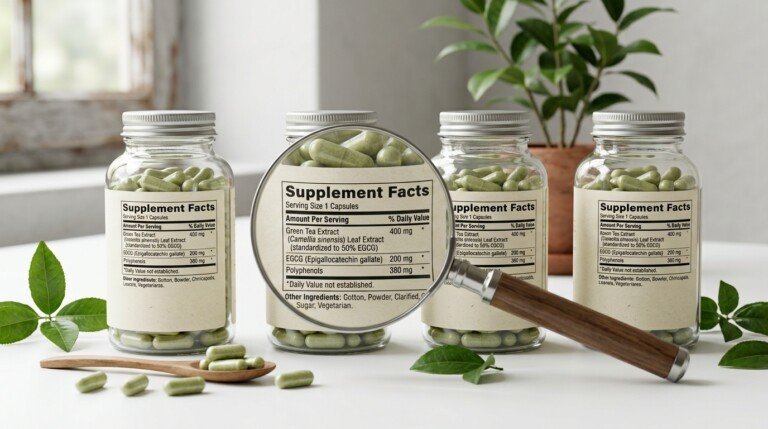
While no supplement is a magic bullet, some can support your efforts. For example, protein powder can help you get enough protein for muscle preservation, and supplements for vitamin D or magnesium can fill nutrient gaps that affect metabolism. Always consult with a doctor.

4: Is cardio still important for weight loss after 40?

Yes, absolutely. Cardio is vital for heart health and calorie burning. However, combining it with strength training and smart diet choices is the most effective strategy.

5: How important is consistency for weight loss after 40?

Consistency is arguably the single most important factor. Due to a slower metabolism and hormonal shifts, your body is less forgiving of sporadic effort. Consistent, long-term habits in diet, exercise, and sleep are far more effective than short, intense periods of restriction or over-training. It’s about building a sustainable lifestyle, not just following a temporary plan.


Disclaimer:

This post may contain affiliate links. If you purchase through them, we may earn a small commission at no extra cost to you. Also, this content is for informational purposes only and does not substitute professional medical advice.

8 Surprising Truths: Weight Loss for Women vs Men

Key Differences: Weight Loss for Women vs Men

The journey to losing weight is not the same for everyone. While a “calorie in, calorie out” approach seems simple in theory, the reality of weight loss for women vs men is shaped by significant physiological, hormonal, and metabolic distinctions. These differences can explain why some individuals see rapid Progress while others face a more challenging, long-term process. Understanding the inherent biological factors can empower individuals to set realistic expectations and create a more effective, personalized weight loss plan.

This guide will explore the core differences influencing how each gender loses weight, from metabolism and fat distribution to hormonal roles. By understanding these distinctions, individuals can tailor their strategies to work with their body’s unique design, leading to more sustainable and satisfying results. For a full breakdown of how metabolism, hormones, training, and nutrition integrate into one system, read the complete weight loss guide.


Male vs Female Metabolism: The Core Difference

One of the most significant factors influencing weight loss for women vs men lies in our metabolic rates. Metabolism refers to the rate at which the body burns calories for energy. On average, men have a faster metabolism than women due to key differences in body composition.

Men typically have a higher percentage of muscle mass and a lower percentage of body fat than women. Muscle tissue is more metabolically active than fat tissue, which burns more calories even at rest. This gives men a natural advantage, often called a higher Basal Metabolic Rate (BMR). Their bodies are simply designed to burn more calories throughout the day, even when they are not actively working out.

This isn’t just about strength; it’s about the very composition of our bodies. From adolescence, male bodies tend to develop more lean muscle, while female bodies are designed to store more fat, particularly for reproductive purposes. Women often have to work a little harder to create the same calorie deficit as men, so female weight loss tips usually focus on strategies to boost metabolism and preserve muscle.

Key Takeaway: Men generally have a metabolic advantage due to higher muscle mass, leading to a higher resting calorie burn.


Why Men Lose Faster Than Women: Unpacking the Hormonal Role

Beyond metabolism, hormones play a colossal role in the distinct patterns of weight loss for women vs men. And this, perhaps more than anything else, explains why men lose faster than women.

For women, the hormonal landscape is a complex, ever-shifting terrain. Estrogen, while vital for female health, also promotes fat storage, particularly in the hips, thighs, and glutes. This evolutionary adaptation prepares the female body for potential pregnancy and lactation. Fluctuations throughout the menstrual cycle can also impact appetite, energy levels, and fluid retention, making consistent weight loss feel elusive at different times of the month. As women approach menopause, declining estrogen levels can increase fat storage around the abdomen, making belly fat particularly stubborn.

Men, on the other hand, have higher levels of testosterone. Testosterone is a powerful hormone that helps build and maintain muscle mass, boosting metabolism and burning fat. This hormonal profile gives men a more consistent metabolic engine and less predisposition to store fat in certain areas than women.

These hormonal realities mean women’s weight loss journeys are often more nuanced, especially when considering the stress and weight loss impact on cortisol, cravings, and fat storage patterns. Understanding the influence of hormones is crucial for adapting weight loss strategies accordingly.


Fat Burning Gender Differences: Where the Body Stores It

The way our bodies store fat is another critical distinction in weight loss for women vs men. These fat burning gender differences are largely pre-programmed and contribute significantly to the varying experiences.

Women typically store more subcutaneous fat, which is the fat located just under the skin, often around the hips, thighs, and buttocks. This “pear shape” is typical for women. While subcutaneous fat is not as metabolically dangerous as visceral fat, it can be notoriously stubborn to lose.

Conversely, men tend to store more visceral fat, which is the fat that surrounds internal organs in the abdominal cavity, leading to the “apple shape.” While this type of fat is more strongly linked to health risks like heart disease and type 2 diabetes, paradoxically, it can sometimes be easier to lose with diet and exercise than subcutaneous fat. When men start a new weight loss regimen, they often see a quick reduction in their midsection, which can be highly motivating.

This difference in fat distribution isn’t about aesthetics; it’s about biology. Understanding these patterns helps set realistic expectations and prevents unnecessary frustration. It also informs targeted approaches, where women might focus more on consistent, long-term strategies, while men might see quicker initial changes.


Tailored Strategies: Female Weight Loss Tips & Women’s Weight Loss Plan

Given these inherent differences, a “one-size-fits-all” approach to weight loss often falls short. What works effectively for men might need significant adjustments for women. This is where tailored female weight loss tips and a specific women’s weight loss plan become invaluable.

For women, the focus needs to be on strategies that work with their physiology:

  • Prioritize Strength Training: Building and maintaining muscle mass is paramount for women, and structured resistance training for fat loss is essential for preserving metabolism and improving body composition. Not only does it boost metabolism, but it also helps offset some of the metabolic advantages men naturally possess. Aim for 2-3 full-body strength training sessions per week. Don’t be afraid of lifting weights! We have great workouts designed to empower you. Check out our guide to Building Muscle and Gaining Strength for inspiration.
  • Embrace Nutrient-Dense Foods: Focus on whole, unprocessed foods. Lean proteins, abundant vegetables, healthy fats, and complex carbohydrates will provide sustained energy, manage cravings, and support hormonal balance.
  • Manage Stress: Chronic stress elevates cortisol, a hormone that promotes fat storage, especially around the abdomen. Incorporate stress-reducing practices like meditation, yoga, or breathwork into your daily routine. Our blog on Breathwork for Stress Management offers excellent techniques.
  • Prioritize Sleep: Adequate sleep is crucial for hormonal regulation, appetite control, and recovery. Aim for 7-9 hours of quality sleep each night.
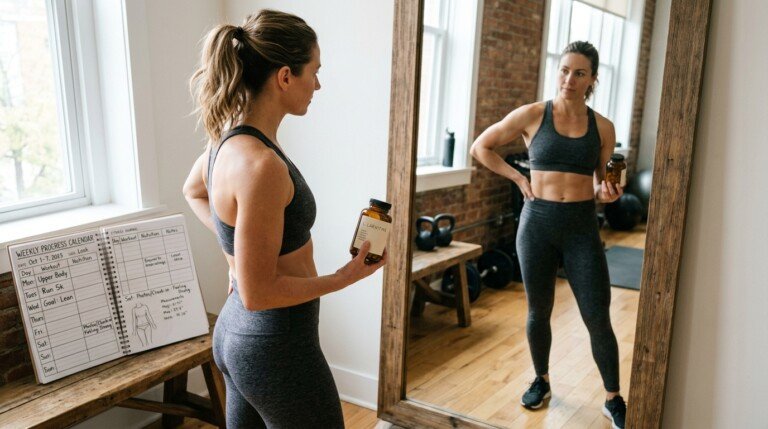
  • Track Progress Beyond the Scale: The scale might not always reflect true progress due to hormonal fluctuations and water retention. Focus on non-scale victories like increased energy, improved mood, better-fitting clothes, and strength gains.

Actionable Insight for Women: Don’t compare initial Progress to a man’s. A woman’s body is different, and a focus on consistency and unique milestones will lead to success.


Creating a Sustainable Men’s Weight Loss Plan

While men often experience faster initial weight loss, they are not without their own challenges, particularly regarding long-term sustainability. Many men may not focus as much on the holistic aspects of wellness, which can lead to burnout or neglecting crucial elements of health beyond just the numbers on the scale.

For men, a successful men’s weight loss plan should focus on:

  • Consistent Calorie Deficit (without extreme restriction): While metabolism might be higher, consistent overeating will still lead to weight gain. Focus on balanced meals that are satisfying and nutrient-rich, rather than just “diet food.” Portion control and making smarter food choices are key.
  • High-Intensity Interval Training (HIIT): While strength training is beneficial for everyone, HIIT can be particularly effective for men to boost metabolism and maximize fat burning in shorter periods, complementing their natural metabolic advantages.
  • Protein Intake: Higher protein intake supports muscle mass, which is critical for maintaining a high metabolism. Ensure each meal includes a good source of lean protein.
  • Mindful Eating and Stress Management: Even with a faster metabolism, neglecting emotional eating or chronic stress can sabotage Progress. Encouraging practices like mindful eating can prevent overconsumption and foster a healthier relationship with food. We have some great nutrition tips to help you structure your meals wisely.
  • Accountability: Men often thrive with clear goals and accountability. Whether it’s a workout buddy, a fitness tracker, or regular check-ins, having a system to stay on track can be very powerful.

Actionable Insight for Men: Leverage your metabolic advantage, but don’t overlook the importance of sustainable eating habits and holistic wellness for lasting results.


Decoding Metabolism: Male vs Female Metabolism Factors

Let’s dive a little deeper into the specific factors contributing to male vs female metabolism. Understanding these elements isn’t just academic; it helps us appreciate the intricate design of our bodies and why personalized strategies are so vital.

  1. Muscle Mass Percentage: As mentioned, men typically have 10-20% more muscle mass than women. This is a primary driver of the difference in BMR. Each pound of muscle burns significantly more calories at rest than a pound of fat.
  2. Hormonal Influence:
    • Testosterone (Men): Promotes muscle synthesis and reduces fat storage. It also influences red blood cell production and bone density, contributing to a generally more robust metabolism.
    • Estrogen (Women): Influences fat storage in specific areas (hips, thighs) and can impact insulin sensitivity, affecting how the body processes carbohydrates. Its fluctuations during the menstrual cycle, pregnancy, and menopause significantly alter metabolic processes.
  3. Fat Distribution:
    • Visceral Fat (Men): More common in men, it’s metabolically active and releases compounds that can affect insulin resistance. While dangerous, it can also be quicker to mobilize for energy.
    • Subcutaneous Fat (Women): More prevalent in women, it’s less metabolically active and can be more resistant to burning, particularly in “problem areas.”
  4. Enzyme Activity: There can be differences in the activity of certain enzymes involved in fat metabolism. For instance, lipoprotein lipase (LPL), an enzyme that facilitates fat storage, can be more active in women’s thighs and hips.
  5. Energy Expenditure During Exercise: While men generally have higher absolute energy expenditure during exercise due to larger body size and muscle mass, studies also suggest potential differences in substrate utilization (what fuel source the body prefers to burn) between genders during different intensities of exercise.

Understanding these intricate fat burning gender differences is key to approaching a weight loss journey with patience and precision. It’s about empowering oneself with knowledge, rather than battling against what feels like an unfair biological setup.


The Role of Body Fat: Women vs Men Body Fat Explained

When we talk about women vs men body fat, we’re not just talking about quantity, but also quality and distribution, which as we’ve seen, profoundly impacts weight loss.

  • Essential Body Fat: Women require a higher percentage of essential body fat (around 10-13%) compared to men (2-5%) for basic bodily functions, particularly those related to reproduction. This means a woman’s healthy body fat range will naturally be higher.
  • Body Fat Percentage & Health: A healthy body fat percentage for women typically ranges from 21-33%, while for men, it’s 8-19%. Trying to achieve a male-typical body fat percentage can be unhealthy and unsustainable for most women.
  • Location, Location, Location: The evolutionary purpose of fat storage differs. Women’s bodies are predisposed to store fat on the lower body (hips, thighs) to support childbearing. Men tend to store fat in the abdominal area. This is a crucial distinction when it comes to setting realistic body composition goals and understanding stubborn fat areas.

Knowing these differences can help you redefine your concept of a healthy body and avoid comparing yourself to unrealistic standards. Your body, as a woman or a man, is perfectly designed for its biological purpose. The goal isn’t to fight your nature, but to optimize your health within it.


Moving Beyond the Scale: Redefining Weight Loss Success

For both weight loss for women vs men, true success goes far beyond the number on the scale. While losing pounds can be a great motivator, it’s crucial to redefine what “winning” looks like.

This is particularly important for women, whose weight can fluctuate more due to hormones, but it applies to everyone. Focus on:

  • Improved Energy Levels: Do you wake up feeling more refreshed?
  • Better Sleep Quality: Are you sleeping more soundly through the night?
  • Increased Strength and Stamina: Are you able to lift heavier, walk further, or perform daily tasks with more ease?
  • Enhanced Mood and Mental Clarity: Do you feel less stressed, more focused, and generally happier?
  • Improved Health Markers: Lower blood pressure, better cholesterol, stable blood sugar.
  • Confidence in Your Clothes: How do your clothes fit and how do you feel when you get dressed?

These non-scale victories are powerful indicators of Progress and contribute to a much more holistic sense of well-being. We believe in nurturing the whole self – mind, body, and spirit. Your journey is about becoming a healthier, happier, more vibrant you, irrespective of gender.


Your Call to Action: Embrace Your Unique Journey

Understanding the key differences in weight loss for women vs men isn’t about fostering division; it’s about empowerment through knowledge. It’s about recognizing that your body is a marvel, uniquely designed, and deserving of a tailored approach. Whether you are a woman feeling frustrated or a man looking for sustainable health, your path to a healthier weight and a more vibrant life is within reach.

Don’t let perceived “fairness” or comparisons with others derail your Progress. Focus on your body, your hormones, and your unique needs. Implement the strategies that resonate with you, prioritize conscious living, and celebrate every small victory.


FAQ

1. Is it truly harder for women to lose weight than men?

Generally, yes, due to physiological differences like higher muscle mass in men leading to a faster metabolism, and hormonal factors (estrogen promoting fat storage in women). However, “harder” is relative. It means women often need to be more consistent and patient with their strategies.

2. Should men and women follow entirely different diet plans?

Not entirely different, but often with different emphasis. Both benefit from whole, nutrient-dense foods. However, women might need more targeted strategies for hormonal balance and metabolism boosting, while men can leverage their higher metabolism with efficient training.

3. Does age affect these gender differences in weight loss?

Absolutely. As both men and women age, metabolism naturally slows down. For women, menopause brings significant hormonal shifts that can make weight loss more challenging, especially around the midsection. Men also experience a decline in testosterone with age, which can impact muscle mass and metabolism.

4. How important is strength training for women’s weight loss?

Extremely important! Strength training helps women build and maintain metabolically active muscle mass, which is crucial for increasing their basal metabolic rate and improving body composition. It also offers numerous other health benefits.


Disclaimer:

This post may contain affiliate links. If you purchase through them, we may earn a small commission at no extra cost to you. Also, this content is for informational purposes only and does not substitute professional medical advice.

7 Incredible Intermittent Fasting Weight Loss Secrets

1. Shocking Truth About Intermittent Fasting for Weight Loss (A Personal Journey)

Hello, and welcome. If you’re anything like I was a few years ago, you’ve probably tried everything to lose weight. You’ve counted calories until your head spun, cut out entire food groups, and felt the pangs of hunger as a constant, nagging companion. Have you ever felt that mix of dread and faint hope every time you step on the scale? I know I did. My journey was a cycle of extreme diets, rapid weight loss, and an even faster rebound. I would lose 10 pounds and gain back 15, convinced that my body was simply fighting against me. I was exhausted, not just physically, but emotionally. That’s why I want to share my journey with intermittent fasting weight loss and how it changed my entire relationship with food and my body.

My name is Michael K. Brown, and founded Thrive in Serenity. My mission is to help people just like you find a path to a healthier, more intentional life without the constant struggle. For a long time, the diet industry had me convinced that losing weight was a game of deprivation and willpower, a battle I was constantly losing.

Then, I stumbled upon intermittent fasting. I’ll admit, I was skeptical at first. The idea of not eating for a long period seemed extreme. But something about its simplicity resonated with me. It felt less like a diet and more like a lifestyle change. And what I discovered was nothing short of incredible.

This isn’t a story about a quick fix, but a strategy aligned with our complete weight loss guide philosophy of sustainable fat loss. It’s about a powerful tool that, when used correctly, can transform not only your body but your mindset. This is the ultimate beginner’s guide to intermittent fasting weight loss.


2. Understanding Intermittent Fasting for Beginners

At its core, intermittent fasting (IF) isn’t about dieting in the traditional sense. You’re not cutting calories or eliminating food groups. Instead, you’re focusing on a cyclical pattern of eating and fasting. The most popular method, and the one I started with, is the 16:8 intermittent fasting plan.

How the 16:8 Intermittent Fasting Plan Works

The name says it all: you fast for 16 hours and eat all your meals within an 8-hour window. For a beginner, this is the most accessible and sustainable way to start. It sounds intimidating, but think about it: if you finish dinner at 7 p.m., you just need to wait until 11 a.m. the next morning to have your first meal. Much of that fasting period is spent while you’re sleeping. I found that a little bit of black coffee or unsweetened tea in the morning made it surprisingly easy.

The beauty of the 16:8 schedule is its flexibility. Your eating window can be from 11 a.m. to 7 p.m., or maybe 1 p.m. to 9 p.m. It all depends on what fits your lifestyle. This flexibility is what made me stick with it. It wasn’t about rigid rules; it was about finding a rhythm that worked for my body and my daily life.

To make the process even smoother, I found that establishing a healthy morning routine helped me push through the initial hunger pangs. Practices like mindful movement and hydration became my allies. This simple habit can lay a foundation for overall well-being. For more on this, check out our guide on The Best Healthy Lifestyle for Beginners.


3. Does IF Work for Fat Loss?

The short answer is a resounding yes. I’ve seen it in my own life, and I’ve seen it help countless others. A study published in the journal Cell Metabolism confirmed that IF can lead to significant reductions in body weight and visceral fat, which is the harmful fat stored around your organs.

How does it work? When you fast, your body has a chance to burn through its stored glucose and begins to tap into your fat reserves for energy. It’s a natural metabolic shift that makes your body more efficient at burning fat a process we break down further in our advanced intermittent fasting secrets guide. This is the core mechanism behind the incredible intermittent fasting weight loss results.

Beyond the fat-burning aspect, there’s also the benefit of simply eating less. By condensing your eating window, you’re less likely to consume as many calories, which can naturally lead to a calorie deficit without the pain of counting every single bite.

My personal journey was transformative. In the first month alone, I lost five pounds, but what was more profound was how I felt. I had more energy, my mind felt clearer, and I no longer felt controlled by my cravings. It wasn’t just about a number on the scale; it was about reclaiming control over my health.


4. Avoiding Common Intermittent Fasting Mistakes

When you’re first starting out, it’s easy to make a few slip-ups. I certainly did. Understanding these common pitfalls can save you from frustration and help you achieve lasting intermittent fasting weight loss results.

Here are the most common mistakes and how to fix them:

  • Not Drinking Enough Water. This is the most common mistake. When you’re fasting, it’s easy to forget to hydrate, which can lead to headaches and fatigue. The Fix: I found that keeping a large bottle of water with me at all times was a game-changer.
  • Binge Eating During Your Window. The temptation to overeat during your eating window is strong, especially when you’re first starting out. The Fix: The goal is to eat until you’re satisfied, not until you’re stuffed. Listen to your body and focus on mindful eating. Our guide on Mindful Eating for Fat Loss can provide some great tips here.
  • Ignoring Your Body’s Signals. IF isn’t a one-size-fits-all solution. The Fix: If you feel dizzy, unwell, or overly hungry, listen to your body. You might need to adjust your window or your routine. It’s all about creating a sustainable practice, not following a rigid set of rules.

5. What to Eat: Your Guide to Intermittent Fasting Foods

This is a key part of the puzzle. Understanding how macronutrient balance works especially in the context of a low carb vs low fat diet can dramatically improve your fasting results. For sustainable intermittent fasting weight loss, what you eat is just as important as when you eat it. The goal is to consume nutrient-dense, whole foods that keep you full and energized.

Focus on these core food groups:

  • Protein: Lean meats, eggs, fish, and legumes are great for satiety and muscle maintenance.
  • Healthy Fats: Avocado, nuts, and olive oil can help you feel full and support brain health.
  • Fiber-Rich Foods: Vegetables, fruits, and whole grains are essential for digestive health and sustained energy.

Eating a balanced diet during your eating window is crucial. It’s not about restricting food but about making smart choices that fuel your body. The food you eat should be a source of nourishment and energy, not just a way to fill a void. For me, connecting with my body through practices like yoga helped me make better food choices. You can explore different forms of yoga with our guide on What Is Your Yoga Discipline?.


6. Real Stories, Real Intermittent Fasting Results

The journey with intermittent fasting is a personal one, and everyone’s results will look a little different. I’ve seen clients lose anywhere from 10 to 50 pounds, but the biggest win is always the shift in their mindset. They go from feeling controlled by food to feeling empowered by it.

One client, Sarah, started IF because she was tired of feeling sluggish. She didn’t want to go on another restrictive diet. We focused on the 16:8 plan, and within three months, she’d lost 15 pounds. But more importantly, she said she felt like she had “reclaimed her power.” She no longer felt stressed around food and was able to enjoy meals with her family without guilt. This is the kind of transformation I live for—one that goes beyond the scale.

It’s important to remember that this is a long-term journey. There will be days when you mess up, and that’s okay. The key is to be compassionate with yourself and get back on track the next day. This gentle, mindful approach is at the core of holistic healing, a practice we explore further in our guide on The Power of Pranic Healing.


7. Your Call to Action: Take the First Step Today for Intermittent Fasting Success

The journey to a healthier, happier you starts with a single step. Intermittent fasting weight loss is more than just a diet; it’s a tool for conscious living. It’s a way to reconnect with your body, listen to its signals, and find a good rhythm.

If you’re ready to stop the endless cycle of dieting and start living a life of intentional wellness, I encourage you to give intermittent fasting a try. Start with the 16:8 plan, listen to your body, and be patient with the process.

To further support your journey, I invite you to join our community at Thrive in Serenity. We offer resources, guidance, and a supportive network to help you along the way. Your transformation is waiting.


FAQ

1. Will intermittent fasting make me lose muscle mass?

This is a common concern. Research suggests that IF, when combined with proper protein intake and strength training, can help you lose fat while preserving muscle mass. The key is to make sure you’re getting enough protein during your eating window.

2. Can I drink anything during the fasting window?

Yes! You can drink black coffee, unsweetened tea, and water. These beverages won’t break your fast and can actually help you feel less hungry.

3. Is intermittent fasting safe for everyone?

While many people benefit from IF, it’s not for everyone. If you are pregnant, have a history of eating disorders, or have certain medical conditions, you should consult with your doctor before starting.

4. How long does it take to see intermittent fasting results?

Most people start to see results within the first few weeks, but significant changes usually happen after a few months of consistent practice. The key is to be patient and stick with it.


Disclaimer:

This post may contain affiliate links. If you purchase through them, we may earn a small commission at no extra cost to you. Also, this content is for informational purposes only and does not substitute professional medical advice.

15 Powerful High-Protein Foods That Burn Fat Naturally

High-Protein Foods That Burn Fat are the ultimate secret to losing weight without starving yourself. When most people hear the word ‘diet,’ they imagine tiny salad bowls, endless restrictions, and constant hunger. But the truth is, eating the right high-protein foods can help you feel full, boost metabolism, and burn fat effectively.

That’s where protein comes in.

I remember when I first tried to cut weight years ago, I made the classic mistake: I slashed my calories way too low. Sure, I lost a few pounds quickly, but I was tired, irritable, and constantly hungry. Worse, I lost muscle along with fat — which made my metabolism slow down, and the weight came right back.

The game-changer happened when I shifted my focus to high-protein meals. Suddenly, I didn’t feel like I was “dieting” anymore. A breakfast of eggs and Greek yogurt kept me satisfied for half the day. Adding lean chicken or lentils to lunch gave me steady energy without the afternoon crash. I wasn’t fighting cravings constantly, and my body started looking leaner because I was preserving muscle while burning fat.

And I’m not alone — countless studies confirm what I personally experienced: protein is the single most powerful nutrient for fat loss. If you want to understand how protein fits into calorie balance, metabolism, and long-term fat reduction, this ultimate weight loss guide breaks down the full system behind sustainable results. It’s not some quick-fix fad; it’s backed by decades of research on metabolism, hormones, and appetite regulation.

In this article, we’ll break down why protein is such a fat-burning powerhouse and then explore 15 of the best high-protein foods that can help you lose fat, stay energized, and actually enjoy your meals in the process. Whether you’re a meat-lover, pescatarian, vegetarian, or fully plant-based, you’ll find options here that fit your lifestyle.


Why Protein Helps Burn Fat

Most people understand that protein builds muscle, but few realize how it influences every stage of fat loss. Let’s dig deeper into why it’s so powerful.

1. Protein Has the Highest Thermic Effect of Food (TEF)

Think of food as fuel — but some fuels make your engine work harder than others. When you eat fat, only about 0–3% of those calories are burned off through digestion. Carbs are a little better, with 5–10% burned during digestion. But protein? It skyrockets up to 20–30%.

That means if you eat 100 calories of protein, up to 30 calories are burned automatically during digestion and absorption. In comparison, 100 calories of fat may only cost your body 3 calories to process.

👉 Translation: protein-rich foods give you a built-in calorie-burning boost every time you eat them. You don’t get that advantage with fats or carbs.

2. Protein Controls Appetite and Cravings

One of the hardest parts about losing weight isn’t just reducing calories — it’s controlling hunger. A low-protein diet often leaves people constantly reaching for snacks because they don’t feel satisfied.

Here’s where protein changes the game:

  • It reduces ghrelin, the hormone that triggers hunger.
  • It increases satiety hormones like GLP-1, peptide YY, and CCK, which send signals to your brain that you’re full.
  • Studies show that people who eat a high-protein breakfast consume up to 400 fewer calories throughout the day compared to those who eat a carb-heavy breakfast.

This is why having a protein-rich meal early in the day (like eggs or Greek yogurt) can literally set the tone for fat loss by helping you stay satisfied longer and reducing cravings later.

3. Protein Protects Lean Muscle While You Lose Fat

Here’s a mistake a lot of dieters make: they lose weight on the scale, but a big chunk of it is muscle, not just fat. That’s a problem because muscle is metabolically active — the more muscle you have, the more calories you burn, even while sitting on the couch.

When you combine high protein intake with strength training for fat loss, your body holds onto lean muscle while burning stored fat more efficiently. This keeps your metabolism strong, prevents that “skinny-fat” look, and helps you achieve a leaner, toned body instead of just being lighter.

In fact, research shows that people on high-protein diets lose more fat and preserve more muscle compared to people on low-protein diets with the same calories.

4. Protein Supports Blood Sugar and Energy Levels

Another hidden benefit: protein slows down digestion and helps stabilize blood sugar. This prevents the classic “spike and crash” that happens after eating high-carb meals. Stable energy means fewer cravings for sugary snacks and less late-night bingeing — two of the biggest fat-loss killers.


15 Best High-Protein Foods That Burn Fat

1. Eggs

Protein per large egg: ~6 grams

Eggs are often called the “perfect protein” because they contain all nine essential amino acids your body needs for building muscle and burning fat. What makes eggs especially powerful is their balance of protein and healthy fats, which work together to keep you feeling satisfied for hours.

One study published in the International Journal of Obesity found that people who ate eggs for breakfast lost 65% more weight than those who ate the same calories from bagels. That’s because eggs keep blood sugar steady and prevent mid-morning crashes that lead to snacking.

How to include them: Scramble them with spinach for a nutrient-dense breakfast, boil a dozen at the start of the week for grab-and-go snacks, or make avocado-egg toast for a protein-packed twist.

2. Greek Yogurt

Protein per 1 cup (non-fat): 20–23 grams

Greek yogurt is a fat-loss gem because it combines high protein with probiotics that support gut health. Why does gut health matter for weight loss? Because an unbalanced gut microbiome can trigger cravings, inflammation, and slower metabolism.

A study from Nutrition Reviews found that people who consumed probiotic-rich foods like Greek yogurt experienced reduced belly fat and improved insulin sensitivity. On top of that, its creamy texture makes it feel indulgent without the sugar overload of regular yogurt.

How to include it: Make a high-protein parfait with berries and chia seeds, blend into smoothies, or use it as a sour cream substitute on tacos.

3. Chicken Breast

Protein per 3 oz (cooked): ~26 grams

Chicken breast is the go-to for anyone serious about fat loss. It’s nearly pure protein, low in calories, and versatile enough to fit into almost any recipe. Because it’s so lean, your body expends extra energy digesting it while giving you the amino acids needed to protect muscle mass.

This is why professional athletes and fitness enthusiasts rely on chicken during “cutting phases.” More muscle + less fat = faster metabolism.

How to include it: Grill in bulk and use throughout the week for salads, burrito bowls, or stir-fries. Pair with fibrous veggies for the ultimate fat-burning combo.

4. Turkey Breast

Protein per 3 oz (cooked): ~25 grams

Turkey breast is like chicken’s leaner cousin, but with its own benefits. It’s high in protein, low in fat, and also contains tryptophan — an amino acid that boosts serotonin, which can help with mood regulation and reduce stress-related eating.

In fact, a study in Appetite Journal suggested that serotonin-boosting foods like turkey may help curb cravings for high-sugar snacks, which is often the downfall of fat-loss diets.

How to include it: Try sliced turkey in whole-grain wraps, ground turkey in chili, or roast turkey breast with herbs for a holiday-style meal any time of year.

5. Salmon

Protein per 3 oz (cooked): ~22 grams

Salmon is a superstar because it combines protein with omega-3 fatty acids. These healthy fats do more than protect your heart — they may help reduce inflammation that leads to stubborn belly fat. Omega-3s also improve insulin sensitivity, which makes your body more efficient at using carbs for energy instead of storing them as fat.

A study in Obesity Reviews found that people who ate fatty fish like salmon experienced greater fat loss compared to those who didn’t.

How to include it: Bake with lemon and garlic, make salmon burgers, or flake into salads.

6. Tuna

Protein per 3 oz (canned in water): ~20 grams

If you want pure protein with almost no fat or carbs, tuna is unbeatable. It’s cheap, convenient, and portable — making it a favorite among bodybuilders during fat-cutting phases.

The best part? Because it’s so lean, it provides the amino acids your body needs to maintain muscle while staying in a calorie deficit.

How to include it: Mix canned tuna with Greek yogurt and mustard for a healthy tuna salad, add to wraps, or top whole-grain crackers for a quick snack.

7. Cottage Cheese

Protein per 1 cup (low-fat): ~28 grams

Cottage cheese doesn’t get the love it deserves. It’s loaded with casein protein, which digests slowly and helps keep you full overnight. That makes it a perfect evening snack for people who struggle with late-night cravings.

It’s also high in calcium, which some research suggests may help the body metabolize fat more efficiently.

How to include it: Top with pineapple chunks for a sweet-and-savory snack, mix with herbs for a savory dip, or use as a high-protein base for pancakes.

8. Lentils

Protein per 1 cup (cooked): ~18 grams

Lentils are a plant-based powerhouse: high in protein, fiber, and essential minerals. What makes them excellent for fat burning is the fiber-protein combo — they slow digestion, regulate blood sugar, and keep you full for hours.

For vegetarians or vegans, lentils are an easy way to hit protein goals without turning to processed meat alternatives.

How to include it: Add to soups, toss into salads, or cook into curries. Red lentils cook faster and break down easily, while green or black lentils hold their shape for hearty dishes.

9. Quinoa

Protein per 1 cup (cooked): ~8 grams

Quinoa isn’t just another grain — it’s a complete plant-based protein, meaning it contains all nine essential amino acids (rare for a plant food). While its protein count per cup isn’t as high as meat or fish, quinoa’s unique power comes from the combination of protein, fiber, and slow-digesting carbs.

This combo makes quinoa an excellent fat-burning food: it stabilizes blood sugar, reduces cravings, and provides steady energy for workouts. Unlike white rice or pasta, quinoa won’t leave you with a crash that makes you overeat later.

How to include it: Use it as a base for grain bowls, mix with lentils or beans for a higher-protein vegetarian meal, or substitute for rice in stir-fries.

10. Almonds

Protein per 1 oz (23 almonds): ~6 grams

Almonds might not look like a protein powerhouse at first glance, but research has consistently shown that eating nuts like almonds can help with fat loss — even though they’re calorie-dense. That’s because almonds contain protein, fiber, and healthy fats that keep hunger at bay and prevent overeating.

A study published in the International Journal of Obesity found that people who included almonds in their diet lost 62% more weight than those on a carb-heavy snack plan.

How to include it: Grab a handful as a mid-day snack, sprinkle chopped almonds on oatmeal, or use almond butter as a spread.

11. Pumpkin Seeds (Pepitas)

Protein per 1 oz (¼ cup): ~9 grams

Pumpkin seeds are a surprisingly rich source of protein and minerals like magnesium, zinc, and iron — all of which play a role in metabolism and fat loss. Their balance of protein + healthy fats makes them a great appetite-controlling snack.

Pumpkin seeds also contain tryptophan (like turkey), which may help regulate mood and sleep — important factors for weight management. Poor sleep is strongly linked to overeating and slower fat loss.

How to include it: Snack on them roasted, sprinkle on salads, blend into smoothies, or use as a crunchy topping for yogurt.

12. Tofu

Protein per ½ cup (firm): ~10 grams

Tofu is one of the most versatile plant-based proteins, made from soybeans. It’s a complete protein, low in calories, and absorbs flavors from spices and marinades easily — making it an excellent fat-loss staple for vegans and vegetarians.

Research has shown that soy protein can be just as effective as animal protein in supporting muscle maintenance and fat loss. Plus, it contains isoflavones, plant compounds that may support hormonal balance, especially in women.

How to include it: Grill tofu cubes with spices, stir-fry with veggies, or bake for a crispy snack.

13. Edamame

Protein per 1 cup (cooked): ~17 grams

Edamame (young soybeans) is one of the best snacks for fat loss — high in protein, fiber, and antioxidants. Because it’s rich in both plant protein and slow-digesting carbs, edamame keeps you full and energized.

One study from the Journal of Nutrition found that soy protein (like edamame) can help reduce abdominal fat when combined with a calorie-controlled diet.

How to include it: Steam edamame pods and sprinkle with sea salt, toss into salads, or blend into a protein-rich dip.

14. Whey Protein Powder

Protein per scoop (30g): ~20–25 grams

When it comes to convenience and fat loss, nothing beats whey protein powder. Whey is digested quickly, boosts muscle repair, and has been shown in countless studies to aid fat loss by controlling hunger and preserving lean muscle.

One review from The American Journal of Clinical Nutrition found that people who used whey protein lost more fat and retained more muscle compared to other protein sources during weight loss.

How to include it: Blend into smoothies, mix into oatmeal, or bake into protein pancakes.

15. Black Beans

Protein per 1 cup (cooked): ~15 grams

Black beans are often overlooked, but they’re an incredible combination of protein, fiber, and complex carbs. This trio makes them filling and excellent for blood sugar control, which directly helps with fat loss.

Beans also contain resistant starch, which acts like fiber and helps improve gut health — a growing area of research tied to metabolism and weight management.

How to include it: Add to tacos, soups, or use as the base for a black bean burger.


How to Build Fat-Burning Meals with High-Protein Foods

Eating more protein is powerful — but it works even better when you structure it into your daily meals the right way. Here’s how to turn the 15 foods we listed into a fat-burning lifestyle:

1. Focus on Protein at Every Meal

Most people eat a carb-heavy breakfast (cereal, toast, bagels) and wonder why they’re hungry an hour later. The trick is simple: make protein the star of every meal.

  • Breakfast: Eggs, Greek yogurt, or a whey protein shake.
  • Lunch: Chicken breast, turkey, or lentils paired with veggies.
  • Dinner: Salmon, tuna, tofu, or quinoa-based bowls.
  • Snacks: Almonds, pumpkin seeds, cottage cheese, or edamame.

This approach keeps your metabolism active all day and prevents hunger-driven snacking.

2. Combine Protein with Fiber

Protein helps burn fat, but when paired with fiber, it becomes even more powerful. Fiber slows digestion, regulates blood sugar, and makes protein meals more filling.

Example combos:

  • Chicken + broccoli + quinoa
  • Salmon + leafy greens + avocado
  • Lentils + spinach + pumpkin seeds

👉 Rule of thumb: build meals with 1 protein source + 1 high-fiber carb + 1 veggie.

3. Use Protein for Appetite Control

If cravings hit mid-afternoon or late at night, a quick protein snack is your best defense. Unlike cookies or chips, protein-rich snacks blunt hunger and reduce the chance of overeating later.

  • Cottage cheese before bed curbs late-night hunger.
  • Almonds or edamame mid-day prevent sugar crashes.
  • A scoop of whey protein in water works as a “rescue snack” when cravings strike.

4. Plan Ahead with Batch Cooking

One of the biggest reasons diets fail is convenience — or lack of it. If you don’t have quick, high-protein options ready, you’re more likely to grab something processed.

  • Batch cook chicken or turkey at the start of the week.
  • Keep boiled eggs in the fridge.
  • Stock Greek yogurt cups for easy snacks.
  • Have canned tuna or beans in the pantry.

Meal prep ensures you never get stuck without a fat-burning option.

5. A Sample High-Protein, Fat-Burning Day

Here’s what a balanced day of fat-burning meals might look like (around 120–130g protein total):

  • Breakfast (30g protein):
    3 scrambled eggs + Greek yogurt with blueberries.
  • Snack (15g protein):
    Edamame sprinkled with sea salt.
  • Lunch (35g protein):
    Grilled chicken breast, quinoa, and roasted broccoli.
  • Snack (20g protein):
    Whey protein shake + handful of almonds.
  • Dinner (30g protein):
    Baked salmon with spinach salad and pumpkin seeds.

This setup keeps protein consistent, appetite low, and metabolism active all day.


Common Mistakes to Avoid with High-Protein Fat-Burning Foods

Even though protein is powerful for fat loss, there are a few mistakes people make that can sabotage results:

1. Relying Only on Protein Powders

Protein shakes are convenient, but relying on them too heavily means you miss out on the vitamins, minerals, and fiber found in whole foods. Powders should supplement your diet, not replace real meals.

2. Overeating “Healthy” Protein Snacks

Nuts, seeds, and nut butters are great protein sources, but they’re calorie-dense which is why following a smart portion control strategy prevents accidental overeating. A handful of almonds is great; half a jar of almond butter isn’t. Portion control matters.

3. Skipping Vegetables and Fiber

Protein alone won’t give you the best results. Without fiber, you risk constipation, poor digestion, and blood sugar spikes. Pair your protein with greens, beans, and whole grains for balanced fat loss.

4. Ignoring Hydration

Protein metabolism produces nitrogen waste, which your kidneys flush out. If you increase protein without drinking enough water, you may feel sluggish or bloated. Always hydrate well on a high-protein diet.

5. Eating Too Little Protein Overall

Many people think they’re eating enough protein but actually fall short. For fat loss, aim for 0.7–1 gram of protein per pound of body weight daily. Example: if you weigh 160 pounds, target 110–160g protein per day.


Conclusion

Losing fat doesn’t have to mean cutting calories to the extreme or giving up foods you enjoy. By focusing on protein-rich, nutrient-dense foods, you make the process easier, more sustainable, and far more effective.

From eggs and Greek yogurt to salmon, lentils, and whey protein, you now have a roadmap of 15 powerful foods that help burn fat naturally. Combine them with fiber, healthy fats, and smart meal planning, and you’ll notice the difference not just in your waistline — but in your energy, strength, and confidence.

👉 Next Step: If you struggle to hit your daily protein target, consider adding a high-quality whey protein or organic plant-based protein to your meals. These supplements are convenient, affordable, and can make the difference between spinning your wheels and finally seeing results.

Start today by choosing just one or two foods from this list to add to your next meal — and watch how much easier fat loss becomes when you let protein do the heavy lifting.


Frequently Asked Questions

1. What protein burns the most fat?

Animal proteins like chicken breast, turkey, and fish have the highest protein-to-calorie ratio. But plant proteins like lentils, tofu, and edamame are excellent too — especially when combined.

2. How much protein should I eat to lose weight?

Most experts recommend 25–30% of your daily calories from protein or around 0.7–1g per pound of body weight. This range maximizes fat loss while preserving muscle.

3. Can vegetarians or vegans lose fat on a high-protein diet?

Absolutely. Plant-based sources like lentils, quinoa, tofu, edamame, beans, and seeds provide plenty of protein when eaten in variety. Supplementing with plant-based protein powders can help fill gaps.

4. Is too much protein bad for your kidneys?

In healthy individuals, there’s no evidence that high-protein diets damage kidneys. The concern mainly applies to those with pre-existing kidney disease. For most people, a higher protein intake is safe and beneficial for fat loss.

5. When is the best time to eat protein for fat burning?

Spreading protein evenly across the day works best — aim for 20–30g per meal. Having protein at breakfast and before bed has extra benefits for appetite control and muscle preservation.


Disclaimer:

This post may contain affiliate links. If you purchase through them, we may earn a small commission at no extra cost to you. Also, this content is for informational purposes only and does not substitute professional medical advice.

10 Best Fruits for Weight Loss: Boost Fat Burn Naturally

Achieving sustainable weight loss doesn’t have to be complicated or restrictive. One of the most enjoyable ways to lose weight naturally is by including fruits in your daily diet. Fruits are rich in fiber, vitamins, minerals, and antioxidants, which help control cravings, boost metabolism, and support digestion.

In this guide, we’ll explore the best fruits for weight loss, explain why they work, and share practical tips on incorporating them into your meals. With these strategies, you can enjoy delicious foods while supporting your weight loss journey as part of a complete weight loss guide built on smart nutrition and consistency.


Why Fruits Are Essential for Weight Loss

Fruits are not just tasty they’re metabolic boosters. Here’s why they’re critical:

  • Rich in Fiber: Fiber slows digestion, keeps you full longer, and regulates blood sugar.
  • Low in Calories: Most fruits are naturally low-calorie, making them perfect for snacks or meal additions.
  • Packed with Nutrients: Vitamins, minerals, and antioxidants in fruits support overall health and energy levels.
  • Reduce Cravings: Natural sweetness in fruits can curb sugar cravings without adding excessive calories.

Top Fruits That Boost Fat Burning

Certain fruits contain compounds that can help speed up metabolism and promote fat loss. Here are some of the most effective:

Berries

Blueberries, strawberries, and raspberries are high in antioxidants and fiber while being low in calories. The fiber keeps you full, reducing the tendency to overeat, and the antioxidants help combat inflammation, which can otherwise slow metabolism.

Tips to include berries:

  • Add a handful of berries to your morning oatmeal or yogurt.
  • Blend into smoothies for a low-calorie, nutrient-packed snack.

Apples and Pears

These fruits are naturally high in fiber and water, which makes them very filling. Eating an apple or pear as a mid-morning or afternoon snack can help curb cravings and prevent overeating at meals.

Pro tip: Eat them with the skin on to maximize fiber intake.

Grapefruit

Grapefruit is known for its metabolism-boosting properties. Studies suggest that compounds in grapefruit can help reduce insulin levels and promote fat burning when consumed before meals.

Serving ideas:

  • Half a grapefruit as a breakfast side.
  • Grapefruit segments in a salad for a refreshing twist.

Fruits High in Fiber for Weight Loss

Fiber is a key factor in weight management. Fruits high in fiber help regulate digestion, reduce appetite, and maintain steady blood sugar levels.

Kiwi

Kiwi is loaded with fiber and vitamin C, which aids digestion and immune health. It’s also naturally low in calories, making it an ideal snack.

How to eat:

  • Slice into cereal or yogurt bowls.
  • Eat as a standalone snack between meals.

Oranges

Oranges are juicy, sweet, and packed with soluble fiber, which helps you feel full longer. They’re perfect for snacking or adding to salads.

Papaya

Papaya contains an enzyme called papain, which helps break down protein and supports digestion. It’s light on calories and can aid in reducing bloating.

Tip: Use papaya in smoothies or fruit salads for an easy way to add fiber.

Best Fruits for Weight Loss: Low-Sugar Options to Include Daily

If you’re aiming for weight loss, it’s important to choose fruits that are naturally low in sugar. These fruits help maintain stable blood sugar levels and reduce fat storage.

Avocado

Although technically a fruit, avocado is low in sugar and high in healthy fats. The monounsaturated fats in avocados can help reduce belly fat and keep you feeling full for hours.

Serving tips:

  • Spread on whole-grain toast for a nutrient-dense breakfast.
  • Add slices to salads for a creamy texture without extra sugar.

Watermelon

Watermelon is mostly water, making it extremely hydrating and low in calories. Despite its natural sweetness, it has a low sugar content compared to other fruits.

Tip: Enjoy as a refreshing snack or blend into a smoothie to stay hydrated.

Peaches

Peaches are naturally sweet but not sugar-heavy. They provide fiber and antioxidants, making them a great option for satisfying cravings without overdoing sugar intake.

How to eat:

  • Slice over Greek yogurt.
  • Eat as a quick snack between meals.

Best Times to Eat Fruits for Maximum Benefit

Timing your fruit consumption can help maximize weight loss results. Here’s a guide:

Morning or Pre-Breakfast

Eating fruits on an empty stomach can improve digestion and provide a natural energy boost. Citrus fruits like oranges or grapefruit are ideal for this.

Pre-Workout Snacks

Fruits like bananas or berries provide fast-digesting carbohydrates, fueling your workout without adding extra fat.

Afternoon Cravings

When mid-afternoon hunger strikes, reach for a low-sugar fruit like kiwi or apple to curb cravings and prevent snacking on high-calorie junk food. Pairing fruit with herbal teas for weight loss can further reduce cravings and support digestion without adding extra calories.


How to Combine Fruits With a Balanced Diet

For optimal weight loss, fruits should be part of a well-rounded diet. Here’s how to combine them effectively:

  1. Pair with Protein – Combine fruit with Greek yogurt, cottage cheese, or other protein-rich fat loss foods to prolong satiety and protect lean muscle.
  2. Use in Meals – Add fruit to salads, oatmeal, and smoothies to increase fiber and flavor.
  3. Watch Portions – Even healthy fruits can add calories if eaten in excessive amounts. Stick to 1–2 servings per meal.

Top 10 Fruits Ranked for Weight Loss

FruitKey BenefitServing TipCalories per 100g
BlueberriesAntioxidant-rich, boosts metabolismAdd to yogurt or smoothies57
StrawberriesFiber + vitamin CSnack or dessert topping32
ApplesKeeps you fullEat with skin52
GrapefruitFat-burning, reduces insulinBreakfast side42
KiwiHigh fiber, supports digestionSlice in cereal61
PapayaReduces bloating, digestive enzymesSmoothie or salad43
AvocadoHealthy fats, reduces belly fatToast or salad160
WatermelonHydrating, low-calorieSnack or smoothie30
PeachesLow sugar, fiber-richSnack or yogurt39
PearsKeeps you full, high fiberSnack with skin57

Practical Tips to Maximize Fruit Benefits

  1. Rotate Fruits – Don’t stick to one fruit; variety provides a broader nutrient profile.
  2. Combine Colors – Eating different-colored fruits ensures a mix of antioxidants.
  3. Avoid Sweetened Fruit Products – Canned or dried fruits with added sugar can counter weight loss goals.
  4. Pair with Exercise – Fruits fuel your workouts, helping burn calories more effectively.

Conclusion

Incorporating the right fruits at the right time can make a significant difference in your weight loss journey. From fiber-rich apples and berries to fat-reducing avocado and hydrating watermelon, these fruits help control cravings, boost metabolism, and support digestion naturally. Pair your fruit-rich diet with healthy meals, supplements, and regular physical activity to achieve sustainable weight loss results.

By following these strategies and consistently including fruits in your diet, you can enjoy a delicious, nutrient-packed, and effective approach to shedding extra pounds without feeling deprived.


FAQ

1. Can I eat fruit at night?

Yes, but choose low-sugar options like kiwi, avocado, or berries. Avoid fruit juices or high-sugar fruits close to bedtime.

2. Are fruit juices effective for weight loss?

Whole fruits are better than juices because juices remove fiber and can spike blood sugar.

3. How many servings of fruit should I eat daily?

Aim for 2–3 servings per day, ideally spread across meals and snacks.

4. Can combining fruits with supplements help?

Yes. Supplements like fat-burning formulas or natural metabolism boosters can complement your fruit-based diet for enhanced results.

5. Do frozen fruits count the same as fresh?

Absolutely. Frozen fruits retain nutrients and fiber, making them a convenient alternative when fresh options aren’t available.


Disclaimer:

This post may contain affiliate links. If you purchase through them, we may earn a small commission at no extra cost to you. Also, this content is for informational purposes only and does not substitute professional medical advice.

Sustainable Weight Loss: Boost Diet, Exercise & Mindset

The Real Meaning of Sustainable Weight Loss

When most people think about losing weight, their minds immediately jump to diets — often the latest trend splashed across magazines, Instagram reels, or YouTube fitness channels. Words like “detox,” “cleanse,” or “30-day shred” sound promising because they offer quick results. But here’s the uncomfortable truth: these approaches rarely last. The weight lost often creeps back, sometimes with interest, leaving you more frustrated than before.

This is exactly where the concept of sustainable weight loss comes in. At its core, sustainable weight loss isn’t about chasing a magic number on the scale or following rules you hate until you finally “break.” Instead, it’s about creating a healthy lifestyle you can live with — one that helps you feel stronger, lighter, and more energetic not just for a month, but for years to come. If you want a structured breakdown of how nutrition, training, and mindset work together, this complete weight loss guide explains the full system behind long-term fat loss.

Think of it like this: if weight loss is a journey, fad diets are like trying to sprint a marathon. You might make progress for a short distance, but you’ll quickly run out of steam. Sustainable weight loss is the steady pace you can keep up mile after mile — a pace that doesn’t burn you out, but still gets you to the finish line.

So what does sustainable weight loss actually mean? It means:

  • Balanced eating, not restriction. You fuel your body with whole, nutrient-rich foods while still enjoying your favorite treats in moderation.
  • Consistency over perfection. Instead of all-or-nothing rules, you focus on habits you can stick to — even when life gets messy.
  • A lifestyle shift, not a temporary fix. You’re not “on a diet.” You’re learning how to live in a way that supports your health naturally.
  • Mindset first. Weight loss isn’t just physical; it’s also emotional. Building patience, self-compassion, and resilience is just as important as calories and workouts, especially when you’re developing long-term weight loss habits that actually stick.

The beauty of this approach is that it respects both your goals and your humanity. You don’t have to give up pizza nights with friends, skip birthday cake, or live in the gym to see progress. Instead, you learn to create balance that works in the real world. That’s what makes it sustainable.

Why Most People Fail With Quick Fixes

If quick diets worked, we’d all be walking around at our ideal weight right now. The truth is, the weight-loss industry thrives on repeat customers — people who jump from one trend to the next, always chasing results but never holding onto them. That cycle of excitement, hope, disappointment, and guilt is what keeps the market booming.

The sad part? It’s not because people are weak, lazy, or undisciplined. It’s because the quick-fix approach is designed to fail.

1. They Rely on Restriction, Not Nourishment

Imagine being told you can’t eat carbs ever again. For a week, maybe two, you stick with it. You turn down bread at dinner, push away dessert, and smile politely while sipping black coffee at brunch. But inside, the cravings are building like a storm. Then one stressful day at work hits, and suddenly a single slice of pizza turns into three, followed by ice cream because “you’ve already blown it.”

This isn’t lack of willpower — it’s biology. Your body doesn’t respond well to extremes. Crash diets that slash calories or eliminate entire food groups put your body into survival mode, slowing metabolism and increasing cravings. In the long run, this makes weight loss harder, not easier.

2. They Focus on Speed, Not Sustainability

Losing ten pounds in ten days sounds amazing on paper, but let’s look closer. Most of that initial drop is water weight and glycogen (stored carbohydrates), not fat. When you return to normal eating, the weight bounces back almost immediately. This “yo-yo effect” not only crushes your motivation but also damages your trust in yourself.

Sustainable weight loss works differently. Instead of celebrating how much you lost in a week, you focus on steady progress over months. You don’t just look better; you feel better, sleep better, and actually enjoy the process.

3. They Ignore the Role of Lifestyle

Quick-fix programs rarely prepare you for real life. What happens when you go on vacation? Or when your kid’s birthday party includes cake and soda? Or when stress makes you crave comfort food? If your entire weight loss plan depends on drinking shakes or following a rigid chart, you’re one life event away from failure.

That’s why sustainable weight loss emphasizes flexibility. Instead of rigid rules, you learn adaptable habits. You figure out how to enjoy a slice of cake without guilt, how to balance a big dinner with a lighter lunch, and how to bounce back after a stressful week without throwing everything away.

4. They Overlook Mindset

The biggest reason quick fixes fail isn’t physical at all — it’s mental. Many people believe weight loss is a battle of willpower, but the truth is, willpower alone won’t carry you far. When you rely only on motivation and strict rules, you eventually burn out.

Sustainable weight loss takes a different path. It’s rooted in mindset shifts — learning to see food as fuel, exercise as a gift, and progress as a journey instead of a finish line. That shift is what makes results stick.

The Emotional Toll of Quick Fixes

Beyond the science, let’s talk about the emotional side. If you’ve ever tried and “failed” at a diet, you know the heavy mix of guilt and frustration that follows. You might even tell yourself, “Maybe I’m just not disciplined enough.”

But here’s the truth: it’s not your fault. Quick-fix diets set you up for failure from the start. They’re designed to be temporary, to give you just enough results to believe in them — and just enough rebound to make you buy in again.

That endless loop creates shame and discouragement, which makes starting over even harder. Many people eventually stop trying altogether, not because they can’t succeed, but because they’ve been sold the wrong strategy over and over again.

Breaking free from this cycle begins with understanding that lasting weight loss doesn’t come from extremes — it comes from balance.

The Promise of a Sustainable Approach

Sustainable weight loss works because it aligns with how the human body and mind actually function.

Instead of relying on extreme restriction or short-term motivation, it focuses on building habits that support long-term fat loss, energy, and health.

This approach is built on three interconnected pillars:

  • Nutrition that prioritizes balance over restriction
  • Movement that is consistent and enjoyable
  • Mindset that supports patience, flexibility, and self-trust

These pillars reinforce each other. When nutrition improves, energy increases. When movement becomes consistent, motivation strengthens. When mindset shifts, progress continues even during setbacks.

Rather than chasing fast results, sustainable weight loss creates a system that works with your lifestyle not against it.

Sustainable weight loss is built on three interconnected pillars: nutrition, movement, and mindset.

Nutrition emphasizes balance and consistency rather than restriction. The goal is nourishment that supports energy and long-term adherence.

Movement focuses on regular physical activity that fits your lifestyle. Exercise should be sustainable and enjoyable, not punishing.

Mindset provides the foundation for long-term success. A flexible, patient mindset allows progress to continue even during setbacks.

When these pillars work together, weight loss becomes maintainable instead of temporary.

Why This Works When Nothing Else Does

The beauty of combining diet, exercise, and mindset is that they reinforce one another. When you eat well, you have more energy to exercise. When you exercise, you feel more motivated to eat well. And when your mindset supports your efforts, you keep going even when progress feels slow.

This approach doesn’t promise you’ll lose ten pounds in a week. Instead, it promises something far more valuable: you’ll build a lifestyle that allows you to reach and maintain your healthy weight without giving up the joy of living.


Why Sustainable Weight Loss Matters

Sustainable weight loss improves more than appearance. It supports long-term health, energy levels, mobility, and emotional well-being.

Gradual fat loss reduces strain on the heart and joints, improves blood sugar control, and increases daily energy. Just as importantly, it builds confidence and trust in your ability to maintain healthy habits.

Unlike quick fixes, this approach improves both physical and mental health without creating cycles of restriction and rebound.

Long-Term Health Benefits of Sustainable Weight Loss

The human body is resilient, but it thrives when it’s in balance. Carrying excess weight for long periods places stress on almost every system in your body — from your heart and joints to your hormones and immune system. Choosing a sustainable approach to weight loss allows your body the time and space it needs to heal, adapt, and improve.

Here are some of the long-term benefits:

1. Better Heart Health

Obesity is one of the strongest risk factors for cardiovascular disease. Extra weight increases blood pressure, raises cholesterol, and makes your heart work harder with every beat.

When you pursue sustainable weight loss, even modest changes have a big impact. Research shows that losing just 5–10% of body weight can significantly lower blood pressure and improve cholesterol levels. Unlike rapid crash diets that may stress the heart, steady weight loss strengthens it. Over time, you’re not just lighter on the scale — your heart is literally healthier and more resilient.

2. Reduced Risk of Type 2 Diabetes

Carrying excess fat, especially around the belly, makes the body resistant to insulin. This resistance leads to higher blood sugar levels and eventually type 2 diabetes.

Quick-fix diets might temporarily lower glucose, but because they aren’t sustainable, blood sugar often spikes back when old habits return. In contrast, adopting balanced eating patterns — like including fiber-rich foods, lean proteins, and healthy fats — not only helps shed pounds slowly but also stabilizes blood sugar long term. That’s why sustainable approaches are often recommended by doctors as the first line of defense against diabetes.

3. More Energy and Vitality

One of the most underrated benefits of sustainable weight loss is the energy boost it creates. When your body is fueled properly and not constantly swinging between starvation and bingeing, you feel lighter, sharper, and more capable in daily life.

Think of how different your mornings would feel if you woke up refreshed, had steady energy through the afternoon, and didn’t crash after lunch. That’s the kind of vitality sustainable habits create. Instead of living on caffeine and sugar spikes, you start to thrive on natural energy.

4. Joint and Mobility Health

Excess weight doesn’t just affect your internal organs — it also strains your joints. Knees, hips, and lower back bear the brunt, leading to pain, stiffness, and even arthritis over time.

With gradual, sustainable weight loss, pressure on your joints eases naturally. Losing just 10 pounds can reduce up to 40 pounds of force on your knees with every step. That means fewer aches, more freedom of movement, and the ability to stay active as you age.

5. Emotional and Mental Health

While often overlooked, mental health is directly tied to how we approach weight loss. Quick fixes create cycles of guilt, shame, and disappointment. Sustainable approaches, however, build confidence, patience, and self-trust.

As you create lasting habits, you prove to yourself that you can stick with change. That self-belief carries over into other areas of life — from career to relationships — creating a ripple effect of positive change.

Quick Weight Loss vs. Sustainable Weight Loss

It’s easy to get lured in by quick fixes. They promise results in days or weeks, while sustainable approaches ask for patience and consistency. But let’s break down the differences to see why the long game is worth it.

AspectQuick Weight LossSustainable Weight Loss
SpeedRapid — lose pounds in days or weeksSteady — 1–2 pounds per week
MethodExtreme restriction, supplements, or fad rulesBalanced eating, enjoyable movement, mindset work
ResultTemporary drop, often water weightLong-lasting fat loss, improved health
Impact on BodySlowed metabolism, nutrient deficiencies, rebound gainImproved metabolism, steady energy, strong immune system
Impact on MindStress, guilt, “all-or-nothing” thinkingConfidence, patience, self-trust
SustainabilityImpossible long termRealistic for life

The comparison makes it clear: one path leaves you stuck in a cycle of hope and frustration, while the other builds health that lasts.


Common mistakes that prevent long-term weight loss include:

  • Relying on crash diets or extreme restrictions
  • Expecting rapid results instead of steady progress
  • Overtraining while neglecting recovery
  • Skipping meals or under-eating
  • Ignoring mindset and emotional triggers

Avoiding these mistakes allows habits to compound over time, leading to sustainable results rather than repeated restarts.


Conclusion

Sustainable weight loss is not about extreme diets or rapid results. It is about building habits that support health, energy, and consistency over time.

By focusing on balanced nutrition, regular movement, and a supportive mindset, weight loss becomes a natural outcome rather than a constant struggle.

Instead of chasing quick fixes, this approach creates a lifestyle that supports long-term results and overall well-being.


FAQ

1. What is sustainable weight loss and how is it different from quick fixes?

Sustainable weight loss focuses on gradual, healthy fat loss through a balanced approach involving nutrition, exercise, and mindset. Unlike fad diets or extreme restrictions that promise rapid results, sustainable weight loss aims to maintain results long-term without compromising health. Quick fixes may lead to temporary weight loss, but most people regain it quickly due to muscle loss, nutrient deficiencies, and unsustainable habits.

2. What are the most common mistakes people make while losing weight?

Common mistakes include crash dieting, skipping meals, overtraining, unrealistic goal-setting, and ignoring recovery. These habits often lead to burnout, nutrient deficiencies, and weight regain. Instead, focus on gradual progress, balanced nutrition, and consistent movement.

3. How can I overcome emotional eating and cravings?

Emotional eating is triggered by stress, boredom, or habits rather than true hunger. Strategies include mindful eating, identifying triggers, keeping healthy snacks handy, and practicing stress-relief techniques like meditation or walking. Building awareness and replacing emotional triggers with healthier coping strategies can help prevent overeating.

4. How do I create a sustainable meal plan for weight loss?

A sustainable meal plan balances protein, carbs, and fats, includes plenty of vegetables, and fits your lifestyle. Meal prep for the week, plan snacks, and allow flexibility to prevent burnout. Tracking portions, rotating foods, and applying practical portion control for weight loss ensures long-term adherence without extreme restriction.

5. How long does it take to see results with sustainable weight loss?

Results vary by individual, but a safe, sustainable rate is 1–2 pounds per week. Significant visible changes often appear within 4–12 weeks, depending on consistency, diet quality, and activity levels. The key is focusing on habit-building, not quick fixes, for lasting transformation.


Disclaimer:

This post may contain affiliate links. If you purchase through them, we may earn a small commission at no extra cost to you. Also, this content is for informational purposes only and does not substitute professional medical advice.

Yoga for Weight Loss: 11 Powerful Poses that Burn Fat

When I first heard the phrase yoga for weight loss,” I’ll be honest I raised an eyebrow. I’d always associated yoga with calm breathing, flexibility, and maybe a little stress relief, not sweating buckets or burning calories. If anything, I thought of yoga as the cool-down after a “real workout.”

But life has a funny way of changing your perspective.

A few years ago, I was carrying extra weight and constantly hopping between different workout trends HIIT, spinning, bootcamp classes. They worked for a while, but they also left me exhausted and injured more than once. Out of curiosity, I joined a friend for a yoga class. It wasn’t love at first Downward Dog, but something clicked. I left the studio feeling challenged, lighter, and most surprisingly energized instead of drained.

Fast forward a few months, and my body started changing. My core felt stronger, my clothes fit differently, and I noticed a shift in how I carried myself. That’s when I realized: yoga can be a powerful fat-burning workout when practiced with intention.

In this blog, I’ll share 11 poses that truly support weight loss not gimmicky, “do this once and shed 10 pounds overnight” nonsense, but real, sustainable moves that engage muscles, fire up your metabolism, and help you feel more connected to your body. Whether you’re building your own weight loss routine or looking for an alternative to punishing cardio sessions, these yoga poses may be the missing piece in your fitness journey.

So, roll out your mat, take a deep breath, and let’s flow into it.


Why Choose Yoga for Weight Loss?

Before we dive into the poses, let’s clear up a common myth: yoga isn’t just about relaxation. If you’re new to the practice and want to understand the foundations of movement, breathing, and posture, starting with a complete yoga guide can help you build a strong base. Certain styles like vinyasa, ashtanga, or power yoga for beginners can get your heart pumping just as much as a traditional fitness workout while still improving flexibility and balance.

Here’s why yoga works surprisingly well for burning fat and keeping it off:

  • Full-body engagement: Many yoga poses activate multiple muscle groups at once, which means more calorie burn.
  • Core strength: Almost every posture engages your core, which is crucial for stability, posture, and a leaner midsection.
  • Mindful eating: Yoga fosters self-awareness, which can reduce emotional eating and late-night snacking.
  • Stress reduction: High stress = high cortisol levels, which contribute to belly fat. Yoga lowers stress and balances hormones.
  • Sustainable movement: Unlike crash diets or extreme programs, yoga is something you can actually enjoy long term.

When I swapped out two of my weekly cardio sessions for vinyasa yoga, I didn’t just lose weight I felt healthier, calmer, and stronger in ways I never did after pounding a treadmill.


Pose 1: Chair Pose (Utkatasana) – Ignite the Burn

Chair Pose looks simple, but don’t let it fool you. After a few breaths, your thighs will be on fire, and your heart rate will climb.

How to do it:

  1. Stand tall with feet together.
  2. Inhale, raise your arms overhead, palms facing each other.
  3. Exhale, bend your knees and lower your hips as if sitting in a chair.
  4. Keep your chest lifted and weight in your heels.
  5. Hold for 30–60 seconds while breathing deeply.

Why it works for weight loss:

  • Fires up the quads, glutes, and core.
  • Builds lower body strength for a calorie-burning foundation.
  • Gets your heart rate up quickly, like a bodyweight squat.

👉 Pro tip: Squeeze your thighs together for extra intensity. I sometimes imagine I’m holding a block between my knees it keeps me from collapsing inward.

Top Pick: I love using a non-slip mat for Chair Pose because when you start sweating, it’s easy to slide. The best yoga mats I use keeps me stable even during longer holds.


Pose 2: Plank Pose (Phalakasana) – Core Crusher

If you’ve ever tried holding a plank, you know it’s no joke. Add yoga’s focus on alignment and breath, and it becomes one of the best yoga workout moves for both fat burn and muscle definition.

How to do it:

  1. Start on all fours, then step your feet back so your body forms a straight line from head to heels.
  2. Engage your core by drawing your navel toward your spine.
  3. Press firmly into the mat with hands under shoulders.
  4. Hold for 30–90 seconds, breathing steadily.

Why it works for weight loss:

  • Strengthens core, shoulders, arms, and legs simultaneously.
  • Boosts metabolism by engaging multiple large muscle groups.
  • Improves posture, making your body look leaner overall.

👉 Pro tip: If holding plank feels overwhelming, try forearm plank or drop your knees while keeping your core engaged.

Whenever I commit to daily planks, I notice my midsection feels tighter within weeks. It’s one of those small but mighty habits that compound over time.


Pose 3: Warrior II (Virabhadrasana II) – Power and Stability

Warrior II is iconic for a reason. It’s not only empowering, but it also sculpts your legs, arms, and core while teaching you focus and balance.

How to do it:

  1. Stand with feet wide apart.
  2. Turn your right foot out 90 degrees and left foot slightly in.
  3. Bend your right knee over your ankle while keeping your left leg strong.
  4. Stretch your arms out to the sides, gaze over your front hand.
  5. Hold for 30–60 seconds, then switch sides.

Why it works for weight loss:

  • Strengthens thighs, calves, and glutes.
  • Builds stamina and endurance great for fat burning yoga flows.
  • Improves focus, helping you stay consistent with your weight loss routine.

👉 Pro tip: Keep your shoulders relaxed. I used to tense up in this pose until I learned to soften my upper body and let the legs do the work.

Whenever I practice Warrior II, I feel a mix of strength and grace like I can tackle anything on or off the mat.


Pose 4: Boat Pose (Navasana) – Core Strength, Core Burn

When people talk about yoga for weight loss, this is one of the go-to poses. Boat Pose doesn’t just target your abs; it challenges your balance, hip flexors, and even your focus.

How to do it:

  1. Sit on the mat with knees bent, feet flat.
  2. Lean back slightly, keeping your spine straight.
  3. Lift your feet off the ground until your shins are parallel to the floor.
  4. Extend your arms forward, palms facing each other.
  5. For more intensity, straighten your legs into a V-shape.

Why it works for weight loss:

  • Fires up your entire core (not just the “six-pack” muscles).
  • Strengthens hip flexors, helping with balance and posture.
  • Improves endurance and concentration.

👉 Pro tip: If your lower back feels strained, keep your knees bent or hold behind your thighs for support.

Boat Pose was the first yoga move that made me actually sweat. I remember wobbling, laughing, and almost tipping backward but within weeks, I noticed my abs feeling tighter and stronger.


Pose 5: Chaturanga (Low Plank) – Strength Meets Precision

Think of Chaturanga as yoga’s version of a push-up. It looks simple, but practicing it with correct form is intense and a key part of many fat-burning yoga flows like vinyasa or power yoga.

How to do it:

  1. Start in Plank Pose.
  2. Shift slightly forward on your toes.
  3. Lower your body halfway down, keeping elbows tucked by your sides.
  4. Stop when your upper arms are parallel to the floor.
  5. Hold briefly, then transition into Upward Dog or back to Plank.

Why it works for weight loss:

  • Strengthens arms, chest, shoulders, and core.
  • Builds endurance for flowing yoga workouts.
  • Engages multiple major muscles, making it a calorie-torching posture.

👉 Pro tip: Avoid collapsing your shoulders or belly. I used to “cheat” by dropping too quickly until I realized slow, controlled movements made me twice as strong.

Chaturanga humbled me at first. But once I nailed it, it became one of the most empowering moves in my practice.


Pose 6: Crescent Lunge (Anjaneyasana) – Lower Body Sculptor

Few poses combine strength, stretch, and stability like Crescent Lunge. It tones the legs, strengthens the core, and builds heat fast making it perfect for a fitness yoga practice.

How to do it:

  1. From Downward Dog, step your right foot forward between your hands.
  2. Keep your back leg straight and strong, heel lifted.
  3. Inhale, sweep your arms overhead.
  4. Keep your hips square and chest lifted.
  5. Hold 30–60 seconds, then switch sides.

Why it works for weight loss:

  • Strengthens glutes, quads, and hamstrings.
  • Improves balance and stability.
  • Boosts circulation, helping your body burn fat more efficiently.

👉 Pro tip: For extra intensity, pulse gently in the lunge. I sometimes add light hand weights for a “yoga workout” upgrade.

This is one of those poses that makes you feel strong and rooted, even when your thighs are shaking like jelly.


Pose 7: Side Plank (Vasisthasana) – Oblique Shaper

When I first tried Side Plank, I lasted about three seconds before toppling over. But with practice, it became one of my favorite core sculptors and it’s phenomenal for trimming the waistline.

How to do it:

  1. From Plank Pose, shift onto your right hand and outer edge of right foot.
  2. Stack your left foot on top of your right.
  3. Extend your left arm up toward the ceiling.
  4. Keep your body in one straight line, hips lifted.
  5. Hold for 20–40 seconds, then switch sides.

Why it works for weight loss:

  • Targets obliques, shoulders, and hips.
  • Builds balance and core stability.
  • Boosts calorie burn when added to flow sequences.

👉 Pro tip: Modify by lowering your bottom knee if needed. Trust me, even the modified version will fire up your obliques.

The first time I held Side Plank for a full minute, I felt like a superhero. It was one of those small victories that reminded me yoga isn’t just about flexibility it’s a legit strength practice.


Midway Reflection: The Power of Consistency

Here’s the truth: a single yoga session won’t magically melt away pounds. But consistent practice? That’s where the magic happens.

When I first started blending these fat burning yoga poses into my weekly routine, I wasn’t perfect. Some days my balance was off. Some days I barely held a pose. But week by week, my body adapted. I noticed I was standing taller, moving more gracefully, and yes shedding weight without the burnout of high-impact workouts.

Yoga isn’t just a weight loss routine it’s a lifestyle shift. It changes the way you move, breathe, and even think about fitness. That’s why the second half of our journey (Poses 8–11) will take things even deeper more dynamic, more energizing, and more transformative.


Pose 8: Downward Facing Dog (Adho Mukha Svanasana) – Full-Body Toning

This pose may look restful, but after holding it for a minute, you’ll realize it’s secretly a powerhouse move in any yoga workout.

How to do it:

  1. Start on hands and knees, tuck your toes, and lift your hips toward the ceiling.
  2. Straighten your legs as much as possible while pressing heels gently toward the floor.
  3. Spread your fingers wide and press firmly into the mat.
  4. Keep your head between your arms, gaze toward your thighs.

Why it works for weight loss:

  • Strengthens arms, shoulders, hamstrings, and core all at once.
  • Builds stamina, making it ideal for fat burning yoga flows.
  • Increases circulation, boosting metabolism.

👉 Pro tip: Pedal your feet to warm up. I used to dread this pose until I realized it doubles as an active stretch and a strength move.


Pose 9: Crow Pose (Bakasana) – Arm Balance Burner

Crow Pose might look intimidating, but it’s one of the best yoga poses for strength and calorie burn. Balancing your body weight on your arms engages muscles you didn’t even know you had.

How to do it:

  1. Start in a squat with feet close together, hands flat on the mat.
  2. Place knees on the backs of your upper arms.
  3. Lean forward, shifting weight into your hands.
  4. Lift your feet off the floor, balancing on your palms.

Why it works for weight loss:

  • Strengthens arms, wrists, and core.
  • Requires intense concentration, building mental focus.
  • Burns calories fast due to the full-body engagement.

👉 Pro tip: Place a pillow in front of you at first. Falling forward is part of learning I had a few nose dives myself before I got the hang of it!

This pose taught me that yoga isn’t just about stretching it’s about testing your limits and discovering strength you didn’t know existed.


Pose 10: Wheel Pose (Urdhva Dhanurasana) – Heart Opener + Fat Burner

Few yoga moves feel as exhilarating as Wheel Pose. It’s challenging, yes, but it’s also a deep stretch and an energizing backbend that revs up your system.

How to do it:

  1. Lie on your back, knees bent, feet hip-width apart.
  2. Place hands by your ears, fingers pointing toward shoulders.
  3. Press into your palms and feet, lifting hips and chest toward the ceiling.
  4. Straighten arms as much as possible, creating a full arch.

Why it works for weight loss:

  • Strengthens arms, shoulders, legs, and back.
  • Opens the chest, improving lung capacity and energy.
  • Stimulates metabolism by activating large muscle groups.

👉 Pro tip: Warm up with Bridge Pose first. My first Wheel Pose felt clunky, but over time it became one of my favorite “I feel unstoppable” moments.


Pose 11: Sun Salutations (Surya Namaskar) – Flow into Transformation

If you’re looking for one sequence to tie everything together, this is it. Sun Salutations are dynamic, energizing, and perfect for building a weight loss routine you can actually stick with.

How to do it (simplified version):

  1. Start in Mountain Pose (Tadasana).
  2. Inhale, sweep arms overhead.
  3. Exhale, fold forward into Forward Bend.
  4. Step back into Plank or Chaturanga.
  5. Flow into Upward Dog, then Downward Dog.
  6. Step forward, fold, and rise back up to Mountain.

Why it works for weight loss:

  • Burns calories through continuous, flowing movement.
  • Strengthens and stretches the whole body.
  • Builds cardiovascular endurance without harsh impact.

👉 Pro tip: Try doing 5–10 rounds in the morning it’s like coffee for your body and metabolism.

When I started practicing Sun Salutations daily, I noticed not only weight loss but also improved mood and energy throughout the day.


Wrapping It All Together

So, does yoga for weight loss really work? Absolutely when you commit to consistency and intention.

These 11 poses aren’t just about burning fat. If you want to explore more foundational movements that support flexibility, strength, and overall wellness, learning the best yoga poses can help expand your daily practice. They’re about building strength, balance, flexibility, and mindfulness. They’re about discovering a fitness path that doesn’t punish you, but instead supports you body and mind.

I’ve tried it all endless cardio, restrictive diets, bootcamp workouts. Nothing transformed me quite like yoga did. Not only did I shed pounds, but I gained a stronger, calmer, more resilient version of myself.

And that’s the real gift of yoga: it’s not just about the scale. It’s about feeling at home in your body. Need to know more about best yoga poses!


FAQ

1. How often should I practice yoga for weight loss?

Aim for at least 3–5 sessions per week. Consistency is more important than intensity. Even short daily flows can add up to lasting results.

2. Can yoga burn fat as effectively as cardio?

Yes especially dynamic styles like vinyasa or power yoga. These act as both strength training and cardio, making them excellent fat-burning yoga practices.

3. How long will it take to see results?

Everyone’s different, but many notice changes in strength and energy within weeks. Visible weight loss often shows after 6–8 weeks of consistent practice.

4. Do I need to combine yoga with other workouts for weight loss?

Not necessarily. Many people achieve results with yoga alone, especially when combined with mindful eating. That said, mixing in other activities (walking, strength training) can speed progress.

5. Is yoga safe for beginners who want to lose weight?

Absolutely. Start with beginner-friendly poses and flows, listen to your body, and gradually build up. Props like blocks and straps make it accessible for all fitness levels.


Disclaimer:

This post may contain affiliate links. If you purchase through them, we may earn a small commission at no extra cost to you. Also, this content is for informational purposes only and does not substitute professional medical advice.

Weight Loss Benefits

Understanding the Benefits of Weight Loss

Weight Loss Benefits aren’t just about how you look they shape how you feel, move, and live. After 90 days of consistent change, I started noticing deeper transformations in my energy, sleep, and overall happiness. These benefits didn’t happen overnight, but they were real and worth every step. If you want to understand how those 90-day changes compound through nutrition, training, and recovery, this structured weight loss guide explains the full transformation framework.

One of the most powerful weight loss benefits is how it improves heart health. Even modest weight loss of 5–10% improves cardiovascular risk factors. As the extra weight drops, the strain on your heart eases. Circulation improves, blood pressure lowers, and the risk of heart disease decreases. Daily movement and better choices naturally strengthen your cardiovascular system.

Another key benefit is improved mobility. Shedding even a few pounds can ease pressure on your joints, making movement easier and less painful. This leads to a more active lifestyle, which boosts energy levels and helps maintain momentum on your journey.

Sleep also improves when the body is lighter. Many people find relief from conditions like sleep apnea or frequent waking after losing weight. Better sleep means more clarity, emotional balance, and better performance throughout the day physically and mentally.

There’s also a clear shift in confidence. As changes become visible, self-esteem rises. This emotional boost makes a difference in your day-to-day mindset, reducing stress and creating a greater sense of self-worth. Many people find they’re more motivated and engaged in life as a whole.

In the end, the real weight loss benefits go beyond numbers on a scale and are best achieved through a sustainable weight loss plan that prioritizes consistency over quick fixes. They show up in your energy, your rest, your mood, and your daily habits. It’s a journey that shapes your body and uplifts your spirit step by step.


The Role of the Gym in Achieving Weight Loss Goals

The gym plays an integral role in the weight loss journey for many individuals, providing an environment that is conducive to achieving fitness objectives. One of the primary advantages of joining a gym is the access to professional guidance from certified personal trainers. These professionals can design tailored workout programs that align with a person’s specific weight loss goals, ensuring the effectiveness of the fitness regime. With their expertise, trainers not only instruct on proper exercise techniques but also motivate clients to push their limits, which can be crucial for anyone striving for significant weight loss.

Moreover, gyms typically offer a variety of fitness classes that appeal to different interests and fitness levels. These classes, which may include yoga, spinning, or high-intensity interval training (HIIT), can introduce participants to new forms of physical activity, making the process of losing weight more enjoyable and engaging. This variety not only alleviates workout monotony but also promotes overall fitness, which is essential for effective weight management.

In addition to professional guidance and fitness diversity, community support is another vital aspect of gym culture. Many individuals find motivation in being part of a collective environment where fellow gym-goers share similar weight loss goals. This sense of community fosters an atmosphere of encouragement, which can significantly enhance accountability. When individuals feel supported by others on the same journey, they are more likely to maintain their commitment to structured workout routines, which is key to achieving sustainable weight loss outcomes.

In summary, the gym provides a multifaceted platform for weight loss, encompassing expert guidance, varied classes, and a supportive community. All these elements converge to create an environment that not only motivates individuals but also enhances their chances of reaching their desired weight loss goals efficiently.


Essential Gym Equipment for Effective Weight Loss

Effective weight loss involves a consistent exercise routine complemented by the right equipment. Understanding the various types of gym apparatus available can greatly enhance one’s workout experience and contribute to reaching weight loss goals. Among the most fundamental category of equipment is cardiovascular machines, which include treadmills and ellipticals. These machines are pivotal for burning calories, improving cardiovascular health, and building endurance. Treadmills allow users to mimic the natural movement of running or walking, providing adjustable speed and incline settings to vary workout intensity. Similarly, ellipticals offer a low-impact alternative that engages both the upper and lower body, making it suitable for individuals with joint concerns.

In addition to cardio machines, strength training equipment plays a crucial role in effective weight loss, and structured strength training for fat loss helps preserve muscle while increasing metabolic efficiency. Incorporating free weights, such as dumbbells and kettlebells, into a workout routine can help build muscle mass, which increases resting metabolic rate and promotes further fat loss. Furthermore, resistance bands are an accessible and versatile tool for strength training, enabling a full range of motion and targeting specific muscle groups. They are beneficial for beginners as well as experienced athletes, facilitating progressive resistance that can be easily adjusted.

Understanding how to utilize this equipment correctly is vital for maximizing workout efficiency and preventing injuries. Proper form when using weights, maintaining correct posture on cardio machines, and ensuring a balanced routine of strength and cardio exercises contribute to effective and sustainable weight loss. When combined, these tools not only aid in burning calories but also foster a comprehensive approach to fitness that encourages both physical and mental well-being. By integrating essential gym equipment into a weight loss regimen, individuals can significantly enhance their chances of success on their fitness journey.


Creating a Personalized Weight Loss Strategy with Gym Resources

Developing a personalized weight loss strategy is vital for effective and sustainable results. To initiate this journey, the first step is setting realistic and achievable goals. It is essential to determine a target weight, but more importantly, consider other aspects such as fitness levels, overall health, and individual preferences. This approach not only fosters motivation but also helps in maintaining the drive throughout the weight loss process.

Utilizing gym resources can significantly aid in crafting a balanced workout plan. A comprehensive strategy should incorporate various forms of exercise, which can include cardiovascular workouts, strength training, and flexibility exercises. Cardiovascular activities, such as running on a treadmill or cycling, facilitate calorie burning, while strength training with weights promotes muscle development and increases metabolism. Integrating different types of exercises not only prevents boredom but also addresses diverse fitness needs.

Tracking progress is another vital component of a personalized weight loss strategy. Utilizing apps or journals allows individuals to monitor their workouts, dietary intake, and changes in body composition. This data serves as motivation, evidencing improvements over time. Regular assessments, such as weekly weigh-ins or fitness tests, enhance accountability and provide insights for future adjustments to the plan.

Nutrition plays a fundamental role alongside the workout regimen. Focusing on a balanced diet rich in whole foods fruits, vegetables, whole grains, lean proteins, and healthy fats supports the energy requirements for exercise and aids in recovery. Proper nutrition not only helps in achieving weight loss goals but also enhances overall well-being.

Lastly, emphasizing recovery is crucial in a weight loss strategy. Incorporating rest days and active recovery sessions will prevent burnout and injuries, promoting long-term success. By creating a personalized weight loss plan that utilizes gym resources effectively, individuals can pursue a healthier lifestyle while achieving their desired goals.


FAQ

1. How much weight do I need to lose to see health improvements?

Losing just 5–10% of your body weight about 5–15 kg for many people can significantly lower blood pressure, improve cholesterol, and reduce type 2 diabetes risk.

2. Does cardio or strength training help more for weight loss?

Both help but cardio burns calories immediately, while strength training builds muscle, which increases your resting metabolism. A mix works best.

3. Is it normal to regain weight after losing it at the gym?

Yes, weight regain after initial loss happens often. Staying active, using fitness trackers, and maintaining community support can help sustain progress.

4. How fast should I expect to lose weight safely?

A healthy, sustainable rate is about 0.5–1 kg per week. Faster loss often leads to burnout or poor health outcomes.

5. Can gym workouts improve mental health too?

Absolutely regular exercise boosts mood, reduces anxiety, and improves self-esteem through endorphins and a supportive community.

Disclaimer:

This post may contain affiliate links. If you purchase through them, we may earn a small commission at no extra cost to you. Also, this content is for informational purposes only and does not substitute professional medical advice.

8 Best Gym Machines to Build Lean Muscle and Burn Fat Fast

Building lean muscle is one of the most effective ways to accelerate fat loss, and choosing the best gym machines to build lean muscle and burn fat can make a major difference in your results. Muscle tissue burns more calories at rest than fat, which means increasing lean muscle mass naturally boosts metabolism and long-term calorie burn.

By using the right gym machines for lean muscle, you can sculpt a stronger, more defined body while improving strength and endurance. If you want a deeper understanding of how different training tools work together for strength, fat loss, and performance, this complete fitness equipment guide explains how to choose the right equipment for your fitness goals. Whether you’re new to fitness or a seasoned athlete, this guide covers the top gym machines that help you tone up, burn calories, and transform your body more efficiently.


1. Cable Machines: Versatile Strength Training for Lean Muscle

Cable machines are a must-have for anyone looking to build lean muscle and lose weight effectively. They allow for a wide range of motion and can target specific muscle groups with exercises like cable chest presses, lat pulldowns, and tricep pushdowns. The constant tension provided by cables ensures your muscles are engaged throughout the entire movement, making them highly effective for muscle growth and fat loss. Cable machine exercises sculpt lean muscle and boost resting metabolic rate for fat loss
Fitness experts confirm cables help build muscle continuity, increase RMR, and burn calories even at rest.

References:

  • “The Functional Trainer is a top-rated cable machine that offers endless workout possibilities for building lean muscle.”

Supplement suggestions:

  • “Pair your cable workouts with a whey protein supplement like Grass-Fed Whey Protein to support muscle recovery and growth while losing weight.”

2. Leg Press Machines: Building Lower Body Strength for Weight Loss

The leg press machine is a powerhouse for building lean muscle in your lower body while accelerating weight loss. It targets your quads, hamstrings, and glutes, helping you develop strong, toned legs. Stronger legs not only improve athletic performance but also increase your overall calorie burn, as the lower body contains some of the largest muscle groups in the body. If you’re looking for the best gym equipment to lose weight and build muscle, the leg press machine is a must-try.

References:

  • “The Body-Solid Leg Press Hack Squat Machine is a durable and effective option for lower body training and weight loss.”

Supplement suggestions:

  • “Enhance your leg day recovery with a creatine supplement like Creatine Monohydrate to boost strength and endurance while building lean muscle.”

3. Smith Machines: Safe and Effective Weightlifting for Muscle Growth

Smith machines are ideal for those looking to build lean muscle while maintaining safety. The guided barbell allows you to perform exercises like squats, bench presses, and shoulder presses with stability, reducing the risk of injury. This makes it a great option for both beginners and advanced lifters who want to lose weight and build muscle simultaneously. Many lifters also compare guided machines with free weights to decide which approach produces better results. This detailed breakdown of dumbbells vs machines explains how each training style affects muscle growth, stability, and overall strength development. If you’re searching for the best gym machines for muscle growth, the Smith machine is a top contender.

References:

  • “The Life Fitness Smith Machine is a premium option for safe and effective weightlifting and muscle building.”

Supplement suggestions:

  • “Support your strength training with a post-workout recovery drink like Kaged Muscle Re-Kaged to maximize muscle growth and fat loss.”

4. Pull-Up and Dip Stations: Upper Body Powerhouses for Fat Loss

Pull-up and dip stations are excellent for building lean muscle in your upper body while burning fat. Pull-ups target your back, shoulders, and arms, while dips focus on your triceps, chest, and shoulders. These compound exercises are highly effective for building strength and burning calories, making them a great addition to any weight loss and muscle-building routine. If you’re looking for gym equipment to lose weight and tone your upper body, these stations are a must.

References:

  • “The [Ultimate Body Press Dip Station](affiliate link) is a compact and sturdy option for home or gym use to build muscle and lose weight.”

Supplement suggestions:

  • “Fuel your upper body workouts with a pre-workout supplement like Legion Pulse Pre-Workout for increased energy and focus while burning fat.”

5. Chest Press Machines: Isolating the Upper Body for Lean Muscle

Chest press machines are perfect for isolating and building lean muscle in your chest, shoulders, and triceps. They’re especially useful for beginners who may not yet have the stability for free-weight bench presses. If you’re looking for the best gym machines to build muscle and lose weight, the chest press machine is a great option for targeting your upper body.

References:

  • “The Chest Press Machine is a reliable choice for targeting the upper body and building lean muscle.”

Supplement suggestions:

  • “Support muscle repair with a BCAA supplement like Xtend BCAAs during your workouts to enhance muscle growth and recovery.”

6. Rowing Machines: Full-Body Muscle Engagement for Weight Loss

Rowing machines are not just for cardio they’re also fantastic for building lean muscle and burning fat. Rowing engages your legs, core, back, and arms, making it a full-body workout that burns calories while building strength. If you’re looking for gym equipment to lose weight and build muscle, the rowing machine is a versatile and effective choice.

References:

  • “The RowErg is a top-rated rowing machine that’s perfect for both cardio and strength training to build lean muscle.”

Supplement suggestions:

  • “Stay hydrated and replenish electrolytes with a drink mix like Electrolyte Tablets after rowing sessions to support recovery and weight loss.”

7. Leg Curl and Extension Machines: Targeting Specific Muscle Groups for Fat Loss

Leg curl and extension machines are essential for isolating and building lean muscle in your hamstrings and quads. These machines help you develop balanced leg strength, which is crucial for overall athletic performance and weight loss. If you’re searching for the best gym machines to lose weight and tone your legs, these machines are a must-try.

References:

  • “The Leg Curl and Extension Machine is a versatile option for targeting leg muscles and accelerating weight loss.”

Supplement suggestions:

  • “Support muscle recovery with a magnesium supplement like Natural Vitality Calm to reduce soreness and improve performance.”

8. Functional Trainers: All-in-One Muscle Building for Weight Loss

Functional trainers are versatile machines that allow you to perform a wide variety of exercises, from cable crossovers to rotational movements. While popular machines often get the spotlight, many highly effective tools are often overlooked in gyms. Exploring these underrated gym machines can reveal powerful training options that improve muscle activation, balance, and fat-burning efficiency. They’re perfect for building lean muscle while improving functional strength and mobility. If you’re looking for gym equipment to lose weight and build muscle, a functional trainer is an excellent all-in-one solution.

References:

  • “The  Functional Trainer is a compact and powerful option for full-body workouts to build muscle and burn fat.”

Supplement suggestions:

  • “Enhance your functional training with a plant-based protein powder like Organic Plant-Based Protein to support muscle growth and recovery.”

Conclusion

Building lean muscle is one of the most effective ways to accelerate weight loss and improve overall fitness. By incorporating these essential gym machines into your routine, you can target specific muscle groups, boost your metabolism, and achieve a stronger, leaner physique. Pair your workouts with the right supplements and recovery tools to maximize your results.


Call to Action

“Ready to build lean muscle and speed up your weight loss? Explore our top-rated gym machines and supplements here and start transforming your body today!”


Frequently Asked Question (FAQ)

1. Can building lean muscle really help with weight loss?

Absolutely! Lean muscle increases your resting metabolic rate, meaning you burn more calories even at rest.

2. How often should I use these machines to see results?

Aim for 3-5 strength training sessions per week, focusing on different muscle groups each day.

3. Do I need supplements to build lean muscle?

While not mandatory, supplements like protein powder, BCAAs, and creatine can support muscle growth and recovery.

4. Are these machines suitable for beginners?

Yes! Many machines, like the Smith machine and chest press machine, are beginner-friendly and provide stability for safe workouts.

5. Can I combine cardio with strength training for weight loss?

Definitely! Combining cardio (like rowing) with strength training is an effective way to burn fat while building muscle.


Disclaimer

This article is for informational purposes only and is not intended to replace professional medical advice, diagnosis, or treatment. Always consult with a healthcare provider before starting any new fitness or supplement routine, especially if you have pre-existing health conditions. Some links in this article are affiliate links, which means we may earn a small commission if you purchase through them at no extra cost to you. This helps support our work and allows us to continue providing valuable content. Thank you for your support!

Exit mobile version